
- LOGIN
- MemberShip
- 2026-06-10 16:16:04

- Company
- Yuhan sets record-breaking deals and exports
- by Chon, Seung-Hyun May 21, 2026 10:16am
- Yuhan Corp’s active pharmaceutical ingredient (API) export business is continuing its strong momentum. The company secured its largest-ever single contract worth over KRW 200 billion. Through supply agreements signed since last year, Yuhan has already secured API export sales approaching KRW 300 billion for this year. As multinational pharmaceutical companies increasingly recognize the quality of Yuhan’s APIs, the company has continued landing major contracts, more than doubling overseas sales compared to five years ago. Yuhan Chemical, which manufactures and supplies the APIs, is also accelerating factory expansion efforts after repeatedly posting record-breaking performances.According to the Financial Supervisory Service on the 20th, Yuhan signed a KRW 210.2 billion API supply agreement with Gilead Sciences. The contract amount corresponds to 9.91% of the company’s recent revenue.The contract period runs from May 19, 2026 through December 31, 2027. Yuhan purchases APIs manufactured by its subsidiary, Yuhan Chemical, and exports them to multinational pharmaceutical companies. Under the structure, Yuhan secures orders from global pharmaceutical firms, while Yuhan Chemical handles the actual production.Yuhan Corp’s main API supply agreements (Source: Financial Supervisory Service) *AI-generated imageThis marks the largest single API export contract in Yuhan’s history. The previous record was a KRW 140 billion antibiotic API supply agreement signed with Wyeth in 2007. Yuhan has now broken its own record for the largest single contract after 19 years.If the supply volume is exhausted within the contract period of one year and seven months, this implies average monthly sales of over KRW 10 billion. Since 2024, Yuhan Corp has secured a series of large-scale API supply agreements. Most of these contracts are with Gilead.In September 2024, Yuhan signed a KRW 107.7 billion HIV treatment API supply agreement with Gilead.Last year alone, Yuhan signed three separate API supply agreements with Gilead totaling KRW 258.1 billion. In May this year, the company also finalized a KRW 56 billion API supply agreement with BridgeBio Pharma. Industry analysts believe repeated large-scale contracts reflect multinational pharmaceutical companies’ confidence in Yuhan’s API quality and stable supply capabilities.All API supply agreements signed since last year are expected to generate revenue this year. A contract signed with Gilead in May last year scheduled KRW 88.8 billion in supplies from May 2025 through December 2026.Another KRW 84.3 billion contract signed in August last year covers supply from March 2026 through February 2027. In addition, a KRW 85 billion HCV treatment API supply agreement signed in August last year will generate sales over a two-year period beginning this May. Assuming supplies proceed as scheduled, Yuhan is expected to secure more than KRW 280 billion in overseas sales this year alone.Yuhan’s overseas business revenue has expanded significantly amid strong API export growth.The company’s overseas business revenue reached KRW 386.5 billion last year, up 26.1% year-on-year. After surpassing KRW 300 billion for the first time in 2024 and setting a new record for the first time in seven years since 2017, the company achieved a second consecutive annual record high. Compared to export sales of KRW 182 billion in 2022, Yuhan’s export revenue more than doubled within three years, reflecting a steep growth trajectory over the past three years.AI-generated imageYuhan recorded export sales in the KRW 200 billion range for four consecutive years from 2016 to 2019, but this dropped to KRW 144.9 billion in 2020. Exports rebounded to KRW 156.2 billion in 2021, up 7.9% year-on-year, and have continued rising for five consecutive years through last year. In the first quarter of this year, overseas business revenue reached KRW 106 billion, up 21.4% from the same period last year, maintaining the upward trend.While overseas operations accounted for only 8.9% of Yuhan’s total revenue in 2020, this share has risen for five consecutive years, reaching 17.7% last year.Yuhan Chemical, which supplies APIs to Yuhan, is also posting strong results.Yuhan Chemical recorded KRW 289.7 billion in sales last year, up 36.5% from KRW 212.3 billion the previous year, while operating profit rose 89.9% year-on-year to KRW 22.9 billion. Operating margin improved by 2.2 percentage points to 7.9%. Compared to sales of KRW 149.5 billion in 2022, last year’s revenue nearly doubled within three years. Operating profit during the same period more than tripled from KRW 6.6 billion.Yuhan Chemical is also accelerating its expansion plans to increase production capacity. In April last year, the company completed the expansion of the HB building at its Hwaseong plant, securing production capacity of 995,000 liters. The facility is equipped with continuous manufacturing systems and data-integrity-based infrastructure, earning recognition for achieving global-level quality competitiveness. This has enabled the company to establish a one-stop response system covering everything from small-scale clinical manufacturing to large-scale commercial production.Additional expansion is also underway. Yuhan Chemical is building an HC facility at the Hwaseong plant with a capacity of 292,000 liters. Construction is scheduled to begin this year, with operations targeted for the first half of 2028. Upon completion, Yuhan Chemical’s total production capacity is expected to expand to 11,287,000 liters. Through this, the company aims to secure manufacturing infrastructure capable of responding to growing global CDMO demand while strengthening its mid- to long-term growth momentum.
- Company
- Samsung Bioepis enters Japanese market with Nipro
- by Hwang, byoung woo May 21, 2026 10:16am
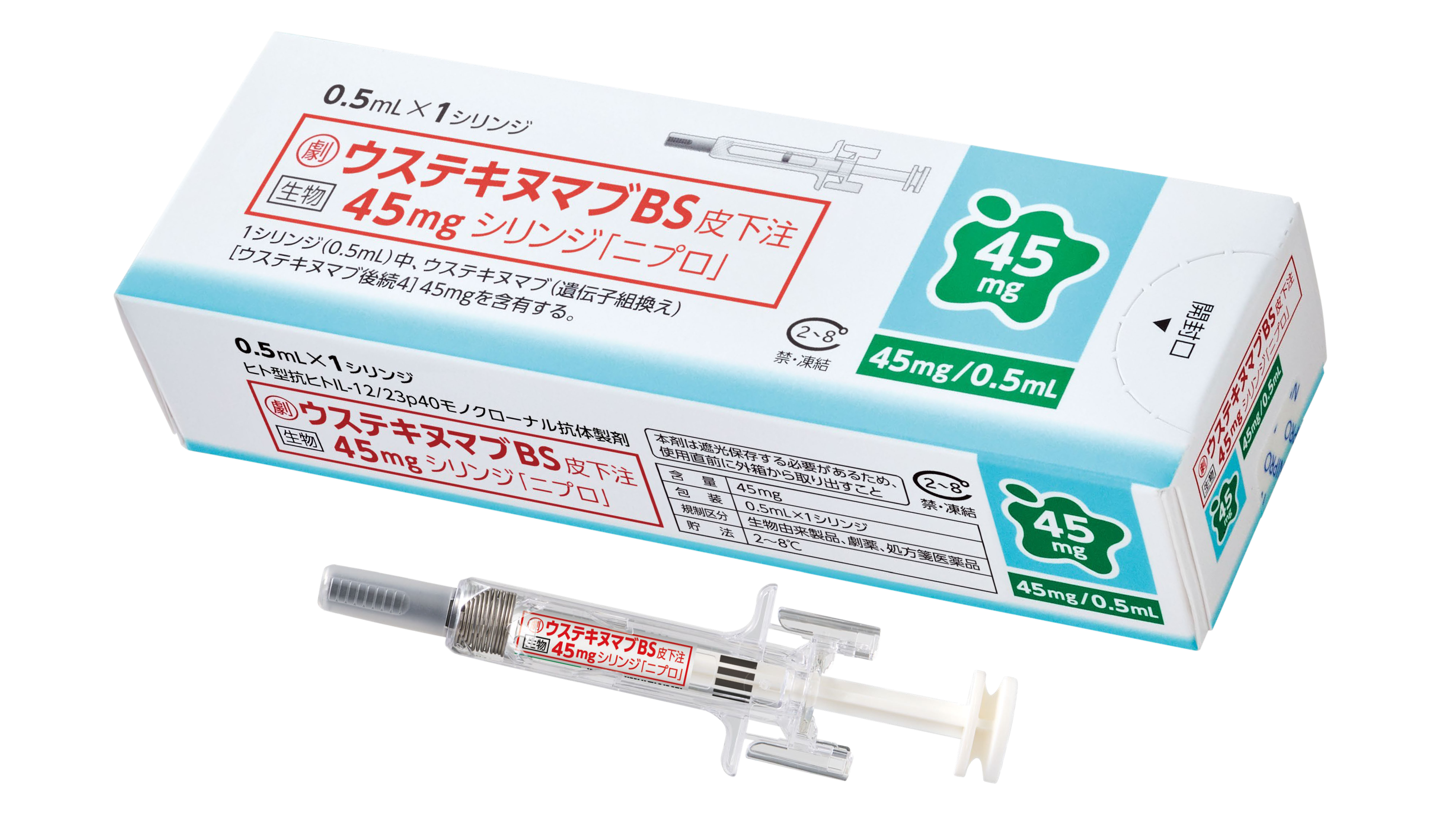
- Samsung Bioepis product image_SB17 JapanSamsung Bioepis has officially entered the Japanese market with the launch of its first biosimilar product in the country.Samsung Bioepis announced on the 20th that it has launched the autoimmune disease treatment ‘SB17’ (active ingredient: ustekinumab) in Japan through its local marketing partner, Nipro Corporation.The product is approved in Japan as ‘Ustekinumab BS 45 mg Syringe for S.C. Injection「NIPRO」.’SB17 referencs Johnson & Johnson’s autoimmune disease treatment Stelara. The therapy works by inhibiting the activity of interleukin-12 and interleukin-23, signaling molecules involved in immune responses. In Japan, the product has been approved for the treatment of plaque psoriasis and psoriatic arthritis.Samsung Bioepis received marketing authorization for SB17 from Japan’s Ministry of Health, Labour and Welfare in December last year. The product was officially launched follosing its listing on Japan’s National Health Insurance reimbursement list on the 19th.The launch carries significance as it marks Samsung Bioepis’ first commercialized biosimilar product in Japan. Last June, the company signed a strategic partnership agreement with Nipro to commercialize multiple biosimilar products in Japan, including its Stelara biosimilar.Samsung Bioepis plans to expand the launch of subsequent biosimilar products in Japan, starting with this SB17 launch.Jin-han Chung, Vice President and Head of Commercial Strategy for International Markets, at Samsung Bioepis. said, “By providing high-quality biosimilar treatment options to patients with autoimmune diseases in Japan, we hope to improve treatment accessibility and will continue to strive to address unmet needs across various therapeutic areas.”Meanwhile, Samsung Bioepis is marketing its Stelara biosimilar under the brand name ‘Pyzchiva’ in Europe and the United States, and ‘Epyztek’ in Korea.
- Company
- BeOne Medicines strengthens clinical-centered role
- by Son, Hyung Min May 21, 2026 10:16am
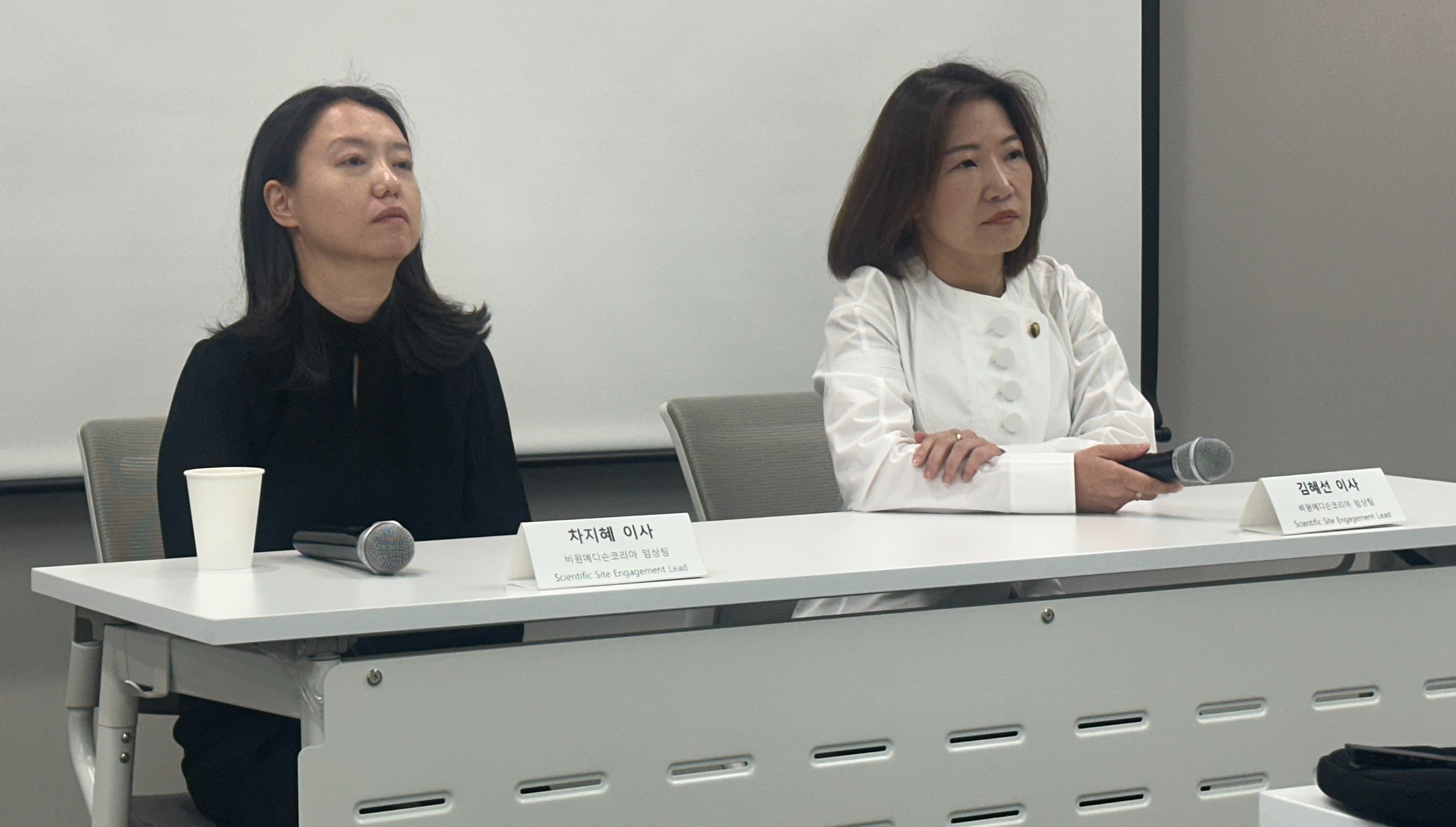
- BeOne Medicines is accelerating its research through an early-stage clinical-focused anticancer development strategy. As the paradigm of anticancer drug development shifts toward biomarker-based precision medicine, integrated Phase 1/2 development and simultaneous verification of multiple treatment strategies are becoming increasingly common.In particular, the company is strengthening combination therapy strategies and patient-selection-based development from the early stages while also focusing on expanding its domestic clinical network. According to the company, rather than simply competing on development speed, the focus is on rapidly delivering effective therapies while maintaining patient safety and data integrity.On the 19th, BeOne Medicines held a media forum in Gwanghwamun, Seoul under the theme “Latest Trends in Oncology Clinical Research and the Current Status and Outlook of Domestic Clinical Trials.” The event was organized ahead of Clinical Trials Day on the 20th.Presentations highlighted recent changes in oncology clinical research trends, the strengths and challenges of Korea’s clinical trial environment, and the need to expand early-stage clinical research.Eui-kyung Lee, Regional Communication and Patient Engagement Lead at BeOne Medicines, said, “From the company’s founding stage, BeOne Medicines aimed to create a structure that more rapidly and comprehensively connects drug discovery, clinical development, regulatory approval, and commercialization. In fact, since our in-house clinical team directly manages most of our trials, the time required until database lock is approximately 30% faster than the industry averageShe added, “We invest more in clinical research than we generate in sales. Guided by the philosophy that only innovation that reaches patients is true innovation, we are conducting oncology research focused on improving patient accessibility.”According to BeOne Medicines, the company currently has more than 180 ongoing global clinical trials, with over 40 studies already in Phase III or regulatory review stage. Approximately 30,000 patients are participating in these global trials.“Boundary between Phase 1 and 2 Is blurring”…Combination and frontline treatment validation begins earlierHye-sun Kim, Associate Director, Scientific Site Engagement Lead, Clinical operations at BeOne Medicines KoreaHye-sun Kim, Associate Director of Clinical Operations at BeOne Medicines Korea, explained that oncology clinical trials are increasingly moving away from traditional phased development structures.Kim said, “In the past, the process was sequential: determining dose in Phase I, confirming efficacy in Phase II, and then proceeding to confirmatory Phase III trials. Recently, however, integrated Phase I/II designs that simultaneously evaluate multiple patient groups and combination strategies have become increasingly common.”She continued, “While it was previously common to first obtain approval for monotherapy in later-line treatments before moving it to earlier-line settings, the trend is now shifting toward evaluating c combinations involving chemotherapy, immuno-oncology agents, and targeted therapies from the early stages.”She also emphasized the growing importance of biomarkers.Kim stated, “Biomarkers are evolving beyond mere tools for identifying targets to serve as a language that explains outcomes. Today’s clinical trials must simultaneously consider patient selection, risk management, treatment timing, and combination strategies, making their design and operation far more complex than in the past.”She also noted that the rapid expansion of antibody-drug conjugates (ADCs), bispecific antibodies, and multi-target therapies is increasing the burden of clinical trial design.“In the past, therapies targeted a single mechanism, but now development involves simultaneously controlling two or more targets or utilizing immune cells. This is an era in which drug-drug interactions, toxicity management, and optimal dose adjustment all need to be considered.”She added, “Simply moving quickly does not in itself constitute innovation. The key is to rapidly deliver effective treatments to patients who truly need them while maintaining patient safety and data integrity.”Korea’s strength in early-stage clinical trials highlightedJihye Cha, Senior Manager and Scientific Site Engagement Lead at BeOne Medicines KoreaJihye Cha, Senior Manager and Scientific Site Engagement Lead at BeOne Medicines Korea, said Korea still maintains strong competitiveness in the global oncology clinical trial landscape.According to Cha, Korea ranked fourth globally in 2023 and sixth in 2024 in terms of company-sponsored clinical trial registration data, particularly maintaining strength in early-stage clinical trials.Cha said, “Korea’s strengths include rapid patient enrollment, high data reliability, and strong global communication capabilities among investigators. The university hospital-centered healthcare system also enables highly efficient clinical trial execution.”She added, “The direction of global clinical development is shifting beyond simple trial execution toward involvement from the strategic development stage itself. Investigators and institutions, therefore, need to expand their roles in early-stage clinical research.”BeOne Medicines is also accelerating the expansion of early-stage clinical trials in Korea, leveraging the domestic clinical environment.According to the company, it has conducted or is conducting 55 clinical trials domestically, including 20 Phase I, 15 Phase II, and 20 Phase III trials. Currently, 27 studies are ongoing, involving more than 1,300 registered patients in Korea. Solid tumors account for approximately 75% of the company’s domestic clinical portfolio.In particular, various target- and modality-based pipelines beginning with immuno-oncology therapies are entering Korean clinical trials, and key candidates targeting breast cancer, lung cancer, liver cancer, and gynecologic cancers are preparing to advance into subsequent clinical phases.Cha explained, “Over the past three years, we have been one of the companies conducting the largest number of Phase 1 clinical trials in Korea. We are expanding clinical opportunities so that as many investigators and institutions as possible can gain experience with promising novel therapies.”She added, “People sometimes ask why more anticancer drugs are needed when so many already exist, but from the patient perspective, that is absolutely not the case. Even within the same cancer type, biomarkers and treatment responses differ greatly between patients, so more treatment options are still needed.”BeOne Medicines also stated that it is expanding discussions with Korean biotech companies regarding combination therapies and collaborative research.A company representative said, “We have held approximately 30 meetings with Korean biotech companies. We are focusing on systematically expanding domestic R&D synergies primarily through licensing-in opportunities.”
- Policy
- Korea approves Keytruda SC, developed with Alteogen's technology
- by Lee, Tak-Sun May 21, 2026 10:15am
- Product photo of KeytrudaThe subcutaneous (SC) formulation of 'Keytruda (pembrolizumab),' a global blockbuster immunotherapy for cancer treatment, is set to enter the Korean market after securing marketing authorization from the Ministry of Food and Drug Safety (MFDS). This approval is evaluated as a major achievement for the domestic biopharma industry, as the product integrates Alteogen's platform technology, and Samsung Biologics has been confirmed as part of the global contract manufacturing organization (CMO) lineup.On the 19th, the MFDS granted official marketing authorization for MSD Korea's 'Keytruda SC Inj (recombinant).'The newly approved Keytruda SC was developed using ALT-B4, a modified human hyaluronidase platform technology from the domestic biotech company Alteogen. It features a formulation combining the active ingredient, pembrolizumab, with 'berahyaluronidase alfa,' an enzyme that temporarily degrades the extracellular matrix of subcutaneous tissue. Using this technology, the existing intravenous (IV) formulation was converted into an SC formulation, enabling rapid dispersion and permeation of the drug into subcutaneous tissue.The contribution of South Korean companies is also significant in the manufacturing sector. According to the MFDS approval details, Keytruda SC's global contract manufacturing network includes Samsung Biologics, Korea's largest CMO, alongside BSP Pilot, Boehringer Ingelheim, and MSD headquarters. This system has enabled an innovative new drug developed with Korean platform technology to be supplied globally through Korea's state-of-the-art manufacturing facilities.Patient convenience is expected to improve dramatically. With the conventional Keytruda IV formulation, patients had to spend 30 minutes to an hour receiving an infusion in a hospital infusion center bed. In contrast, Keytruda SC can be administered by healthcare professionals into the thigh or abdomen in just one to two minutes. The dosing schedule can be selected based on the patient's condition, offering options for either a 3-week cycle (395 mg) or a 6-week cycle (790 mg). Patients currently receiving the IV formulation can also transition to the SC formulation starting with their next scheduled dose, which is expected to yield strong preference in clinical settings.The approved indications include the extensive scope of the existing IV formulation. Keytruda SC secured approvals across a total of 18 cancer types, including ▲melanoma ▲non-small cell lung cancer (NSCLC) ▲malignant pleural mesothelioma ▲head and neck cancer, classical Hodgkin lymphoma ▲urothelial carcinoma, gastric cancer ▲esophageal cancer ▲renal cell carcinoma, endometrial carcinoma ▲triple-negative breast cancer (TNBC) ▲cervical cancer ▲biliary tract cancer ▲hepatocellular carcinoma ▲microsatellite instability-high (MSI-H) solid tumors. This approval is based on data from a large-scale global bioequivalence clinical trial (MK-3475A-D77), which demonstrated comparable pharmacokinetic (PK) properties, efficacy, and safety profiles to the IV formulation.A pharmaceutical industry employee stated, "Keytruda is a mega-blockbuster competing for the top spot in global sales," and added, "The fact that Alteogen's technological advancement and Samsung Biologics' manufacturing capabilities have been integrated into global pharma giant MSD's core pipeline is a major milestone, demonstrating that the standing of the Korean pharma and biotech industry has taken a significant leap forward." Keytruda is a mega blockbuster that recorded global sales of KRW 46 trillion last year. In South Korea, Keytruda's sales have surpassed KRW 500 billion, ranking as the highest-performing pharmaceutical in the country.
- Company
- The 10th anniversary of 'Tagrisso' approval in Korea
- by Son, Hyung Min May 20, 2026 02:28pm
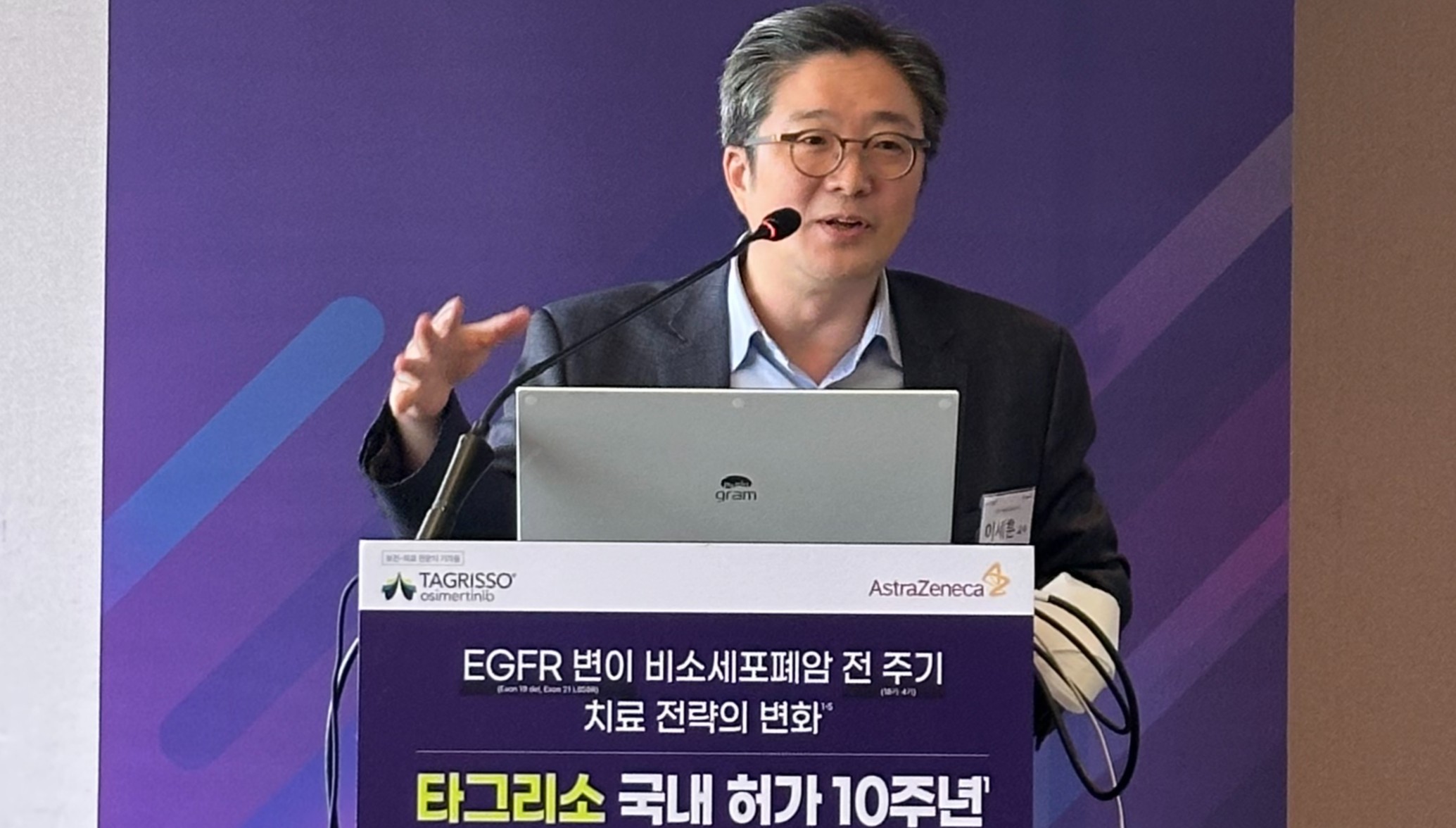
- As the therapeutic landscape for EGFR-mutated non-small cell lung cancer (NSCLC) shifts toward all-cycle management from early to metastatic stages, AstraZeneca’s 'Tagrisso (osimertinib)' is recognized as a key driver of treatment strategy changes, based on clinical evidence accumulated over the past decade.Industry analysis suggests that by securing clinical data demonstrating not only progression-free survival (PFS) but also overall survival (OS) improvements and reduced post-operative recurrence, the treatment paradigm for EGFR-mutated lung cancer is transitioning from a life-extension focus to expanding curability.Se Hoon Lee, Professor of Hematology-Oncology at Samsung Medical CenterOn May 19, AstraZeneca Korea hosted a press conference at the Plaza Hotel in Jung-gu, Seoul, to commemorate the 10th anniversary of Tagrisso’s approval in South Korea, sharing major global clinical trial outcomes and the future direction of its treatment strategies.Tagrisso was first approved in South Korea in May 2016 as a second-line therapy for patients with locally advanced or metastatic EGFR T790M mutation-positive NSCLC. This drug received an expanded indication for first-line monotherapy in 2018. In 2021, Tagrisso became the only EGFR tyrosine kinase inhibitor (EGFR-TKI) to secure an indication for adjuvant therapy following complete surgical resection.Furthermore, its indication for combination use with platinum-based chemotherapy, broadening its therapeutic scope in 2024 byCurrently, Tagrisso is the only third-generation EGFR-TKI recommended as a "Preferred" Category 1 option by the National Comprehensive Cancer Network (NCCN) guidelines for both first-line monotherapy and combination chemotherapy regimens. Its application as a post-operative adjuvant therapy also holds a Category 1 recommendation.Se Hoon Lee, Professor of Hematology-Oncology at Samsung Medical Center, said, "The lung cancer targeted therapy paradigm has evolved most rapidly for the EGFR mutation," and added, "With a high prevalence of these mutations among Korean patients and subsequent improvements in survival rates driven by targeted therapies, the outpatient landscape for long-term patient management has fundamentally transformed."Professor Lee added, "The advancement of EGFR-TKIs, including those for Tagrisso, established the benchmark for developing subsequent mutation-targeted strategies in ALK, ROS1, and KRAS." Professor Lee said, "Progression beyond treating metastatic disease to a stage where we aim for a cure in Stage I and II patients is highly meaningful."Ji Yoon Lee, AstraZeneca Korea's Medical Affairs Unit DirectorIndeed, Tagrisso has built clinical evidence across various stages of the disease through major global clinical trials, including FLAURA, FLAURA2, ADAURA, LAURA, and AURA3.In the FLAURA study, Tagrisso became the standard of care by demonstrating both overall survival (OS) and progression-free survival (PFS) benefits in the first-line treatment of advanced NSCLC positive for EGFR Exon 19 deletions or Exon 21 (L858R) mutations.After that, in the FLAURA2 study, the final analysis of Tagrisso combined with platinum-based chemotherapy demonstrated a median OS of 47.5 months. Experts highlighted that the combination also showed a trend toward a reduced risk of death in patients with central nervous system (CNS) metastases compared to the control group.In the ADAURA study, which evaluated post-operative adjuvant therapy, the analysis of the overall patient population with Stages IB to IIIA disease demonstrated a 73% reduction in the risk of disease recurrence or death compared with the control group, highlighting its potential to expand into early-stage treatment.Additionally, the LAURA study reported a statistically significant prolongation of progression-free survival in patients with unresectable Stage III disease, extending the drug's targeted strategy into the locally advanced setting.Ji Yoon Lee, AstraZeneca Korea's Medical Affairs Unit Director, said, "Over the past 10 years, Tagrisso has continuously accumulated core clinical evidence within the global and domestic EGFR-mutated NSCLC treatment landscape," and added, "We will continue our research and development efforts to advance tailored treatment strategies optimized for specific patient characteristics and disease stages."Hyun Ju Lee, AstraZeneca Korea's Oncology Business Unit director, stated, "The 10th anniversary of Tagrisso’s approval in South Korea represents the shifting paradigm of EGFR-mutated lung cancer care. Based on our oncology R&D capabilities and leadership, we will continue to contribute to improving a patient-centric treatment environment."

- Policy
- Generic market for anti-cancer drug Xtandi heats up
- by Lee, Tak-Sun May 20, 2026 02:28pm
- Original Xtandi TabThe generic market for Xtandi (enzalutamide, Astellas), a blockbuster prostate cancer treatment, is in turmoil.With the expiration of the substance patent approaching this June and approvals for soft capsule generics coming one after another, latecomers are now setting their sights squarely on the ‘tablet’ market—the original manufacturer’s latest strategic weapon— rapidly expanding the competitive battlefield.According to industry sources, on April 24, applications for approval of three film-coated tablet strengths of enzalutamide (40mg, 80mg, and 160mg) were simultaneously submitted to the Ministry of Food and Drug Safety. Industry attention is focused on these applications because they aim to secure ‘first generic exclusivity,’ considered the key to early market dominance.From capsules to tablets…follow-up approvals accelerate after breaking the 2033 barrierOriginally, the Xtandi generic market had been developing primarily around soft capsule formulations timed with the expiration of the substance patent on June 27. Major pharmaceutical companies, including Alvogen Korea, Daewon Pharmaceutical, Hanmi Pharmaceutical, GL Pharma, and Dongkook Pharmaceutical, have already obtained approvals for soft capsule generics and are preparing to launch.In response, original manufacturer Astellas Pharma Korea introduced ‘Xtandi Tab’ (40mg and 80mg) with improved dosing convenience and completed reimbursement listing last April. This was part of a defensive strategy to shift the market’s center of gravity toward tablets and fend off the generic competition. This was because the tablet formulation was protected by a separate composition patent valid until September 2033.However, the defensive line collapsed as domestic pharmaceutical companies successively succeeded in circumventing this 2033 formulation patent through a series of negative scope confirmation trials. The latest film-coated tablet generic applications are therefore interpreted as the first step toward realizing a ‘dual competition’ structure between dosage forms after neutralizing the patent barrier.Addition of a 160mg high-dose option… Aiming for exclusivity through first generic approval rightsA notable feature of the film-coated tablet lineup applied for this time is the inclusion of a 160mg high-dose product, which is not available in the original Xtandi Tab lineup (40mg, 80mg).Currently, patients face the inconvenience of having to take four 40mg soft capsules at once each day. In response to the original manufacturer introducing an 80mg tablet form to reduce the number of pills taken to two, the generic manufacturer has launched a counterattack by developing a 160mg ultra-high-dose formulation that requires taking “just one pill a day.” This is a strategy to surpass the original in terms of convenience.Furthermore, if these companies secure first generic exclusivity based on the latest applications, they will gain the privilege of blocking other tablet generics from entering the market for a certain period while competing exclusively against the original product.A pharmaceutical industry official predicted, “If the ‘first war’ takes place in June when soft capsule generics flood the market immediately after the substance patent expires, then approvals and reimbursement listings for tablet generics pursuing first generic exclusivity will ignite the ‘second war’ in the second half of the year.”As a direct confrontation approaches between the original company’s market-defense strategy through tablet conversion and domestic pharmaceutical firms seeking early dominance of the tablet market through patent circumvention and independent high-dose lineups, the industry’s attention is focused on who will take the lead in the enzalutamide market. Xtandi recorded domestic sales of KRW 38 billion last year, according to UBIST data.

- Policy
- MFDS to maintain small-packaging drug regulations
- by Lee, Tak-Sun May 20, 2026 02:28pm
- The Ministry of Food and Drug Safety has recommended that pharmaceutical companies voluntarily adjust their own packaging practices rather than granting the industry’s request to relax small-packaging regulations due to stable drug supply concerns arising from the Middle East conflict. The move is interpreted as maintaining the small-packaging regulations while expanding recognition of exceptional cases. Industry requests for a grace period on administrative penalties this year appear to have been rejected following opposition from pharmacy organizations and related groups.This is interpreted as the government’s intention to expand the recognition of exceptions while maintaining compliance with the small-packaging regulations. It is analyzed that the industry’s initial request for a suspension of administrative penalties this year was rejected due to opposition from groups such as the Korean Pharmaceutical Association.According to industry sources on the 18th, the MFDS recently sent an official notice to pharmaceutical associations requesting that each pharmaceutical company voluntarily adjust small-package supply ratios.Under the current “Regulations on Supply of Pharmaceuticals in Small Packaging Units,” pharmaceutical manufacturers and importers are required to supply at least 10% of their annual production or import volume to pharmacies in small packaging units.The standards are set at 30 tablets or fewer for bottle packaging, 100 tablets or fewer for blister packs, and 500 mL or less for syrups. Violations result in administrative penalties such as suspension of sales operations.The mandatory small-packaging rule was originally introduced to reduce excessive inventory at pharmacies and the resulting social costs from the disposal of unused stock.Recently, the pharmaceutical industry requested relaxation of the small-packaging regulations due to shortages of pharmaceutical packaging materials caused by instability in naphtha supply stemming from the Middle East conflict. In particular, the industry requested suspension of administrative penalties this year, even if mandatory small-package production ratios were not met.On the 2nd of last month, MFDS Minister Yu-Kyoung Oh visited JW Pharmaceutical to inspect IV solution packaging and announced that the ministry would swiftly pursue proactive administrative measures, including the relaxation of the small-packaging obligations.Following this, the MFDS working-level department reviewed the potential easing of the small-packaging requirement. However, pharmacy organizations, including the Korean Pharmaceutical Association, opposed such measures, citing concerns such as inventory disposal, making policy decisions difficult.Ultimately, it appears the MFDS has decided to adhere to the regulations while actively utilizing exceptions.In an official notice, the MFDS stated, “The MFDS has recommended that pharmaceutical companies voluntarily reduce the use of drug packaging materials, such as by adjusting the ratio of small-volume packaging.”The ministry added, “While complying with the minimum standards for small-package supply in consideration of the purpose and intent of the ‘Regulations on Supply of Pharmaceuticals in Small Packaging Units,’ if compliance becomes difficult due to shortages in packaging material raw supplies caused by wartime conditions, companies may submit statements on product-specific explanations and supporting materials to the MFDS under Article 5 of the regulation to receive exemption from the small-package requirements.”The measure is ultimately interpreted as maintaining the small-package supply obligation while broadly recognizing exception products.A pharmaceutical industry official stated, “In response to opposition from the Korean Pharmaceutical Association and others, it appears that the request for a suspension of administrative penalties requested by the industry has not been accepted. However, the MFDS’s request for voluntary adjustment by pharmaceutical companies can be interpreted as an intention to actively recognize exceptions.”
- Opinion
- "New triple-combination therapy Levosartan Plus for hypertension"
- by Kim, Jin-Gu May 20, 2026 02:28pm
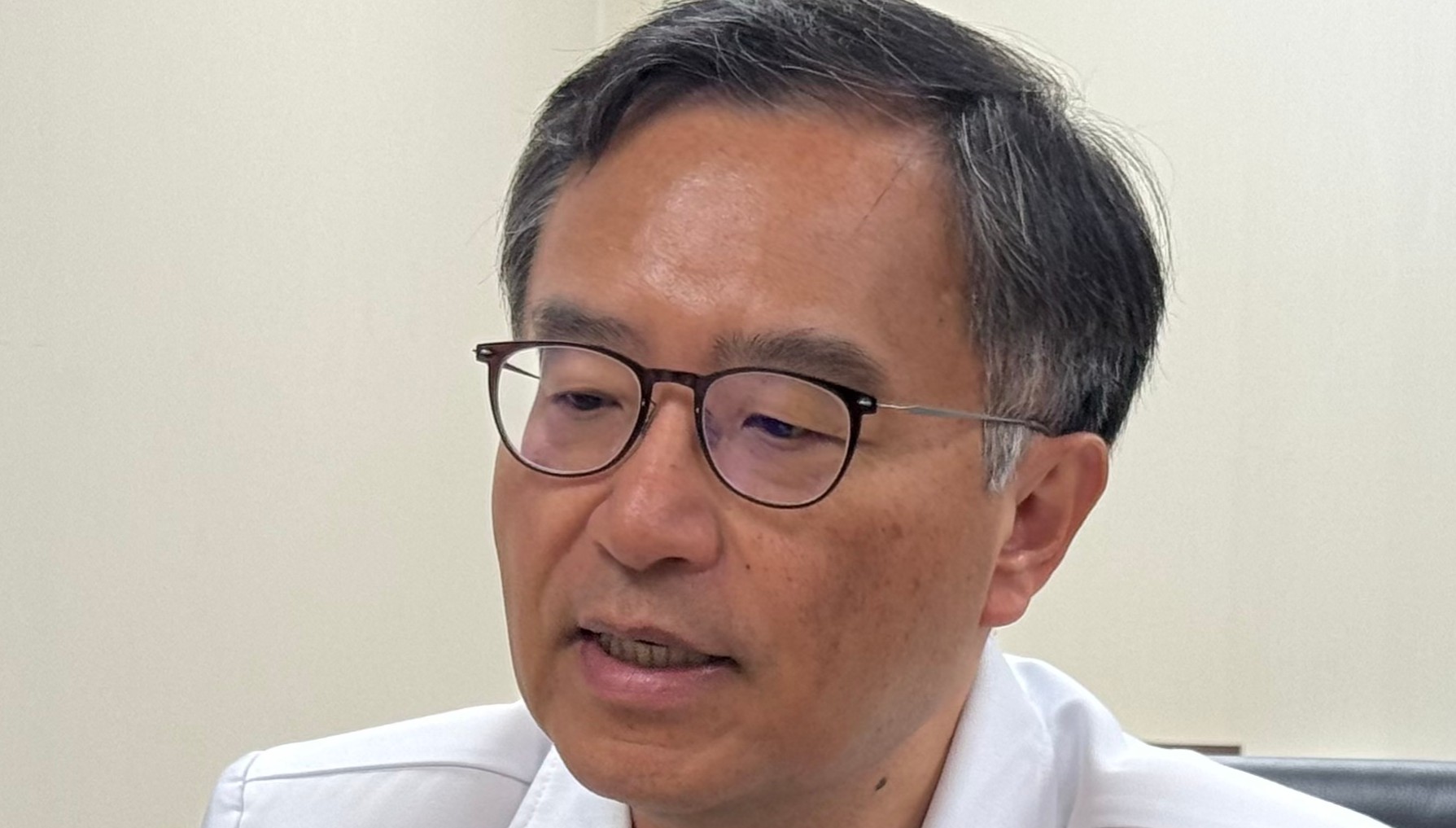
- Ahngook Pharmaceutical recently launched ‘Levosartan Plus Tab’, a triple combination therapy for hypertension. The product contains valsartan (an ARB) + S-amlodipine (a CCB) + indapamide (a diuretic). It is the first time this active pharmaceutical ingredient (API) combination has been approved in South Korea.Professor Seok-Min Kang of the Division of Cardiology at Severance Hospital, who led the clinical trial for regulatory approval, stated, “As the comorbidities of patients with hypertension become increasingly diverse, the importance of combining drugs with different mechanisms of action (MOAs) is growing. It will be highly useful, particularly for elderly patients or high-risk hypertensive patients with multiple underlying conditions.”Korea's first triple combination hypertension therapy, additional blood pressure-lowering efficacy compared to dual therapyProfessor Seok-Min Kang of the Division of Cardiology at Severance HospitalThe approval basis of trial for Levosartan Plus Tab was conducted over 3 years, starting in April 2022, and enrolled 306 hypertensive patients across 30 hospitals in South Korea. The study evaluated the incremental blood pressure-lowering efficacy of the triple combination therapy compared with conventional ARB·CCB dual fixed-dose combinations.The trial results demonstrated that Levosartan Plus Tab achieved an additional reduction of 6.3 mmHg in systolic blood pressure (SBP) and 3.69 mmHg in diastolic blood pressure (DBP) compared to the control group (dual combination). After 10 weeks, the blood pressure normalization rate in the investigational group was statistically significantly higher than that of the control group.Professor Kang said, “Tertiary hospitals see many high-risk hypertensive patients with various comorbidities such as diabetes, chronic kidney disease (CKD), stroke, and myocardial infarction (MI), making blood pressure management challenging with single-mechanism therapies alone," and added, "This clinical trial confirmed that the combination of three components with distinct MOAs offers incremental efficacy in controlling blood pressure in actual Korean hypertensive patients.”“Indapamide lowers risk of electrolyte imbalance aberrations...Synergy with valsartan and S-amlodipine”The most differentiating component in this combination is the diuretic, indapamide. Previously, the South Korean market for hypertension combination drugs predominantly utilized diuretics from the chlorthalidone or hydrochlorothiazide classes.Professor Kang cited the HYVET (Hypertension in the Very Elderly Trial) study as evidence for indapamide. Published in 2008, the study demonstrated that indapamide-based treatment reduced the ▲risk of mortality ▲fatal stroke ▲heart failure incidence ▲cardiovascular events compared to placebo. “In elderly hypertensive patients, indapamide-based therapy showed positive outcomes not only in blood pressure control but also in terms of cardiovascular prognosis,” Professor Kang explained.Professor Kang highlighted safety as a key advantage of indapamide. He explained that while conventional diuretics often pose a burden to elderly patients by lowering serum sodium and potassium levels, indapamide carries a relatively lower risk of such adverse effects.“While chlorthalidone offers potent antihypertensive efficacy, it can induce hyponatremia and hypokalemia in some elderly patients,” Professor Kang said. “In contrast, indapamide tends to be used stably in clinical practice.” Kang further emphasized, “The risk of metabolic side effects, such as elevated cholesterol, is also relatively low, making it highly applicable for hypertensive patients with concurrent hyperlipidemia.”The other two components, valsartan and S-amlodipine, are also evaluated as having distinct therapeutic roles. Professor Kang anticipated synergistic effects arising from the unique strengths of each component.“Amlodipine is a long-established CCB-class antihypertensive drug, but it can cause side effects like edema in elderly patients,” Professor Kang said. “In contrast, because S-amlodipine isolates only the active S-enantiomer responsible for lowering blood pressure, it carries a lower risk of adverse events such as edema or facial flushing compared to conventional amlodipine.”Regarding valsartan, Kang noted, “It is a drug with significant clinical evidence. In addition to lowering blood pressure, valsartan acts as an RAS (renin-angiotensin system) blocker, providing renal and cerebral protection. It can be utilized with a relatively stable safety profile even in patients with early-stage diabetes or those with a high metabolic risk profile.”“Complementary actions of three components... Expected to benefit elderly and high-risk hypertensive patients”Professor Kang projected that the new combination therapy containing valsartan + S-amlodipine + indapamide would benefit hypertensive patients who are elderly or present with underlying comorbidities. “It could be considered a preferred option for hypertensive patients with early-stage diabetes, obesity, or chronic kidney disease,” Professor Kang said. “It is also suitable for patients who previously suffered from ankle edema when using standard CCBs.”Professor Kang noted that the competitive edge of this therapy among the numerous existing hypertension combinations lies in its drug synergy. “It is designed for stable blood pressure control with S-amlodipine, the enhanced antihypertensive efficacy of indapamide, and the long-term clinical evidence and organoprotective effects of valsartan to complement one another.,” Professor Kang assessed. “It is a combination designed not just for efficacy in lowering blood pressure, but also taking into account real-world clinical experience.”Professor Kang also anticipated improvements in patient medication adherence. “Most hypertensive patients are elderly and take a load of medicines,” Professor Kang noted. “Taking a single pill is far more convenient than taking three separate medications," and concluded that "This will improve patient adherence, leading to a reduction in cardiovascular events.”
- Policy
- SK plasma gains approval for Revolade generic
- by Lee, Tak-Sun May 20, 2026 02:28pm
- Original drug, Novartis’ ‘Revolade’SK Plasma has officially entered the generic market for Novartis’ rare disease treatment Revolade (eltrombopag olamine). Following Pharmbio Korea, which first entered the market, SK Plasma is joining as a latecomer, turning the competition among domestic generic manufacturers into a two-way race.On the 18th, the Ministry of Food and Drug Safety approved two dosage strengths (25mg and 50mg) of SK Plasma’s thrombocytopenia and severe aplastic anemia treatment, “Revolpag Tab.”The original drug for Revolpag is Novartis Korea’s ‘Revolade.’ The indications SK Plasma received approval for this time include all key efficacy and indication areas held by the original drug.The three approved indications include: ▲Treatment of thrombocytopenia in chronic immune (idiopathic) thrombocytopenia patients who showed insufficient response to corticosteroids or immunoglobulins; ▲ Treatment of thrombocytopenia to initiate and maintain interferon-based therapy in chronic hepatitis C patients, and as ▲First-line treatment of severe aplastic anemia in pediatric patients aged 2 years and older and adults in combination with immunosuppressive therapy, as well as treatment of severe aplastic anemia unresponsive to prior therapies.However, for chronic immune thrombocytopenia and chronic hepatitis C treatment, the drug is approved only for use in clinical conditions associated with increased bleeding risk and cannot be used for the purpose of normalizing platelet counts.Previously, SK Plasma successfully circumvented three “new pharmaceutical composition” patents that had served as the core barrier protecting Revolade, winning a negative scope confirmation trial after a dispute that went all the way to the Supreme Court. This approval was achieved after fully resolving patent risks.As a result, the domestic eltrombopag olamine market is expected to enter an intense competitive phase between Pharmbio Korea’s first-mover product “Elpag Tab” and SK Plasma’s late-entry “Revolpag Tab.” Elpag launched in October 2024.The Revolade market has continued to grow after reimbursement criteria were expanded in 2024, reaching import sales of approximately USD 5.23 million (around KRW 7.8 billion).A pharmaceutical industry official commented, “With Pharmbio Korea already in the market and expanding its market share, SK Plasma has secured approval and is leveraging its full indication coverage. Once reimbursement listing and pricing procedures are completed and the product launches in earnest, treatment options for physicians and patients will expand significantly.”
- Policy
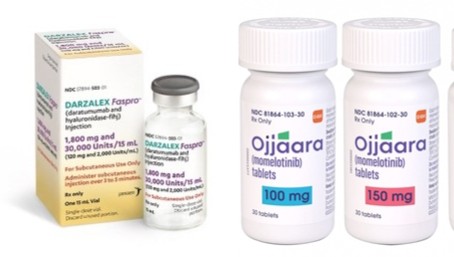
- Darzalex SC and Omjjara complete drug price negotiations
- by Jung, Heung-Jun May 19, 2026 11:08am
- Janssen Korea’s multiple myeloma treatment, Darzalex SC (daratumumab), is expected to be listed for reimbursement after completing drug price negotiations with the National Health Insurance Service.In addition, Korea GSK’s new myelofibrosis treatment Omjjara Tab (momelotinib) 100mg, 150mg, and 200mg has also reached a pricing agreement and will enter reimbursement listing.According to industry sources on the 18th, Darzalex SC and Omjjara Tab, which entered negotiations with the NHIS in March, recently finalized pricing agreements.Both drugs are new therapies that passed the Drug Reimbursement Evaluation Committee in January. Darzalex SC was recognized as appropriate for reimbursement as “combination therapy with bortezomib, cyclophosphamide, and dexamethasone in newly diagnosed light-chain amyloidosis patients.”Unless unexpected issues arise, both drugs are expected to proceed with reimbursement listing next month.Janssen Korea is continuing to expand the approved indications for Darzalex SC. Last April, the drug additionally received approval for 3 new indications, including combination therapy with bortezomib, lenalidomide, and dexamethasone (DVRd) for newly diagnosed transplant-eligible multiple myeloma patients. Accordingly, further applications for reimbursement expansion are expected.The reimbursement appropriateness for GSK’s myelofibrosis treatment Omjjara Tab was recognized at this year’s first DREC meeting for “treatment of intermediate- or high-risk myelofibrosis with anemia in adults,” provided that the price is set below the evaluation threshold.Omjjara passed the Cancer Drug Deliberation Committee in March last year, but submission to the reimbursement evaluation committee was delayed due to issues such as the selection of comparator drugs. After approximately 10 months, it was resubmitted and cleared the first hurdle at this year’s DREC meeting.Like Darzalex SC, it entered NHIS drug price negotiations in March and ultimately reached a final agreement. Reimbursement listing is scheduled for next month.Meanwhile, negotiations for Mounjaro, which entered price negotiations in January this year, broke down. Although the company applied for the flexible pricing contract system, it is reported that the parties reportedly failed to narrow differences regarding the separately negotiated amount.
