
- LOGIN
- MemberShip
- 2026-09-11 01:50:27
- Company
- Ildong re-enters the migraine mkt with 'Nurtec' after Reyvow withdrawal
- by Kim, Jin-Gu Sep 10, 2026 08:44am
- Ildong Pharmaceutical is reentering the domestic migraine market through a partnership with Pfizer. As Ildong's migraine drug Reyvow is set for commercial discontinuation this December, Ildong is collaborating with Pfizer Korea to co-promote 'Nurtec (rimegepant).'Migraine drug Reyvow faces withdrawal at the end of this year…Ildong continues with the sales of NurtecAccording to industry sources on the 9th, Ildong Pharmaceutical announced on the 8th that it entered into a domestic distribution and co-promotion agreement with Pfizer Korea for Nurtec ODT. Starting this month, the two companies will jointly conduct product information for healthcare professionals and commercial sales activities.Ildong Pharmaceutical entered into a domestic distribution and co-promotion agreement with Pfizer Korea for Nurtec ODT.For Ildong Pharmaceutical, this partnership enables a portfolio transition from its existing migraine therapy, 'Reyvow (lasmiditan).' Back in 2013, Ildong secured regional commercial rights across eight Asian territories, including South Korea, from Reyvow’s original developer, U.S.-based CoLucid Pharmaceuticals. Although Eli Lilly acquired CoLucid Pharmaceuticals and gained global rights to Reyvow, Ildong retained its domestic marketing authorization and commercial rights.Reyvow drew significant attention as a novel mechanism-of-action oral migraine therapeutic designed to address the limitations of conventional triptan therapies. By selectively targeting the 5-HT1F receptor, it reduces concerns about vasoconstriction and related cardiovascular adverse events. Following regulatory approval in South Korea in 2022, Ildong commenced commercial distribution.However, Reyvow failed to secure National Health Insurance reimbursement listing. Disagreements over drug pricing during the domestic reimbursement appraisal ultimately led to an out-of-pocket, non-reimbursed launch. In the non-reimbursed market, Reyvow subsequently recorded an annual production value of merely around KRW 200 million.In June of this year, Eli Lilly decided to cease global manufacturing and supply of Reyvow. As a consequence, domestic sales of Reyvow are scheduled to terminate this December.Under these circumstances, co-promoting Nurtec enables Ildong Pharmaceutical to maintain continuity in its migraine franchise. Ildong has long maintained an established neurology sales and commercial network anchored by Sermion (nicergoline). Furthermore, navigating the domestic regulatory approval and commercialization of Reyvow allowed the company to accumulate dedicated operational expertise in novel migraine therapeutics.Differentiated from Reyvow by spanning scute to preventive Care...Can it clear the reimbursement hurdle?Nurtec is an oral calcitonin gene-related peptide (CGRP) receptor antagonist that operates via a mechanism distinct from Reyvow. In South Korea, it is approved for both the acute treatment of migraine attacks and the preventive treatment of episodic migraine in adults. As a single therapeutic agent, it targets both acute symptom relief during an attack and preventive therapy to reduce future recurrence.Administration convenience is a product strength. Formulated as an ODT that dissolves on or under the tongue without water, Nurtec is designed to make administration easier, even during an acute migraine attack.Product photos of Reyvow (left) and Nurtec (right).In global clinical trials, the drug also secured head-to-head comparative data against 'Emgality (galcanezumab),' a reimbursed injectable preventive therapy in South Korea. In the CHALLENGE-MIG study, which enrolled 580 patients and evaluated episodic migraine prophylaxis, 61% of patients in the rimegepant arm achieved a 50% or greater reduction in monthly migraine days, compared with 62% in the galcanezumab arm. This demonstrates that Nurtec delivers comparable preventive efficacy in a direct head-to-head comparison.Rimegepant’s efficacy has also been established in the acute treatment setting. In a separate placebo-controlled clinical trial, 19.6% of patients in the rimegepant group achieved pain freedom at two hours post-dose versus 12.0% in the placebo group. In comparison, 37.6% and 25.2% of patients achieved freedom from the most bothersome symptom (MBS), respectively.National Health Insurance reimbursement listing is expected to be the key variable driving market expansion.Pfizer commercially launched Nurtec as an out-of-pocket, non-reimbursed product on the 1st of this month, a rollout path similar to Reyvow's previous entry. Given that Reyvow delivered lackluster commercial figures after failing to clear the reimbursement hurdle, industry analysts emphasize that securing reimbursement coverage will be critical to Nurtec’scommercial scalability.In the acute migraine treatment sector, no therapeutic agent has successfully entered the national formulary. While anti-CGRP biologics such as Emgality and Ajovy (fremanezumab) have attained reimbursement listing in the preventive segment, their reimbursed indications and coverage criteria remain tightly restricted. Consequently, Nurtec’s potential reimbursement entry will require a comprehensive evaluation encompassing not only its clinical value but also its pricing and pharmacoeconomic cost-effectiveness.

- Product
- AI-driven imaging competition heats up at KCR
- by Hwang, byoung woo Sep 10, 2026 08:44am
- Competition in artificial intelligence (AI) for diagnostic imaging is expanding beyond lesion detection and interpretation assistance to encompass the entire imaging workflow.As AI becomes involved in everything from image acquisition and reconstruction to automated measurements and report generation, companies are increasingly competing not simply on diagnostic accuracy but on their ability to improve examination speed and consistency while reducing clinicians’ workload.This shift was on full display at the Korean Congress of Radiology 2026 (KCR 2026), held Sept. 9–12 at KINTEX Exhibition Center 2 in Goyang.KCR 2026 is being held from Sept. 9 to 12.AI incorporated into imaging equipment…automating the entire examination processThe theme of this year’s congress is “Humanity Through Imaging.” Participating companies emphasized the clinical value that healthcare professionals and patients can gain from technologies in actual examination settings, rather than focusing solely on technological performance.While last year’s KCR centered on the hardware specifications needed to support high-performance AI and the possibility of upgrading existing equipment, a new area of competition has emerged this year -- how AI can be integrated into the imaging workflow.Competition among global diagnostic imaging companies has shifted from obtaining clearer images alone toward simultaneously reducing the time required for image acquisition, reconstruction and measurement. AI, meanwhile, is moving beyond standalone interpretation software and becoming embedded in CT, MR and ultrasound systems themselves.In CT and MR, the integration of hardware with AI-based reconstruction technology was particularly prominent. Siemens Healthineers applied its high-quality Quantum Iterative Reconstruction (QIR) technology to the NAEOTOM Alpha photon-counting CT system, while Philips showcased the second-generation Spectral CT 7500, which acquires conventional CT images and spectral data simultaneously, as well as the 3.0T MR BlueSeal Horizon, which is yet to be approved in Korea.GE HealthCare, meanwhile, presented Sonic DL, which accelerates MR image acquisition, and AIR Recon DL, which reduces image noise.(Clockwise from top left) Siemens, Canon, GE HealthCare and Philips boothsIn ultrasound, where examinations depend heavily on operator technique, automated recognition and measurement technologies were a common feature.Philips’ EPIQ Elite VM14 highlighted technology that automatically measures the kidneys and spleen and selects optimal image frames. GE HealthCare’s LOGIQ series similarly uses AI to identify and measure structures including the common bile duct, kidneys and abdominal aorta, reducing repetitive steps of testing for healthcare professionals.Samsung Medison presented its Liver Total Solution centered on the premium R20 ultrasound system, which offers combined assessment of fatty liver, liver fibrosis and viscosity-related properties of liver tissue. Its EzSWI liver stiffness measurement technology uses AI to automatically designate the region of interest.A study by a research team led by Professor Jeong-min Lee of Seoul National University Hospital found that the technology reduced examination time by approximately 55% without a statistically significant difference in diagnostic accuracy compared with the conventional method.Ultimately, competition in imaging equipment is shifting beyond how clearly images can be produced toward how quickly and consistently images of equivalent quality can be acquired.Young-beom Cho, Director of Domestic Sales Team at Samsung Medison, said, “Advances in imaging technology should go beyond providing more functions and ultimately help healthcare professionals make more reliable decisions while enabling patients to undergo examinations more efficiently.”Medical AI expands beyond detection…supports follow-up and reportingKorean medical AI companies placed greater emphasis on tasks performed after image acquisition. Their technologies are expanding beyond diagnostic assistance that flags lesions to encompass comparison with previous examinations, follow-up management, review of interpretation results and report generation.Lunit departed from the conventional approach of focusing on brochures and product presentations, instead setting up an interactive booth where visitors could experience the AI-assisted interpretation process firsthand.Through the Lunit INSIGHT Challenge, visitors could interpret chest X-rays and mammograms themselves and then compare their findings with the AI results. At the product demonstration area, the company showcased the interpretation workflows of Lunit INSIGHT CXR4, Lunit INSIGHT MMG and Lunit INSIGHT DBT, its AI solution for 3D mammography interpretation.“Sung-ho Back, a Lunit manager, explained, “AI solutions are much easier and faster to understand by experiencing them firsthand than by simply hearing an explanation. We designed the booth so visitors could interpret images themselves, compare their findings with the AI results and experience firsthand the role AI can play in an actual interpretation environment.”(Clockwise from top left) Samsung Medison, Lunit, DEEPNOID and Coreline Soft boothsCoreline Soft presented chest CT-based medical imaging AI solutions and clinical and screening applications under the theme “AI in Radiology: Beyond Detection.”Its AVIEW LCS Plus integrated lung cancer screening solution supports comparison with previous images and longitudinal follow-up in addition to lung nodule detection and quantitative analysis. The system enables clinicians to assess nodule size and changes according to consistent criteria across repeated examinations and link the findings to subsequent examinations and care.DEEPNOID, meanwhile, incorporated generative AI into the interpretation process. Eight abstracts in the chest and brain imaging fields being presented by the company at KCR 2026 evaluated how accuracy, efficiency and consistency change when AI is integrated into clinicians’ interpretation workflows.In chest imaging, the research covered a double-reading approach in which AI identifies cases that may have been missed after a physician’s initial interpretation and recommends them for review, as well as the use of generative AI to draft chest X-ray reports.While Coreline Soft has expanded its clinical reach into post-screening follow-up management and Lunit has focused on direct comparisons between clinicians’ interpretations and AI results, Deepnoid has extended AI into the selection of cases for re-review and report generation.Reducing only unnecessary repeat scans…will start real-time management from NovemberMeanwhile, the Korean Society of Radiology agreed with the need for stronger management of CT and MRI imaging histories but stressed that not all repeat imaging should be regarded as unnecessary duplicate testing.Beginning in November, the Health Insurance Review & Assessment Service (HIRA) will pilot a system that manages patients’ CT and MRI imaging histories in real time through its medical reimbursement benefits history verification system. Once the program is implemented, medical institutions will be required to review a patient’s imaging history from the previous year before performing a scan and submit relevant information to HIRA immediately afterward.KSR said repeat imaging may be medically necessary when performed to monitor changes in a patient’s condition or treatment outcomes, or when additional scans are needed because previous images were inadequate in quality or did not sufficiently cover the required anatomical area. By contrast, it said examinations repeated without medical justification despite usable existing images should be reduced.Joon-il Choi, Director of the KSR’s Policy and Advocacy Institute (KSR-PAI) and professor of radiology at Seoul St. Mary’s Hospital,said, “Not every repeat CT or MRI examination should be regarded as unnecessary duplicate imaging. The policy should focus not on indiscriminately reducing the number of repeat examinations, but on accurately identifying and reducing repeat scans that lack medical justification.”At a press briefing, the Korean Society of Radiology emphasized the importance of accurate screening rather than indiscriminately reducing the number of repeat examinations.The society proposed measures including entering reason codes for repeat imaging, facilitating the exchange of imaging information among medical institutions, establishing objective image-quality assessments and creating reimbursement for storing outside images in picture archiving and communication systems (PACS).On reimbursement for medical AI, the society also offered a pragmatic assessment that the National Health Insurance budget alone would be unlikely to provide compensation at the level expected by the industry.Given Korea’s relatively low medical fees, healthcare institutions have difficulty translating productivity gains from AI adoption into additional revenue. With the government also pursuing reductions in reimbursement for diagnostic imaging, the society said it would be difficult for the National Health Insurance system to provide additional reimbursement for AI usage fees.Choi said, “We need to fundamentally reconsider why the cost of medical AI should be borne by National Health Insurance,” and suggested that if the objective is largely to foster the industry and support exports, the government could also consider using separate funding from the industry or science and technology sectors.

- InterView
- [Reporter’s View] Rare disease drugs flock to 100-day listing pilot program
- by Son, Hyung Min Sep 10, 2026 08:44am
- More pharmaceutical companies than expected have applied for the government’s fast-track pilot program aimed at listing rare disease treatments for National Health Insurance reimbursement coverage within 100 days.A total of 14 rare disease treatments from Korean and multinational pharmaceutical companies were submitted for the recently closed pilot program. The government had initially planned to select five products. With applications reaching nearly three times the number of available slots, the program appears to have generated strong interest even before its launch.Under the program, the cost-effectiveness assessment normally conducted before reimbursement listing will be shifted to a post-listing evaluation, while procedures related to drug pricing and expenditure caps will be substantially streamlined based on a price benchmark of around 90% of the lowest adjusted price in the A8 countries. Reimbursement procedures will also begin before regulatory approval, with the goal of completing final National Health Insurance listing within 100 days of approval. The plan is intended to cut the listing process, which can currently take up to 240 days, by more than half.What deserves attention, however, is not simply that 14 products were submitted, but why pharmaceutical companies were so eager to participate.The conditions were not entirely favorable to drugmakers either. Five years after early reimbursement listing, treatment outcomes will be reassessed based on real-world data (RWD), with the possibility of a price reduction or a switch to full out-of-pocket payment depending on the results. Companies are also required to submit a “patient treatment continuity assurance plan,” a new requirement not included in the existing reimbursement listing system. In other words, companies gain faster market access in exchange for taking on considerable uncertainty.Nevertheless, 14 products were submitted. This suggests that demand for faster reimbursement access is substantial. At the same time, it also underscores just how long pharmaceutical companies and patients have had to endure the “wait” under the existing reimbursement process.This is not the first attempt to shorten the reimbursement listing period for new drugs. The government previously introduced a regulatory approval-assessment-price negotiation linkage program, under which regulatory approval, reimbursement eligibility assessment and price negotiations proceed in parallel, with the goal of shortening a process that could take more than 300 days to around 150 days.In practice, however, the process has not moved as quickly as intended. The first pilot program, launched in 2023, took about two years to complete, with some drugs taking more than a year to secure reimbursement coverage. The second pilot, launched in December 2024, has not been markedly different. Fintepla, the first drug to enter price negotiations, passed the Drug Reimbursement Evaluation Committee only about a year and a half after being selected for the pilot.Winrevair, a treatment for pulmonary arterial hypertension, was also included in the second pilot of the linkage program, but prolonged delays in the reimbursement process prompted a patient advocacy group in March to publicly question the program’s effectiveness. In other words, there was a gap between the program’s stated goal of “fast-track” access and the point at which patients could actually receive the drug with reimbursement.Of course, the new 100-day fast-track listing pilot program is not structured in the same way as the existing approval-assessment-negotiation linkage program. While the latter seeks to shorten timelines by running the existing approval, assessment and negotiation procedures in parallel, the new program goes further by substantially reducing pre-listing requirements themselves, including deferring the cost-effectiveness assessment until after listing.This can be seen as a stronger signal of the government’s determination to address reimbursement delays. On the other hand, given the gap between target timelines and actual processing times under previous fast-track listing initiatives, the success of this program will ultimately be judged by its results rather than its design.It is therefore too early to judge the program’s success based on the 14 applications alone. What matters is whether the selected treatments actually obtain National Health Insurance coverage within the timeframe promised by the government.For patients with rare diseases, the time required to obtain reimbursement coverage is more than an administrative processing period. Even after a treatment receives regulatory approval, its high cost can restrict actual access to treatment until reimbursement coverage becomes available. The government’s push for faster listing is ultimately intended to narrow this gap between regulatory approval and actual treatment access.The unexpectedly high number of applications for the 100-day fast-track listing program reflects strong expectations for the initiative. At the same time, the figure also highlights the “time delays” that the existing reimbursement system has failed to resolve promptly.The 14 applications may be a measure of the program’s popularity, but they are not a measure of its success. This time, the true test of the “fast-track listing” program should be not its name, but how long patients actually have to wait before gaining access to treatment.
- Policy
- MOHW has announced potential regulations concerning 'OTC overdose'
- by Lee, Jeong-Hwan Sep 10, 2026 08:44am
- Amid growing societal concern over adolescents overdosing on over-the-counter (OTC) drugs to achieve hallucinogenic effects, South Korea's Ministry of Health and Welfare (MOHW) has drawn the pharmaceutical industry's attention by announcing plans to overhaul the dispensing and distribution oversight system for OTC products in community pharmacies.In a written response to a legislative inquiry submitted by Representative So Byung-hoon of the Democratic Party to the National Assembly’s Health and Welfare Committee on the 1st, the MOHW stated that it agrees on the necessity of establishing safeguards within the pharmacy retail system to prevent adolescents from intentionally overdosing on specific OTC products for recreational or hallucinogenic purposes.Under the current Pharmaceutical Affairs Act, OTC medicines may be purchased without a prescription. However, Article 6 of the Enforcement Rule of the Pharmaceutical Affairs Act (Code of Ethics for Pharmacists and Oriental Herbal Pharmacists) strictly prohibits selling quantities exceeding an appropriate therapeutic dosage to minors or other individuals when there is a risk of misuse or abuse. Violations can result in administrative sanctions, including the suspension of a pharmacist's professional license.To terminate adolescent OTC overdoses, the MOHW has stepped up proactive surveillance by requesting formal cooperation from the Korean Pharmaceutical Association (KPA) on two separate occasions, in January and March of this year.Specifically, these administrative measures included ▲issuing directives to verify the intended indication of drugs carrying hallucinogenic risks while enforcing rigorous medication counseling (issued in January by the Mental Health Policy Division) ▲restricting excessive sales of abuse-prone medicines to adolescents and mandating strict compliance with ethical dispensing standards (issued in March by the Division of Pharmaceutical Policy).The MOHW plans to formulate actionable regulatory measures aligned with the legislative intent of the Pharmaceutical Affairs Act amendment bill introduced by Representative So.Representative So’s proposed amendment centers on mandating pharmacist medication counseling for OTC products susceptible to misuse or abuse, legally prohibiting the dispensing of quantities exceeding standard therapeutic regimens to minors, and requiring pharmacists to verify purchaser personal details and maintain transaction logs.An official from the MOHW’s Division of Pharmaceutical Policy stated, "The MOHW will comprehensively evaluate the positions of the primary regulatory authority, the Ministry of Food and Drug Safety (MFDS), and pharmacies represented by the KPA," and emphasized that "The ministry will establish a workable, pharmacy-level OTC management framework."While concurring with the legislative intent behind mandating OTC medication counseling, the MFDS pointed out that the bill partially conflicts with the nation’s existing pharmaceutical classification framework.Under Korea’s current regulatory system, the "drugs subject to misuse·abuse control" designation is applied exclusively to prescription-only medicines (ethical pharmaceuticals, or ETCs). Products with low potential for abuse are categorized as OTCs. Consequently, statutory provisions authorizing the MFDS Minister to designate a separate subset of OTCs as drugs subject to misuse or abuse create structural friction with the binary ETC/OTC classification system.The proposed measure cited the Pharmaceutical Affairs Act as the statutory basis, which legally defines OTC drugs as therapeutics with a low risk of misuse or abuse and that can be expected to demonstrate safety and efficacy even when administered without a physician's prescription.The MFDS stated, "Mandating the Minister to designate specific OTC drugs vulnerable to misuse or abuse warrants careful legal review, Rep. So's proposal diverges from the drug classification criteria established under the same statute," and concluded, "However, defining conditions for repeated OTC purchases by minors and prescribing pharmacist counseling standards fall within the administrative jurisdiction of the MOHW. The ministry will actively cooperate on necessary regulatory follow-ups."
- Policy
- Lipitor and Plavix face 51% price cuts next year
- by Jung, Heung-Jun Sep 10, 2026 08:44am
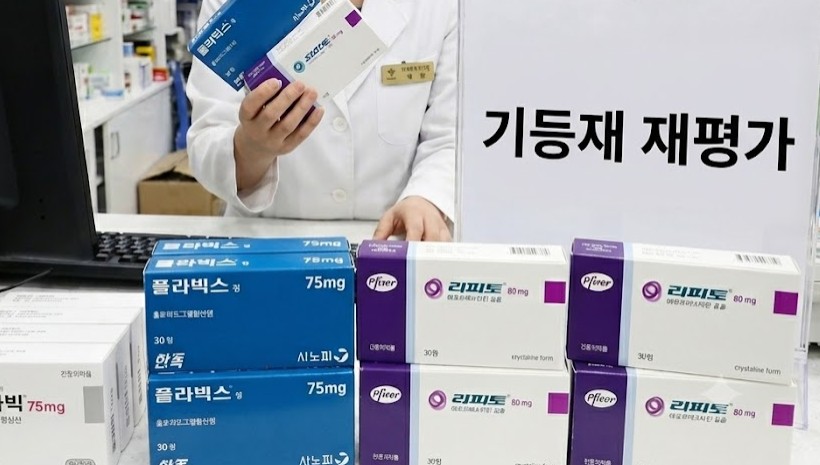
- A large number of major products, including Lipitor and Plavix, have been included in the first round of reassessment of previously listed drugs. Beginning with a reduction to 51% next April, reimbursement price ceilings will be lowered in stages, leaving even long-established blockbuster drugs exposed to price cuts.According to the first-round reassessment list released by the Health Insurance Review & Assessment Service (HIRA) on Sept. 8, a total of 12,437 products are currently included without exception.Hanmi Pharmaceutical and Chong Kun Dang each have more than 200 products classified for the first round of reassessment. Around 40 companies have at least 100 products on the list, including Daewoong Bio, Hutecs Korea, Hana Pharm, Reyon Pharmaceutical, Shin Poong Pharmaceutical, Myung In Pharm, Dongkook Pharmaceutical, Hanlim Pharm and Yuhan Corporation.More important than the number of products, however, is their sales volume. Price cuts imposed on one or two blockbusters with annual prescription sales exceeding KRW 100 billion could have a far greater impact on a company's actual revenue than dozens of low-sales products.Products in the first round of reassessment will initially be subject to a 51% price ceiling next year, followed by phased reductions to 45% by 2030. AI-generated imageNotable products included in the first round are Viatris' hyperlipidemia treatment Lipitor, Handok's antiplatelet drug Plavix, Daewoong Bio's cognitive function enhancer Gliatamin and Chong Kun Dang's cognitive function enhancer Gliatilin.According to pharmaceutical market research firm UBIST, all of these products have consistently generated annual sales exceeding KRW 100 billion.Viatris has only 36 products subject to the first reassessment after those marked as exempt are excluded, but all four strengths of its high-grossing Lipitor—10 mg, 20 mg, 40 mg and 80 mg—are included on the list. Lipitor is a major product with annual sales exceeding KRW 170 billion.Because the adjustment will be based on the highest price among identical formulations on the September reimbursement list, Lipitor, whose price has already been lowered, is expected to see only a modest reduction next April. The amount reduction will become greater from 2028, however. For Lipitor 10 mg, the current price of KRW 638 will fall to KRW 631 next year and KRW 607 in 2028.The outlook was mixed for Hanmi Pharmaceutical's major products. Amozaltan was included in the first round of reassessment, while Rosuzet, which generates more than KRW 220 billion in annual sales, was assigned to the second round.The government will use the September 2026 highest price for identical formulations, currently set at 53.55% of the reference price, as the basis for adjustments. For ordinary companies, the reimbursement ceiling will then be lowered in stages to 51% in 2027, 49% in 2028, 47% in 2029 and 45% in 2030. However, if a product's current ceiling price is already below the adjusted price for a given year, no additional reduction will be made that year.As a result, some blockbuster products may avoid a price cut next year because their prices are already low. Daewoong Bio's Gliatamin is included in the first round of reassessment, but its price has already fallen to around the 49% level, meaning its next reduction will likely begin in 2029.An industry official said, “It is difficult to simply compare the impact on individual companies based on the number of products alone. The reassessed prices of each company's key products need to be compared individually to gauge the actual impact.”
- Policy
- First Edarbi generic emerges, ahead of patent expiry next March
- by Lee, Tak-Sun Sep 09, 2026 12:26pm
- Korea's first generic for the domestic market has finally emerged in the market for Edarbi (azilsartan medoxomil potassium), an angiotensin II receptor blocker (ARB) hypertension drug that generates more than KRW 10 billion in annual prescriptions.According to the Ministry of Food and Drug Safety (MFDS), Huons received marketing authorization on Sept. 7 for Hudarbi Tab. 80 mg, a generic version of Edarbi. Whanin Pharmaceutical previously obtained approval for an export-only product in 2024, but Huons is the first company to secure approval for an azilsartan generic intended for sale in the Korean market.Edarbi was developed by Takeda Pharmaceutical and approved in Korea in May 2017. The drug gained a foothold in the market by emphasizing its strong blood pressure-lowering effect as well as low blood pressure variability, allowing stable blood pressure control throughout the day.After Celltrion acquired the Asia-Pacific commercial rights from Takeda, Celltrion Pharm has been responsible for distribution. Following a previous co-promotion arrangement with Dong-A ST, Daewon Pharmaceutical joined the co-promotion effort this year to further expand sales. According to pharmaceutical market research firm UBIST, annual outpatient prescriptions for Edarbi amount to approximately KRW 11 billion.While the latest approval has opened the door to generic competition, a full commercial launch is expected only next spring, as the patent covering “benzimidazole derivatives and uses thereof” listed for Edarbi is set to expire on March 26, 2027. Industry observers expect Huons to commercialize its product upon patent expiry in an effort to secure an early foothold in the market.Korea's hypertension drug market, estimated at around KRW 2.5 trillion, is highly competitive as prescriptions increasingly shift toward fixed-dose combination therapies. Until now, however, no same-ingredient generic has been available in the azilsartan monotherapy market, leaving little room for follow-on competitors.An industry official said, “Edarbi is a solid product that has maintained stable prescription sales as a monotherapy. Now that Huons has opened the field by securing the first approval for a domestic-market generic, more Korean pharmaceutical companies are likely to enter the race to develop generic and combination products as the patent expiration approaches.”
- Company
- Expectations and concerns around 'Opakalim,' in-licensed at KRW 1T
- by Cha, Ji-Hyun Sep 09, 2026 12:26pm
- SK BiopharmaceuticalsExpectations and concerns have surfaced around Opakalim, an epilepsy drug candidate that SK Biopharmaceuticals has in-licensed for about KRW 1 trillion. While it is projected to surpass $2 billion in net sales by 2042 following a 2029 U.S. launch, SK Biopharmaceuticals must pay sales royalties post-commercialization to both its contracting counterpart, Biohaven, and the original developer, Knopp Biosciences.According to the biotech industry on the 8th, SK Biopharmaceuticals valued the assets it evaluated during the in-licensing of the epilepsy drug candidate 'Opakalim (BHV-7000),' potassium channel (Kv7) activator compounds, and the Kv7 discovery platform at $909.6 million (KRW 1.2581 trillion). This is about 14% higher than the maximum deal value SK Biopharmaceuticals signed.The valuation was conducted by calculating free cash flow after deducting cost of goods, research and development (R&D) expenses, selling, general and administrative (SG&A) expenses, and working capital from projected revenues generated by Opakalim, and then discounting it to present value by reflecting clinical success probabilities and the time value of money. It incorporated the risks of drug development failure on top of the standard discounted cash flow (DCF) model.Previously, on the 26th of last month, SK Biopharmaceuticals signed an agreement with Biohaven Bioscience Ireland to secure exclusive worldwide development and commercialization rights for Opakalim, Kv7 activator compounds, and the Kv7 drug discovery platform. The total contract value is up to $795 million (KRW 1.0995 trillion), including a non-refundable upfront payment of $400 million (KRW 553.2 billion KRW). Royalties based on product sales are separate.Summary of the epilepsy drug candidate 'Opakalim (BHV-7000)': mechanism of action-Kv7.2 and Kv7.3 potassium channels regulating neuronal excitability in the brain, indication-adult patients with focal seizures, clinical stage-undergoing global 'RISE2' and 'RISE3' Phase 2/3 clinical trials, Original developer-Knopp Biosciences.Opakalim is an oral anti-seizure candidate that selectively activates Kv7.2 and Kv7.3 potassium channels regulating neuronal excitability in the brain. Its mechanism of action stabilizes hyperexcited neurons to suppress seizures. Unlike certain conventional anti-seizure medications, it has relatively little influence on gamma-aminobutyric acid (GABA) receptors, and its potential to reduce central nervous system (CNS) side effects is cited as a competitive advantage.Knopp Biosciences in the United States originally developed Opakalim. Biohaven acquired the Kv7 platform and Opakalim by signing an agreement to acquire Knopp's subsidiary, Channel Biosciences, in February 2022 and completing the transaction in April of the same year. Knopp received $35 million in cash and $65 million worth of Biohaven shares, totaling $100 million in initial consideration. The deal also included milestone payments tied to development and regulatory approval, along with sales royalties.Currently, Opakalim is undergoing global 'RISE2' and 'RISE3' Phase 2/3 clinical trials in adult patients with focal seizures. RISE3 completed patient enrollment last June and is slated to announce top-line results in the second half of this year. In an open-label extension (OLE) study evaluating long-term efficacy and safety after the preceding Phase 2 trial, 54% of patients treated with the 75 mg dose showed a 50% or greater reduction in seizure frequency over six consecutive months.Shinhan Accounting Corporation, an external valuation firm, estimated future revenue and cash flows to calculate the asset value, assuming Opakalim successfully navigates clinical trials and regulatory approvals to launch in the United States in 2029. It assumed the compound annual growth rate of 2.6% in total U.S. focal seizure prescriptions from 2016 to 2025 would continue. Opakalim's market share was projected to rise from 0.1% in 2029, its first year of launch, to 0.4% in 2030, 1.9% in 2035, and 2.9% in 2040. The prescription price was estimated to increase by 4.6% annually from a baseline of $1,550.30, reflecting a 20.0% premium over the 2025 average price of four comparable products. Factoring in rebates and various discounts, actual net revenue was modeled at 52.0% of the prescription price.Based on these assumptions, Opakalim was projected to generate $21.14 million in net sales in its initial U.S. launch year in 2029 and peak at $2.07913 billion in U.S. net sales in 2042, the 14th year post-launch. Subsequently, reflecting loss of exclusivity (LOE) in 2043, market share was projected to decline to 1.6% and net sales to decrease to $1.06173 billion. Applying a cumulative probability of 71.9% for clinical development and marketing approval success through commercialization, alongside a discount rate of 14.4%, yielded the final asset valuation.Notably, projections that Opakalim will achieve operating profit margins exceeding 70% from the mid-post-launch period onward also drew attention. Shinhan Accounting Corporation anticipated that Opakalim's operating margin would reach 71.5% in 2040, 71.6% in 2041, and 72.3% in 2042. This is more than 30 percentage points higher than SK Biopharmaceuticals' operating profit margin of 39.3% recorded in the first half of this year.This high profitability reflects a low-cost structure. Shinhan Accounting Corporation applied 10.9% of sales to cost of goods sold and 17.3% to SG&A expenses, based on averages of comparable U.S. biotechs. The rationale is that because SK Biopharmaceuticals has already established a dedicated local sales organization of about 150 personnel and a distribution infrastructure through cenobamate, it can co-commercialize Opakalim without significantly increasing overhead costs.Analysis suggests that SK Biopharmaceuticals' move to secure rights to Opakalim —investing an upfront payment that approached nearly three times its annual operating profit from last year (KRW 203.9 billion)—was a strategic decision based on commercialization feasibility, revenue growth potential, and high profitability. This indicates that SK Biopharmaceuticals valued Opakalim as a high-margin blockbuster asset capable of exceeding $2 billion in annual sales while delivering operating profit margins in the 70% range.The two companies also entered into a mutual non-compete clause. SK Biopharmaceuticals and Biohaven agreed to restrictions prohibiting either party from independently developing, manufacturing, or commercializing competing Kv7 activator compounds, or supporting third-party research related thereto, in global markets for several years following the first commercial sale of the product.Currently, Xenon Pharmaceuticals is leading the Kv7 class with 'azetukalner'. Xenon announced Phase 3 clinical results for azetukalner last March and is scheduled to submit a marketing application to the U.S. Food and Drug Administration (FDA) in the third quarter of this year. If azetukalner is approved as planned, it will become the first Kv7-class therapy in the field of epilepsy. With azetukalner leading commercialization, this provision is interpreted as a safeguard to preserve the market value of the latecomer Opakalim and to support follow-on Kv7 pipeline candidates.SK Biopharmaceuticals must pay a separate mid-single-digit royalty to Knopp Pharmaceuticals. (source: Biohaven's Current Report (Form 8-K))However, contractual royalty obligations will increase as Opakalim succeeds in commercialization and scales revenue, which could burden future profitability.According to Biohaven's Current Report (Form 8-K) and the original license agreement filed with the U.S. Securities and Exchange Commission (SEC) on the 26th of last month, when SK Biopharmaceuticals sells Opakalim and certain anti-seizure products in the United States, it must pay Biohaven running royalties ranging from the mid-teens to low twenties across net sales tiers. For sales outside the United States, it pays a mid-single-digit royalty rate.In addition, the share owed to the original developer, Knopp, is separate. As SK Biopharmaceuticals assumed Biohaven's existing contractual obligations, it must pay a separate mid-single-digit royalty to Knopp on worldwide net sales of Kv7 products. This royalty is independent of the royalties paid to Biohaven and cannot be offset.In summary, when Opakalim generates revenue in the United States, SK Biopharmaceuticals must pay royalties in the mid-teens to low twenties to Biohaven, while simultaneously paying a separate mid-single-digit royalty to the original developer, Knopp. Together, the royalties SK Biopharmaceuticals must pay to both companies each time the drug is sold after commercialization could reach the mid-to-high 20% range. In this case, concerns are raised that even if Opakalim surpasses $2 billion in annual U.S. sales under the valuation scenario, the double royalty burden could reduce the actual profit margin to less than anticipated.
- Company
- Ildong, Pfizer Korea sign co-promotion deal for migraine drug Nurtec
- by Kim, Jin-Gu Sep 09, 2026 12:26pm
- Ildong Pharmaceutical announced on the 8th that it has signed a domestic distribution and co-promotion agreement with Pfizer Korea for the novel migraine treatment Nurtec ODT (rimegepant).Under the agreement, Ildong will be responsible for domestic distribution of Nurtec ODT and will begin joint promotional activities with Pfizer Korea this month. Based on their partnership, the two companies plan to strengthen the provision of product information to healthcare professionals and contribute to improving the treatment environment for migraine patients in Korea.Nurtec ODT is a prescription drug containing rimegepant, a calcitonin gene-related peptide (CGRP) receptor antagonist. It is indicated for ▲the acute treatment of migraine with or without aura in adults and for ▲ the preventive treatment of episodic migraine in adults.In a clinical study evaluating Nurtec ODT for the acute treatment of migraine in adults, the proportion of patients experiencing pain relief was significantly higher in the rimegepant group than in the placebo group beginning one hour after administration, with the pain-relieving effect sustained for up to 48 hours.In a separate clinical study of the preventive treatment of episodic migraine in adults, rimegepant administered every other day reduced mean monthly migraine days (MMDs) by 4.3 days from baseline during Weeks 9 through 12, a significantly greater improvement than the 3.5-day reduction observed with placebo. In a subsequent open-label long-term extension study, the reduction was maintained at an average of 6.2 days through Month 16.Ildong Pharmaceutical CEO Jae-joon Lee said, “We have high expectations for expanding our partnership with Pfizer Korea through Nurtec ODT. We aim to achieve our shared objectives, combining the product's competitiveness with our marketing capabilities in the central nervous system (CNS) field.”Dong-wook Oh, Country Manager of Pfizer Korea, said, “This agreement represents a collaboration aimed at delivering the value of Nurtec ODT to migraine patients in Korea. We will do our utmost to improve patient access and contribute to enhancing their quality of life in Korea.
- Policy
- GLP-1 misuse/abuse drug designation delayed into 2H
- by Lee, Tak-Sun Sep 09, 2026 12:26pm
- AI-generated imageThe designation of glucagon-like peptide-1 (GLP-1) obesity treatments as drugs of concern for misuse or abuse, which was expected to be completed by the end of August, has been pushed into September and is now facing regulatory review.The Ministry of Food and Drug Safety (MFDS) is currently undergoing a regulatory review by the Regulatory Reform Committee under the Office for Government Policy Coordination. It plans to complete the revision of the relevant notification within this month.However, pharmaceutical companies and medical professionals are strongly opposing the move, warning that higher prescribing hurdles and greater psychological barriers could create a “balloon effect,” driving patients back to more addictive psychotropic obesity drugs or toward illegally distributed and counterfeit medicines online.From CPAC review to June advance notice…internal review completed, now to be submitted to the Regulatory Reform CommitteeThe process of designating GLP-1 obesity drugs as drugs of concern for misuse or abuse gained momentum in April this year. At the time, the MFDS Central Pharmaceutical Affairs Council endorsed the designation, citing soaring demand for major obesity drugs including Wegovy (semaglutide), Mounjaro (tirzepatide) and Saxenda (liraglutide), as well as a concentration of supplies in areas exempt from Korea's prescription-dispensing separation system.The MFDS subsequently issued an advance administrative notice from June 5 to 26 on a proposed partial revision to the “Regulations on the Designation of Drugs of Concern for Misuse or Abuse.” The proposal calls for newly designating products containing three active ingredients, liraglutide, semaglutide and tirzepatide, for obesity treatment as drugs of concern for misuse or abuse.Once designated, the products would be required to carry the wording “drug of concern for misuse or abuse” on their containers and packaging. Pharmacies in areas exempt from the prescription-dispensing separation system would also be prohibited from dispensing or selling the products without a physician's prescription.The MFDS regulatory impact assessment originally set Aug. 31, 2026, as the start of the regulatory review period, leading to widespread expectations that the notification would be revised and take effect immediately by the end of August. However, the target has since been pushed back to September as the government's regulatory review process has taken longer than expected.The proposal is currently under review by the Regulatory Reform Committee under the Office for Government Policy Coordination. Responding recently to questions from pharmaceutical trade media, the MFDS said, “We have completed the regulatory review by our internal regulatory review committee, and the proposal is currently under review by the Regulatory Reform Committee under the Office for Government Policy Coordination. We are proceeding intending to revise the notification in September, depending on the regulatory review schedule.”However, the agency declined to disclose the number of comments submitted by pharmaceutical companies, importers and medical groups during the advance-notice period or the specific issues raised. “We are reviewing the matter while taking the submitted opinions into comprehensive consideration, and it is difficult to provide detailed responses at this stage.”The MFDS intends to maintain the scope of products covered under the original advance notice. Regarding Mounjaro in particular, which is approved for both diabetes and obesity, the agency clarified that “products containing the three ingredients for obesity treatment will be required to display the wording ‘drug of concern for misuse or abuse’ on their containers and packaging.”The MFDS also emphasized the need for tighter distribution controls in prescription-dispensing exemption areas: “In joint inspections with local governments during the first quarter of this year covering 632 sites, we identified six violations, including four pharmacies in exemption areas that sold drugs without prescriptions and two medical institutions where medicines were used by physicians themselves.”Industry warns “designation could stigmatize drugs and restrict treatment opportunities”On the other hand, the pharmaceutical industry and related academic groups are strongly opposing the regulation, arguing that it could distort the obesity treatment environment and lead to unintended consequences.One of the industry's biggest concerns is a potential “balloon effect” toward conventional psychotropic obesity drugs. If GLP-1 therapies are stigmatized by a regulatory label associated with “misuse and abuse” and access to prescriptions becomes more restricted, patients could turn back to controlled appetite suppressants such as phentermine and phendimetrazine, which are relatively inexpensive and easier to obtain. They say this would create a contradiction in which excessive restrictions are imposed on newer drugs with comparatively well-established safety profiles even though psychotropic drugs carry substantially greater risks, including dependence, hallucinations and cardiovascular adverse effects due to their stimulant effects on the central nervous system.Concerns that tighter access through legitimate channels could fuel the distribution of “counterfeit drugs” and drive the market underground are another major argument against the measure. Counterfeit injections have already circulated through social media and illicit markets worldwide amid surging demand for Wegovy and Mounjaro, prompting warnings from the World Health Organization. The industry warns that placing misuse and abuse warnings on packaging and raising barriers to legitimate prescriptions could drive patients toward overseas online purchases or underground distribution channels, potentially resulting in serious safety incidents involving unverified counterfeit medicines.Critics also argue that the measure would stigmatize obesity treatment and restrict patient access in Korea, running counter to global guidelines that regard obesity as a “chronic metabolic disease requiring lifelong management.”With the MFDS seeking to push through the notification revision in September, attention is now focused on how the Regulatory Reform Committee will balance health authorities' argument that the designation is needed to block prescription-free sales in exemption areas against industry warnings that it could drive patients back to psychotropic drugs and expand the black market for counterfeit medicines.
- Company
- Cost-saving immunotherapy 'Tevimbra' nears expanded reimb
- by Eo, Yun-Ho Sep 09, 2026 12:26pm
- Product photo of TevimbraA large- scale expansion of National Health Insurance reimbursement standards for the cost-saving immuno-oncology drug 'Tevimbra' is expected.According to reports, BeOne Medicines recently closed drug price negotiations with the National Health Insurance Service (NHIS) for five additional indications of its PD-1 inhibitor Tevimbra (tislelizumab).The specific indications include ▲first-line combination therapy in patients with unresectable, locally advanced, or metastatic esophageal cancer ▲first-line combination therapy in patients with unresectable or metastatic HER2-negative gastric or gastroesophageal junction adenocarcinoma ▲two first-line combination therapies and one second-line monotherapy for non-small cell lung cancer.Consequently, attention is focused on whether Tevimbra will change the prescription landscape for immuno-oncology drugs.Successful drug price negotiations for Tevimbra are significant beyond the market entry of a new drug. While reimbursement for immuno-oncology drugs has recently expanded across multiple indications, increasing the fiscal burden on National Health Insurance, Tevimbra is considered a candidate that could provide cost savings through intra-class substitution.Currently, claims for immuno-oncology therapies, centered around 'Keytruda (pembrolizumab),' are estimated to be nearing KRW 1 trillion annually, with lung cancer and gastric cancer reportedly accounting for more than half of that total. If Tevimbra achieves meaningful substitution across these indications, fiscal savings of at least tens of billions of won are projected to grow as utilization increases.While immuno-oncology drugs are typically a high-cost drug class, intensified intra-class competition could lower drug prices.The company's strategy for obtaining reimbursement for Tevimbra is a phased expansion. It is structured to first secure marketing approval and reimbursement in second-line esophageal cancer, where unmet medical need was high due to the lack of reimbursed immuno-oncology drugs, and then expand into major indications such as lung cancer and gastric cancer.Tevimbra's clinical utility is also well established. Global treatment guidelines have already confirmed Tevimbra's therapeutic standing. Major guidelines such as the National Comprehensive Cancer Network (NCCN) and the European Society for Medical Oncology (ESMO) recommend Tevimbra as a treatment option on par with previously launched immuno-oncology therapies.Furthermore, this drug has a mechanistic distinction: an engineered structure that inhibits binding to Fcγ receptors, minimizing T-cell clearance and exhaustion. It is also highlighted as a potential 'improved PD-1' that is not merely a substitute drug.Meanwhile, Tevimbra received approval late last year for perioperative (neoadjuvant·adjuvant) therapy in non-small cell lung cancer and nasopharyngeal carcinoma, therapeutic areas where existing immuno-oncology drugs have been limited. It is expected to continue expanding therapeutic presence.
