
- LOGIN
- MemberShip
- 2026-06-10 16:16:04
- Company
- Targeted glioma therapy…'Voranigo' launches in Korea
- by Son, Hyung Min May 13, 2026 09:10am
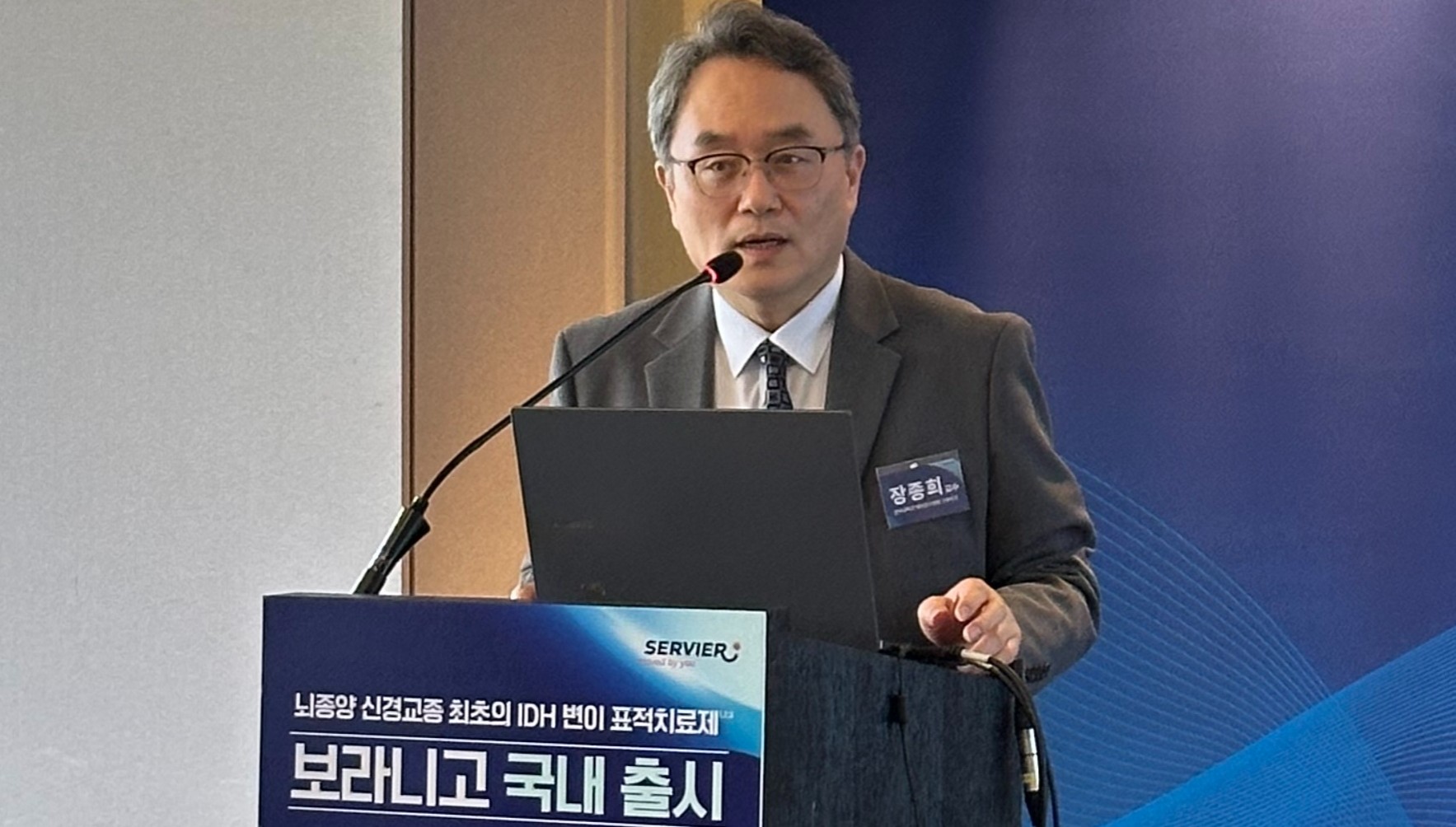
- The possibility of a shift in treatment strategies is likely in the field of low-grade glioma (LGG) treatment as the first therapy targeting IDH mutations makes its debut in South Korea.Given the nature of the disease, which repeatedly recurs after surgery and eventually progresses to a high-grade, it is drawing attention as a new option to supplement the limitations of existing radiation and chemotherapy-centered treatments. In particular, it is considered highly significant because it can reduce the burden of cognitive decline and deterioration in quality of life by delaying the timing of toxic radiation and chemotherapy.On the 12th, Servier Korea held a press conference at the Plaza Hotel in Jung-gu, Seoul, to commemorate the domestic launch of Voranigo (vorasidenib). Voranigo was previously granted domestic approval as a glioma treatment this past January.With this approval, Voranigo can now be used for adolescent and adult glioma patients aged 12 and older weighing at least 40 kg, specifically those with Grade 2 astrocytoma or oligodendroglioma harboring an IDH1 or IDH2 mutation.Low-grade glioma is a brain tumor that grows relatively slowly but carries a high risk of recurrence and can progress into high-grade malignant tumors over time. It is mainly discovered through seizure symptoms, and surgical resection has traditionally been utilized as the standard treatment.Professor Jong Hee Chang, a professor of Neurosurgery at Severance HospitalHowever, medical staff explain that a treatment gap has existed because complete resection is often difficult, and the subsequent radiation therapy and chemotherapy also carry a heavy burden of cognitive decline or neurological adverse reactions.Professor Jong Hee Chang, a professor of Neurosurgery at Severance Hospital, explained, "Low-grade glioma is difficult to cure, so it often eventually recurs or progresses to high-grade glioma," and added, "Existing standard treatments made it difficult to remove lesions completely, and radiation and chemotherapy performed after surgery also had limitations due to side effects such as cognitive impairment."Professor Chang continued, "Voranigo is the first new brain tumor treatment to be approved since temozolomide was approved for glioblastoma in 2006," and evaluated that "The emergence of Voranigo is very significant in that most drugs have failed development in the past because they could not sufficiently pass through the blood-brain barrier (BBB)."Voranigo is an oral treatment that directly targets IDH1 and 2 mutations. IDH mutations are known to be key biomarkers identified in approximately 80% of Grade 2 glioma patients. Currently, the World Health Organization (WHO) and the National Comprehensive Cancer Network (NCCN) also present IDH mutations as major diagnostic criteria and recommend testing.The basis for approval is the global Phase 3 INDIGO study. This study was conducted on patients with low-grade IDH-mutant glioma who had not yet undergone radiation or chemotherapy after surgery.Professor Kim Jae-yong, a professor of Neurosurgery at Seoul National University Bundang HospitalThe study results showed that Voranigo reduced the risk of disease progression or death by 65% compared to the placebo. The median progression-free survival (PFS) was 11.4 months in the placebo group, whereas the Voranigo group did not reach the median.In addition, the time to next treatment intervention (TTNI) was significantly delayed. The incidence of seizures during annual treatment with Voranigo decreased by 64% compared to the placebo.In terms of safety, fatigue, musculoskeletal pain, diarrhea, and seizures were reported as major adverse reactions, but the overall tolerability level was favorable. The results of the study were published in the New England Journal of Medicine (NEJM) and were also presented at the 2023 American Society of Clinical Oncology (ASCO) Annual Meeting.Medical staff cited the delay of treatment intervention as the greatest significance of Voranigo. It is believed that delaying the timing of relatively toxic radiation and chemotherapy increases the likelihood of maintaining the patient's quality of life.Kim Jae-yong, a professor of Neurosurgery at Seoul National University Bundang Hospital, said, "Voranigo showed a result of delaying the time to the next treatment intervention by 75% in clinical studies," and added, "This is significant in that it practically secured a period during which patients can maintain a normal social life by delaying the timing of highly toxic chemotherapy and radiation therapy."
- Company
- Curacle resumes licensing-out activities after 2 years
- by Cha, Ji-Hyun May 13, 2026 09:10am
- Curacle, a biotech company specializing in new drug development, has successfully licensed out a preclinical-stage bispecific antibody candidate in a deal valued at over KRW 1 trillion. This marks its first licensing-out achievement in 2 years, following a notice of rights termination regarding a retinal disease treatment from a French ophthalmology-focused pharmaceutical company.The deal is expected to significantly reduce Curacle’s risk of being designated as an administrative issue stock due to revenue requirements. However, concerns remain due to limited disclosure about the counterparty.MT-103 global deal worth KRW 1.5 trillion… Curacle’s share KRW 781.8 billionAccording to filings with the Financial Supervisory Service, Curacle recently signed a global licensing agreement with US-based Memento Medicines for the development and commercialization of its bispecific antibody candidate ‘MT-103.’ Under the agreement, Memento gains exclusive worldwide rights to develop, manufacture, and commercialize MT-103.The total deal value is USD 1.077 billion (KRW 1.56 trillion). Of this, the non-refundable upfront payment is USD 8 million (0.7%), with USD 82.25 million in development and approval milestones and up to USD 987.5 million in royalties upon commercialization.Curacle and MabTics will share revenues 50:50 under a joint R&D agreement. Reflecting this, Curacle’s share amounts to USD 538.875 million (KRW 781.8 billion). The company’s upfront payment share is USD 4 million.Overview of Curacle’s bispecific antibody candidate ‘MT-103’ for the treatment of retinal diseases (Source: Curacle)MT-103 is a bispecific antibody candidate for retinal diseases co-developed by Curacle and MabTics. Curacle secured the antibody pipeline through a partnership signed in June 2023 and then signed a joint R&D agreement in July of the following year. MT-103 is one of the key antibody pipeline assets secured through this process.MT-103 is a bispecific antibody that combines an antibody that inhibits vascular endothelial growth factor (VEGF), which induces angiogenesis, with an antibody that activates the Tie2 receptor, which stabilizes blood vessels. While the existing bispecific antibody therapy ‘Vabysmo’ indirectly induces Tie2 activation by inhibiting VEGF and angiopoietin-2 (Ang-2), MT-103 is designed to directly activate Tie2. The company explains that this is expected to deliver differentiated therapeutic effects in patient groups that do not respond sufficiently to existing anti-VEGF therapies or Vabysmo.Preclinical data presented at ARVO 2026 by Curacle and MabTics, MT-103 induced Tie2 receptor phosphorylation and inhibited VEGF-induced signaling in cell experiments. In endothelial cell-based vascular leakage assays, it also demonstrated an effect of reducing vascular permeability. In animal models, the drug was shown to reduce pathological neovascularization, inhibit vascular leakage, improve retinal vascular remodeling, and alleviate inflammatory responses.First deal since CU06 return… expected to ease revenue-related administrative issue riskThis deal marks Curacle’s first licensing success since its previous retinal therapy candidate CU06 was returned in 2024 by a French ophthalmology-focused pharmaceutical company. In May 2024, Curacle received a notice of termination of the technology export agreement and a return of rights regarding the candidate drug ‘CU06’ for the treatment of diabetic macular edema and wet age-related macular degeneration from Théa Open Innovation, a French ophthalmology-focused pharmaceutical company.The contract, signed in October 2021 for a total of USD 163.5 million, transferred the global development and commercialization rights for CU06-RE (excluding Asia) to Théa. Although this contract was effectively Curacle’s only technology export achievement, it became void following the return of rights. This MT-103 agreement is considered significant as it marks Curacle’s first technology export achievement since then.With this agreement, Curacle is expected to fill the revenue gap that had effectively been left open. Curacle’s revenue has plummeted over the past 3 years. The company’s revenue, which stood at KRW 10.3 billion in 2023, fell by 84.5% to KRW 1.6 billion in 2024. Last year, revenue amounted to just KRW 7.1 million as the recognition of subsequent revenue was halted due to the termination of the CU06 technology export agreement. In effect, this means there was no revenue generated from its core business of new drug development.Consequently, the risk of being designated as an administrative issue stock due to revenue requirements has been largely alleviated. The company, which went public in 2021, saw the grace period for the designation criteria, triggered by revenue falling below KRW 3 billion, expire last year. The company faced the possibility of being designated as an administrative issue stock if it failed to meet this year’s revenue requirements; however, if the KRW 5.8 billion upfront payment from this contract is received as planned, that burden is expected to be significantly reduced.The company has also moved to secure a separate revenue base. Following the establishment of an API business division last year, the company completed a merger-by-absorption with the API firm Daesung Pharmtech in January of this year. A Curacle official stated, “We expect to receive the upfront payment for this contract at a time similar to that of a typical technology export contract. We will be able to meet the revenue requirements without issue through the absorption merger of the API that the company completed earlier this year.”Information on the contracting party is overly limited… in stark contrast with the D&D Pharmatech-Metsera caseHowever, some market observers have expressed skepticism regarding the substance of this agreement due to the limited information available about the counterparty. In its public disclosure, the company only stated that the counterparty is a US-based firm named Memento, without providing any further details. Basic information about Memento, such as its date of establishment, location, representative, and investors, cannot be verified, and the company does not even have a separate website.The company maintains that Memento is a NewCo-type entity established for the development of a specific pipeline and that it cannot disclose information on investors or management due to confidentiality clauses in the contract. The NewCo model involves establishing a separate new corporation for the purpose of developing a specific new drug candidate, attracting external investment, and pursuing clinical development and commercialization. Typically, such entities operate in “stealth mode” in the early stages, with confidentiality clauses preventing disclosure.A Curacle official stated, “The company cannot arbitrarily disclose information designated as confidential in the contract. It is a fact that the counterparty is a newly established entity in which a top-tier global venture capital (VC) firm has participated. We will be able to provide additional information once Memento begins its official promotional activities.”Industry observers point out that Curacle’s refusal to disclose information is excessively secretive, even considering the nature of the NewCo model. Even under the NCO model, the contract’s validity can only be recognized if it is backed by credible human and material resources. In particular, they argue that since major technology export contracts by listed companies directly impact stock prices and investment decisions, a minimum level of information disclosure is necessary to verify the identity of the contracting party.In the case of the contract between D&D Pharmatech and Metsera, cited as a successful example of a “Newco-style” technology export in the biotech industry, details such as the company’s purpose, headquarters location, major investors, founding entities, management team, and funding details were disclosed relatively specifically, even though the counterparty was a newly established entity.Metsera is a biotech startup established in New York, USA, in 2022 with the goal of developing an obesity treatment. Major U.S. biotech-focused venture capital firms ARCH Venture Partners and Population Health Partners (PHP) participated in its founding. PHP is an investment firm established by Ian C. Read, former chairman and CEO of Pfizer, and Clive Meanwell, founder of the Medicines Company. Meanwell is known for growing the Medicines Company and selling it to Novartis. These key figures are also positioned on Metsera’s board of directors and executive team. Clive Meanwell serves as Chairman, while Whit Bernard, formerly of PHP, serves as CEO, and co-founder J. Visioli serves as CFO and CBO.Metsera was acquired by the US big pharma company Pfizer last November, joining the ranks of global pharmaceutical firms just 3 years after its founding. Pfizer agreed to pay Metsera shareholders USD 65.60 per share in cash and an additional USD 20.70 in contingent value rights (CVR) based on clinical and regulatory milestones. The base enterprise value is USD 7 billion, and including the contingent payments, the total transaction value amounts to up to USD 86.3 per share.
- Company
- Intuitive Surgical doubles its growth in 5 years
- by Hwang, byoung woo May 13, 2026 09:10am
- Intuitive Surgical Korea, a leader in robotic surgery, continues to show strong growth.Since introducing the da Vinci surgical system in Korea in 2005, the company has achieved steady revenue growth, doubling its business over the past five years.Last year marked its 20th anniversary in Korea, surpassing 370,000 cumulative procedures and ushering in an era of “mainstream adoption of robotic surgery.”Doubles growth over 5 years… accelerating expansionThe revenue trend of Intuitive Surgical Korea (hereinafter Intuitive Korea) over the past five years can be summarized as a ‘high-growth trajectory.’Revenue grew from KRW 159.7 billion in 2021 to KRW 167.4 billion in 2022, then to KRW 212.9 billion in 2023, marking the first time the company surpassed KRW 200 billion in revenue.Since then, the company posted KRW 252.9 billion in revenue in 2024 and set a new record with KRW 342.4 billion in 2025.According to Intuitive, cumulative robotic surgeries in Korea surpassed 370,000 over the past 20 years through 2025, with procedures now performed at a rate of roughly “one every eight minutes” in Korea.In particular, the rapid increase in both clinical adoption and demand for equipment, to the extent that the number of single-port robotic surgeries ranks first in the world, served as the core foundation for this growth in performance.A detailed breakdown of revenue reveals a virtuous cycle between products and services.As of 2025, product sales, including da Vinci systems and surgical instruments, reached KRW 280.9 billion, accounting for 82% of total revenue. Service revenue, including system maintenance, totaled KRW 43.2 billion, while other revenue came in at KRW 18.2 billion.Compared to 2021, product sales more than doubled from KRW 130 billion, and service revenue also expanded by nearly KRW 20 billion from KRW 23.3 billion.In other words, as more robotic surgical systems are newly installed in hospitals (product revenue), the associated maintenance contracts (service revenue) accumulate, forming a stable structure that serves as a stable cash cow.Profitability also strengthens… operating profit surpasses KRW 10 billionProfitability indicators, including operating profit and net income, have also shown a positive trajectory.According to audit reports, operating profit grew steadily from KRW 4.7 billion in 2021 to ▲KRW 5.0 billion in 2022, ▲KRW 6.4 billion in 2023, and ▲KRW 7.6 billion in 2024. In 2025, it reached KRW 10.3 billion, surpassing the KRW 10 billion mark.Net income followed a similar upward trend.In 2021, the company recorded a net loss of KRW 63 million due to non-operating expenses and taxes, but rebounded to a net profit of KRW 3.4 billion in 2022.This was followed by net profits of ▲KRW 4.7 billion in 2023 and ▲KRW 5.3 billion in 2024, rising further to KRW 7.2 billion in 2025 alongside significant top-line expansion.However, as revenue surged, selling, general, and administrative (SG&A) expenses also increased substantially. SG&A rose from KRW 18 billion in 2021 to KRW 37.1 billion in 2025, more than doubling.That said, considering that the company’s workforce expanded from 139 employees as of March 2024 to around 200 by March 2026, the increase is more likely attributable to investment expansion rather than inefficiency.Expansion of da Vinci 5 and Ion… platform expansionThis growth coincides with the rollout of the company’s next-generation systems. The launch of da Vinci 5 in Korea in October 2024, making it the second country globally after the US, has been cited as a key growth driver.In addition, the company expanded into thoracic surgery and pulmonology diagnostics with the domestic launch of the robotic-assisted bronchoscopy system ‘Ion’ in August 2025.Product photo of the image-guided robot-assisted bronchoscopy system, IonIon uses a 3.5 mm ultra-thin robotic catheter to precisely access and diagnose lesions in peripheral lung regions that are otherwise difficult to reach. It is considered a potential game-changer in lung cancer diagnosis and treatment.In particular, the fact that Intuitive has designated Korea as a key starting point is another factor fueling expectations for continued sales growth.The company is currently establishing direct ties with the domestic robotic surgery research ecosystem, including donating the robotic surgery research platform ‘dVRK’ to the Daegu Gyeongbuk Institute of Science and Technology (DGIST) through the Intuitive Foundation (third such donation following Seoul National University and Yonsei University).Catherine Mohr, President of the Intuitive Foundation, who recently visited Korea, stated, “Korea contributes to the advancement of global surgical technology through its solid clinical foundation and active research in robotic-assisted surgery. During this visit, I confirmed the future potential of Korean healthcare.”Yong-bum Choi, CEO of Intuitive Surgical Korea, added, “This visit highlights Korea’s global standing in AI and robotic healthcare. We will strive to build an environment where more patients can benefit from treatment through ongoing education and collaboration.”
- Policy
- ‘Fast reimb of Lynparza and Elahere is the solution’
- by Lee, Jeong-Hwan May 13, 2026 09:10am
- There is a growing call to improve the low survival rate of ovarian cancer patients in Korea by rapidly expanding reimbursement for AstraZeneca’s Lynparza (olaparib) and AbbVie’s Elahere (mirvetuximab soravtansine).Expanding reimbursement for ovarian cancer treatments has already been included in the government’s 2026 implementation plan under the Second Comprehensive National Health Insurance Plan, and experts have noted ample rationale for improving access.On the 12th, Professor Yoo Young Lee of Samsung Medical Center presented her view at a policy forum hosted by Representative Joo Young Lee of the Reform Party, under the theme “Improving Treatment Access and Health Insurance Coverage to Enhance Ovarian Cancer Survival.”Professor Lee described ovarian cancer as the most lethal female cancer, noting that while its incidence rate is low, the mortality rate is high once diagnosed. In fact, the incidence rate of ovarian cancer in Korea is approximately 12 cases per 100,000 people, accounting for 2.4% of all female cancers and 1.2% of all cancer cases.However, the number of patients has increased steadily over the past 20 years, rising approximately 2.4-fold from 1,353 in 1999 to 3,263 in 2022. It has been on a steep upward trajectory over the past 5 years, influenced by factors such as an aging population and changes in birth rates.Notably, the 5-year survival rate for ovarian cancer stands at 66.7%, the lowest among major female cancers. Approximately 1,465 deaths occur annually, ranking it eighth in mortality among female cancers.To improve survival rates, Professor Lee emphasized the importance of early diagnosis along with aggressive maintenance therapy.One major reason for the low survival rate is that about 70% of cases are diagnosed at advanced stages (Stage III–IV), when the cancer has already spread extensively within the abdominal cavity.The low survival rate is also influenced by the disease’s specific characteristics: early symptoms are vague, there are no effective early screening methods, and because the cancer is located deep within the abdominal cavity, it metastasizes rapidly after onset.Citing the results of clinical trials (SOLO1, PRIME, PRIMA, PAOLA-1), Professor Lee stated that administering PARP inhibitors to ovarian cancer patients who test positive for HRD (homologous recombination deficiency) through genetic testing can reduce the risk of recurrence by 40–70% and mortality risk by 30–40%.Professor Lee’s point is that survival rates can be significantly improved by combining bevacizumab and Lynparza, but only in HRD patients.In addition, for platinum-resistant ovarian cancer (PROC) patients with frequent relapse, she recommended expanding access to antibody-drug conjugate (ADC) therapies through reimbursement. Elahere is the first treatment in about a decade to demonstrate improvements in overall survival (OS) and progression-free survival (PFS) following bevacizumab.Professor Lee emphasized, “The combination therapy of olaparib, a PARP inhibitor, and bevacizumab extended progression-free survival by nearly 30 months in HRD-positive patients, reducing the risk of disease progression or death by 59%. Olaparib plus bevacizumab is the only combination that has improved overall survival in HRD-positive ovarian cancer.”She added, “The olaparib plus bevacizumab combination is the only Category 1 option recommended in NCCN guidelines and is recognized as standard therapy in major developed countries. However, in Korea, the treatment that has demonstrated overall survival benefits remains non-reimbursed, limiting patient access.”Professor Lee stated, “In the case of platinum-resistant ovarian cancer, Elahere has, for the first time in a long while since bevacizumab, significantly demonstrated an improvement in progression-free survival. As an ADC, it is designed to deliver cytotoxic agents directly to tumor cells, acting like a biologically guided missile.”Professor Lee proposed policy measures such as a pre-reimbursement post-evaluation system, flexible cost-effectiveness assessment, raising or applying flexible ICER thresholds, and incorporating clinical expert opinions more actively throughout the innovative new drug reimbursement process to ensure that unmet clinical needs and clinical necessity in actual treatment settings are faithfully reflected in reimbursement evaluations.She emphasized the need for rapid reimbursement of the bevacizumab + olaparib combination therapy for HRD-positive patients and the ADC drug Elahere for platinum-resistant cases.She concluded, “Ovarian cancer is often diagnosed at Stage III or IV and has frequent recurrence, making it the most lethal gynecologic cancer. Expanding access to innovative therapies through faster reimbursement and broader coverage is urgent. Given that ovarian cancer is a key priority in national coverage policy, prompt expansion of reimbursement access is essential.”
- Company
- 'Vadanem' prescription strategies specified
- by Son, Hyung Min May 12, 2026 11:30am
- The scope of Vadanem (vadadustat), a treatment for renal anemia, is expanding in clinical practice beyond being a simple alternative to Erythropoiesis-Stimulating Agents (ESAs). This follows the growing need for a patient-centered approach that considers application criteria based on dialysis status, the timing of treatment switching, and the specific characteristics of iron metabolism and the hemoglobin (Hb) response.Tanabe Pharma Korea and HK inno.N recently held the ‘New Paradigm VADANEM Symposium’ in Seoul to share clinical application strategies, focusing on application criteria by dialysis status, treatment switching timing, and the characteristics of iron metabolism and Hb response.On the first day, chaired by Professor Bum Soon Choi (Catholic Univ. College of Medicine), presentations were given by Professor Dong Ki Kim (Seoul National Univ. College of Medicine) and Professor Sungjin Jung (Catholic Univ. College of Medicine). On the second day, chaired by Professor Kwon-Wook Ju (Seoul National Univ. College of Medicine), the session featured presentations by Professor Gang Jee Ko (Korea Univ. College of Medicine) and Professor Eun Sil Koh (Catholic Univ. College of Medicine).Symposium commemorating the launch of Vadanem.Application strategies vary by dialysis status and ESA responseVadanem is an oral Hypoxia-Inducible Factor Prolyl Hydroxylase Inhibitor (HIF-PHI) that signals a shift away from the existing injection-centered treatment structure, dominated by ESAs. It has recently improved patient access following its inclusion in the domestic health insurance reimbursement list.However, experts reached consensus that a granular application strategy based on patient status is required in clinical practice, rather than solely on the convenience of an oral medication.Renal anemia is characterized by decreased erythropoietin (EPO) production as Chronic Kidney Disease (CKD) progresses, often accompanied by 'functional iron deficiency.' As hepcidin increases due to inflammation, a state arises in which iron cannot be utilized even when there is sufficient iron in the body.Given such an environment, 'ESA hyporesponsiveness,' where response to ESA treatment is poor, becomes an issue. Experts explained that for many patients, maintaining Hb levels is difficult despite high doses of ESA.Professor Dong Ki Kim said, "Since sufficient clinical experience with ESA treatment has been accumulated for dialysis patients, we should consider Hb variability and stability rather than simply switching drugs. New options can be reviewed for patients who have difficulty maintaining target Hb or experience high variability in existing treatments."He added, "For non-dialysis patients, the fact that it is an oral medication can serve as a significant variable in treatment selection. An approach that considers oral options from the initial treatment stage is entirely feasible."Additionally, it was noted that Vadanem could be considered an alternative for patient groups in whom Hb response is insufficient or variability is high despite ESA treatment. It was emphasized that the stability of Hb maintenance and treatment sustainability should be evaluated alongside simple numerical improvements.Experts suggested the following as potential patients for Vadanem ▲Patients with ESA hyporesponsiveness ▲Patients with concurrent inflammation ▲Non-dialysis patients with a high burden of injection therapy. A key point mentioned was that improvements in iron utilization efficiency can be expected in patients with functional iron deficiency.Another characteristic of Vadanem is its mechanistic differentiation regarding iron metabolism regulation. As it increases the efficiency of iron utilization in the body through the HIF pathway, analysis suggests that its coordination with iron supplementation strategies may differ from that of existing ESAs.Vadanem does not simply supplement EPO.It possesses a mechanism that induces "complete erythropoiesis" by simultaneously regulating iron absorption, transport, and utilization.Professor Sungjin Jung said, "HIF-PHI class treatments have the characteristic of regulating Hb more physiologically through mechanisms linked to iron metabolism. The fact that Hb increase patterns may appear differently compared to ESAs must be considered clinically."He emphasized, "Since treatment response can vary depending on iron status, an approach that evaluates iron metabolism indicators along with Hb levels is necessary."Symposium commemorating the launch of Vadanem.Hb response and iron metabolism variables…"Patient-specific approaches needed"Presenters explained that setting treatment goals based on patient characteristics is important, especially since the focus can be on maintaining Hb stably within a more physiological range rather than a rapid surge.For prescriptions, a strategy was suggested to start with 300 mg of Vadanem once daily, maintain it for a period, and then increase the dose based on response. It was emphasized that closely monitoring the rate of Hb increase in the early stages is crucial, and that dose adjustments are necessary if Hb rises too sharply.Furthermore, discussions on the timing of treatment switching continued. Switching to Vadanem can be a strategy for patient groups with declining response or side effect concerns during ESA treatment, and the possibility of considering oral agents from the initial treatment stage is expected to expand.Professor Gang Jee Ko said, "For patients whose ESA doses must be continuously raised or who have difficulty maintaining target Hb, treatment strategies need to be reviewed. For these patient groups, switching to Vadanem can be a realistic option."She added, "If a burden or compliance issue regarding injections arises during long-term treatment, switching to an oral agent is meaningful for patient management."Professor Koh Eun-sil also emphasized, "In the future, a trend may emerge where oral agents are considered as initial treatment options rather than just alternatives after ESA. It is important to flexibly design treatment strategies considering patient characteristics."Additionally, Professor Ko mentioned the need for managing drug interactions due to the nature of oral medications.Professor Ko concluded by explaining that "When co-administered with iron supplements or phosphate binders, drug absorption may decrease, so it is recommended to stagger administration times. Dose adjustments may also be necessary when co-administered with certain other drugs."

- Policy
- Changes to Price-Volume Agreement (PVA) negotiation guidelines
- by Jung, Heung-Jun May 12, 2026 11:30am
- The scope of drugs eligible for one-time rebate contracts as an alternative to permanent price cuts during Price-Volume Agreement (PVA) negotiations will be expanded.Under the government's policy to address low birth rates, drugs reported increased use due to expanded coverage for infertility procedures will now be eligible for one-time rebate agreements.When medicines from national stockpiles are deployed to respond to legal infectious diseases, they will be included in the list of drugs excluded from PVA negotiations. On the 11th, according to industry sources, the National Health Insurance Service (NHIS) is collecting opinions on the draft amendment to the "Detailed Operating Guidelines for Price-Volume Agreement Negotiations" until this afternoon.The NHIS aims to clarify the targets for one-time rebates, which serve as an alternative to price cuts, and expand their scope by establishing new criteria.As these regulations were originally introduced in response to COVID-19, the targets have been clarified as follows ▲Cases where a production/import request or administrative action from related agencies is confirmed for responding to an infectious disease at the 'Caution' level or higher of the crisis alert ▲Cases where it is confirmed through related agencies that an unavoidable supply disruption or shortage occurred for the sole alternative to the negotiated drug during the year preceding the analysis period due to issues with production facilities or raw material supply.Furthermore, a new clause has been established for cases where the use of drugs under 'infertility procedure reimbursement standards' has increased due to expanded policy support, such as changes to reimbursement criteria.Inclusion in these categories does not automatically mandate a one-time rebate contract. The new regulation also allows for the adjustment of the negotiation reference price for one-time rebate targets.Regarding drugs excluded from negotiations, drugs under a Risk Sharing Agreement (RSA) will be removed from the exclusion list. Drugs used as state-stockpiled materials to respond to legal infectious diseases will be added.For ingredients classified as national stockpiled materials under the Act on the Prevention and Control of Infectious Diseases, any usage of these stockpiled drugs for legal infectious disease response will result in an exclusion from PVA negotiations.In contrast, considering the purpose of the RSA, which is to share the uncertainty of the impact on insurance finances, relevant drugs will no longer be eligible for exclusion from negotiations.The definition of 'voluntary price reduction,' which qualifies a drug for exclusion from negotiations, will also be clarified. Currently, items where the 'reduction rate through voluntary application is greater than the reduction rate according to the negotiation reference price' are excluded from negotiations.However, this will be restricted so that voluntary price reductions resulting from evaluation outcomes, such as reimbursement adequacy re-evaluations or prior price cuts for reimbursement expansion, or those following specific contract terms with the NHIS do not qualify for exclusion.The updated PVA negotiation guidelines containing these details will be implemented following the opinion-gathering period and will apply starting with drugs currently undergoing monitoring or negotiation.

- Company
- Stricter regulations set to effectively block late generic entry
- by Chon, Seung-Hyun May 12, 2026 11:30am
- “85% of the lower value between the previous lowest price and the price reflecting failure to meet the 2 eligibility criteria.”The government plans to introduce a powerful price reduction mechanism for generics subject to the stepwise pricing system. Under the proposal, prices will be reduced by 15% based not only on the lowest listed price but also on prices reflecting unmet eligibility criteria. With the lower maximum generic price and stepwise reductions applied earlier, the price of the 14th generic entrant is expected to fall to less than half of the current level. The pharmaceutical industry is strongly opposing the move, arguing that reductions should be based solely on the lowest listed price.According to industry sources on the 11th, the Ministry of Health and Welfare presented a proposal in a working-level consultative body to strengthen the stepwise pricing threshold from the current 21st identical formulation to the 14th.The stepwise pricing system is structured so that the price ceiling decreases on a monthly basis, the later a generic drug enters the market. Under the current system, if there are more than 20 pre-listed identical products, the price of a generic drug entering the market as a latecomer is reduced by 15% each time.The government intends to incorporate not only the lowest price but also prices reflecting unmet eligibility criteria into the calculation.The government plans to maintain the approach implemented when the tiered pricing system was introduced in 2020, which assigns 85% of the lower of either the “immediately preceding lowest price” or the “price when two standard requirements are not met.”If drug prices that fail to meet standard requirements are factored into the stewpise pricing system, generic drug prices will drop exponentially.Under the eligibility criteria introduced in July 2020, generics must meet both requirements—conducting their own bioequivalence studies and using registered APIs—to receive the highest price. Failure to meet each criterion results in a 15% price reduction. From the current maximum of 53.55%, prices fall to 45.52% if one criterion is unmet, and 38.69% if both are unmet.AI-generated imageFor example, if all existing generics are priced at KRW 53.55, applying the lowest-price rule would result in a 15% reduction to KRW 45.52. However, applying the unmet-criteria rate of 38.69% leads to a further reduction to KRW 32.89, which is 38.6% lower than the lowest price.With upcoming reforms further lowering the maximum ceiling price for generics and increasing penalties for unmet criteria, the stepwise pricing system will become an even stronger price suppression mechanism.The Ministry of Health and Welfare’s revised drug pricing system, discussed at the Health Insurance Policy Deliberation Committee on March 26, includes a plan to lower the price calculation rate for generics and off-patent drugs from the current 53.55% to 45%.Under the current drug pricing system, which has been in effect since 2012, generics are granted a price premium of up to 59.5% of the original drug’s price prior to patent expiration upon initial listing, and the price cap is lowered to 53.55% 1 year later. New drugs whose patents have expired are also reduced to 53.55% of the pre-patent expiration price, similar to generics.Under the new system, both generics and off-patent drugs will be priced at 45% rather than 53.55%, and the uniform 59.5% premium for first generics will be abolished, replaced by differentiated incentives based on R&D investment. As a result, the long-standing ‘53.55%’ pricing benchmark introduced in 2012 will disappear after 14 years.The penalty for failing to meet maximum price criteria will also increase from 15% to 20%. If the base rate is set at 45%, generics failing one criterion will be priced at 36%, and those failing both at 28.8%.As a result, the 14th generic drug, to which the stepwise pricing applies, cannot exceed 24.48%—a 15% reduction from the 28.80% rate applied to generics failing to meet 2 maximum price criteria. Comparing the same 14th generic drug, if its price under the current system is KRW 53.55, whereas under the revised system, it drops to less than half that amount. The 15th and 16th generic drugs fall 38.6% from the lowest price, dropping 14.98% and 9.20%, respectively.Under the revised drug pricing system, the earlier application of the stepwise pricing system, a 15% stepwise price reduction, and a 20% price reduction for drugs that do not meet the highest-price requirement, creates a structure that effectively prevents late-entrant generics from entering the market.The pharmaceutical industry is strongly opposing the increasingly complex and aggressive pricing mechanism of the stepwise pricing system.The stepwise drug pricing system was previously abolished but has since been reintroduced. The Ministry of Health and Welfare abolished the tiered system as part of a 2012 reform of the drug pricing system. This allowed pharmaceutical companies to actively launch generics even in markets where patents had expired long ago, as they could still command high prices even with late market entry. However, as the problem of excessive generic proliferation became entrenched, the stepwise drug pricing system was revived after 8 years.Before 2012, generics could receive 54.4–68% of the original drug price, with stepwise reductions applied monthly based on the lowest existing price. While the maximum price for generics was set at 68% of the original drug’s pre-patent-expiry price, if 13 or more ‘first-to-market’ generics were listed simultaneously, the maximum price for generics was set at 54.4%. Subsequently, the maximum price for generics was reduced by 10% each time a new product was listed on a monthly basis. At that time, the price under the stepwise system was 10% lower than the lowest price of a pre-listed product.However, since 2020, the inclusion of unmet eligibility criteria has significantly amplified the impact of the system.An industry insider stated, “Even applying reductions based on the lowest price alone under the stepwise pricing system would discourage late entrants. By adding unmet criteria into the calculation, the government is effectively blocking late generics from entering the market.”

- Policy
- Middle East war crisis accelerate regulatory flexibility
- by Lee, Jeong-Hwan May 12, 2026 11:30am
- Amid the government’s push to address gaps in regional, essential, and public healthcare, the prolonged Middle East conflict is accelerating efforts to ease regulatory barriers through AI and telemedicine.The Ministry of Health and Welfare plans to take the lead in advancing regulatory reforms to fully utilize new medical technologies, such as AI and telemedicine, in order to strengthen regional, essential, and public healthcare and respond to the crisis caused by the war in the Middle East.The Ministry has already begun implementing measures to directly deliver medical supplies, such as syringes, IV sets, and medications, via telemedicine to patients with rare and intractable diseases, who are facing even greater difficulties in securing medical supplies due to the war in the Middle East.On the 9th, the Ministry announced plans to explore regulatory rationalization measures that would allow for the aggressive use of AI and telemedicine as part of efforts to strengthen regional, essential, and public healthcare.Currently, the Ministry is in the final stages of administrative procedures to establish a Regional, Essential, and Public Healthcare Division (hereinafter referred to as the “REPH Division”). Following consultations with the Ministry of the Interior and Safety, a consensus has been reached on the necessity of establishing the division, and efforts to secure the necessary personnel and budget are currently underway.Based on the establishment of the REPH Division and organizational restructuring, the Ministry of Health and Welfare intends to identify additional measures to integrate new medical technologies into regional, essential, and public healthcare.A prime example is the Primary Care Innovation Pilot Project, an initiative where local governments and regional primary care institutions design policies to proactively reform regional, essential, and public healthcare and submit them to the Ministry of Health and Welfare. Upon review, the Ministry provides policy and budgetary support.In particular, as the government is now able to respond to public health needs through dedicated public health officials based on the supplementary budget passed by the National Assembly, it will identify additional cases of regulatory exemptions for AI and telemedicine.An example of such a regulatory exemption is the collaboration between the Ministry of Health and Welfare and the telemedicine platform SolDoc to allow the direct delivery of medical supplies via telemedicine, aimed at minimizing the impact on patients with rare and intractable diseases caused by the fallout from the Middle East war.The Ministry of Health and Welfare has already begun administering the direct delivery of medical supplies to patients with rare diseases using a qualification verification system linked to SolDoc and medical institutions.These supplies, which include syringes, IV sets, suction tips, suction catheters, sterile saline, and disinfectant swabs, are essential for the home treatment of patients with rare diseases. The Ministry plans to gradually expand this in stages to include the delivery of medications as needed.With the passage of the revised Medical Service Act by the National Assembly, telemedicine will be fully institutionalized starting this December. The main provisions of the law include broadly permitting telemedicine for patients with rare diseases and allowing hospitals and higher-level medical institutions to provide telemedicine services under certain restrictions.The Ministry of Health and Welfare plans to expand telemedicine services based on regional, essential, and public healthcare until the Telemedicine Act takes effect.A Ministry official explained, “Since addressing gaps in regional, essential, and public healthcare is a key policy direction for the Ministry, we will develop additional measures to strengthen regional, essential, and public healthcare using AI and telemedicine, alongside the establishment of the new REPH Division.”A medical industry official also noted, “Following efforts to strengthen regional, essential, and public healthcare, and the prolonged Middle East war, the Ministry of Health and Welfare has repeatedly shown signs of seeking to relax healthcare regulations through telemedicine and new AI technologies. We are closely monitoring the situation, as there have been some instances where sufficient consultation with healthcare counterparts has not been conducted under the pretext of regulatory exemptions.”
- Company
- Will Retevmo complete its reimbursement race in Korea?
- by Eo, Yun-Ho May 12, 2026 11:30am
- Retevmo has revived the fading prospects for reimbursement of RET-targeted anticancer drugs in Korea.The drug recently passed the Drug Reimbursement Evaluation Committee of the Health Insurance Review and Assessment Service (HIRA), approximately 5 years after receiving domestic approval in Korea. This achievement comes eight months after it passed the Cancer Disease Deliberation Committee in September last year.Retevmo has faced significant challenges throughout the reimbursement process. It received approval from the Ministry of Food and Drug Safety in March 2022.Subsequently, reimbursement criteria were established in November 2022, and the drug passed the Drug Reimbursement Evaluation Committee in May 2023, confirming its cost-effectiveness.However, in August 2023, the listing was derailed when price negotiations with the National Health Insurance Service (NHIS) broke down. Later, in October 2023, data demonstrating an improvement in overall survival (OS) from Phase III clinical trials was released. Based on this evidence, the company reapplied for reimbursement and has now successfully completed the second round of HIRA-level evaluations.Attention now turns to whether Retevmo can achieve a positive outcome in price negotiations and secure final reimbursement listing.RET mutation is a rare genetic alteration found in approximately 1–2% of patients with non-small cell lung cancer.Currently, Retevmo is the only approved RET-targeted therapy in Korea. Conventional chemotherapy and immunotherapy have shown limitations in terms of response rates and duration of response in this patient population.The US National Comprehensive Cancer Network (NCCN) guidelines recommend Retevmo as a “Preferred Category 1” option for first-line treatment of RET-mutated metastatic NSCLC. This is the highest grade, meeting the highest level of evidence and expert consensus. While it is considered a standard of care immediately upon diagnosis, it remains non-reimbursed in Korea.Of course, even within the global standard of care, many are not reimbursed in Korea. However, the case of Retevmo stands out in that it had already demonstrated cost-effectiveness once yet failed at the negotiation stage, and even after additional clinical evidence, the re-evaluation process has been prolonged.Among the A7 reference pricing countries, Retevmo is reimbursed and used in clinical practice in 6 countries (the US, Germany, Italy, the UK, Switzerland, and Japan), excluding France.
- Company
- Enhertu expands treatment scope into HER2 solid tumors
- by Son, Hyung Min May 11, 2026 09:18am
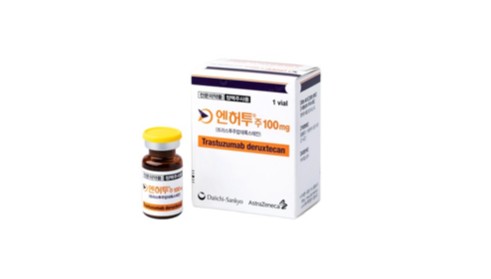
- The HER2-targeted antibody-drug conjugate (ADC) ‘Enhertu’ is accelerating its expansion into the solid tumor market by broadening its indications in Korea.As Enhertu expands its indications to include first-line breast cancer and second-line gastric cancer treatment, there is growing speculation that treatment strategies for HER2-positive solid tumors may shift toward ADCs.ADC anticancer drug ‘Enhertu’According to industry sources on the 9th, the Ministry of Food and Drug Safety recently approved the expansion of Enhertu’s (trastuzumab deruxtecan) indications to include first-line therapy for HER2-positive metastatic breast cancer and second-line therapy for HER2-positive metastatic gastric cancer.This approval allows Enhertu to be used in combination with pertuzumab as first-line therapy for patients with unresectable or metastatic HER2-positive breast cancer, as well as for patients with HER2-positive gastric or gastroesophageal junction adenocarcinoma whose disease has progressed following trastuzumab-based therapy.Enhertu was previously approved as a second-line treatment for HER2-positive metastatic breast cancer and a third-line treatment for HER2-positive metastatic breast cancer.Enhertu is a next-generation ADC that combines a monoclonal antibody with the same structure as trastuzumab, which binds to specific target receptors overexpressed on the surface of cancer cells, with a highly potent topoisomerase I inhibitor payload via a tumor-selective cleavage linker.An ADC is a novel anticancer drug created by linking an antibody that binds to a specific target antigen on the surface of cancer cells to a drug (payload) with cytotoxic activity via a linker. This therapy has the advantage of enhancing treatment efficacy while minimizing side effects by leveraging the antibody’s target selectivity and the drug’s cytotoxic activity to ensure the drug acts selectively on cancer cells.For over a decade, the THP regimen, which is a combination of taxane chemotherapy, Herceptin (trastuzumab), and Perjeta (pertuzumab), has remained the standard first-line treatment for HER2-positive metastatic breast cancer. However, limitations have been noted, as a significant number of patients experience disease progression within two years, and some are unable to proceed to subsequent treatments.In the DESTINY-Breast09 study, which served as the basis for this approval, the Enhertu and Perjeta combination reduced the risk of disease progression or death by 44% compared to the existing standard THP regimen. The median progression-free survival (PFS) was 40.7 months, an extension of more than one year compared to 26.9 months in the THP group.In terms of response rates, the objective response rate (ORR) in the Enhertu combination group was 85.1%, higher than the 78.6% in the THP group, and the complete response (CR) rate was 15.1%, exceeding the 8.5% in the control group.At the European Society for Medical Oncology Asia Congress (ESMO Asia 2025) held last year, analysis results for the Asian patient population of the trial were also released. An analysis of 346 Asian patients, including those from South Korea, showed that the median PFS in the Enhertu plus Perjeta combination group was 40.7 months, reducing the risk of progression by 45% compared to the THP group’s 24.7 months.Potential shift in gastric cancer treatment strategiesEnhertu’s expansion is not limited to breast cancer. It is also showing potential to improve survival in HER2-positive gastric cancer, an area with long-standing unmet needs, which is raising expectations for a shift toward ADC-based treatment strategies.HER2-positive gastric cancer is considered a prime area of unmet medical need. While the 5-year survival rate for early-stage gastric cancer exceeds 90%, it drops sharply in the metastatic stage. According to national cancer registry statistics, the 5-year relative survival rate for patients with metastatic gastric cancer is only around 6–7%.Nevertheless, the treatment landscape for HER2-positive gastric cancer has remained largely unchanged for a long time since Herceptin plus chemotherapy became the standard first-line treatment in 2010. Although various HER2-targeted therapies have been developed since then, they have failed to demonstrate clinical outcomes in gastric cancer as clear as those seen in breast cancer.In fact, treatment strategies based on Perjeta, Kadcyla (trastuzumab emtansine), and lapatinib have all failed to achieve significant improvements in survival in gastric cancer clinical trials. As a result, HER2-positive gastric cancer has been considered a tumor type with limited responsiveness to HER2-targeted therapy.Amid this context, Enhertu demonstrated an improvement in overall survival (OS) in the second-line treatment of HER2-positive metastatic gastric cancer through the DESTINY-Gastric04 study. In the trial, Enhertu reduced the risk of death by 30% compared to the standard combination of Cyramza (ramucirumab) and paclitaxel, and the median OS was 14.7 months, an improvement over the 11.4 months observed in the control group.Progression-free survival (PFS) was 6.7 months versus 5.6 months, and ORR was 44.3% versus 29.1%, respectively.
