
- LOGIN
- MemberShip
- 2026-09-07 00:04:56

- Product
- Roche Diagnostics Korea published PBRTQC research in an intl journal
- by Hwang, byoung woo Sep 01, 2026 09:51am
- High-throughput sample processing in a laboratory.Roche Diagnostics Korea announced on the 31st that findings from a collaborative study on patient-based real-time quality control (PBRTQC), conducted with the research team in the Department of Laboratory Medicine at Samsung Medical Center, were published in Clinical Chemistry and Laboratory Medicine (CCLM), an international journal dedicated to laboratory medicine.This study evaluated the feasibility of applying patient-based real-time quality control to domestic clinical settings to continuously monitor shifts in testing quality using real-world patient test results. Patient-based real-time quality control is a quality assurance methodology that continuously analyzes statistical patterns in real patient test data to detect changes in testing quality.While conventional internal quality control (IQC) involves measuring specialized control materials at predefined intervals to verify testing system status, patient-based real-time quality control focuses on examining patient test data streams between scheduled checks to enable the early detection of subtle shifts or anomaly signals.Previously, relevant research had largely accumulated in overseas settings, leaving limited evidence evaluating its implementation and utility in South Korea's real-world clinical environment. This study is significant because it conducted prospective, real-time monitoring and event-based performance validation within the clinical laboratory of a domestic tertiary general hospital. The research teams from Samsung Medical Center and Roche Diagnostics Korea used Roche Diagnostics' laboratory automation, specimen analysis platforms, and digital solutions to establish analytical protocols tailored to Samsung Medical Center's patient population and testing environment.The investigators analyzed 217,372 moving-average quality control values generated from 14 PBRTQC parameter sets. During this process, 1,599 statistical alarms were generated and consolidated into 300 evaluation events, which the investigators then compared with repeat testing results from actual patient specimens and conventional IQC outcomes.The study confirmed the feasibility of detecting test result shifts between scheduled IQC runs for select analytes, including calcium, sodium, chloride, and outpatient creatinine.Notably, for calcium testing, an analytical shift signal was captured 1 hour and 43 minutes earlier than with conventional IQC. This example shows that patient-based real-time quality control can bridge the temporal gap between routine checks and be used to detect subtle variations in assay quality early. Roche Diagnostics Korea explained the study showed the potential for data-driven quality control methods to complement conventional laboratory quality management systems. The company stated that optimizing test items and parameters in alignment with laboratory environments and patient population characteristics enables more continuous quality monitoring.Professor Hyung-Doo Park, PI of the Department of Laboratory Medicine at Samsung Medical Center, said, "PBRTQC can be used effectively in clinical laboratories if analyte selection and parameter optimization are tailored to institutional patient demographics and testing environments."Professor Park added, "As the technology advances and is evaluated, PBRTQC is expected to work alongside conventional IQC to strengthen laboratory quality control systems and support continuous quality assurance amid evolving clinical settings."Kit Tang, General Manager of Roche Diagnostics Korea, said, "This study was possible because of the collaboration between Roche Diagnostics Korea and Samsung Medical Center under the shared objective of advancing diagnostic testing quality control."Tang added, "The value of digital technology is in turning data into actionable insights for laboratory specialists and supporting more reliable test results and patient care beyond simple automation."Tang noted, "Roche Diagnostics Korea will continue collaborating with medical institutions and experts to ensure data-driven innovations foster a safe, smart diagnostic environment and ultimately provide benefits to patients."

- Product
- Complex stone treatment advances, but reimb remains a challenge
- by Hwang, byoung woo Aug 25, 2026 08:54am
- Treatment for urinary stones is evolving beyond extracorporeal shock wave lithotripsy to increasingly incorporate endoscopic and laser technologies, but a gap remains between the clinical need for new technologies and their use on site.Large or multiple stones, as well as stones that are anatomically difficult to access, can prolong procedure times and increase the likelihood of repeat procedures. This is why technologies that minimize stone movement and improve fragmentation efficiency are necessary.Dailypharm spoke with Woojin Bang, Professor of Urology at Hallym Sacred Heart Hospital (Insurance Affairs Director of the Korean Urological Association), about changes in urinary stone treatment and policy measures needed to improve access to new technologies.Beyond stone removal to recurrence prevention... management tailored to underlying causes becomes more importantWoojin Bang, Professor of Urology at Hallym Sacred Heart HospitalUrinary stones are notorious for causing severe pain, but treatment does not end simply because the pain subsides. In patients with urinary tract infections or underlying conditions such as diabetes, infection may even progress to sepsis.Professor Bang said, “There is a widespread perception that urinary stones are a condition for which patients seek medical attention only when they experience pain. Many patients also underestimate the condition, believing that ‘drinking plenty of water will flush them out,’ ‘beer will help,’ or ‘shock wave treatment will take care of everything.’”More recently, treatment has evolved beyond simply removing stones. Physicians increasingly analyze stone composition and conduct metabolic testing to identify underlying causes before recommending individualized drug therapy and lifestyle modifications. Given the high recurrence rate, post-treatment management is becoming an increasingly important part of care.Treatment varies depending on the size and location of the stone and whether pain or infection is present. Small stones may pass spontaneously with medication, while extracorporeal shock wave lithotripsy or ureteroscopic stone removal may be considered when pain cannot be controlled, or the stone is too large to pass naturally.Professor Bang said, “In general, spontaneous passage can be expected for stones measuring around 4–5 mm, but active treatment is often considered once the stones exceed 5 mm. For stones of 1 cm or larger, multiple sessions of shock wave treatment may be required, so endoscopic treatment is being increasingly used.”An option to address the limitations of endoscopic treatment... a role in complex stone casesEndoscopic procedures involve directly visualizing stones and fragmenting and removing them using a laser or other device. Although stone-free rates are relatively high, stones may be pushed back toward the kidney during surgery, making removal more difficult and, in some cases, necessitating another procedure.In the past, when an upper ureteral stone migrated into the kidney, surgery sometimes had to be discontinued because no endoscope was available to follow it. The introduction of flexible ureteroscopes has made it possible to track migrated stones, but stones in difficult-to-access locations or multiple stones scattered across different sites can still pose a substantial treatment burden.One option available to physicians in these cases is Boston Scientific’s MOSES technology. It uses two laser pulses: the first creates a pathway for energy transmission through water, while the second delivers energy to the stone. The technology is designed to reduce retropulsion and improve fragmentation efficiency.Bang said, “With MOSES technology, stones tend to remain near the laser fiber, reducing the need to continually chase them during fragmentation. Clinical studies have reported that stone fragmentation time was reduced by approximately one-third with MOSES.”Patients who may be considered for the technology include those with stones 1 cm or larger or stones expected to be particularly hard, multiple small stones at different sites, stones in unfavorable locations, or anatomical abnormalities.Procedure time is another consideration when selecting treatment technology. In urinary stone surgery, irrigation pressure and procedure duration can affect infection risk, so procedures expected to last more than 60 minutes may be divided into multiple sessions.Bang said, “Trying to remove a large stone in a single prolonged procedure can increase the risk of infection or sepsis. If stones can be removed more quickly and treatment completed in a single procedure, it may help reduce complications and the likelihood of repeat surgery.”Advances in treatment technology outpace reimbursement... first need to allow selective accessAlthough mechanisms exist to select patients who need these new technologies, reimbursement remains the biggest barrier to their use.According to Bang, laser fibers used in urinary stone surgery are expensive single-use devices, but their cost is bundled into the surgical procedure fee rather than reimbursed separately as treatment materials. The actual cost of a dedicated MOSES laser fiber is 7-8 times the relevant procedure fee, making its use financially impractical unless hospitals absorb the loss.Bang explained, “Even when a technology could benefit patients, it is difficult for it to become established in clinical practice if hospitals lose money every time they use it. One option would be to introduce it selectively for patients with large stones, those at high risk of infection, or those with a high likelihood of requiring repeat surgery.”Medical societies and physicians are also calling first for a pathway that would allow such technologies to be used, rather than seeking full reimbursement across the board. They propose setting separate fees for expensive treatment materials through mechanisms such as recognized non-covered services or selective reimbursement, and allowing patients who need them to choose these options.Bang believes that if use itself remains restricted, it will be difficult to accumulate clinical cases and treatment outcomes, leaving insufficient evidence for subsequent cost-effectiveness assessments. He argued that evaluations should consider not only the difference in material costs for a single procedure but also costs across the entire course of treatment, including repeat procedures and complications.A similar issue exists with single-use flexible ureteroscopes. Reusable scopes are extremely thin and prone to damage, resulting in substantial maintenance and repair costs. Disposable scopes offer advantages in terms of equipment failure and infection control, but their use remains limited because they are not reimbursed separately.Bang emphasized, “We need to first open a pathway for patients with the greatest need to access new technologies and then accumulate real-world clinical outcomes for subsequent evaluation. What matters is ensuring that patients are not denied access to technologies they may need.”
- Product
- Online platform, "up to 5.7% discount" for Mounjaro
- by Kang, Hye-Kyung Aug 18, 2026 09:04am
- Product photo of MounjaroAs novel anti-obesity therapeutics Mounjaro (tirzepatide) and Wegovy (semaglutide) dominate the South Korean market, online pharmacy platforms have joined the lowest-price competition.While pharmaceutical manufacturers' list prices by dosage remain fixed, competition among online platforms to supply products at lower purchase costs through direct transactions, credit card promotions, and volume discounts has begun. As wholesale acquisition prices decrease, attention is turning to how this will affect the overall market landscape. According to local pharmacy communities, BaroPharm recently announced a lowest price for Mounjaro. When paying with affiliated credit cards, pharmacies can purchase Mounjaro at a discount ranging from 5.1% up to 5.7%, depending on levels established by BaroPharm.Assuming the maximum discount is applied, purchasing costs are reduced by about KRW 15,850 (2.5mg dose) and up to KRW 29,718 (7.5mg, 10mg) doses. Although currently out of stock, discount amounts will be even greater for the recently launched and distributed high-dose 12.5mg and 15mg formulations.A BaroPharm representative stated, "We are offering a joint promotion with Woori Card for the two months of August and September. It's not an exclusive promotion for Mounjaro. We positioned Mounjaro, which is drawing significant interest from pharmacies, as the primary selling point while running a credit card promotion." DoctorNow is offering tiered volume discounts for bulk purchases. In addition to scaling discounts based on order quantities (2, 5, or 11 units), the platform offers additional discounts for direct bank transfer payments. DoctorNow is offering volume-tiered discounts alongside additional discount for direct bank transfer payments. Furthermore, pharmacy ordering channels are shifting as drugmakers' proprietary online ordering portals offer quarterly reward-point accumulation programs.Lowest-price competition also emerged around Wegovy. While Zuellig Pharma Korea was initially the exclusive distributor at launch, Chong Kun Dang's entry into distribution enabled pharmacies to procure the drug via direct transactions on PlatPharm at lower rates, drawing significant industry attention. A local pharmacist commented, "As the market for injectable weight-loss drugs expands, not only pharmacies but also consumers have reached a point where they know retail and acquisition price points inside and out," and added, "Compared to the early launch phase, we can clearly feel that online platform discounts and promotional offerings have become much more extensive." The pharmacist added, "Recently, the prescription market for Mounjaro is also showing a trend of transitioning from low doses to high doses," and added, "Injectables, rather than oral anti-obesity agents, are restructuring the entire market."According to the pharmaceutical industry, the market for Mounjaro and Wegovy continues to expand steadily. Data from pharmaceutical market research firm IQVIA indicates that in the first quarter of this year, Eli Lilly's Mounjaro recorded sales of KRW 323.2 billion in the South Korean anti-obesity market. In comparison, Wegovy reached KRW 104.0 billion, surpassing KRW 100 billion for four consecutive quarters. Another pharmacist stated, "It is also true that demand for Mounjaro and Wegovy is heavily skewed toward pharmacies affiliated with Onnuri traditional market gift certificate programs," and explained, "While it's welcome for pharmacies to purchase pharmaceuticals at lower acquisition prices through market competition, there are concerns that this might simply be reflected in retail pricing, resulting in a margin war."
- Product
- 12.5·15mg Mounjaro quickly sell out…retail price is being discussed
- by Kang, Hye-Kyung Aug 10, 2026 08:43am
- High-dose Mounjaro (tirzepatide) 12.5mg and 15mg are distributed in local pharmacies.As high-dose Mounjaro (tirzepatide) 12.5mg and 15mg are distributed, community pharmacies in South Korea are discussing retail pricing strategies and commercial considerations. High-dose Mounjaro, which was previously supplied and distributed primarily through hospital-adjacent pharmacies near major tertiary hospitals, is now being released to local community pharmacies.Following the sequential launches of the 2.5mg and 5mg doses in August of last year, 7.5mg in October, and 10mg in November, these high-dose 12.5mg and 15mg formulations are now available nationwide in South Korea's product supply system across all approved dosage strengths. However, due to limited initial stocking volumes, allocation quantities per pharmacy are reportedly restricted. A local community pharmacist said, "We were allocated just two units each for both the 12.5mg and 15mg strengths," adding, "As the distribution of high-dose products ramps up, patient dose escalations are expected to progress sequentially." This explains a step-by-step escalation process, where patients currently receiving the 10mg dose will gradually escalate to the 12.5mg and 15mg dose ranges.While inventory for lower Mounjaro doses remains ample, stock levels for 12.5mg and 15mg are currently registering as '0' across ordering platformsAnother pharmacist stated, "We initially received only the 15mg product and were informed that 12.5mg orders were backlogged and would be supplied sequentially starting later this week," adding that "pharmacies are receiving a stream of patient inquiries asking whether high-dose stock has arrived."The pharmacist added, "For patients, expanding treatment options is welcome news, particularly for those who have been waiting to step up their dosage."With the full distribution, pharmacies are also agonizing over how to set retail prices. The pharmacist voiced concern, saying, "Because the wholesale purchasing price for 12.5mg and 15mg is steep, deciding on retail pricing is difficult," and added, "It is particularly stressful given that certain pharmacies, notably in key commercial hubs like Jongno and Gangnam, are selling virtually at wholesale cost." Based on the lowest prices listed on non-face-to-face platforms, retail prices for the 12.5mg and 15mg doses were set only about KRW 15,000 to 20,000 above wholesale acquisition cost.Another pharmacist noted, "There has been a notion that products like Wegovy and Mounjaro are available for special prices at certain pharmacies registered as Onnuri traditional market gift certificate merchants," adding, "Local neighborhood pharmacies lack price competitiveness, and with high acquisition costs coupled with non-returnable inventory policies, a market distortion concentrating patient traffic toward select large pharmacies is present."
- Product
- MFDS calls for appropriate use of GLP-1 obesity drugs
- by Kang, Shin-Kook Aug 03, 2026 05:19pm
- Recently, amidst the high popularity of GLP-1 receptor agonist obesity treatments, concerns over misuse and abuse, such as sharing high doses (splitting doses), illegal online distribution, and false/exaggerated advertising, have grown, putting health authorities on alert. In response, the Ministry of Food and Drug Safety has stepped up to urge medical institutions nationwide once again to ensure safe prescriptions and proper dosing.According to healthcare organizations on the 31st, the Ministry of Food and Drug Safety (MFDS) recently issued an official notice requesting cooperation from healthcare providers on the appropriate use of GLP-1 class obesity treatments.The move follows continued reports of patients obtaining higher-dose products and arbitrarily splitting doses to reduce costs, as well as repeated cases of illegal online sales and false or exaggerated advertising by medical institutions identified during inspections by local governments.The MFDS emphasized that healthcare providers should ▲strictly adhere to approved storage conditions, including refrigeration, ▲prescribe and dispense the products only in accordance with their approved indications and dosing regimens, and ▲provide accurate patient counseling—including advising against dose splitting and warning against false or misleading advertising.According to the ‘Safe Use Leaflet’ jointly developed by the MFDS and the Korea Institute of Drug Safety & Risk Management, GLP-1 obesity drugs including liraglutide, semaglutide and tirzepatide are prescription medicines intended for the treatment of obesity rather than cosmetic weight loss.The approved treatment population is limited to ▲patients with a body mass index (BMI) of 30 kg/m² or higher or ▲ overweight patients with a BMI between 27 kg/m² and 30 kg/m² who also have obesity-related comorbidities such as type 2 diabetes, hypertension or dyslipidemia.Administration of GLP-1 class obesity drugsThe regulator also stressed the importance of following proper dosing procedures to minimize adverse events. Treatment should always begin with the lowest recommended starting dose, followed by gradual dose escalation to allow patients to adapt to the medication. Arbitrarily administering higher doses may result in serious adverse reactions.The drugs are contraindicated during pregnancy and breastfeeding. Women planning pregnancy should observe an appropriate washout period of at least two months after discontinuing Wegovy and at least one month after discontinuing Mounjaro, in consideration of the drugs' persistence in the body. Patients receiving concomitant antidiabetic medications should consult their healthcare provider regarding dose adjustments because of the increased risk of hypoglycemia.The MFDS also advised patients to seek immediate medical attention if they experience serious adverse events after treatment, including persistent upper abdominal pain (acute pancreatitis), right upper abdominal pain accompanied by fever (gallstones/cholecystitis), increased heart rate or anaphylaxis, in addition to common gastrointestinal adverse effects such as nausea, vomiting, and constipation.
- Product
- Novartis·Boehringer reportedly restructureing sales rights for blockbuster items
- by Kim JiEun Jul 24, 2026 08:20am
- AI-generated imageAs reports emerge that Novartis and Boehringer Ingelheim are pursuing business reorganizations to transfer the sales rights of major products in South Korea to local pharmaceutical companies or change their distribution partners, the pharmaceutical distribution industry is closely monitoring.It is reported that new distributors have been selected for certain products, or that negotiations are in their final stages, with the expectation that sales rights will transition sequentially as current contracts expire. However, the companies have yet to issue official statements.According to distribution industry sources on July 23, Novartis is reviewing measures to reorganize its sales strategies for several prescription drugs.Following its co-promotion of Gleevec with Yuhan, co-promotion models with domestic companies are also reportedly under consideration for products such as the lung cancer treatment Tasigna, the immune thrombocytopenia treatment Revolade, and the iron overload treatment Exjade.Recently, Novartis also signed a partnership agreement transferring the promotional and supply rights for its cardiovascular products, Diovan and Exforge, to DKSH Korea.Multiple industry sources said, "We understand that directions have already been set to some extent for certain items, while various candidate companies are being reviewed for the remaining products."It is being reported in the industry that Boehringer Ingelheim is pursuing a similar reorganization of its sales strategy.Industry reports indicate that for some products currently co-promoted with Yuhan, discussions are underway to transfer sales rights to other distributors upon contract expiration, with direction already effectively finalized for certain items.In particular, new distributors have reportedly been selected for around five items, including the inhaler Atrovent, and it has been raised that some items currently distributed by Yuhan will also undergo sequential distributor changes as contracts expire.In some quarters, the possibility of structural changes in sales for the diabetes treatment Jardiance is also being discussed.Wholesalers "closely monitoring margin changes"... Pharmacies "return issues could recur"The wholesale industry is reacting most sensitively to these rumored transfers of sales rights. This is because a change in distributor frequently accompanies changes not only to transaction terms, but also to margin structures and return criteria.Given that Novartis and Boehringer Ingelheim hold numerous high-volume products in the domestic market, business partners are closely monitoring potential changes in contract terms.Pharmacies are also expected to face difficulties in managing existing inventory if suppliers change. In the past, pharmacies experienced confusion during sales rights transitions as outgoing and incoming distributors repeatedly shifted responsibility for inventory returns to each other.However, industry analysts suggest that since most of the items involved are high-volume, frequently prescribed products with fast inventory turnover at pharmacies, the actual impact on the field could be limited.The industry views this rights reorganization as having a significant impact on distribution structures and commercial terms beyond a simple change of sales partners. As both Novartis and Boehringer Ingelheim hold substantial market share in major products in the domestic prescription market, wholesalers and pharmacies alike are closely watching for official announcements and contract progress.An industry insider stated, "When sales rights change, the distribution structure ultimately changes as well. The most sensitive aspects are margins and commercial terms from the wholesalers' perspective, and existing inventory management and return standards from the pharmacies' perspective. Although official announcements have not been made yet, the entire industry is keeping a close eye on these developments because the products involved hold such significant influence."Another industry official anticipated, "Because these products have high turnover rates, major chaos at pharmacies may not result. However, if inventory return standards or supply criteria change during the transfer of rights, both distributors and pharmacies could be considerably affected, making the final contract details crucial."
- Product
- Which drugs will fill Fotagel and Stavic’s void?
- by Kang, Hye-Kyung Jul 21, 2026 08:26am
- The market disruption that arose following the removal of pediatric indications for dioctahedral smectite products is beginning to subside in Korea.According to local pharmacies and industry sources, supplies of alternative products that experienced a surge in demand after Fotagel and Stavic Suspension were barred from use in children and adolescents have largely returned to normal.Supplies of Hidrasec, which had temporarily gone out of stock following increased demand after the pediatric indication for dioctahedral smectite products was withdrawn, have now stabilized.Both the prescription drug Hidrasec and the OTC product Seolmum Chew, which experienced temporary shortages because of the sudden spike in demand, have also normalized.Samjin Pharm, which distributes Abbott Korea's Hidrasec, said, "Temporary supply instability occurred due to a sudden increase in orders, but both the 10mg and 30mg strengths are now being supplied normally."Seolmum Chew, which also experienced temporary shortages in line with Hidrasec, has likewise returned to normal supply.More than 80,000 units of Hanmi Pharmaceutical's Seolmum Chew are currently in stock in the company's HMP Mall, indicating stable supply.Industry closely watches the shift in demandThe industry is closely watching how demand will be redistributed.The key question is which alternatives for patients under 19 years of age, who can no longer use dioctahedral smectite products, will benefit the most.Pharmacist communities expect prescriptions for Hidrasec (racecadotril) to increase.AI-generated imageA local pharmacist said, "Since Fotagel and Stavic can no longer be prescribed for children and adolescents, prescriptions for Hidrasec are increasing. As it can be used from 6 months of age, it is effectively the only prescription antidiarrheal available for pediatric patients."Products containing polycarbophil calcium, including Wellcon, Hylcon, Recxil, Silcon, Carcon, and Pilcon tablets, are approved for children aged 6 years and older and are expected to cover much of the market for patients aged 6 to 18 years.According to the Ministry of Food and Drug Safety, imports of Hidrasec totaled KRW 984.11 million in 2024 (10mg KRW 377.04 million, 30mg KRW 607.07 million)Among OTC products, demand is also expected to rise for Baekcho Syrup (licorice extract, gambir 20% ethanol extract, Coptis/Cortex Phellodendri 50% ethanol extract, ginseng fluid extract, cinnamon bark 70% ethanol tincture, Scutellaria root soft extract, and gentian ethanol extract) and Seolmum Chew (berberine tannate, Scopolia extract powder 33%, ursodeoxycholic acid, and bismuth subnitrate), both of which can be used in younger age groups.A pharmacist practicing near a pediatric clinic said, "With the pediatric indication for dioctahedral smectite removed, the antidiarrheal market is becoming segmented by age group. Even when customers are looking for an over-the-counter antidiarrheal, we now first recommend Baekcho Syrup or Seolmum Chew because they can be used in younger patients."

- Product
- Korea first to recommend cuffless blood pressure monitors,
- by Hwang, byoung woo Jul 20, 2026 08:51am
- Cuffless blood pressure monitors, which measure blood pressure without inflating a cuff around the arm, have been included in Korea's hypertension treatment guidelines for the first time. The Korean Society of Hypertension (KSH) has become the first in the world to recommend cuffless blood pressure monitors for out-of-office blood pressure measurement, establishing a clinical framework for their use.The move is expected to accelerate clinical adoption, which is already increasing following reimbursement coverage, by reducing patient discomfort associated with conventional ambulatory blood pressure monitors and easing equipment burdens on healthcare providers. The society also plans follow-up clinical studies to strengthen the recommendation.At a press briefing on July 17, the KSH introduced the major updates in its sixth edition of the 2026 Korean Society of Hypertension Guidelines and their clinical implications.(from the left) Seonghoon Choi, Director of Public Relations at KSH (Hallym University College of Medicine); Kwang-il Kim, Chairman of KSH (Seoul National University Hospital); Sang-Hyun Ihm, Chair of the KSH Guideline Committee (The Catholic University of Korea College of Medicine); Eun Mi Lee, Secretary of the KSH Guideline Committee (Dongguk University College of Medicine)First positive recommendation…opens door to clinical useThe updated guidelines retain the existing recommendation to use validated cuff-based blood pressure monitors for office, home, and ambulatory blood pressure measurement while newly adding cuffless monitors as an option for out-of-office monitoring.Its use received a Class IIb recommendation with Level B evidence, meaning it may be considered in practice. This differs from U.S. and European guidelines, which do not recommend cuffless devices for clinical use.The society emphasized that this is the world's first positive recommendation for cuffless blood pressure monitors. While international discussions continue regarding their accuracy and appropriate use, the recommendation reflects growing validation data and real-world clinical experience accumulated in Korea.Kwang-il Kim, Chairman of KSH and professor at Seoul National University College of Medicine, explained, "There were concerns from overseas academia that Korea might be moving too quickly, but others viewed it as taking the lead in a new field. This is the first positive recommendation for cuffless blood pressure monitors anywhere in the world."In Korea, Sky Labs' CART BP, a ring-type blood pressure monitor, has already undergone validation against conventional 24-hour ambulatory blood pressure monitoring and is being used in clinical practice. Moving beyond being just a simple wearable device, its use has broadened as a clinical tool for ambulatory blood pressure monitoring.Major changes in the KSH hyperlipidemia treatment guidelinesSang-Hyun Ihm, Chair of the KSH Guideline Committee (Catholic University of Korea), said, "Given that the device is already being used in Korean patients and supporting evidence has accumulated, we concluded it would not be appropriate to classify it as a technology that should not be used. Although it has not reached Class I or IIa, we introduced it as a Class IIb recommendation that may be considered in clinical practice."Adoption expands following reimbursement…use expands across primary care clinicsThe inclusion of cuffless monitors in the guidelines is also expected to support the growing use of the technology following reimbursement coverage.Eun Mi Lee, Secretary of the KSH Guideline Committee, said, "We understand that the use of cuffless blood pressure monitors has increased significantly since its reimbursement listing. The convenience for both patients and healthcare professionals serves as a clear advantage."She noted, however, that additional validation is needed in certain patient populations, including those with thick finger joints, improperly positioned sensors, arrhythmias, or pregnancy.The society attributed the increase in use partly to broader adoption by primary care clinics. Traditional 24-hour ambulatory blood pressure monitoring requires dedicated equipment and repeated cuff inflation, placing burdens on both providers and patients. This had limited its use in smaller clinics.Seonghoon Choi, Director of Public Relations at KSH (Hallym University College of Medicine), said, “The rate of ambulatory blood pressure monitoring using conventional cuff-based devices has remained around 0.5% in Korea. The growing use of cuffless monitors suggests that primary care physicians, not just tertiary hospitals, are now participating in out-of-office blood pressure monitoring."Choi added, "The society has long emphasized that treatment decisions should not rely on a single office blood pressure measurement. The expansion of ambulatory blood pressure monitoring in primary care is therefore a very encouraging development."Cuffless monitors were newly introduced in practiceCan monitor blood pressure at night and in daily life… expands treatment dataOne of the main advantages of cuffless monitors is their ability to measure blood pressure during sleep and daily activities without repeated arm compression.Conventional ambulatory monitors inflate every 15 or 30 minutes, allowing patients to anticipate measurements and complain about sleep disturbances or discomfort during the night.Ring-type cuffless monitors can measure blood pressure more frequently without compressing the arm, potentially enabling more comprehensive monitoring beyond nighttime to routine daily activities.KSH President Kim said, "Conventional ambulatory monitors measure blood pressure every 15 or 30 minutes, whereas cuffless devices can collect readings at many more time points. They also offer advantages for nighttime and prolonged monitoring that exceeds one day."The technology may also benefit patients who have difficulty wearing arm cuffs, such as those undergoing hemodialysis or those who experience discomfort from repeated cuff inflation.For now, KSH sees the primary clinical role of cuffless monitoring in the follow-up of patients already diagnosed with hypertension, using the devices to assess treatment response, nighttime blood pressure, and diurnal variation while establishing interpretation criteria specific to cuffless measurements.Large clinical study involving over 1000 patents planned…. To prepare data to elevate the recommendation levelThe KSH is preparing an investigator-initiated clinical trial to strengthen the recommendation in future guideline updates.Chairman Kim said, “Whereas previous studies focused mainly on whether cuffless devices produced measurements comparable to cuff-based monitors, the next phase will evaluate whether treatment guided by cuffless blood pressure readings improves blood pressure control and patient outcomes."The evidence showing that cuffless monitors can generate values comparable to conventional ambulatory monitors supported the current Class IIb recommendation. Going forward, we need to demonstrate whether treatment based on cuffless measurements leads to better outcomes and predicts prognosis more accurately than existing methods."He added, "A single meaningful study could support a Class IIa recommendation, and consistent findings from both domestic and international studies could eventually lead to a Class I recommendation. Class IIb does not indicate a problem with the device -- it marks the beginning of a new clinical field."The planned study is expected to enroll more than 1,000 patients, with the final sample size depending on participating institutions and whether primary care clinics are included. The KSH aims to launch the study later this year after completing institutional reviews and protocol evaluations.The recommendation is not limited to any specific product. According to the KSH, any cuffless monitor that demonstrates sufficient accuracy and clinical evidence may receive the same level of recommendation.The updated guidelines also introduce isolated diastolic hypertension as a new category, strengthen blood pressure targets for high-risk patients, classify single-pill combination therapies, establish diagnostic and treatment algorithms for resistant hypertension, and emphasize more proactive management of hypertensive disorders of pregnancy. In particular, hypertensive disorders of pregnancy were identified as an area requiring efforts to bridge the gap between the guidelines and clinical practice, as the number of patients continues to increase while treatment options available in Korea remain limited.Chairman Kim said, "Gestational hypertension not only impacts maternal health but also the health of the child. The society will continue exploring policy solutions and providing the information needed to improve care."
- Product
- Discussion on hADM safety…traceability tracking from the donation phase
- by Hwang, byoung woo Jun 29, 2026 09:42am
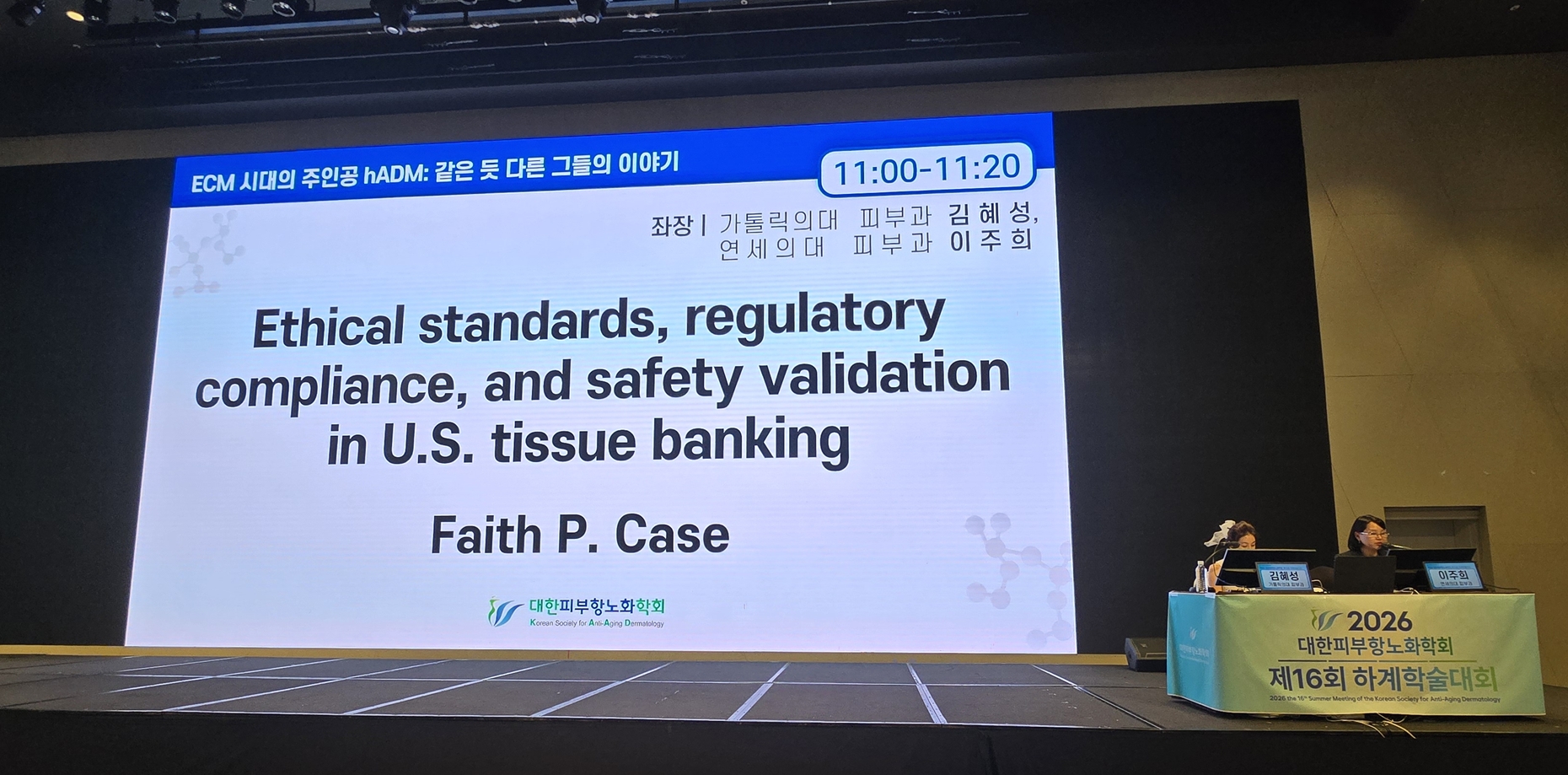
- The Symposium of the Korean Society for Anti-Aging DermatologyAmid growing interest in human-derived extracellular matrix (ECM), the industry is also focusing on its safety profile. Currently, ECM is reported to be properly regulated through rigorous validation protocols.Human acellular dermal matrix (hADM) used in aesthetic and reconstructive fields is supplied to patients through a strict full project lifecycle management system that spans from donor consent and infectious disease screening to processing, sterilization, quality review, and traceability tracking.At the 16th Summer Symposium of the Korean Society for Anti-Aging Dermatology held on June 28, Faith P. Case, a tissue bank expert, introduced the ethical standards, regulatory compliance, and safety validation frameworks of US tissue banks during a session titled 'hADM, The center of the ECM era, Their similar yet different stories.'Case is an American Society for Quality (ASQ) Certified Quality Manager and an American Association of Tissue Banks (AATB) Certified Tissue Bank Specialist, currently serving as the Vice Chair of the AATB Accreditation Committee. She also has extensive experience conducting inspections and audits for the US Food and Drug Administration (FDA) and the South Korean Ministry of Food and Drug Safety (MFDS).The hADM safety management system initiates from donor consentCase emphasized that human-derived tissue allografts, such as hADM, fundamentally differ from synthetic biomaterials from their very origins. She noted that a donor's decision precedes the manufacturing process, serving as the critical first step in safety management.Faith P. Case, a tissue bank expert"Human tissue does not originate in a laborator. It begins with a human decision to donate," she stated. "This decision leads to a moral responsibility to manage the donation process with absolute transparency."The ethical foundation of the US tissue banking system is the Uniform Anatomical Gift Act (UAGA). This legislation serves as the legal bedrock for voluntary tissue donation and informed consent protocols. Donors or their families provide explicit authorization for which specific tissues may be recovered and the exact clinical fields, such as reconstructive or aesthetic purposes, in which they may be used.Case explained, "Securing high-caliber tissue and maintaining rigorous safety standards is not merely a regulatory compliance, but a pledge to honor the donor's intent," and added, "When public trust is protected, the continuity of sustainable therapeutics for patients is guaranteed."Case further explained the structurally integrated relationship between donor consent and FDA regulations. While the donor's authorization serves as the trigger for tissue recovery, FDA regulations provide the mechanism to validate whether the recovered tissue meets the standards required for patient administration."Donation is merely the starting point. It does not automatically guarantee the production of an allograft," Case said. "If a donor fails to pass the initial safety screening protocols, the process stops at that stage, and no tissue is recovered."Only validated tissues reach patients following infectious disease screening and aseptic recoveryFollowing recovery, the timeline proceeds through infectious disease screening, aseptic recovery, and validated processing and sterilization.According to Case, US tissue banks review donors' medical and behavioral histories and use Nucleic Acid Amplification Testing (NAT) to minimize the risk of acute asymptomatic infections. The screening panel comprehensively covers HIV, Hepatitis B, Hepatitis C, Syphilis, HTLV, and West Nile Virus, among others.Case highlighted that the regulatory directions of the US FDA and the Korean MFDS converge on the singular goal of patient protection."While the FDA and the MFDS may vary in procedural and administrative actions, their ultimate destination is identical, which is absolute patient protection," Case said. "The core safety values demanded in donor screening and infectious disease testing remain fundamentally aligned."Regarding safety validation, operational environmental control was proposed as a key factor. Case stressed that "Microorganisms do not read documentation. They react to the environment. Tissue safety validation must function as a multi-layered defense system that actively mitigates contamination risks across every single phase of the tissue lifecycle."Contamination risks are strictly controlled from the recovery phase onward, after which processing eligibility is determined through formal evaluations by physicians and the tissue bank's medical director. The processing phase operates under a strict protocol in which only one donor's tissue is processed in a designated zone at any given time, supported by cleanroom environments, HEPA filtration, validated sterilization protocols, and cold-chain management.Finished products are never distributed immediately. A dedicated quality professional must independently review the medical director's release determination, donor testing records, processing logs, and sterilization data before the tissue can finally advance to the patient administration phase.Completing safety validation via unique ID-based traceability systemsCase detailed traceability as another core benchmark that substantiates hADM safety.Every donor is assigned a unique identification number, which remains seamlessly linked from tissue recovery through processing, storage, international logistics, and final clinical administration at the point of care. This system ensures that if an adverse event or issue arises, the system can trace the lineage back to the initial donation phase or pinpoint exactly which patient received a specific tissue unit.Case mentioned, "The true sophistication of modern allografts does not lie merely within the clinical application itself, but within the invisible safety nets that ensure patient safety." "Tissue banking is ultimately about honoring the gift of donation and protecting the patients who receive it," Case added. "This responsibility is sustained through error-proof operating systems and precise accountability frameworks."Concluding the session, the chairperson tied the lecture's implications directly to the broader discussion on ECM safety. The chair evaluated, "This lecture provided a clear, scientific evidence-based understanding of the ethical considerations and safety concerns previously raised by some regarding ECMs, based on validated international management and regulatory standards."
- Product
- Mounjaro 12.5 mg and 15 mg land in Korea
- by Kim JiEun Jun 02, 2026 08:55am
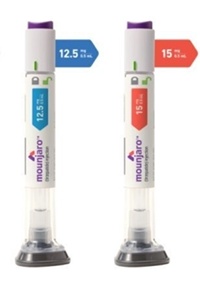
- The final high-dose formulations of the obesity treatment Mounjaro (tirzepatide) are set to enter the Korean market. With the completion of the phased expansion of dosage options that has been underway since the launch of the low-dose product last year, expectations are rising among obesity and diabetes treatment prescribers for gaining broader prescribing options.Lilly Korea announced that it plans to launch Mounjaro single-use prefilled pens in 12.5 mg and 15 mg strengths on June 10.Mounjaro was first launched in 2.5 mg and 5 mg formulations in August of last year, followed by 7.5 mg in October and 10 mg in November. The introduction of the new high-dose products completes the supply lineup for all domestically approved dosage strengths.The timing of the high-dose launch has been the subject of significant speculation among healthcare professionals and pharmaceutical distributors. Medical institutions specializing in obesity treatment have reportedly received numerous patient inquiries regarding the availability of high-dose prescriptions, and distributors have also been closely monitoring launch schedules since last month.As Mounjaro has emerged as one of the leading competitors to Wegovy in the rapidly expanding obesity treatment market, the availability of higher-dose products has been regarded as a major issue of market interest.Lilly stated, “Clinical results showed progressively greater weight-loss effects at higher doses. In the SURMOUNT-1 study involving adults with obesity, weight reduction at week 72 reached 16% in the 5 mg group, 21.4% in the 10 mg group, and 22.5% in the 15 mg group.”Industry observers believe that even if the product is launched on the 10th, it will take some time for the higher-dose products to actually reach the market.One pharmaceutical distribution executive explained, “While orders are expected to be accepted starting on the 10th, considering the allocation of inventory quantity confirmations, wholesale inventory is likely to arrive around 20 days later.”As a result, widespread prescribing of the high-dose formulations is expected to begin sometime after mid-June.Some observers have expressed concerns that the introduction of higher-dose products could lead to dose-splitting practices similar to those reported with Wegovy. However, Lilly emphasized that Mounjaro’s product design makes such misuse considerably more difficult.A Lilly representative explained, “Multi-dose pens allow patients to adjust doses themselves, which may have enabled some degree of dose splitting. In contrast, Mounjaro uses a single-use prefilled pen that is discarded after one injection, making it difficult for patients to arbitrarily alter the dose.”
