
- LOGIN
- MemberShip
- 2026-06-10 16:16:04

- Policy
- Fast-track listed rare disease drugs need to demonstrate performance
- by Jung, Heung-Jun May 28, 2026 10:27am
- The government will lower drug prices starting in the fourth year if rare disease treatments fail to meet their targets following post-marketing evaluation, following fast-track listing.Evaluations will be based on real-world evidence (RWE), but if pharmaceutical companies fail to collect and submit the required data, the drugs may be removed from reimbursement coverage altogether.Sook-hyun Lee, Director of New Pharmaceutical Benefits Listing Division at the Health Insurance Review and Assessment Service (HIRA)On the 27th, Sook-hyun Lee, Director of the New Drug Listing Division at the Health Insurance Review and Assessment Service (HIRA), explained specific operational plans for the system during a public hearing on “Fast-Track Listing Strategies to Improve Access to Rare Disease Treatments.”Until now, rare disease treatments underwent a 150-day approval negotiation process at HIRA and a 60-day process at the National Health Insurance Service (NHIS) following approval by the Ministry of Food and Drug Safety (MFDS) before official notification by the Ministry of Health and Welfare.Under the revised drug pricing system, the review periods at both HIRA and the NHIS will be shortened to one month each. Instead, post-listing management will be strengthened through follow-up evaluations after reimbursement listing.A general scope for drugs eligible for the fast-track listing pilot program has also been established. Drugs will be selected based on: ▲availability of alternative treatments ▲severity of the disease ▲need for rapid introduction ▲fiscal impact. The pilot project plans to begin by selecting two to three items based on these criteria.Director Lee explained, “The primary criteria for selecting target drugs are treatments for rare diseases that have already received approval or are listed in at least three of the A8 countries.”A performance-based evaluation model will be operated using real-world evidence (RWE) and linked to electronic medical records (EMR). Before reimbursement, pharmaceutical companies must submit clinical outcome evaluation plans for review by HIRA. The plan must include details such as ▲target patients and drugs ▲outcome measures ▲evaluation cycle and duration ▲reimbursement adjustment plan ▲methods for calculating clinical performance evaluation results ▲data collection procedures and quality control methods.Afterward, pharmaceutical companies will be required to collect annual data during years one through three, and evaluations will be conducted based on those results. The findings will then be reported to the Drug Reimbursement Evaluation Committee.Data collection and validation will continue for three years after fast-track listing, and reimbursement adjustments will begin in year four according to evaluation outcomes. Data collection and verification will be conducted for three years following fast-track listing, and reimbursement will be adjusted starting in the fourth year based on the evaluation results.Lee stated, “If pre-established targets are not achieved, drug prices will be reduced, and if data are not submitted, we are reviewing measures to convert reimbursement to full out-of-pocket payment.” Obligations related to post-evaluation plans and follow-up measures based on results will also be included in fast-track reimbursement contracts.The National Health Insurance Service will apply expenditure cap agreements to fast-track listed drugs. Negotiations will be conducted based on total expenditure figures proposed by pharmaceutical companies, and after one year of listing, actual claims will serve as the benchmark.The expenditure cap mechanism is expected to prevent rapid increases in financial burden caused by the expansion of fast-track reimbursement listings.Pricing standards are expected to be stricter than those applied to drugs exempt from pharmacoeconomic evaluations. Drug prices are expected to be negotiated at around 90% of the lowest price among the A8 countries.
- Policy
- Bayer's new antifungal cream Canesten wins nod…"once-daily"
- by Lee, Tak-Sun May 28, 2026 10:27am
- Bayer Korea is expanding its market presence by introducing a new product projected to shift the over-the-counter (OTC) anti-fungal market in South Korea.In contrast to existing Canesten products, the new product is a topical formulation that requires only once-daily application.On the 27th, Bayer Korea secured marketing authorization from the Ministry of Food and Drug Safety (MFDS) for 'Canesten Once Daily Cream', a once-daily topical anti-fungal. This new product differs from Bayer's existing anti-fungal product, 'Canesten Cream', in both its active pharmaceutical ingredient (API) and its usage.Differentiation from existing products...Re-entering the Korean Market with the API 'bifonazole'The key feature of 'Canesten Once Daily Cream' is its updated API. While existing Canesten products utilize clotrimazole, this new product features bifonazole as its primary API. Although both substances are classified as azole-based anti-fungals, products containing bifonazole have vanished from the domestic market. Bayer's strategy is to successfully re-establish bifonazole in the Korean market through this approval.The usage has also been dramatically improved. While the existing Canesten Cream required application 2 to 3 times a day, the new product is effective with just a single daily application (preferably before bedtime), thinly applied and rubbed onto the affected area.However, a pharmaceutical industry employee said, "Because the name includes 'Once,' it is easy for consumers to confuse it with single-application athlete's foot treatments that have high brand awareness, such as 'Lamisil Once External Solution' (terbinafine hydrochloride)," and added, "'Canesten Once Daily Cream' is not a single-application treatment. It is a product that must be applied consistently once every day throughout the designated treatment duration."Currently, the domestic topical anti-fungal market involves market competition between the traditional powerhouse 'Lamisil' series and 'single-application (Once) formulations' driven by domestic pharmaceutical companies.Amid this competition, Bayer Korea's introduction of 'Canesten Once Daily Cream' is interpreted as a strategic move to aggressively expand the Canesten brand equity into the traditional tinea (dermatomycosis) market. The Canesten brand currently spans vaginal tablets, powders, and other formulations, utilized not only for tinea but also for vulvovaginal candidiasis and vaginitis.In particular, the enhanced convenience of a 'once-daily' application is expected to improve treatment adherence (the degree to which a patient follows prescribed medication guidelines) among busy modern consumers. Analysis suggests that the product has an advantage in capturing male tinea patients, where the penetration rate of existing products has been low.It is important to note that the treatment duration varies depending on the specific clinical indication. For dermatomycosis and cutaneous candidiasis, treatment lasts 2 to 3 weeks, whereas for tinea versicolor and erythrasma, it lasts 2 weeks. Therapy must be continued even if symptoms subside mid-treatment to prevent fungal recurrence.An industry insider stated, "Bayer has reintroduced bifonazole, which had vanished from the domestic market, with its 'once-daily' product. It will be interesting to see whether Canesten, with its powerful brand recognition, can shift the landscape of the domestic tinea treatment market with this new product."
- Company
- Access to later-line therapy for kidney cancer remain unchanged
- by Son, Hyung Min May 28, 2026 10:27am
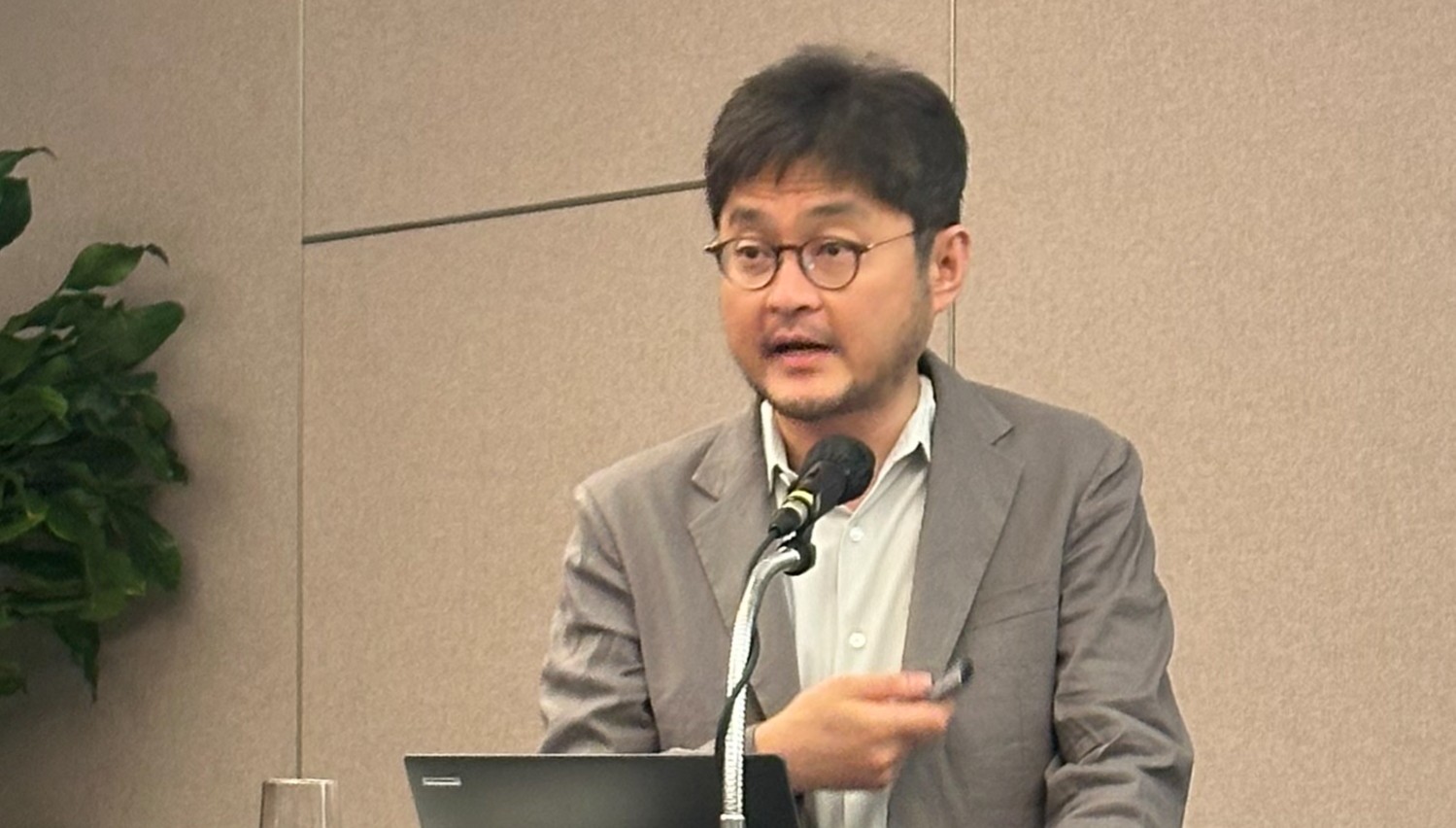
- Although treatment for advanced renal cell carcinoma (kidney cancer) is rapidly shifting toward immuno-oncology-based combination therapies, Korea’s treatment environment still lags behind global guidelines.In particular, even after immunotherapy combinations became established as first-line standard treatments, access to second-line therapies following disease progression remains limited. As a result, advances in treatment outcomes are not being fully translated into continuity of care for actual patients.On the 26th, Ipsen Korea held a press conference at the JW Marriott Hotel in Seocho-gu, Seoul, in celebration of World Kidney Cancer Day in June, highlighting the current treatment environment and patient access challenges in renal cell carcinoma. At the event, quality-of-life issues faced by kidney cancer patients and their families, along with the limitations of the domestic second-line treatment environment following immunotherapy, were presented as key topics.In Ho Kim, a professor of Medical Oncology at Seoul St. Mary’s Hospital, explained, “Renal cell carcinoma is one of the cancer types that has seen the most rapid advancements in treatment over the past decade. Thanks to advances in immunotherapy and targeted therapy, treatment environments now allow not only long-term disease control but also long-term survival in some patients.”Renal cell carcinoma is the most common type of kidney cancer, accounting for approximately 90% of all cases. While it often presents with no specific symptoms in the early stages, as the disease progresses, symptoms such as hematuria, flank pain, and fatigue may appear. In advanced stages, a cure through surgery alone is difficult, making drug therapy the cornerstone of treatment.Shift toward immunotherapy combination strategies…changes in first-line treatment strategiesProfessor In Ho Kim, Department of Medical Oncology, Seoul St. Mary’s HospitalCurrent treatment strategies for advanced renal cell carcinoma are selected based on patient risk categories. In clinical practice, physicians use the International Metastatic Renal Cell Carcinoma Database Consortium (IMDC) risk classification to divide patients into favorable-, intermediate-, and poor-risk groups. In intermediate- and poor-risk groups, immunotherapy-based combinations have effectively become the global standard.Professor Kim stated, “In the past, treatment focused on targeted therapy monotherapy, but immunotherapy combinations have changed the treatment paradigm. Particularly in the intermediate and poor-risk groups, the combination of Opdivo (nivolumab) and Yervoy (ipilimumab) has demonstrated survival benefits and established itself as a major first-line treatment strategy.”Currently, the first-line immunotherapy combinations approved in Korea for renal cell carcinoma include: ▲Opdivo + Yervoy ▲Opdivo + Cabometyx (cabozantinib) ▲Keytruda (pembrolizumab) + Lenvima (lenvatinib) ▲Keytruda + Inlyta (axitinib). Combinations involving immunotherapy plus immunotherapy or immunotherapy plus targeted therapy have improved survival rates and disease control compared to conventional targeted therapy monotherapy approaches, driving major changes in renal cell carcinoma treatment strategies.However, Korea’s reimbursement environment is considered insufficient to keep pace with treatment advances. Currently, the only reimbursed immunotherapy combination is Opdivo + Yervoy for IMDC intermediate- and poor-risk patients. Insurance coverage is also limited to a maximum of 2 years. In contrast, immunotherapy plus targeted therapy combinations widely recommended in global treatment guidelines are not reimbursed.Limitations in access to follow-up therapy highlightedThe problem lies in the period following first-line immunotherapy. While many patients in Korea currently use the Opdivo plus Yervoy combination therapy, which is covered by insurance, the options available for subsequent treatment after disease progression are limited.In Korea, reimbursable drugs for second-line renal cell carcinoma treatment are limited to certain VEGF-targeted anticancer agents, such as Sutent (sunitinib), Votrient (pazopanib), and Inlyta. Meanwhile, Cabometyx, which is recommended as a key subsequent therapy option in international guidelines, is not only non-reimbursed but also limited in actual use.International guidelines from the NCCN, ESMO, and EAU recommend cabozantinib as a major follow-up treatment option after first-line immunotherapy-based therapy. However, Korean approval is limited to ‘advanced renal cell carcinoma patients previously treated with VEGF-targeted therapy.’ As a result, patients who received immunotherapy combinations in the first line face structural barriers to using Cabometyx under the current label.Cabometyx demonstrated improvements over everolimus in progression-free survival (PFS), overall survival (OS), and objective response rate (ORR) in the METEOR study. Median PFS reached 7.4 months, OS was 21.4 months, and ORR was 24%, confirming clinical efficacy across all three major endpoints in second-line renal cell carcinoma treatment.Kim stated, “While patients in Korea frequently use the Opdivo plus Yervoy combination therapy as first-line treatment, there remains a structural gap that makes it difficult to naturally transition to evidence-based follow-up treatment afterward.”He further emphasized, “To translate the treatment outcomes of renal cell carcinoma into real-world patient care, we need to discuss improving access not only to first-line treatment but also to subsequent lines of therapy to ensure continuity in treatment.”
- Company
- Immunotherapy Tevimbra's five indications to be reviewed
- by Eo, Yun-Ho May 28, 2026 10:27am
- Product photo of 'Tevimbra'Five additional indications for 'Tevimbra' are anticipated to enter the final review stage of the Health Insurance Review and Assessment Service (HIRA) for expanded reimbursement.According to industry sources, Tevimbra (tislelizumab), a PD-1 inhibitor cancer immunotherapy from BeOne Medicines Korea, is expected to be considered by the HIRA Pharmaceutical Reimbursement Evaluation Committee in June.After obtaining successful reimbursement for esophageal cancer in April last year, which was a first as an immunotherapy, Tevimbra has added five indications for solid tumors, including esophageal cancer, gastric cancer, and non-small cell lung cancer (NSCLC). While expanding Tevimbra's indications, BeOne Medicines applied for expanded reimbursement, which subsequently passed the final Cancer Disease Review Committee (CDRC) meeting of 2025.The specific indications submitted for review include ▲first-line combination therapy for patients with unresectable, locally advanced, or metastatic esophageal cancer ▲first-line combination therapy for patients with unresectable or metastatic HER2-negative gastric or gastroesophageal junction (GEJ) adenocarcinoma ▲two types for first-line combination therapy and one type for second-line monotherapy in non-small cell lung cancer (NSCLC).If Tevimbra secures expanded reimbursement this time, its role is expected to expand across various cancer types in South Korea in the future.Since BeOne Medicines has a record of finalizing negotiations with the government by advocating for a 'reasonable drug price' at its initial listing, anticipation is growing for the reimbursement review on the additional indications.It is to be watched whether BeOne Medicines can once again maintain its corporate philosophy of 'providing innovative new drugs at reasonable prices to ensure no patient is left behind.'Meanwhile, Tevimbra has confirmed efficacy and safety across diverse indications through the RATIONALE clinical trial series (RATIONALE-303, 304, 305, 306, 307).Notably, clinical benefits were confirmed in overall patient populations in study groups of esophageal squamous cell carcinoma (ESCC) and gastric or gastroesophageal junction (GEJ) adenocarcinoma. In addition, consistent results were also observed in prespecified subgroups based on PD-L1 expression.

- Opinion
- [Reporter’s View] To whom should drug prices be disclosed
- by Jung, Heung-Jun May 27, 2026 04:10pm
- As Korea’s ‘flexible drug pricing contract system,’ which applies dual pricing to pharmaceuticals, goes into full implementation next month, further discussion is needed regarding the scope of disclosure for actual drug prices.Until now, actual drug prices were publicly disclosed through pricing files or reimbursement lists and maximum reimbursement price tables. Going forward, however, information, including products subject to flexible pricing contracts, will only be provided to ‘authorized users,’ such as healthcare institutions.And even authorized users are being cautioned not to use the information for purposes other than calculating pharmaceutical expenses or disclosing it externally.Starting this June, the actual prices of the 12 items listed will not be provided to the general public, who are considered “unauthorized parties.” While there is a difference of 2 to 5 times or more between the listed prices and actual prices of these 12 items, the public reimbursement list only reveals the listed price and whether a flexible pricing contract applies.Considering the purpose of the system, setting outwardly visible prices high in order to maintain competitiveness in international reference pricing systems, such measures may appear understandable.However, as time passes and the number of contracted items increases to the hundreds, information asymmetry is bound to grow. The wider this gap becomes, the more drug price transparency will steadily erode.The government introduced dual pricing primarily to avoid damaging international reference prices when multinational pharmaceutical companies supply medicines to the Korean market or when domestic companies export products overseas.It is difficult to deny that expanding flexible pricing contracts is unavoidable in order to improve access to innovative drugs. It is also clear that the system could strengthen export competitiveness for Korean-developed drugs.However, if preventing damage to reference pricing is truly the main objective of the system, there is no reason to withhold actual pricing information from citizens who wish to know it.Since the dual pricing system differs from risk-sharing agreements in terms of its purpose and contractual methods, is there really a need to keep the actual prices under the flexible pricing system tightly under wraps? If patients, caregivers, researchers, or others are curious about the actual price of a specific drug subject to dual pricing, there should be a way to provide that information.Until now, the general public had no way to access drug prices other than through the reimbursement list. Now that the dual drug pricing system has been implemented, additional methods of access must be provided.Even a passive form of disclosure, such as providing actual pricing information when separately requested by patients or caregivers, should be considered.To prevent the growing information asymmetry from leading to public distrust of drug pricing, the authorities must engage in open deliberation and develop supplementary measures.
- Company
- Potential shift to IgA nephropathy treatment…'Nefecon'
- by Son, Hyung Min May 27, 2026 04:10pm
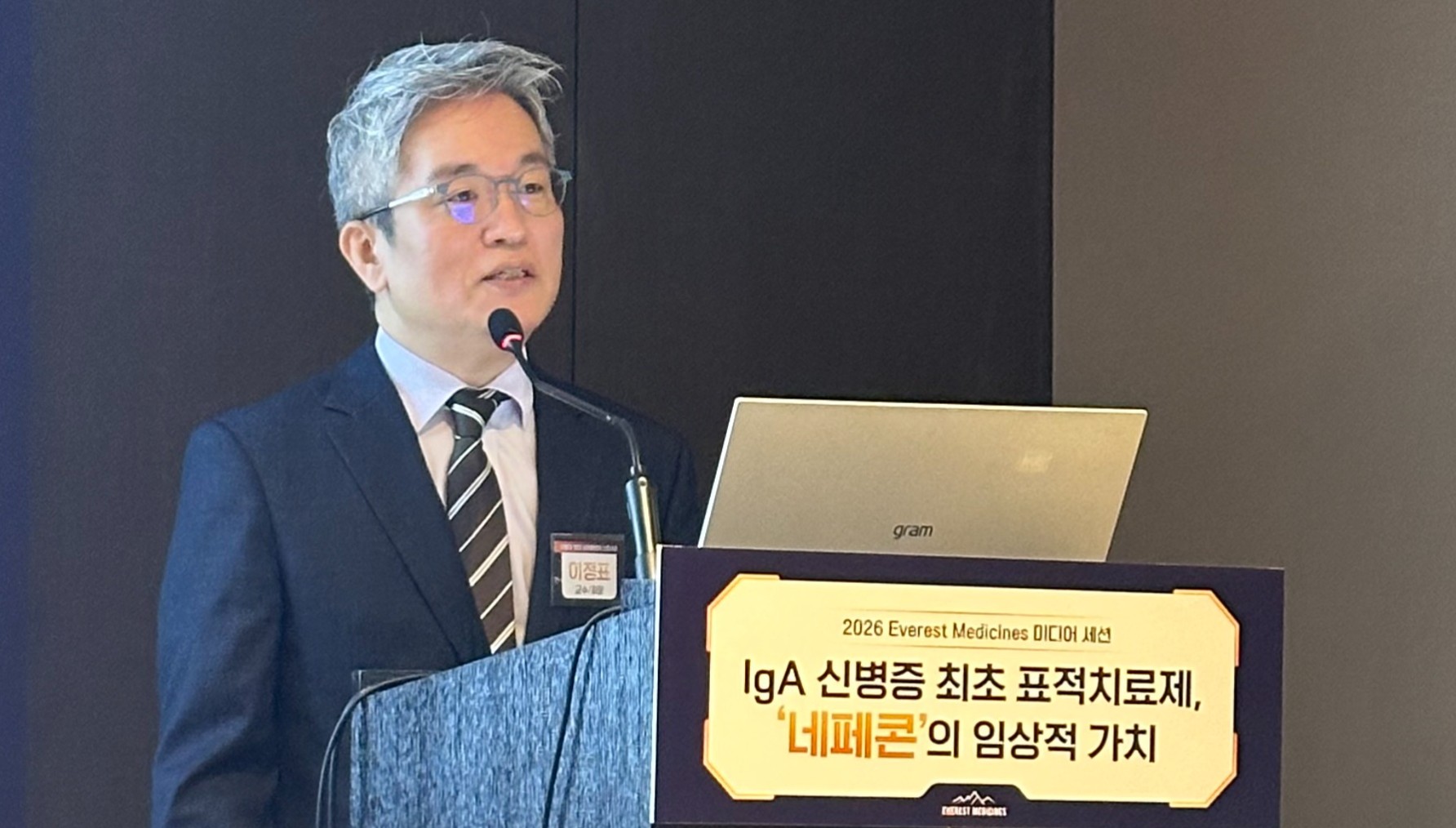
- The treatment landscape for IgA nephropathy (IgAN) is likely to shift from a focus on conservative management toward targeted therapies that address the disease's underlying cases.While treatments centered on renin-angiotensin system (RAS) inhibitors, aimed at blood pressure control and reduction of proteinuria, have shown limitations, a local immunomodulatory therapy targeting the Peyer’s patches (immune tissue in the ileum) has demonstrated efficacy in reducing proteinuria and protecting renal function, drawing attention to a potential paradigm shift in treatment strategies.On the 26th, Everest Medicines hosted a media session at the Plaza Hotel in Jung-gu, Seoul, to highlight the clinical value of 'Nefecon (micronized budesonide),' a targeted treatment for IgA nephropathy.IgA nephropathy is a primary glomerular disease characterized by the deposition of immunoglobulin A (IgA) within the glomeruli, which induces inflammation and a decline in kidney function. It accounts for approximately 40% of glomerulonephritis cases in South Korea and is known to commonly manifest in individuals in their 20s to 40s who are socially and economically active. Unlike conventional chronic kidney disease (CKD), which frequently occurs in the elderly population in association with diabetes and hypertension, IgAN is distinct in its onset among a relatively younger ages.Although disease progression varies across patients, persistent proteinuria and renal decline carry a high risk of progression to end-stage renal disease (ESRD). The recurrence rate remains at 20% to 60% even after kidney transplantation, and some studies report that the average life expectancy is shortened by approximately 10 years, with a mortality rate roughly twice as high as that of the general population.Jung Pyo Lee, Department of Nephrology, Boramae Medical CenterIn particular, proteinuria and a depressed estimated glomerular filtration rate (eGFR) are recognized as key indicators of disease progression and elevated cardiovascular risk. A British cohort study reported that a considerable number of cases progressed to kidney failure within 10 to 15 years post-diagnosis, demonstrating that patients with higher baseline proteinuria faced a substantially increased risk of ESRD or mortality.Previously, the management of IgA nephropathy has centered on supportive care aimed at slowing the rate of renal deterioration rather than modifying the disease itself. Renin-angiotensin system (RAS) inhibitors designed for blood pressure and proteinuria control. While RAS inhibitors help reduce proteinuria by lowering intraglomerular pressure, they limitations because they do not directly target the underlying pathogenesis.Professor Jung Pyo Lee explained, "While a renal biopsy is vital for a definitive diagnosis of IgA nephropathy, it cannot be practically performed on every patient. Global guidelines recommend a biopsy when proteinuria exceeds 0.5g. However, in real-world clinical practice, RAS inhibitors or SGLT-2 inhibitors are prioritized when proteinuria is under 0.5g. Immunotherapy is considered when proteinuria reaches 1g or more, and there are approximately 10,000 severe patients who would be eligible candidates for Nefecon therapy."Nefecon is a targeted therapeutic designed to modulate the mucosal immune response implicated in the pathogenesis of IgA nephropathy. It is engineered to locally deliver the active drug to the Peyer's patches in the terminal ileum, a recognized primary anatomical site where IgAN originates.Through this mechanism, it downregulates the production of galactose-deficient IgA1 (Gd-IgA1), a key pathogenic biomarker, thereby suppressing abnormal immune cascades. It was explained that while conventional supportive therapies focus mainly on reducing proteinuria and controlling blood pressure, Nefecon distinguishes itself as a 'disease-modifying' approach that modulates the core progression of the disease.The drug-delivery mechanism is also key. It delivers the drug to the target tissue utilizing a dual formulation technology that integrates delayed-release and sustained-release profiles. The budesonide component is specifically designed to minimize systemic exposure, as the vast majority of the active pharmaceutical ingredient is cleared by extensive first-pass hepatic metabolism. According to the presented data, its impact on the HPA axis (hypothalamic-pituitary-adrenal axis) was also relatively limited.Nefecon was designated as the second product under the Ministry of Food and Drug Safety (MFDS)'s Global Innovative Product on Fast Track (GIFT) program in November last year, and it secured approval in the United States in 2021 under the brand name 'Tarpeyo.'Professor Lee explained, "IgA nephropathy features a high proportion of young patients, and the risk of progressing to ESRD fluctuates depending on the severity of proteinuria and renal function decline. It is critical to consider early immunological interventions in high-risk patients."Confirmed effectiveness in proteinuria·renal function protection Professor Jung-ho Shin, Division of Nephrology, Chung-Aug University HospitalThe clinical value of Nefecon was validated through the global Phase 3 NefIgArd study.NefIgArd was a global, randomized, double-blind, placebo-controlled study conducted in patients with primary IgA nephropathy who exhibited persistent proteinuria despite optimized RAS inhibitor therapy. Patients were randomized to receive either Nefecon or a placebo for 9 months, followed by a 15-month observational follow-up period.The clinical results showed that Nefecon significantly reduced levels of the core pathogenic biomarker Gd-IgA1 by 34% compared to the placebo group.Proteinuria was reduced by up to 51.3% at 3 months post-treatment completion, and the preservation effect on eGFR was robustly maintained throughout the 15-month post-treatment follow-up period.Notably, a modeling analysis based on the eGFR slope from the NefIgArd study generated predictive data suggesting that Nefecon treatment could delay the onset of kidney failure and the initiation of dialysis by up to 12.8 years.From a safety perspective, the most frequently reported adverse events (AEs) included peripheral edema, hypertension, muscle cramps, and acne development.Professor Shin stated, "The key feature of IgA nephropathy management lies in long-term preservation of renal function and delaying progression to ESRD, rather than short-term reduction of proteinuria alone. Nefecon is different from conventional conservative therapies as it directly addresses the disease pathogenesis by targeting mucosal immune responses."Professor Shin added, "The clinical data confirmed that the eGFR preservation benefit was sustained even after treatment cessation, and the modeling analysis supported its potential to delay progression to renal failure. It is now time to consider the necessity of earlier therapeutic intervention in high-risk patients."
- Policy
- Boehringer begins drug price negotiations for stroke therapy Metalyse
- by Jung, Heung-Jun May 27, 2026 04:10pm
- Boehringer Ingelheim Korea has entered drug price negotiations with the National Health Insurance Service for Metalyse Inj (tenecteplase), a treatment for acute ischemic stroke in adults.In addition, negotiations have also begun for Meditip’s vasculitis treatment Tavneos Cap (avacopan) and Guerbet Korea’s X-ray contrast agent Elucirem Inj (gadopiclenol).According to industry sources on the 26th, Metalyse 25mg, which was recognized as appropriate for reimbursement by the Drug Reimbursement Evaluation Committee in April, has now entered drug price negotiations, bringing it one step closer to reimbursement listing in Korea.Metalyse, a thrombolytic agent, received domestic approval last October. It garnered attention as the first new treatment option for acute ischemic stroke in approximately 20 years following the indication expansion of Actilyse (alteplase).While Actilyse is a second-generation thrombolytic agent, Metalyse is a third-generation thrombolytic agent with PAI-1 resistance, which inhibits thrombolysis.At the end of last year, the National Assembly also raised the need to introduce third-generation thrombolytics that are already reimbursed overseas, specifically mentioning the rapid reimbursement listing of Metalyse.Meditip’s Tavneos Cap 10mg, which was reviewed alongside Metalyse by DREC in April, is also undergoing price negotiation procedures. At the time, the committee determined the drug was appropriate for reimbursement for the ‘treatment of severe granulomatosis with polyangiitis (GPA) and microscopic polyangiitis (MPA).’However, side effects have become a concern following recent reports of deaths and other adverse events overseas. The Ministry of Food and Drug Safety (MFDS) stated that while the product was supplied to some patients prior to market launch, no adverse event reports had been received. Safety management is expected to influence the price negotiation agreement as well.Negotiations are also underway for Guerbet Korea’s X-ray contrast agents Elucirem Inj and Elucirem Prefilled Syringe Injection, as well as Bracco Imaging Korea’s Vueway Inj.These products had previously been recognized as eligible for reimbursement as “MRI contrast agents for adult and pediatric patients aged 2 years and older,” provided they are accepted at or below the assessed price.As the pharmaceutical company has accepted the term, detailed negotiations with the National Health Insurance Service regarding expected claims costs and related matters are expected to take place thereafter.

- Policy
- DPK "Innovation·eradicate rebates"…PPP "Vaccine safety·NIP expansion"
- by Lee, Jeong-Hwan May 27, 2026 04:10pm
- The Democratic Party of Korea (DPK) and the People Power Party (PPP)Ahead of the June 3 local elections, both the ruling and opposition parties have finalized their core healthcare pledges, focusing on fostering the pharma-biotech industry and driving healthcare innovation.The Democratic Party of Korea (DPK) promised to restructure the domestic pharmaceutical industry, which remains centered on generics, by overhauling the drug pricing system with a strong emphasis on innovation and establishing a fair compensation framework for novel drug development.The DPK also pledged to launch a multi-ministerial cooperation system linking the Ministry of Health and Welfare (MOHW) and the National Tax Service (NTS) to eliminate illegal pharmaceutical and medical device rebates at the source.Granting special judicial police authorizations to the National Health Insurance Service (NHIS) to stop leakages in health insurance finances and dismantle fraudulent profit-making structures was also included in the DPK's official campaign pledges.Meanwhile, the People Power Party (PPP) focused its pledges heavily on expanding vaccine infrastructure closely tied to health security. Leading the introduction of novel pneumococcal vaccines and high-immunogenicity influenza vaccines into the National Immunization Program (NIP) is a key area the PPP plans to champion following the local elections.In the health insurance sector, the PPP made its stance clear on tightening post-hoc management and regulatory controls against illegal medical practices and distribution market distortions that cause leakages in national health insurance finances.These analysis have been made based on the May 26thlocal election manifestos of both major political parties regarding the pharma-biotech and healthcare policies.The DPK, Major transformation of the Pharma-Biotech industry...Implementing an official MOHW-NTS rebate eradication task forceThe DPK placed the structural innovation of the domestic pharma-biotech industry at the forefront of its campaign. The party expressed a strong commitment to introducing an innovation-linked drug-pricing overhaul and a fair compensation framework to shift the domestic pharmaceutical ecosystem away from a generic-centric model toward innovative drugs.Furthermore, the DPK promised to build a state-backed supply chain, including a national contract manufacturing framework for essential medicines such as pediatric drugs and antibiotics, as well as modernizing domestic manufacturing facilities for active pharmaceutical ingredients (APIs).To prevent recurring drug shortages, the DPK’s vision is to establish a collaborative network between the government and pharmaceutical companies to ensure a stable supply of essential pediatric drugs, antibiotics, and vaccines, and to immediately allocate national budget resources to achieve self-sufficiency in APIs, which currently rely heavily on overseas imports.The DPK also declared it would drive efforts to eliminate illegalities in the healthcare market and stop health insurance financial leakage by introducing an SJP system for the NHIS to eradicate illegal non-physician-owned hospitals and implementing periodic, concentrated crackdowns on drug and medical device rebates via MOHW-NTS cooperation.Regarding rebates, the core of the DPK’s pledge is to go beyond one-off enforcement and establish a permanent system capable of executing periodic, intensive crackdowns across the entire illicit transaction architecture, including both rebate providers and intermediaries.To reinforce regional, essential, and public healthcare, the DPK plans to redesign region-specific transfer and referral protocols linking emergency fire services and medical institutions on a city-and-province level, while expanding state compensation liabilities for no-fault medical accidents occurring during essential healthcare delivery.The party also announced the creation of a Medical Accident Review Committee to mitigate upfront judicial risks for essential healthcare physicians, establishing a mutually beneficial safety net.The PPP, Enhancing vaccine safety and expanding NIP...eradicating the causes of 'Emergency Room Hopping'The PPP finalized its central healthcare pledges under the core value of welfare for the underprivileged, placing heavy emphasis on narrowing regional healthcare disparities and substantially improving the emergency medical network.First, the PPP plans to strengthen public healthcare by establishing NHIS-directly operated regional insurer hospitals. This plan aims to ensure that vulnerable regions with weak medical infrastructure can successfully deliver essential medical services, including emergency care, trauma care, obstetric care, pediatric care, and infectious disease response.The PPP also stated it would firmly establish a transfer and referral control tower centered around the Central Emergency Medical Center, and eradicate the core causes of "emergency room hopping" by overhauling clear hospital refusal criteria and transfer guidelines.To ensure ambulances do not wander with patients on board, the party will refine hospital selection guidelines and clear parameters for hospital refusal. Concurrently, the party packaged protective measures for emergency medical staff and strategies to boost definitive care capacity (infrastructure for backup surgery and hospitalization) into its campaign promises.The PPP will also drastically expand support for the National Immunization Program (NIP) to deliver tangible benefits to citizens.To alleviate the medical expense burden on the elderly and underprivileged populations and to realize a health-security framework centered on disease prevention, the party will aggressively increase funding for vaccinations.Specifically, a free shingles vaccination program will be introduced. The NIP support for the shingles vaccine, which resonates most deeply among middle-aged and elderly demographics, will be expanded to include all individuals aged 65 and older.The PPP also pledged to upgrade the vaccine lineup. By introducing novel pneumococcal vaccines and high-immunogenicity influenza vaccines into the NIP, the PPP aims to prevent severe respiratory diseases among senior citizens.

- Opinion
- Bayer accelerates expansion of new drug portfolio
- by Son, Hyung Min May 27, 2026 04:09pm
- Bayer expressed confidence in its growth prospects, highlighting its new drug portfolio –which focuses on cardiovascular and renal disease, oncology, and ophthalmology -- along with next-generation pipelines based on cell and gene therapies.Despite growing pressure from patent expirations and biosimilar competition, the company believes it has established new growth drivers beyond its traditional reliance on blockbuster products. In particular, Bayer identified Korea as a strategic market where the value of innovative therapies can be realized rapidly, while also signaling plans to expand clinical collaborations and startup partnerships.Sebastian Guth, Chief Operating Officer of Bayer PharmaceuticalsSebastian Guth, Chief Operating Officer of Bayer Pharmaceuticals, recently told reporters, “Bayer is entering a new phase of growth based on its strongest-ever portfolio and innovative pipeline. We are focusing on providing first-in-class or best-in-class treatment options in areas with high unmet medical needs.”The global pharmaceutical industry is currently facing a triple burden of patent cliffs, drug pricing pressure, and rising drug development costs, intensifying competition to secure next-generation growth engines. Bayer is no exception, facing the patent expiration of Xarelto (rivaroxaban) and biosimilar competition against Eylea (aflibercept) 2mg.However, Bayer expressed confidence that it can sustain growth momentum through new drug competitiveness in cardiovascular-renal disease, oncology, and ophthalmology, along with future pipelines based on precision medicine and cell and gene therapy.In fact, Bayer secured a total of 5 regulatory achievements last year, including 3 new drug approvals and 2 expanded indications, while also generating positive results from 6 late-stage global clinical trials. Based on this, the company has set goals of restoring growth after 2027 and achieving a 30% operating margin by 2030. According to Guth, Bayer is strategically concentrating on oncology, cardiovascular-renal disease, neurology, rare diseases, and immunology as core therapeutic areas.Kerendia, Nubeqa, and Eylea emerges as growth drivers…“Portfolio transition accelerates”Bayer’s confidence stems from the emergence of new growth products. The company believes Kerendia (finerenone) and Nubeqa (darolutamide) are driving tangible sales growth, while high-dose Eylea (8mg) is establishing itself as a new treatment option in ophthalmology and filling the gap left by existing blockbuster products.Kerendia, in particular, is emerging as a key pillar in Bayer’s integrated cardiovascular-renal treatment strategy. After being approved in Korea for chronic kidney disease associated with type 2 diabetes, Kerendia recently secured an additional indication for heart failure with a left ventricular ejection fraction of 40% or greater. While traditional heart failure treatment has mainly focused on reduced ejection fraction heart failure, treatment options for preserved ejection fraction heart failure have remained relatively limited, and Bayer sees strong potential for changing treatment paradigms in this area.Guth said, “Heart failure with preserved ejection fraction is an area with high unmet medical need in Korea as well. We are focusing on how Kerendia can benefit patients in actual clinical practice.”The prostate cancer treatment Nubeqa is also a core growth driver within Bayer’s oncology portfolio. Nubeqa has expanded its indications in Korea from high-risk non-metastatic castration-resistant prostate cancer to metastatic hormone-sensitive prostate cancer, broadening its treatment scope. Recently, reimbursement criteria for metastatic hormone-sensitive prostate cancer were also established, increasing expectations for improved patient access. Bayer aims to strengthen its leadership in prostate cancer treatment through Nubeqa while also creating future synergies with radiopharmaceutical-based therapies.In ophthalmology, Eylea 8mg was highlighted as a next-generation growth driver. With the aging population and the rise in chronic diseases leading to an increase in patients with age-related macular degeneration and diabetic macular edema, the drug is considered significant because it has the potential to extend treatment intervals, thereby reducing both the financial burden on patients and the workload on healthcare providers. Bayer holds commercial rights for Eylea outside the United States, and the drug is continuing to grow in multiple countries, including Korea.Guth said, “Nubeqa and Kerendia recorded combined growth of 68% last year and exceeded market expectations. Even amid difficult conditions such as the competition brought on by the introduction of Xarelto generics and Eylea 2mg biosimilars, the growth potential of our core products is translating into tangible results.”Accelerating development of cell and gene therapies…”Targeting root causes beyond symptom relief”Bayer positioned cell and gene therapies and precision medicine at the forefront of its future growth strategy. The key concept is “disease modification,” which seeks not merely to manage symptoms but to alter disease progression itself.Parkinson’s disease was presented as a representative example. Bayer is simultaneously developing both cell therapy and gene therapy approaches for Parkinson’s disease.The cell therapy ‘bemdaneprocel’ is a one-time treatment designed to replace lost dopamine-producing neurons and is currently in late-stage clinical development. Meanwhile, the gene therapy ‘AB-1005(ametefgene parvec)’ is being developed to restore neurological function and slow disease progression. Guth explained that these represent entirely new approaches in the field of Parkinson’s disease, where fundamental therapeutic progress has been limited for decades.Guth said, “Parkinson’s disease is an area where there has been little significant therapeutic progress for decades, and Bayer is making meaningful breakthroughs. Because Parkinson’s disease has a severe impact not only on patients but also on their families, we hope both therapies can be developed successfully.”As a next-generation cardiovascular pipeline, Guth highlighted Bayer’s factor XI inhibitor asundexian.Although asundexian faced a temporary development setback for the atrial fibrillation indication, the drug regained momentum by securing positive results in late-stage clinical trials for secondary stroke prevention after strategic adjustments. Bayer expects this drug to set a new standard of care in the future.Guth said, “We experienced setbacks where the research did not meet expectations, but after reviewing the scientific evidence again, we regained confidence in the direction. It is important to learn and stay focused even in the face of failure.”Guth also identified ‘225Ac-PSMA Trillium,’ currently being developed for metastatic castration-resistant prostate cancer, as one of Bayer’s major pipelines.225Ac-PSMA Trillium is a targeted alpha radioligand therapy directed at prostate-specific membrane antigen (PSMA). Bayer plans to expand its prostate cancer treatment strategy by adding next-generation radiopharmaceuticals to the prostate cancer portfolio already built around Nubeqa.“Prostate cancer is an area with high global prevalence and significant unmet medical need. We expect this therapy to bring meaningful changes to patient treatment.”“Korea is a strategic market”…expanding clinical collaboration and startup partnershipsOne of the messages repeatedly emphasized during the interview was the strategic importance of the Korean market. Bayer views Korea not merely as a sales market, but as a global innovation hub with strong scientific capabilities and rapid adoption of innovation.In fact, as of 2025, Korea was found to conduct the second-largest number of investigator-initiated research (IIR) studies worldwide, following the United States.Guth remarked, “Korea’s scientific capabilities are beyond doubt, and the country also possesses outstanding R&D capabilities. There are active efforts aimed not merely at improving existing treatments but at developing first-in-class or best-in-class treatments.”Starting this year, Bayer officially launched “Bayer Co.Lab Connect Seoul,” a collaboration program targeting domestic biotech startups.This program is the Korean version of Bayer’s global life science incubator model previously operated in major innovation hubs worldwide. Rather than simply providing financial support, the program focuses on offering global expertise in regulatory strategy, commercialization, market access, and pricing.“Innovation cannot be achieved alone; Collaboration among academia, startups, and companies is important. Our collaboration with Korea has now moved beyond discussion and entered the execution stage.”At the same time, Bayer plans to use artificial intelligence as a key R&D driver to improve productivity across drug development, clinical research, and pharmacovigilance. The company aims to increase R&D productivity and shorten the time required for innovative therapies to reach patients by 2030 through AI-based technologies.“The advancement of AI-based technologies is fundamentally changing the paradigm of drug development, and research capabilities that seemed impossible only a few years ago are now becoming a reality. Bayer will actively leverage this technological turning point to accelerate R&D innovation and ensure that we achieve our stated goals.”
- Policy
- Two Prolia biosimilar companies receive reimbursement coverage
- by Jung, Heung-Jun May 26, 2026 03:21pm
- Fierce competition is expected as three biosimilar products referencing Amgen’s osteoporosis treatments Prolia (denosumab) and Xgeva (denosumab) enter Korea’s reimbursement list next month.Because more than four companies will now have reimbursement listings for the same products, reimbursement price premiums previously applied to the original products, Prolia and Xgeva, will end.According to industry sources on the 22nd, Prolia biosimilars by HK inno.N and Daewon Pharmaceutical are set to be listed for reimbursement next month.HK inno.N’s Izambia PFS (60mg/1mL), Denbrayce Inj (0.12g/1.7mL), and Daewon Pharmaceutical’s Junod PFS (60mg/1mL) are expected to be newly listed at the lowest reimbursement price among already listed equivalent products.Previously, only three companies had reimbursement listings for denosumab products: Amgen, Celltrion, and Samsung Bioepis. HK Inno.N and Daewon Pharmaceutical will now join the market simultaneously.Amgen’s Prolia is an osteoporosis treatment administered as a subcutaneous injection once every six months that increases bone density and prevents fractures. In Korea, it generates annual sales of approximately KRW 180 billion through co-promotion with Chong Kun Dang.In 2016, Amgen also launched Xgeva (denosumab), which is used to prevent skeletal complications in cancer patients with bone metastases and to treat giant cell tumors of bone.Competition with biosimilars for Prolia and Xgeva began after their substance patent expired in March last year. Currently reimbursed denosumab products include Celltrion’s Stoboclo and Osenvelt, as well as Samsung Bioepis’ Obodence and Xbryk injections. Celltrion’s Stoboclo is co-promoted by Daewoong Pharmaceutical, while Hanmi Pharmaceutical co-promotes Samsung Bioepis’ Obodence.HK inno.N’s Izambia and Daewon Pharmaceutical’s Junod are expected to enter the market at 1KRW 08,290, matching the lowest price currently held by Stoboclo.Meanwhile, Denbrayce, developed by Spain’s mAbxience and introduced to Korea by HK inno.N, will also be listed at the existing lowest reimbursement price of KRW 129,000.Until now, Prolia had maintained price premiums due to having three or fewer listed manufacturers for the same formulation. However, beginning next month, Prolia’s price will be reduced from KRW 123,760 to KRW 108,290, while Xgeva’s price will fall from KRW 195,525 to KRW 171,084.
