
- LOGIN
- MemberShip
- 2026-09-11 01:51:14
- Company
- Ildong re-enters the migraine mkt with 'Nurtec' after Reyvow withdrawal
- by Kim, Jin-Gu Sep 10, 2026 08:44am
- Ildong Pharmaceutical is reentering the domestic migraine market through a partnership with Pfizer. As Ildong's migraine drug Reyvow is set for commercial discontinuation this December, Ildong is collaborating with Pfizer Korea to co-promote 'Nurtec (rimegepant).'Migraine drug Reyvow faces withdrawal at the end of this year…Ildong continues with the sales of NurtecAccording to industry sources on the 9th, Ildong Pharmaceutical announced on the 8th that it entered into a domestic distribution and co-promotion agreement with Pfizer Korea for Nurtec ODT. Starting this month, the two companies will jointly conduct product information for healthcare professionals and commercial sales activities.Ildong Pharmaceutical entered into a domestic distribution and co-promotion agreement with Pfizer Korea for Nurtec ODT.For Ildong Pharmaceutical, this partnership enables a portfolio transition from its existing migraine therapy, 'Reyvow (lasmiditan).' Back in 2013, Ildong secured regional commercial rights across eight Asian territories, including South Korea, from Reyvow’s original developer, U.S.-based CoLucid Pharmaceuticals. Although Eli Lilly acquired CoLucid Pharmaceuticals and gained global rights to Reyvow, Ildong retained its domestic marketing authorization and commercial rights.Reyvow drew significant attention as a novel mechanism-of-action oral migraine therapeutic designed to address the limitations of conventional triptan therapies. By selectively targeting the 5-HT1F receptor, it reduces concerns about vasoconstriction and related cardiovascular adverse events. Following regulatory approval in South Korea in 2022, Ildong commenced commercial distribution.However, Reyvow failed to secure National Health Insurance reimbursement listing. Disagreements over drug pricing during the domestic reimbursement appraisal ultimately led to an out-of-pocket, non-reimbursed launch. In the non-reimbursed market, Reyvow subsequently recorded an annual production value of merely around KRW 200 million.In June of this year, Eli Lilly decided to cease global manufacturing and supply of Reyvow. As a consequence, domestic sales of Reyvow are scheduled to terminate this December.Under these circumstances, co-promoting Nurtec enables Ildong Pharmaceutical to maintain continuity in its migraine franchise. Ildong has long maintained an established neurology sales and commercial network anchored by Sermion (nicergoline). Furthermore, navigating the domestic regulatory approval and commercialization of Reyvow allowed the company to accumulate dedicated operational expertise in novel migraine therapeutics.Differentiated from Reyvow by spanning scute to preventive Care...Can it clear the reimbursement hurdle?Nurtec is an oral calcitonin gene-related peptide (CGRP) receptor antagonist that operates via a mechanism distinct from Reyvow. In South Korea, it is approved for both the acute treatment of migraine attacks and the preventive treatment of episodic migraine in adults. As a single therapeutic agent, it targets both acute symptom relief during an attack and preventive therapy to reduce future recurrence.Administration convenience is a product strength. Formulated as an ODT that dissolves on or under the tongue without water, Nurtec is designed to make administration easier, even during an acute migraine attack.Product photos of Reyvow (left) and Nurtec (right).In global clinical trials, the drug also secured head-to-head comparative data against 'Emgality (galcanezumab),' a reimbursed injectable preventive therapy in South Korea. In the CHALLENGE-MIG study, which enrolled 580 patients and evaluated episodic migraine prophylaxis, 61% of patients in the rimegepant arm achieved a 50% or greater reduction in monthly migraine days, compared with 62% in the galcanezumab arm. This demonstrates that Nurtec delivers comparable preventive efficacy in a direct head-to-head comparison.Rimegepant’s efficacy has also been established in the acute treatment setting. In a separate placebo-controlled clinical trial, 19.6% of patients in the rimegepant group achieved pain freedom at two hours post-dose versus 12.0% in the placebo group. In comparison, 37.6% and 25.2% of patients achieved freedom from the most bothersome symptom (MBS), respectively.National Health Insurance reimbursement listing is expected to be the key variable driving market expansion.Pfizer commercially launched Nurtec as an out-of-pocket, non-reimbursed product on the 1st of this month, a rollout path similar to Reyvow's previous entry. Given that Reyvow delivered lackluster commercial figures after failing to clear the reimbursement hurdle, industry analysts emphasize that securing reimbursement coverage will be critical to Nurtec’scommercial scalability.In the acute migraine treatment sector, no therapeutic agent has successfully entered the national formulary. While anti-CGRP biologics such as Emgality and Ajovy (fremanezumab) have attained reimbursement listing in the preventive segment, their reimbursed indications and coverage criteria remain tightly restricted. Consequently, Nurtec’s potential reimbursement entry will require a comprehensive evaluation encompassing not only its clinical value but also its pricing and pharmacoeconomic cost-effectiveness.
- Company
- Expectations and concerns around 'Opakalim,' in-licensed at KRW 1T
- by Cha, Ji-Hyun Sep 09, 2026 12:26pm
- SK BiopharmaceuticalsExpectations and concerns have surfaced around Opakalim, an epilepsy drug candidate that SK Biopharmaceuticals has in-licensed for about KRW 1 trillion. While it is projected to surpass $2 billion in net sales by 2042 following a 2029 U.S. launch, SK Biopharmaceuticals must pay sales royalties post-commercialization to both its contracting counterpart, Biohaven, and the original developer, Knopp Biosciences.According to the biotech industry on the 8th, SK Biopharmaceuticals valued the assets it evaluated during the in-licensing of the epilepsy drug candidate 'Opakalim (BHV-7000),' potassium channel (Kv7) activator compounds, and the Kv7 discovery platform at $909.6 million (KRW 1.2581 trillion). This is about 14% higher than the maximum deal value SK Biopharmaceuticals signed.The valuation was conducted by calculating free cash flow after deducting cost of goods, research and development (R&D) expenses, selling, general and administrative (SG&A) expenses, and working capital from projected revenues generated by Opakalim, and then discounting it to present value by reflecting clinical success probabilities and the time value of money. It incorporated the risks of drug development failure on top of the standard discounted cash flow (DCF) model.Previously, on the 26th of last month, SK Biopharmaceuticals signed an agreement with Biohaven Bioscience Ireland to secure exclusive worldwide development and commercialization rights for Opakalim, Kv7 activator compounds, and the Kv7 drug discovery platform. The total contract value is up to $795 million (KRW 1.0995 trillion), including a non-refundable upfront payment of $400 million (KRW 553.2 billion KRW). Royalties based on product sales are separate.Summary of the epilepsy drug candidate 'Opakalim (BHV-7000)': mechanism of action-Kv7.2 and Kv7.3 potassium channels regulating neuronal excitability in the brain, indication-adult patients with focal seizures, clinical stage-undergoing global 'RISE2' and 'RISE3' Phase 2/3 clinical trials, Original developer-Knopp Biosciences.Opakalim is an oral anti-seizure candidate that selectively activates Kv7.2 and Kv7.3 potassium channels regulating neuronal excitability in the brain. Its mechanism of action stabilizes hyperexcited neurons to suppress seizures. Unlike certain conventional anti-seizure medications, it has relatively little influence on gamma-aminobutyric acid (GABA) receptors, and its potential to reduce central nervous system (CNS) side effects is cited as a competitive advantage.Knopp Biosciences in the United States originally developed Opakalim. Biohaven acquired the Kv7 platform and Opakalim by signing an agreement to acquire Knopp's subsidiary, Channel Biosciences, in February 2022 and completing the transaction in April of the same year. Knopp received $35 million in cash and $65 million worth of Biohaven shares, totaling $100 million in initial consideration. The deal also included milestone payments tied to development and regulatory approval, along with sales royalties.Currently, Opakalim is undergoing global 'RISE2' and 'RISE3' Phase 2/3 clinical trials in adult patients with focal seizures. RISE3 completed patient enrollment last June and is slated to announce top-line results in the second half of this year. In an open-label extension (OLE) study evaluating long-term efficacy and safety after the preceding Phase 2 trial, 54% of patients treated with the 75 mg dose showed a 50% or greater reduction in seizure frequency over six consecutive months.Shinhan Accounting Corporation, an external valuation firm, estimated future revenue and cash flows to calculate the asset value, assuming Opakalim successfully navigates clinical trials and regulatory approvals to launch in the United States in 2029. It assumed the compound annual growth rate of 2.6% in total U.S. focal seizure prescriptions from 2016 to 2025 would continue. Opakalim's market share was projected to rise from 0.1% in 2029, its first year of launch, to 0.4% in 2030, 1.9% in 2035, and 2.9% in 2040. The prescription price was estimated to increase by 4.6% annually from a baseline of $1,550.30, reflecting a 20.0% premium over the 2025 average price of four comparable products. Factoring in rebates and various discounts, actual net revenue was modeled at 52.0% of the prescription price.Based on these assumptions, Opakalim was projected to generate $21.14 million in net sales in its initial U.S. launch year in 2029 and peak at $2.07913 billion in U.S. net sales in 2042, the 14th year post-launch. Subsequently, reflecting loss of exclusivity (LOE) in 2043, market share was projected to decline to 1.6% and net sales to decrease to $1.06173 billion. Applying a cumulative probability of 71.9% for clinical development and marketing approval success through commercialization, alongside a discount rate of 14.4%, yielded the final asset valuation.Notably, projections that Opakalim will achieve operating profit margins exceeding 70% from the mid-post-launch period onward also drew attention. Shinhan Accounting Corporation anticipated that Opakalim's operating margin would reach 71.5% in 2040, 71.6% in 2041, and 72.3% in 2042. This is more than 30 percentage points higher than SK Biopharmaceuticals' operating profit margin of 39.3% recorded in the first half of this year.This high profitability reflects a low-cost structure. Shinhan Accounting Corporation applied 10.9% of sales to cost of goods sold and 17.3% to SG&A expenses, based on averages of comparable U.S. biotechs. The rationale is that because SK Biopharmaceuticals has already established a dedicated local sales organization of about 150 personnel and a distribution infrastructure through cenobamate, it can co-commercialize Opakalim without significantly increasing overhead costs.Analysis suggests that SK Biopharmaceuticals' move to secure rights to Opakalim —investing an upfront payment that approached nearly three times its annual operating profit from last year (KRW 203.9 billion)—was a strategic decision based on commercialization feasibility, revenue growth potential, and high profitability. This indicates that SK Biopharmaceuticals valued Opakalim as a high-margin blockbuster asset capable of exceeding $2 billion in annual sales while delivering operating profit margins in the 70% range.The two companies also entered into a mutual non-compete clause. SK Biopharmaceuticals and Biohaven agreed to restrictions prohibiting either party from independently developing, manufacturing, or commercializing competing Kv7 activator compounds, or supporting third-party research related thereto, in global markets for several years following the first commercial sale of the product.Currently, Xenon Pharmaceuticals is leading the Kv7 class with 'azetukalner'. Xenon announced Phase 3 clinical results for azetukalner last March and is scheduled to submit a marketing application to the U.S. Food and Drug Administration (FDA) in the third quarter of this year. If azetukalner is approved as planned, it will become the first Kv7-class therapy in the field of epilepsy. With azetukalner leading commercialization, this provision is interpreted as a safeguard to preserve the market value of the latecomer Opakalim and to support follow-on Kv7 pipeline candidates.SK Biopharmaceuticals must pay a separate mid-single-digit royalty to Knopp Pharmaceuticals. (source: Biohaven's Current Report (Form 8-K))However, contractual royalty obligations will increase as Opakalim succeeds in commercialization and scales revenue, which could burden future profitability.According to Biohaven's Current Report (Form 8-K) and the original license agreement filed with the U.S. Securities and Exchange Commission (SEC) on the 26th of last month, when SK Biopharmaceuticals sells Opakalim and certain anti-seizure products in the United States, it must pay Biohaven running royalties ranging from the mid-teens to low twenties across net sales tiers. For sales outside the United States, it pays a mid-single-digit royalty rate.In addition, the share owed to the original developer, Knopp, is separate. As SK Biopharmaceuticals assumed Biohaven's existing contractual obligations, it must pay a separate mid-single-digit royalty to Knopp on worldwide net sales of Kv7 products. This royalty is independent of the royalties paid to Biohaven and cannot be offset.In summary, when Opakalim generates revenue in the United States, SK Biopharmaceuticals must pay royalties in the mid-teens to low twenties to Biohaven, while simultaneously paying a separate mid-single-digit royalty to the original developer, Knopp. Together, the royalties SK Biopharmaceuticals must pay to both companies each time the drug is sold after commercialization could reach the mid-to-high 20% range. In this case, concerns are raised that even if Opakalim surpasses $2 billion in annual U.S. sales under the valuation scenario, the double royalty burden could reduce the actual profit margin to less than anticipated.
- Company
- Ildong, Pfizer Korea sign co-promotion deal for migraine drug Nurtec
- by Kim, Jin-Gu Sep 09, 2026 12:26pm
- Ildong Pharmaceutical announced on the 8th that it has signed a domestic distribution and co-promotion agreement with Pfizer Korea for the novel migraine treatment Nurtec ODT (rimegepant).Under the agreement, Ildong will be responsible for domestic distribution of Nurtec ODT and will begin joint promotional activities with Pfizer Korea this month. Based on their partnership, the two companies plan to strengthen the provision of product information to healthcare professionals and contribute to improving the treatment environment for migraine patients in Korea.Nurtec ODT is a prescription drug containing rimegepant, a calcitonin gene-related peptide (CGRP) receptor antagonist. It is indicated for ▲the acute treatment of migraine with or without aura in adults and for ▲ the preventive treatment of episodic migraine in adults.In a clinical study evaluating Nurtec ODT for the acute treatment of migraine in adults, the proportion of patients experiencing pain relief was significantly higher in the rimegepant group than in the placebo group beginning one hour after administration, with the pain-relieving effect sustained for up to 48 hours.In a separate clinical study of the preventive treatment of episodic migraine in adults, rimegepant administered every other day reduced mean monthly migraine days (MMDs) by 4.3 days from baseline during Weeks 9 through 12, a significantly greater improvement than the 3.5-day reduction observed with placebo. In a subsequent open-label long-term extension study, the reduction was maintained at an average of 6.2 days through Month 16.Ildong Pharmaceutical CEO Jae-joon Lee said, “We have high expectations for expanding our partnership with Pfizer Korea through Nurtec ODT. We aim to achieve our shared objectives, combining the product's competitiveness with our marketing capabilities in the central nervous system (CNS) field.”Dong-wook Oh, Country Manager of Pfizer Korea, said, “This agreement represents a collaboration aimed at delivering the value of Nurtec ODT to migraine patients in Korea. We will do our utmost to improve patient access and contribute to enhancing their quality of life in Korea.
- Company
- Cost-saving immunotherapy 'Tevimbra' nears expanded reimb
- by Eo, Yun-Ho Sep 09, 2026 12:26pm
- Product photo of TevimbraA large- scale expansion of National Health Insurance reimbursement standards for the cost-saving immuno-oncology drug 'Tevimbra' is expected.According to reports, BeOne Medicines recently closed drug price negotiations with the National Health Insurance Service (NHIS) for five additional indications of its PD-1 inhibitor Tevimbra (tislelizumab).The specific indications include ▲first-line combination therapy in patients with unresectable, locally advanced, or metastatic esophageal cancer ▲first-line combination therapy in patients with unresectable or metastatic HER2-negative gastric or gastroesophageal junction adenocarcinoma ▲two first-line combination therapies and one second-line monotherapy for non-small cell lung cancer.Consequently, attention is focused on whether Tevimbra will change the prescription landscape for immuno-oncology drugs.Successful drug price negotiations for Tevimbra are significant beyond the market entry of a new drug. While reimbursement for immuno-oncology drugs has recently expanded across multiple indications, increasing the fiscal burden on National Health Insurance, Tevimbra is considered a candidate that could provide cost savings through intra-class substitution.Currently, claims for immuno-oncology therapies, centered around 'Keytruda (pembrolizumab),' are estimated to be nearing KRW 1 trillion annually, with lung cancer and gastric cancer reportedly accounting for more than half of that total. If Tevimbra achieves meaningful substitution across these indications, fiscal savings of at least tens of billions of won are projected to grow as utilization increases.While immuno-oncology drugs are typically a high-cost drug class, intensified intra-class competition could lower drug prices.The company's strategy for obtaining reimbursement for Tevimbra is a phased expansion. It is structured to first secure marketing approval and reimbursement in second-line esophageal cancer, where unmet medical need was high due to the lack of reimbursed immuno-oncology drugs, and then expand into major indications such as lung cancer and gastric cancer.Tevimbra's clinical utility is also well established. Global treatment guidelines have already confirmed Tevimbra's therapeutic standing. Major guidelines such as the National Comprehensive Cancer Network (NCCN) and the European Society for Medical Oncology (ESMO) recommend Tevimbra as a treatment option on par with previously launched immuno-oncology therapies.Furthermore, this drug has a mechanistic distinction: an engineered structure that inhibits binding to Fcγ receptors, minimizing T-cell clearance and exhaustion. It is also highlighted as a potential 'improved PD-1' that is not merely a substitute drug.Meanwhile, Tevimbra received approval late last year for perioperative (neoadjuvant·adjuvant) therapy in non-small cell lung cancer and nasopharyngeal carcinoma, therapeutic areas where existing immuno-oncology drugs have been limited. It is expected to continue expanding therapeutic presence.
- Company
- 'Anzupgo' for CHE advances in obtaining reimbursement
- by Son, Hyung Min Sep 08, 2026 09:02am
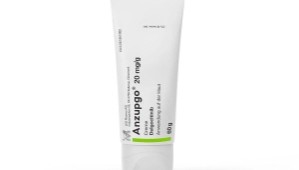
- As the new chronic hand eczema (CHE) drug Anzupgo nears National Health Insurance reimbursement, it is emerging as an option that can bridge the treatment gap between conventional topical corticosteroids and systemic therapy.Until now, when chronic hand eczema did not achieve an adequate response to topical corticosteroids, patients had to consider systemic therapies such as phototherapy or oral alitretinoin. Because long-term non-steroidal topical options were limited, reimbursement for Anzupgo could expand access to treatment.According to the pharmaceutical industry on the 8th, LEO Pharma's topical Janus kinase (JAK) inhibitor Anzupgo (delgocitinib) recently received reimbursement appropriateness from the Pharmaceutical Reimbursement Evaluation Committee (PREC) of the Health Insurance Review and Assessment Service (HIRA). Consequently, the drug will proceed toward National Health Insurance listing following subsequent procedures, including drug price negotiations with the National Health Insurance Service (NHIS).Anzupgo secured reimbursement appropriateness from the PREC after demonstrating cost-effectiveness through a pharmacoeconomic evaluation.Recurrent hand eczema…Burden of long-term treatment increasestopical Janus kinase (JAK) inhibitor 'Anzupgo'Chronic hand eczema is a chronic inflammatory skin disease accompanied by pruritus, pain, and skin fissures. Because the hands are used continuously in daily routines and occupational activities, recurring symptoms substantially affect work performance and quality of life.Conventional treatment has primarily followed a stepwise approach, starting with basic skin care, including moisturizers, then moving to topical corticosteroids, and finally escalating to phototherapy or oral alitretinoin.However, long-term use of topical corticosteroids carries the burden of adverse effects such as skin atrophy, and oral alitretinoin also has limitations in continuous application across all patients due to adverse events like headache and dyslipidemia, as well as restrictions on its use in women of childbearing potential.In clinical practice, the issue of patients who do not respond adequately to topical corticosteroids repeatedly receiving the same treatment, thereby delaying the transition to systemic therapy, has particularly been highlighted as an unmet medical need.In fact, a study analyzing approximately 4,000 Danish patients with chronic hand eczema revealed that it took more than eight years for approximately 44% of all patients to reach their first systemic therapy.Experts argue that rather than repeating topical corticosteroid therapy that is ineffective, clinicians need a strategy to transition to the next step of treatment based on disease severity and response.A new option between topical therapy and systemic TreatmentAnzupgo is a non-steroidal topical pan-JAK inhibitor that inhibits JAK1, JAK2, JAK3, and TYK2. In South Korea, it was approved in September last year to treat adult patients with moderate-to-severe chronic hand eczema who have had an inadequate response to topical corticosteroids or for whom such treatments are inappropriate.Compared with existing treatments, Anzupgo is a new topical treatment option that can be used before transitioning to systemic therapy in patients who do not respond adequately to topical corticosteroids.In the global Phase 3 DELTA 1 and DELTA 2 studies, which served as the basis for Anzupgo's approval, administration for 16 weeks in adult patients with moderate-to-severe chronic hand eczema resulted in Hand Eczema Severity Index (HECSI) 75% or greater improvement (HECSI-75) rates of 49.2% and 49.5%, respectively.The proportion of patients achieving an improvement of 4 points or more in itch score was also 47.1% in DELTA 1 and 47.2% in DELTA 2, outperforming the vehicle/placebo arm rates of 23.0% and 19.9%, respectively. Pain reduction was also confirmed compared to placebo, and therapeutic efficacy and safety were maintained for up to 52 weeks in the DELTA 3 extension study.Anzupgo is currently prescribed as a non-reimbursed drug in Korea. The pharmacy acquisition price per 60 g tube is approximately KRW 690,000. The final non-reimbursed price set by healthcare institutions is around KRW 800,000.However, the actual duration of use varies widely depending on the extent of the patient's lesions. When applied thinly twice daily to affected areas of the hands and wrists, a single 60 g tube typically lasts about two months for patients with localized lesions.Under the current non-reimbursed status, patients may face drug expenses of hundreds of thousands of won per month, depending on individual usage. Once reimbursement is granted, the financial burden on patients requiring long-term treatment is expected to decrease.
- Company
- Novartis and Yuhan to co-promote Rhapsido in Korea
- by Son, Hyung Min Sep 08, 2026 09:01am
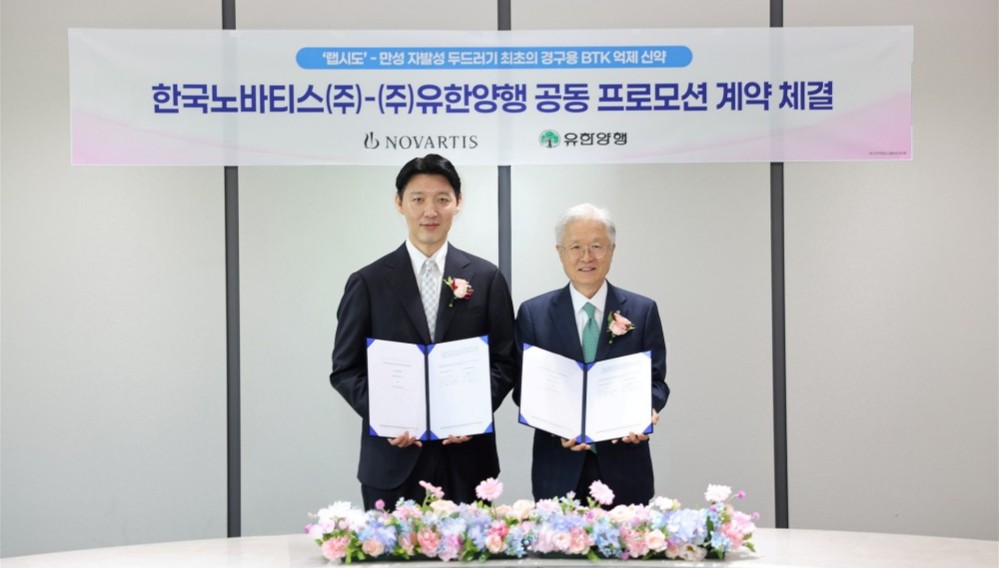
- Novartis Korea and Yuhan Corp will jointly market ‘Rhapsido’Novartis Korea (Country President: Byung-Jae Yoo) announced that the company has signed a strategic partnership agreement with Yuhan Corp for the domestic distribution, sales, and promotion of Rhapsido (remibrutinib), the first oral BTK inhibitor for the treatment of chronic spontaneous urticaria (CSU). The two companies held a ceremony on the 34rd to mark the signing of the final agreement.The agreement made this time was a strategic distribution and promotion partnership. In the partnership, Yuhan will take sole responsibility for distributing Rhapsido in Korea. Novartis Korea will handle promotional activities at general hospitals, with Yuhan being responsible for promotion at clinics.Through close collaboration, the two companies plan to effectively communicate the value of Rhapsido to patients with CSU and healthcare professionals in Korea.Byung-Jae Yoo, Country President of Novartis Korea, said, “Our partnership with Yuhan, which has extensive experience and a deep understanding of dermatology practice in the clinic setting, marks an important milestone in bringing Rhapsido closer to the patients who need it. By combining the expertise and capabilities of our two companies, we hope to provide new treatment opportunities to more patients and contribute to advancing the treatment environment for CSU in Korea.”Wook-je Cho, President and CEO of Yuhan, said, “We believe Rhapsido is an innovative therapy that can provide a new treatment option for patients with CSU. Drawing on Yuhan's sales and marketing capabilities and nationwide distribution network, we will do our utmost to effectively communicate the value of Rhapsido to healthcare professionals and patients and contribute to improving the treatment environment.”Rhapsido is an oral inhibitor targeting Bruton's tyrosine kinase (BTK). It was approved in Korea in April for the treatment of adults with CSU that is inadequately controlled with H1 antihistamines.CSU is a condition characterized by recurrent wheals, angioedema, and itching caused by histamine and other inflammatory mediators released during mast cell activation. Rhapsido works by highly selectively inhibiting BTK, which is involved in this process, thereby reducing the release of inflammatory mediators. While conventional antihistamines are used to control symptoms by blocking histamine receptors, Rhapsido offers a different treatment approach by targeting BTK, which is involved in the activation of mast cells and basophils.The approval of Rhapsido was based on results from the global Phase III REMIX-1 and REMIX-2 trials. At Week 12, Rhapsido produced significantly greater improvements from baseline in weekly Urticaria Activity Score (UAS7) versus placebo (REMIX-1: −20.0 vs. −13.8; REMIX-2: −19.4 vs. −11.7; P<0.001 for both), with the observed treatment effect remaining consistent through Week 24.In the 52-week analysis, improvements in itch and wheals were observed as early as Week 1 in the Rhapsido group and were sustained through Week 52. The safety profile over the 52-week treatment period was also consistent with that observed in the 24-week analysis.
- Company
- 14 drugs apply for ‘100-day fast-track listing’
- by Eo, Yun-Ho Sep 08, 2026 09:01am
- The number of pharmaceutical companies throwing their hats into the ring for the pilot program aimed at listing rare disease drugs within 100 days, has exceeded expectations.According to Dailypharm's coverage, a number of multinational pharmaceutical companies, including Leo Pharma Korea, Ipsen Korea, Novartis Korea, AstraZeneca Korea, MSD Korea and CSL Behring Korea, as well as Korean drugmakers G and S, submitted applications to participate in the pilot program by last month's deadline. Applications for a total of 14 products were confirmed to have been submitted.Under the original plan, only 5 of the 14 products would be selected for the pilot. However, health authorities are reportedly considering selecting additional products if they meet the eligibility criteria.The pilot program sets a target of 100 days for completing the reimbursement listing. It allows eligible drugs to be listed upfront without a pharmacoeconomic evaluation or price negotiation. Even negotiations over projected reimbursement claims are waived, with the initial reimbursement price set at around 90% of the lowest adjusted price among the A8 countries.In other words, once a valid application is submitted and coordination with the government is completed, the system can enable drugs to obtain reimbursement listing substantially faster.However, many had expected participation in the pilot to be limited, as several of its conditions were considered difficult for pharmaceutical companies to accept.The biggest concern was the post-listing evaluation based on newly generated evidence. The government planned to establish real-world registries to generate real-world evidence (RWE) on clinical outcomes. At the 5-year mark, following reassessment, a drug could retain its existing reimbursement status, face a partial price reduction, or be switched to full out-of-pocket payment.With debate over the reliability and use of RWE data still unresolved, a drug could therefore effectively lose reimbursement coverage after 5 years depending on the assessment outcome. For multinational companies, this raises the possibility of the Korean government effectively attaching an official label to one of their products suggesting that it ‘lacks efficacy.’Furthermore, the newly introduced requirement to submit a ‘patient treatment continuity assurance plan’ was something never previously been part of Korea's reimbursement listing system. With no detailed guidance yet available, the unfamiliar requirement has added to companies' hesitation. There are also concerns over expenditure caps, given that the pilot is for rare disease therapies, whose patients generally have longer life expectancies than cancer patients.Against this backdrop, applications for 14 products represent an encouraging result. Drugmakers appear to have been attracted primarily by the benefit of upfront reimbursement listing, while also placing expectations on how the program may evolve when it is rolled out on a full scale.“Simply expressing our intention to participate in the pilot can help demonstrate our commitment to the government,” an official at one applicant company said. “It may also allow us to actively provide input as the program is refined and help find common ground that is acceptable to both the government and industry.”
- Company
- Obesity drugs mkt is expanding beyond GLP-1 to amylin and glucagon
- by Son, Hyung Min Sep 07, 2026 08:59am
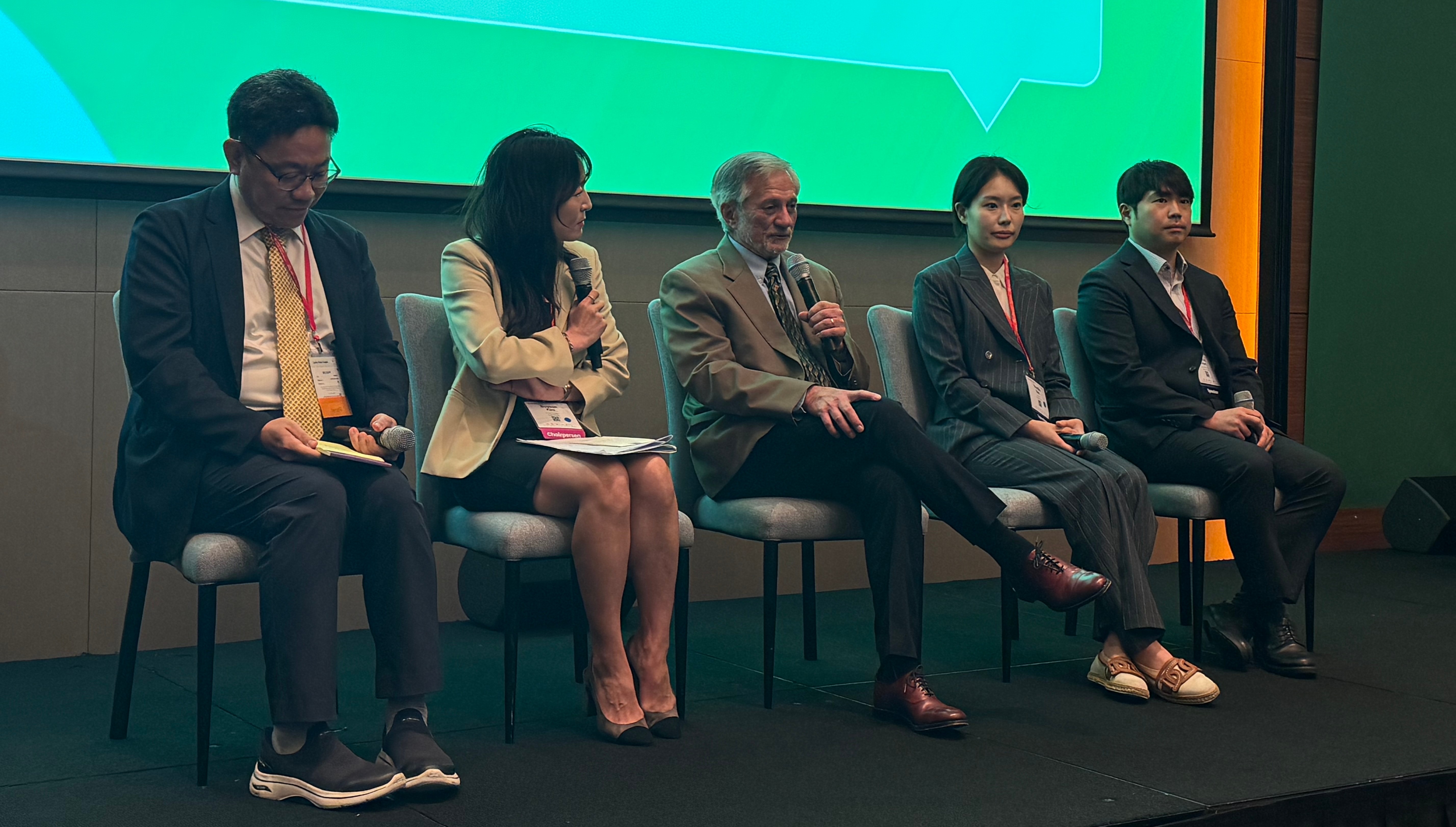
- The obesity drug market, dominated by GLP-1 receptor agonists, is diversifying toward using novel hormonal pathways such as amylin and glucagon.In the future, rather than administering the same drug to everyone with obesity, treatment strategies could evolve into tailored approaches that select GLP-1-based therapeutics, amylin agonists, and dual or triple agonists based on comorbid complications, required weight-loss range, and tolerability.W. Timothy Garvey, Professor of the Department of Nutrition Sciences at the University of Alabama at Birmingham (UAB), attended the International Congress on Obesity and Metabolic Syndrome (ICOMES 2026) organized by the Korean Society for the Study of Obesity (KSSO) at the Conrad Hotel in Yeouido on the 4th, where he delivered a presentation titled "Incretin Targets to Multi-Hormonal Approaches: The Role of Amylin and Glucagon" and introduced future directions in the development of next-generation obesity therapies.Professor Garvey distinguished newly emerged obesity drugs such as 'Wegovy (semaglutide)' and 'Mounjaro (tirzepatide)' from conventional agents, calling them "second-generation therapies." While conventional obesity treatments showed an average weight-loss efficacy of 10% or less, recent therapeutics have achieved an average reduction of 15% or more.However, Professor Garvey noted that the significance of second-generation therapeutics does not lie merely in increasing weight-loss range. Professor Garvey explained that greater weight reduction expands the scope for preventing or improving various obesity-related complications. Therefore, obesity management should focus on improving patient health rather than body weight alone.W. Timothy Garvey, Professor of the Department of Nutrition Sciences at the University of Alabama at Birmingham (UAB), attended the International Congress on Obesity and Metabolic Syndrome (ICOMES 2026) organized by the Korean Society for the Study of Obesity (KSSO) at the Conrad Hotel in Yeouido on September 4.Expanding to amylin and glucagon…Diversification of targets for novel obesity drugsGlobal development of obesity treatments is broadening its targets beyond the single GLP-1 pathway to diverse hormones regulated by nutritional status, including amylin, GIP, glucagon, and PYY.In addition to single agonists, dual agonists targeting both GLP-1 ·glucagon triple agonists, are currently under development. This approach aims to maximize weight-loss efficacy by combining distinct mechanisms of action.Boehringer Ingelheim's GLP-1·glucagon dual agonist survodutide demonstrated a weight-loss rate of 16.6% at week 76 in the maximum-dose 6 mg cohort, based on the efficacy estimand (assuming treatment adherence), in the Phase 3 SYNCHRONIZE-1 trial. Based on the treatment-regimen estimand, which reflects treatment discontinuations and other variables, the rate was 13.0%.However, tolerability remains a challenge. The proportion of patients in the 6 mg group who discontinued the investigational drug due to adverse events was approximately 20%, and gastrointestinal adverse events such as nausea and vomiting were also relatively frequent.Professor Garvey pointed out, "A discontinuation rate of 20% is concerning," noting that the burden of gastrointestinal adverse events was greater than in prior GLP-1 clinical trials. Conversely, he attributed positive significance to the findings showing reductions in liver fat and liver stiffness.Eli Lilly's GLP-1·GIP·glucagon triple agonist retatrutide achieved a weight loss rate of 28.3% at the maximum dose of 12 mg based on the efficacy estimand in the Phase 3 TRIUMPH-1 trial. The 9 mg and 4 mg doses achieved reductions of 25.9% and 19.0%, respectively.Describing the extent of weight reduction observed at the maximum dose, Professor Garvey remarked that it was "comparable with bariatric surgery." However, because paresthesia and hypotension were also observed, he noted that adverse event management would be necessary for real-world clinical use.Amylin, potential differentiation in both weight loss efficacy and tolerabilityAt this presentation, Professor Garvey placed particular emphasis on amylin.Amylin is a hormone cosecreted with insulin from pancreatic beta cells; it acts on regions such as the brainstem and hypothalamus to increase satiety and reduce food intake while delaying gastric emptying.Preclinical studies have shown that amylin suppresses the decrease in energy expenditure during weight loss and reduces fat mass while potentially preserving muscle mass relatively well. Researchers are also investigating its potential to attenuate bone mass loss.However, Professor Garvey drew a line by stating that because these effects on muscle and bone are still based on preclinical evidence, further confirmation is required to determine whether they can be replicated in patients.In clinical settings, a relatively low incidence of gastrointestinal adverse events, along with robust weight loss efficacy, is cited as a major strength.The long-acting amylin analog petrelintide, under development by Roche and Zealand Pharma, demonstrated a weight reduction exceeding 10% in the Phase 2 ZUPREME-1 trial.Professor Garvey highlighted that nausea occurred in about 20% of patients, lower than levels typically reported in clinical trials of GLP-1-based agents, and that vomiting, diarrhea, and constipation were also relatively uncommon.Novo Nordisk's CagriSema, a co-formulation of the amylin analog cagrilintide and semaglutide, demonstrated a weight loss rate of 22.7% at week 68 based on the efficacy estimand in the REDEFINE 1 trial. This exceeded the 16.1% observed with semaglutide monotherapy and 11.8% with cagrilintide monotherapy.Eli Lilly's investigational selective amylin receptor agonist, eloralintide, also demonstrated weight loss of up to 20.1% based on the efficacy estimand in a 48-week Phase 2 study.Professor Garvey said long-acting amylin agents show weight-loss efficacy sufficient to anticipate health benefits in short-term clinical trials, while carrying a relatively lower burden of gastrointestinal adverse events. He explained that this underpins the pharmaceutical industry's heightened focus on developing the amylin class.Drug selection may vary depending on severe obesity and comorbiditiesProfessor Garvey anticipated that as the pipeline of obesity therapeutics expands, treatment algorithms will be established, much like those for hypertension or diabetes, where agents are tailored to patient conditions and additional medications are introduced as needed.However, Professor Garvey clarified that this is not currently an established recommendation, but rather a hypothetical treatment strategy grounded in early clinical evidence.Professor Garvey categorized patients broadly into three types. For patients with a high body mass index (BMI) accompanied by biomechanical complications such as impaired mobility, dual or triple agonists could be considered, as substantial weight reduction of 20% to 25% or more may be required.For patients with specific comorbidities such as cardiovascular disease or obstructive sleep apnea, Professor Garvey considered administering agents proven effective in improving those complications in clinical trials first.Conversely, for the broader population of individuals with obesity who do not have specific comorbidities, Professor Garvey mentioned the possibility of utilizing long-acting amylin agonists, which offer sufficient weight loss efficacy along with favorable tolerability, as an initial therapeutic option.Professor Garvey stated, "In obesity, as in hypertension or diabetes, management can evolve by starting with a well-tolerated drug and then adding other agents if clinical targets are not met," concluding that "as treatment options expand, a more individualized approach will become possible for each patient."
- Company
- Will the MM drug Tecvayli finally be reimbursed in Korea?
- by Eo, Yun-Ho Sep 07, 2026 08:58am
- Tecvayli, a novel treatment for multiple myeloma, has completed the Health Insurance Review and Assessment Service stage of the reimbursement process nearly 3 years after receiving marketing authorization in Korea.According to industry sources, Janssen Korea’s bispecific antibody Tecvayli (teclistamab) recently passed HIRA’s Drug Reimbursement Evaluation Committee.The decision follows the drug’s Korean approval in July 2023 and its passage through the Cancer Drug Deliberation Committee in May. Tecvayli’s progress is being welcomed in the field, as reimbursement of new therapies has been particularly slow in multiple myeloma.Multiple myeloma remains an incurable disease, but in the past, survival rates were very low due to limited treatment options.In recent years, however, innovative treatments such as monoclonal antibodies, CAR-T therapies, and bispecific antibodies have expanded treatment options and improved survival.In fact, over the past 20 years, the five-year survival rate for multiple myeloma patients has increased from 29.8% in 2001-2005 to about 50.1% in 2017-2021. However, this remains below the 60% survival rate in developed countries such as the United States, and limited access to care is widely regarded as a major contributing factor.In Korea, only 13 (52%) of the 22 drugs recommended in the NCCN guidelines for multiple myeloma are covered by reimbursement (based on the NCCN guidelines 2024 v2).For example, Darzalex (daratumumab) was approved in 2019 as a first-line combination therapy for multiple myeloma, but was only granted reimbursement as a fourth-line monotherapy in Korea.It was not until October last year, roughly five years later, that the DREC recognized the appropriateness of expanding the reimbursed use of Darzalex under its risk-sharing agreement. Also, Xpovio (selinexor) was granted reimbursement in July 2024, after 4 reimbursement attempts since its approval in 2021.Bispecific antibody therapies for multiple myeloma simultaneously bind a target antigen on myeloma cells and CD3 on T cells. While some BCMA×CD3 bispecific antibodies are IgG2 kappa antibodies derived from two monoclonal antibodies, Tecvayli is a full-size IgG4-PAA bispecific antibody that redirects T cells to BCMA-expressing myeloma cells, offering a novel therapeutic approach.Despite their high clinical utility, Tecvayli and other bispecific antibodies, including Elrexfio (elranatamab) and Talvey (talquetamab), all remain unreimbursed in Korea. Therefore, attention is now focused on whether Tecvayli can clear price negotiations with the National Health Insurance Service and complete the final stretch of its reimbursement journey.Tecvayli was approved based on results from the Phase 1/2 MajesTEC-1 study. In the trial, which evaluated the efficacy and safety of the drug in a total of 165 patients, Tecvayli achieved an overall response rate (ORR) of 63% in patients with relapsed or refractory multiple myeloma (RRMM) who have received three or more therapies, including triple-class exposure to a proteasome inhibitor (PI), an immunomodulatory drug, and an anti-CD38 monoclonal antibody. Also, 32.7% of the patients achieved a stringent complete response (sCR).Also, 6.7% and 19.4% of patients showed complete response (CR) and very good partial response (VGPR), respectively. The median time to first response was 1.2 months, and the duration of response (DOR) was analyzed to be 18.4 months (14.9-not estimable).
- Company
- IPF drug Jascayd to enter the Korean market
- by Eo, Yun-Ho Sep 04, 2026 08:46am
- Jascayd, the first new treatment for idiopathic pulmonary fibrosis (IPF) in a decade, is set to enter the Korean market.According to industry sources, Boehringer Ingelheim Korea has submitted a marketing authorization application for Jascayd (nerandomilast), a treatment for idiopathic pulmonary fibrosis and progressive pulmonary fibrosis (PPF), and the Ministry of Food and Drug Safety is now reviewing it.Jascayd's final approval may come as early as this year. When approved, the company would be able to secure an additional asset in its pulmonary fibrosis portfolio alongside Ofev (nintedanib).Jascayd is an oral, selective phosphodiesterase 4B (PDE4B) inhibitor that exerts antifibrotic and immunomodulatory effects through a mechanism distinct from those of existing treatments. The drug is already approved in the United States, China, Japan, the United Kingdom, and Brazil.Its safety and efficacy were demonstrated in the global Phase III FIBRONEER-IPF trial.The study enrolled 1,177 patients with idiopathic pulmonary fibrosis. Its primary endpoint was the change from baseline in forced vital capacity (FVC) at Week 52. FVC, the volume of air that can be forcibly exhaled after taking the deepest possible breath, is a key measure of lung function.The results showed that Jascayd significantly slowed lung function decline compared with placebo. At Week 52, mean FVC had declined by 106 mL in the Jascayd 18 mg group and 122 mL in the 9 mg group, compared with 170 mL in the placebo group. In particular, the 18 mg group began to separate from the placebo group just 2 weeks after treatment initiation, and the difference was maintained through Week 52.Meanwhile, Ofev is currently reimbursed in Korea only for its PPF indication. Boehringer Ingelheim is seeking to expand its reimbursement to IPF, but discussions have made little progress.Meanwhile, IPF has the highest mortality rate among rare diseases in Korea. It is a rare, intractable disease in which interstitial tissue in the lungs progressively becomes fibrotic and stiffens without a known cause. As the lung structures responsible for oxygen exchange are damaged, patients develop chronic cough and shortness of breath, eventually progressing to respiratory failure.The disease also progresses rapidly. While lung function in healthy adults declines by around 10–20 cc per year, patients with IPF lose 150–250 cc annually, equivalent to roughly 10% of their lung function each year.
