
- LOGIN
- MemberShip
- 2026-06-10 16:16:04
- Company
- Traditional pharmas join in the Dupixent biosimilar race
- by Kim, Jin-Gu Jun 04, 2026 09:39am
- Korean pharmaceutical and biotechnology companies are increasingly entering the race to develop biosimilar versions of Dupixent (dupilumab), a blockbuster biologic with annual global sales approaching KRW 27 trillion.According to industry sources, Daewoong Pharmaceutical signed an agreement on May 28 with Chime Biologics, a global Chinese contract development and manufacturing organization (CDMO), to collaborate on the development, manufacturing, and commercialization of a Dupixent biosimilar. Under the agreement, the companies will leverage Chime Biologics' biologics development and manufacturing capabilities to develop the biosimilar, while Daewoong Pharmaceutical will lead commercialization efforts in major international markets.Daewoong established a dedicated biosimilar business division in June last year, and the Dupixent biosimilar has reportedly been identified as one of its initial strategic targets.Chime Biologics operates KUBio, a modular biologics manufacturing platform, and is regarded as having manufacturing capabilities that meet global cGMP standards required by both the U.S. FDA and the European Medicines Agency (EMA). The company has also expanded partnerships with Korean biotech firms such as MedPacto and Panolos Bioscience.CKD and Samsung Bioepis pursue ‘independent development,’ Daewoong and KyongBo seek ‘joint development’…targets global marketPrior to Daewoong's announcement, Chong Kun Dang (CKD), Samsung Bioepis, and KyongBo Pharmaceutical had already formalized their strategies for entering the Dupixent biosimilar market.In January, CKD received approval to initiate a European Phase I trial for its biosimilar candidate CKD-706. The study will evaluate pharmacokinetic equivalence to Dupixent in healthy adult volunteers while also comparing pharmacodynamics, safety, and immunogenicity. Industry observers assess CKD to be among the most advanced Korean companies in Dupixent biosimilar development.Samsung Bioepis announced at the J.P. Morgan Healthcare Conference 2026 that it had begun development of 7 blockbuster biosimilars, including a Dupixent biosimilar.KyongBo Pharmaceutical signed a comprehensive collaboration agreement with Protium Science in September last year and formally announced its Dupixent biosimilar development program in December.The participating companies are pursuing different development models. CKD has chosen an independent development strategy aimed at maximizing long-term profitability through its own R&D capabilities. Samsung Bioepis is likewise expected to pursue an in-house development approach, in line with its previous biosimilar programs.By contrast, Daewoong Pharmaceutical and KyongBo Pharmaceutical are pursuing joint development. The companies are employing a practical strategy to lower early-stage development risks and improve process efficiency through joint development.Dupixent sales expected to reach USD 30 billion…substance patent to expire around 2030 in major countriesCommercialization strategies are also expected to differ once the companies complete development . Samsung Bioepis is likely to pursue a two-track strategy combining direct sales and global partnerships, similar to its existing biosimilar portfolio.Daewoong plans to leverage the global commercialization experience gained through its botulinum toxin product Nabota to support future marketing of a Dupixent biosimilar. KyongBo Pharmaceutical, which is relatively new to the biologics sector, is expected to explore licensing-out opportunities or co-marketing models with large multinational pharmaceutical companies through its partnership with Protium Science.Dupixent generated USD 17.8 billion in annual sales last year, making it one of Sanofi's most successful products.The drug has maintained strong growth through successive indication expansions across immune-mediated diseases, including atopic dermatitis and asthma. More recently, indications have been expanded to include ▲ chronic rhinosinusitis with nasal polyps (CRSwNP), ▲ prurigo nodularis, ▲ eosinophilic esophagitis (EoE), and ▲ chronic obstructive pulmonary disease (COPD). Industry analysts project that global sales could exceed USD 20 billion (KRW 30.3 trillion) before patent expiration.Dupixent's core composition patents are scheduled to expire between 2029 and 2031 in major markets. Although Sanofi is pursuing an aggressive patent defense strategy through formulation changes and additional patent filings that could potentially extend exclusivity by up to a decade, the market generally expects a large-scale biosimilar market opportunity to emerge around 2030.
- Company
- Hanmi, another mega out-licensing deal on a novel drug
- by Chon, Seung-Hyun Jun 04, 2026 09:39am
- Hanmi Pharmaceutical has secured another novel drug technology transfer agreement with global pharma Eli Lilly after 11 years. With an upfront payment exceeding KRW 100 billion, the deal ranks among the top 10 upfront payments in the Korean pharma and biotech industry. The upfront payment secured by Hanmi Pharmaceutical accounts for 6% of the total contract value. It is a megadeal with one of the highest upfront-to-total deal-value ratios among recent technology transfers by domestic companies.Hanmi Pharmaceutical out-licenses novel drug to Lilly after 11 years...KRW 110B upfront payment ranks in Top 10 on recordHanmi Pharmaceutical announced on June 1st that it has signed an exclusive license agreement with Eli Lilly for the development, manufacturing, and commercialization of its novel biologic candidate, ‘sonefpeglutide’.Hanmi Pharmaceutical will receive a guaranteed upfront payment of $75 million (approximately KRW 110 billion) from Lilly. The company is also eligible to receive up to an additional $1.185 billion (approximately KRW 1.8 trillion) upon achieving clinical development, regulatory approval, and commercialization milestones. Hanmi Pharmaceutical will also receive separate tiered royalties following the product launch.Under this agreement, Lilly secures exclusive global rights for the development, manufacturing, and commercialization of sonefpeglutide, excluding South Korea.AI-generated imageSonefpeglutide is a novel drug candidate developed utilizing LAPSCOVERY, Hanmi Pharmaceutical’s proprietary long-acting platform technology for biologics. Focusing on the biological effects of glucagon-like peptide-2 (GLP-2), including the promotion of intestinal growth, alleviation of inflammation, and protection and regeneration of the intestinal mucosa. Hanmi has conducted various non-clinical studies. The candidate is currently undergoing global Phase II clinical trials for the indication of Short Bowel Syndrome (SBS). Hanmi Pharmaceutical will continue the ongoing global Phase II trial for SBS until its completion, after which Lilly will advance subsequent clinical trials based on the non-clinical and clinical data for sonefpeglutide.This novel drug out-licensing deal between Hanmi Pharmaceutical and Lilly marks the first time in 11 years. In 2015, Hanmi out-licensed its BTK inhibitor, poseltinib, to Lilly for an upfront payment of $50 million. BTK inhibitors act by blocking Bruton's Tyrosine Kinase (BTK), a protein critical to B-cell development. Lilly returned the poseltinib rights in January 2019, citing a failure to demonstrate efficacy in a Phase II clinical trial for patients with rheumatoid arthritis.The upfront payment secured by Hanmi Pharmaceutical through this deal ranks in the top 10 among the past out-licensing agreements signed by domestic pharma and biotech firms. Hanmi Pharmaceutical also holds the record for the largest upfront payment in a technology transfer by a domestic company.In November 2015, Hanmi Pharmaceutical signed an out-licensing agreement with Sanofi for three novel diabetes treatments (efpeglenatide, long-acting insulin, and an efpeglenatide + long-acting insulin combination). The initial upfront payment was valued at EUR 400 million. Although the upfront fee was subsequently reduced to EUR 204 million through an amended contract, it still holds the top spot for historical upfront payments. The long-acting obesity and diabetes treatment that Hanmi out-licensed to Janssen in 2015 for $105 million ranks second on record. The $100 million upfront payment received by SK Biopharmaceuticals in February 2019, when it signed a technology transfer agreement with Arvelle Therapeutics for the epilepsy treatment 'cenobamate,' ranks third historically. The $100 million in upfront fees secured in novel drug licensing deals by companies such as LG Chem, LigaChem Biosciences, and Orum Therapeutics also rank third-highest in historical upfront payments.In January 2024, LG Chem signed a technology transfer agreement with U.S.-based Rhythm Pharmaceuticals for its rare obesity drug candidate, LB54640. The terms of the deal included a $100 million upfront payment, with the total deal value reaching up to $305 million. LB54640 is the world's first oral MC4R agonist, and its Phase I clinical trials confirmed safety as well as a trend toward dose-dependent weight loss.In December 2023, LigaChem Biosciences signed a technology transfer agreement with Janssen Biotech for the development and commercialization of ‘LCB84’. The contract terms stipulated a $100 million upfront payment, a $200 million option exercise fee for sole development, and development, regulatory, and commercialization milestones, bringing the total potential value up to $1.7 billion. LCB84 is an antibody-drug conjugate (ADC) utilizing LigaChem Bio’s next-generation ADC platform technology and a Trop2 antibody in-licensed from Mediterranea Pharma.In November 2023, Orum Therapeutics signed an out-licensing deal with BMS for its novel drug candidate, ORM-6151. The total contract value reached up to $180 million, including a $100 million upfront payment. ORM-6151 is a candidate developed via Orum Therapeutics' proprietary antibody-based protein degrader platform.Chong Kun Dang signed an out-licensing deal with Novartis in November 2023 for its candidate, CKD-510; the $80 million non-refundable upfront payment ranks seventh historically. Factoring in $1.225 billion in development and regulatory milestones, the total deal value scales up to $1.305 billion. CKD-510 is a novel drug candidate discovered and developed by Chong Kun Dang, a highly selective HDAC6 inhibitor engineered with a non-hydroxamic acid platform.Hanmi Pharmaceutical received an upfront payment of $80 million under its 2016 deal with Genentech to transfer its RAF-targeted anticancer technology. In January 2022, ABL Bio secured a non-refundable upfront fee of $75 million upon signing a technology transfer agreement with Sanofi subsidiary Genzyme for ABL301, a bispecific antibody candidate targeting degenerative neurological disorders such as Parkinson's disease.Hanmi Pharmaceutical received upfront fees of $50 million each in its 2015 out-licensing agreements with Eli Lilly and Boehringer Ingelheim. The $50 million upfront payment secured by Yuhan Corporation in 2018 when it out-licensed the oncology drug Leclaza to Janssen also ranks among the highest tiers.Upfront fee accounts for 6% of total deal value...among the highest levels in recent tech transfersThe upfront payment secured through Hanmi Pharmaceutical's latest technology transfer accounts for 6.0% of the total deal value. This represents a highly remarkable proportion, even when compared with historical out-licensing deals.Last year, only one technology transfer deal by a Korean pharma or biotech company achieved an upfront payment proportion exceeding 6.0%, and that was an out-licensing agreement by Hanmi Pharmaceutical.In September of last year, Hanmi Pharmaceutical signed a global technology transfer agreement granting exclusive global development and commercialization rights for ‘Encequidar’ alongside Gilead Sciences and Health Hope Pharma. Under this deal, Health Hope Pharma, which held the global rights to Encequidar outside of Korea, modified its existing strategic collaboration with Hanmi Pharmaceutical to grant Gilead an exclusive global license for product development, manufacturing, and commercialization within the field of virology. Hanmi Pharmaceutical received a non-refundable upfront payment of $2.5 million. Milestone payments tied to development stages were capped at up to $32 million. Although the upfront payment accounted for 7.8% of the total contract value in this instance, the absolute dollar amount of the upfront fee was relatively small.2025 Out-licensing deals by pharmaceutical and biotech companies. UPFRONT PAYMENT (KRW 100 million); TOTAL CONTRACT VALUE (KRW 100 million)Since last year, out-licensing of novel drug candidates has been highly active, driven primarily by biotech firms such as AimedBio, OliX Pharmaceuticals, AbClon, Alteogen, Genome & Company, ABL Bio, Rznomics, NIBEC, Abion, Sovargen, and G2GBio. However, the proportion of upfront payments in these deals remained negligible.In March of last year, Alteogen signed two agreements with MedImmune, the research and development (R&D) subsidiary of AstraZeneca, utilizing its proprietary 'ALT-B4' platform technology. The contract signed with the UK entity was valued at KRW 1.091 trillion, including an upfront payment of KRW 36.4 billion. The contract with the US entity totaled KRW 872.9 billion, including a KRW 29.1 billion upfront payment; for both agreements, the upfront fee accounted for 3.3% of the total contract value.The upfront fees for out-licensing deals signed by ABL Bio, NIBEC, and Abion were limited to 1% of their respective. Companies including AimedBio, OliX Pharmaceuticals, AbClon, Genome & Company, Rznomics, Sovargen, and G2GBio did not disclose the values of their upfront payments.The proportion of an upfront payment relative to the total value of a pharma or biotech out-licensing agreement varies widely. Typically, the closer a novel drug candidate is to commercialization, the higher the upfront fee percentage.The $100 million upfront fee received by Orum Therapeutics from BMS reached 55.6% of the total deal value. Orum Therapeutics’ technology transfer stands out as an example where the upfront payment swelled due to the outright assignment of the novel drug candidate. While conventional pharmaceutical licensing agreements structure payments around milestones triggered by future clinical advancement, Orum Therapeutics significantly maximized its upfront component by fully assigning its rights.The upfront payment for LG Chem’s LB54640 technology transfer accounted for 32.8% of the maximum potential deal value. This indicates that the licensing partner evaluated the growth potential of LB54640 exceptionally highly, allocating a substantial upfront investment.In 2019, the upfront fee proportion for cenobamate, which SK Biopharmaceuticals out-licensed to Arvelle Therapeutics, formed an exceptionally high baseline at 18.9%. Analysts attribute this high-purity contract structure to the elevated probability of commercialization, as cenobamate had already entered the review pipeline at the U.S. Food and Drug Administration (FDA) at the time of the deal.For the three novel diabetes treatments out-licensed to Sanofi by Hanmi Pharmaceutical, which holds the record for the largest upfront fee, the initial upfront component stood at 10.3% of the deal. When the total value of the agreement between Hanmi and Sanofi was subsequently scaled down via an amended contract, the upfront proportion dropped to 7.2%. The long-acting obesity and diabetes treatment that Hanmi out-licensed to Janssen in 2015 also recorded a high upfront proportion of 11.5%. At the time of that technology transfer, the candidate had just wrapped up Phase I clinical testing. Despite being in an early stage of clinical development, the licensing partner assigned an exceptionally high valuation to the asset.In 2020, Alteogen signed a non-exclusive license agreement for its proprietary human hyaluronidase technology (ALT-B4) with a global pharma, with a maximum value of $38.65 billion. However, the deal's upfront payment was $16 million, representing only 0.4% of the potential maximum deal size.
- Company
- Personalized cancer vaccines show promising clinical results
- by Son, Hyung Min Jun 04, 2026 09:39am
- Personalized messenger RNA (mRNA)-based cancer vaccines are drawing increasing attention as a potential new treatment strategy for melanoma after long-term follow-up data confirmed their ability to reduce disease recurrence.Particularly noteworthy is the combination of personalized cancer vaccines with the immuno-oncology drug Keytruda (pembrolizumab). Clinical data demonstrated a long-term reduction in recurrence risk among high-risk melanoma patients following surgery, highlighting the growing clinical feasibility of personalized cancer vaccine approaches.According to industry sources, Moderna and MSD presented five-year follow-up results from the Phase IIb KEYNOTE-942/mRNA-4157-P201 study, which evaluated patients with high-risk stage III and IV melanoma, at the 2026 American Society of Clinical Oncology (ASCO) Annual Meeting.The trial compared adjuvant therapy consisting of intismeran autogene (mRNA-4157/V940), an investigational personalized mRNA neoantigen therapy, plus Keytruda versus Keytruda alone in patients who had undergone complete surgical resection.At a median follow-up of 60.3 months, the combination therapy continued to improve the primary endpoint of recurrence-free survival (RFS) and reduced the risk of recurrence or death by 49% compared with Keytruda monotherapy.The regimen also demonstrated significant benefit in the key secondary endpoint of distant metastasis-free survival (DMFS), reducing the risk of distant metastasis or death by 59%.An exploratory analysis of overall survival (OS) suggested a trend toward improved survival with the combination therapy. However, as there are not yet sufficient cases within the follow-up period, an evaluation of long-term survival benefits is expected to require further observation.MSD’s immuno-oncology drug, ‘Keytruda’In fact, additional analysis showed that the combination therapy promoted the generation and expansion of new T-cell clonotypes compared with Keytruda alone.Long-term follow-up revealed that the combination group had a ratio of newly expanded T-cell clones that was approximately twice as high. This increase in immune response was particularly pronounced among patients who remained recurrence-free. These findings support the hypothesis that personalized neoantigen-based therapies can activate meaningful anti-tumor immune responses.The safety profile remained consistent with previous analyses. The most commonly reported adverse events included fatigue, injection site pain, and chills, and most were Grade 1 or 2 in severity. The incidence of immune-related adverse events was comparable to that observed with Keytruda alone, suggesting that the addition of the vaccine did not substantially increase toxicity.Unlike infectious disease prevention vaccines, cancer vaccines are not intended to prevent cancer development. Instead, they are individualized therapeutic approaches tailored to each patient's tumor characteristics. The process involves analyzing tumor-specific genetic mutations and neoantigens and then designing a treatment that stimulates an immune response against those unique targets.Intismeran autogene is specifically designed using mutation data obtained from a patient's tumor DNA and can incorporate up to 34 personalized neoantigens. The therapy is intended to activate T-cell-mediated immune responses, enabling the immune system to recognize and eliminate cancer cells more effectively.Major pharmaceutical and biotechnology companies are increasingly focusing on personalized cancer vaccines as a means of enhancing treatment outcomes rather than preventing disease. The strategy centers on combining cancer vaccines with immuno-oncology drugs and potentially with other therapeutic platforms such as antibody-drug conjugates (ADCs) to maximize anti-tumor efficacy.Moderna and MSD are currently evaluating the combination of intismeran autogene and Keytruda not only in melanoma but also in a variety of solid tumors, including non-small cell lung cancer (NSCLC), bladder cancer, and renal cell carcinoma. A total of nine Phase II and Phase III clinical programs are currently underway. Patient enrollment has already been completed for certain melanoma and renal cell carcinoma studies, and follow-up clinical trials are also continuing for non-small cell lung cancer as adjuvant therapy and perioperative strategies.
- Company
- AbbVie's 'Rinvoq' receives expanded reimb for ankylosing spondylitis
- by Son, Hyung Min Jun 04, 2026 09:39am
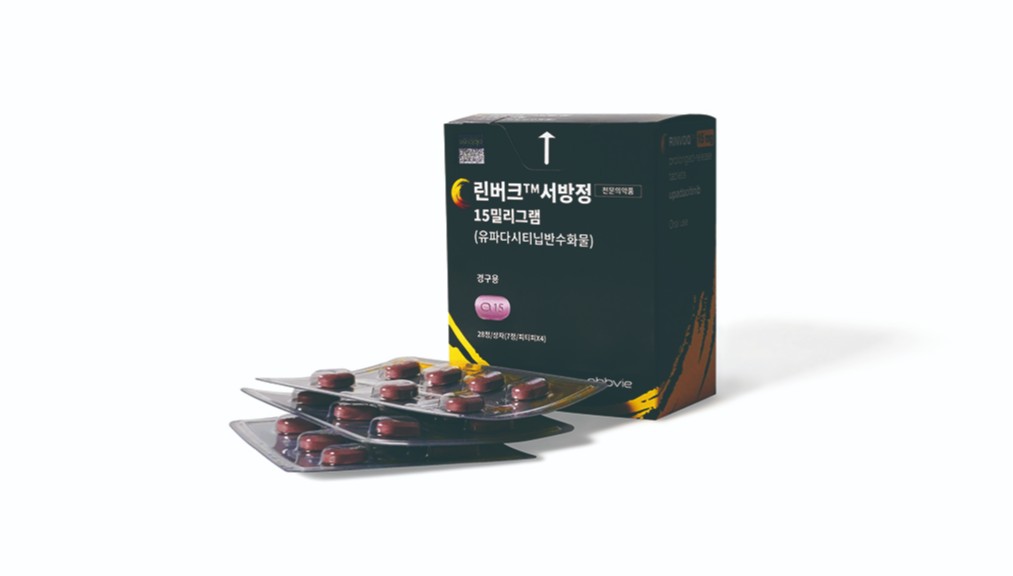
- Product photo of 'Rinvoq' AbbVie Korea (CEO So Young Kang) announced that the scope of national health insurance reimbursement for its selective JAK1 inhibitor, 'Rinvoq (upadacitinib)', has been expanded to include biologic-naive patients with active ankylosing spondylitis, effective from the 1st of this month according to a notification from the Ministry of Health and Welfare (MOHW). Under the expanded reimbursement criteria, Rinvoq can now be reimbursed for adult patients (aged 18 or older) with severe active ankylosing spondylitis who have had an inadequate response to at least three months of treatment with two or more nonsteroidal anti-inflammatory drugs (NSAIDs) or disease-modifying antirheumatic drugs (DMARDs), or who discontinued such medications due to side effects, regardless of their prior treatment experience with biological agents or targeted synthetic disease-modifying antirheumatic drugs (tsDMARDs). Rinvoq previously obtained reimbursement in December 2023 for adult patients with active ankylosing spondylitis who showed an inadequate response to or discontinued treatment with one or more TNF-alpha inhibitors or interleukin (IL)-17 inhibitors due to adverse events or contraindications. With this expanded reimbursement, Rinvoq became an oral treatment option that can be initiated earlier, even in biologic-naive patients. Ankylosing spondylitis is a primary spondyloarthritis characterized by chronic inflammation of the spine and sacroiliac joints, primarily onset in the young population in their 10s to 30s. Representative symptoms include chronic pain and stiffness in the lower back and buttock areas, typically worsening in the morning. The pain of ankylosing spondylitis goes beyond mere discomfort, directly impacting overall daily living, including sleep, physical function, and work performance, thereby deteriorating the patient's quality of life. According to statistics from the Health Insurance Review and Assessment Service (HIRA), the number of ankylosing spondylitis patients in South Korea is approximately 56,000 as of 2024 and has been steadily climbing over the past five years. Professor Seung-Jae Hong of the Department of Rheumatology at Kyung Hee University Hospital stated, “Ankylosing spondylitis is a chronic inflammatory disease that frequently manifests in the younger demographic, severely impacting the patient's daily life and quality of life due to pain and stiffness," and added, "Under the domestic reimbursement landscape, JAK inhibitors could only be introduced following the failure of biological therapies, which restricted the formulation of optimal therapeutic strategies.” Professor Hong continued, “The expanded reimbursement criteria for oral JAK inhibitors hold significant clinical value as they establish a pathway to oral treatment post-NSAID therapy without requiring a prior transition through injectable therapies," and added that "Furthermore, given Rinvoq's rapid pain relief and long-term efficacy demonstrated in its clinical trials, it is expected to enhance treatment adherence and improve patient quality of life. As a cost-effective therapeutic option, it will also play a positive role in terms of maximizing the fiscal efficiency of the national health insurance budget.” AbbVie Korea CEO So Young Kang stated, “The development of Rinvoq's expanded reimbursement criteria is significant as it offers ankylosing spondylitis patients to explore a wider range of therapeutic options at an earlier stage," and added, "As a global innovative pharmaceutical enterprise, AbbVie Korea will continue putting efforts to expand the clinical value of innovative therapeutics in alignment with the evolving treatment paradigms and patient unmet medical needs, thereby contributing to enhancing treatment options for patients in South Korea.”
- Company
- Vyloy receives DREC review for reimbursement
- by Eo, Yun-Ho Jun 04, 2026 09:39am
- The reimbursement process for the gastric cancer targeted therapy Vyloy (zolbetuximab) has made significant progress.According to industry sources, Vyloy, Astellas Pharma Korea’s targeted therapy for Claudin 18.2-positive gastric cancer, passed the Health Insurance Review & Assessment Service (HIRA)'s Pharmacoeconomic Evaluation Subcommittee on May 22 and is scheduled to be reviewed by the Drug Reimbursement Evaluation Committee today (June 4).This development appears to have renewed momentum for a reimbursement process that had stalled after the drug passed the Cancer Drug Review Committee in October of last year.Approved in Korea in September 2024, Vyloy initially failed to pass the Cancer Drug Review Committee during its first reimbursement application in February last year. The company immediately resubmitted its application and ultimately secured approval. However, subsequent delays in the reimbursement process have led to expectations that final listing approval may still take considerable time.Vyloy is the world's first approved Claudin 18.2-targeted therapy. It is an immunoglobulin monoclonal antibody that selectively binds to Claudin 18.2, a protein expressed and exposed in gastric cancer cells.The Phase III SPOTLIGHT trial, which served as the basis for approval, showed that the combination of Vyloy and mFOLFOX6 (oxaliplatin, leucovorin, and fluorouracil) achieved a median progression-free survival (mPFS) of 10.61 months, compared with 8.67 months in the placebo group. Median overall survival (mOS) was 18.23 months versus 15.54 months, respectively.Similarly, in the GLOW trial, the combination of Vyloy and CAPOX (capecitabine plus oxaliplatin) achieved an mPFS of 8.21 months, reducing the risk of disease progression or death by approximately 31%.Professor SunYoung Rha of Yonsei Cancer Center commented,"Approximately 90% of patients with metastatic gastric cancer are HER2-negative, creating an urgent need for therapies targeting new biomarkers. Given that roughly 40% of HER2-negative patients are reported to be Claudin 18.2-positive, the introduction of Vyloy, which selectively binds to Claudin 18.2, offers a new therapeutic possibility."Meanwhile, the Korean Gastric Cancer Association revised its treatment guidelines published in the Journal of Gastric Cancer (JGC) on January 6, 2025, recommending Vyloy at the highest level for first-line treatment of patients who are HER2-negative and Claudin 18.2-positive.Vyloy has also been listed as a standard treatment option in Japanese gastric cancer treatment guidelines and the European Society for Medical Oncology (ESMO) clinical practice guidelines. In addition, it has been listed as a Preferred Regimen in the U.S. National Comprehensive Cancer Network (NCCN) guidelines, rapidly establishing itself as the global standard-of-care treatment for gastric cancer.
- Policy
- Novo Nordisk discontinues Victoza Pen supply in Korea
- by Lee, Tak-Sun Jun 02, 2026 08:55am
- Novo Nordisk Korea will discontinue the supply of its type 2 diabetes treatment, Victoza Pen 6 mg/mL (liraglutide), in the Korean market. The move follows the reimbursement listing of its successor product, Ozempic (semaglutide), in February and appears to be part of a broader portfolio optimization strategy aimed at replacing older-generation therapies with next-generation products.According to industry sources, Novo Nordisk Korea recently decided to discontinue Victoza Pen under its product portfolio integration and enhancement strategy and officially reported the decision to the Ministry of Food and Drug Safety on June 1.Victoza Pen, which was approved in Korea in 2010, is a first-generation GLP-1 receptor agonist for diabetes. Unlike Victoza, which required daily administration, Ozempic, which recently secured reimbursement coverage, demonstrated superior glycemic control and weight-loss benefits despite requiring only once weekly administration. Under pressure to make way for newer and more effective products, Novo Nordisk appears to be accelerating its portfolio transition in earnest with Ozempic’s inclusion in the national health insurance reimbursement.The company emphasized that extensive measures have been established to ensure that patient care is not disrupted by the discontinuation. A company official stated, “Supply will be discontinued as part of our portfolio integration efforts to provide stable treatment options to a greater number of patients. We will provide transition guidelines until supplies are completely cut off to ensure continuity of care for existing patients."The representative added, “We will carefully manage existing inventory until stocks are exhausted and maintain close communication with healthcare professionals to prevent any impact on patient treatment. Based on current inventory depletion forecasts, the likelihood of a sudden supply shortage or widespread stockout situation is low.”Novo Nordisk plans to recommend Ozempic Prefilled Pen as an alternative treatment option for patients currently receiving Victoza. The company noted, “Treatment transitions will be carried out appropriately based on healthcare professionals’ clinical judgment and each patient’s individual health status.”The medical community largely views the discontinuation as an expected development. One endocrinology professor at a university hospital commented, “The market is currently transitioning from once-daily liraglutide (Victoza) to once-weekly semaglutide (Ozempic), as it offers improved convenience and clinical utility. Since Ozempic entered the reimbursement system earlier this year, I believe the transition will be relatively smooth, as the patients’ financial burden will also be reduced.”
- Product
- Mounjaro 12.5 mg and 15 mg land in Korea
- by Kim JiEun Jun 02, 2026 08:55am
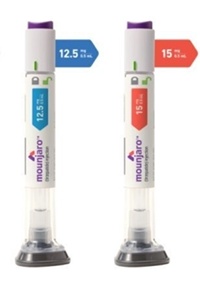
- The final high-dose formulations of the obesity treatment Mounjaro (tirzepatide) are set to enter the Korean market. With the completion of the phased expansion of dosage options that has been underway since the launch of the low-dose product last year, expectations are rising among obesity and diabetes treatment prescribers for gaining broader prescribing options.Lilly Korea announced that it plans to launch Mounjaro single-use prefilled pens in 12.5 mg and 15 mg strengths on June 10.Mounjaro was first launched in 2.5 mg and 5 mg formulations in August of last year, followed by 7.5 mg in October and 10 mg in November. The introduction of the new high-dose products completes the supply lineup for all domestically approved dosage strengths.The timing of the high-dose launch has been the subject of significant speculation among healthcare professionals and pharmaceutical distributors. Medical institutions specializing in obesity treatment have reportedly received numerous patient inquiries regarding the availability of high-dose prescriptions, and distributors have also been closely monitoring launch schedules since last month.As Mounjaro has emerged as one of the leading competitors to Wegovy in the rapidly expanding obesity treatment market, the availability of higher-dose products has been regarded as a major issue of market interest.Lilly stated, “Clinical results showed progressively greater weight-loss effects at higher doses. In the SURMOUNT-1 study involving adults with obesity, weight reduction at week 72 reached 16% in the 5 mg group, 21.4% in the 10 mg group, and 22.5% in the 15 mg group.”Industry observers believe that even if the product is launched on the 10th, it will take some time for the higher-dose products to actually reach the market.One pharmaceutical distribution executive explained, “While orders are expected to be accepted starting on the 10th, considering the allocation of inventory quantity confirmations, wholesale inventory is likely to arrive around 20 days later.”As a result, widespread prescribing of the high-dose formulations is expected to begin sometime after mid-June.Some observers have expressed concerns that the introduction of higher-dose products could lead to dose-splitting practices similar to those reported with Wegovy. However, Lilly emphasized that Mounjaro’s product design makes such misuse considerably more difficult.A Lilly representative explained, “Multi-dose pens allow patients to adjust doses themselves, which may have enabled some degree of dose splitting. In contrast, Mounjaro uses a single-use prefilled pen that is discarded after one injection, making it difficult for patients to arbitrarily alter the dose.”
- Company
- Oscotec licenses new autoimmune disease drug to a US company
- by Chon, Seung-Hyun Jun 02, 2026 08:55am
- Oscotec announced on June 1st that it has entered into a technology transfer agreement with U.S. biotech company Agios Pharmaceuticals for its autoimmune disease drug candidate, cevidoplenib.Under the agreement, Oscotec will transfer to Agios the exclusive clinical development and global commercialization rights for cevidoplenib. Oscotec will receive a non-refundable upfront payment of $25 million (approximately KRW 37.5 billion) from Agios. Including future development, regulatory, and commercialization milestones based on specific contract terms, the total potential deal value amounts to $665 million (approximately KRW 1 trillion). Following commercialization, Oscotec will additionally receive separate tiered royalties.Cevidoplenib, which was co-discovered and developed through a collaborative research effort between Oscotec and Genosco, is an oral small-molecule novel drug candidate that selectively inhibits spleen tyrosine kinase (SYK). It has been designed to modulate immune-mediated platelet destruction, a primary pathogenic mechanism in immune thrombocytopenia (ITP). Global Phase II clinical trials for both ITP and rheumatoid arthritis (RA) have been completed.The technology fees, including the upfront payment and milestone payments received from Agios, will be distributed between Oscotec and Genosco at 75% and 25%, respectively, in accordance with the terms of a 2016 agreement between the two companies.Agios is a global biopharmaceutical company focusing on the development and commercialization of therapies for rare diseases. Its primary pipeline includes the pyruvate kinase (PK) activator mitapivat. This drug has secured regulatory approvals as a treatment for adult thalassemia in the United States, the European Union, Saudi Arabia, and the United Arab Emirates, and for adult PK deficiency in the United States and Europe.Taeyoung Yoon, CEO of Oscotec, stated, "Following the completion of the Phase II clinical trials for cevidoplenib, we have discussed out-licensing with multiple companies worldwide. We determined that Agios, a global biopharmaceutical company with outstanding expertise in rare hematologic diseases, is the optimal partner to maximize the therapeutic and commercial value of cevidoplenib."
- Policy
- Price negotiations begin for Padcev and Keytruda
- by Jung, Heung-Jun Jun 02, 2026 08:55am
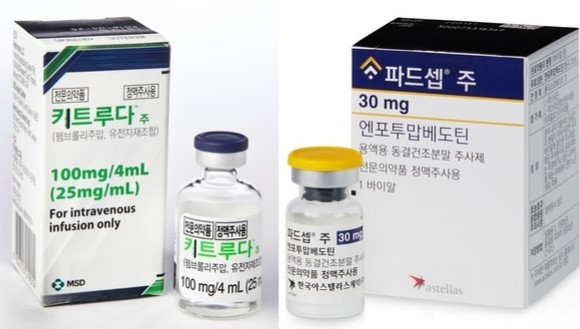
- Astellas Korea’s Padcev (enfortumab vedotin) and MSD Korea’s Keytruda (pembrolizumab) have entered reimbursement price negotiations with the National Health Insurance Service (NHIS) for combination therapy in urothelial carcinoma.At the same time, Keytruda is also under separate negotiations for reimbursement expansion in gastric cancer, placing MSD in a pricing defense dilemma.According to industry sources on June 2, negotiations have begun for Padcev and Keytruda with the NHIS for urothelial carcinoma. In April, Padcev was recognized by the Drug Reimbursement Evaluation Committee (DREC) as being adequate as a first-line treatment for adult patients with locally advanced or metastatic urothelial carcinoma.However, the requirement to negotiate jointly with MSD represented a significant hurdle. Unlike Padcev, Keytruda reportedly joined the negotiations only after considerable deliberation, even after receiving a favorable DREC recommendation.The challenge stems from the fact that when a company participates in reimbursement negotiations for its drug in combination with a drug developed by another manufacturer, it may be forced to repeatedly defend a price that has already been reduced, or may soon be reduced, through prior reimbursement expansions.In January, Keytruda accepted a price reduction following reimbursement expansions across 11 indications, including endometrial cancer, breast cancer, and biliary tract cancer.Subsequently, the company has also pursued reimbursement expansion for Keytruda to dMMR/MSI-H metastatic gastric adenocarcinoma and gastroesophageal adenocarcinoma, following requests from the medical community. The indications passed DREC review in March and are currently under NHIS negotiation.As a result, MSD faces the difficult task of negotiating both the Padcev-Keytruda combination therapy for urothelial carcinoma and reimbursement expansion for gastric cancer during the same period.Industry observers view this as a clear example of the limitations inherent in negotiating reimbursement prices for multi-indication drugs, and stressed the need for an indication-based pricing system.The government is currently reviewing the validity and effectiveness of indication-based pricing. The NHIS plans to complete a research project by the end of this year and may consider implementation if deemed necessary. Factors under review include pricing equity across different cancer types and the administrative burden associated with drug management.Because indication-based pricing remains at the evaluation stage, the key question is whether a breakthrough can be achieved in these negotiations.A Korea MSD official commented, “Although it was not intentional, we ended up conducting the two negotiations simultaneously. We believe this case highlights the need for institutional improvements, such as indication-based pricing. However, since the negotiations have only just begun, further discussion will be necessary.”
- Policy
- "Phase 3 trial waiver·review shortcut"…for K-biosimilar
- by Lee, Tak-Sun Jun 01, 2026 09:04am
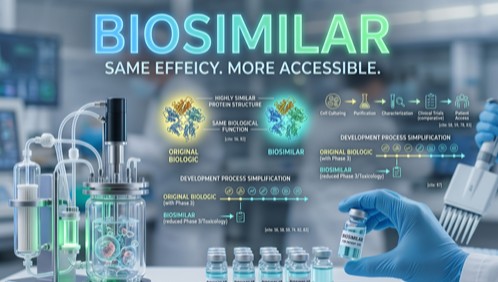
- AI-generated imageThe competitiveness of Korean biosimilars is projected to strengthen as the Ministry of Food and Drug Safety (MFDS) pursures regulatory reform that waive the requirement to submit therapeutic confirmatory clinical trial (Phase 3) data during the marketing authorization application process for biosimilars, provided that comparability in quality and non-clinical data is demonstrated.In addition to the 'Biosimilar Review Innovation Plan (reducing the review timeline to up to 240 days)' recently introduced by the MFDS to bolster global competitiveness, this measure is expected to create a powerful synergistic effect, significantly lowering the development burden on domestic biotech companies and accelerating their entry into global markets.A 'Two-Way Synergy' between Phase 3 clinical trial waivers and the 240-Day review In the biosimilar development pipeline, Phase 3 clinical trials have been the greatest hurdle, consuming the most time and requiring astronomical costs. Under the reform plan, developers can be exempted from Phase 3 trials if they successfully demonstrate comparability to the reference product in terms of quality, non-clinical data, and pharmacokinetic (PK) profiles.Notably, this is closely linked to the MFDS's recently announced initiative to reduce the biosimilar review timeline to up to 240 days. When promising biosimilar pipelines, already significantly truncated during the clinical trial stage, are placed on the MFDS's innovative and expedited review track, the overall commercialization cycle is projected to be advanced by several years compared to legacy timelines.Industry experts evaluate that companies will now have a springboard to secure 'first-mover' advantages or early price competitiveness in the global market, not only by reducing clinical development costs but also by minimizing administrative review bottlenecks.The benefits of shortened development timelines and accelerated review speeds will also translate directly to patients. As safe and effective biosimilars capable of substituting for high-cost original biologics are rapidly introduced to the market, the financial burden on patients is expected to ease significantly. It is expected to have a positive impact on safeguarding the fiscal soundness of the national health insurance fund.Through this reform, the MFDS has cleared a path to waive not only Phase 3 clinical trials but also the submission of non-clinical 'repeated-dose toxicity study data,' provided that analytical comparability in terms of quality and pharmacological profiles with the reference product is established. Consequently, companies will be able to gain momentum starting from the early candidate validation phase, substantially accelerating overall pipeline development efficiency.Notably, the public notice ensures that the revised regulations can be applied even to products whose marketing authorization or variation applications have already been submitted to the MFDS and are currently under review at the time of enforcement. The pharma-biotech industry is actively welcoming this 'surprise retroactive application' and the MFDS's consecutive forward-looking regulatory innovations, given that products awaiting approval could have immediate benefits.The MFDS plans to gather opinions from institutions, organizations, and individuals through an administrative notice period ending on June 19, after which the reform plan will be finalized and enacted. Attention is focused on whether the MFDS’s comprehensive deregulation spanning the entire life cycle of development (Phase 3 waiver) and review (240-day reduction) will activate a sluggish investment market and serve as a catalyst to further solidify South Korea’s status as a global biosimilar powerhouse.
