
- LOGIN
- MemberShip
- 2026-06-10 16:16:04

- Company
- Rybrevant accelerates expansion into solid tumors
- by Son, Hyung Min Jun 08, 2026 08:52am
- ASCO venue (Source: ASCO).Johnson & Johnson’s EGFR-MET bispecific antibody Rybrevant (amivantamab) is expanding its development program beyond lung cancer into new solid tumor indications, including colorectal cancer and head and neck cancer.Major clinical data for Rybrevant in solid tumors were presented at the 2026 American Society of Clinical Oncology (ASCO 2026) Annual Meeting, which was held recently in Chicago.While Rybrevant has steadily expanded its presence in the treatment of EGFR-mutated non-small cell lung cancer (NSCLC), the company is now broadening its research focus to a variety of solid tumors in which EGFR and MET signaling pathways play important roles.In particular, attention is rising over the possibility of future label expansion, as meaningful clinical outcomes have been observed in patient populations with limited treatment options or in those who have not achieved sufficient benefit with existing EGFR inhibitors.High response rates in head and neck cancer… shows potential as a later-line treatment alternativeThe most notable findings came from a study involving recurrent or metastatic head and neck squamous cell carcinoma (HNSCC).Although treatment outcomes for recurrent or metastatic HNSCC have improved following the introduction of immuno-oncology drugs and platinum-based chemotherapy, treatment options remain limited after disease progression. In particular, patients with HPV-unrelated disease tend to have poor prognoses, creating an ongoing need for new treatment alternatives.The Phase Ib/II OrigAMI-4 study evaluated subcutaneous (SC) Rybrevant monotherapy in 102 patients with HPV-unrelated recurrent or metastatic HNSCC whose disease had progressed after treatment with PD-(L)1-based immunotherapy and platinum-based chemotherapy.The analysis showed an objective response rate (ORR) of 47%. Four patients achieved a complete response (CR), while 44 achieved a partial response (PR). Tumor reduction in target lesions was observed in 79% of patients.Responses were also rapid. The median time to first response was 6.6 weeks, while the median duration of response (DOR) was 7.2 months. Median progression-free survival (PFS) was 6.8 months.Industry experts believe these results compare favorably with those of Merck’s EGFR-targeted therapy ‘Erbitux (cetuximab),’ which is currently used in this setting. According to previously published data cited by the investigators, Erbitux demonstrated an ORR of 24% and a median PFS of 3.8 months in a comparable patient population.The high rate of tumor shrinkage was also noteworthy. In the study, 79% of all patients experienced reductions in target lesions.The safety profile was consistent with that found in Rybrevant studies. The most common adverse events included hypoalbuminemia, rash, acneiform dermatitis, paronychia, stomatitis, and fatigue. Treatment-related reactions occurred in 13% of patients, but were all Grade 1 or 2. The treatment discontinuation rate due to treatment-related adverse events (TRAEs) was 6%.Company seeks to gain first-line indication for head and neck cancer … Phase III development underwayJohnson & Johnson is also conducting a global Phase III trial on Rybrevant’s use in the first-line treatment setting for recurrent or metastatic HNSCC.The OrigAMI-5 study is a Phase III trial evaluating Rybrevant in combination with Keytruda (pembrolizumab) and carboplatin in approximately 500 patients with HPV-unrelated recurrent or metastatic HNSCC. The regimen is being directly compared with the current standard-of-care combination of Keytruda, platinum-based chemotherapy, and 5-FU.Although Keytruda-based regimens are currently considered the standard first-line treatment for recurrent or metastatic HNSCC, response rates and long-term survival outcomes remain limited. Investigators are looking into whether adding Rybrevant could improve outcomes, given the high levels of EGFR and MET expression observed in head and neck cancer.The study will be conducted at approximately 205 sites across 22 countries worldwide. Co-primary endpoints are ORR and overall survival (OS). Additional endpoints include PFS, DOR, and patient-reported outcomes (PROs).Given that Rybrevant monotherapy achieved a 47% ORR in patients whose disease had progressed after immunotherapy and platinum-based chemotherapy in the OrigAMI-4 study, attention is now turning to whether the Phase III results could potentially alter future treatment strategies for head and neck cancer.Demonstrates activity in CMS4 colorectal cancer… Highlighting the potential of MET-targeted therapyJohnson & Johnson's ‘Rybrevant’In colorectal cancer, new data suggest that Rybrevant may help overcome some of the limitations associated with existing EGFR inhibitors.The OrigAMI-1 study evaluated Rybrevant monotherapy in patients with metastatic colorectal cancer lacking KRAS, NRAS, BRAF, and EGFR extracellular domain mutations, as well as HER2 amplification. All participants had previously received second- or third-line treatment in the metastatic setting.This analysis focused on Consensus Molecular Subtypes (CMS), one of the major molecular classification systems for colorectal cancer.CMS2 is a classic subtype characterized by high EGFR dependency and is known to respond well to EGFR inhibitors. In contrast, CMS4 exhibits mesenchymal characteristics associated with MET signaling activation and is known for its poor prognosis and generally limited responsiveness to EGFR inhibitors.Previous studies reported that disease control rates (DCR) with Erbitux monotherapy were 68% in CMS2 patients but only 29% in CMS4 patients.However, Rybrevant demonstrated relatively consistent efficacy across both subtypes.Median PFS was 4.2 months in CMS2 patients and 5.3 months in CMS4 patients. Median OS was 11.3 months and 13.5 months, respectively, showing no major differences between the groups.ORR was 26% in CMS2 patients and 16% in CMS4 patients, while DCR reached 83% and 74%, respectively. According to the investigators, treatment outcomes were also generally consistent regardless of tumor location.The researchers concluded that Rybrevant maintained antitumor activity even in CMS4 subtypes, which are less dependent on EGFR signaling, based on the drug’s dual-target inhibition effect that targets both EGFR and MET pathways.Because CMS4 is widely recognized as a subtype associated with resistance to conventional EGFR inhibitors, the findings are being viewed as evidence supporting the clinical value of a strategy that targets MET alongside EGFR.
- Policy
- ‘MFDS will review new drugs faster than the US and Europe’
- by Lee, Tak-Sun Jun 08, 2026 08:52am
- Joon-Soo Shin, Director General of Pharmaceutical Safety Division, delivers a keynote speech at the 2026 Spring Conference of the Korean Society of FDA Regulatory Science on June 5.“Even if a multinational pharmaceutical company submits applications simultaneously in the United States, Europe, and Korea, Korea could be the first country to grant approval.” The Ministry of Food and Drug Safety (MFDS) has set an ambitious goal of elevating its review capabilities and regulatory systems to a global top-tier level, to ultimately make Korea the first country in the world to approve innovative new drugs.On June 5, Joon-Soo Shin, Director General of the Pharmaceutical Safety Division at the MFDS, unveiled the agency’s Five-Year Comprehensive Plan for Pharmaceutical Safety Management during a keynote address at the 2026 Spring Conference of the Korean Society of Food, Drug and Cosmetics Regulatory Sciences, held at the Hoam Faculty House Convention Center of Seoul National University under the theme “Interdisciplinary Perspectives and the Immediate Markett Entry System in the AI Era.”During the speech, Shin repeatedly emphasized that the “240-Day Approval and Review System” would represent a major milestone not only for patients and pharmaceutical companies, but also for the MFDS as the regulatory authority.Shin said, “Achieving a 240-day review timeline is both highly challenging and highly significant for the MFDS. If a multinational pharmaceutical company were to submit applications simultaneously in the U.S., Europe, and Korea, Korea would be positioned to grant approval sooner than the U.S. (300 days) or Europe (365 days), which poses a significant burden on our part.”Shin continued, “To achieve this timeline, we must thoroughly prepare our review capabilities and build a system capable of completing the process within 240 days, including all periods required for supplementary submissions. We will ensure smooth implementation through close collaboration with industry, continuous review procedures, and greatly expanded pre-submission consultations.”To support this initiative, the MFDS implemented detailed operational guidelines on June 1 and has already begun applying them in practice. Rather than simply eliminating procedural steps, the agency introduced a process innovation that converts sequential reviews into parallel and simultaneous reviews. In addition, the dedicated review team was expanded from 15 to 20 personnel. A communication framework has also been established to improve predictability by providing checklists in advance and continuous feedback.The substantial reduction in review timelines is expected to maximize palpable benefits for both patients and pharmaceutical companies. Shin explained, “By reducing the average review period from 420 days to 240 days, patients with rare and intractable diseases gain 180 days, roughly 6 months,of valuable treatment time.” He added that, from an industry perspective, “In addition to the promotional advantages associated with accelerated approval, faster review timelines will be particularly beneficial for companies that develop biosimilars, as speed is of the essence in securing market competitiveness.”Addressing concerns raised by some observers regarding potential declines in review quality, Shin firmly rejected the notion. “This initiative does not involve omitting data reviews; rather, it is a procedural improvement. Therefore, this will not compromise review quality. We will allocate the majority of our personnel resources to safety evaluations.”In fact, the MFDS previously implemented an unprecedented expansion of its review workforce, hiring 195 full-time reviewers with the revenue generated by raising new drug application fees to KRW 410 million 2 years ago. Shin stated, “We were initially concerned about recruiting talent because the positions are based in Osong, but applications exceeded expectations, with competition among highly competent reviewers reaching 12-to-1. We will provide the support necessary for these reviewers to fully demonstrate their capabilities and plan to assign our most highly competent reviewers to handle approximately 80% of new drug evaluations.”

- Company
- Domestic surgical robot development speeds up
- by Hwang, byoung woo Jun 08, 2026 08:52am
- AI-generated imageNumerous companies in the Korean domestic medical device industry are targeting the surgical robot market. Efforts to integrate robotic technology continue across diverse fields, including laparoscopic surgical robots, orthopedics, neurosurgery, endoscopy, and vascular intervention.However, analysis suggests that, independent of increased market entry, core technological competitiveness remains limited compared to that of major countries. This is because competition in surgical robotics is shifting beyond the simple development of robotic arms or surgical instruments toward precision control, sensing, autonomous control, and data-driven surgical support technologies.The success of surgical robotics is 'precision control'According to the "Patent Trends Related to Precision Control of Surgical Robots" report published by the Korea Health Industry Development Institute (KHIDI), the global surgical robot market is projected to grow from approximately $9.2 billion in 2025 to around $38.4 billion by 2034. The compound annual growth rate (CAGR) is 17.2%.Drivers behind this market expansion include rising demand for minimally invasive surgery (MIS), the need for enhanced surgical accuracy, and technological advancements in integrating imaging, sensor, and control systems.In particular, recent surgical robots are evolving away from purely control-hardware systems toward intelligent platforms that combine imaging, sensors, artificial intelligence, and control algorithms.The core competitiveness of surgical robots is shifting toward precision control technology.Precision control is a technology that translates a clinician's manipulations into stable surgical motions through position·velocity control, force control, tremor compensation, and motion scaling. Because it directly influences surgical accuracy and safety, it is classified as a foundational technology that dictates product competitiveness.Surgical robot precision control technologies are categorized into sensing-based feedback control, interaction-based control, and autonomous navigation control.Source: Korea Health Industry Development Institute (KHIDI) reportThe importance of precision control is also confirmed in patent trends. According to the report, 4,097 patents related to detailed surgical robot precision control technologies were compiled from 2016 to 2025. Among these, interaction-based control accounted for 2,420 patents, representing 59.1%. Sensing feedback control accounted for 1,129 patents (27.6%), while autonomous navigation accounted for 548 patents (13.4%).While interaction-based control still commands the largest share, technical trends are shifting. Analysis indicates that while the proportion of interaction-based control is declining, the shares of sensing-based feedback control and autonomous navigation are on the rise.This means that surgical robots are moving beyond hardware that only transmits a clinician's movements, evolving into platforms that recognize and compensate for the real-time surgical environment.South Korea's patent applications stands at 4.5%...lowest among major nationsIn terms of patent applications, a distinct competitive landscape emerged, centered heavily on the United States and China. From 2016 to 2025, a total of 3,481 surgical robot precision control patents were filed across the IP5 patent offices (South Korea, the United States, Japan, Europe, and China).By country, the United States Patent and Trademark Office (USPTO) commanded the highest share of applications at 39.9%. China accounted for 29.8%, Europe for 14.0%, and Japan for 11.8%. South Korea recorded 4.5%, the lowest among major countries.South Korea's position was also limited in terms of qualitative patent competitiveness. Among the 3,481 patents published over the past decade, a comparison of patent competitiveness among major nations, focusing on the 1,011 patents registered with the USPTO, revealed that US patents accounted for 745 patents (73.7%).During the same period, Europe recorded 163 patents (16.1%), followed by ▲Japan with 38 ▲China with 20 ▲South Korea with 6.South Korea was presented with a forward citation count of 143, a patent family country count of 20, a patent citation intensity of 23.8, a Patent Impact Index (PII) of 0.0, and a Patent Market Power Index (PMPI) of 0.8. Considering these metrics, the country's overall technological impact and global scalability are evaluated as limited.Year-over-year rate of change in surgical robot precision control patent applications by country (Source: Korea Health Industry Development Institute (KHIDI) report)Gaps across detailed technology segments were also substantial. In the patent competitiveness analysis for sensing feedback control, South Korea held 5 patents, accounting for 1.6% of the total. In interaction-based control, it held 1 patent (0.1%), and in navigation autonomous control, it remained at 2 patents (1.3%).The United States showed a share exceeding 70% across all three sub-segments. It accounted for 238 patents (74.1%) in sensing-based feedback control, 547 patents (74.2%) in interaction-based control, and 118 patents (75.2%) in autonomous navigation control.Patent concentration by specific corporate players was also high. The share of applications by the top 10 companies across each detailed technology exceeded 50%: 53.3% for sensing feedback control, 55.3% for interaction-based control, and 57.3% for navigation autonomous control. This indicates that the surgical robot market is unlikely to be reshaped by simply launching a product.Technology accumulation is more critical than product launchThe prospects for Korean domestic surgical robot enterprises lie in technology accumulation rather than in market entry itself. Surgical robotics is a convergent industry integrating robotics, artificial intelligence, sensors, image processing, and control software.Fabricating robotic arms or localizing surgical instrumentation alone is insufficient to close the gap with global market leaders. Precision control technology directly dictates intraoperative safety. Product competitiveness is determined by how accurately the system reflects minute movements at the surgical site, how reliably it compensates for clinician hand tremors, and how sophisticatedly it manages the forces generated during tissue contact.A comparison of patent competitiveness among major nations, focusing on the 1,011 patents registered with the USPTO, revealed that US patents accounted for 745 patents (73.7%). During the same period, Europe recorded 163 patents (16.1%), followed by Japan with 38, China with 20, and South Korea with 6. (source: Korea Health Industry Development Institute (KHIDI) report)Joint development with clinical sites is also vital. Precision control technology cannot secure commercial viability based purely on laboratory-level performance. Parameters such as operability, stability, and fatigue reduction that clinicians can actively sense must be validated within real-world surgical environments.A global patent strategy must also be designed from the initial phases. Surgical robotics is an area where targeting only the domestic market is unsustainable. From early development, strategies are required to secure enforceable patents in major markets such as the United States and Europe while simultaneously deploying patent-circumvention tactics against competitors.It is challenging for domestic firms to compete head-to-head with global leaders across all domains. A realistic approach involves a field-targeting strategy focusing on precision control technologies tailored to specific surgical specialties, particular techniques, or distinct hospital requirements.An industry insider said, "As surgical robotics is a convergent industry combining robotics, artificial intelligence, sensors, image processing, and control software, securing global competitiveness is difficult through simple product development alone," and added, "The aim for domestic firms will be concurrently establishing real-world clinical validation and global patent strategies centered heavily around core precision control technologies."
- Policy
- Opdivo's reimbursement for gastric cancer set to expand soon
- by Jung, Heung-Jun Jun 08, 2026 08:52am
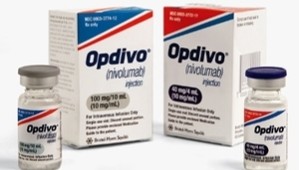
- Ono Pharma Korea's immuno-oncology drug Opdivo (nivolumab) has entered drug price negotiations for expanded reimbursement scope in gastric cancer.Opdivo will undergo the negotiation process alongside its competitor, MSD Korea's Keytruda (pembrolizumab), for the same indication.According to industry sources on the 5th, Keytruda and Opdivo, which passed the Health Insurance Review and Assessment Service (HIRA) Pharmaceutical Reimbursement Evaluation Committee last March, have entered negotiations for mismatch repair-deficient (dMMR) or microsatellite instability-high (MSI-H) gastric cancer.Opdivo was the first cancer immunotherapy to secure reimbursement as a first-line treatment for HER2-negative gastric cancer back in 2023. It was included in the reimbursement listing for gastric cancer, a field where therapeutic options had been limited. It dominated the market by specifically targeting HER2-negative patients, who take a significant proportion of gastric cancer cases.Keytruda, a competitor to Opdivo, expanded its reimbursement coverage last January across 11 indications spanning 9 cancer types, including gastric cancer. At that time, Keytruda expanded its reimbursement coverage to include both HER2-positive and HER2-negative gastric cancers in the first-line setting.The two cancer immunotherapies are continuously expanding their reimbursement scope in gastric cancer. Unlike the previous process for HER2 gastric cancer reimbursement, these drugs are both undergoing the listing process for the 'dMMR·MSI-H' gastric cancer population.Although dMMR·MSI-H patients account for a relatively small proportion of overall gastric cancer cases, this will add a therapeutic option for patients who previously failed to meet existing reimbursement criteria, such as specific PD-L1 expression thresholds.Notably, both dMMR and MSI-H represent genetic alterations that make this subpopulation among the most clinically challenging to treat within gastric cancer.If both Opdivo and Keytruda obtain expanded reimbursement, treatment access is expected to be strengthened for gastric cancer patients who have previously been left behind. For this reason, medical societies have reportedly submitted official opinions directly to the authorities, calling for the expansion of reimbursed indications for gastric cancer.Meanwhile, Opdivo is undergoing expansion of reimbursed indications beyond gastric cancer. During last April's Cancer Disease Review Committee (CDRC) meeting, reimbursement criteria were established for Opdivo combination therapy with Bristol Myers Squibb (BMS) Korea's Yervoy (ipilimumab) as a first-line treatment for unresectable or metastatic hepatocellular carcinoma (HCC).The company also applied for an expanded reimbursement for this drug as a first-line combination therapy for non-small cell lung cancer (NSCLC), but it failed to pass the CDRC threshold.
- Company
- Envlo accumulates evidence in Asia through H2H SGLT-2 trial
- by Hwang, byoung woo Jun 05, 2026 09:36am
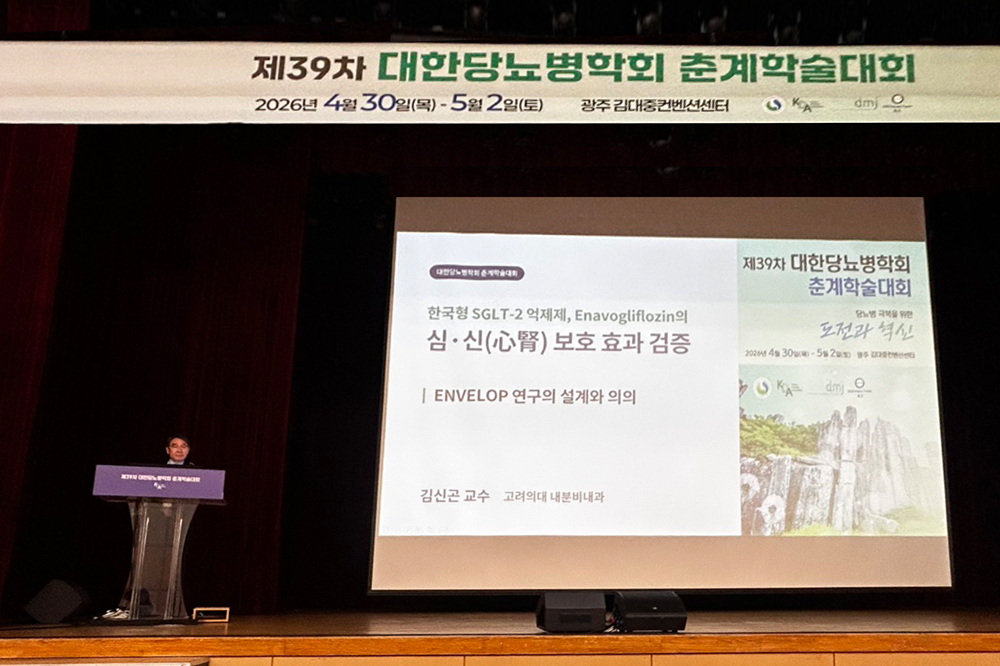
- Daewoong Pharmaceutical is accelerating efforts to accumulate real-world clinical evidence in Asian patients through a direct head-to-head clinical trial of its domestically developed diabetes drug Envlo (enavogliflozin) against other SGLT-2 inhibitors.The company announced on June 4 that it presented interim analysis results and the latest progress of the ENVELOP study at the 39th Korean Diabetes Association Spring Scientific Meeting, held from April 30 to May 2 at the Kimdaejin Convention Center in Gwangju.The ENVELOP study is a large-scale investigation led by Professor Sin Gon Kim of Korea University College of Medicine, with participation from a nationwide multicenter research network. The study was designed to evaluate whether Envlo, Korea's 36th domestically developed new drug, can generate clinical evidence supporting cardiovascular disease prevention and kidney function improvement in Asian patients with diabetes in real-world practice.In diabetes treatment, SGLT-2 inhibitors have expanded their role beyond glycemic control, based on their cardiovascular and renal protective benefits. As cardiovascular death and declining kidney function are major determinants of prognosis in patients with diabetes, integrated management of cardiovascular-kidney-metabolic (CKM) health has become increasingly important.Daewoong noted that while large global Cardiovascular Outcome Trials (CVOTs) have established the cardiovascular and renal benefits of the SGLT-2 inhibitor class, most were placebo-controlled studies. Consequently, evidence directly comparing agents within the class has remained limited, making treatment selection in actual clinical practice challenging.The ENVELOP was specifically designed to address this evidence gap. According to Daewoong, the trial directly compares Envlo with two SGLT-2 inhibitors—dapagliflozin and empagliflozin—with a primary objective of demonstrating non-inferiority.Importantly, the study employs a pragmatic clinical trial design, reflecting data generated in real-world clinical practice rather than a strictly controlled experimental environment. Conducted as a multicenter, prospective study involving endocrinologists from 55 institutions across Korea, it is expected to provide clinically meaningful evidence specific to Asian populations, including Korean patients, unlike existing global clinical data accumulated primarily around Western populations.The study is progressing smoothly. As of April 2026, approximately 88% of the target enrollment of 2,862 patients have been enrolled. The average age of the enrolled patients was 60.4 years, and the average body mass index (BMI) was 26.26 kg/m².Interim analysis showed no statistically significant differences versus comparator groups in key endpoints, including hemoglobin A1c (HbA1c), estimated glomerular filtration rate (eGFR), and urine albumin-creatinine ratio (UACR).Daewoong Pharmaceutical noted how this study was conducted based on an Asian patient population with an average BMI of approximately 26 kg/m². This is because it can reflect the characteristics of Korean and Asian patients, who have different profiles in terms of cardiovascular risk structures and renal disease prevalence compared to existing Western-centered global clinical trials. The company expects the findings to serve as important academic and clinical evidence for prescribing decisions throughout Asia.Professor Sin Gon Kim of Korea University College of Medicine said, "Although GLP-1 therapies have recently attracted significant attention, SGLT-2 inhibitors continue to demonstrate unique advantages in terms of proven cardiovascular and renal protection as well as cost-effectiveness. Through this study, we hope to generate long-term evidence for Asian patients and further elevate the global standing of Korean medicine."Hyung Chul Park, Head of ETC Marketing at Daewoong Pharmaceutical, stated, "The ENVELOP study holds particular significance as it generates differentiated clinical evidence for Envlo based on real-world clinical practice data. As the world's first direct comparison among SGLT-2 inhibitors, it has the potential to become an important academic asset that could influence treatment-selection criteria in Korea."He added, "We will continue strengthening data-driven marketing efforts in Korea and abroad while generating Korean-specific clinical evidence to provide optimal treatment options for patients with diabetes.”The study was unveiled at the 39th Spring Scientific Meeting of the Korean Diabetes Association, which was held under the theme ‘Challenges and Innovations for Overcoming Diabetes.’ During the event, a total of 63 sessions were held, featuring presentations by 213 domestic and international experts and 106 poster presentations
- Policy
- "Fastest review in the world…K-bio global competitiveness"
- by Lee, Tak-Sun Jun 05, 2026 09:36am
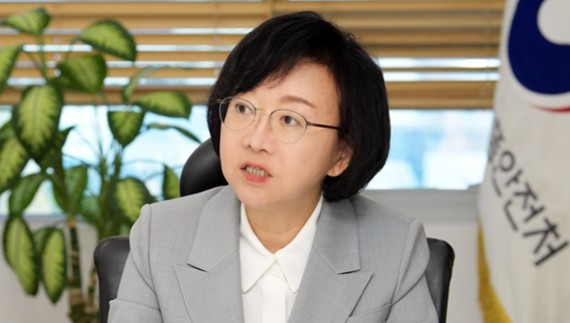
- Minister Yu-Kyoung Oh of the Ministry of Food and Drug Safety (MFDS) highlighted milestones of her ongoing regulatory reform initiative, stating a robust commitment to driving the global expansion of the South Korean pharmaceutical-biotech sector. In an exclusive interview marking the anniversary of Daily Pharm, Minister Oh said 'regulation is not operational hurdles' but 'protective boundaries and a support system,' highlighting goals of establishing a virtuous cycle of patient safety and industrial growth.Addressing a long-standing industry bottleneck, the MFDS finalized its 'Medical Product Marketing Authorization and Review Innovation Plan,' which dramatically compresses the review timeline for novel drugs to a world-class standard of 240 days. The plan was officially enacted on June 1, Daily Pharm's founding anniversary. The initiative deploys 195 highly qualified new personnel across core technical divisions to significantly elevate review expertise.In accordance with the innovation plan, the MFDS began accepting applications for 'pre-submission face-to-face consultations' on June 1. Selected applications will be managed under the dedicated review teams. To maximize administrative efficiency, the MFDS is shifting away from legacy sequential review workflows, previously necessitated by workforce constraints, toward a concurrent, parallel review matrix where multiple specialists evaluate technical dossiers simultaneously across distinct disciplines.Furthermore, the MFDS is accelerating its digital transformation by integrating artificial intelligence (AI) into the complex, voluminous drug approval process. Following the establishment of the 'Food and Drug AI Transformation Task Force' in February, the MFDS launched a three-year, multi-phase initiative dedicated to constructing an advanced AI-driven regulatory review framework.The initial phase will be launched this October, utilizing AI tools to evaluate CMC (Chemistry, Manufacturing, and Controls) and quality data for both active pharmaceutical ingredients (APIs) and finished drug products, with plans to progressively expand AI utilization across the entire novel drug evaluation spectrum by 2028.Minister Oh emphasized that the international credibility of a domestic regulatory body directly correlates with a nation's industrial competitiveness. The MFDS recently achieved full functional listing on the WHO List of Authorities (WLA) register for both medicines and vaccines. Excluding traditional benchmark jurisdictions such as the US, EU, Canada, and Switzerland, South Korea's MFDS is the sole regulatory authority globally to provide comprehensive validation across all functional parameters for both therapeutic sectors.Based on this enhanced global reputation, the MFDS was recognized as a reference regulatory authority by the UAE in January and Lebanon in April, expanding South Korea's footprint to seven reference nations, which also include the Philippines, Paraguay, Egypt, Ecuador, and Nigeria.The following is a summary of the interview with Minister Oh.Q. The pharma-biotech industry holds high expectations for the MFDS's regulatory overhauls. What are the ongoing initiatives and public-private collaborative strategies for this year?The MFDS has consistently driven regulatory overhauls to fortify public trust while empowering commercial developers. It is encouraging to see positive feedback from the field. This year, we remain dedicated to actively capturing industry feedback and executing agile reforms that yield immediate, palpable results.Primarily, we have instituted a 240-day review cap for novel therapeutics, compressing what was historically a lengthy and frustrating process to match the fastest international standards, effective June 1.By expediting the review cycle for innovative drugs, biosimilars, and cutting-edge medical devices, we aim to expand patient access to treatment while significantly enhancing the global market standing of our domestic life sciences sector.Furthermore, the CDMO Act, designed to underpin the biomanufacturing ecosystem, will be implemented this December. The framework introduces a new export manufacturing registration registry to stimulate cross-border commerce, complemented by structured regulatory consultations on GMP compliance for contract manufacturing facilities to accelerate K-Bio's international expansion.The 'Innovative Product Pre-consultation Hotline' has also been operational since March, offering a streamlined, one-stop advisory portal that provides customized feedback and preliminary evaluations from early discovery through the formal filing stage.Additionally, we have improved orphan drug designation criteria to facilitate rapid market entry for rare disease therapeutics and expanded expedited import mechanisms for self-administered medications to ensure timely patient access to critical therapies.These systemic overhauls are fundamentally rooted in gathering public opinions. We continue to operate our policy-linking open forums to translate corporate and public feedback directly into regulatory directives, with a parallel focus on emerging entrepreneurs and small business operators.Since May, we have initiated a series of regional forums across six major domestic clusters to capture localized industrial needs. This feedback will be synthesized into a formalized regulatory roadmap slated for public disclosure this July.We plan to intensify our stakeholder-centric administrative model by ensuring absolute transparency in our policy implementation metrics and running continuous post-hoc audits to confirm that these reforms are operating successfully on the ground.Q. Following recent breakthroughs such as the WHO Listed Authorities (WLA) listing, the international stature of the MFDS has risen. What are your strategic plans for international engagement to further promote export growth?In the global market, commercial products are evaluated alongside the capabilities and scientific rigor of the regulatory bodies that oversee them. Because regulatory trust maps directly to asset valuation and national competitiveness, the MFDS has successfully become a premier global regulator.Achieving a comprehensive listing across all functional blocks on the WHO WLA register for both medicines and vaccines establishes South Korea as the only nation outside the traditional quad of the US, EU, Canada, and Switzerland to secure such a validation. This milestone serves as an objective, international endorsement of the expertise of our regulatory framework. Based on this global achievement, we secured reference authority status in the UAE and Lebanon this year, bringing our total to seven reference nations.This institutional credibility translates into reduced transactional friction, lower operational costs, and smoother market entry for domestic developers expanding overseas, demonstrating that regulatory diplomacy serves as a practical trade facilitator.Furthermore, South Korea's selection as host of the International Coalition of Medicines Regulatory Authorities (ICMRA) Summit this November reflects our growing leadership. We intend to spearhead international regulatory harmonization in emerging areas such as AI and advanced therapeutics, reinforcing our regulatory leadership to champion the global commercialization of K-Pharma actively.Q. To sustain the 240-day novel drug review mandate, 195 new personnel have been deployed. Are the core operational pillars, including the pre-submission face-to-face consultations launching this June, executing on schedule?The revised framework went live on June 1, structured around three core operational shifts designed to grant patients rapid access to innovative therapies while preserving safety margins.There are three main items to this innovation plan. First, we will introduce a preemptive regulatory support service starting from the 'submission dossier preparation phase' to support systematic data compilation by the industry. In the 'application submission phase', a new 'pre-submission face-to-face consultation' will be introduced to preemptively identify and resolve hurdles to marketing authorization, and a dedicated review team will be established to build a tailored, close communication system throughout the entire marketing authorization and review process. In the review phase, we plan to dramatically increase review speed by transitioning from sequential reviews, which were previously unavoidable due to limited review personnel, to concurrent and parallel reviews, where multiple reviewers evaluate dossiers simultaneously within their respective specialized disciplines.Starting June 1, the industry can apply for the 'pre-submission face-to-face consultation', and the submitted items can receive marketing authorization within 240 days through relevant procedures after the consultation.The MFDS will continue to promote innovation in medical product marketing authorization and review without a hitch, ensuring greater safety while accelerating review speed to the fastest in the world, thereby spearheading the global competitiveness of the K-Bio industry and expanding treatment opportunities for the public.Q. What is the current status of integrating AI technology to shorten the marketing authorization review timeline, and what are the countermeasures regarding data security concerns?The MFDS established an Information Strategy Plan (ISP) last year to preemptively utilize AI in massive and complex pharmaceutical marketing authorization and review workflows, and created the 'Food and Drug AI Transformation Task Force' this February to centralize its capabilities.A project to construct an AI-driven review system will be executed for three years starting this year, launching services this October with CMC and quality (drug substance, drug product) evaluation data for novel drugs, and progressively expanding the scope to cover comprehensive novel drug reviews by 2028.We anticipate that reviewers will be supported during the marketing authorization and review process by AI functionalities, such as large-scale document translation, summarization, historical precedent searches, and draft generation of review reports, enabling a more meticulous yet expedited review process.Furthermore, the AI review system will install AI servers and models within the secure internal government network to prevent the leakage of proprietary submission data and ensure impeccable security management.The MFDS will lay the foundation for securing international-standard review quality by optimizing marketing authorization and review workflows using AI, such as automating simple, repetitive tasks in real time.Q. Achieving two objectives of 'ensuring safety' and 'industry revitalization' concurrently does not seem easy. As the longest-serving Minister, we would like to hear about your expertise and the challenges you face.It is common for people to view regulation as a financial cost or an operational hurdle. Indeed, there were such aspects in the past, and the logic that emphasizing safety directly translates into a barrier to industrial development used to prevail. However, with technological innovations like AI increasingly part of daily life, the regulatory paradigm is shifting.Sustainable industry growth is only possible when it is backed by safety. We frequently observe historical cases in which a failure to secure safety downstream has led to catastrophic risks, such as large-scale product recalls or severe erosion of brand equity. Safety is like a perimeter fence. When the fence is strong, the industry can grow healthily within it. We are striving to ensure that MFDS regulatory validation guarantees product credibility and translates into product competitiveness, serving as a springboard to clear global regulatory barriers.Another point I would like to emphasize is that when novel technologies like AI emerge, the industry can easily fall into disarray if there are no laws or frameworks in place. Preemptive codification of rational baselines by the regulator is necessary to enable market players to operate with confidence.The MFDS is supporting the formation and challenges of new industries by proactively providing benchmarks, such as enacting the world's first Digital Medical Products Act and publishing review guidelines for generative AI-driven medical devices.Furthermore, if domestic standards converge with global standards, they can serve as a powerful promotional mechanism to drive international market expansion. To this end, the MFDS is broadening the horizon of regulatory diplomacy by leading the Asia-Pacific Food Regulatory Authority Summit (APFRAS), hosting the 'International Coalition of Medicines Regulatory Authorities (ICMRA) Summit (November), and driving the launch of the Global Cosmetics Regulatory Authority Summit (GCORAS) this September.The MFDS will ensure that creative innovation can occur freely within the protective boundary of safety. We will cultivate a rational regulatory ecosystem where regulation opens pathways for innovation to advance safely.Q. Lastly, Daily Pharm was founded on June 1, 1999, and marks its 27th anniversary this year. The objectives pursued by a specialized media outlet like Daily Pharm, public health enhancement and industrial development, seem to parallel your own considerations. Could you offer your advice on the future direction and role of specialized pharmaceutical journalism?First, I extend my sincere congratulations to Daily Pharm on its 27th anniversary. Over the past 27 years, Daily Pharm has dedicated itself to enhancing public health and advancing the pharmaceutical industry. It has served as a benchmark for specialized media, delivering information from a balanced perspective so the public can easily understand the rapidly changing pharma-biotech industry and the institutional frameworks driven by advanced technology.The opinions and sharp analysis from the pharmaceutical industry are a major asset to the MFDS's policy formulation, and you continue to perform your role as a constructive critic. In particular, functioning as a policy microscope that does not overlook even the minor issues that might go unnoticed, you are helping the MFDS draw closer to the public.We hope Daily Pharm will continue elevating the public's right to know by professionally identifying the latest trends in the pharmaceutical industry, at a level the public can understand. The MFDS will also collaborate with Daily Pharm through communication to collectively build a world where food and drug safety becomes an everyday reality.
- Policy
- Accelerated review may attract first-ever global new drug filings in Korea
- by Lee, Tak-Sun Jun 05, 2026 09:36am
- Could a paradigm shift be underway in which global pharmaceutical companies submit new drug applications to Korea's Ministry of Food and Drug Safety (MFDS) before filing in the United States or Europe? Expectations are rising as the MFDS launches a major regulatory service reform aimed at shortening review timelines for new drugs and biosimilars to 240 days, potentially positioning Korea as a preferred first-filing market.The MFDS, led by Commissioner Yu-Kyoung Oh, announced that it has implemented a comprehensive ‘Medical Product Approval and Review Innovation Plan,’ effective June 1, to accelerate patient access to innovative therapies while supporting the global expansion of Korea's biotechnology industry.A key component of the initiative is a comprehensive regulatory support framework covering the entire development process—from early-stage product preparation through final approval. To support this effort, the MFDS recruited approximately 200 additional reviewers and established dedicated review teams by specialty area. The agency also introduced a ‘simultaneous and parallel review system’ designed to significantly improve efficiency.Previously, due to limited personnel, the initial request for additional information typically occurred 87 days after submission (60 working days). Under the new system, the first feedback is expected to be provided within 25 days of submission, enabling companies to identify and address deficiencies much earlier in the review process.MFDS officials expect the new review framework to work in tandem with the recent elimination of the CCP requirement, which had long been viewed as a barrier for imported medicines entering the Korean market.During a press briefing held on June 2, Young-Joo Kim, Head of the Regulatory Science Policy Promotion Division, said, “With the CCP requirement removed, shortening review timelines for new drugs could become a true paradigm shift. We may soon see global pharmaceutical companies submitting applications simultaneously in the U.S., Europe, and Korea—or even choosing Korea as the first country in the world for regulatory filing. Given that possibility, our review organization feels a significant sense of responsibility and pressure.”On the 2nd, the Ministry of Food and Drug Safety held a briefing with journalists regarding innovation plans for medical product approval and review. (From the left) Young-joo Kim (Head, Regulatory Science Policy Promotion Team), Seung-ryeol Ryu (Director, Advanced Medical Device Division), Kyung-seung Shin (Director, Medical Device Approval Division), Hyun-jung Park (Director, Biopharmaceutical Approval Division), Nam-soo Kim (Director-General, Pharmaceutical Approval Management Division), So-hee Kim (Director, Cardiovascular and Neurology Products Division), Ho-Jung Kim (Director, Recombinant Protein Products Division), Yong-seok Koh (Director, Advanced Drug Quality Division II)Efforts to improve communication and reduce trial-and-error throughout the review process will also be significantly strengthened. A pre-submission checklist outlining key requirements prior to filing will be provided, while the existing consultation process, which was previously limited to a single meeting, will be formalized into Pre-NDA Meetings, guaranteeing at least two opportunities for discussion before submission.At the briefing, Nam-Soo Kim, Director-General of the Pharmaceutical Approval Management Division, explained, “The checklist will be particularly valuable for venture companies and small-to-medium-sized pharmaceutical firms that often have limited regulatory resources. Even before the official implementation date, companies with products that are sufficiently prepared and request a Pre-NDA Meeting will receive support with the goal of completing the review within 240 daysHowever, challenges do remain. The expertise of the massively increased personnel needs to be elevated in a short period. Regarding this, Kyung-seung Shin, Director of the Medical Device Division, stated, "It is a fact that it is difficult to immediately deploy new personnel to review new drugs. As we have selected highly experienced reviewers with extensive backgrounds in pharmaceutical companies, we will quickly deploy them to the field through thorough training and internal mentoring to fill the gap."The pharmaceutical industry and patient groups also seem to actively welcome this improvement in the system. Yeon-hong Noh, Chairman of the Korea Pharmaceutical and Bio-Pharma Manufacturers Association, said, "This plan is an innovation that fundamentally changes the structure of the approval and review system beyond a simple race for speed. The industry will also cooperate so that the system can settle in the field by increasing the completeness of application materials." Ki-jong Ahn, representative of the Korea Alliance of Patient Organizations, also said, "I hope that an environment will be created where patients in urgent need of treatment can return to their daily lives as soon as possible."The MFDS began accepting applications for Pre-NDA Meetings for new drugs, biosimilars, and novel medical devices on June 1. The full 240-day review timeline will officially apply to applications submitted on or after October 1.

- Company
- Gov’t shifts focus to flu prevention beyond managing vaccination rates
- by Son, Hyung Min Jun 05, 2026 09:35am
- As South Korea entered a super-aged society last year, with the population aged 65 and over surpassing 10 million, calls are growing for a shift in the direction of influenza vaccination policy for older adults.Recent calls from the Korean Senior Citizens Association (KSCA) and political parties for the adoption of high-immunogenicity influenza vaccines for older adults have sparked interest in whether the National Immunization Program (NIP) can evolve from a policy focused primarily on vaccination coverage to one centered on effective prevention.According to industry sources on the 4th, the KSCA mentioned the need to transition toward a tailored influenza vaccination strategy for older adults for a policy recommendation this year, in a proposal.The association noted that while free influenza vaccination is currently provided to older adults aged 65 and over through the National Immunization Program, the vaccine's effectiveness may be relatively low due to age-related decline in immune function. Accordingly, it suggested the need to consider the phased introduction of vaccines with higher preventive efficacy to ensure the practical prevention of diseases and secure the health rights of seniors.The issue has also gained attention in the political arena.Both the Democratic Party of Korea and the People Power Party recently referenced the introduction or gradual expansion of high-immunogenicity influenza vaccines for older adults in their policy platforms. Although their implementation approaches differ, both parties share the view that vaccination policy for older adults should move beyond vaccination rates and place greater emphasis on actual preventive effectiveness.Disease burden remains high despite strong vaccination coverageInfluenza vaccination coverage among Koreans aged 65 years and older remains above 80%. Nevertheless, influenza-related hospitalizations and deaths continue to be concentrated in this age group, and the disease burden has increased alongside larger seasonal outbreaks.Experts attribute this phenomenon to immunosenescence, the gradual deterioration of immune system function associated with aging. As immune responses generated after vaccination weaken with age, the real-world protective effect of vaccines may also decline.In a study conducted by eight university hospitals in Korea, the effectiveness of standard-dose influenza vaccines among adults aged 65 years and older was estimated to be around 14%.As a result, experts argue that vaccination coverage alone is insufficient to reduce disease burden in older adults and that vaccination strategies should also consider reductions in hospitalization and severe disease.Major countries expand strategies focused on the prevention effect.Many countries have already expanded vaccination strategies tailored to age and risk profiles.The US Centers for Disease Control and Prevention's Advisory Committee on Immunization Practices (ACIP) has recommended high-immunogenicity vaccines—including high-dose and adjuvanted influenza vaccines—for adults aged 65 years and older since the 2022–2023 influenza season.Germany's Standing Committee on Vaccination (STIKO) recommends high-dose influenza vaccines for adults aged 60 years and older. Taiwan introduced high-immunogenicity vaccines this year for elderly residents of long-term care facilities, while Japan is expanding the use of such vaccines among adults aged 75 years and older.The policies of these countries focus not only on managing the simple vaccination rate but also on meaningful health outcomes such as reduced hospitalization rates, prevention of severe illness, and alleviation of healthcare burdens.However, further discussion will be needed before high-immunogenicity vaccines can be incorporated into Korea's National Immunization Program. Issues such as financial burden, cost-effectiveness assessments, and prioritization of target populations remain to be addressed.Whether the policy is ultimately adopted will depend on future discussions by the Korea Disease Control and Prevention Agency (KDCA) and the Korea Expert Committee on Immunization Practices (KECIP). Nevertheless, as Korea continues to age rapidly and the infectious disease burden among older adults increases, debate over shifting vaccination policy from a vaccination rate-focused approach to one centered on the preventive effect and progression to severe disease is expected to continue.
- Company
- Prescription for PAH therapy 'Opsynvi' available at general hospitals'
- by Eo, Yun-Ho Jun 05, 2026 09:35am
- The pulmonary arterial hypertension (PAH) therapy 'Opsynvi' is being prescribed across major tertiary referral hospitals following its inclusion on the reimbursement list.According to industry sources, Janssen Korea’s Opsynvi (macitentan·tadalafil) has passed the drug committee (DC) review at Seoul National University Hospital.The company accepted the 'price below evaluated amount' proposed by the Health Insurance Review and Assessment Service (HIRA)'s Pharmacuetical Reimbursement Evaluation Committee in December last year, and subsequently finalized price negotiations with the National Health Insurance Service (NHIS) in March. Opsynvi obtained a reimbursement listing effective April.Consequently, Opsynvi can be prescribed for the 'long-term management of adult patients presenting with WHO Functional Class II to III PAH.'Opsynvi, which received US FDA approval in March 2024 and Korean MFDS approval in July last year, is a combination therapy containing the PDE5 inhibitor 'Cialis (tadalafil) and the endothelin receptor antagonist (ERA) 'Opsumit (macitentan), improving patient convenience.Opsynvi demonstrated its efficacy through a Phase 3 study named A DUE. The clinical trial was conducted to evaluate and compare the efficacy and safety profiles of the Opsynvi group with those of control groups receiving either Opsumit or Cialis monotherapy. Following 24 months of patient follow-up, Opsynvi demonstrated up to a 29% reduction in the primary endpoint pulmonary vascular resistance (PVR) compared with the Cialis or Opsumit monotherapy groups. As of 2023, the number of PAH patients in South Korea is approximately 3,600, with the mean age of patients being women in their 40s who lead pivotal roles in society and their families. While the 5-year survival rate has vastly improved compared to the past, three out of ten South Korean PAH patients still die within five years.Pulmonary arterial hypertension is a rare, intractable, and progressive disease, where delaying disease deterioration directly impacts patient quality of life and survival. There is no known pharmacotherapy cure, and the mechanism of action (MOA) of conventional agents primarily focuses on alleviating symptoms by dilating the thickened pulmonary arteries.Meanwhile, with the emergence of novel therapeutics, changes are anticipated in the domestic PAH treatment landscape.In June 2025, Bayer's 'Adempas (riociguat)' was added to the reimbursement list nearly 10 years after its domestic regulatory approval, while MSD Korea's 'Winrevair (sotatercept),' a drug selected for the second phase of the 'Approval-Evaluation-Negotiation Concurrent Pilot Program,' is currently undergoing the reimbursement listing process.

- Company
- Global pharma expands K-bio collaborations…open innovation
- by Son, Hyung Min Jun 04, 2026 09:39am
- Collaboration between global pharmaceutical companies and Korean domestic biotech firms is expanding beyond technology in-licensing into a competition over open innovation strategies.While the majority of past collaborations focused on in-licensing late-stage clinical assets, recent trends indicate diversification of collaboration types, including the acquisition of early-stage candidates and platform technologies, as well as the operation of startup incubation programs.According to industry sources on the 3rd, Eli Lilly recently in-licensed 'sonefpeglutide', a novel drug candidate with a GLP-2 mechanism of action from Hanmi Pharmaceutical. Following cooperation agreements signed last year with OliX Pharmaceuticals, Rznomics, and ABL Bio, Lilly is expanding its collaborative scope with Korean biotech companies, including Hanmi Pharmaceutical this year.Obesity to intestinal and metabolic diseases...Expanding portfolioThe recent agreement with Hanmi Pharmaceutical is seen as a signal that Lilly's existing metabolic disease strategy is expanding into broader therapeutic areas.GLP-2 is a gut hormone involved in intestinal mucosal growth and the improvement of nutrient absorption functions. Unlike GLP-1, which focuses on blood glucose control and weight loss, GLP-2 induces intestinal epithelial cell growth, increases intestinal length, and improves nutrient and fluid absorption. Consequently, it is drawing attention as a therapeutic approach to reduce dependence on parenteral nutrition in patients with short bowel syndrome (SBS) who experience nutrient malabsorption following extensive bowel resection.Notably, sonefpeglutide is being developed to extend half-life compared to existing treatments, thereby enhancing administration convenience. Currently in the global market, Takeda’s ‘Gattex (teduglutide)’ is used as a key GLP-2 therapy. However, concerns have been raised regarding its heavy dosing burden (once daily) and the need for improved long-term treatment sustainability. Analysis suggests that Lilly's acquisition of Hanmi’s candidate reflects an intent to dominate next-generation therapeutic options in the orphan gastrointestinal disease sector.Lilly's in-licensing of novel drug candidates from Korean companies, including OliX Pharmaceuticals, Rznomics, ABL Bio, and Hanmi Pharmaceutical.At the same time, this contract aligns with Lilly's broader strategy to expand its portfolio horizon across post-obesity metabolic disease indications. Recent global competition in metabolic diseases is expanding beyond simple glycemic control or weight reduction to encompass metabolic dysfunction-associated steatohepatitis (MASH), cardiovascular disease, chronic kidney disease (CKD), and inflammatory metabolic disorders.Competitor Novo Nordisk is attempting to expand indications for 'semaglutide' beyond obesity management into MASH and cardiovascular disease prevention. Lilly is likewise broadening its therapeutic strategy across the metabolic spectrum, based on its obesity treatment, Mounjaro (tirzepatide). Lilly is evaluating the acquisition of a GLP-2-based asset to expand its portfolio into the intestinal and nutritional metabolism domain.Analysts suggest that Lilly’s technology in-licensing in Korea includes securing an individual transaction, aligning with a strategy to reinforce its existing commercial portfolio and secure next-generation growth vectors.Lilly has historically established an oncology portfolio centered on the breast cancer treatment 'Verzenio (abemaciclib)' and the gastric cancer treatment 'Cyramza (ramucirumab)'. In the immunology sector, it has expanded its commercial base with the psoriasis treatment 'Taltz (ixekizumab)' and the atopic dermatitis treatment 'Ebglyss (lebrikizumab)', and in the metabolic disease sector through diabetes treatments such as 'Jardiance (empagliflozin)' and 'Trulicity (dulaglutide)'.Its previous collaborations are also linked to Lilly's business portfolio. Its partnership with ABL Bio is seen as strengthening oncological competitiveness through the acquisition of a next-generation antibody platform. At the same time, the agreement with OliX Pharmaceuticals aligns with its metabolic disease strategy, expanding into MASH and other indications. The Rznomics RNA editing platform is evaluated as an investment heavily geared toward securing next-generation therapeutic modalities over the long term.From drug in-licensing to incubating...big pharma launches open innovation initiativesGlobal pharmaceutical companies, including Lilly, are broadening their collaborations with domestic biotech firms beyond technology licensing to encompass incubation, early-stage R&D, and global commercialization support.Open innovation programs currently operated by major multinational companies, including Lilly's 'Gateway Labs Korea'Notably, alongside the recent acceleration of technology in-licensing from domestic biotechs, Lilly is supporting the local biotech ecosystem. In collaboration with Samsung Biologics, Lilly is pursuing the establishment of 'Gateway Labs Korea' in Songdo, Incheon.Lilly Gateway Labs is a global incubator program that supports the research and development of startups and biotech companies. The Songdo facility is a collaborative model introduced by Lilly globally for the first time, tasked with helping domestic biotech firms access global R&D networks and commercialization capabilities.The perception of South Korea as a strategic innovation hub is also spreading. This year, Bayer officially launched its domestic biotech startup collaboration program, 'Bayer Co.Lab Connect Seoul'. Serving as the Korean model of the life science incubator program that Bayer has operated in major global innovation hubs, it focuses on providing global expertise in regulatory strategy, commercialization, market access, and pricing, rather than focusing solely on financial funding.BMS is also pursuing open innovation as its core growth strategy. To secure growth drivers following the impending patent expirations of flagship blockbusters like 'Opdivo (nivolumab)' and 'Eliquis (apixaban)', the company has pursued large-scale mergers and acquisitions (M&A) and external technology acquisitions over the past several years.A prime example is its collaboration with Orum Therapeutics. In 2023, BMS signed a degradative antibody conjugate (DAC) technology agreement with Orum Therapeutics to secure a next-generation oncology platform. Concurrently, it is nurturing domestic startups through the 'Seoul-BMS Innovation Square Challenge'. Companies such as Frasier Therapeutics, Illimis Therapeutics, and Galux are receiving support for global networks and commercialization know-how through this program.Novartis is expanding its open innovation collaboration with CHA Biotech in cell and gene therapy (CGT). At the same time, Amgen provides opportunities for domestic biotech startups to enter its facility and supports the operation of 'Bio Days' through its 'Golden Ticket' program.MSD recently signed a MOU with the Korea Health Industry Development Institute (KHIDI) to strengthen cooperation within the domestic biotech ecosystem. At the same time, Roche has established a collaborative framework with KHIDI, Basel Area Business & Innovation, and the Korea Technology Finance Corporation (KOTEC) to support the global expansion of domestic biotech firms.The global view of pharmaceutical companies on South Korea is shifting. While it previously served only as a sales market or a country for late-stage clinical trials, there is a growing consensus that it is a strategic innovation hub capable of early-stage R&D, platform collaborations, and startup incubation.South Korea is the world's second-largest conductor of investigator-initiated trials after the United States, and is evaluated as a market that simultaneously possesses excellent clinical infrastructure, biomanufacturing competitiveness, and rapid adoption of innovation. In fact, BMS established a dedicated Asia-Pacific (APAC) organization this year, restructuring South Korea, Japan, and China as next-generation growth axes. Bayer also noted that its collaborative discussions in Korea have moved past deliberation into the execution phase.Analysis suggests that expanding domestic collaborations by global Big Pharma is linked to a strategic shift regarding 'where to discover innovation and where to drive growth,' rather than simple technology in-licensing. This indicates that the Korean biotech ecosystem is beginning to play a more comprehensive role in the global value chain for novel drug development.
