
- LOGIN
- MemberShip
- 2026-06-10 19:52:13
- Company
- Generic DOACs take over half of Xarelto mkt
- by Kim, Jin-Gu Apr 27, 2026 09:03am
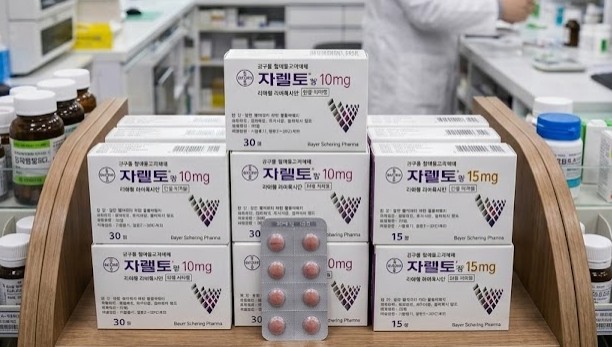
- The KRW 260 billion direct oral anticoagulant (DOAC) market is seeing rapid generic penetration. Generic share has reached 49% for Xarelto (rivaroxaban) and 25% for Eliquis (apixaban).Industry attention is now focused on Lixiana (edoxaban), whose generics are expected to launch later this year. As the top-prescribed product, its generic entry is expected to reshape the entire DOAC market. Fifteen companies have already received approvals and are waiting to launch.DOAC market at KRW 60.8 billion in Q1…decline since Q3 2024According to market research firm UBIST, outpatient prescriptions in the domestic DOAC market totaled KRW 60.8 billion in Q1.Overall, the market has been declining since Q3 2024, due to patent expirations, generic launches, and the resulting price cuts.Xarelto’s patent expired in Q2 2021. Since then, 65 companies have launched Xarelto generics. These generics have rapidly increased their prescription volume since then. Since Q3 last year, they have maintained a market share of around 49% in the rivaroxaban market. This means that, just over four years after the launch of generics, their market share has expanded to a level comparable to that of the original product.Amid the rapid growth of generics, prescriptions for the original Xarelto have been steadily declining. Q1 prescriptions were KRW 7.2 billion, down 6% YoY, roughly half of the KRW 16.3 billion recorded in Q3 2021.Competition among generic products is also intensifying. As of Q1, Hanmi Pharm’s ‘Riroxban’ took the top spot among generics with prescription sales of KRW 2.2 billion, a 3% increase YoY. In contrast, the products ranked 2nd through 4th—Samjin Pharmaceutical’s ‘Rivoxaban,’ Chong Kun Dang’s ‘Riroxia’ and Daewoong Bio’s ‘Varelto’—all saw prescription sales decline by more than 10%.As competition intensifies, the number of companies withdrawing from the market is also increasing. Last year, 14 products from six companies left the market due to the expiration of their validity periods. This year, market exit appears to be accelerating, with the validity periods of 38 products from 14 companies set to expire.Eliquis generics reach 25% share just a year and a half after re-entryEliquis generics re-entered the market in Q4 2024. The generics were originally launched in June 2019. At the time, generic manufacturers released the products based on favorable rulings in the first and second instances of patent litigation. However, the situation reversed in April 2021 when the Supreme Court overturned the lower court rulings and ruled in favor of the originator, BMS. Generic manufacturers immediately withdrew from the market. This created a three-and-a-half-year gap in the market until the Eliquis composition patent expired last September.Since re-entering the market, Eliquis generics have been gradually increasing their market share. The combined prescription value for Eliquis generics in the first quarter was KRW 3.2 billion, representing a market share of approximately 25% in the apixaban-based DOAC market. This is higher than the market share just before withdrawal (24% in Q1 2021). As of Q1, Chong Kun Dang’s ‘Liquisia’ and Samjin Pharmaceutical’s ‘Elxaban’ recorded KRW 1.4 billion and KRW 1.2 billion, respectively, taking the top two spots among generics. Prescription sales for other products were less than KRW 300 million.In contrast, sales of the original Eliquis fell by 27% from KRW 13.5 billion to KRW 9.8 billion in just one year. Compared to the KRW 20.5 billion recorded in Q3 2024, just before the re-entry of generics, prescription sales have dropped to less than half in just a year and a half.Lixiana, the current market leader, faces patent expiration by the end of this year… DOAC market to be reshaped with the entry of genericsIndustry attention is now focused on the generics of Lixiana, the market leader. Lixiana’s composition patent expires this November. Generic companies have successfully circumvented the remaining patents.Currently, 15 pharmaceutical companies, including Nexpharm Korea, DongKwang Pharm, Dongkook Pharmaceutical, Samsung Pharm, Shinil Pharma, Shinpoong Pharm, Ahngook Pharmaceutical, HK Inno.N, Ildong Pharmaceutical, Genuone Science, Union Korea Pharm, Korea Prime Pharm, Handok, and Hanmi Pharmaceutical, are awaiting the patent expiration with 35 generic product approvals already secured. With a KRW 120 billion market at stake, expectations among generic drug manufacturers are reportedly high.Last year also saw a series of challenges to patents by generic companies. In 2023 alone, about 10 companies, including HLB Pharmaceutical, Daehwa Pharmaceuticals, Austin Pharma, CMG Pharmaceutical, Chong Kun Dang, Huons, Korea United Pharm, NBK Bio Korea Pharm, Myungmoon Pharm, and Boryung, filed patent invalidation suits and won their cases.Challenges to the Lixiana formulation patent were conducted on a large scale in 2018 and concluded with a victory for the generic drug companies. Analysts suggest that a significant number of companies that were unable to avoid the patent at that time subsequently filed patent challenges in order to launch Lixiana generics. The pharmaceutical industry forecasts that about 30 companies, including those that have already received approval, will join the competition.The original Lixiana further expanded its prescription volume ahead of the launch of generics. Lixiana’s prescription sales in Q1 reached KRW 31.8 billion, a 5% increase YoY. This marks the highest quarterly sales figure on record.Lixiana was the last of the DOAC class of drugs to be launched. In South Korea, Xarelto (rivaroxaban) was approved in 2009, followed by Pradaxa (dabigatran) and Eliquis (apixaban) in 2011, then Lixiana in 2015. In the early stages of its launch, Lixiana ranked third in the market, trailing behind Xarelto and Eliquis. However, after partnering with Daewoong Pharmaceutical as its domestic co-promotion partner, it rose to the top of the market in 2019 and has been steadily increasing its prescription volume ever since.

- Company
- Alcon rebounds after a 21% decline in sales
- by Hwang, byoung woo Apr 27, 2026 09:03am
- After a 21.4% decline in sales in 2023, Alcon Korea rebounded within two years, with simultaneous improvements in operating profit and net income.Beyond recovering its external scale, the company appears to have achieved both cost structure restructuring and a business portfolio realignment.2023 inventory optimization and 'selection and concentration'Alcon Korea's sales reached a peak of KRW 261.6 billion in 2022, up from KRW 238.3 billion in 2021, before decreasing by approximately 21.4% to KRW 205.4 billion in 2023.While no direct external factors for the sudden drop in sales are stated, some background can be inferred from changes in the asset structure, such as 'timing of revenue recognition' and 'changes in inventory assets,' as detailed in the indicators.In fact, 'revenue recognized at a point in time (primarily sales of products and goods),' which amounted to KRW 246.2 billion in 2022, dropped to KRW 189.9 billion in 2023.Additionally, purchases of goods decreased significantly from KRW 264.0 billion in 2022 to KRW 163.3 billion in 2023.Accounting treatments for inventory assets also affected gains and losses. In the 2023 audit report's adjustment items for operating cash flow, inventory valuation losses were indicated in parentheses, reflecting them as a reversal. Changes in the allowance for valuation losses on goods are also confirmed in the deferred tax notes.However, since the audit report does not explain this as the result of poor performance in specific items or inventory clearance, the 2023 sales decrease can be interpreted as a phase in which reduced product sales coincided with inventory and channel adjustments.After undergoing this process, sales is rebounding. After bottoming out at KRW 205.4 billion in 2023, sales rebounded to KRW 226.6 billion in 2024 and KRW 234.8 billion in 2025, recovering to 2021 figures.Alcon Korea's 5-Year Sales: After bottoming out at KRW 205.4 billion in 2023, sales rebounded to KRW 226.6 billion in 2024 and KRW 234.8 billion in 2025 (Source: FSS DART, Unit: KRW 100 million)Easing inventory burden while adjusting product salesNotably, profitability indicators improved significantly during the revenue rebound process.Generally, a decrease in revenue leads to lower profits due to fixed costs, but Alcon Korea has shown a trend of maintaining profitability.Looking at the trend in operating profit, the company posted KRW 7.2 billion in 2023, even as sales plummeted, compared to KRW 9.1 billion in 2022.In 2024, when the structural improvement was completed, the company recorded KRW 11.4 billion, a 57% surge from the previous year and the highest operating profit in the last five years, and continued its solid performance with KRW 10.6 billion in 2025.Net income also doubled from KRW 4.1 billion in 2023 to KRW 8.2 billion in 2024, then to KRW 9.1 billion in 2025, demonstrating a robust internal foundation.The factor that had the greatest impact on this profitability improvement was the control of selling, general, and administrative (SG&A) expenses. SG&A expenses, which reached KRW 83.6 billion in 2022, were significantly reduced to KRW 74.3 billion in 2023 and KRW 68.8 billion in 2024.Specifically, the efficiency of marketing expense targeting stands out. Advertising and promotion expenses decreased every year, from KRW 19.8 billion in 2022 to KRW 12.4 billion in 2023, KRW 8.3 billion in 2024, and KRW 7.5 billion in 2025.The fact that sales rebounded after 2024, despite cutting advertising costs by more than half, is considered a positive factor.Alcon Korea's 5-Year Operating Profit & New Income: GREEN-operating profit, BLUE- Net Income (Source: FSS DART, Unit: KRW 100 million)Expansion of the dual-axis portfolio…surgical and vision careAlcon is building an unrivaled eye care ecosystem through its 'Surgical Division,' which handles surgical equipment, and the 'Vision Care Business,' which handles lenses and other products.The biggest driver of the Surgical Division's momentum is 'PersonalEYES,' a comprehensive, personalized vision correction procedure launched in Korea in 2024.This system, which creates a unique 3D virtual eye model for each patient through Sightmap equipment, presented clinical results showing that all patients recovered 1.0 vision and 89% achieved 1.2 vision three months after surgery.Additionally, PanOptix, a trifocal intraocular lens launched in 2015, marks its 10th anniversary and become a major product, surpassing 3 million cumulative global implantations.Wojciech Michalik, Head of Alcon Korea Vision Care BusinessThe Vision Care Business is also steadily expanding its market influence through products such as the large-capacity daily-wear soft contact lens 'Precision1 for Astigmatism WSL & EasyFit,' launched in August last year.In fact, since 2022, the Alcon Korea Vision Care Business has been selected as the 'Alcon Affiliate of the Year' for three consecutive years, a first among Alcon's global branches.Accordingly, former CEO Bang Hyo-jeong, who led the explosive growth of the Korean market, was promoted to Cluster President for Europe, and Wojciech Michalik, a 15-year ophthalmology expert, took office as the new General Manager in 2025 to demonstrate new leadership.Roger Lopez, President of Alcon International Vision Care, stated, "As a global leader in eye care, Alcon strives to help internal talent grow into global leaders, and this personnel appointment reflects that strategic direction."Lopez added, "Based on the leadership and achievements demonstrated by both leaders in their respective regions, we expect them to promote sustainable business in new markets and contribute to further strengthening the capabilities of the International Vision Care Business"
- Company
- Leqembi may be prescribed at major hospitals in Korea
- by Eo, Yun-Ho Apr 27, 2026 09:03am
- The new Alzheimer's drug ‘Leqembi’ has secured prescription access at tertiary general hospitals in Korea.According to industry sources, Eisai Korea's Leqembi (lecanemab) has now been approved by the Drug Committees (DC) of major hospitals nationwide, including the Big 5 medical institutions—Samsung Medical Center, Seoul National University Hospital, Seoul St. Mary's Hospital, Asan Medical Center, and Severance Hospital in Sinchon—as well as Gachon University Gil Medical Center, Korea University Guro Hospital, Konkuk University Medical Center, Pusan National University Hospital, Busan Paik Hospital, Seoul National University Bundang Hospital, Chonnam National University Hospital, Jeonbuk National University Hospital, and Hallym University Sacred Heart Hospital.Since its domestic launch at the end of 2024, prescriptions have expanded rapidly.Leqembi selectively binds to beta-amyloid (β-amyloid, βA), known to be a causative substance of Alzheimer’s disease, and has been proven to slow disease progression and delay cognitive decline.However, Leqembi is not yet covered by insurance. The annual drug price is approximately KRW 35 million in the U.S. and about KRW 27 million in Japan. It is expected to take considerable time before being listed for reimbursement due to prolonged negotiations between the pharmaceutical company and the government.Leqembi demonstrated statistically significant results in both primary and secondary endpoints in the Clarity AD clinical trial. In particular, the Leqembi treatment group delayed clinical cognitive decline by 27% compared to the placebo group over an 18-month period.However, while the market for amyloid-targeted therapies like Leqembi generally acknowledges their effectiveness in delaying the onset of dementia, the characteristic side effects associated with their use are cited as a major obstacle.Amyloid-Related Imaging Abnormalities (ARIA), which is often cited as a problem, refers to abnormal signals such as brain edema or microhemorrhages detected via MRI following drug administration.Depending on the nature of the side effects, ARIA is classified into “ARIA-E,” characterized by cerebral vascular edema and extravascular extravasation, and “ARIA-H,” characterized by microhemorrhages and hemosiderosis findings.Meanwhile, last year, a special committee composed of 11 members from the Korean Dementia Association established and released domestic guidelines for Leqembi use.The guidelines include specific details on ▲ patient selection criteria ▲ necessary tests and preparations prior to administration ▲ administration methods ▲ monitoring, and management of drug-related adverse reactions ▲ counseling for patients and caregivers.

- Opinion
- "Vabysmo PFS shifts the retinal disease treatment persistence·efficiency"
- by Son, Hyung Min Apr 27, 2026 09:03am
- "The key to retinal disease treatment is not just in simple vision improvement, but in how stably and long-term the disease can be managed."As retinal disease treatment shifts from a short-term effect-centered approach to a long-term management strategy, the introduction of pre-filled syringe (PFS) formulations is shifting the practices.In particular, the 'Vabysmo (faricimab)' PFS formulation, launched as a reimbursed drug on the 1st of this month, is expected to lead to changes in treatment persistence and the clinical environment, including extended dosing intervals and improved procedural efficiency.Director Soon Il Choi of Nune Eye HospitalDirector Soon Il Choi of Nune Eye Hospital recently met with DailyPharm to highlight these changes, assessing that the retinal disease treatment paradigm is being reorganized around long-term management.At the center of this change are dual-mechanism therapies. Until now, treatments for wet age-related macular degeneration (nAMD) and diabetic macular edema (DME) were dominated by single-mechanism therapies that inhibit only VEGF.Before the emergence of high-dose formulations, the patient burden was significant, as dosing intervals were limited to about 2 months and required repeated direct intravitreal injections.Vabysmo is a bispecific antibody that simultaneously inhibits vascular endothelial growth factor (VEGF)-A and angiopoietin-2 (Ang-2), offering a differentiated approach compared to existing treatments. While VEGF-A is a key factor in angiogenesis, Ang-2 is known to promote vascular instability and leakage.Choi explained, "Blocking both pathways can contribute to maintaining blood vessels in a more stable state, going beyond simply inhibiting blood vessel formation."This mechanistic difference is highly likely to lead to improvements in anatomical indicators in clinical practice. Experts expect faster, more stable changes in reducing retinal fluid or normalizing macular thickness, which can lead to extended dosing intervals and sustained treatment persistence. The efficacy of Vabysmo has been confirmed in various clinical trials and real-world data.Choi stated, "Since the vision improvement effects of existing treatments have already reached a certain level, the perceived difference may be limited," and added, "How quickly and stably the retina maintains a dry state is a key factor determining long-term prognosis."Choi suggested that Vabysmo could be more actively considered for: ▲patients who relapse even with a slight increase in treatment intervals ▲patients with insufficient response to existing agents ▲patients with high retinal fluid or high volatility; ▲patients with repeated findings suggestive of vascular instability ▲patients who could previously maintain relatively long intervals but are seeing a shortening of the drug's duration of effect.Choi analyzed, "The advantages of Vabysmo can be expected in clinical situations requiring dual-pathway mechanisms, such as when stable disease control is needed. It can also be considered for patients with high intraretinal or subretinal fluid, high volatility, or those with concerns related to inflammation or fibrosis."As the central axis of treatment shifts from vascular inhibition to vascular stabilization, another change is simultaneously underway in the clinical environment: formulation changes."PFS formulation, significance in terms of procedure standardization and infection control"The Vabysmo PFS formulation, reimbursed since the 1st of this month, is evaluated as an element that changes the clinical process itself beyond just improving convenience.The existing vial formulation requires several steps, such as drawing the medication into a syringe, changing the needle, and removing air. The PFS is pre-filled with the medication and can be used immediately after opening.Choi emphasized, "Since an intravitreal injection is a procedure where medication is administered directly into the eye, even minor contamination can lead to serious complications. Reducing the preparation process is a very important change in lowering the risk of infection."According to Choi, although complications such as endophthalmitis do not occur frequently, prevention is critical because they can have a fatal impact on vision when they do occur. In this regard, simplifying the preparation process is meaningful for ensuring safety beyond mere convenience.In high-volume practices, this difference plays an even larger role. In ophthalmology clinics, tens of thousands of intravitreal injections are performed annually, making it crucial to minimize variables that may arise during repeated preparation steps.Choi stated, "Intravitreal injection is a frequently performed procedure. In our hospital, about 20,000 intravitreal injections are performed annually. In an environment with a high number of procedures, the effect of reducing a single step leads to system stability, not just saved time."Choi added, "Looking at overseas cases, there are reports that about 85% switched to PFS within about two months after the PFS formulation was released. If the reimbursement criteria are the same and there are no special restrictions on supply, most will likely switch to the PFS formulation."The PFS formulation also affects the actual procedural process.The Vabysmo PFS features an extra-thin-wall needle to deliver a higher flow rate at the same pressure. The injection process can be carried out more smoothly and quickly.Choi mentioned, "For elderly patients, it is not easy to keep the eye fixed during the procedure, so it is important that the injection process is fast and smooth. These factors affect the actual patient experience."Another characteristic of the Vabysmo PFS is that it comes with a filter needle. This structure filters out fine particles and contaminants, simultaneously increasing procedural precision and safety. This needle consists of a dedicated filter needle approved by the European Medicines Agency (EMA) and the U.S. Food and Drug Administration (FDA).Choi added, "Other products do not include a needle, but Vabysmo includes the needle in the product package. Maintaining consistent needle quality is a very important factor for medical staff," and added, "It can provide a consistent procedural environment in terms of handling and stability."This mechanistic evolution and formulation improvement ultimately converge in one direction: the treatment persistence.Macular degeneration and diabetic macular edema are diseases that must be managed over years or even decades. According to the Health Insurance Review and Assessment Service (HIRA), the number of patients with macular degeneration in Korea increased by more than 150% over the past five years, from about 200,000 in 2020 to about 560,000 in 2024.In this process, the treatment interval, procedural burden, and frequency of hospital visits are key variables determining patient compliance. Currently, Vabysmo has extended the dosing interval up to a maximum of 16 weeks. Choi believes this is highly significant because it can substantially reduce patients' long-term treatment burden.Choi said, "From the patient's perspective, receiving an injection directly into the eye is a significant psychological burden. Because this treatment must be repeated for a long time, it is important to determine whether the frequency of hospital visits and injections can be reduced. Receiving treatment every month versus every three months is a completely different experience for a patient. This difference determines whether long-term treatment is maintained."In conclusion, Choi emphasized, "For some treatments, inflammation issues can pose a clinical burden regardless of efficacy. Vabysmo is an option that can be used with relative peace of mind regarding safety and efficacy. In cases where preserving vision in one eye is critical, such as 'last eye' patients, safety is even more important than treatment effect, and Vabysmo can be a reliable treatment option in both aspects.
- Company
- Lokelma launches in Korea…targeting the gap in hyperkalemia management
- by Son, Hyung Min Apr 26, 2026 01:45pm
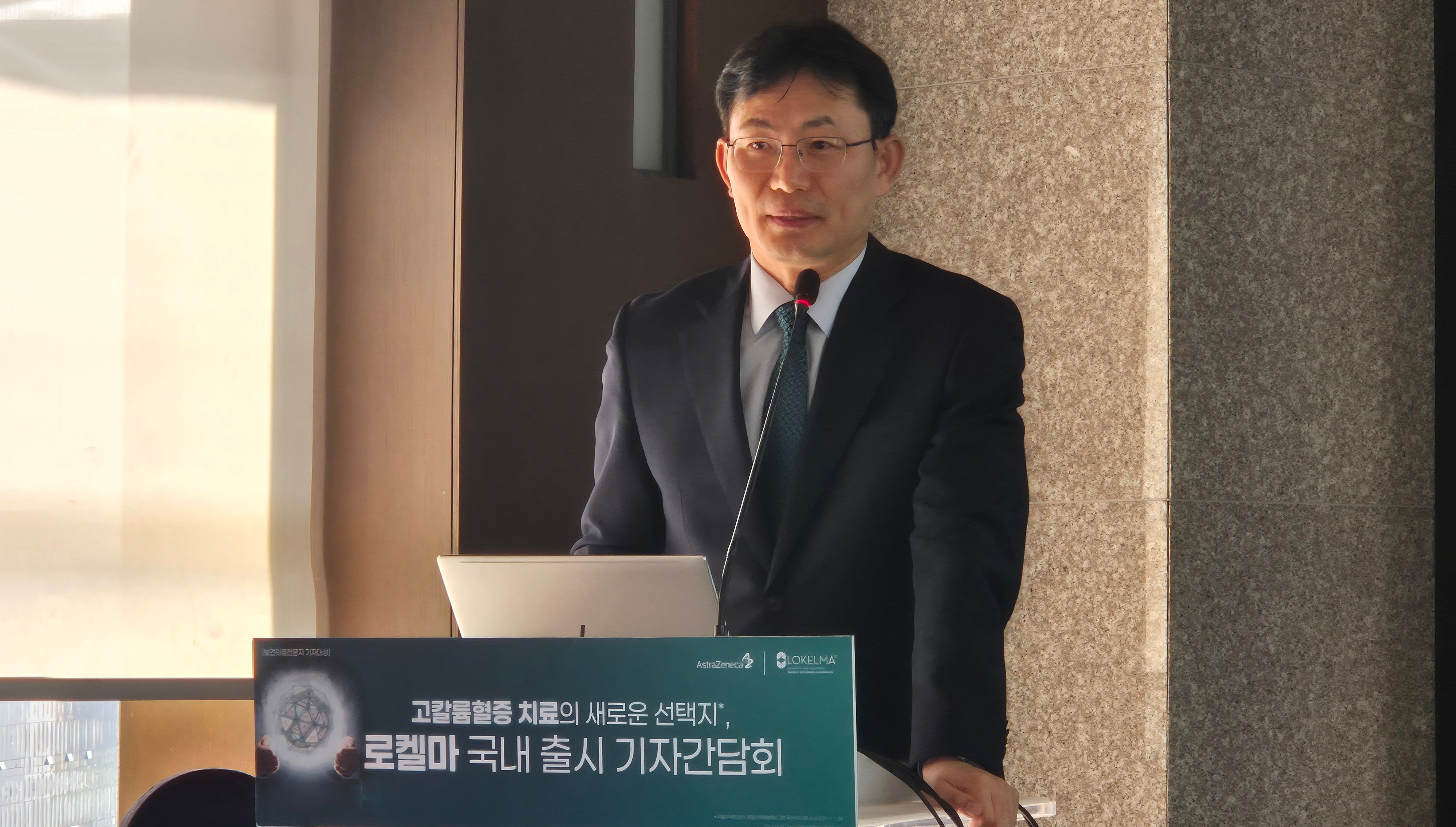
- A new drug capable of resolving the treatment dilemma of discontinuing RAAS inhibitors during hyperkalemia management has been introduced in Korea.The new potassium binder ‘Lokelma,’ supported by clinical evidence, is being presented as an option to support a strategy of maintaining RAAS inhibitors, raising the possibility of a shift in the treatment paradigm.On the 22nd, AstraZeneca Korea held a press conference at the Plaza Hotel in Jung-gu, Seoul to mark the domestic launch of Lokelma (sodium zirconium cyclosilicate, SZC), a treatment for adult hyperkalemia.Lokelma is a new drug approved by the Ministry of Food and Drug Safety last November, and represents the first new treatment option in the hyperkalemia field in Korea introduced in about 40 years. Unlike existing organic polymer-based adsorbents, it is an inorganic crystalline potassium binder that selectively captures potassium throughout the gastrointestinal tract and excretes it from the body. In vitro studies confirmed that its potassium selectivity is more than 125 times higher than that of existing treatments, and its non-absorbable nature is also cited as a key differentiator.Hyperkalemia is defined as a serum potassium level exceeding 5.0 mmol/L and commonly occurs in patients with chronic kidney disease, heart failure, and diabetes. In particular, it occurs in 40–50% of patients with chronic kidney disease, and it is reported that approximately one in three (32.8%) patients taking RAAS inhibitors experience hyperkalemia at least once. If it progresses to a severe stage, it can lead to fatal outcomes such as arrhythmia and cardiac arrest.Bum Soon Choi, Professor of Nephrology at Eunpyeong St. Mary’s HospitalThe problem lies in conflicting treatment strategies. While RAAS inhibitors are key medications for protecting the heart and kidneys, their tendency to elevate potassium levels often leads to dose reduction or discontinuation when hyperkalemia occurs.Bum Soon Choi, Professor of Nephrology at Eunpyeong St. Mary’s Hospital, said, “Hyperkalemia is highly recurrent and must be managed as a chronic condition. However, reducing or discontinuing RAAS inhibitors for this reason can worsen the prognosis of cardiac and renal diseases. Since guidelines also recommend maintaining RAAS inhibitors whenever possible, we need treatment strategies that support this.”In fact, guidelines including those from KDIGO and the Korean Society of Nephrology also mention the use of potassium binders as an adjunct strategy to maintain RAAS inhibitor therapy.The presentation highlighted data on the clinical efficacy and treatment persistence of Lokelma.Professor Kim Se-jung of Nephrology at Seoul National University Bundang Hospital evaluated, “Lokelma has demonstrated potassium reduction within one hour of administration, long-term maintenance of potassium control, continuation of RAAS inhibitor therapy, and good tolerability.”Sejoong Kim, Professor of Nephrology, Seoul National University Bundang HospitalIn the Phase 3 ZS-003 study, 753 patients with hyperkalemia were administered 10 g of Lokelma. The results showed a significant decrease in serum potassium levels within one hour, and the proportion of patients reaching normal ranges within 48 hours was 86.4%, which was higher than the 47.8% observed in the placebo group.Furthermore, in the HARMONIZE (ZS-004) study, the mean serum potassium level decreased from 5.6 mmol/L to 4.5 mmol/L within 48 hours, and patients maintained stable, low potassium levels during the maintenance phase.The efficacy was also sustained in long-term data. In the ZS-005 study, 88% of patients maintained normal potassium levels after up to 12 months of treatment, and 87% of patients previously using RAAS inhibitors were able to continue or increase their treatment.In terms of tolerability, an overall favorable safety profile was confirmed in clinical trials involving approximately 1,760 non-dialysis hyperkalemia patients. The most common adverse event, edema, was mostly mild to moderate, and gastrointestinal symptoms such as constipation were manageable through dose adjustment or discontinuation.Professor Choi stated, “Existing chelate-based potassium binders had limitations such as slow onset of action and low compliance due to inconvenience in administration. There has been a continuous demand in clinical practice for new options that allow sustained treatment.”Professor Sejoong Kim emphasized, “Locelma is a treatment option that can help patients maintain RAAS inhibitor therapy without discontinuation when hyperkalemia occurs. Based on clinical evidence, it will serve as a meaningful alternative capable of changing treatment strategies in actual clinical practice.”

- Policy
- First public-private meeting on drug pricing system reform imminent
- by Jung, Heung-Jun Apr 26, 2026 01:45pm
- Photo of the Health Insurance Policy Review Committee meetingThe first meeting of the public-private consultative body, which will determine the specific details of the drug pricing system reform, is imminent. Schedules for working-group meetings are being discussed for next week, and the pharmaceutical industry is forming a Drug Pricing System Task Force (TFT).With the system implementation set for the second half of the year, strategic discussions between the government and the private sector are expected to intensify within this tight timeframe.According to industry sources on the 23rd, the Korea Pharmaceutical and Bio-Pharma Manufacturers Association (KPBMA) recently formed a Drug Pricing System Response TFT after receiving applications from all pharmaceutical member companies.Five distinct TFTs have been established, including ▲Reorganization of calculation standards ▲Essential and withdrawal-prevention-drugs ▲Raw materials ▲Innovative and semi-innovative models ▲New drugs. The public-private consultations that will decide the specifics of the drug pricing reform will be addressed primarily through these TFTs.The government is also preparing to set the negotiation table, with plans to coordinate the schedule for working-group meetings as early as next week.Among the drug pricing reform measures, the government has scheduled the implementation of price cuts for currently listed drugs, price premiums for innovative and semi-innovative models, and the management of multi-item listings for the second half of the year.This is a tight schedule if discussions are to be finalized by the end of the first half. While behind-the-scenes discussions have already begun, the process of determining details through the public-private consultative body is expected to proceed at a breathless pace.Pharmaceutical companies are particularly focused on reorganizing calculation standards, including price reductions for existing listings and multi-item management. It is reported that most pharmaceutical companies expressed interest in participating in the "calculation standards reform TFT."Among these, the most heavily debated issue is the criteria for determining the timing of price cuts for currently listed drugs. Based on the 2012 listing date, tiered price adjustments will be implemented in Stages 1 and 2; however, the interpretation of combination drugs and data-submission drugs could become a major point of argument.For instance, matters requiring negotiation include how to classify combination drugs that mix single-agent components from both Stage 1 and Stage 2, and how to categorize data-submission drugs that were listed after 2012 but share the same ingredients and administration routes as reference products listed before 2012.Furthermore, regarding 'Multi-item listing management,' where prices are significantly reduced one year after the listing of 13 or more items, it is anticipated that voices will emerge demanding exception clauses for categories such as first generics.Like previous briefings on 'International drug price comparison re-evaluation,' fierce debates over each point of items are expected during public-private consultative body meetings for drug pricing reform.
- Company
- Can rare disease access reforms resolve the blind spots?
- by Eo, Yun-Ho Apr 26, 2026 01:45pm
- Attention is focused on whether the government’s policy to strengthen access to rare disease drugs can be properly implemented in Korea.As many new drugs still remain unattended, in the “blind spots,” some are also expressing doubts about the effectiveness of the policy.Last March, the Ministry of Health and Welfare approved measures to improve the drug pricing system, and formalized its direction to increase patient access to treatments for severe and rare diseases and to appropriately evaluate the value of innovative new drugs.While the pharmaceutical industry views this as a meaningful first step toward lowering the reimbursement barrier for rare disease treatments in Korea’s health insurance system, it notes that innovative rare disease drugs subject to cost-effectiveness evaluations remain in a blind spot.The pharmacoeconomic evaluation is a stage that takes the longest in South Korea’s health insurance reimbursement evaluation process. New drugs that do not meet the criteria for exemption from pharmacoceconomic evaluation or for which the weighted average price of alternative drugs cannot be accepted must follow the existing procedure.One example is ‘Reblozyl (luspatercept),’ a treatment for anemia in myelodysplastic syndromes (MDS) and beta-thalassemia. Reblozyl, which was approved in Korea in 2022, has remained a non-reimbursed drug to date after failing to pass the Health Insurance Review and Assessment Service (HIRA) Drug Reimbursement Evaluation Committee in August 2023.This drug is the first erythropoiesis-inhibiting agent introduced in the MDS and anemia treatment landscape in decades. Based on the Phase III COMMANDS study, it is evaluated to have fundamentally reduced transfusion dependency by achieving a 1.7 times higher transfusion independence compared to existing treatment. A follow-up analysis published last year also suggested the potential for long-term survival benefits, including extended overall survival (OS).Reblozyl is facing structural limitations in the reimbursement entry process. This is because the current health technology assessment framework, which requires setting the low cost of blood transfusions as the comparator, makes it difficult to reflect the drug’s true value.Professor Joonshik Hong, Secretary of the Acute Myeloid Leukemia and Myelodysplastic Syndrome Research Group at The Korean Society of Hematology (Professor, Department of Hematology, Seoul National University Hospital) said, “Reblozyl not only practically changes the treatment paradigm by reducing prolonged hospital stays and the high burden of complications in patients who required repeated transfusions, but also has significant clinical meaning in that it is the first in the hematologic malignancy field to demonstrate long-term transfusion independence, thereby alleviating the burden on healthcare resources.”He added, “Although it is effectively the optimal alternative and the only hope for patients with MDS-related anemia at moderate risk or lower who require blood transfusions, delays in its inclusion in the national health insurance reimbursement list mean that patients are forced to bear the full burden of transfusions and complications.”In addition, in clinical practice, the need for a flexible evaluation system that reflects disease-specific characteristics is being raised for patients with de facto rare diseases who have difficulty making their voices heard within institutional blind spots.In the case of MDS, there are only about 1,700 new cases annually in Korea, and only a very small fraction of those require treatment for transfusion-dependent anemia. Last March, a petition urging reimbursement coverage for Reblozyl was posted on the National Assembly’s public petition platform, but due to such limitations, the agreement rate remained at around 2% until just before its closure.Professor Hong added, “The fact that MDS was excluded from the special calculation for rare diseases is merely because a separate review was not conducted due to it being applied a special designation for severe cancers. But it is, in fact, a rare disease. Just as paroxysmal nocturnal hemoglobinuria, which has a similar pathophysiology and requires chronic blood transfusions, is recognized as a rare disease, MDS also urgently requires flexible evaluation that takes into account its disease-specific characteristics.”
- Opinion
- Anzupgo emerges as a new option in chronic hand eczema
- by Son, Hyung Min Apr 26, 2026 01:45pm
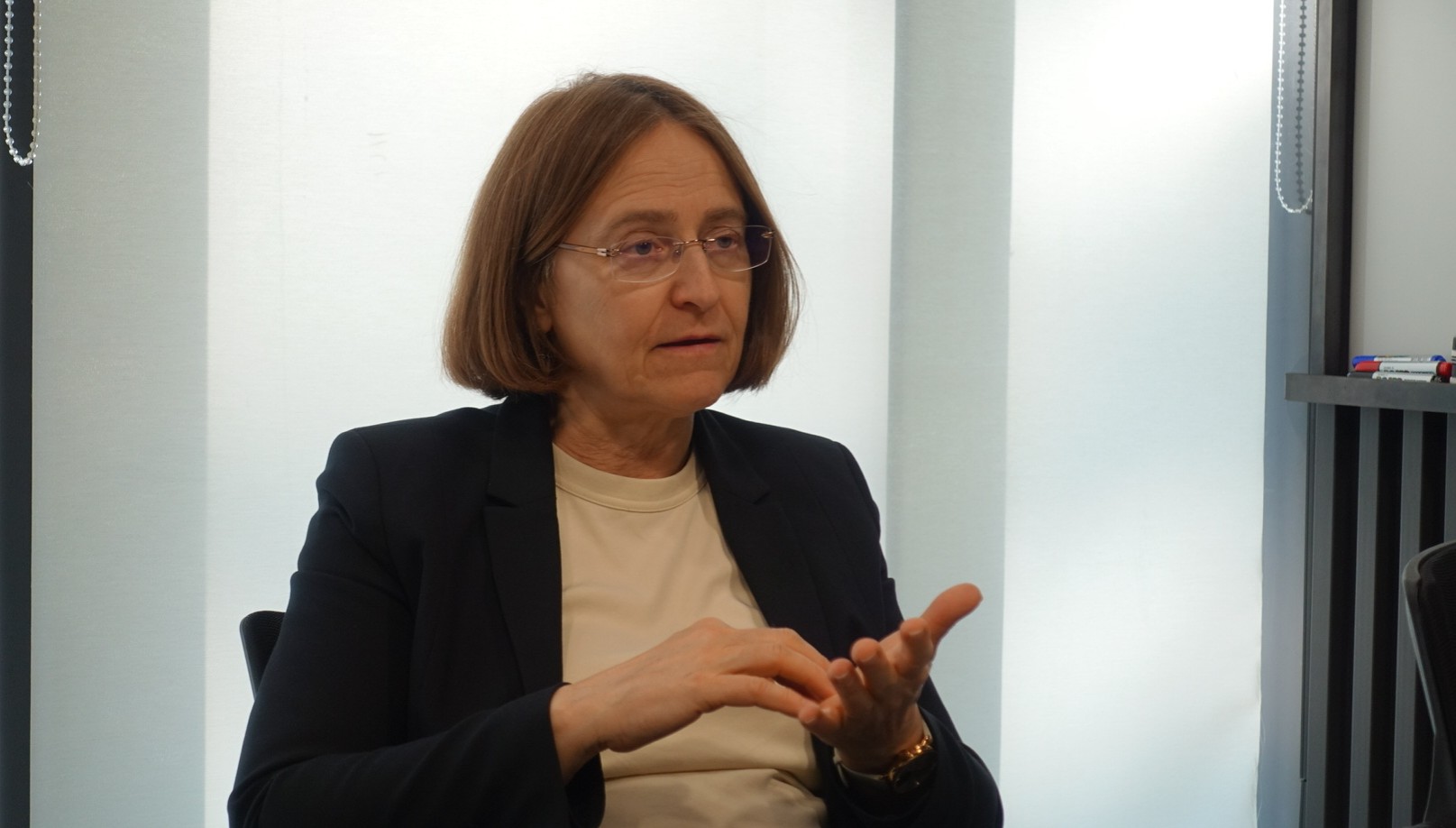
- As the steroid-centered stepwise approach in the treatment of chronic hand eczema reveals its limitations, the non-steroidal topical JAK inhibitor ‘Anzupgo Cream’ is emerging as a new turning point in treatment.In particular, as it is gaining attention as an option to fill the treatment gap before moving on to systemic therapy following treatment failure, the need to redefine treatment strategies in actual clinical practice is being raised.Andrea Bauer, Professor of Dermatology at University Hospital Carl Gustav Carus Dresden, GermanyAndrea Bauer, Professor of Dermatology at University Hospital Carl Gustav Carus Dresden, Germany, recently spoke with Dailypharm about the paradigm shift observed in the treatment of chronic hand eczema.Chronic hand eczema is an inflammatory skin condition that causes red patches, cracking, itching, and pain on the hands. It is aggravated by water, detergents, allergic reactions, and stress, and in severe cases, it can make daily life difficult.Professor Bauer stated, “Chronic hand eczema is defined as a condition in which symptoms persist continuously for more than three months or recur at least twice within one year. It is a disease with a high prevalence, affecting approximately 10% of the total population in European countries, and there are globally agreed-upon diagnostic criteria.Traditional treatment for chronic hand eczema has been based on a step-wise approach.Treatment begins with moisturizer-based management, followed by topical corticosteroids (TCS) and calcineurin inhibitors (TCI). Subsequently, phototherapy or oral alitretinoin may be used, and in severe cases, biologics or JAK inhibitors may be used off-label.The problem is that each step has clear limitations.Until now, treatment options for chronic hand eczema have been limited, leading to the predominant use of potent topical steroids. However, long-term use carries risks of various side effects, including skin barrier damage, skin atrophy, and telangiectasia.Alitretinoin, an oral therapy approved for chronic severe hand eczema, is used in patients who do not respond to at least four weeks of potent topical steroid treatment. It improves symptoms through skin regulation, anti-inflammatory, and immunomodulatory actions, and is known to be effective for the long-term management of chronic severe hand eczema, which has a high risk of recurrence.However, long-term use raises concerns about various side effects such as headaches, elevated lipid levels, and teratogenicity, limiting continued treatment.Professor Bauer said, “Steroids carry a risk of skin atrophy when used for more than 3–4 weeks, making long-term use difficult, and alitretinoin is limited in use not only due to headaches and lipid abnormalities but also because of the risk of birth defects in women of childbearing age. Ultimately, there had been a clear treatment gap with no distinct alternative before moving to systemic therapy following the failure of topical treatment."Anzupgo cream blocks the JAK-STAT pathway… addresses limitations of topical therapy"Anzupgo Cream (delgocitinib) has been proposed as an option to fill this gap.Anzupgo Cream is the only non-steroidal topical cream formulation approved for the treatment of moderate to severe chronic hand eczema in adult patients who do not respond to topical steroid preparations or for whom such treatment is not appropriate.Anzupgo Cream does not contain parabens or steroids. It helps alleviate skin inflammation and itching by inhibiting the JAK-STAT signaling pathway, which is involved in various inflammatory responses, thereby suppressing the activity of JAK1, 2, and 3, as well as TYK2. Anzupgo Cream was approved in Korea last September and was officially launched in the domestic market this year.Professor Bauer said, “Unlike oral JAK inhibitors, it has minimal systemic exposure, giving it an advantage in terms of safety. In clinical studies, adverse event rates were similar to or lower than those in the placebo group.”He continued, “Another important advantage is that it absorbs quickly and has good usability, leading to high patient adherence.”Anzupgo cream has demonstrated broad efficacy across all subtypes of moderate to severe chronic hand eczema in multiple clinical studies.In the clinical trials designated DELTA 1 and 2, adult patients with moderate to severe chronic hand eczema who applied Anzupgo Cream twice daily for 16 weeks showed significant relief from itching starting on the first day of application and from pain starting on the third day, compared to the placebo. Furthermore, at the 16-week mark, the proportion of patients achieving the Hand Eczema Severity Index (HECSI-75) was significantly higher compared to the placebo group.In the subsequent DELTA 3 extension study, the long-term efficacy and safety of Anjupgo Cream were further evaluated, confirming generally good tolerability and consistent clinical improvement even with long-term administration. The initial treatment effect was stably maintained in the 52-week data, which included the 16-week main study and the 36-week extension study.Recent expert consensus positions Anzupgo cream as the only non-steroidal topical option between steroid failure and systemic therapy.Professor Bauer stated, “In German clinical practice, we are also observing cases where skin that has thickened due to chronicity returns to a near-normal state upon application of Anjupgo Cream. Patient satisfaction is high as it gradually improves wrinkled and rough skin.”The professor emphasized the importance of treatment timing.Professor Bauer noted, “If the condition remains uncontrolled after 1–2 cycles of steroid treatment or recurs immediately after discontinuation, treatment should be switched without delay. As the disease becomes more chronic, treatment becomes more difficult, so early intervention is key.”He explained, "Anjupgo Cream can be effective in various subtypes of chronic hand eczema, such as bullous and hyperkeratotic types. In particular, patients with prominent inflammatory symptoms show a rapid response. For patients with hyperkeratotic eczema who have thickened skin, absorption may take some time, but consistent use will yield results.”

- InterView
- [Reporter's View] What's fair for addressing unmet needs
- by Son, Hyung Min Apr 26, 2026 01:44pm
- Now, cancer therapy has entered a stage where a single option cannot explain it all. Previously, when cytotoxic chemotherapy was the center of treatment, the type of cancer was the core criterion for determining a treatment strategy.However, the situation is different now. Even within the same cancer type, entirely different agents are selected based on biomarkers, and even the sequence of treatment and combination strategies varies. The structure has changed to the point where a single disease is effectively split into several different diseases.This change is not a phenomenon limited to specific areas. Non-small cell lung cancer (NSCLC) treatment has been subdivided based on various genetic mutations, and the approach to colorectal cancer also varies depending on biomarker characteristics such as BRAF. Targeted-based therapy is also expanding in rare cancers like biliary tract cancer.Even in diseases where options were limited in the past, the treatment strategy must be redesigned.The problem is that this variation does not stop at simply increasing options but leads to an expansion of the treatment scope.Treatments previously applied primarily to metastatic patients are gradually expanding to include patients with stages 1 to 3, the early-stage patient group. As neoadjuvant, adjuvant, maintenance, and combination therapies are discussed simultaneously, treatment is shifting toward a structure that starts earlier and lasts longer.Of course, from the patient's perspective, the ideal scenario is to receive reimbursement for all possible treatments. If newly emerging agents can be used for more patients at an earlier stage, the opportunity for treatment expands. However, the fact that these changes are occurring simultaneously across multiple cancer types rather than in a specific disease presents another dilemma.Each treatment expansion may be a valid choice. However, the story changes if the same trend is repeated across various cancer types. This is because it is realistically difficult to raise all areas at the same pace with limited resources. Ultimately, it becomes necessary to decide which area to invest more resources in first.In this process, there is one point to be cautious of. The needs of other cancer types must not be ignored simply because discussions are active and voices are loud in a specific cancer type.Unmet needs are not a concept confined to specific diseases. Unmet needs are presented in different forms across various cancer types. There is a possibility that while the necessity of one area is emphasized, the gaps in other areas may be relatively overshadowed.Ultimately, the question is clear: "To what extent and by what criteria will we apply the increased treatment options?" Applying all treatments to all patients may be ideal, but it is not a realistically possible option. Therefore, a discussion is needed on what criteria will be used to set priorities.More opportunities for patients are available due to advances in cancer treatment. However, consideration must also be given to how to distribute those opportunities and to striking a balance to prevent bias toward specific areas during that process. This is why we must reconsider the concept of unmet needs from a broader perspective.

- Company
- Philips Korea's sales staggering…shift to service-centric
- by Hwang, byoung woo Apr 23, 2026 10:51am
- Philips Korea’s sales growth, which had been on a recovery trend since 2023, has stalled, with growth rates remaining in the 1% range.However, during the same period, operating profit increased significantly, showing an actual improvement in profitability. This is interpreted as the result of a shift in the sales mix, moving away from a hardware sales-centric structure toward services, including maintenance and software.Analysis suggests that amid intensifying competition in the large-scale medical equipment market, the future growth is shifting from hardware to software and solutions.Sales Growth 'Stalls,' Operating Profit 'ReboundsAccording to Philips Korea’s recently disclosed audit report, the company’s sales growth appears to have entered a period of stagnation.Specifically, sales, which recorded KRW 336.6 billion in 2021, decreased to KRW 316.1 billion in 2022 before rebounding to KRW 352.9 billion in 2023.Since then, however, sales reached KRW 361.6 billion in 2024 and KRW 364.6 billion in 2025, marking two consecutive years of growth limited to the 1% range following the 2023 rebound, maintaining a slowing growth.One of the primary reasons for this sales stagnation can be traced back to the large-scale business restructuring carried out in 2021. As of September 9, 2021, Philips Korea completed the divestment of its Domestic Appliances division, which was highly profitablePhilips Korea's 5-Year Sales & Operating Profit: BLUE-Sales, RED-Operating profit (source: audit report, unit: KRW 100 million)This was part of Philips’ global 'Selection and Concentration' strategy to focus on the healthcare B2B (business-to-business) sector.Considering that the Domestic Appliances division generated approximately KRW 41.8 billion in annual sales at the time, the separation of this core consumer cash cow is interpreted as a factor in the reduction of the company's overall scale.In contrast to the slowdown in top-line growth, profitability improved significantly. Philips Korea’s operating profit shifted from KRW 42.7 billion in 2021 to a loss of KRW -4.9 billion in 2022.After successfully returning to a surplus of KRW 1.8 billion in 2023, profit showed a recovery to KRW 7 billion in 2024, followed by KRW 36.4 billion in 2025, a more than five-fold improvement compared to the previous year.This indicates that focusing on internal stability and reorganizing the portfolio toward high-value-added businesses, rather than external expansion, has proven effective.Philips Diversifies the Profit Structure, Shift From Product Sales to 'Service'The primary reasons for the improvement in operating profit are cost reductions and lower selling, general, and administrative (SG&A) expenses.The cost of goods sold, which was KRW 270.7 billion in 2024, decreased to KRW 246.3 billion in 2025, and SG&A expenses also fell by approximately 2 billion KRW, from 83.8 billion KRW to KRW 81.8 billion. Essentially, while sales barely grew, profit rose by simultaneously reducing costs and expenses.Furthermore, the fact that the sales structure is increasing 'service sales,' which provides maintenance and software-linked solutions in addition to equipment delivery, appears to have influenced the improvement in profitability.Looking at Philips Korea’s sales structure by business segment (item), product sales decreased from KRW 242.9 billion in 2021 to KRW 219.6 billion in 2022, before recovering to ▲KRW 249.9 billion in 2023 and ▲KRW 254.6 billion in 2024.However, in 2025, product sales recorded KRW 253.6 billion, showing negative growth compared to the previous year.In contrast, service sales has been on a steady upward trajectory, with no negative growth. Service sales, which was KRW 93.7 billion in 2021, recorded KRW 96.5 billion in 2022, ▲KRW 102.9 billion in 2023 ▲KRW 106.9 billion in 2024 ▲KRW 110.9 billion in 2025.The share of service sales in total sales also expanded from 27.8% in 2021 to approximately 30.4% in 2025.Considering the characteristics of the Korean market, where replacement cycles for large medical equipment (MRI, CT, ultrasound, etc.) are long and large-scale orders following the establishment of new hospitals are limited, the expansion of service-oriented sales, such as software upgrades and Service Level Agreements (SLA) for pre-installed equipment, is analyzed to have played a key role in defending profitability.Philips is expanding its cooperation by signing smart hospital business agreements with major hospitals.Intensifying Imaging Competition… The Challenge of Growth DriversBecause of this, Philips Korea is also seeking a breakthrough by creating a digital healthcare environment centered on artificial intelligence (AI) technology.As global competitors such as Siemens Healthineers and GE HealthCare integrate AI solutions with hardware, Philips is moving to capture the early market.For example, Philips Korea is establishing smart hospital collaborations focused on AI-based improvements to ultrasound and imaging workflows.With the recent domestic medical environment emphasizing smart hospitals amid personnel shortages, Philips appears focused on embedding its portfolio, spanning diagnostic imaging·ultrasound·interventional procedure systems, into these systems.However, expanding the influence of diagnostic imaging equipment, which is the most fundamental driver of external growth, remains a challenge.In this context, Philips' next-generation spectral CT, the Verida system, which recently received U.S. Food and Drug Administration (FDA) clearance, could potentially provide a way forward.The core of Verida system is its spectral technology. While most CT scanners focus on providing structural information by imaging the human body at a single energy, spectral CT analyzes differences in tissue composition across multiple energy spectra.As it promotes clinical efficiency improvement rather than just simple image quality enhancement, there is potential for synergy with future smart hospital system construction.An official from the medical device industry stated, "While Philips Korea's new products and technological innovations, such as helium-free MRI and cardiac ultrasound, are receiving positive responses, hospital investment decisions are made on a mid-to-long-term basis due to the nature of the market," and added, "The impact of new products is more likely to be reflected in mid-to-long-term trends rather than short-term performance."
