
- LOGIN
- MemberShip
- 2026-06-10 19:52:14

- Opinion
- [Reporter’s View] Medical Devices Act binds payment within 6 months
- by Hwang, byoung woo Apr 29, 2026 03:49pm
- An amendment to the Medical Devices Act, centered on the introduction of a “payment within 6 months” standard, is set to take effect in Korea. Although the regulation aims to enhance transaction transparency, it is likely to act as a variable requiring changes in overall cash flow management and transaction structures within the actual distribution sector.There is no disagreement regarding the direction of improving unfair trading practices and increasing transparency.However, questions remain as to whether the system’s design is practical enough to function effectively in the actual industry.The amended Medical Devices Act, scheduled to take effect on December 31, 2027, centers on strengthening the distribution management system, including restrictions on related-party transactions, explicit payment deadlines, mandatory written contracts, and reporting requirements on the status of related medical institutions.Structurally, this means that regulatory mechanisms for ‘normalizing distribution order,’ focused on improving unfair trade practices and strengthening transparency in the distribution process, have become more specific.The issue arises when these mechanisms are applied to real-world situations.The current medical device distribution system is not a simple supply structure, but an ecosystem in which hospitals, sellers, and financial structures are intricately intertwined.Against this backdrop, some in the industry are voicing concerns about the impact these regulatory changes will have on actual business environments, pointing out that payment practices extending beyond a certain period have long existed in transactions with hospitals.In this situation, the ‘payment within six months’ standard is, in principle, interpreted as a device to enhance transaction transparency. However, if exception criteria and application methods are not sufficiently specified, it may become a burden on some companies’ cash flow management or transaction structures.If financial pressure materializes, some distributors will have no choice but to reduce transaction volumes or delay shipments. This is highly likely to lead not to an improvement in distribution order but to a contraction in transactions.The purpose of restricting related-party transactions is also clear. However, given the diverse distribution structures formed in Korea’s medical device market, some hold the view that existing transaction methods cannot simply be interpreted as unfair transactions.Ultimately, the core of this legislative amendment places greater emphasis on ‘on-the-ground implementation’ rather than merely ‘introducing regulations.’For the system to actually function, not only the direction of regulation but also the application method and detailed criteria are important. Without meticulous planning that takes into account the scope of exceptions, the possibility of phased implementation, and the impact on different industry scales, it is difficult to rule out the possibility that the policy’s intent could lead to market confusion.In this regard, the opinion-gathering process before implementation is expected to serve as an important forum for discussion that can improve the completeness of the system before it takes effect. Above all, it is important to narrow the gap in perspectives between industry and policy authorities and find points of contact that can actually work.A system is completed not when it is created, but when it works in the field.Whether the amendment to the Medical Devices Act remains just another regulation or becomes a turning point that changes the distribution order depends on how it is designed from this point forward.
- Company
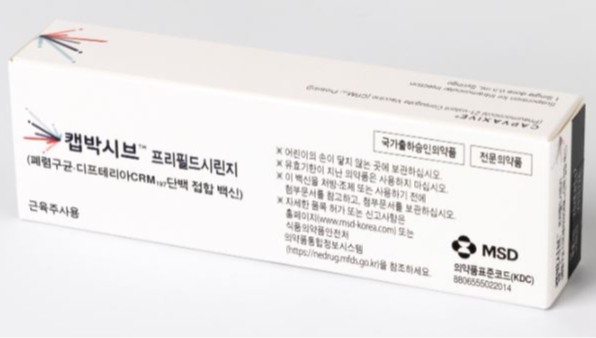
- Capvaxive may be prescribed at general hospitals in Korea
- by Eo, Yun-Ho Apr 29, 2026 03:48pm
- The pneumococcal vaccine ‘Capvaxive’ may be prescribed at general hospitals in Korea.According to industry sources, MSD Korea’s adult-only 21-valent pneumococcal conjugate vaccine Capvaxive has passed the Drug Committees (DC) of medical institutions, including Big 5 tertiary general hospitals such as Seoul National University Hospital and Sinchon Severance Hospital, as well as Kangnam Sacred Heart Hospital, Dongguk University Ilsan Hospital, Sun Medical Center, Seoul National University Bundang Hospital, Bundang Jesaeng Hospital, Andong Hospital, Chonnam National University Hospital, Pohang Semyeong Christianity Hospital, Hallym University Sacred Heart Hospital, and Chonnam National University Hwasun Hospital.Since its official launch in March, it appears to be rapidly establishing a vaccination environment.Capvaxive is an adult-specific 21-valent pneumococcal conjugate vaccine (PCV). In August 2025, it obtained approval from the Ministry of Food and Drug Safety for the prevention of invasive disease and pneumonia caused by serotypes (3, 6A, 7F, 8, 9N, 10A, 11A, 12F, 15A, 15B, 15C, 16F, 17F, 19A, 20A, 22F, 23A, 23B, 24F, 31, 33F, and 35B) in adults aged 18 and older.The 21 serotypes account for up to 85% of the serotypes causing adult invasive pneumococcal disease (IPD) in the U.S. and about 74% in Korea.In particular, the vaccine newly includes 8 unique serotypes that were not included in any existing vaccine - 15A, 15C, 16F, 23A, 23B, 24F, 31, and 35B. These serotypes reportedly account for about 30% of IPD in adults aged 65 and older in the U.S.After PCVs were introduced into Korea’s pediatric immunization program, the incidence of IPD in children declined significantly, and a decrease in the incidence of IPD caused by serotypes included in the vaccine has also been observed in adults due to the indirect protective effect of herd immunity among children.However, the incidence of IPD in adults is currently higher than in children, and due to serotype replacement, non-vaccine serotypes account for a significant portion of pneumococcal disease in adults.In particular, despite the very high fatality rate among the elderly aged 65 and older and those with underlying conditions when they contract IPD or pneumonia, there has been no vaccine option specialized for adults. As a result, there has been an unmet need for a tailored vaccine centered on the key serotypes associated with disease burden in adults.In fact, pneumonia ranked as the third leading cause of death in Korea as of 2024 and the leading cause of death among respiratory diseases. As of 2025, 76.9% of pneumococcal infections in Korea were reported to occur in adults aged 50 and older.Meanwhile, in STRIDE-3, Capvaxive’s pivotal clinical study, immunogenicity was assessed 30 days after vaccination in adults aged 18 and older with no previous vaccination experience. Capvaxive met non-inferiority criteria for all 10 serotypes commonly included in PCV20, the comparator. Among the 11 serotypes included only in Capvaxive, 10 met the criteria for immunogenic superiority compared with the comparator.
- Company
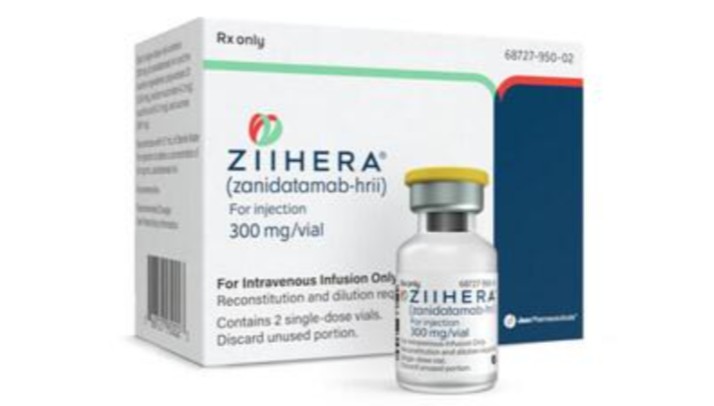
- HER2-targeted bispecific Ab 'Ziihera' shows potential in gastric cancers
- by Son, Hyung Min Apr 29, 2026 03:48pm
- 'Ziihera,' approved as a biliary tract cancer, is now confirmed to have clinical potential in upper gastrointestinal cancers, including gastric cancer, accelerating the progress for expanded indications.Based on its dual targeting of HER2, this drug demonstrated a significant improvement in survival compared to existing treatments centered on trastuzumab. Its potential to reorganize the standard first-line treatment has been suggested.HER2-targeted bispecific antibody 'Ziihera' According to industry sources on the 29th, the U.S. Food and Drug Administration (FDA) recently accepted a supplemental Biologics License Application (sBLA) for the expanded indications for Ziihera (zanidatamab) and granted it Priority Review designation. Under the Prescription Drug User Fee Act (PDUFA), the FDA is scheduled to decide on the approval by August 25 of this year.The specific indication is for the first-line treatment of patients with HER2-positive locally advanced or metastatic gastric cancer, gastroesophageal junction (GEJ) cancer, and gastroesophageal adenocarcinoma (GEA).Ziihera received accelerated approval in the U.S. in 2024 for the treatment of HER2-positive biliary tract cancer and was subsequently approved in South Korea last March.Ziihera is a new drug developed by the Canadian biopharmaceutical company Zymeworks. Following development, U.S.-based Jazz Pharmaceuticals licensed the development and commercialization rights for the substance from Zymeworks. Under the agreement, BeiGene holds the commercialization rights for Asian regions, including South Korea and China, excluding Japan.Ziihera is a bispecific antibody that binds two distinct sites on the HER2 receptor. It was developed with a mechanism that simultaneously enhances signal blockade and immune response induction compared to existing monoclonal antibodies.Notably, this development strategy highlights the potential for combination with BeiGene’s immunotherapy, Tevimbra (tislelizumab). The approach aims to maximize therapeutic effects by proposing a triplet therapy combining HER2-targeted therapy and immunotherapy.The Phase 3 HERIZON-GEA-01 study, which served as the basis for the Priority Review, enrolled 914 patients with gastric cancer.The clinical trial was designed to compare the efficacy of existing trastuzumab-based treatments with Ziihera-containing combination therapies and to verify the added effect of an immunotherapy combination strategy.Patients were divided into a trastuzumab + chemotherapy group and a Ziihera-containing combination group. Within the Ziihera group, subgroups were formed based on whether Tevimbra was co-administered.The results showed that Ziihera-based treatment reduced the risk of disease progression or death by approximately 35% compared to the existing trastuzumab combination group, raising the median progression-free survival (PFS) to 12.4 months.In particular, the triplet therapy combining Ziihera and Tevimbra lowered the risk of death by 28%, recording a median overall survival (OS) of 26.4 months. However, this OS result did not meet the prespecified statistical significance threshold in the initial interim analysis, and additional analyses are pending.First-line treatment of gastric cancer reeorganized around immunotherapyHER2-targeted therapy in domestic gastric cancer treatment had remained largely unchanged for a long period. Since Herceptin (trastuzumab) was established as a first-line treatment option in 2010, there has been no new treatments to replace it.While successive efforts were made to develop follow-up options in the field of HER2-targeted therapy, most failed to yield meaningful outcomes in clinical trials. Lapatinib-based combination therapies (with paclitaxel or chemotherapy) and multiple HER2 blockade strategies involving 'Kadcyla (trastuzumab emtansine)' and 'Perjeta (pertuzumab)' suffered successive failures in clinical trials for gastric cancer patients.Immunotherapy 'Keytruda'This trend continued for about a decade until it reached a turning point in 2022. With the introduction of Enhertu (trastuzumab deruxtecan) for third-line HER2-positive gastric cancer, a follow-up HER2-targeted treatment option appeared for the first time. However, as the treatment line was limited to the third-line setting, there were limitations in changing the first-line treatment structure.Meanwhile, the treatment paradigm shifted to be reorganized around immunotherapies. Opdivo was introduced as a first-line treatment option soon after obtaining reimbursement for HER2-negative gastric cancer, and immunotherapy combination strategies became standard.Furthermore, Keytruda's scope expanded after obtaining approval as a first-line treatment for metastatic HER2-positive gastric cancer, followed by a recent indication expansion to HER2-negative gastric cancer. In particular, Keytruda was the first immunotherapy to obtain approval for HER2-positive gastric cancer, leading to the establishment of the strategy of combining existing HER2-targeted therapy with immunotherapy.Regarding this, Ziihera is entering the market as a new HER2-targeted option to replace trastuzumab alongside existing immunotherapy combination treatments. This strategy is evaluated as a differentiated approach to existing treatment flows, as Ziihera's strategy aims to replace the HER2-targeted agent in a setting where immunotherapy combinations are the standard.
- Policy
- Novartis Korea's SMA therapy undergoes expedited approval review
- by Lee, Tak-Sun Apr 29, 2026 03:48pm
- Product photo of onasemnogene abeparvovecOnasemnogene abeparvovec, Novartis Korea’s new drug for spinal muscular atrophy (SMA), has been designated as an item for the Ministry of Food and Drug Safety (MFDS)’s Global Innovative Products on Fast Track (GIFT).According to industry sources on the 28th, the MFDS designated the drug as the 67th GIFT item on the 8th and initiated a full-scale expedited approval review. This designation is based on recognition of the drug's innovation in treating rare diseases and its improved efficacy compared to existing treatments. The brand name of onasemnogene abeparvovec is known asItvisma.The version of this drug approved for GIFT this time changes the administration route from the existing intravenous (IV) formulation, Zolgensma, to an intrathecal (IT) injection.Unlike the original Zolgensma, which was primarily designed for use in infants and young children due to weight restrictions (under approximately 13.5 kg), this new formulation has been submitted for all SMA patients of any age who have biallelic mutations in the Survival Motor Neuron 1 (SMN1) gene. New formulation is garnering significant anticipation because it offers the opportunity for gene therapy to pediatric patients aged 2 and older and to adult patients.Onasemnogene abeparvovec utilizes an adeno-associated virus serotype 9 (AAV9) vector to deliver a functional SMN1 gene directly to the patient's target cells. This mechanism addresses the disease's fundamental cause by inducing continuous expression of the deficient SMN protein.The MFDS decided on the GIFT designation based on the drug's outstanding motor neuron improvement effects demonstrated in clinical trials and data showing improved efficacy that complements existing treatments.The drug has already proven its value in the global market. The U.S. FDA completed its approval on November 24th of last year, and Japan's PMDA also approved on April 3rd.Following this GIFT designation, Novartis Korea will receive significant support from the MFDS throughout the approval process. Analysis suggests that the review period will be shortened by approximately 25% compared to general reviews, making domestic approval possible as early as the second half of this year or early next year.A pharmaceutical industry official stated, "The introduction of innovative new drugs into Korea is accelerating through the GIFT system. This expedited review approval is favorable news for older SMA patients who faced limitations with existing treatments."
- Policy
- Approval of new ulcerative colitis drug Velsipity near
- by Lee, Tak-Sun Apr 28, 2026 09:46am
- ‘Velsipity 2mg Tab (etrasimod),’ a new ulcerative colitis treatment being introduced in Korea by Everest Medicines Korea, cleared a key hurdle toward domestic marketing authorization.According to industry sources on the 26th, the Ministry of Food and Drug Safety recently completed the safety and efficacy review for Velsipity Tab. As the safety and efficacy review is considered the most rigorous step in the new drug approval process, the likelihood of Velsipity receiving domestic marketing authorization within the year has significantly increased.Velsipity is a next-generation selective sphingosine-1-phosphate (S1P) receptor modulator developed by Pfizer. It works by blocking the release of lymphocytes from lymph nodes, thereby preventing their migration to inflamed areas in the gastrointestinal tract.It is indicated for adult patients with moderate to severe active ulcerative colitis. In particular, its once-daily oral dosing is considered a strong competitive advantage in a treatment environment traditionally dominated by injectable therapies.Velsipity has demonstrated efficacy through global Phase III trials (ELEVATE UC 52 and ELEVATE UC 12). According to trial results, it achieved significantly higher clinical remission rates compared to placebo at both week 12 and week 52.Currently, the domestic ulcerative colitis market is dominated by biologics as well as JAK inhibitors such as ‘Rinvoq’ and ‘Xeljanz.’ If approved, Velsipity is expected to form an S1P modulator market alongside the first-in-class drug Zeposia, providing patients with a new treatment option.Everest Medicines has secured commercialization rights in the Asia-Pacific region, including Korea, through an agreement with Pfizer and has been proceeding with the domestic approval process. With the completion of the safety and efficacy review, the company is nearing the acquisition of marketing authorization.An industry official said, “Passing the safety and efficacy review means that the MFDS has recognized the clinical value of the drug. Upon final approval, Velsipity is expected to have a significant impact in the ulcerative colitis treatment field, where there is a high preference for oral medications.”

- Policy
- Innovative Pharma Company certification reform…"application opens in August"
- by Lee, Jeong-Hwan Apr 28, 2026 09:46am
- The Ministry of Health and Welfare (MOHW) plans to begin accepting applications from pharmaceutical companies as early as August to implement the reformed "Innovative Pharmaceutical Companies" certification system, following the completion of remaining administrative procedures.As both domestic and multinational pharmaceutical companies have shown strong interest in the reformed certification system, the MOHW has decided to implement an absolute evaluation method, granting the designation of an Innovative Pharmaceutical Companies to all companies that score 65 points or higher.If applications are accepted in August as scheduled, the final list of certified pharmaceutical companies is expected to be officially notified (announced) by the end of December following the review process.On the 26th, Lim Kang-seop, director of the Pharmaceutical and Bio Industry Division at the MOHW, explained the administrative plan to reform the "Innovative Pharmaceutical Companies" certification system during a meeting with KSPA News.The MOHW has issued legislative and administrative notices regarding the enforcement decree·enforcement rules for related notifications of the "Special Act on Fostering and Support of Pharmaceutical Industry" as of the 26th of last month.The Ministry plans to finish gathering opinions by the 6th of next month, followed by an internal review, a regulatory review by the Prime Minister's Office, and a review by the Ministry of Government Legislation.The reform plan will be implemented immediately upon finalization and promulgation. The MOHW plans to start accepting applications for innovative pharmaceutical companies based on the new criteria as early as the beginning of or mid-August and continue through the end of September.Key indicators for the certification review include whether the R&D-to-revenue ratio meets the standards and whether any disqualifying factors exist. Disqualifying factors include illegal drug rebates and unethical conduct by executives or employees. Exceeding the threshold in these areas will result in failure to obtain certification.Lim explained that there will be no limit on the final number of innovative pharmaceutical companies, and certification will be granted through an absolute evaluation.Lim stated, "Certification as an innovative pharmaceutical company is possible if a minimum score of 65 points is achieved. The review will be conducted as an absolute evaluation," and added, "After the Korea Health Industry Development Institute (KHIDI) conducts an initial document review of the applicant companies, those that pass the criteria will undergo deliberation by the committee. We expect to be able to notify the final list by the end of December this year."Given the high interest from both domestic and foreign pharmaceutical companies, with over 100 companies expected to apply, the specific schedule for the official notification of the list may change.Lim plans to hold briefing sessions and public-private consultations regarding the certification system for domestic and foreign pharmaceutical companies between May and June.Lim also noted that further review by the MOHW is required regarding the specific evaluation methods and score allocations for new indicators, such as supply chain stabilization for medicines experiencing supply instability.Lim stated, "This time, both quantitative and qualitative indicators will be reviewed together. Quantitative indicators are being simulated on a 5-point scale, while qualitative indicators will be evaluated according to guidelines for the reviewers," and said. "We are working with the KHIDI to determine evaluation methods suited for new indicators like supply chain stabilization."Lim further stated, "Once the detailed review guidelines are established, we plan to provide briefing sessions or further guidance. A briefing session could be held around late May or early June," and added, "There are requests to include compliance management indicators related to pharmaceutical rebates in the review process, but these are already reflected in the qualitative indicators."Lim concluded by stating that "The qualitative evaluation already accounts for instances where a pharmaceutical company has independently adopted a Compliance Program (CP) and operated a compliance management program following the discovery of rebates," and added, "The legislative notice contains only the broad framework of review items, and the method of qualitative evaluation will be determined by the KHIDI's reviewer guidelines and the items in the documents submitted by the companies. Even if there were past rebates, companies will be able to appeal by demonstrating how they have since strengthened internal controls."Meanwhile, Semi-Innovative Pharmaceutical Companies are also expected to be reviewed and selected through an absolute evaluation based on R&D standards and disqualifying factors, similar to the process for Innovative Pharmaceutical Companies.
- Policy
- Implementation of fast-track listing pilot project imminent
- by Jung, Heung-Jun Apr 28, 2026 09:46am
- The list of drugs eligible for the fast-track listing pilot project for rare disease treatments, along with contract terms, is expected to take shape in the first half of this year.Among rare disease treatments, certain drugs will be selected for initial application, and follow-up measures reflecting reimbursement after post-evaluation will be included in contract terms.According to industry sources and relevant agencies on the 27th, the National Health Insurance Service (NHIS) and the Health Insurance Review and Assessment Service (HIRA) have begun working-level preparations for implementing the fast-track listing pilot project.Fast-track listing is a government plan to reform the drug pricing system by reducing the listing period for rare disease treatments from 240 days to 100 days, with the aim of improving patient access to treatment.The Ministry of Health and Welfare announced at the end of March, through the Health Insurance Policy Deliberation Committee, that it will prioritize the pilot project this year and institutionalize it starting next year. From 2028, it will be expanded to innovative new drugs.The pilot project is expected to include selected drugs among rare disease treatments, considering factors such as patient population. NHIS and HIRA are reviewing detailed selection criteria and negotiation contract conditions.Since there are already designation criteria for orphan drugs set by the Ministry of Food and Drug Safety, additional conditions are expected to be added to these existing standards.HIRA and NHIS need to significantly simplify the existing listing process. Since it is not possible to accommodate all rare disease treatments, HIRA is carefully reviewing the criteria for selecting items.In addition, HIRA is conducting a research project through the end of the year to evaluate clinical efficacy using real-world evidence (RWE). The results will be reflected in the institutionalization of the fast-track listing system next year.Both HIRA and NHIS share the view that post-listing mechanisms must be strengthened as the listing period is significantly shortened.NHIS is focusing on strengthening follow-up measures based on post-evaluation. While reducing the drug price negotiation period with pharmaceutical companies from 60 days to one month, fast-track listing negotiations will focus mainly on expenditure caps and supply obligations.NHIS is also reviewing including clauses in negotiation contracts with pharmaceutical companies that allow for price adjustments or the re-establishment of reimbursement criteria after post-evaluations.Consequently, reaching a concrete agreement on post-listing adjustment conditions during negotiations with pharmaceutical companies is expected to be a key issue.
- Company
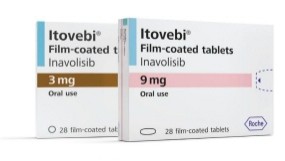
- Breast cancer drug 'Itovebi' prescriptions available at gen hospitals
- by Eo, Yun-Ho Apr 28, 2026 09:46am
- The new breast cancer drug 'Itovebi' is now available on the prescription lists of major general hospitals.According to industry sources, Roche Korea’s Itovebi (inavolisib), a treatment for PIK3CA mutation-positive, hormone receptor-positive (HR+), and human epidermal growth factor receptor 2-negative (HER2-) breast cancer, has passed the drug committees (DC) of tertiary general hospitals, including Samsung Medical Center, Seoul National University Hospital, and Asan Medical Center.Approved in South Korea in July last year, the specific indication for Itovebi is 'combination therapy with palbociclib and fulvestrant for adult patients with HR+, HER2-, and PIK3CA mutation-confirmed locally advanced or metastatic breast cancer who recurred during or within 12 months of completing adjuvant endocrine therapy.'However, if a patient has prior experience with CDK4/6 inhibitor treatment as an adjuvant therapy, more than 12 months must have elapsed since the completion of that treatment. For premenopausal women and male patients, an LHRH agonist is used in combination.Hormone receptor-positive breast cancer is the most common type, accounting for approximately 60% of all breast cancers, and it is estimated that about 40% of these cases carry the PIK3CA gene mutation. The activation of the PIK3CA mutation dysregulates the PI3K signaling pathway, often resulting in a poor prognosis, where existing treatments alone struggle to achieve sufficient efficacy.Itovebi demonstrated efficacy in the Phase 3 INAVO120 study. In a trial involving 161 patients with HR+, HER2-, and PIK3CA-mutated locally advanced or metastatic breast cancer, whose disease progressed during or within 12 months of adjuvant endocrine therapy and who had not received prior systemic therapy, the combination therapy of Itovebi with 'Ibrance (palbociclib)' and 'Faslodex (fulvestrant)' demonstrated a significant overall survival (OS) benefit compared to the control group (placebo + palbociclib + fulvestrant).At the median follow-up of 34.2 months, the median overall survival in the Itovebi group was 34 months, reducing the risk of death by 33%. The median progression-free survival (PFS) for the Itovebi group was 17.2 months, more than twice the 7.3 months observed in the control group, and the risk of disease progression or death was reduced by 58%. The objective response rate (ORR) was also more than two-fold higher in the Itovebi treatment group (62.7%) compared with the control group (28%).At the time of the final overall survival analysis, no new safety adverse events were observed, and the low rate of treatment discontinuation due to adverse events supported the drug's excellent tolerability.Professor Seock-Ah Im of the Department of Hemato-Oncology at Seoul National University Hospital stated, "PIK3CA mutation is an area with a significant unmet need for new treatments because it tumor growth and causes rapid disease progression, leading to a poor prognosis."Im added, "Through the INAVO120 study, Itovebi demonstrated a more than twofold extension in PFS compared to the existing standard of care for patients with the PIK3CA mutation, and it is the only PI3K inhibitor to confirm an OS extension."

- InterView
- 'Insomnia can become chronic if left untreated'
- by Son, Hyung Min Apr 28, 2026 09:46am
- The importance of timely treatment of insomnia is being emphasized, as insomnia, once considered merely a lack of sleep, can develop into a chronic condition if it persists.While the number of patients diagnosed and treated in Korea remains at around 700,000, it is estimated that 20–30% of adults actually experience insomnia symptoms. As the gap between symptom experience and treatment persists, the need for early intervention is increasing.Professor Wonju Kim of the Department of Neurology at Gangnam Severance Hospital explained in a recent interview with Daily Pharm, “Insomnia does not simply mean having difficulty falling asleep. It is a disorder that also includes repeatedly waking up during sleep or waking up earlier than planned. We consider treatment necessary when these sleep problems persist and lead to impaired daily functioning, such as fatigue, decreased concentration, and daytime sleepiness.”He continued, “If appropriate intervention is not made, especially in the early stages, symptoms can become prolonged and progress into chronic insomnia. It is crucial not to miss the optimal timing for treatment.”Lack of sleep increases the risk of systemic diseases… the importance of insomnia management highlightedProfessor Wonju Kim, Department of Neurology, Gangnam Severance HospitalInsomnia manifests in various forms, including ▲ difficulty falling asleep, ▲ difficulty staying asleep, and ▲ waking up too early in the morning. It is classified as a medical condition, not merely a lack of sleep, but when it is accompanied by a decline in daily functioning.In particular, acute insomnia caused temporarily by external stress can progress to chronic insomnia lasting more than three months if left untreated.Professor Kim said, “The longer insomnia persists, the more difficult it becomes to treat, and the longer treatment may take. Active treatment in the early stage is important.”According to the HIRA Open Data Portal, the number of patients with insomnia in Korea increased from about 650,000 in 2020 to about 760,000 in 2024.Insomnia affects not only sleep but also overall health. Persistent sleep deprivation is known to be associated with reduced concentration, emotional dysregulation, as well as increased risks of cardiovascular disease, diabetes, and depression.Currently, insomnia treatment is divided into cognitive behavioral therapy and pharmacotherapy. Although cognitive behavioral therapy is recommended as the standard treatment, its use is limited in Korea, resulting in a treatment structure that relies heavily on medication in actual clinical practice.Professor Kim explained, “Cognitive behavioral therapy involves identifying a patient’s sleep habits, analyzing them, and continuously correcting inappropriate sleep behaviors. It also includes correcting the misconception that insomnia is an extremely severe disease. However, in Korea, such treatment is not widely implemented due to high manpower requirements and constraints such as insurance reimbursement.”New alternatives amid limitations of pharmacotherapy…DORA proposes an approach based on regulating the arousal systemPharmacotherapy typically includes benzodiazepines and non-benzodiazepine agents, as well as other drugs acting on the same receptors, melatonin, antihistamines, and antidepressants.Professor Kim said, “Existing drugs have proven efficacy, but there is a burden associated with long-term use due to tolerance and dependence issues. Both patients and healthcare providers often face difficulties in maintaining treatment.”He continued, “There is also the issue where efficacy gradually decreases with long-term use, leading to the need to increase the dosage. In elderly patients, there have been reports of the drug’s effects persisting into the next day or abnormal behaviors such as nightmares and sleepwalking. Such side effects are particularly prominent with zolpidem-class drugs.”Amid these limitations, a new treatment approach that regulates the arousal system, DORA (dual orexin receptor antagonist) class drugs, is gaining attention.DORA works by binding to and inhibiting orexin receptors (OX1R, OX2R), which are neurotransmitters responsible for maintaining wakefulness, thereby lowering arousal levels and inducing sleep. This is a fundamentally different approach from conventional methods that directly suppress the central nervous system to induce drowsiness.Professor Kim stated, “Unlike melatonin, which induces sleep, orexin is a neurotransmitter that maintains wakefulness. Sleep and wakefulness exist in a balanced relationship. When wakefulness increases, sleep decreases, and conversely, when sleep increases, wakefulness decreases.”Orexin is produced and secreted by neurons and plays an important role in maintaining wakefulness. A deficiency of this substance is associated with narcolepsy, a condition characterized by an inability to maintain wakefulness and sudden episodes of falling asleep, which is known to be associated with reduced orexin secretion.DORA utilizes this mechanism in reverse. It works by blocking orexin receptors to reduce excessive wakefulness, thereby inducing more natural sleep.This approach differs from existing benzodiazepine-class drugs in that it does not simply induce drowsiness but regulates the sleep-wake balance itself. In particular, while GABA-class sleep aids such as zolpidem affect sleep architecture, including slow-wave sleep and REM sleep, DORA is gaining attention for its ability to induce more physiological sleep without significantly disrupting sleep structure.Professor Kim stated, “DORA-class drugs lower arousal levels to induce more natural sleep. Another characteristic is that they do not significantly alter sleep structure. They hold the potential to alleviate the concerns of tolerance and dependence that have been problematic in existing treatments, and are meaningful in expanding the range of insomnia treatment strategies.”However, the most important factors in treating insomnia remain lifestyle adjustments and environmental modifications.Professor Kim added, “Insomnia often arises from a combination of lifestyle habits and psychological factors. Approaches that correct sleep habits must be combined with drug therapy. Above all, it is crucial for patients to recognize insomnia as a medical condition and begin treatment early. Not missing the treatment window determines long-term prognosis.”

- Company
- J&J medical device business grows in tandem
- by Hwang, byoung woo Apr 27, 2026 09:03am
- The two companies leading Johnson & Johnson Korea’s medical device business solidified their foothold in the domestic market last year by driving revenue growth.While Johnson & Johnson Medical Korea (J&J Medical) rebounded from negative growth in 2024, Johnson & Johnson Vision Korea (J&J Vision) reaffirmed its robust sales growth trend.‘Medical’ achieves v-shaped rebound… ‘Vision’ shows steady upward trendFirst, looking at J&J Medical’s revenue, sales have fluctuated over the past four years.Revenue, which stood at KRW 280.1 billion in 2022, rose to KRW 301.1 billion in 2023, surpassing the KRW 300 billion mark. However, in 2024, amid changes in the market environment and a temporary adjustment period, revenue fell to KRW 269.8 billion, down about 10.3% year on year.But last year, the Medical division successfully achieved a V-shaped rebound, recording revenue of KRW 301.6 billion, up about 11.7% from the previous year.Operating profit, which had fallen to KRW 13.4 billion in 2024, also showed a clear recovery in 2025, reaching KRW 17.1 billion, indicating improved profitability.By contrast, J&J Vision, established following the spin-off from Johnson & Johnson Korea, continued its upward sales trend and expanded its scale.After posting revenue of about KRW 26.5 billion in 2022, its first year following the business split, which reflected only three months of operations, J&J Vision recorded about KRW 156.5 billion in revenue in the full fiscal year of 2023. It then posted KRW 168.2 billion in 2024 and KRW 176.3 billion in 2025, maintaining stable growth each year.However, for J&J, the increasing burden of cost of goods sold has remained a drawback, as it reduced the quality of profitability despite top-line expansion.Cost of sales, which stood at KRW 81.9 billion in 2024, increased to KRW 110.6 billion in 2025, expanding the cost burden. This appears to have weighed on profitability despite revenue growth.J&J Vision’s SG&A expenses in 2025 were KRW 56.9 billion, down KRW 21 billion from KRW 77.9 billion the previous year. The largest decreases came from advertising and promotion expenses. Advertising expenses fell by KRW 2.2 billion, from KRW 7.9 billion in 2024 to KRW 5.7 billion in 2025, while promotion expenses fell by KRW 28.6 billion, from KRW 45.1 billion in 2024 to KRW 26.5 billion in 2025.Medical expands high-value treatment equipment…targets hospital marketJ&J Medical’s return to sales in the KRW 300 billion range is interpreted as the result of new product launches combined with infrastructure investment.Indeed, J&J MedTech Korea, which handles J&J Medical products, has been expanding its influence by introducing new technologies every year.In April 2024, the orthopedic surgical robot VELYS received domestic approval for total knee arthroplasty. In April and November last year, the company introduced the pulsed field ablation platform VARIPULSE and the ultra-small artificial heart pump Impella CP, respectively.Notably, along with new product approvals, the company opened a training center at its Seoul headquarters at the end of 2024, where Korean healthcare professionals can receive procedural education and training on the company’s latest therapeutic devices, aiming to create synergy.In addition, last year the company also opened the ‘Busan MedTech Lab,’ a procedural training center in Busan, expanding its procedural education infrastructure to regional areas.Changes in sales and revenue share by J&J medical device business entityThrough these two training centers, the company is focusing on increasing touchpoints for Johnson & Johnson MedTech’s flagship surgical medical devices, and these efforts are being analyzed to contribute to revenue growth.At the time, Jin-yong Oh, North Asia Area Managing Director of Johnson & Johnson MedTech, said, “With the opening of the training center, we hope to actively operate procedural education and training based on Johnson & Johnson MedTech Korea’s advanced medical devices and treatment solutions, thereby contributing to improving Korean healthcare professionals’ procedural capabilities. We will continue working to rapidly introduce innovative products to Korea that can help patients live healthier lives.”Ultimately, considering how J&J Medical’s major product groups are in knee replacement and atrial fibrillation, areas where patient numbers continue to rise along with population aging, the influence of high-value, hospital-based equipment is expected to grow further.Premium ophthalmology and lens strategy…profitability put to the testJ&J Vision’s growth trajectory is interpreted as the result of a strategy that maximized expertise in the ophthalmology specialty area, Surgical Vision, and the contact lens business.In particular, premium product lines played a key role by targeting both the increase in cataract patients amid the transition into a super-aged society and demand for vision correction among younger consumers.In fact, with the number of cataract patients in Korea reaching approximately 1.5 million as of 2024, J&J Vision has launched new products as the market shifts toward next-generation multifocal intraocular lenses (IOLs).In September last year, the company introduced TECNIS Odyssey, a next-generation multifocal intraocular lens for cataract surgery, and is actively targeting the market through the product.However, given that contact lenses, another major revenue pillar, are classified as a consumer medical device, the need to address rising cost pressures is expected to grow.Since the company already secured profitability last year by reducing SG&A expenses, its response measures this year are expected to become a key issue.Ultimately, the fact that both Medical and Vision share the challenge of rising cost burdens is likely to act as a variable affecting future performance.This is because Medical faces cost pressures due to its structure centered on high-priced equipment, while Vision is relatively more susceptible to cost fluctuations due to the nature of its contact lens-focused consumer goods business.Ultimately, future performance is expected to hinge not on the sheer scale of sales, but on the company’s ability to expand the share of premium products and manage its cost structure.
