
- LOGIN
- MemberShip
- 2026-06-10 19:52:16

- Policy
- Ginkgo biloba ·calcium dobesilate ·silymarin set for reimb re-eval this month
- by Jung, Heung-Jun Apr 17, 2026 09:03am
- Ginkgo biloba extract, calcium dobesilate hydrate, and silymarin are set to be discussed for the re-evaluation of reimbursement appropriateness during this month’s Health Insurance Policy Deliberation Committee (HIDC) meeting.Three ingredients, including the two reviewed by the Pharmaceutical Reimbursement Evaluation Committee (PREC) in January and silymarin (added this month), are expected to be considered. The HIDC's final decision process, which had been somewhat delayed following the drug pricing system reform, is anticipated to be finalized this month.According to industry sources on the 15th, the ingredients for this year's reimbursement re-evaluation are highly likely to pass through the HIDC subcommittee today (the 16th) and be presented at the plenary session on the 23rd.The list of ingredients for re-evaluation differs slightly from those discussed in last year's HIDC subcommittee. At that time, seven ingredients were under discussion, including kallidinogenase, meglumine gadoterate, diacerein, afloqualone, and octylonium bromide, as well as ginkgo biloba and calcium dobesilate.However, as the drug pricing system reform plan, which included a new set of criteria for appropriateness re-evaluation, passed the HIDC last November, re-discussions were held this year based on these updated standards.The requirements for claim amounts and registration in specific countries have been removed. The selection criteria have been changed tov include ▲ingredients for which health authorities in A8 countries have initiated clinical or reimbursement appropriateness re-evaluations ▲cases where data or clinical evidence contradicting previously reported efficacy has been published ▲drugs for which academic societies or experts have recommended a re-evaluation.Accordingly, ginkgo biloba and calcium dobesilate were reviewed as re-evaluation targets by the PREC in January. Typically, these should have been finalized at the January HIDC meeting following PREC approval, but the HIDC consideration was delayed alongside the postponement of the drug pricing reform.In the meantime, silymarin was added to the list of targets for review at this month's PREC meeting. Although a court had previously ruled to cancel the notification of silymarin's removal from the reimbursement list following an administrative lawsuit by pharmaceutical companies, the ruling was limited to procedural issues, leaving re-evaluation likely.The Health Insurance Review and Assessment Service (HIRA) plans to proceed with the re-evaluation again, this time acknowledging the literature previously pointed out by the court. Consequently, silymarin, which underwent reimbursement re-evaluation in 2021, will return to the evaluation table alongside ginkgo biloba and calcium dobesilate.Due to the government's reform of the drug pricing system, the follow-up measures following a reimbursement re-evaluation have been simplified to either exclusion from reimbursement or selective reimbursement. The bypass that allowed companies to maintain reimbursement by voluntarily lowering drug prices to demonstrate cost-effectiveness relative to alternative drugs has effectively been blocked.

- Policy
- New reimb criteria established for growth hormone Sogroya
- by Jung, Heung-Jun Apr 17, 2026 09:03am
- The government is establishing new reimbursement criteria following the new listing of growth hormone treatments. Additionally, self-injectable formulations of severe asthma treatments have been newly added to the list, allowing for switching between formulations.On the 16th, the Ministry of Health and Welfare issued an administrative notice regarding the amendment to the “Detailed Provisions on the Application Criteria and Methods for Medical Care Benefits.” The amendment is scheduled to take effect on May 1.Novo Nordisk’s Sogroya prefilled pen (somapacitan) will have new reimbursement criteria established for growth hormone deficiency in both pediatric and adult patients.The drug is administered at a maximum of 8 mg per week in accordance with the approved indications, and patients must bear the full cost if they exceed specific height criteria (153 cm for females, 165 cm for males). Coverage may be extended if growth hormone deficiency is confirmed after 3 years of treatment. Self-injection prescriptions are also permitted.Reimbursement criteria have also been newly established for emergency imported drugs supplied through the Korea Orphan & Essential Drug Center. The skeletal muscle relaxant Takeda Lysthenon Inj is now covered for use during general anesthesia to alleviate spasms associated with endotracheal intubation or electroconvulsive therapy (ECT).For the anti-atherosclerotic agent Epic Cholestyramine Powder for Susp, coverage criteria have been established solely for the purpose of 'Reducing serum cholesterol levels’ within the scope of approval by the Ministry of Food and Drug Safety. However, patients must bear the full cost when the drug is administered for other purposes, such as treating pruritus.Reimbursement criteria have been established for the vasodilator Viatris Isoptin Inj for the treatment of angina and arrhythmia, and Centa 5-HT-P Cap is now covered for the treatment of patients with BH4-deficient phenylketonuria. For GSK’s severe asthma treatment Nucala, the self-injectable autoinjector formulation Nucala Autoinjector was added, allowing switching with the existing formulation.Additionally, for Nucala Autoinjector, long-term prescriptions of up to 24 weeks are permitted for patients who have shown stable disease activity and no side effects 6 months after the initial dose.’With the listing of new combination drugs for diabetes and hypertension/dyslipidemia, general reimbursement principles have been partially revised. The empagliflozin + linagliptin combination has been added for diabetes with the new listing of K-Glito Tab, and the fimasartan + atorvastatin + ezetimibe combination has also been added for hypertension and hyperlipidemia with the new listing of Kanarbzet Tab.Gliptide Tab, which failed to demonstrate usefulness during the Ministry of Food and Drug Safety’s clinical reevaluations, will be removed from the reimbursement list.
- Opinion
- [Reporter's View] NHI "red light", societal consensus needed
- by Lee, Jeong-Hwan Apr 17, 2026 09:03am
- South Korea’s National Health Insurance (NHI) finances are expected to enter a deficit in 2026. While the fund was in surplus for five consecutive years since 2021, the end of the COVID-19 pandemic, the transition to endemic status, and the onset of a super-aged society have led to a sharp increase in medical expenditures, causing the surplus to plummet annually.The government has established and implemented various policies to ensure the soundness and sustainability of NHI finances. One example is the reduction of pharmaceutical costs through generic drug price cuts, which recently sparked a conflict with the domestic pharmaceutical industry.However, health insurance experts argue that the government must resolve larger fundamental issues rather than focusing on administrative measures to create fiscal room through drug price cuts.While the increase in medical utilization and benefit expenditures due to a super-aged population is an unavoidable natural growth factor, experts criticize that the failure to aggressively resolve distortions in the medical delivery system or the lack of measures to eradicate excessive medical care ("medical shopping") is a man-made disaster that exacerbates the problem through inadequate administration despite being preventable.Furthermore, health insurance experts view the solutions for securing the soundness of NHI finances as having been consistently discussed as an agenda for over a decade, and the correct answers are already somewhat determined.Ultimately, this means that procedures must be established for the government, medical providers (doctors), and medical consumers (patients and the public) to form a consensus and agree on a policy direction that boldly lowers or suspends the benefit coverage rate for excessive medical care and overhauls the payment system centered on the fee-for-service model from its roots.Of course, there is a high probability that opinions will differ regarding the priorities for allocating NHI finances. However, before coordinating such detailed disagreements, the government should take the lead in establishing societal consensus.The etymology of "consensus" originates from the Latin words con- (together) and sentire (to feel). It refers to members of society sharing common feelings and thoughts.NHI finances are a social insurance system operated by the state with public consent, and the key lies in how to create, maintain, and distribute limited public resources. Ultimately, it means that the NHI can be operated without conflict only when it is based on consensus.At this crossroads, where NHI finances are being depleted and the deficit is set to increase significantly, the Ministry of Health and Welfare (MOHW), the ministry in charge, must engage in bold, active administration. This is necessary so that the entire public and medical providers can share the common view that NHI sustainability must be significantly strengthened before social conflict is triggered by fiscal deterioration.This implies that the Ministry of Health and Welfare (MOHW) should take the lead in improving the perception that a "red light" has been turned on for NHI finances and that all members of our society must share some of the burden to solve the problem.
- Policy
- Free HPV vaccination for 12-year-old boys to begin in May
- by Lee, Jeong-Hwan Apr 17, 2026 09:03am
- Starting this May, 12-year-old boys will also be eligible for free human papillomavirus (HPV) vaccinations.The Korea Disease Control and Prevention Agency announced on the 16th that it will launch a new national HPV vaccination support program targeting 12-year-old male adolescents (born in 2014) starting May 6.With this change, the existing HPV free vaccination program for female adolescents aged 12–17 and low-income women aged 18–26 will now include male adolescents, who will receive two HPV vaccine doses at six-month intervals.Starting with those born in 2014 this year, those born in 2015 will be newly supported next year. Even if those born in 2014 do not complete both doses this year, they will still be eligible for free vaccination next year.The KDCA plans to expand the program gradually, broadening the target group by one age group each year.HPV vaccination is included in national immunization programs in 147 countries worldwide, including 37 of the 38 member nations of the Organization for Economic Cooperation and Development (OECD).According to the U.S. Centers for Disease Control and Prevention (CDC), 90% of cervical cancers and 70% of anogenital and oropharyngeal cancers are caused by HPV infection. The KDCA believes that expanding free HPV vaccination will help prevent related diseases such as cervical cancer, anal cancer, genital warts, and anal intraepithelial neoplasia.The KDCA maintains that since HPV can infect not only women but also men, and since the HPV vaccine’s efficacy in preventing related diseases has been confirmed in men as well, vaccination can reduce future infections and the incidence of related diseases.The Advisory Committee on Immunization also determined that HPV vaccination is effective in preventing diseases such as genital warts and anal cancer in men. Based on domestic and international research and vaccination experience, which have confirmed the safety and efficacy of the HPV vaccine, the agency recommended expanding support for HPV vaccination among male adolescents.Eligible individuals can visit a nearby designated medical institution or public health center to receive the HPV vaccine (quadrivalent HPV vaccine) free of charge. The KDCA plans to provide information on medical institutions through the Vaccination Assistant website and support vaccination history tracking and management.Commissioner Seung-Kwan Lim stated, “HPV vaccination is an effective means of preventing future cancers and related diseases. We hope that this expansion of the target group will enable more adolescents to receive the vaccination in a timely manner.”
- Company
- Nucala Autoinjector soon to be reimbursed
- by Eo, Yun-Ho Apr 17, 2026 09:03am
- The self-injectable formulation of the antibody therapy Nucala is expected to be included in the insurance reimbursement system in Korea.According to Dailypharm coverage, GSK Korea has recently reached a final agreement on price negotiations with the National Health Insurance Service for the Nucala autoinjector (mepolizumab).This drug accepted the condition of “accepting a price below the evaluation amount” proposed by the Health Insurance Review and Assessment Service’s Drug Reimbursement Evaluation Committee in January and entered price negotiations in March.Since the Nucala Autoinjector has additional indications compared to the existing Nucala, its reimbursement listing process was conducted in a manner equivalent to that for a new drug. rather than a formulation addition.Nucala Autoinjector, which received domestic approval in March of last year, was launched as a non-reimbursed product in November of the same year after securing distribution channels and supply volume.It remains to be seen whether Nucala, which has established a foothold in the eosinophilic asthma market, will be able to expand its influence with the launch of this new formulation and successful reimbursement.The new autoinjector formulation has expanded its indications beyond the existing treatment of severe eosinophilic asthma in adults and adolescents (aged 12 and older) to include ▲ eosinophilic granulomatosis with polyangiitis (EGPA) in adults and ▲ hypereosinophilic syndrome (HES) in adults.This drug is a self-administered injectable used for the treatment of eosinophilic diseases. It is used as an add-on maintenance therapy for severe eosinophilic asthma (SEA) in adolescents and adults aged 12 years and older, as well as for eosinophilic granulomatosis with polyangiitis (EGPA) in adults and hypereosinophilic syndrome (HES) in adults (excluding FIP1L1-PDGFRα-positive patients).The autoinjector formulation allows patients to conveniently administer the drug themselves at home, featuring a self-administration success rate of over 96%, high patient preference, and ease of use.Meanwhile, Nucala is poised to enhance its competitiveness by securing an indication for chronic obstructive pulmonary disease (COPD). In May, the drug received additional approval from the U.S. FDA for ‘add-on maintenance therapy for adult patients with COPD with an eosinophilic phenotype.’This approval was based on the results of the Phase III MATINEE and METREX studies. In these studies, among a broad spectrum of COPD patients with an eosinophilic phenotype, the Nucala treatment group showed a significantly lower annual rate of moderate-to-severe exacerbations compared to the placebo group.
- Policy
- GLP-1 obesity drugs designated as medicines at risk of misuse
- by Lee, Tak-Sun Apr 16, 2026 02:26pm
- Eun-hee Moon, Director of the Pharmaceutical Management Division at the Ministry of Food and Drug Safety, explains the details of the plan to designate GLP-1 obesity drugs as drugs at risk of misuse or abuse to reporters on the 14th.The Ministry of Food and Drug Safety (MFDS) has officially stated that its proposal to designate GLP-1 class obesity treatments as drugs at risk of misuse or abuse passed the Central Pharmaceutical Affairs Council review on the 8th, and that implementation may begin within as little as 2 to 3 months.According to the MFDS, all participating members of the Central Pharmaceutical Affairs Council agreed to the designation of GLP-1 obesity treatment drugs as being at risk of misuse or abuse. However, it was noted that no representatives from obesity societies or specialists attended the committee meeting.Eun-hee Moon, Director of the Pharmaceutical Management Division at the MFDS, made the announcement during a briefing for specialized media reporters held at the MFDS headquarters in Osong on the 14th.Director Moon explained that prior to the council meeting, the MFDS had consulted with the Ministry of Health and Welfare to designate GLP-1 obesity treatments as drugs at risk for misuse or abuse, and proceeded with the designation process by collecting data on usage and distribution patterns for relevant products.The target ingredients are liraglutide, semaglutide, and tirzepatide formulations indicated for obesity treatment. At present, that means Saxenda, Wegovy, and Mounjaro are included. However, because Mounjaro has indications for both diabetes and obesity, the misuse-risk warning is expected to appear on the packaging of the diabetes treatment product as well.Once designated as drugs at risk for misuse or abuse, these products may be sold in pharmacies located in areas exempt from the separation of prescribing and dispensing, and only with a doctor’s prescription.In addition, pharmaceutical companies will be required to display the phrase “drug at risk of misuse and abuse” on containers, packaging, and package inserts.Director Moon stated, “We expect that labeling GLP-1 obesity treatments as ‘drug at risk of misuse and abuse’ will serve as a reminder to patients and healthcare professionals, ensuring the drugs are used only by those who truly need them.” Moon added that the agency plans to continuously provide guidelines and information materials to promote appropriate use.She explained that the decision to designate these GLP-1 obesity treatments as drugs at risk of misuse and abuse was based on surveys regarding Koreans’ perceptions of obesity. Moon said, “We took into account many of the social phenomena highlighted by the media following the launch of Wegovy in 2024. In particular, we referred extensively to survey data on obesity rates and public perceptions.”She explained, “According to a survey by the Korea Disease Control and Prevention Agency, while Korea’s obesity rate is lower than the OECD average, the proportion of citizens who perceive themselves as obese is relatively high. Although only about one-third of the population exceeds the BMI threshold for obesity, the subjective perception of being obese stands at 54%,” noting that these factors served as the basis for designating GLP-1 obesity drugs as misuse-risk medicines.The reason only GLP-1 obesity treatments were selected for designation was that the authorities took into account the broader social issue of misuse and abuse, along with increasing trends in usage and import volume. Consequently, other obesity treatments besides GLP-1 agonists and psychotropic drugs were excluded from this designation.Regarding concerns that the designation could lead to counterfeit drugs entering through illegal distribution routes, Moon said the ministry plans to communicate with manufacturers, continue monitoring overseas cases, and urge the public to exercise caution.Moon emphasized, “The Central Pharmaceutical Affairs Council discussed all controversies, including the use of these drugs for pediatric obesity that may require treatment. The members focused on the fact that there are cases in which patients are able to obtain prescriptions too easily, including online, and all agreed that GLP-1 obesity drugs should be designated as misuse-risk medicines.”In response to a reporter’s question, Moon also clarified that no representatives from obesity academic societies or obesity specialists had attended the committee meeting.Moon stated, “We will proceed with the ‘Regulations on the Designation at Risk of Misuse and Abuse’ (MFDS Notification) to designate GLP-1-based obesity treatments accordingly. Following regulatory review and consultation, we expect to complete the revision of the notice and implement it within two to three months at the earliest.”

- Company
- Novartis Korea wins nod for oral urticaria drug 'Rhapsido'
- by Son, Hyung Min Apr 16, 2026 02:26pm
- Rhapsido (remibrutinib)Novartis Korea (CEO Yoo Byung-jae) announced on the 14th that 'Rhapsido (remibrutinib),' the first oral BTK inhibitor for the treatment of chronic urticaria, has received domestic approval in South Korea for the treatment of adult patients with Chronic Spontaneous Urticaria (CSU) whose symptoms are inadequately controlled by second-generation antihistamines.Rhapsido is an oral inhibitor that targets Bruton's Tyrosine Kinase (BTK).In the mast cell-activating process of CSU, BTK in mast cells triggers the release of inflammatory mediators, such as histamine, leading to symptoms including hives, angioedema, and itching.By highly selectively inhibiting BTK, Rhapsido blocks the secretion of these inflammatory mediators at an early stage.While conventional antihistamines treat the condition after histamine and other substances have already been released from mast cells, Rhapsido's strategy is to prevent their secretion from the start.The approval was based on results from the global Phase 3 clinical trials, 'REMIX-1' and 'REMIX-2.' Both studies were multicenter, randomized, double-blind, placebo-controlled studies evaluating the efficacy and safety of Rhapsido in patients aged 18 and older with CSU inadequately controlled by H1-antihistamines.Based on the study results, Rhapsido significantly improved the primary endpoint, which was the weekly Urticaria Activity Score (UAS7) at week 12 compared to the baseline. This result remained consistent through week 24.By week 12, symptom improvement (UAS7 ≥ 10.5 reduction) was confirmed, with approximately 47–50% of patients achieving well-controlled status (UAS7 ≤ 6) and 28–31% experiencing complete symptom resolution (UAS7 = 0).A 52-week long-term analysis showed that approximately 62% of patients maintained symptom control (UAS7 ≤ 6), while 45% maintained complete symptom resolution (UAS7 = 0).The incidence of adverse events was similar between the Rhapsido group (64.9%) and the placebo group (64.7%), with most reactions being mild to moderate. This safety profile remained consistent throughout the 52-week treatment period.Based on this clinical evidence, Rhapsido is recommended as an oral targeted therapy in the 2026 International Guideline for Urticaria for patients who are not adequately controlled despite increasing the dosage of second-generation antihistamines to 4 times the standard dose.While antihistamines are widely used as first-line therapy, it is reported that symptoms persist in more than half of patients even with increased doses. Rhapsido addresses this significant unmet need as the first approved oral targeted therapy, offering rapid and significant symptom improvement along with the convenience of oral administration.Professor Young-min Ye of the Department of Allergy and Clinical Immunology at Ajou University Hospital stated, "The introduction of a new mechanism of action targeting BTK is clinically significant because it offers hope for efficacy across a broader range of patients, regardless of the immunological variations in the pathogenesis of urticaria," and added, "It is particularly noteworthy that the treatment effect appears within one week and is sustained for up to 52 weeks." Furthermore, Ye added, "It is important to consider proactive treatment aimed at 'rapid and complete symptom management' by consulting with experts."Park Joo-young, Executive Director of the Immunology Business Unit at Novartis Korea, stated, "CSU is a disease where symptoms recur unpredictably, placing a heavy burden on patients, especially those in socially and economically active age groups. The approval of Rhapsido marks a major turning point by providing a new treatment option for those who could not achieve sufficient symptom control with existing therapies." In conclusion, Park added, "Based on our expertise in the field of immunological diseases, Novartis Korea will continue to play a role in ensuring that CSU patients can plan their lives without the frustration of treatment failure."
- Company
- Truqap targets the treatment gap in second-line breast cancer
- by Son, Hyung Min Apr 16, 2026 02:26pm
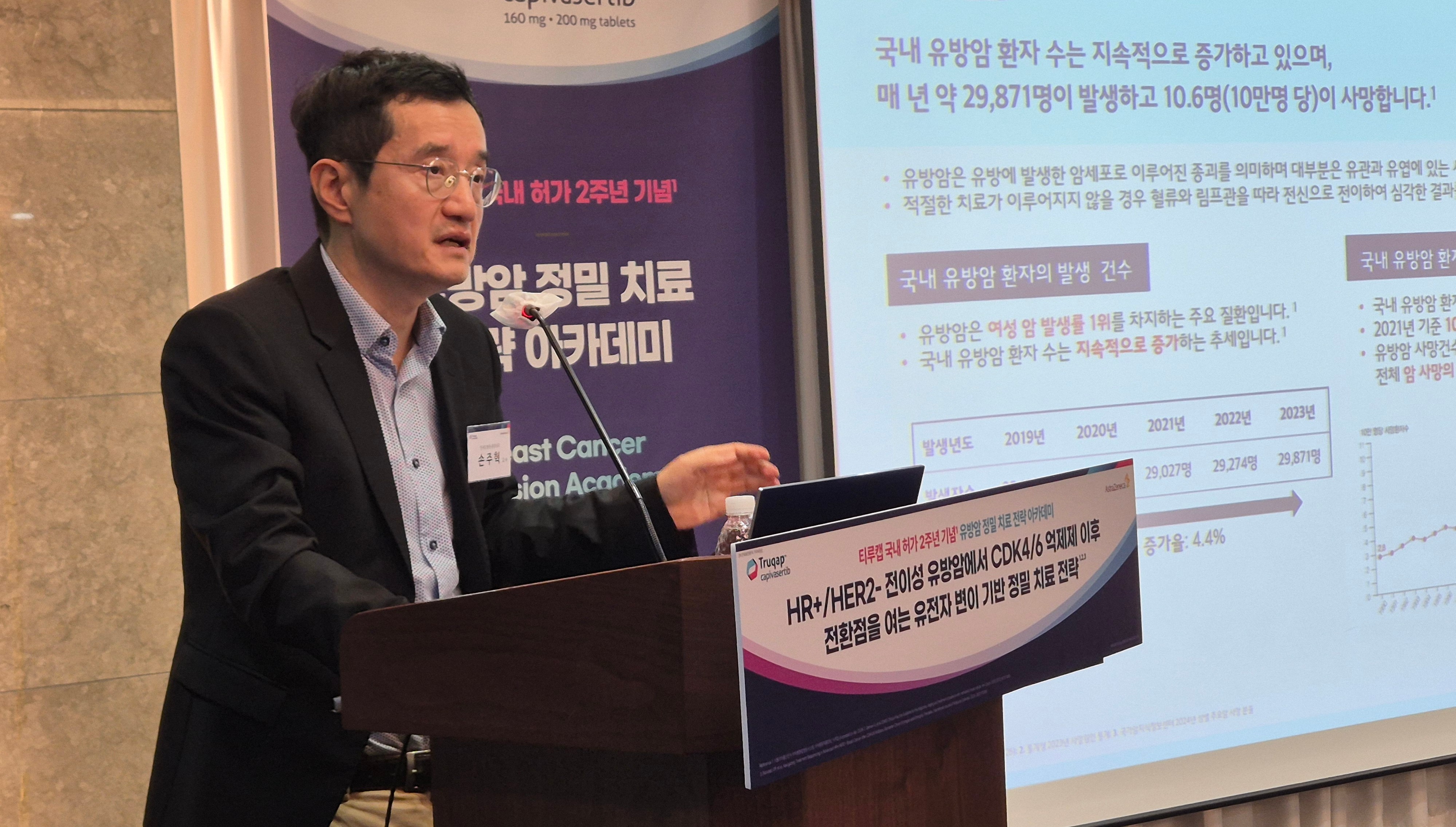
- As the treatment gap after CDK4/6 inhibitors persists in HR+/HER2- metastatic breast cancer, precision treatment strategies targeting genetic mutations are emerging as a new alternative.In particular, the AKT inhibitor Truqap (capivasertib) continues to gain global guideline recommendations and expanded reimbursement based on its clinical efficacy, leading to calls for its improved treatment access in Korea as well.On the 14th, AstraZeneca Korea held the “Breast Cancer Precision Treatment Strategy Academy” in Seoul to mark the second anniversary of Truqap’s approval, and shared current treatment strategies and unmet needs in HR+/HER2- metastatic breast cancer.Joohyuk Sohn, Professor of Medical Oncology at Yonsei Cancer CenterCurrently, CDK4/6 inhibitors in combination with endocrine therapy have become the standard of care for first-line treatment of HR+/HER2- metastatic breast cancer. However, a significant number of patients experience disease progression due to resistance. The problem is that in the subsequent second-line setting, the actual available options are limited depending on patient characteristics and genetic mutations.In particular, around half of these patients harbor mutations in PIK3CA, AKT1, or PTEN, which are regarded as major factors affecting disease progression and treatment response. As patients with these mutations have been reported to have a poorer prognosis compared to those without mutations, the need for targeted treatment strategies has been raised constantly.The domestic environment also acts as a variable. Given the relatively high proportion of premenopausal patients in Korea, endocrine-based treatment options that can be used without ovarian suppression are limited, and there is strong demand for treatment strategies that allow patients to continue therapy while preserving quality of life.In fact, after CDK4/6 inhibitor treatment, median progression-free survival (PFS) with endocrine monotherapy is only about two months, indicating limitations in treatment durability.In this setting, Truqap is drawing attention as a treatment option that can target specific gene mutations. According to the Phase III CAPItello-291 study, Truqap plus fulvestrant improved median PFS to 7.3 months, about 2.5 times longer than fulvestrant alone, and reduced the risk of disease progression or death by 50% in patients with PIK3CA/AKT1/PTEN mutations.This study is significant because it included a large number of patients with prior CDK4/6 inhibitor treatment experience, reflecting real-world clinical settings. Additionally, it demonstrated consistent treatment efficacy trends regardless of menopausal status and is therefore considered highly applicable to Korean patient populations as well.In terms of safety, the regimen was shown to be manageable. In an analysis including patients with hemoglobin A1c (HbA1c) below 8%, the rate of grade 3 or higher hyperglycemia was 2.3%. Its clinical value stands out in that it enables a treatment strategy that considers quality of life while maintaining endocrine therapy-based treatment.Currently, Truqap is recommended as a Category 1 option for second-line treatment in mutation-positive patients in the U.S. NCCN guidelines, and has also secured a high level of recommendation from the European Society for Medical Oncology (ESMO). It has already been reimbursed in eight countries, including the United States, the United Kingdom, Canada, and Australia.By contrast, reimbursement has still not been granted despite nearly two years having passed since approval, and limitations in patient access remain. Although it was designated as a candidate for the Global Innovative products on Fast Track (GIFT) program, in acknowledgement of its therapeutic need and innovation, its actual use in clinical practice remains constrained.Professor Joohyuk Sohn of the Department of Medical Oncology at Yonsei Cancer Center said, “There remains a gap in second-line treatment for HR+/HER2- metastatic breast cancer with gene mutations. We need to establish an institutional framework to ensure that treatments with proven clinical utility can actually be used in patient care.”
- Company
- "Cold chain requires quality infrastructure"…Temp Chain Company
- by Hwang, byoung woo Apr 16, 2026 02:26pm
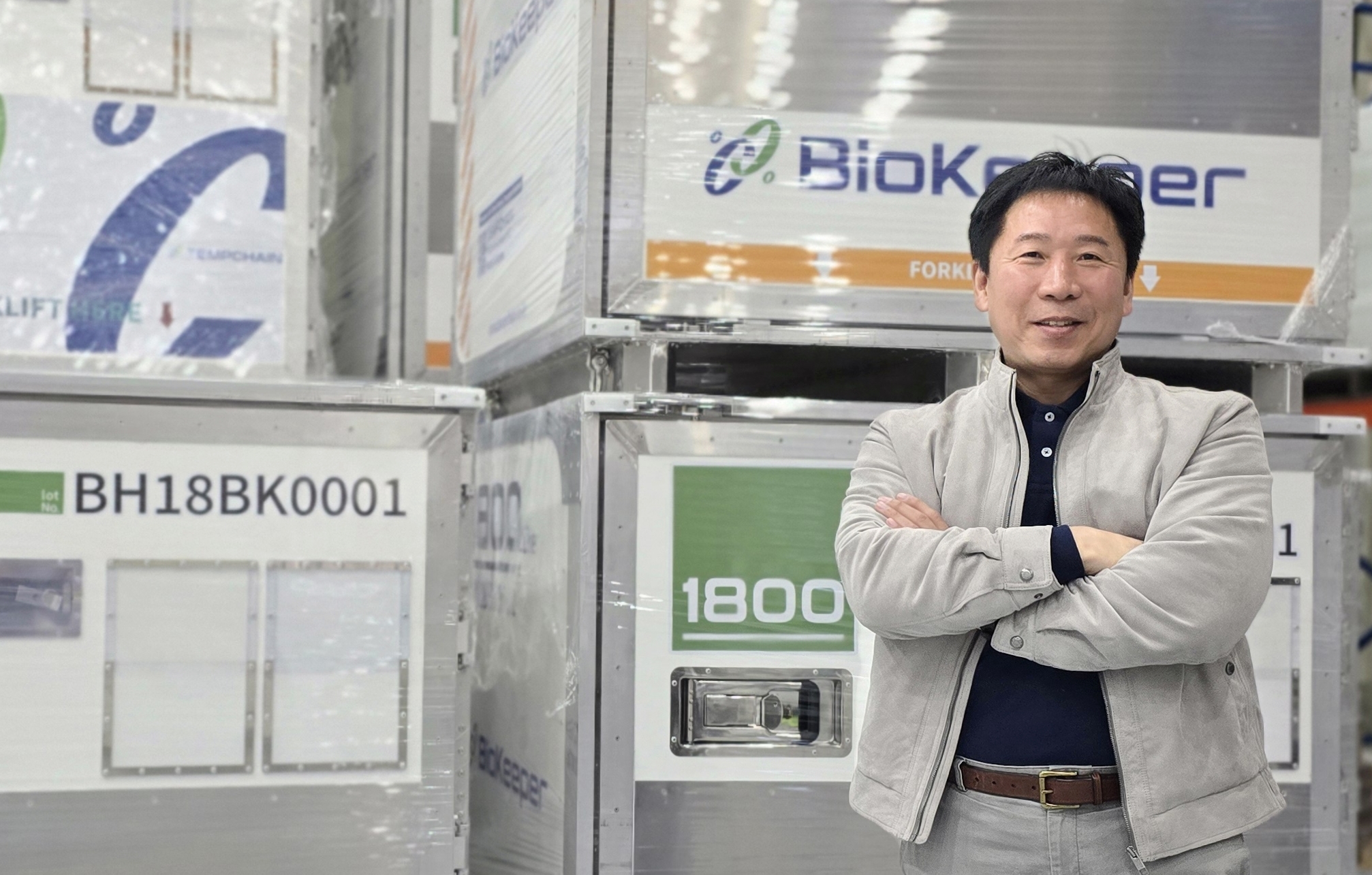
- As the biopharmaceutical market expands, the importance of quality control during the drug transportation phase is growing rapidly.Temp Chain Company, a company specializing in passive cold chain technology, is accelerating its push into the global market, specifically targeting the large-scale biopharmaceutical transport sector.By focusing on large-scale shipping containers that maintain temperatures for extended periods without external power, the company is expanding collaborations with global pharmaceutical giants and logistics firms. The company is also pursuing a strategy to extend its reach from air-centric transport to ocean freight, aiming to establish itself as a core bio-logistics infrastructure provider.DailyPharm met with Hyun Chul Kim, CEO of Temp Chain Company, to discuss their technical competitiveness, market strategy, and global expansion plans.A paradigm shift to cold chain…highlights the quality infrastructure, moving beyond logisticsTemp Chain Company develops passive cold chain solutions that minimize temperature deviations during long-distance transport of biopharmaceuticals. Currently, they are targeting the global market with large-scale shipping containers that maintain constant temperatures for long durations without an external power source.Hyun Chul Kim, CEO of Temp Chain CompanyKim stated, "Biopharmaceuticals are extremely sensitive to temperature changes. It is crucial to maintain the quality achieved during production through the logistics stage," and that "Cold chain is no longer viewed as mere logistics equipment; it is now recognized as essential infrastructure that determines the quality of the medicine."Kim explained that as the proportion of biopharmaceuticals in the market grows, the role of cold chain is evolving. While the focus used to be simply on refrigeration, the industry now demands long-distance transport stability and data-driven quality management.In particular, Kim emphasized that as global supply chains expand and extreme weather events become more frequent, the transport environment is becoming increasingly complex, underscoring the need for technology that can reliably maintain temperatures over long periods."Bio-logistics must ensure temperature stability across the entire transport process, not just in specific segments," he noted. "Structural design that can maintain temperatures reliably even during long-distance transport is our core competitiveness."Temp Chain Company is gaining attention for delivering tangible results beyond mere solutions. The company has already secured contracts with major domestic pharmaceutical companies. It is expanding collaborations with global pharma giants like Pfizer and Johnson & Johnson, as well as leading logistics providers such as DHL and Expeditors.These achievements serve as proof that the company has moved beyond the technical validation stage and into commercial application, securing both temperature stability and cost-efficiency in high-volume transport environments.From materials to finished products…Differentiation through integrated technologyTemp Chain Company's collaborative success is based on its integrated technological competitiveness. The performance of a passive cold chain is determined by insulation performance and thermal storage technology. Temp Chain Company has secured both performance and stability by developing and producing Vacuum Insulation Panels (VIP) and Phase Change Materials (PCM) in-house, starting from the material stage."The core of cold chain equipment lies in the insulation structure and thermal storage design, yet most companies source these materials externally," Kim stated. "Temp Chain Company has established a system to handle everything internally, from material development and product design to manufacturing and performance verification."This structure also serves as a strength in terms of R&D speed and price competitiveness. It allows the company to optimize designs based on customer needs and quickly implement improvements. Furthermore, the structural design for ensuring temperature stability in long-distance transport environments is cited as a major competitive edge.Temp Chain Company is building a unique position in the global market through designs specifically specialized for large-scale biopharmaceutical transport. Even when competing against established global leaders, the company is gaining achievements."We focused our development on achieving both large-scale capacity and lightweight design while securing performance and price competitiveness," Kim emphasized. "Solutions that provide efficiency in high-volume transport environments are gaining significant interest in the market."A transportation device, developed with Temp Chain Company's in-house technology, for passive cold chain solutionExpanding global collaboration…Moving beyond air to oceanTemp Chain Company is intensifying its market entry by expanding partnerships with global pharmaceutical companies and logistics firms. As biopharmaceutical production and supply become increasingly globalized, demand for long-distance transport is rising sharply, accompanied by a growing need to reduce logistics costs."Pharmaceutical companies are looking for transport methods that can maintain quality while improving logistics efficiency," Kim said. "Interest is growing in passive cold chains that offer large capacity, lightweight features, and low management costs."A key part of their strategy is expanding from air-centric structures to ocean freight. While ocean transport is highly cost-competitive, it is a field with significant technical barriers due to the difficulty of maintaining temperatures for extended periods.To address this, the company is advancing its technology by accumulating transport data through R&D."By expanding into ocean freight, we can lower long-distance transport costs while ensuring stability," Kim explained. "Our goal is to build a cold chain solution that can be utilized in multimodal transport environments."Kim added, "With the expansion of global supply chains, hybrid logistics systems that link various modes of transport will become important," and that "If transport environments involving air, sea, rail, and truck expand, passive cold chain technology, which reduces dependence on electricity, will be ideally suited for such changes."Aiming to grow into a "Bio-Logistics Infrastructure Company"Temp Chain Company aims to grow beyond a simple equipment supplier to become a biopharmaceutical logistics infrastructure company.This goal is based on the judgment that logistics technology is becoming a factor that determines industrial competitiveness alongside the expansion of the biopharmaceutical market."Cold chain is becoming a mandatory infrastructure that must be considered during drug development and commercialization," Kim said. "It will evolve toward ensuring long-distance transport stability and data-based quality management."As the ocean freight-based business grows, the company has identified 2029 as a major business pivot point. At that stage, they plan to consider an IPO or a strategic investment, depending on corporate value and market conditions.In the long term, Kim predicts the role of the cold chain will expand amid changes in the global health environment."Technology is needed to supply biopharmaceuticals even in regions lacking reliable refrigeration infrastructure," Kim stated. "Passive cold chain technology can contribute to solving these issues."In conclusion, Kim added, "Our goal is to create an environment where biopharmaceuticals can be supplied more reliably by establishing global transport solutions that link air and sea. We will continue to expand our presence in the global market based on our technological competitiveness."
- Company
- Inhaled therapy recommended, but oral drugs still dominate asthma mkt
- by Son, Hyung Min Apr 16, 2026 02:26pm
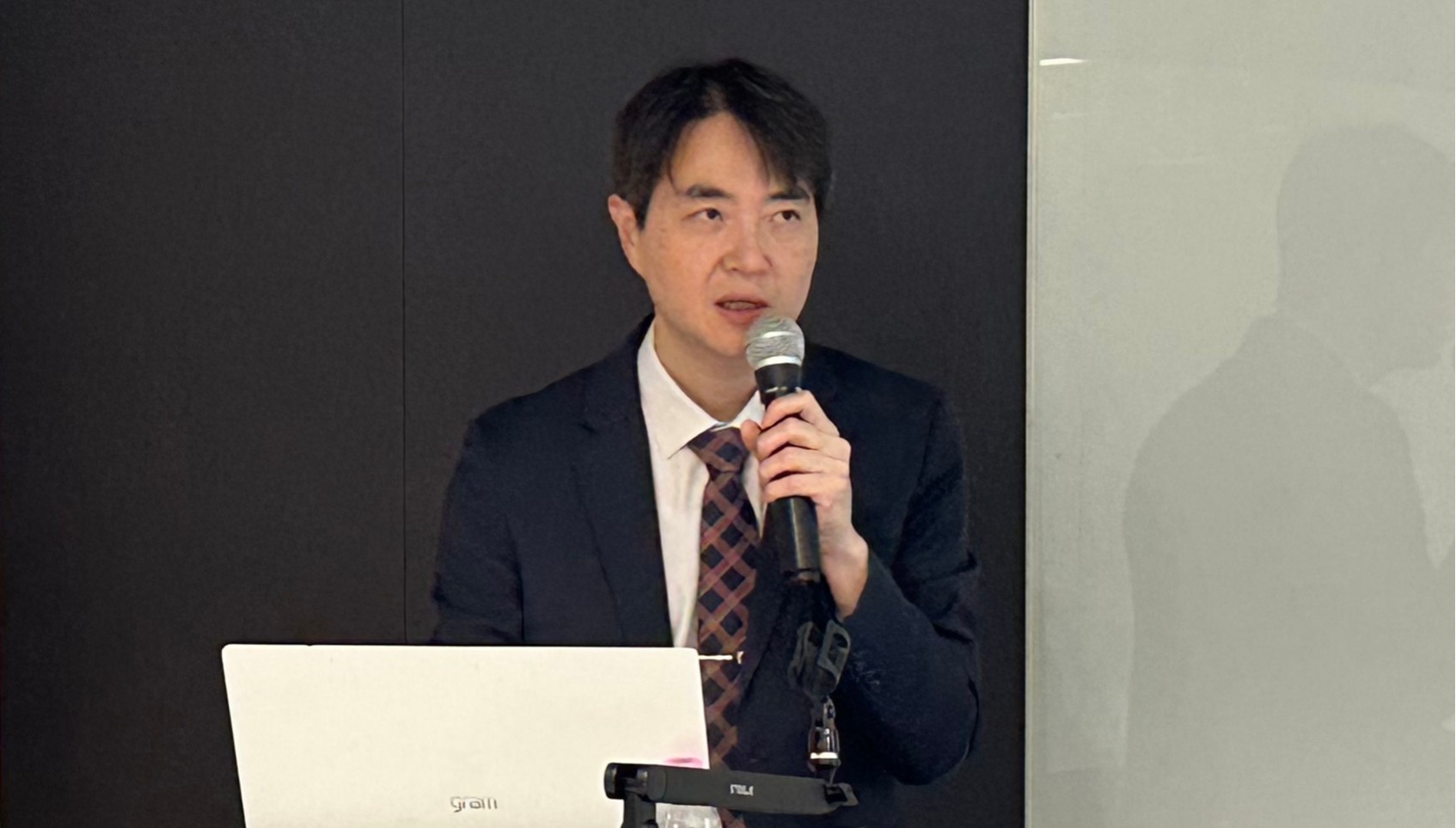
- A significant gap between guidelines and clinical practice has been revealed in the field of asthma. Despite inhalers being recommended as the first-line standard therapy for asthma treatment, prescribing continues to focus on oral medications.In particular, it has been pointed out that the failure to implement standard treatment in clinical practice has been exposed, with a lack of training on the use of inhalers and the absence of a corresponding reimbursement system identified as structural causes.On the 15th, AstraZeneca Korea held a media session at its headquarters in Samseong-dong under the theme “Latest Insights on Asthma and Chronic Obstructive Pulmonary Disease (COPD) Treatment,” and shared the current status and challenges of respiratory disease treatment in Korea.The company has a broad asthma and COPD treatment portfolio, including ‘Symbicort (budesonide/formoterol),’ ‘Fasenra (benralizumab),’ ‘Breztri (budesonide/glycopyrronium/formoterol),’ and ‘Tezspire (tezepelumab).’However, even though a range of inhaled treatment options are available, including inhaled corticosteroids (ICS), long-acting beta2-agonists (LABA), and long-acting muscarinic antagonists (LAMA), actual prescribing patterns are diverging from guideline recommendations.According to the Health Insurance Review and Assessment Service’s “2024 (11th) Asthma Care Quality Assessment,” the ICS prescribing rate, a key indicator in asthma treatment, was 51.9%, only 0.1 percentage point higher than the previous year’s 51.8%.Jin-Kook Lee, Professor of Respiratory Medicine at Seoul St. Mary’s HospitalThe problem is that this gap widens as one moves down to primary care settings. The ICS prescription rate at clinics was 38.1%, significantly lower than the overall average, while the rate of prescribing oral corticosteroids (OCS) without ICS was 26.5%, the highest among provider types.Although asthma treatment guidelines recommend inhaled medications as the first-line treatment for both disease-modifying and symptom-relieving agents, actual prescribing patterns do not adequately reflect this.Prescription patterns by route of administration also support this trend. As of 2024, among patients receiving a single mode of administration, oral drugs accounted for the largest share at 42.0%, while inhaled therapies accounted for only 12.4%. Patches accounted for a mere 0.5%.Among oral drugs, leukotriene receptor antagonists (LTRA) accounted for the highest share at 63.4%, while ICS remained the central component among inhaled therapies at 51.9%.A lack of education on proper use of inhalers is identified as a key factor behind this bias toward oral medications.Professor Jin-Kook Lee of the Department of Respiratory Medicine at Seoul St. Mary’s Hospital pointed out, “Although there are already enough treatments available for asthma and COPD, the reason they are not used effectively in practice is that inhaler-use education is not being delivered properly. With inhalers, proper technique determines treatment effectiveness, but there is not enough time or service fee incentives for institutions to provide education on this to patients.”“Inhaler education requires at least 30 minutes, but the current clinical environment cannot accommodate this. Unless fees or incentives for education are established, resolving this issue will not be easy.”Although treatment options in severe asthma are expanding around biologics, limitations in access still remain. In reality, more than 90% of patients still experience difficulty in daily life, and the burden of side effects from long-term oral steroid use remains high.The situation is not much different for COPD. While it is estimated that approximately 13% of the domestic population aged 40 and older has the condition, the actual diagnosis rate is only 2.8%, and the treatment rate is a mere 1.6%.To address these issues, the government introduced pulmonary function testing into the national health screening program starting this year. However, there are concerns that the effect may remain limited unless a management system is built to ensure that early diagnosis actually leads to treatment.Ultimately, structural improvements are needed across the entire “diagnosis-treatment-management” process for both asthma and COPD. In particular, establishing education and reimbursement systems to ensure the adoption of inhaler-based standard therapy in actual practice has emerged as a core task.Professor Lee emphasized, “Inhalers are the foundation and standard of treatment for asthma and COPD, but the current system makes it difficult to use them properly. Since oral medications cannot replace inhalers, we must establish both an educational system that extends to primary care facilities and a corresponding fee system that supports it.”
