
- LOGIN
- MemberShip
- 2026-06-12 16:51:28

- Policy
- Parliamentary inspection of the MFDS to highlight
- by Lee, Jeong-Hwan Oct 21, 2025 06:19am
- President Lee Jae Myung During the upcoming parliamentary inspection of the Ministry of Food and Drug Safety (MFDS), the National Assembly is expected to highlight the need to increase the number of reviewers and support the formation of dedicated teams to provide customized approval services, all aimed at shortening the review period for domestically developed new drugs. This move follows President Lee Jae Myung's directive to increase the number of drug reviewers by 300 to foster the K-Bio industry. On October 20, both ruling and opposition members of the National Assembly's Health and Welfare Committee are focusing on the issue of increasing and expanding the new drug approval review staff, which is deemed necessary for developing the domestic pharmaceutical and bio-industry, during the MFDS parliamentary inspection scheduled for October 21. President Lee Jae Myung ordered the expansion of the new drug review workforce, including biopharmaceuticals, during the 2nd Core Regulation Rationalization Strategy Meeting held at the Presidential Office in Yongsan, Seoul, on October 16. President Lee specifically emphasized the increase in MFDS review staff, stating, "The Ministry of the Interior and Safety may object, asking why we are increasing the number of public officials, but let's disregard that and proceed." This was a response to MFDS Minister Yu-Kyoung Oh's previous announcement to significantly expand the review workforce and strengthen existing review services, including prior consultation, face-to-face consultation, and supplementary meetings, to transform the MFDS into a regulatory service agency centered on demand, focusing on the pharmaceutical companies seeking new drug approvals. Minister Oh requested an increase of 300 MFDS reviewers to accelerate the review process (targeting 240 days), a request which President Lee accepted. Members from the Democratic Party of Korea and the People Power Party on the Health and Welfare Committee agree on the need to improve the review environment for rapid domestic new drug marketing authorization. They are expected to pursue related questioning during the parliamentary inspection. Rep. Nam In-soon (Democratic Party) plans to highlight the necessity of increasing the hiring of not only pharmacists but also physicians for dedicated review roles, following President Lee and Minister Oh's push for expanded review staff. The increase of 300 MFDS reviewers requires an annual labor cost of KRW 15 billion, and the plan is to cover this cost by increasing review service fees. Members on the Health and Welfare Committee are expected to specifically question MFDS on its plan to secure the necessary funding by raising the review fees for both synthetic drugs and biopharmaceuticals. A Health and Welfare Committee official said, "The MFDS review staff, at about 300 people, is much smaller compared to the U.S. FDA's approximately 9,000 staff and the European EMA's approximately 4,000 staff," and added, "Given the future blueprint of creating domestic global new drugs and fostering global pharmaceutical companies, we plan to question the need to foster new drug approval review team and the specific policy direction."
- InterView
- "GI Innovation challenges melanoma"
- by Hwang, byoung woo Oct 21, 2025 06:18am
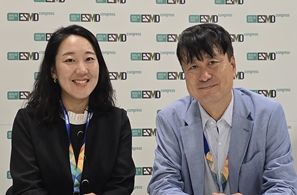
- GI Innovation is accelerating its entry into the global market. The company unveiled clinical data for its new immunotherapy drug candidate, 'GI-102,' at the ESMO Congress 2025 (European Society for Medical Oncology). GI-102 is drawing attention for its potential to overcome resistance, as it showed clinical improvement, including tumor shrinkage of more than half, even in melanoma patients who did not respond to PD-1 antibody monotherapy. Based on the latest results, the company has strategized to expand collaboration with global pharmaceutical companies for joint clinical trials and aims for first-line treatment for melanoma. DailyPharm met with Myoung Ho Jang, CEO of GI Innovation, and Nari Yun, Director, at the ESMO Congress 2025 to hear about the significance of the GI-102 poster presentation and the company's future strategy. (from left) Na Ri Yun, Executive Vice President (Clinical Dev & Strategy) and Myoung Ho Jang, CEO of GI Innovation "Demonstrated activity in patients refractory or resistant to immunotherapies…potential to overcome Keytruda resistance" The new drug candidate GI-102 is a fusion protein developed using the company's proprietary "Immune-cytokine" platform. It is structured to maintain the anti-cancer immune activation function of IL-2 (Interleukin-2) while reducing toxicity by combining it with the immunomodulatory protein CD80. It works by a differentiated mechanism that directly activates immune cells and suppresses regulatory T-cells (immunosuppressive cells), thus being assessed as an innovative candidate that can compensate for the limitations of existing PD-1 antibodies. According to the GI-102 poster presentation at ESMO Congress 2025, the drug showed significant anti-cancer activity in a combination trial targeting patients refractory or resistant to PD-1 antibodies. In the initial combination trial, 10 melanoma patients who were refractory to PD-1 antibodies, the combination of GI-102 and Keytruda (pembrolizumab) recorded an objective response rate (ORR) of 40% and a disease control rate (DCR) of 70%. Notably, a case was presented where a patient whose disease had progressed just two months after initial Keytruda treatment achieved a partial response (PR), with the tumor shrinking by approximately 59%, after the GI-102 combination therapy. In this case, the tumor reduction (cPR, -59%) and progression-free survival (PFS) of 3.9 months were observed when GI-102 was combined with the same drug backbone. Na Ri Yun, Executive Vice President of GI Innovation (Clinical Dev & Strategy), explained, "The fact that the tumor shrank by more than half in a patient who did not respond to PD-1 antibody monotherapy signifies the potential to overcome refractoriness," and added, "The key finding is that GI-102 dramatically increases the number of immune cells (lymphocytes) that determine the response rate of immunotherapies." The GI-102 combination group also showed an increasing trend in anti-cancer immune cells, such as CD8⁺ and CD4⁺ T-cells, as treatment progressed. Yun mentioned, "We confirmed a clear increase in anti-cancer immune cells, such as CD8⁺ and CD4⁺ T-cells, following the GI-102 combination," and added, "When the number of immune cells increases, there are more targets for the PD-1 antibody to bind to, which ultimately strengthens the anti-cancer effect." Notably, no dose-limiting toxicities (DLT) were observed in this combination trial. Most adverse events, such as fever and chills, were mild (Grade 1-2). Although elevated liver enzymes occurred transiently in some patients during the first treatment cycle, they recovered to the normal range. The company explained that "global pharmaceutical companies also assessed these to be manageable through meetings." Yun said, "The frequency of side effects was significantly low compared to conventional IL-2 class drugs, and patients tolerated the treatment well." She added, "We have obtained very positive data in terms of safety." Myoung Ho Jang, CEO of GI Innovation, said, "This data confirmed that GI-102 monotherapy shows activity comparable to global blockbuster immunotherapies," and assed that "The combination therapy was confirmed to induce a response even in patient populations that existing PD-1 antibodies could not reach." Jang added, "GI-102 is garnering high interest from global pharmaceutical companies because it is an IL-2-based immunocytokine that suppresses regulatory T-cells." Active discussions with global pharma..."A head-to-head challenge in first-line melanoma treatments" GI Innovation engaged in discussions with global pharmaceutical companies at the conference regarding collaborative clinical trials for first-line melanoma treatment. Currently, PD-1 antibodies like Keytruda and Opdivo (nivolumab) are approved as first-line monotherapies for melanoma. Jang said, "We are having positive discussions with global pharmaceutical companies here at ESMO 2025," and added, "We are reviewing a randomized clinical design to 'head-to-head' compare the efficacy of the GI-102 combination effect against PD-1 monotherapy." Yun added, "Melanoma is the only cancer type where PD-1 monotherapy is the standard of care. Proving the superiority of GI-102 here will increase its potential for expansion into other solid tumors." The fact that the company is considering a direct comparison clinical trial against a first-line monotherapy is evidence of its confidence in the results. Notably, GI Innovation stated that it is considering developing GI-102 not merely as a technology transfer (L/O) but as a co-clinical/co-commercialization model with global pharmaceutical companies. Jang stressed, "While we are in discussions for the technology transfer of GI-101A, we prefer a model where the company retains certain rights and co-develops GI-102 with a global pharmaceutical company," and stressed, "Our goal is to increase long-term value through a direct commercialization structure, creating direct revenue rather than just royalty income." Yun added, "We favor a partnership structure where the company proactively secures rights so as not to be swayed even if a global pharmaceutical company's internal priorities change." In conclusion, the analysis suggests that the discussions held at ESMO Congress 2025 confirmed GI-102's competitiveness in the global market. Finally, Jang said, "Although we are starting with melanoma, we expect a rapid expansion into other solid tumors through off-label use as clinical evidence accumulates," and added, "The conference provided us with confidence that GI-102 possesses genuine competitiveness in the global market."
- Company
- 'Rezurock' for cGVHD enters NHIS drug price negotiation
- by Eo, Yun-Ho Oct 20, 2025 06:08am
- Product photo of Rezurock 'Rezurock,' a treatment for the treatment of chronic graft-versus-host disease (cGVHD), has entered the last stage for insurance reimbursement listing. Sanofi Korea and the National Health Insurance Service (NHIS) are currently under negotiations for the drug pricing of the ROCK2 inhibitor 'Rezurock (belumosudil). Rezurock is a pharmaceutical that received Fast Track designation from the U.S. Food and Drug Administration (FDA). It was approved in Korea in August of last year and launched as a non-reimbursed drug in November. Rezurock is notable for selectively inhibiting ROCK2, a signaling pathway modulating chronic graft-versus-host disease (cGVHD)'s inflammatory response and fibrotic process. cGVHD is a complication that occurs in half of patients who received autologous stem cell transplantation. Patients with cGVHD may be few due to the disease's nature, but the disease occurs in half of the patients who receive the transfer. It is a severe and life-threatening disease that requires treatment. cGVHD is a major factor that accounts for 37.8% of the deaths of blood cancer patients, excluding recurrence. Notably, the treatment of chronic cGVHD is becoming more important as the cases of hematopoietic stem cell transplant are increasing every year in Korea (a total of 1,794 cases as of 2023). 42% of the transplant patients experience chronic cGVHD on average within 3 years, and 66% of the patients already experience acute cGVHD. However, there is a gap in the treatment strategy. Steroids, recommended as a first-line treatment in both Korean and overseas treatment guidelines, are difficult for long-term use. When used for an extended period, it may cause osteoporosis, joint damage, organ failure, hypertension, upset stomach, and growth suppression. Ninety-six percent of patients with chronic cGVHD use steroids as their first-line treatment. 70% of patients receive second-line treatment, and about 50% pursue third-line treatment. Currently, there are no effective third-line treatment options available when second-line treatments fail, forcing patients to rely on combinations of steroids and immunomodulator drugs. Furthermore, 97% of patients with cGVHD who receive steroid treatment experience one or more side effects, and the most frequent side effect is infection (79.5%). Infections in multiple organs significantly lower a patient's quality of life. A host immune response in the lung or liver is fatal. It is to be watched whether Rezurock will become a solid new treatment option with the reimbursement coverage. Meanwhile, Rezurock's clinical trial involved patients who failed to respond to two or more lines of systemic therapy. Patients treated with Rezurock recorded an overall response rate (ORR) of 75%, demonstrating superior effects compared to conventional treatment. Notably, in areas where improvement is difficult with conventional therapy, such as joints, liver, and lung, it also showed ORR of 71%, 39%, and 26%, respectively. Professor Hee-Je Kim in the Department of Hematology at Seoul St. Mary's Hospital (Hematology Hospital's Director) said, "42% of patients with cGVHD have symptoms across the whole body, leading to significant worsening of quality of life. Since the host response that occurs in lung and liver can critically affect patients with blood cancer, treatments that would effectively manage such response have been in need."

- Company
- Enhertu redefines the standard in early-stage breast cancer
- by Hwang, byoung woo Oct 20, 2025 06:08am
- The antibody-drug conjugate (ADC) Enhertu (trastuzumab deruxtecan, T-DXd) has taken center stage as a new cornerstone in the treatment strategy for early-stage breast cancer. Both the DESTINY-Breast05 and DESTINY-Breast11 trial results that were presented at the 2025 European Society for Medical Oncology (ESMO) Congress in Berlin showed significant results, positioning T-DXd as a potential new standard of care across both neoadjuvant (pre-surgical) and adjuvant (post-surgical) settings. Professor Dr. Charles E. Geyer of the University of Pittsburgh Medical Center (UPMC) Hillman Cancer Center T-DXd reduces risk of recurrence by 53% compared to Kadcyla as postoperative adjuvant therapy DESTINY-Breast05 is a Phase III head-to-head trial directly comparing Enhertu with the standard therapy Kadcyla (trastuzumab emtansine, T-DM1) in patients with HER2-positive early breast cancer who had residual invasive disease after neoadjuvant therapy (chemotherapy and targeted therapy before surgery). Professor Dr. Charles E. Geyer of the University of Pittsburgh Medical Center (UPMC) Hillman Cancer Center, who presented the data at ESMO, emphasized, “In high-risk patients with residual disease, T-DXd demonstrated a clear survival benefit over T-DM1.” At the interim analysis, 3-year invasive disease-free survival (IDFS) was 92.4% for T-DXd (95% CI 89.9–94.4) versus 83.7% for T-DM1 (80.2–86.7), reflecting a 53% reduction in risk of events (HR 0.47, p

- Company
- 'Keytruda+Padcev' proposed as a new standard trt for MIBC
- by Hwang, byoung woo Oct 20, 2025 06:07am
- Keytruda (pembrolizumab) and Padcev (enfortumab vedotin) have demonstrated synergistic effects in muscle-invasive bladder cancer (MIBC), opening up new possibilities. Analysis suggests that the combination of enfortumab vedotin and pembrolizumab may shift the perioperative standard of care for MIBC patients who are ineligible for or refuse cisplatin. The KEYNOTE-905/EV-303 results were presented at the ESMO Congress 2025. On October 18 (local time), the Phase 3 KEYNOTE-905/EV-303 results (LBA2) were presented at the ESMO Congress 2025 (European Society for Medical Oncology). The study evaluated the combination of Padcev and Keytruda before and after radical cystectomy + pelvic lymph node dissection (RC+PLND), the current standard of care, in MIBC patients who were ineligible for or refused cisplatin. Perioperative EV + pembrolizumab combination therapy improved the survival index significantly선 Professor Christof Vulsteke of AZ Maria Middelares Hospital in Belgium delivered the Phase 3 clinical trial results as an oral presentation during the Presidential Symposium I. Professor Christof Vulsteke of AZ Maria Middelares Hospital in Belgium The study randomized 344 patients ineligible for or refusing cisplatin, comparing the Padcev + Keytruda combination therapy group (170 patients) with the surgery-only control group (174 patients). Patients were tracked for a median follow-up of 25.6 months. The study results showed that the Padcev + Keytruda combination therapy demonstrated statistically significant improvements in event-free survival (EFS), overall survival (OS), and pathological complete response rate (pCR) compared to RC+PLND monotherapy. First, EFS was significantly improved in the combination group, with the median not yet reached, compared to 15.7 months in the control group (Hazard Ratio [HR] 0.40; 95% CI 0.28–0.57; P < 0.0001). Overall survival (OS) also showed a statistical advantage in the combination group, with the median not yet reached, compared to 41.7 months in the control group (HR 0.50; 95% CI 0.33–0.74; P = 0.0002). This performance garnered significant applause during the presentation of EFS and OS results. The pCR also showed a stark difference: 57.1% in the combination arm versus 8.6% in the control arm, a difference of nearly 48 percentage points (P < 0.000001). Event-free survival (EFS) was significantly improved in the combination group, with the median not yet reached, compared to 15.7 months in the control group (Hazard Ratio [HR] 0.40; 95% CI 0.28–0.57; P < 0.0001). Professor Vulsteke said, "This study is the first randomized Phase 3 result to clearly demonstrate a survival benefit from perioperative combination therapy in patients with resectable, cisplatin-ineligible MIBC," and explained that "the Padcev + Keytruda combination demonstrated the potential to replace the existing chemotherapy-centric treatment paradigm." The median age of the patients was 74, and the reasons for cisplatin ineligibility varied, including reduced kidney function, hearing impairment, and neuropathy. However, the benefit of the Padcev + Keytruda combination was consistently maintained across subgroup analyses by age and comorbidity. However, the incidence of Grade 3 or higher adverse events was higher in the combination group (71.3%) compared to the control group (45.9%), emphasizing the importance of patient selection and management during clinical application. "Clarity needed on stage-specific contribution of treatment before and after surgery" Jonathan Rosenberg, Professor at Memorial Sloan Kettering Cancer Center in the U.S.Jonathan Rosenberg, Professor at Memorial Sloan Kettering Cancer Center in the U.S., who participated as a guest speaker, said, "This study showed impressive results with an HR for both EFS and OS in the range of 0.4-0.5 in elderly and cisplatin-ineligible or refusing patients," and assessed that "the Padcev + Keytruda combination is ready to become a realistic new standard of care." Professor Rosenberg further stressed, "Clearly defining the contribution of treatment in the neoadjuvant and adjuvant stages, and optimizing therapy through circulating tumor DNA (ctDNA) analysis, will be important future tasks." Regarding the management of relapsed and metastatic patients, he suggested, "Platinum-based chemotherapy may still be considered the standard for patients who relapse early after Padcev + Keytruda," and proposed that "research into new treatment orders is needed in the post-EV combination era." Experts analyzed that, based on these results, the focus of bladder cancer treatment is shifting from traditional cisplatin chemotherapy to EV-based combination therapy, assessing this as a signal for a paradigm shift in the treatment of MIBC.

- Company
- Alecensa achieves 81-month median overall survival
- by Hwang, byoung woo Oct 20, 2025 06:07am
- Roche's ALK inhibitor Alecensa (alectinib) has demonstrated long-term survival benefits exceeding 7 years in patients with ALK-positive advanced non-small cell lung cancer (NSCLC). In the final overall survival (OS) analysis of the Phase III ALEX study, Alecensa showed a clear survival benefit over existing treatments, reaffirming its status as the standard first-line therapy. ALEX Study Final Results (LBA73) Presentation Median survival 81 months...“Changes the patient survival curve in the first-line treatment landscape” According to the updated ALEX results (LBA73) presented on October 17 (local time), the median OS with Alecensa was 81.1 months (95% CI 62.3–NE) compared to 54.2 months (95% CI 34.6–75.6) with crizotinib, representing an improvement of approximately 27 months. Professor Tony S.K. Mok of the Chinese University of Hong Kong, who presented the findings, stated, “Alecensa reduced the risk of death by about 22% (HR 0.78, 95% CI 0.56–1.08). Although OS was a secondary endpoint, the improvement is clinically meaningful and clearly directional.” Professor Tony S.K. Mok, The Chinese University of Hong KongImportantly, the final analysis confirmed sustained survival benefits even among patients with brain metastases. Professor Mok stated, “Among patients with brain metastases who received radiotherapy, median OS reached 92 months with alectinib versus 39 months with crizotinib, which is more than double.” Additionally, in patients with brain metastases who had not undergone radiation therapy, alectinib showed a survival period of 47 months, demonstrating a clear advantage over crizotinib (approximately 24 months). Furthermore, in the patient group without brain metastases, the median survival period reached 94 months with alectinib treatment, drawing a long-term survival curve exceeding 7 years. Professor Mok emphasized, “Alectinib's efficacy was maintained regardless of brain metastasis status or prior radiotherapy. The strong CNS penetration of alectinib likely contributed to this durable control and fundamentally changed the survival trajectory for these patients.” Response duration 4 times longer… Long-term treatment tolerability also ‘good’ The duration of response (DoR) in the alectinib group was 42.3 months (95% CI 31.3–51.3), approximately 4 times longer than the 11.1 months (95% CI 7.9–13.0) observed in the crizotinib group. Prof. Mok said, “This once again demonstrates alectinib's strength in providing a long and stable treatment response. Safety analysis also showed it maintained a stable safety profile during long-term administration.” The 7-year OS rate was 48.6% with Alecensa and 38.2% with crizotinib. Compared to the historical chemotherapy era (median survival ~8 months), this represents a tenfold improvement. “The fact that half of the patients with advanced lung cancer survived for more than 5 years demonstrates a complete paradigm shift in first-line treatment.” Professor Christine M. Lovly, Vanderbilt University, USAHowever, Professor Christine M. Lovly of Vanderbilt University in the US, who led the invited discussion that followed the presentation, also mentioned some limitations of the study. Professor Lovly pointed out, “25% of the crizotinib group subsequently used alectinib, and this crossover made it difficult to achieve statistical significance (p=0.132).” Nevertheless, Professor Lovly stated, “The trend toward survival extension is clear, and the consistent benefit observed in patients with brain metastases is undeniable. The ALEX study is a landmark study that ushered in the era of ALK inhibitors. Now, we must evolve toward precision therapy that reflects molecular characteristics such as TP53 mutations and baseline ctDNA status.” Concluding the presentation, Professor Mok said, “The ALEX study sets a new benchmark—showing that 7-year survival is now an attainable goal for ALK-positive lung cancer patients. Alecensa will continue to extend survival safely and stably as the first-line standard of care.”
- Company
- Ipsen's Bylvay is officially launched in Korea
- by Son, Hyung Min Oct 20, 2025 06:06am
- From the left: Professor Ji-hyu Seo (Gyeongsang National University Hospital), Professor Seok-hee (Asan Medical Center), and Professor Hong Ioh (Severance Hospital) Ipsen Korea is introducing a treatment for progressive familial intrahepatic cholestasis (PFIC), an extremely rare hereditary liver disease, to the domestic market. This launch opens new hope for pediatric patients who previously had no treatment option beyond liver transplantation. Bylvay has been selected as the first product under Korea’s “Simultaneous Review & Negotiation Pilot Program,” which streamlines approval and reimbursement procedures. The drug has been covered by national health insurance since October 2025, representing a symbolic step forward in improving access to rare-disease therapies. On October 18, Ipsen Korea held a press conference at Sofitel Seoul Lotte World to commemorate the product’s domestic launch. Bylvay is the first oral treatment option for PFIC. Approved in the US and Europe in 2021, it has since gained approval in major countries. In Korea, it received approval in 2023 and became reimbursed starting this October. Professor Hong Koh of the Department of Pediatrics at Severance Hospital stated, "Although Bylvay was selected as the first drug for the parallel pilot program, the process was far from smooth. Discussions involving experts should begin at the initial approval stage. That's the only way to shorten the review period.” I am pleased that Bylvay’s approval and insurance coverage have improved patients' access to treatment. I hope the pilot program is institutionalized quickly so it applies not only to PFIC patients but also to other drugs. Many drugs are left unapproved. I hope these many treatments can reach children as soon as possible.“ ” Liver transplant isn't always the answer...use of Bylvay will increase" PFIC is a rare hereditary liver disease that impairs bile flow in the liver, causing progressive liver damage and liver failure. PFIC is a very rare disease, with only about 30 patients known to exist in Korea. Caused by genetic mutations, PFIC presents with key symptoms including jaundice, severe itching, and poor weight gain. It is typically recognized during infancy or childhood. Treatment may involve supportive care, medication, or surgery, but most patients ultimately require a liver transplant. Bylvay works by inhibiting the intestinal bile acid transporter (IBAT). Through selective inhibition of IBAT, it prevents the reabsorption of bile acids from the intestines into the liver and increases their excretion through the intestines. This lowers the concentration of bile acids in the body and helps improve symptoms such as itching caused by cholestasis. Professor Seak-hee Oh of the Department of Pediatrics at Seoul Asan Medical Center said, “When bile acid levels exceed 400-500, patients cannot sleep even for an hour. In clinical practice, we observed these levels drop by half when using Bylvay.” “Liver transplantation isn't always the answer. Deaths also occur even after transplantation. Ultimately, the best approach for PFIC patients is to avoid liver transplantation altogether. I believe Bylvay’s arrival could shift the treatment paradigm.” Bylvay reaffirmed its efficacy this year through long-term follow-up data from the existing pivotal studies PEDFIC 1 and 2. In the clinical setting, 15 patients showed a response at week 24, 14 of whom experienced improvement in pruritus, 5 experienced decreased serum bile acids, and 4 patients achieved both response criteria. A significant proportion of FIC1-deficient patients with PFIC Type 1 showed improvement in pruritus when taking Bylvay, and most patients exhibited this response regardless of serum bile acid levels. Furthermore, the reduction in serum bile acids and improvement in pruritus persisted from baseline through Week 96. Ji-hyun Seo of the Department of Pediatrics at Gyeongsang National University Hospital stated, “Persuading stakeholders and reaching consensus to introduce this high-priced overseas drug was no easy task. The introduction of Bylvay represents a meaningful achievement where the efforts of the government, patients, and the pharmaceutical company bore fruit. The value of Bylvay is immense simply because it allows children to avoid liver transplantation.”
- Company
- Rosuzet and K-CAB maintain dual lead…Paxlovid sales surge
- by Chon, Seung-Hyun Oct 17, 2025 06:18am
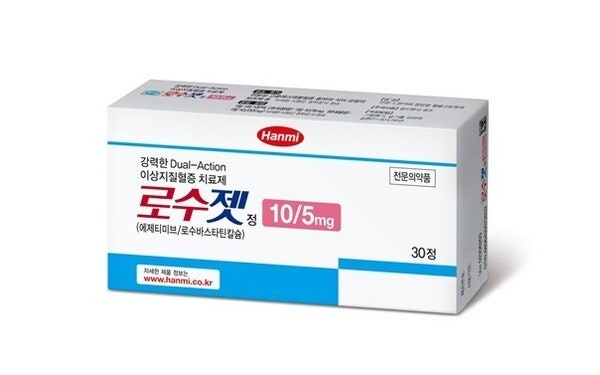
- Homegrown drugs continue to dominate the top ranks of the outpatient prescription market. Quarterly outpatient prescriptions of the new combination therapy Rosuzet and the new drug K-CAB both surpassed KRW 50 billion, firmly maintaining a two-top system. Meanwhile, Livalozet continued its steep growth trajectory, and Paxlovid saw a sharp rise in prescriptions following its reimbursement listing. According to the pharmaceutical research institution UBIST, Hanmi Pharmaceutical's hyperlipidemia combination drug Rosuzet recorded the highest outpatient prescription sales of KRW 58.9 billion in the third quarter. Rosuzet’s prescriptions grew 11.0% compared to the third quarter of last year and increased 5.3% from the previous quarter. Since becoming the first domestically developed drug to top Korea’s outpatient prescription market in Q1 2023, Rosuzet has held the No. 1 position for seven consecutive quarters. From 2021 to 2023, it ranked No. 2 overall and topped the annual outpatient prescription sales for the first time last year. Launched in late 2015, Rosuzet is a fixed-dose combination of rosuvastatin and ezetimibe. Statin-ezetimibe combinations are seeing soaring demand in prescribing practices due to their excellent efficacy in lowering low-density lipoprotein cholesterol and their relatively low cost burden. Since 2020, Rosuzet has consistently generated over KRW 100 billion in annual prescriptions, reaching KRW 210.3 billion in 2023, and became the first domestically developed drug ever to exceed KRW 200 billion in annual prescriptions. Cumulative sales for the first three quarters of 2025 reached KRW 169.2 billion, up 10.2% year-on-year, making another over KRW 200 billion a year record highly likely. HK Inno.N’s new drug K-CAB ranked second with KRW 56.1 billion in Q3 prescriptions, up 11.4% year-on-year. Its cumulative total for the first three quarters reached KRW 160.8 billion, a 13.1% increase versus the same period last year. Approved in 2018 as Korea's 30th domestically developed new drug, K-CAB is a ‘Potassium-Competitive Acid Blocker (P-CAB)’ for treating gastroesophageal reflux disease (GERD). Its mechanism of action involves competitively binding to the proton pump and potassium ions at the final stage of acid secretion in gastric wall cells, thereby inhibiting gastric acid secretion. K-CAB has sequentially secured 5 more indications, including erosive and non-erosive GERD, gastric ulcers, H. pylori eradication in combination with antibiotics for peptic or chronic atrophic gastritis, and maintenance therapy after GERD treatment. With its rapid onset of action and dosing flexibility of use regardless of meals, K-CAB continues to post robust growth. It first exceeded KRW 100 billion in 2021, its third year on the market, and has now achieved over KRW 100 billion annually for four consecutive years. Having already surpassed KRW 100 billion in the first half of this year, K-CAB is poised to break the KRW 200 billion mark for 2025. JW Pharmaceutical’s dyslipidemia combination drug Livalozet posted KRW 31.0 billion in Q3, up 29.0% year-on-year, ranking ninth overall. Livalozet contains pitavastatin and ezetimibe. Launched in October 2021, Livalozet has maintained steep growth since its release. Its prescription surged in 2022 with sales of KRW 31.8 billion, soaring to KRW 93.3 billion in both 2023 and last year. With cumulative third-quarter prescriptions reaching KRW 85.3 billion, a 27.7% year-on-year increase, Livalozet is poised to surpass KRW 100 billion this year. Pfizer’s COVID-19 treatment Paxlovid ranked fifth overall with KRW 47.7 billion in outpatient prescriptions for Q3 alone. Paxlovid is an oral antiviral that inhibits replication of the COVID-19 virus and is primarily prescribed to high-risk patients at risk of severe disease progression. Initially supplied free of charge by the government, the drug transitioned to general hospital prescriptions after public procurement ended in mid-2024. Since October last year, Paxlovid has fully entered the prescription market following its inclusion in the National Health Insurance reimbursement list. The maximum insurance price ceiling was set at KRW 941,940, with the patient's copayment set at 5%. Paxlovid made its full debut in the prescription market in the fourth quarter of last year, generating KRW 4.1 billion in prescription sales. In the second quarter of this year, it recorded KRW 11.4 billion in prescription sales, surpassing KRW 10 billion, and in the third quarter, it jumped more than fourfold compared to the previous quarter. Paxlovid's cumulative prescription sales for the third quarter reached KRW 67.3 billion. This rapid surge is attributed to the sharp increase in COVID-19 patients combined with Paxlovid's high price point. Paxlovid surpassed KRW 10 billion in monthly prescription sales for the first time in August, with KRW 17.4 billion, and last month it topped the overall market with KRW 24.9 billion, shaking up the entire prescription landscape. AstraZeneca's anticancer drug Tagrisso saw its third-quarter outpatient prescription amount reach KRW 52.2 billion, a 43.0% increase year-on-year. Its cumulative prescription performance for the third quarter was KRW 142.4 billion, a 47.2% increase. Tagrisso is an epidermal growth factor receptor (EGFR) tyrosine kinase inhibitor (TKI). EGFR-TKIs are targeted anticancer drugs prescribed to patients with metastatic non-small cell lung cancer (NSCLC) harboring EGFR mutations. Since last year, Tagrisso, along with Yuhan Corporation's Leclaza, has had its reimbursement expanded to include ‘first-line treatment for locally advanced or metastatic non-small cell lung cancer with specific genetic mutations’. While anticancer drugs are predominantly prescribed to hospitalized patients, Tagrisso's oral formulation has significantly boosted its outpatient prescription volume. Tagrisso's prescription sales surged from KRW 21 billion in Q4 2023 to KRW 32.3 billion in Q1 last year, maintaining its upward trajectory to exceed KRW 50 billion in Q3 this year.
- Opinion
- [Reporter's View] Transparent info, the key to vaccine trust
- by Son, Hyung Min Oct 17, 2025 06:11am
- Starting on the 15th of this month, simultaneous administration of COVID-19 and influenza perioperative vaccines has begun for older adults aged 65 and older and high-risk groups. The Korea Disease Control and Prevention Agency (KDCA) has informed that the rate of adverse events from simultaneous vaccination does not exceed that seen with each vaccine administered individually. Since this measure targets highly vulnerable groups, including the elderly and those with chronic diseases, minimizing vaccination anxiety and ensuring safety are crucial. Nevertheless, some recent research findings and statistics are being misinterpreted, leading to instances in which vaccines are interpreted as directly or indirectly linked to the occurrence of specific diseases. Trust in vaccines remains a challenge overseas as well. In the United States, controversy has arisen due to recent actions by the public health authorities of the Donald Trump administration, who attempted to link the COVID-19 vaccine to the deaths of 25 children. Some sources argue that the U.S. government is systematically spreading false information about vaccines. Although anxiety is spreading due to some shared reports that the incidence of specific diseases has increased after vaccination, medical data must always be analyzed by considering key variables. Even if a numerical difference appears, it does not necessarily imply causation. Various factors, including sample composition, observation period, lifestyle, and underlying conditions, can influence the results. The COVID-19 vaccine, developed using new technology and available for less than 6 years, also contributes to concerns about its long-term safety. In this situation, the government and medical professionals have a responsibility to inform the public using objective information thoroughly and to uphold the credibility of the National Immunization Program (NIP). Concerns about simultaneous vaccination must also be addressed transparently, based on scientific evidence. Concealing or minimizing adverse event reports may temporarily quell anxiety, but it ultimately damages overall public health confidence. Medical professionals and researchers must accumulate objective data through rigorous research processes and explain the results to the public as they are. Transparent communication, founded on ethics and responsibility, is the starting point for building sustainable public health trust. The NIP can only function properly when the public receiving the vaccine, the researchers conducting the studies, and the government guiding the policy all understand this process and fulfill their roles. It is crucial to remember that the very inclusion and implementation of the COVID-19 vaccine in the NIP already guarantees objectivity and trustworthiness. The vaccination program's design, review process, clinical trial data analysis, and adverse event monitoring are the outcomes of scientific verification. Even if there are concerns, the overall confidence cannot be shaken by a single piece of data or political claim. The anxiety and fatigue remaining after the pandemic still cause people to react sensitively to biased information. It must be recognized that an approach centered on scientific evidence and transparent communication is the only way to maintain vaccine confidence and protect the sustainable safety net of public healthcare.
- Company
- DLBCL drug Monjuvi may be prescribed at Big 5 Hospitals
- by Eo, Yun-Ho Oct 17, 2025 06:11am
- Handok's newly introduced drug ‘Monjuvi’ may now be prescribed at tertiary hospitals in Korea. According to industry sources, Monjuvi (tafasitamab), a treatment for diffuse large B-cell lymphoma (DLBCL) introduced by Handok from Incyte, has passed the Drug Committee (DC) reviews at the Big 5 medical institutions in Korea - Samsung Medical Center, Seoul National University Hospital, Seoul St. Mary's Hospital, Asan Medical Center, and Severance Hospital. Approved in Korea in June 2023, Monjuvi is indicated for adult patients with relapsed or refractory DLBCL who are not eligible for autologous stem cell transplantation and have failed at least one prior therapy, first in combination with Revlimid (lenalidomide), and then on its own as monotherapy. Monjuvi is a humanized IgG monoclonal antibody that targets CD19, a cell surface antigen protein expressed on B lymphocytes. However, Monjuvi is currently a non-reimbursed drug. It was submitted to the Health Insurance Review and Assessment Service's Cancer Disease Review Committee last April, but failed to establish reimbursement criteria. Therefore, it remains to be seen whether Monjuvi will succeed in securing reimbursement and be prescribed in practice.. The efficacy of Monjuvi was demonstrated in the L-MIND study, which reported an objective response rate (ORR) of 58%, including a 40% complete response rate and an 18% partial response rate. The treatment also demonstrated a favorable safety profile, enabling patients to receive therapy in an outpatient setting without requiring hospitalization. Meanwhile, diffuse large B-cell lymphoma (DLBCL) is one of the most common subtypes of lymphoma. It is a rapidly progressive cancer with a poor prognosis, known to recur in 20-25% of patients following standard combination chemotherapy.
