
- LOGIN
- MemberShip
- 2026-06-12 16:51:29
- Company
- "Childhood obesity is the starting point for adult diseases"
- by Son, Hyung Min Oct 27, 2025 06:09am
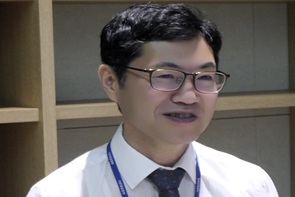
- Professor Kyoung-gon Kim of the Department of Family Medicine at Gachon University Gil Medical Center "Obesity is no longer just a matter of appearance. Especially in growing children and adolescents, obesity is the starting point for adult diseases like diabetes and hypertension, and a factor that determines lifelong health. It must be approached as a disease, not just simple weight management." Professor Kyoung-gon Kim of Department of Family Medicine at Gachon University Gil Medical Center, during a recent meeting with DailyPharm, emphasized that obesity is clearly a disease that requires proactive, early intervention. If neglected, it leads to risks of future cardiovascular disease, diabetes, and liver disease. The importance of treating obesity in children and adolescents, not just adults, is gaining attention. The Korean Society for the Study of Obesity (KSSO) recently released its 'Obesity Fact Sheet 2025,' which reported that while the obesity rate in children and adolescents has slightly decreased in the last five years, nearly three out of 10 are still classified as obese. According to the fact sheet, an analysis of the prevalence of overweight and obesity from 2014 to 2023 showed an increasing trend until 2020, which reversed to a decrease after 2021. The prevalence of obesity in boys increases from age 8, peaking at 28.3% at age 14. For girls, the rate increases after age 16, reaching 26.7%. The higher the parents' Body Mass Index (BMI), the higher the probability of obesity in their children; children whose parents are in obesity class 2 or higher are more than five times more likely to be obese. The problem lies with the comorbidities of obesity. There is an increasing incidence of Type 2 diabetes and adult chronic diseases among overweight and obese children and adolescents. Professor Kim stated, "Ten years ago, Type 2 diabetes in children and adolescents was rare, but recently, we see it frequently in the hospital. Most cases are caused by obesity. Since obesity starts earlier and lasts longer in childhood, it shortens healthy life expectancy and increases the risk of complications." The long-term impact of obesity is closely related to the 'timing of exposure.' If chronic diseases or other comorbidities occur during the growth period due to being overweight, there are concerns about a lifelong financial burden of medical care, reduced quality of life, and the onset of complications. Professor Kim said, "Adult obesity often occurs after other diseases are already present, but when obesity begins at a young age, the impact lasts a lifetime." He stressed, "Child and adolescent obesity is not just an aesthetic issue but a problem that leads to future risks of cardiovascular disease, diabetes, and liver disease." Professor Kim further stated, "Just as uncontrolled hypertension leads to cerebral hemorrhage, heart disease, or kidney damage, obesity itself is a disease that causes organ damage," and added, "It must be understood as a physiological abnormality, not just an appearance problem." "Obesity is not a lack of willpower…requires therapeutic approach" Professor Kim particularly emphasized that lifestyle modification alone has limitations in treating obesity. He argued that if weight loss is difficult for adults with obesity in terms of willpower, it is much harder for adolescents, who are still growing, to suppress their own appetite. Professor Kim stated, "Appetite is not a matter of willpower; it is a biological response involving the action of various neurological and hormonal substances secreted by the pituitary gland and adipose tissue," and added, "For this reason, weight loss is difficult with the 'eat less' approach." Recently, the treatment paradigm has been changing with the emergence of additional new obesity drugs, such as the Glucagon-like Peptide-1 (GLP-1) class of drugs. Consequently, the concept of treatment is gradually taking root among overweight and obese adult patients. Professor Kim assessed, "In the past, obesity treatments were centered on appetite suppression, but with the emergence of GLP-1 class drugs, we can now regulate the physiological mechanism itself. The perception of treatment among patients has also changed significantly due to recently launched treatments, and cases of actively considering drug therapy are increasing." However, the use of these drugs in the child and adolescent population is limited. Currently, only orlistat drugs, 'Saxenda (liraglutide)' and 'Wegovy (semaglutide)' are approved for use in patients aged 12 and older in Korea. On the other hand, obesity drugs approved relatively recently for adult patients, such as 'Qsymia (phentermine·topiramate)' and 'Mounjaro (tirzepatide),' are still not available for use in obese children and adolescents in Korea. Professor Kim assessed, "Government regulations are too strict. There are no approved drugs for children under 12, and the options for those over 12 are limited." He argued, "If efficacy and safety are proven through studies in Korean patients, the government must actively consider approving additional medications." In the case of some new obesity drugs like Qsymia, they are already being used for adolescent patients in the U.S. While concerns about misuse and abuse may arise, the expert view is that it is premature to make a rash judgment, given the current lack of treatment options. Professor Kim said, "Qsymia is already approved as an adolescent obesity treatment in the U.S." He said, "Considering the circumstance in Korea, the potential for adolescent misuse and abuse is low. Overly stringent regulations due to concerns about misuse are undesirable." Beyond the case of children and adolescents, the societal perception that obesity is a disease remains low. While prevention is most important in child and adolescent obesity, experts believe that proactive treatment is necessary once the disease stage has been reached. Professor Kim stated, "Drug therapy is maximized only when based on a healthy lifestyle." However, he added, "Adolescents with severe obesity or those with complications such as hypertension, elevated liver enzymes, or Type 2 diabetes need to consider drug treatment actively." Professor Kim emphasized, "For adolescents, for whom lifestyle modification is more challenging than for adults, drug therapy should be combined with education to maintain healthy eating habits and physical activity in the long term."
- Policy
- NHIS actively reviews unifying drug price-reduction system
- by Jung, Heung-Jun Oct 27, 2025 06:09am
- The National Health Insurance Service (NHIS) expressed its intent to actively review improvements to unify the timing of various post-market drug price-reduction systems, which are currently applied inconsistently. However, regarding introducing the International Nonproprietary Name (INN) name prescribing, it offered a general response stating that a cautious approach is necessary, requiring social consensus and policy judgment. On the 24th, the NHIS responded so to an inquiry from Rep. Jia Han of the People Power Party regarding the rationalization of the post-market drug price management system. The criticism is that various drug price reduction systems—such as actual transaction price reductions, price-volume agreement negotiations, and reimbursement reevaluation—are applied at different times, causing confusion and unpredictability in the field. The NHIS stated, “The post-listing control system is crucial for sustainable NHIS finances and drug cost management. However, we are aware of concerns that differing application timings between systems hinder predictability in the field.” It added, “In accordance with the Second Comprehensive National Health Insurance Plan, the government is conducting policy research to explore rational improvements to the post-listing control system. The NHIS will actively review and support reasonable improvement measures.” Rep. In-soon Nam of the Democratic Party of Korea inquired about the NHIS's stance on introducing INN prescribing. The NHIS appeared to take a cautious step back, stating it is a matter requiring prudence. The NHIS stated, “While prioritizing patient safety, we need to review limited and gradual adoption centered on essential medicines prone to supply instability, based on feedback from experts, academic societies, and stakeholders. Rep. Nam also inquired about the reasons for opposition from the medical community, such as infringement on doctors' prescribing rights and distrust regarding bioequivalence testing. In response, the NHIS stated, “Given the differing opinions, sufficient discussion among stakeholders and expert review are required. The matter must be approached with social consensus and careful policy judgment.”
- Policy
- "Long-waited patent expiration"…17 Xeljanz generics
- by Jung, Heung-Jun Oct 24, 2025 06:16am
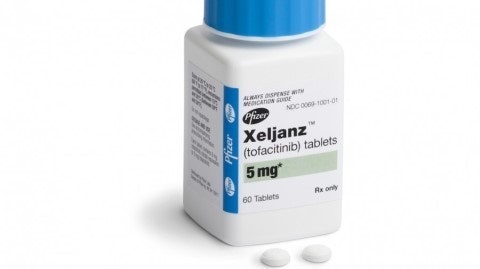
- Product photo of Xeljanz Pfizer Korea's rheumatoid arthritis treatment 'Xeljanz (tofacitinib)' is set to be included on the National Health Insurance reimbursement list next month, joining the market competition. According to the industry on October 23, 12 pharmaceutical companies and 17 items will receive reimbursement coverage as of November 23, the next day after Xeljanz's substance patent expiration. The products to be listed include Daewoong's Xeltofa Tab (5mg, 10mg), Il-Yang Pharms' Ellanz Tab 5mg, Tofacell Tab. Chong Kun Dang's Tofacell Tab (5mg, 10mg), Sam Il's Tofajakt Tab 5mg, SK Chemicals' Tocinib Tab 5mg, Hanlim Pharm's Zekpaz Tab 5mg, HLB Pharma's HLB Tofacitinib Tab (5mg, 10mg), Samjin Pharm's Tofanus Tab (5mg, 10mg), Unimed Pharm's Ziae K Tab 5mg, Alvogen Korea's Gencinib Tab (5mg, 10mg), Whan In Pharm's Tofasiz Tab 5mg, and Genu Pharma's Zakmoon Tab 5mg. Overall, the list includes five high-dosage (10mg) and twelve 5mg items. Chong Kun Dang's Tofacell Tab and HLB Pharma's HLB Tofacitinib 10mg are priced at KRW 10,859, positioning them at the highest ceiling price. Of these 5mg items, SK Chemicals' Tocinib Tab and Hanlim Pharm's Zekpaz received a high ceiling price estimation of KRW 7,697. Low-dosage items were approved for ▲rheumatoid arthritis ▲psoriatic arthritis ▲ankylosing spondylitis ▲ulcerative colitis, whereas high-dosage items were approved for ulcerative colitis only. A total of 68 items have received approvals. As several generic drugs are set launch and be included in the reimbursement list, the market for Xeljanz is expected to become more intense. According to UBIST, Xeljanz's sales last year amounted to KRW 14.4 billion, up 8.3% from the previous year's KRW 13.3 billion.
- Company
- ‘Reimb targeted therapies for Stage IV gastric cancer'
- by Son, Hyung Min Oct 24, 2025 06:15am
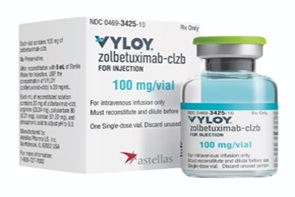
- A targeted therapy option for gastric cancer that demonstrated exceptional survival extension benefits in Asian patients is on the verge of being listed for insurance reimbursement in Korea. If reimbursed, the medical community expects the improved access to the new drug will contribute to improving the persistently low survival rates among metastatic gastric cancer patients. 아스텔라스 According to industry sources on the 24th, the Health Insurance Review and Assessment Service (HIRA) plans to convene its 8th Cancer Disease Deliberation Committee meeting later this month. Among the treatments likely to be reviewed, Astellas' gastric cancer drug ‘Vyloy (zolbetuximab)’ is a prominent candidate. Vyloy is the first new drug introduced in the gastric cancer field in 14 years since HER2-targeted therapies, and it was the world's first drug approved for patients with Claudin 18.2-positive metastatic gastric cancer. It was approved in Korea last September. The treatment is an IgG1 monoclonal antibody that binds selectively to Claudin 18.2, a protein expressed in the stomach. It works by binding to the Claudin-18.2 protein expressed on gastric epithelial tumor cells. Claudins are a type of protein that regulates the exchange of cellular molecules and maintains cell junctions. They are expressed at limited levels in healthy tissues but are overexpressed in certain solid tumors. Among these, Claudin-18.2 is known to be expressed in gastrointestinal cancers such as gastric and pancreatic cancer. This protein is expressed in approximately 38% of all gastric cancer patients, which far exceeds the HER2-positive population (10-15%). Unlike lung or breast cancer, where various targeted and immunotherapy drugs have emerged to improve survival rates, gastric cancer has long been a barren field for targeted therapy. This is because biomarkers capable of targeting metastatic gastric cancer cells were limited. This stands in stark contrast to lung cancer, where the relative survival rate at the metastatic stage more than doubled from 4.9% in 2011 to 12.9% in 2022. Until now, approximately 90% of metastatic gastric cancer patients diagnosed as HER2-negative have had virtually no available targeted therapy options. The introduction of Vyloy has provided new treatment opportunities for about 40% of patients, leading the clinical field to regard it as a paradigm shift in gastric cancer treatment. Vyloy showed exceptional survival benefit in Asian patient populations, including Koreans. According to the SPOTLIGHT clinical, which was conducted in Claudin18.2-positive, HER2-negative metastatic gastric cancer patients, the median progression-free survival (PFS) in the Vyloy group was 12.55 months for Asian patients, longer than the 9.69 months for non-Asian patients. Overall survival (OS) also exceeded that of non-Asian patients at 21.49 months versus 16.99 months. Dae-young Zang, president of the Korean Gastric Cancer Association (Department of Hemato-Oncology, Hallym University Sacred Heart Hospital), emphasized, “The Korean subgroup analysis of the pivotal study showed that median overall survival was 30 months — nearly double that of the placebo group. Vyloy represents a significant therapeutic advancement that can substantially improve survival outcomes for Korean patients with metastatic gastric cancer.” KGCA recommends Vyloy at the ‘strongest level’...reimbursement needed Reflecting this data, the Korean Gastric Cancer Association issued a ‘strong recommendation’ in January this year via its official journal JGC (Journal of Gastric Cancer) for Vyloy as a first-line therapy for HER2-negative, Claudin18.2-positive metastatic gastric cancer patients. However, Vyloy's clinical value is not being fully realized on site. This is because it is not yet reimbursed by national health insurance, leaving many patients unable to afford the high treatment costs. Metastatic gastric cancer is a disease with a pronounced survival gap based on income level. According to Statistics Korea data, the mortality risk for the lowest income group among gastric cancer patients in Korea is 1.72 times higher than that of the highest income group. This structure effectively means that the burden of treatment costs determines survival. In contrast, Japan approved the drug and granted its reimbursement simultaneously last March, with over 3,000 patients already receiving Vyloy treatment. Considering that Japan's gastric cancer incidence rate per 100,000 people is similar to Korea's (Japan: 27.6, Korea: 27), Korea's delayed coverage is leading to a clear gap in treatment accessibility. South Korea is a globally recognized leader in gastric cancer treatment. The 5-year relative survival rate for all gastric cancer patients reaches 77.5%, and for localized gastric cancer confined to the stomach, it is 97.4%, approaching a cure. As of 2022, approximately 62% of gastric cancer patients in South Korea are diagnosed at an early, localized stage, supporting this achievement. However, even within this early-diagnosis-focused structure, blind spots persist. The medical community is increasingly focusing on the low survival rates of metastatic (stage IV) gastric cancer patients. Accounting for about 10% of all gastric cancer patients, these individuals face difficulty in receiving treatment because the cancer has already spread at the time of diagnosis. The actual 5-year relative survival rate for metastatic gastric cancer patients in Korea is 7.5%, meaning only 7 out of 100 patients survive beyond 5 years. This is the lowest among the five major cancers, showing a significant gap compared to lung cancer (12.9%), colorectal cancer (20.6%), breast cancer (49%), and thyroid cancer (63.7%). The average survival period is also only about one and a half years. Zang said, “As a global leader in gastric cancer care, Korea should act swiftly to provide reimbursement for Vyloy to offer an opportunity for survival to patients and drive innovation in gastric cancer treatment worldwide.”

- Policy
- NA presses for reimb of Vyloy, Imjudo, Yescarta
- by Jung, Heung-Jun Oct 24, 2025 06:14am
- The National Assembly directly mentioned drugs for severe diseases like Vyloy, Imjudo, Yescarta, and pressed the Ministry of Health and Welfare to promptly grant the drug’s reimbursement expansions. The Ministry responded, “We will expedite the process,” which is expected to act as a tailwind for HIRA's reimbursement decision discussions. In written inquiries on the 22nd, lawmakers In-soon Nam, Myung-ok Seo, and Bo-yoon Choi each called for broader and faster access to high-cost treatments for severe diseases. Rep. In-soon Nam of the Democratic Party of Korea stated, “The government promised in its last presidential election pledge to reduce patient burdens through strengthened early diagnosis and treatment for severe disease patients, along with rapid coverage listing,” and inquired about plans for priority coverage of CAR-T therapy used as second-line treatment in blood cancers. The MOHW responded, “Yescarta applied for reimbursement as a second-line treatment last August, and the Health Insurance Review and Assessment Service (HIRA) is currently processing the decision on reimbursement eligibility. We will expedite the process for determining reimbursement eligibility for blood cancer treatments.” Rep Myeong-ok Seo of the People Power Party asked the Ministry about its commitment to pursuing reimbursement for targeted therapies for advanced or metastatic gastric cancer. The MOHW stated, “Vyloy applied for reimbursement this July as a first-line treatment for CLDN18.2-positive, HER2-negative advanced or metastatic gastric cancer. HIRA is currently processing the decision on reimbursement eligibility,” and expressed its intent to expedite the process. Rep. Bo-yoon Choi of the People Power Party inquired whether there are plans to expand the reimbursement evaluation method for the liver cancer treatment Imjudo. The criticism was that the current system, centered on periodic cost comparisons by treatment cycle, does not sufficiently reflect the unique characteristics of single-dose, one-shot treatments. In response, the MOHW stated, “The company applied for reimbursement in March, and HIRA is currently processing the decision on its reimbursement eligibility. In September, HIRA’s Drug Reimbursement Evaluation Committee raised the need to review the drug cost comparison criteria, and we are currently reviewing the details.”
- Company
- Metalyse is approved for acute ischemic stroke in KOR
- by Son, Hyung Min Oct 24, 2025 06:14am
- Boehringer Ingelheim Korea (General Manager: Anna-Maria Boie) announced on the 23rd that the Ministry of Food and Drug Safety approved Metalyse (tenecteplase) as a treatment for acute ischemic stroke in adults on October 2. The approval marks the first new option introduced for acute ischemic stroke in roughly two decades, following Actilyse (alteplase), which had then expanded its indication to acute ischemic stroke in 2002. Metallase is a recombinant protein drug that contains the active ingredient tenecteplase. Tenecteplase replaces three sites in the protein structure of ‘alteplase’, the active ingredient in the existing standard treatment option for acute ischemic stroke, Actilyse. A meta-analysis of data from 11 clinical trials involving 7,545 patients worldwide showed that Metalyse demonstrated a significantly higher rate of functional recovery (mRS 0–1) at 3 months compared with Actilyse, with a comparable safety profile. Based on this evidence, the Korean Stroke Society published a scientific statement in the Journal of Clinical Neurology in July recommending Metalyse as an alternative therapeutic option to Actilyse for acute ischemic stroke. Furthermore, multiple global clinical trials have confirmed that Metalyse offers several advantages over Actilyse in terms of half-life, fibrin selectivity, and PAI-1 resistance. Metalyse’s half-life is approximately 22 minutes, which is longer-lasting than Actilyse (approximately 3.5 minutes). Its fibrin selectivity, which shows how precisely the drug acts on fibrin—the main component of thrombi—is approximately 15 times higher than existing treatments. Its resistance to PAI-1, a protein that inhibits thrombolysis in the body, is approximately 80 times higher. Ina Hwang, Executive Head of the Specialty Care Franchise at Boehringer Ingelheim Korea, stated, “With the globally validated Metalyse now available for full use in the domestic acute ischemic stroke treatment setting, we will continue to collaborate with Korean healthcare providers to ensure more patients can receive Metalyse’s rapid and effective treatment benefit.” Metalyse has been approved for acute ischemic stroke in numerous countries worldwide, including the UK, Europe, Australia, and New Zealand. In Asia, its commercial launch was recently completed in China. The European Stroke Organisation (ESO) and Canadian Stroke Best Practice Guidelines strongly recommend Metalyse as an alternative therapy to alteplase, while the Australian and New Zealand guidelines also specify Metalyse as a first-line therapy.
- Company
- "Lirafugratinib demonstrated to selectively inhibit FGFR2"
- by Hwang, byoung woo Oct 24, 2025 06:13am
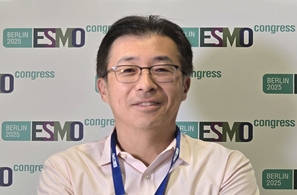
- Clinical data for HLB’s FGFR2-targeted anti-cancer drug, 'lirafugratinib,' were presented at the ESMO Congress 2025 (European Society for Medical Oncology). Professor Richard Kim of the Moffitt Cancer Center in the U.S., who participated as a clinician in the study, discussed lirafugratinib’s differentiation, clinical significance, and potential for future approval with DailyPharm at the conference. Professor Kim explained, "Biliary tract cancer (BTC) remains a rare cancer with limited treatment options. The small patient population and high development difficulty have slowed the introduction of new drugs," and added, "In the U.S., about 12,000-14,000 new cases are diagnosed annually, and FGFR2 fusions are confirmed in 10-15% of these patients." He further stated, "The first-line standard of care is chemotherapy combined with immunotherapy. For second-line and later lines, FOLFOX is primarily used, but response rates are low. Identifying the FGFR2 mutation is a key step that opens new treatment opportunities." Selective FGFR2 inhibition…reduces toxicity, overcomes resistance Professor Richard Kim of the Moffitt Cancer Center in the U.S.In the poster presentation at ESMO Congress 2025, Professor Kim shared data on the response rate and tolerability of lirafugratinib in patients with BTC and non-BTC solid tumors harboring FGFR2 alterations. This presentation expanded on the interim results previously disclosed at ENA 2024 ('ReFocus' study), strengthening the follow-up clinical evidence focused on the FGFR2 mutation. Professor Kim said, "Existing approved drugs, such as pemigatinib (Pemazyre) and futibatinib (Lytgobi), are Pan-FGFR agents that inhibit FGFR1-4, often leading to FGFR1-related toxicity." He emphasized, "Lirafugratinib significantly enhances safety by selectively inhibiting only FGFR2." According to HLB, lirafugratinib is designed as an irreversible FGFR2-selective inhibitor. Through a motion-based drug design strategy based on molecular dynamics (MD) simulations, it minimizes binding to FGFR1, 3, and 4, thereby lowering toxicity while enhancing FGFR2 selectivity. In the clinical trial, treatment-related adverse events (TRAEs) reported were mostly low-grade, reversible, and manageable with dose adjustments, with a treatment discontinuation rate of less than 2%. Off-isoform toxicities, such as hyperphosphatemia and diarrhea, were rarely observed. Professor Kim assessed that "Lirafugratinib has more potent FGFR2 inhibition compared to existing drugs and showed activity even in areas where existing drugs have shown resistance, such as gatekeeper mutations and kinase domain mutations," and added, "Anti-cancer activity was observed not only in FGFR2 fusions but also in amplification and mutations." " Response observed in resistant patients…a 2nd-generation inhibitor" At ESMO Congress 2025, Professor Kim defined lirafugratinib as a 2nd-generation FGFR inhibitor that addresses the limitations of 1st-generation FGFR inhibitors. He noted, "If pemigatinib and futibatinib are 1st-generation, lirafugratinib is a 2nd-generation FGFR2 inhibitor capable of overcoming resistance and managing multiple mutations." He added, "Anti-cancer response was observed not only in patients without prior FGFR inhibitor experience but also in patients who developed resistance to existing drugs." According to the ReFocus clinical results presented at the ESMO Congress 2025 and the ENA 2024, the objective response rate (ORR) was 37% in patients with non-CCA (non-biliary tract cancer) solid tumors harboring FGFR2 fusions. The median duration of response (DoR) was 7.3 months, and the 6-month response maintenance rate was 61%. Notably, response rates of 75% were reported in NSCLC patients, 46% in pancreatic cancer, and 67% in ovarian cancer, showing meaningful therapeutic effects across various solid tumors with FGFR2 alterations. Expanded uner the tumor-agnostic strategy…"Targeting the FGFR2 mutation" Another core aspect of lirafugratinib development is its 'tumor-agnostic' strategy. The FGFR2 mutation is commonly found in over 10 types of solid tumors, including BTC, pancreatic, lung, breast, ovarian, and gastric cancers. Professor Kim stated, "Lirafugratinib targets the FGFR2 mutation itself, not a specific cancer type." He added, "This approach provides a basis for future expansion into various solid tumors as a combination or monotherapy." The ReFocus study also showed that the non-BTC patient population accounted for over half of the total patients, and a similar anti-cancer response pattern was observed across various solid tumors with FGFR2 mutations. This strategy differs from existing FGFR inhibitors, which primarily target a single cancer type. Currently, HLB reportedly plans to submit a New Drug Application (NDA) for lirafugratinib's BTC indication to the U.S. FDA as early as this year, or by early next year. Professor Richard Kim expressed an optimistic outlook regarding the likelihood of future approval. Professor Kim emphasized, "Based on the data so far, we believe approval is possible. Once the clinical results are finalized, it will be a sufficiently strong candidate for FDA approval." He also said, "Lirafugratinib is a well-balanced drug in terms of both efficacy and safety," and added, "As more clinical evidence accumulates, its introduction as a first-line treatment that could potentially replace chemotherapy is considerable." Meanwhile, HLB and its subsidiary, Elevar Therapeutics, are preparing to present the primary efficacy data for lirafugratinib at ASCO GI 2026.
- Company
- BTN1A1 effective in PD-L1–negative, resistant tumors
- by Hwang, byoung woo Oct 23, 2025 06:12am
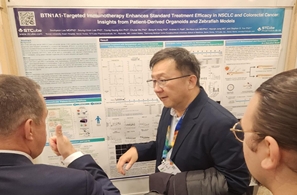
- STCube is venturing into one of immuno-oncology’s uncharted territories. The company has been exploring therapeutic responses of its first-in-class BTN1A1-targeting drug candidate, Nelmastobart, in patients with PD-L1–negative or PD-1-resistant tumors, marking the first step toward realizing precision immunotherapy. At the European Society for Medical Oncology (ESMO) 2025 Congress, STCube presented two studies: an investigator-initiated trial and a preclinical study. The investigator-initiated trial demonstrated a correlation between BTN1A1 expression levels and progression-free survival, while the preclinical study showed the complementary effect of BTN1A1 inhibition when combined with chemotherapy. Dailypharm met with Seung-han Yoo, Chief Scientific Officer (CSO) of STCube, and Soo-hyeon Lee, Professor of Medical Oncology at Korea University Anam Hospital, in Berlin to discuss the significance of the research and future plans. Poster Presentation by Professor Soo-hyeon Lee (Korea University Anam Hospital) “Efficacy observed in PD-L1–negative patients, new potential found for precision immunotherapy” According to the company, BTN1A1 is a target first identified globally by STCube and is an immune checkpoint protein that acts independently of PD-L1. BTN1A1 shows minimal expression in normal tissues but high expression in tumor cells, making it both a therapeutic target and a potential predictive biomarker. CSO Yoo explained, “BTN1A1 is highly expressed in tumors where PD-L1 is rarely expressed, particularly colorectal cancer and non-small cell lung cancers. It has the potential to open a new response pathway in patient groups unresponsive to existing immune checkpoint inhibitors.” The ESMO presentation featured interim analysis results from an ongoing Phase 1b/2 investigator-initiated clinical trial for metastatic colorectal cancer at Korea University Anam Hospital, focusing on differences in progression-free survival by degree of BTN1A1 expression. The preclinical poster confirmed that BTN1A1 expression actually increases after chemotherapy. CSO Yoo stated, “Unlike how PD-L1 is primarily expressed in rapidly growing tumor cells, BTN1A1 is highly expressed in slow-growing cells that remain after treatment—specifically, dormant tumor cells. This allows for a complementary effect when combined with chemotherapy.” He added, “In the study, tumor suppression was significantly enhanced when BTN1A1 inhibitors were co-administered with standard anticancer drugs like FOLFOX (folinic acid + fluorouracil + oxaliplatin) and FOLFIRI (folinic acid + fluorouracil + irinotecan) for colorectal cancer, FOLFIRI for lung cancer, and docetaxel for lung cancer. The findings suggest we could consider adopting a combination strategy for patients resistant to PD-1 inhibitors.” “Extends revival in BTN1A1-High patients... will acclerate biomarker clinical trials” A correlation between BTN1A1 expression levels and clinical response was also observed in the ongoing colorectal cancer investigator-initiated clinical trial (Phase 1b/2) at Korea University Anam Hospital. STCube CSO Seung-han Yoo CSO Yoo, analyzed, “The higher the BTN1A1 expression, the more pronounced the response. The median progression-free survival (mPFS) was 6.3 months in the patient group with a BTN1A1 H-Score of 250 or higher, 4.2 months in the 150-249 group, and 4.0 months in the group below 150.” These results represent an improvement over the average 2-3 months seen with existing standard third-line therapies. Based on this, the company is actively advancing its biomarker-based clinical strategy targeting BTN1A1-positive patients and is preparing to initiate dosing in its company-led Phase II trial for non-small cell lung cancer by the end of this year. On this day, Professor Lee summarized the clinical significance of the BTN1A1 inhibitor into four points, in addition to the explanation provided by CSO Yoo. “It presents new possibilities for cancer types unresponsive to existing PD-1-centric therapies and can serve as a combination partner for PD-1-resistant or refractory patients. Alongside the significance of biomarker-based clinical design, its minimal toxicity when combined positions it to evolve into a safe immuno-oncology platform.” Professor Lee further evaluated, “While PD-1 combination therapy can sometimes cause unexpected immune-related adverse reactions, BTN1A1 inhibitors do not add toxicity when combined with existing drugs. In fact, their high safety profile makes them suitable as new combination partners.” Lee added that no immune-related adverse reactions were reported in actual patient administration, but noted that confirming long-term and large-scale safety remains a subsequent task. “Will build data and explore global collaboration… to realize precision immunotherapy” The company plans to use these results as clinical evidence for its BTN1A1-based precision immunotherapy platform and accelerate the expansion of its subsequent pipeline. Specifically, it intends to secure additional clinical data for colorectal and lung cancer by early next year and then formally initiate technology transfer discussions with global pharmaceutical companies. In the long term, the strategy is to build a precision immunotherapy portfolio centered on BTN1A1 inhibitors to address unmet needs in the post-PD-1 market. CSO Yoo added, “BTN1A1 could be the missing link explaining immune responses not accounted for by PD-L1. We will work step-by-step to demonstrate the potential of precision immuno-oncology through clinical data.”
- Policy
- "Will establish preferential pricing for drug R&D"
- by Lee, Jeong-Hwan Oct 23, 2025 06:12am
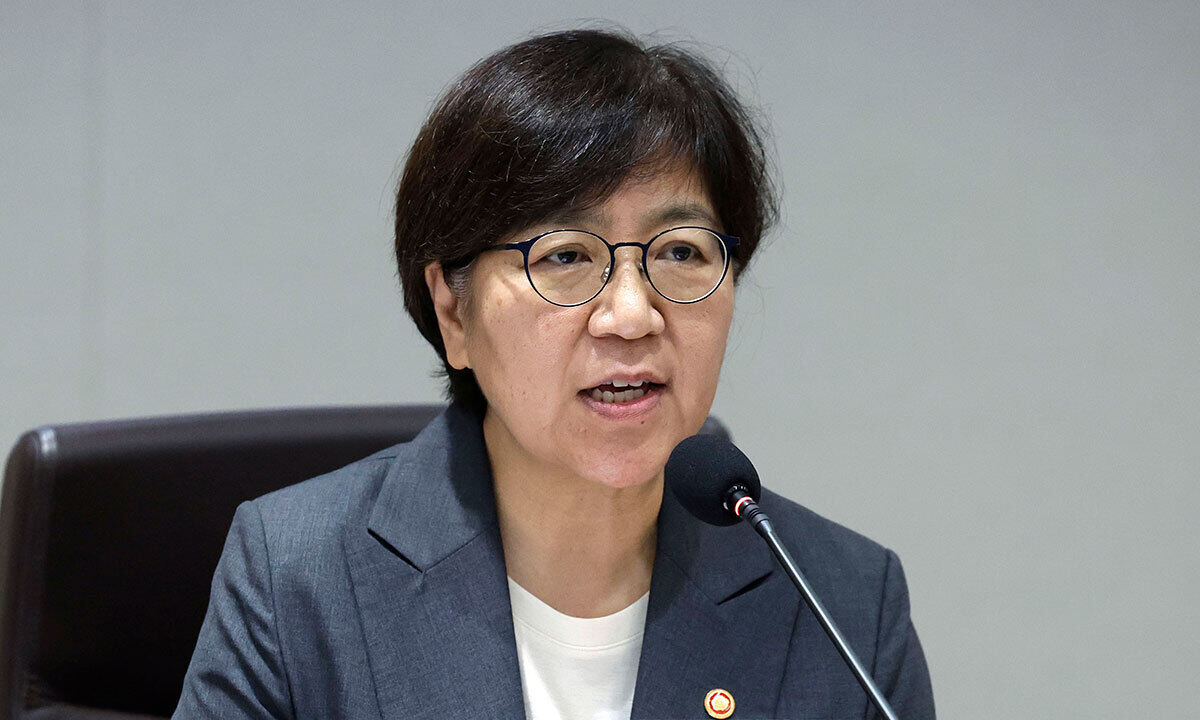
- Minister of Health and Welfare Jeong Eun Kyeong Minister of Health and Welfare Jeong Eun Kyeong is drawing attention after stating, "It is necessary to reform the pharmaceutical company compensation system through a drug pricing system linked to R&D investment. The Ministry will prepare measures to improve the drug pricing system." Minister Jeong also promised, "The Ministry will prepare multi-faceted support measures, including finance, tax, and human resources, for domestic pharmaceutical companies, including those designated as Innovative Pharmaceutical Companies." Regarding plans to reduce drug prices through the Re-evaluation of Foreign Drug Prices and the Reimbursement Appropriateness Re-evaluation, Minister Jeong acknowledged the following: the high level of domestic generic drug prices compared to major overseas countries, and the need for appropriate drug price management within limited National Health Insurance finances to ensure optimal drug coverage. She responded, "The Ministry will review drug price management after consulting with citizen groups, patient organizations, the pharmaceutical industry, and academic societies to ensure fair management and acceptance." Minister Jeong made these statements on October 22 in response to written inquiries during the parliamentary inspection from Democratic Party Representatives Nam In-soon and Lee Kai Ho, and People Power Party Representative Suh Myeong-ok. Rep. Nam and Rep. Suh pointed out the necessity of drug price incentives to encourage domestic pharmaceutical companies' New Drug R&D investment. The Ministry of Health and Welfare stated that the pharmaceutical and bio-industry is a national strategic industry and that national-level investment expansion is needed for it to become the next growth engine. In particular, the Ministry agreed on the need to reform the drug pricing system and compensation structure to strengthen the reward for the innovative value of new drugs and incentivize R&D investment, aiming to foster pharmaceutical companies with global new drug development capabilities. Minister Jeong stated, "We will prepare drug pricing system improvement measures after gathering opinions from industry experts and academic societies." She added, "We will comprehensively review the sound growth of the pharmaceutical and bio-industry and the sustainability of National Health Insurance finances by closely examining the status of domestic and foreign drug pricing systems, policy improvement areas, and global trade situations, while considering social acceptance." Regarding plans to foster domestic pharmaceutical and biotech companies, Minister Jeong explained, "The government has established three core tasks to achieve the vision of making Korea a global top 5 nation in the K-BIO and Pharmaceutical sector," and added, "We will shift to consumer-oriented regulations, accelerate innovative growth by linking technology, human resources, and capital, and support the co-growth of anchor and biotech companies to strengthen global competitiveness." Minister Jeong further stated, "We plan to establish detailed implementation plans for each task through consultation with relevant ministries and will execute follow-up measures without fail, reviewing opinions gathered from forums," and added, "We will improve the Innovative Pharmaceutical Company Designation System to reflect changes in the industry ecosystem. We will support the strengthening of domestic companies' competitiveness through field-centered workforce training and support programs for attracting overseas talent." Regarding the push for the Re-evaluation of Foreign Drug Prices and the Reimbursement Appropriateness Re-evaluation, Minister Jeong gave a principled answer, stating that the Ministry will consider industry opinions during the review process. Minister Jeong said, "Drug expenditure in Korea continues to increase due to the growing number of elderly and chronic disease patients." She added, "Domestic generic drug prices are high compared to major overseas countries. We will reasonably manage drug prices after listing by gathering feedback from the field, including the pharmaceutical industry." She concluded, "The Ministry is currently conducting the reimbursement appropriateness evaluation for eight APIs this year," and added, "We are preparing a fairer and systematic implementation plan based on the results of the five-year re-evaluation effort. We will review it after sufficient consultation to ensure social acceptance."
- Company
- "AI pathology analysis changes trt paradigm…Lunit presents"
- by Hwang, byoung woo Oct 23, 2025 06:11am
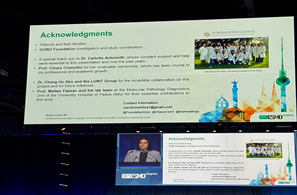
- At the European Society for Medical Oncology conference (ESMO Congress 2025), Lunit presented new clinical evidence for its Artificial Intelligence (AI) pathology analysis. The results are particularly significant as Lunit demonstrated that AI can distinguish treatment response in a subset of proficient mismatch repair (pMMR) colorectal cancer (CRC) patients, a group that typically shows little response to immunotherapy. DailyPharm met with Im Yu-ju, Medical Director of Lunit's Oncology Group (Hematology-Oncology Specialist), at ESMO 2025 to discuss the clinical significance and future vision of the research. Oral presentation by Lunit at the ESMO Congress 2025. "Predicting treatment response from a single Slide... AI biomarker proves utility" Lunit presented two abstracts utilizing its AI biomarker platform, Lunit SCOPE. In particular, Oral Presentation detailing the results of a joint study with Professor Chiara Cremolini's research team at the University of Pisa garnered attention. The study's core objective was to predict the therapeutic effect of atezolizumab (Tecentriq) combination therapy using Lunit's AI pathology platform, 'Lunit SCOPE.' Im explained, "pMMR colorectal cancer is a notoriously intractable cancer that barely responds to immunotherapy. However, this study allowed us to identify a specific patient subgroup that benefits from the addition of immunotherapy." Im emphasized, "We quantified the tumor microenvironment (TME) using only conventional H&E (Hematoxylin & Eosin-stained slide) slides, without the need for new tests or tissue collection, to predict treatment response. This result shows that AI can possess clinical utility as a biomarker." H&E slides are standard stained tissue slides made from most patient specimens during pathological diagnosis. The clinical applicability is high because they can be used without additional testing. In the study, researchers analyzed pathology slides from 161 patients using Lunit SCOPE to quantify the density of six cell types, including lymphocytes and tumor cells. Subsequently, they stratified patients into two groups (A/B). The analysis showed that in the atezolizumab combination group, Group A demonstrated improvement in both progression-free survival (PFS) and overall survival (OS) compared to Group B. Notably, this difference was observed only in the combination arm, but not in the chemotherapy monotherapy group, proving Lunit SCOPE to be an immunotherapy-specific predictive indicator. "AI incorporated complex immune response...AI refines tumor microenvironment analysis" The key finding of this research is its complex interpretation of the tumor microenvironment (TME), moving beyond simple cell density analysis. Im stated, "The response to immunotherapy is a comprehensive result of complex immune factors, including T-cell infiltration, antigen presentation pathways, and neoantigens, not just PD-L1 expression." She added, "Lunit SCOPE quantifies these multi-layered variables through AI pathology analysis and presents them in an interpretable format." Im Yu-ju, Medical Director of LunitIn particular, this model moved beyond the traditional inflamed-centric classification by incorporating the interplay between various cells, including endothelial cells and fibroblasts. Im added, "Along with lymphocyte distribution, the proportion of dividing tumor cells was the highest contributor to predicting response," and said, "AI has overcome the limitations of conventional single-factor-based biomarkers." Furthermore, Im said, "Although it varies by slide size, the analysis of a single slide typically takes 5–10 minutes. Even large-volume data can be processed within tens of minutes." She stated, "This speed allows the results to be immediately referenced concurrently with the clinical interpretation process." Lunit, which has attended ESMO for five consecutive years since 2021, is leveraging this research to expand collaboration discussions with global pharmaceutical companies. Im said, "Since many immune checkpoint inhibitors are already approved, collaboration is more active in companion diagnostics for subsequent indications and new drug development, rather than new clinical trials," and added, "We are accumulating evidence through investigator-initiated clinical trial data," "We are concurrently researching biomarkers for next-generation anti-cancer drugs like BiTE (Bispecific T-cell Engager) and ADC based on Lunit SCOPE IO," said Im and mentioned, "Our goal is to establish the technology as a practical treatment predictive tool through collaboration with partner pharmaceutical companies from the clinical trial stage." "AI, a New Partner in Drug Development... Expanding to ADC and TKI" At the annual ESMO conference, presentations on new modalities, such as ADCs, are consistently featured alongside those on immunotherapies. Lunit is also expanding its AI biomarker research in these areas. Im stated, "In the ADC field, global pharmaceutical companies are actively adopting digital pathology AI-based Companion Diagnostics (CDx), where Lunit's analysis technology can significantly contribute." Lunit is currently developing biomarkers for ADC drugs using IHC analysis of immunostained slides and is also building a TKI response-prediction model using morphological pattern analysis. Im also added, "If AI quantifies drug-specific response patterns, it will allow us to connect both companion diagnostics and patient-specific treatment in the future." At this ESMO Congress 2025, Lunit also presented research on renal cell carcinoma and non-small cell lung cancer in addition to colorectal cancer. In the renal cell carcinoma study, the immune-activated patient group showed a significantly higher ORR of 60.5% in the nivolumab + ipilimumab combination therapy compared to the non-activated group (23.2%). In the NSCLC study, the immune-activated phenotype showed a superior response in a Japanese multi-center patient cohort, confirming the reproducibility of the AI model. Im said, "AI pathology analysis is not limited to a specific cancer type." She added, "We are conducting multi-cancer expansion studies to apply it to early treatment stages and adjuvant therapies." Ultimately, the assessment is that AI is no longer a future technology but becoming established as a practical tool that is changing treatment strategies in real-world clinical settings. Im concluded, "AI pathology analysis is not limited to a specific cancer type. Lunit is conducting multi-cancer expansion studies so that it can be applied to early treatment stages and adjuvant therapies."
