
- LOGIN
- MemberShip
- 2026-05-11 13:24:52
- Policy
- SGLT2 Domestic new drug/combined drug market
- by Lee, Tak-Sun Apr 20, 2023 05:58am
- Forxiga, Jardiance, Suglat, and Steglatro have been market-leading SGLT-2 inhibitors as weight-loss diabetes drugs. Domestic pharmaceutical companies are also fighting back. Domestic pharmaceutical companies that have relaxed with Generic for Forxiga are anticipating a full-fledged offensive from next month with Daewoong Pharmaceutical's new domestic drug and LG Chem's DPP4+SGLT2 complex. ◆ Daewoong Pharmaceutical's Envlo= SGLT-2 inhibitor, which appears at an amazing timing, selectively inhibits sodium-glucose cotransporter 2 (SGLT2), which plays a major role in glucose reabsorption and discharges excessive glucose in the blood to lower blood sugar. Weight loss can also be seen in this process. Envlo is the only SGLT-2 inhibitor developed by a domestic pharmaceutical company. It was approved on November 30th and will be on the market in almost 5 months. The timing of the release is amazing. Envlo passed HIRA on March 2nd under the condition of accepting less than the appraisal amount. The evaluation amount is the weighted average price of commercially available SGLT-2 inhibitors. If Forxiga had passed the committee after April, after the patent expired, the weighted average price would have been much lower. Daewoong Pharmaceutical agreed to negotiate with NHIS on the 10th, skipping upper limit negotiations by accepting 90% of the weighted average price. It is expected to be on the payroll list on the 1st of next month. The benefit standard changed in April is also applied. Envlo has proven its combined effect with a DPP-4 inhibitor through clinical trials, so a combination of met + Envlo + DPP-4 is possible. However, since there is no verification data for TZD combination use, combination use of 3 drugs including met+TZD is not possible. It can be seen that pharmaceutical companies with other SGLT-2 inhibitors and DPP-4 inhibitors were registered for reimbursement at an amazing time in that they had to lower their drug prices on their own in accordance with the expansion of the standard for concurrent use. Generic for Forxiga has also been released less than a month, so Envlo's promotion is expected. ◆133 billion won performance LG Chem's Zemidapa = LG Chem, which first introduced a domestically produced DPP-4 inhibitor, is not a new SGLT-2 drug, but Forsyga is expanding its market area with a combination drug in line with the patent expiration. LG Chem is recording 133 billion won (Uvist 2022 standard) of outpatient prescriptions in the 1 trillion won diabetes treatment market only with the Zemiglo product line. LG Chem went further than Zemiglo and released Zemidapa with Forxiga's Dapagliflozin attached. On the 4th of this month, the non-payroll was released, and the payroll will be applied next month. LG Chem verified the effectiveness of met + Zemiglo + Dapagliflozin through a clinical trial in which more than 20 billion won was invested. The three-drug combination therapy showed a greater improvement in blood glucose than met+Dapagliflozin or met+Zemiglo. Since the benefits of the met+ddp4i+sglt2i 3 system will be applied from April, Zemidapa, a ddp4i+sglt2i combination drug, is also expected to benefit. ◆Dong-A ST, the first player in the Generic for Forxiga market, has a diverse lineup = Dong-A ST has been approved for 9 SGLT-2 drugs. Dong-A ST, which launched Dapapro, a prodrug of Forxiga through a patent strategy, as the first late-breaking drug in December of last year, received reimbursement for six late-breaking drugs of Forxiga and Jardiance this month. In addition to eight products, Sugadapa, a combination of Suganon and Dapagliflozin, an in-house developed drug, is expected to be released as reimbursements in June. With only nine dapagliflozin, the lineup is the most solid among pharmaceutical companies. Dong-A ST recently announced that it had applied for permission for 'Sugadapa met', a combination of metformin and Sugadapa. The product is planned for release next year. Dong-A seems to have established itself in the diabetes treatment market with Suganon, a domestically developed DPP-4 drug. However, although it is sluggish compared to competing drugs, it seems to be trying to expand its market share with dapagliflozin.
- Company
- New heart failure drug Verquvo lands at general hospitals
- by Eo, Yun-Ho Apr 20, 2023 05:58am
- The new heart failure drug ‘Verquvo’ can now be prescribed at general hospitals in Korea. According to industry sources, Bayer Korea’s soluble guanylate cyclase (sGC) stimulator that catalyzes the synthesis of intracellular cyclic guanosine monophosphate (cGMP), Verquvo (vericiguat) has passed the drug committees (DCs) of medical institutions including Samsung Seoul Medical Center, Pusan National University Yangsan, Chonnam National University, and Chonnam National University Hwasun Hospital. Also, Verquvo is being reviewed at drug committees (DCs) at Seoul National University Bundang Hospital, Chung-Ang University Gwangmyeong Hospital, and Chungbuk National University Hospital. Verquvo was approved in December 2021 as a combination therapy used to reduce the risk of cardiovascular death and heart failure (HF) hospitalization following a hospitalization for heart failure or need for outpatient IV diuretics, in adults with symptomatic chronic HF and ejection fraction less than 45%. After the company applied for Verquvo’s reimbursement last year, the agenda is making slow but solid progress. The application passed review by the Health Insurance Review and Assessment Service’s Drug Reimbursement Standard Subcommittee and is awaiting to be deliberated by the Drug Reimbursement Evaluation Committee. The efficacy of the drug was demonstrated through the Phase III VICTORIA trial. A total of 5,050 adult patients with symptomatic chronic heart failure (New York Heart Association [NYHA] class II-IV) and left ventricular ejection fraction (LVEF) less than 45%, following a worsening heart failure event were enrolled in the trial. A worsening heart failure event was defined as heart failure hospitalization or the use of outpatient IV diuretics for heart failure prior to randomization. 59.7% of the participants had been receiving 3-drug combination therapy, and 41% were severe patients - NYHA Class III or NYHA Class IV. In the trial, patients received up to the target maintenance dose of Verquovo 10 mg or a matching placebo combination with another heart failure therapy. Results showed that at 10.8 months of median follow-up, the risk of death from cardiovascular disease or first hospitalization due to heart failure was about 10% lower than that of the placebo group, and the trial met its primary efficacy endpoint with an annual absolute risk reduction of 4.2%. The annual absolute risk reduction of hospitalization from heart failure was 3.2%, and compared with the placebo, it delivered a 10% relative risk reduction in composite cardiovascular-related death and heart failure hospitalization. Meanwhile, previous heart failure treatments worked by blocking harmful effects caused by natural neurohormones that were activated by myocardial and vascular dysfunction. Unlike these existing options, Verquovo is an sGC stimulator that catalyzes the synthesis of intracellular cyclic guanosine monophosphate (cGMP) that modulates heart contraction, vascular tension, cardiac remodeling, etc. The drug is a first-in-class drug, the first sGC stimulator in the world to be approved as a treatment for chronic heart failure.
- Policy
- NA presses for Targrisso’s reimb in the first line
- by Lee, Jeong-Hwan Apr 20, 2023 05:58am
- The NA Health and Welfare Committee decided that reimbursement for AstraZeneca's lung cancer drug ‘Tagrisso (osimertinib)’ in the first line is necessary and requested its prompt reimbursement listing to the government. Min-soo Park, the 2nd vice minister of the Ministry of Health and Welfare, and the Health Insurance Review and Assessment Service also agreed to the National Assembly's decision and promised to promptly go through the reimbursement procedure. On the 18th, the Health and Welfare Committee's Petition Review Subcommittee (Chair Young-Hee Choi) reviewed the petition which requested reimbursement of the lung cancer drug Tagrisso as a first-line treatment. The subcommittee members decided to continue to review such drug-related issues including Tagrisso without immediately deciding whether to refer the petition for consideration to the plenary session. Its aim seems to be to closely monitor the progress of the petition until the results of the drug petition issues including Tagrisso's first-line reimbursement are confirmed. In Korea, Tagrisso is putting a heavy burden on cancer patients and their families due to its high drug price and non-reimbursement even though it has a superior effect as a first-line treatment in lung cancer. This is why the issue was submitted to the petition subcommittee, after achieving 50,000 National Assembly petition consents. Tagrisso had received marketing authorization from the Ministry of Food and Drug Safety as a first-line treatment for EGFR-positive non-small-cell cancer patients diagnosed with exon 19 deletion or exon 21 L858R substitution mutations and as a second-line or higher therapy for NSCLC patients with positive EGFR T790M mutations. However, its reimbursement has only been approved as a second or higher line of treatment since December 5, 2017. Currently, the reimbursement standards for Tagrisso as a first-line treatment were set to be established in March this year at the Cancer Disease Review Committee, and the agenda is being deliberated by the Economic Evaluation Subcommittee. The drug must still undergo Drug Reimbursement Evaluation Committee evaluations, HIRA-pharmaceutical company negotiations, and review by the Health Insurance Policy Review Committee to receive reimbursement. In response to the petition, the Health and Welfare Committee's expert members acknowledged the need for Tagrisso’s reimbursement in the first line. The experts believed that there is a need to improve public health and ease the economic burden by reinforcing patient access to new drugs for severe diseases. Also, MOHW and HIRA announced that it agrees on the need for Tagrisso's reimbursement in the first line and will make efforts to deliberate it as soon as possible. The MOHW said, “The agenda is currently under HIRA review, and HIRA will be reviewing the reimbursement extension after fully considering its cost-effectiveness." HIRA said, “Our Economic Evaluation Subcommittee and Drug Reimbursement Evaluation Committee will conduct deliberations based on data that will be submitted by the pharmaceutical company. We will work to proceed with the deliberation as soon as possible.” The validity and urgency of the first-line reimbursement of Tagrisso have also been known to have been stressed during the Petition Subcommittee’s review. The members of the subcommittee had asked Vice Minister Park to “conduct the reimbursement review as quickly as possible,” and Vice Minister Park accepted the request and promised their prompt reimbursement.
- Policy
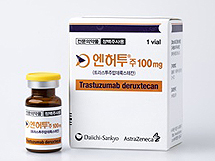
- Enhertu, re-discussing with supplementary materials
- by Lee, Tak-Sun Apr 19, 2023 05:51am
- Attention is focusing on whether the reimbursement standards for Enhertu, an anti-cancer drug from Daiichi Sankyo Korea, will be prepared through re-discussion by the Cancer Disease Review Committee. The drug has received more than 50,000 national petitions and is currently accelerating its reimbursement review. However, at the HIRA held last month, it was decided to discuss again without reaching a conclusion on the setting of the salary standard. According to the industry on the 14th, Enhertu's Daiichi Sankyo recently submitted complementary data to HIRA. Previously, at the review committee held on the 22nd of last month, supplementary data was requested on the grounds that the level of evidence for Enhertu's gastric cancer indication was low and that additional supplementation of financial sharing was necessary for the applied drug price. The indications for Enhertu, whose reimbursement criteria were discussed by the review committee, are ▲the treatment of patients with unresectable or metastatic HER2-positive breast cancer who have previously received two or more anti-HER2-based therapies, and ▲two or more therapies including prior anti-HER2 therapies. Treatment of locally advanced or metastatic HER-2-positive gastric or gastroesophageal junction adenocarcinoma. Among the two, the review committee explains that the basis for gastric cancer indication is weak and the price of the applied drug is high, so it is difficult to set the reimbursement standard right away. However, there is still the possibility of prompt reimbursement as the company decided to re-discuss it through supplementary data rather than deciding not to set the standard for reimbursement. As the pharmaceutical company submitted additional supplementary data, attention is focused on whether Enhertu's reimbursement standard will be successful in the next review committee. Cancer screening is scheduled for the 26th of this month. The key is also the price of the drug. It is known that Daiichi Sankyo applied for 2.4 million won per bottle as a salary indicator, which costs about 160 million won per year. It is explained that the key to passing the reimbursement standard is how the insurance authorities and pharmaceutical companies will share the financial burden because the health insurance budget is high. The health authorities seem to have the willingness to pay for this drug. Another positive factor for Enhertu's reimbursement is that the approval review for drugs that have been referred to the National Assembly is speeding up, with more than 50,000 petitions for reimbursement through the National Consent Petition website. Among the drugs referred to the Welfare Committee as a result of a national application, Crysvita, a treatment for pediatric rickets, is expected to be listed as a benefit next month, and Tagrisso, a first-line treatment for non-small cell lung cancer, has passed the review committee. Enhertu is a next-generation ADC (antibody-drug conjugate) drug that selectively acts only on cancer cells to increase treatment effects and minimize side effects. In clinical trials, it showed higher efficacy than existing drugs, raising expectations as a second-line treatment for HER2-positive breast cancer and a third-line treatment for gastric cancer. Enhertu applied for reimbursement to the HIRA in December of last year and launched non-reimbursement in January.
- Company
- Will Lixiana follow-ons take over the market?
- by Moon, sung-ho Apr 19, 2023 05:51am
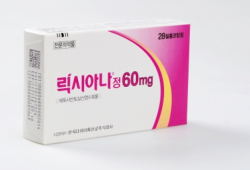
- Activity in related markets has been rising due to the aftermath of the reimbursement approval for Transcatheter Aortic Valve Implantation (TAVI) that had been made last year. Pharmaceutical companies have been increasingly conducting activities to target the Non-vitamin K antagonist oral anticoagulant (NOAC) market. 다이이찌산쿄 릭시아나 제품사진. According to industry sources on the 17th, a series of marketing authorizations have been granted for follow-on drugs of Daiichi Sankyo’s NOAC drug ‘Lixiana (edoxaban)’ recently. More specifically, 6 incrementally modified drugs with different salt formations than the original, the 15mg and 30mg formulations of Hutecs Korea Pharmaceuticals’ ‘Enxiana,’ Handok’s ‘Megaxaban,’ and Genu Pharma’s ‘Genupharma Edoxaban’ were approved on the 12th. However, the prospects are that it would be difficult to launch a product within a short period of time as more than 3 years remain until the patent that the companies were unable to avoid, Lixiana’s substance patent, expires. Meanwhile, the NOAC market, which is being led by Lixiana, has been pointed to as a representative prescription drug market that is showing rapid growth. According to the market research institution UBIST, Lixiana’s prescription sales amounted to KRW 89 billion last year, up 4.9% from the KRW 84.8 billion of the previous year. Lixiana is currently being jointly marketed by Daiichi Sankyo Korea and Daewoong Pharmaceutical in Korea. The NOAC market is expected to continue to grow further as TAVI procedures are being conducted in earnest in the field with its reimbursement. Since May last year, the Ministry of Health and Welfare has converted the coverage status of TAVI procedures for severe aortic stenosis patients over the age of 80 to provide full reimbursement. Following full reimbursement, the Korean Heart Rhythm Society published a revised 'NOAC Use Guideline' in the second half of last year and presented specific criteria for NOAC use in various situations. In particular, as the guideline specified that 'the basis for the use of NOAC on TAVI patients was established,’ the revision heralded expanded NOAC use. Therefore, in line with the growing NOAC prescription market, the domestic pharmaceutical companies' efforts to enter their generics into the market are expected to continue to increase in the future. An official from a domestic pharmaceutical company who requested anonymity, predicted, "The launch of a low-dose 15mg formulation of Lixiana had a direct impact on sales growth last year. The full reimbursement of the TAVI procedure would also further impact Lixiana’s growth.” The official added, “Also, new prescriptions for NOACs are expected to increase significantly in the future as we are into the 1-year point of TAVI’s reimbursement. For the same reason, I believe domestic pharmaceutical companies will also actively work to release their generics as well.”
- Policy
- MSD Welireg is about to be approved in Korea
- by Lee, Hye-Kyung Apr 19, 2023 05:51am
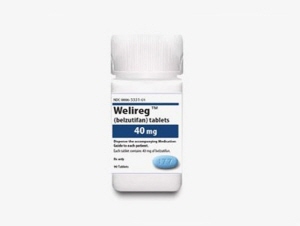
- Domestic approval of Welireg, an oral hypoxia-inducible factor-2 alpha (HIF-2α) inhibitor, is imminent. According to the pharmaceutical industry on the 18th, the Ministry of Food and Drug Safety completed the safety and efficacy review of MSD Korea's Welireg. This drug was approved in Korea in August of last year and was designated as an orphan drug for Von Hippel-Lindau indications in January of last year prior to MSD Korea's application for approval. Welireg obtained approval from the US FDA in August 2021 as an adult VHL treatment that does not require urgent surgery but requires the treatment of RCC, CNS hemangioblastoma, or pNET. Welireg, approved in the United Kingdom and Canada, starting with the United States, has a mechanism that reduces the transcription and expression of HIF-2α target genes related to cell proliferation, angiogenesis, and tumor growth. VHL is a rare genetic disease that occurs in about 1 in 36,000 people. Patients with VHL are known to be at high risk of developing some cancerous diseases, including benign hemangioma and renal cell carcinoma. The recommended dose for Welireg 40 mg tablets is 120 mg daily until tumor progression or unacceptable toxicity. Indications for application for domestic approval are also for the treatment of VHL adult patients who do not require immediate surgery but need treatment for VHL-related renal cell carcinoma, central nervous system hemangioblastoma, and pancreatic neuroendocrine tumor.
- Company
- Dutasteride's market share is on the rise
- by Nho, Byung Chul Apr 19, 2023 05:50am
- Tablet-type dutasteride (left) from JW Pharmaceutical Co., Ltd. and Avodart, a capsule-type product from GSK The biggest advantage of solving the leakage problem is caused by the soft capsule shell rupture. In the dutasteride drug market, which has been growing mainly in capsule form, recently launched tablet-type products are gradually increasing sales. Based on UBIST, dutasteride tablets generated sales of 9.1 billion won last year from 200 million won in 2018, accounting for 10% of the total market. Dutasteride capsules posted sales of 82.9 billion won last year from 55.9 billion won in 2018. Over the past five years (2018-2022), the performance was 55.9 billion, 68.3 billion, 74.7 billion, 80.7 billion, and 82.9 billion won. During the same period, refining shows the growth of 200 million, 3.1 billion, 5 billion, 7.2 billion, and 9.1 billion won. The Dutasteride capsule-type leading product is ranked No. 1 in the related field as GSK Avodart. Based on drug distribution performance, the sales of these drugs last year were around 43.7 billion won. The growth rate from 2021 to 2022 is showing an increase of 4%. Damodat of Hyundai Pharm, Adamo of Hanall Biopharma, and Jdart of JW Pharmaceutical posted sales of 1.4 billion won, 1.1 billion won, and 1 billion won, respectively, last year. Dutasteride (tablet type) has 28 products on the market, and JW Pharmaceutical produces 83% of them through CMO. A total of three domestic companies, including JW Pharmaceutical, have dutasteride tablet manufacturing technology. Avodart, a prostatic hyperplasia treatment developed by GSK in 1993, is the first product. GSK started selling Avodart in 2001 after receiving US FDA approval and conducted clinical trials in Korea in 2006, and in 2009, it was approved for hair loss by the Korean Food and Drug Administration for the first time in the world. As the patent expired in 2016, many generics have been released. Dutasteride is a drug with a mechanism of reducing dihydrotestosterone converted by 5α-reductase. Due to the nature of dutasteride being insoluble in water, it is difficult to make it into a tablet form, so all generics, including the original Avodart, have been sold as soft capsules. In November 2018, JW Pharmaceutical launched Jdart, a purified product for the first time in Korea. Recently, it succeeded in obtaining a patent for dutasteride tablet manufacturing technology (the second in the world after an Indian pharmaceutical company) from the Korean Intellectual Property Office. The JW Pharmaceutical Research Center has succeeded in developing dutasteride into a tablet formulation by applying the Self micro-emulsifying drug delivery system. The tablet type improved the convenience of patients taking the soft capsule by improving the discomfort of sticking to the mouth and esophagus when taking the soft capsule and also solved the problem of content leakage due to the rupture of the soft capsule shell.
- Company
- Will Enhertu pass the fiscal barrier and be reimb in KOR?
- by Eo, Yun-Ho Apr 19, 2023 05:50am
- The reimbursement progress of the anticancer drug that received 50,000 consents in a national petition is gaining attention. According to industry sources, the reimbursement review data for Enhertu, AstraZeneca and Daiichi Sankyo’s HER2-directed antibody-drug conjugate (ADC), has been supplemented and submitted to the authorities on the 14th. No reimbursement standard had been set for Enhertu at the Cancer Disease Review Committee (CDRC) meeting that was held in March. At the time, there was no disagreement among experts about the clinical usefulness of Enhertu. In other words, the reason why a standard had not been set was considered to be because of its potential financial burden on national health insurance finances. In addition, as the drug was accepted for review at the Petition Review Subcommittee held yesterday (15th), the possibility that the agenda will be deliberated at the Health Insurance Review and Assessment Service’s CDRC meeting that will be held on the 26th is rising. With the reattempt gaining a lot of attention, the pharmaceutical company is also determined to make the cut this time. Daiichi Sankyo was known to have prepared various plans to reduce the financial burden, such as by presenting the drug price of Enhertu at the lowest level in the world and considering applying the risk-sharing agreement (RSA) scheme. A company official said, “The seconds and minutes we waste here may be the matter of life and death for the metastatic breast cancer patients. We will also do our best to save all the time we can to Enhertu's reimbursement to save at least one more patient.” Meanwhile, based on DESTINY-Breast01 and DESTINY-Gastric01 trials, Enhertu was approved by the Ministry of Food and Drug Safety in September for the treatment of ▲unresectable or metastatic HER2-positive breast cancer who have received two or more prior anti-HER2-based regimens (third-line or higher treatment); and ▲locally advanced or metastatic HER2-positive gastric or gastroesophageal junction adenocarcinoma who have received two or more prior therapies including anti-HER2-based regimens. Also, in December last year, its indication was expanded based on the results of the DESTINY-Breast03 trial to be used to treat patients with unresectable or metastatic HER2-positive breast cancer who have received one or more anti-HER2-based regimens.
- Company
- Never-ending patent dispute over Galvus
- by Kim, Jin-Gu Apr 18, 2023 05:38am
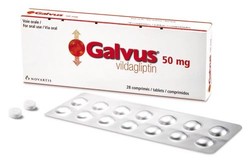
- In a patent dispute over Galvus, a DPP-4 inhibitor-type diabetes treatment, Novartis received a dismissal from the Intellectual Property Tribunal. Apart from this trial decision, the Galvus patent dispute is expected to continue for some time. This is because the dispute between Novartis and the generic company regarding the extension of the duration has not yet been resolved, even though the substance patent expired in March of last year. According to the pharmaceutical industry on the 14th, the Intellectual Property Tribunal recently made a decision to dismiss Novartis in a trial to confirm the scope of its rights filed against a generic company. A dismissal is a trial decision in the sense that the claim does not meet the appropriate requirements. In January 2022, Novartis had previously requested a judgment to confirm the scope of its rights against Kyongbo Pharmaceuticals, United, Ahn-Gook, and Ahngook Newpharm. It was a judgment requesting a judgment on whether they infringed on some of the Galvus material patent claims. Generic companies released generics for Galvus one after another after the Supreme Court ruling in October 2021. Novartis argued that the validity of the Galvus material patent is also valid as the Supreme Court issued a ruling on remand overturns, but the dispute was not finalized as the first trial appealed. Accordingly, it was argued that the early release of generics by generic companies also has room for patent infringement. While this trial was in progress, the Galvus material patent expired (March 4, 2022). In the end, it is analyzed that the Intellectual Property Trial and Appeal Board made a decision to dismiss the trial, judging that the active trial for confirmation of the scope of rights requested by Novartis did not meet the appropriate requirements as a trial. In 2017, Ahn-Gook and others requested a judgment against Novartis that part of the Galvus material patent duration was invalid. In the first trial, the generic company won, and in the second trial, Novartis won. The Intellectual Property Trial and Appeal Board determined that 187 days of Galvus material patents were invalid, and the Patent Court ruled that 55 days were invalid. After the second trial, Novartis appealed. However, the Supreme Court judged that Novartis, which won in the second trial, had no right to appeal, and remanded the case to the first trial. In May of last year, the Intellectual Property Tribunal sided with Novartis. This time, generic companies appealed. The Patent Court opened its defense in January this year. On the 20th of this month, the second defendant has been announced. According to UBIST, a pharmaceutical market research institute, the combined prescription of Galvus and Galvusmet last year was 32.4 billion won. It decreased by 30.7% compared to 46.6 billion won in 2021. Generic products such as Kyongbo, Hanmi Pharm, and Ahn-Gook, which were released early last year, recorded a combined prescription record of 14.5 billion won.
- Policy
- As a result of the PMS of Entresto·Xnepri,
- by Lee, Hye-Kyung Apr 18, 2023 05:38am
- As a result of a post-marketing investigation of the chronic heart failure treatment ingredient 'Sacubitril Valsartan Sodium Hydroxide', the incidence rate of adverse events was 24.62% regardless of the causal relationship. The MFDS prepares an order (draft) to change permission items based on the results of post-marketing surveillance (PMS) conducted by pharmaceutical companies on 3,075 people for 6 years for re-examination in Korea and proceeds with opinion inquiry by the 28th. do. The items in question are Novartis Korea 'Entresto Film Coated Tab' 50mg, 100mg, and 200mg and Sandoz 'Xnepri Film Coated Tab' 50mg, 100mg, and 200mg, which received product approval on April 14, 2016. As a result of a post-marketing survey conducted on 3,075 people for 6 years for re-examination in Korea, the occurrence rate of adverse events was reported to be 24.62% (757/3075 people, 1133 cases) regardless of a causal relationship. Among them, 0.29% (9/3075 patients, 11 cases) of serious adverse drug reactions that could not rule out a causal relationship and 1.33% (41/3075 patients, 47 cases) of unexpected adverse drug reactions that could not rule out a causal relationship ) appeared. Serious adverse reactions included congestive cardiomyopathy, acute myocardial infarction, exacerbation of congestive heart failure, bradycardia, pleural effusion, appendicitis, asthenia, acute renal injury, hypertension, and hypotension. Palpitations, dyspnoea, chest pain, and chest discomfort were uncommon occurrences, and indigestion, vomiting, abdominal discomfort, constipation, oral disorders, and edema were rare. The MFDS requested that if there is an opinion on the proposed change order, it should be submitted with specific reasons and related data attached.
