- LOGIN
- MemberShip
- 2026-10-07 17:44:57
- Domestic approval of 'Vanrafia' is imminent…new IgAN drug entries expected
- by Son, Hyung Min | translator Hong, Ji Yeon | 2026-10-07 16:20:41
Novartis’ new IgA nephropathy (IgAN) drug, Vanrafia, is nearing regulatory approval in South Korea, signaling anticipated shifts in the treatment landscape.
As regulatory approval for Vanrafia, which targets the disease's pathogenic and progression pathways, nears, the reimbursement status of the previously approved Nefecon is expected to become a critical factor shaping prescribing competition.
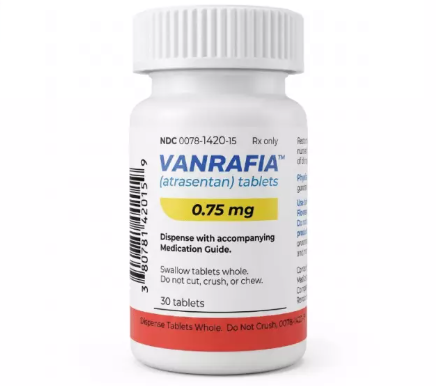
According to industry sources on the 7th, Novartis Korea is currently pursuing domestic approval for Vanrafia (atrasentan). The company anticipates an approval decision as early as this month.
Vanrafia selectively antagonizes endothelin A (ETA) receptors involved in renal damage, aiming to reduce proteinuria and slow declines in kidney function.
Vanrafia is formulated for oral administration at 0.75 mg once daily and can be taken with or without food.
Last year, the U.S. Food and Drug Administration (FDA) granted accelerated approval to Vanrafia based on clinical evidence of reduced proteinuria in patients with primary IgAN.
In the Phase 3 ALIGN trial, which was the basis for approval, Vanrafia demonstrated significant proteinuria reduction, and subsequent long-term follow-up evaluated its nephroprotective effects.
In the final analysis, Vanrafia demonstrated a 38.3% reduction in proteinuria compared with placebo at 9 months. In an analysis tracking patients over approximately 2.5 years, it reduced the rate of kidney function decline by approximately 34% versus placebo.
Nefecon enters the Korean market first… Reimbursement status as the key variable
After Vanrafia receives domestic approval, a new competitive landscape is expected to emerge in the IgAN therapeutic market alongside the previously approved Nefecon.
Everest Medicines Korea’s Nefecon (micronized budesonide) secured approval from the Ministry of Food and Drug Safety (MFDS) in November 2024 for adult patients with primary IgAN who have a 24-hour urine protein excretion of ≥1 g/day or a urine protein-to-creatinine ratio (UPCR) of ≥0.8 g/g.
Nefecon is a targeted-release formulation designed to deliver budesonide to specific regions of the distal ileum. Its mechanism of action differs from Vanrafia, which targets ETA receptors, by modulating the mucosal immune response implicated in IgAN pathogenesis.
Dosing regimens also differ. Nefecon is indicated for 16 mg once-daily for 9 months, followed by a dosage taper before discontinuation.
Because no direct head-to-head clinical trials exist between Nefecon and Vanrafia, a simple comparison of comparative efficacy remains challenging. However, because they target distinct pathophysiological pathways, clinical options can broaden based on individual patient characteristics.
Reimbursement will determine actual market uptake.
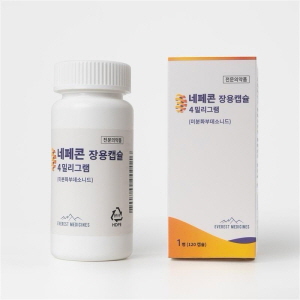
Everest Medicines suffered a setback last year in its initial bid for Nefecon’s reimbursement. In May of this year, the company submitted supplemental data to reapply, which is currently under review by the Health Insurance Review and Assessment Service (HIRA).
Once Vanrafia is approved, the insurance coverage status and reimbursement criteria for each agent will directly govern real-world prescribing patterns.
IgAN is a chronic, progressive disease requiring long-term clinical management. Even if therapeutics are approved, high out-of-pocket costs inevitably pose significant barriers to real-world patient access.
The non-reimbursed price of Nefecon disclosed across major medical institutions stands at approximately KRW 50,000 to 60,000 per capsule. Converted to monthly treatment costs, this amounts to around KRW 7 million.
The reimbursement outcome for Nefecon could serve as an initial benchmark for defining the future reimbursement scope of novel IgAN therapies. However, given the differing mechanisms of action and clinical evidence profiles between the two drugs, their reimbursement criteria and pharmaco-economic evaluation frameworks may diverge.
Successive entry of novel therapeutics… Treatment options diversify
IgA nephropathy is characterized by the glomerular deposition of immunoglobulin A (IgA), which triggers progressive inflammation and renal damage. As renal function continually declines, a subset of patients progresses to end-stage renal disease (ESRD).
Previously, standard of care centered on supportive therapy utilizing renin-angiotensin system (RAS) inhibitors to manage proteinuria and blood pressure. Recently, the successive emergence of therapies like Nefecon and Vanrafia, which directly target specific pathways involved in disease onset and progression, is transforming the therapeutic paradigm.
Beyond Vanrafia, Novartis also holds Fabhalta (iptacopan), a complement pathway inhibitor, in its IgAN pipeline.
Fabhalta received regular FDA approval in July of this year as a treatment to slow the decline of kidney function in adult patients with primary IgAN. In the Phase 3 APPLAUSE-IgAN trial, Fabhalta demonstrated an approximate 48% reduction in the rate of kidney function decline compared with placebo over two years.
Additionally, novel mechanism-based therapies such as Filspari (sparsentan), a dual endothelin-angiotensin receptor antagonist, have already secured approval and utilization in the United States. Furthermore, with investigational candidates targeting the APRIL signaling pathway entering development, IgAN management is progressively shifting from conventional proteinuria mitigation toward precision targeting of underlying disease progression mechanisms.
In contrast, few novel therapies have entered the domestic market to date. With Nefecon securing the initial approval and Vanrafia now preparing for subsequent market entry, clinically available options remain limited compared with the global market.
-

- 0
댓글 운영방식은
댓글은 실명게재와 익명게재 방식이 있으며, 실명은 이름과 아이디가 노출됩니다. 익명은 필명으로 등록 가능하며, 대댓글은 익명으로 등록 가능합니다.
댓글 노출방식은
댓글 명예자문위원(팜-코니언-필기모양 아이콘)으로 위촉된 데일리팜 회원의 댓글은 ‘게시판형 보기’와 ’펼쳐보기형’ 리스트에서 항상 최상단에 노출됩니다. 새로운 댓글을 올리는 일반회원은 ‘게시판형’과 ‘펼쳐보기형’ 모두 팜코니언 회원이 쓴 댓글의 하단에 실시간 노출됩니다.
댓글의 삭제 기준은
다음의 경우 사전 통보없이 삭제하고 아이디 이용정지 또는 영구 가입제한이 될 수도 있습니다.
-
저작권·인격권 등 타인의 권리를 침해하는 경우
상용 프로그램의 등록과 게재, 배포를 안내하는 게시물
타인 또는 제3자의 저작권 및 기타 권리를 침해한 내용을 담은 게시물
-
근거 없는 비방·명예를 훼손하는 게시물
특정 이용자 및 개인에 대한 인신 공격적인 내용의 글 및 직접적인 욕설이 사용된 경우
특정 지역 및 종교간의 감정대립을 조장하는 내용
사실 확인이 안된 소문을 유포 시키는 경우
욕설과 비어, 속어를 담은 내용
정당법 및 공직선거법, 관계 법령에 저촉되는 경우(선관위 요청 시 즉시 삭제)
특정 지역이나 단체를 비하하는 경우
특정인의 명예를 훼손하여 해당인이 삭제를 요청하는 경우
특정인의 개인정보(주민등록번호, 전화, 상세주소 등)를 무단으로 게시하는 경우
타인의 ID 혹은 닉네임을 도용하는 경우
-
게시판 특성상 제한되는 내용
서비스 주제와 맞지 않는 내용의 글을 게재한 경우
동일 내용의 연속 게재 및 여러 기사에 중복 게재한 경우
부분적으로 변경하여 반복 게재하는 경우도 포함
제목과 관련 없는 내용의 게시물, 제목과 본문이 무관한 경우
돈벌기 및 직·간접 상업적 목적의 내용이 포함된 게시물
게시물 읽기 유도 등을 위해 내용과 무관한 제목을 사용한 경우
-
수사기관 등의 공식적인 요청이 있는 경우
-
기타사항
각 서비스의 필요성에 따라 미리 공지한 경우
기타 법률에 저촉되는 정보 게재를 목적으로 할 경우
기타 원만한 운영을 위해 운영자가 필요하다고 판단되는 내용
-
사실 관계 확인 후 삭제
저작권자로부터 허락받지 않은 내용을 무단 게재, 복제, 배포하는 경우
타인의 초상권을 침해하거나 개인정보를 유출하는 경우
당사에 제공한 이용자의 정보가 허위인 경우 (타인의 ID, 비밀번호 도용 등)
※이상의 내용중 일부 사항에 적용될 경우 이용약관 및 관련 법률에 의해 제재를 받으실 수도 있으며, 민·형사상 처벌을 받을 수도 있습니다.
※위에 명시되지 않은 내용이더라도 불법적인 내용으로 판단되거나 데일리팜 서비스에 바람직하지 않다고 판단되는 경우는 선 조치 이후 본 관리 기준을 수정 공시하겠습니다.
※기타 문의 사항은 데일리팜 운영자에게 연락주십시오. 메일 주소는 dailypharm@dailypharm.com입니다.
- Entresto patent upheld in US, invalidated in Korea…Approval the next hurdle
- Reporter's view | Kim, Jin-Gu

-

- "Besremi garners attention as a long-term treatment option for PV"
- Professor Dae-young Kim of the Department of Hematology-Oncology at CHA Bundang Medical Center