- LOGIN
- MemberShip
- 2026-09-28 21:01:19
- "Connecting the entire diagnostic process"...Bayer's vision for radiology
- by Son, Hyung Min | translator Hong, Ji Yeon | 2026-09-28 11:58:47
As the demand for imaging examinations such as CT and MRI rapidly increases due to an aging population and the rise of chronic diseases, the challenges facing the global radiology market are also changing.
Beyond simply responding to rising examination volumes, it is increasingly important to run the entire examination process efficiently while maintaining diagnostic quality and patient safety with limited medical personnel and resources.
In response, Bayer is strengthening its total solution strategy, moving away from supplying individual contrast-media-focused products to connecting injectors, digital solutions, and patient-specific examination protocols. The company aims to optimize workflow by viewing the entire process—from patient preparation for the examination to contrast media injection, imaging acquisition, protocol management, and post-examination data recording and analysis—as a single connected flow.
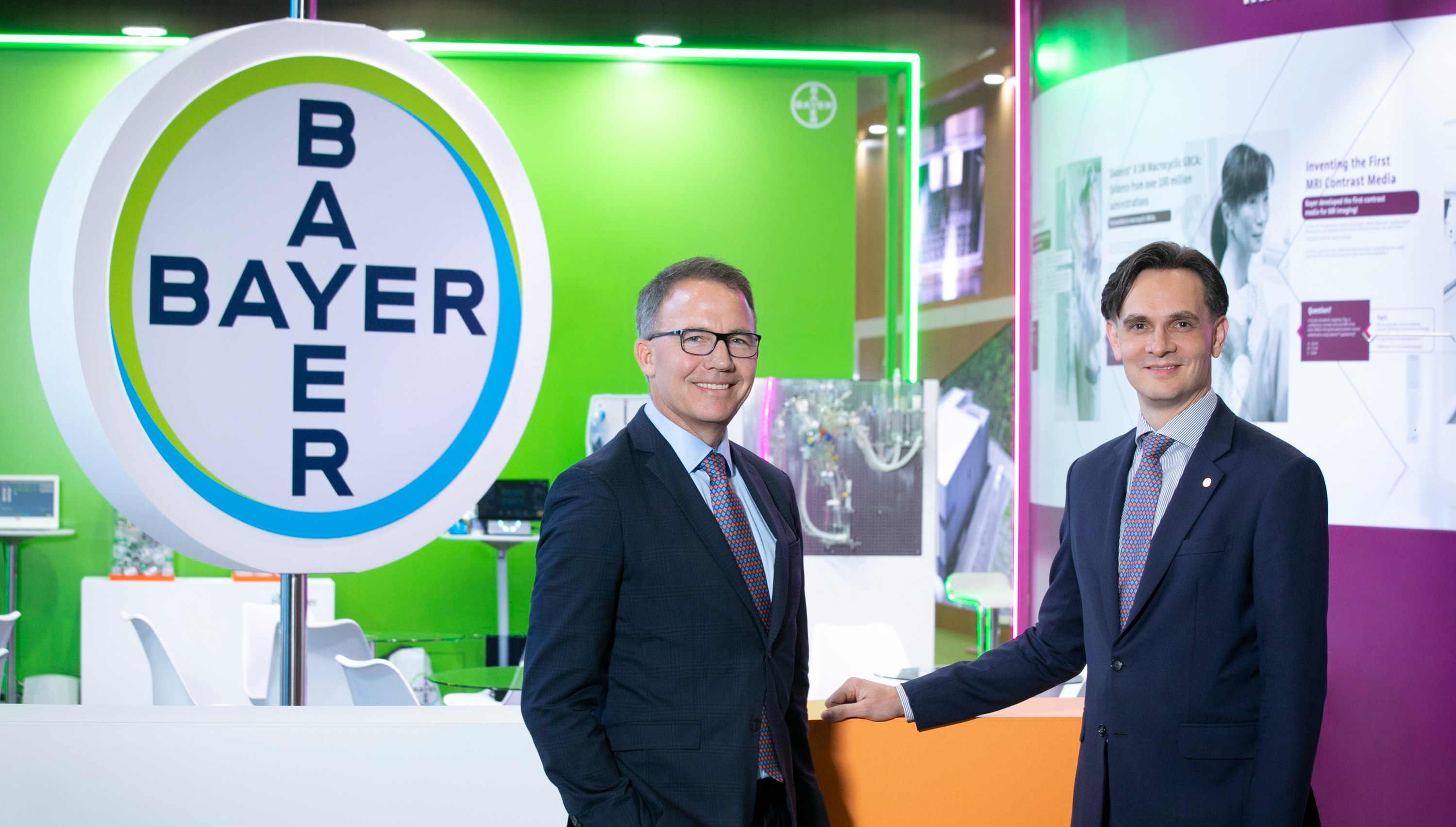
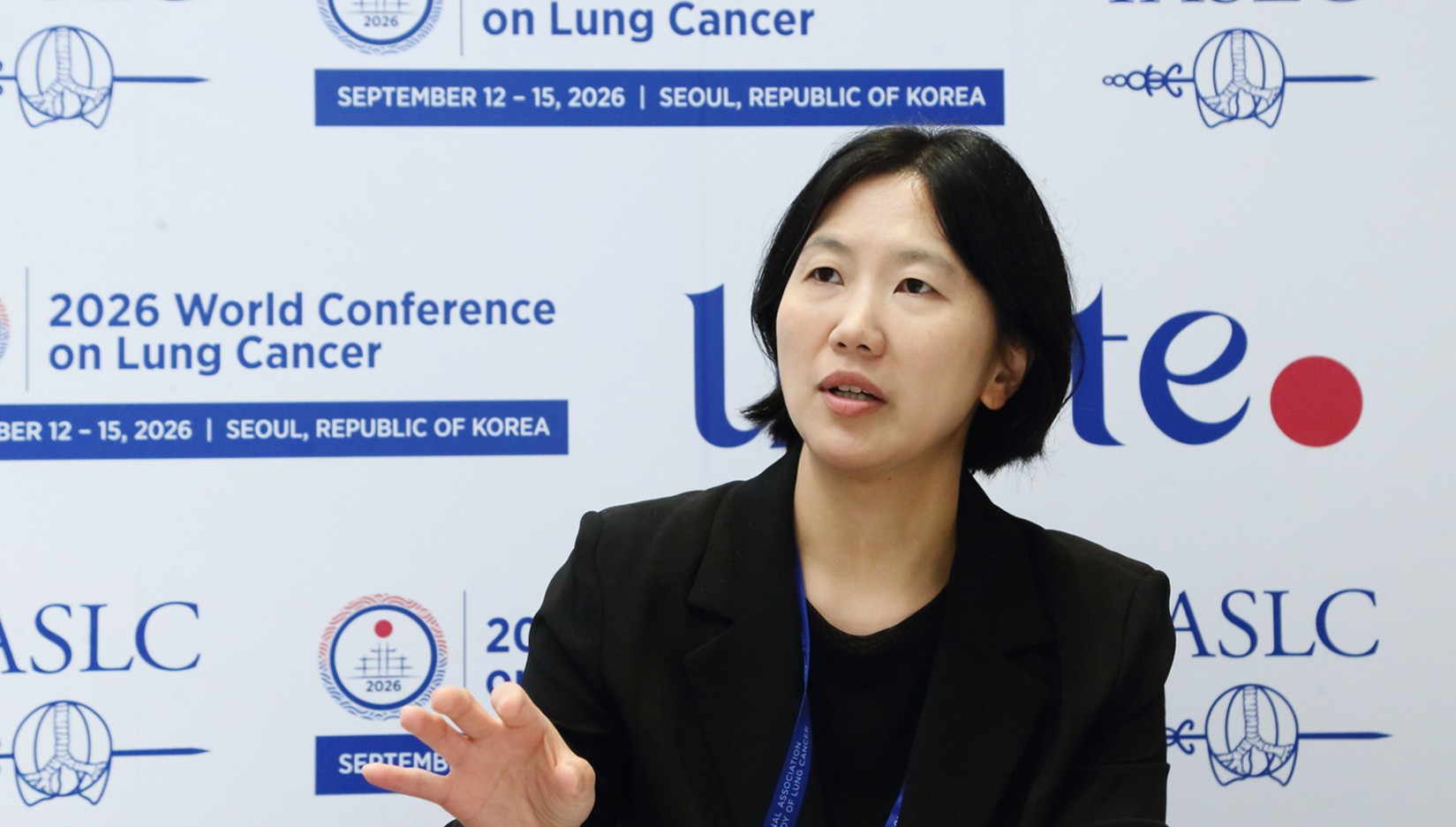
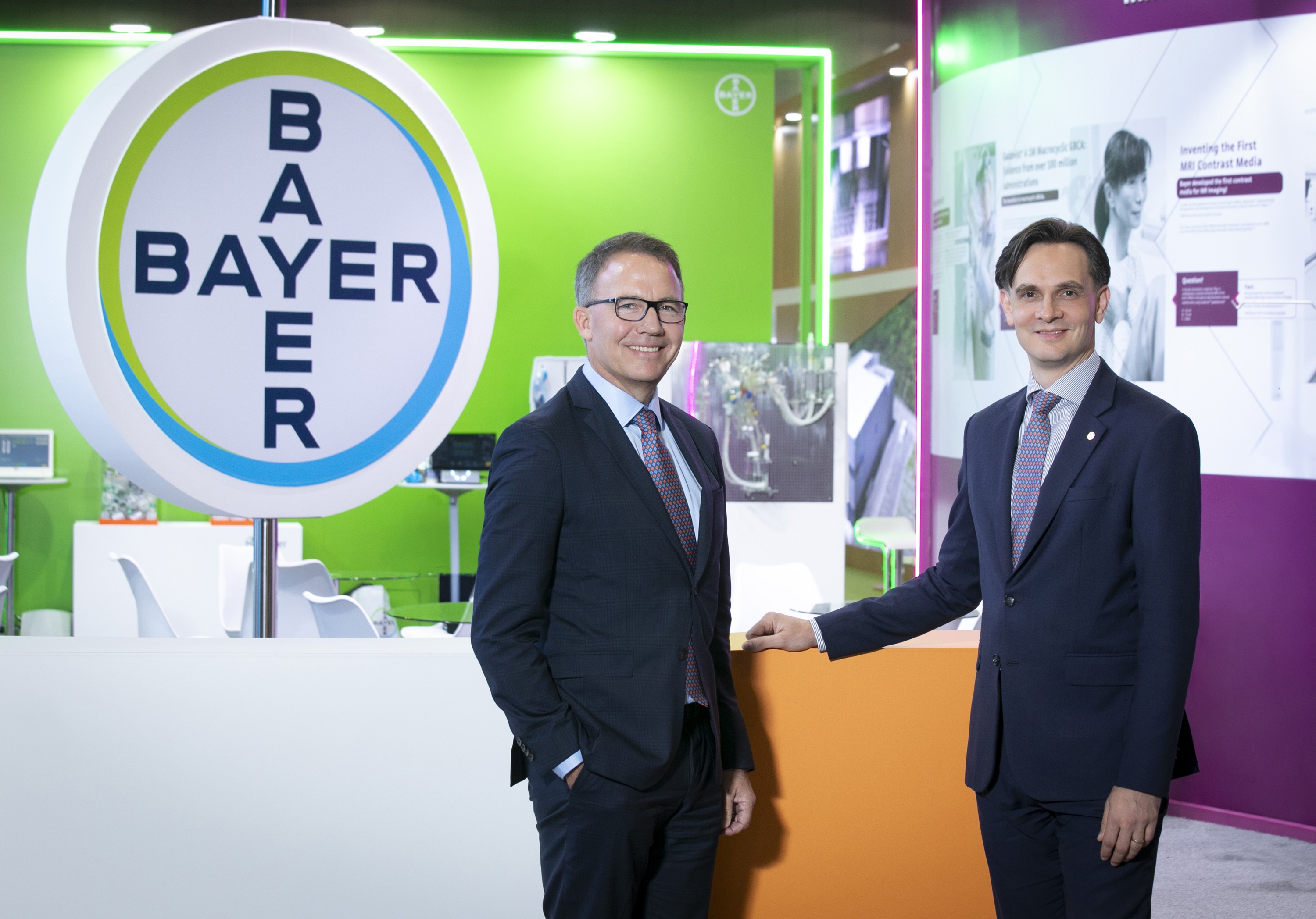
Daily Pharm recently met with Jost Reinhard, President of the Radiology business at Bayer's Pharmaceuticals Division, and Andre Wysk, Head of North Asia, at KINTEX in Goyang, where the Korean Congress of Radiology (KCR 2026) was held, to hear about the changes in the global radiology market, Bayer's response strategies, and the role of the Korean market.
As aging progresses rapidly worldwide and the burden of chronic diseases grows, the importance of imaging examinations is also rising. Cancer, cardiovascular diseases, and neurodegenerative diseases are disease groups with a high dependence on imaging examinations, from early diagnosis to treatment decisions, treatment response evaluation, and follow-up observation.
According to Bayer, approximately 20 million new cancer cases occur worldwide every year, and this number is projected to increase to about 35 million by 2050. Cardiovascular disease-related deaths also reach approximately 20.5 million annually and are expected to increase further in the future.
As the disease burden increases, the demand for imaging examinations is also growing rapidly. The annual number of imaging examinations worldwide reaches approximately 4.2 billion. On the other hand, the medical staff and resources to handle this are limited. As the volume of examinations increases, the burden on clinical settings to perform more examinations while maintaining high diagnostic quality and patient safety is growing.
Bayer Radiology's main portfolio consists of contrast media, injection systems, and digital solutions. Along with the CT contrast medium 'Ultravist', the MRI contrast medium 'Gadovist', and the liver-specific contrast medium 'Primovist', it provides contrast-media injection equipment such as 'MEDRAD Centargo', as well as software that connects examination protocols and data.
Recently, patient-specific examination optimization has also emerged as a core task. Rather than applying the same protocol to all patients, this 'right dose, right protocol, right patient' approach applies the appropriate contrast medium dose and examination method based on the patient's characteristics, disease, and the purpose of the examination.
The focus is not simply on reducing the amount of contrast media used, but on using the necessary dose while maintaining the image quality required for diagnosis. It is a direction that manages contrast media usage, radiation exposure, and medical resources more efficiently while also considering patient safety and sustainability together.
South Korea is considered an important market for Bayer to sophisticate this strategy. South Korea performs 333.5 CT examinations per 1,000 population, about 1.9 times the OECD average of 177.9. While characterized by high examination volume, excellent medical infrastructure, and rapid adoption of digital technology, it also faces limited medical personnel relative to demand for imaging examinations.
These characteristics of the Korean market are also in line with the changes facing the global radiology market. As examination demand increases while resources remain limited, securing both accurate diagnosis and an efficient workflow is becoming a common challenge.
Global market changes… "The importance of accurate diagnosis grows even greater"
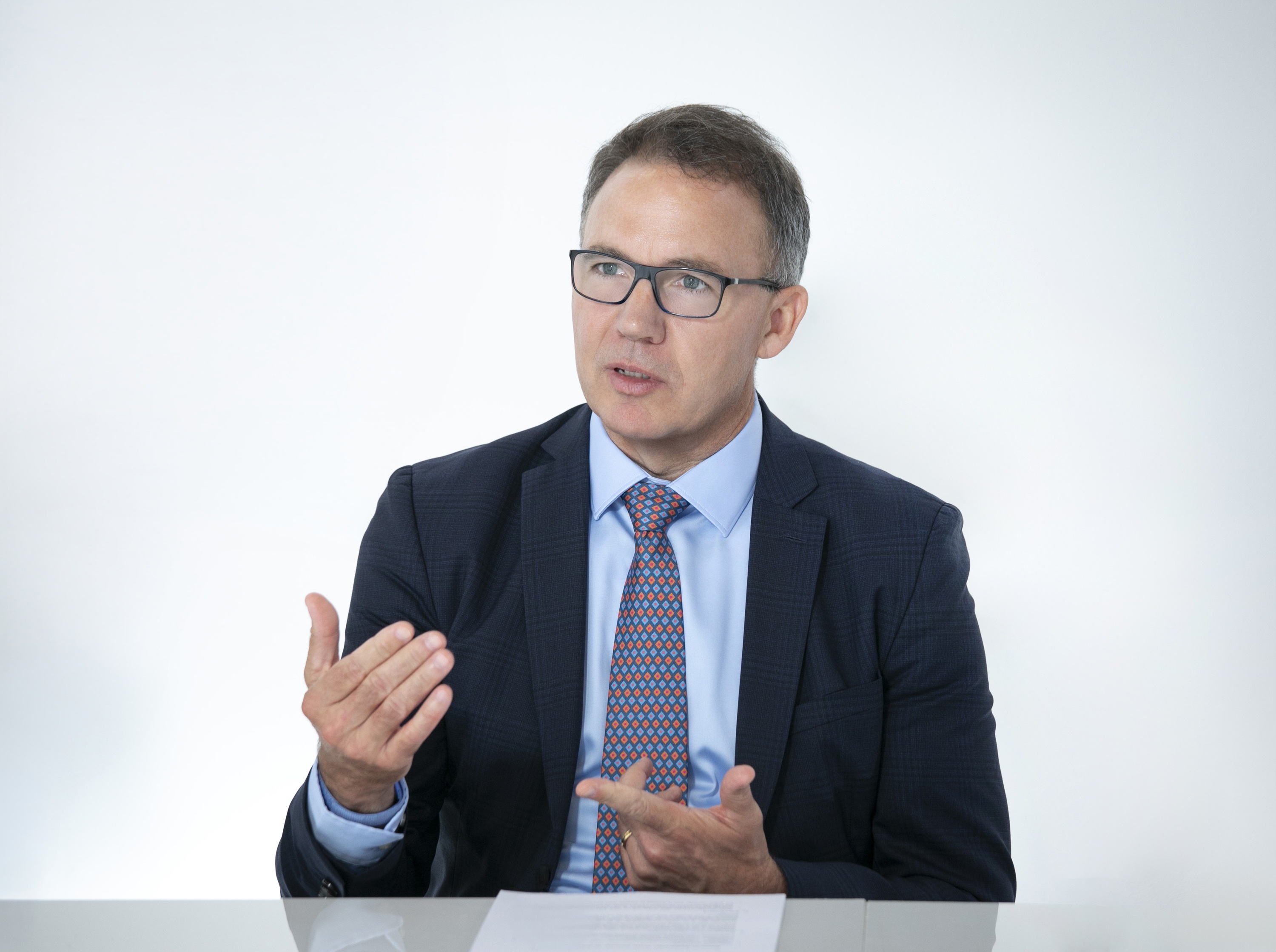
Jost Reinhard viewed that as treatment technologies and precision medicine advance in the global radiology market, the importance of accurate diagnosis is also growing alongside them.
Reinhard pointed out, "Innovative treatments are emerging even for diseases that were difficult to treat in the past, and precision medicine is also advancing rapidly," adding, "Even an innovative treatment can fully demonstrate its value only when the appropriate patient is identified on time."
Reinhard emphasized, "Ultimately, the starting point for better treatment is a more accurate diagnosis, and as treatment technology advances, the importance of radiology grows together with it."
After taking office as President of its Radiology business on August 1, Reinhard visited South Korea as one of his first business trip destinations.
Having taken charge of the radiology business after working in the cell and gene therapy field, Jost explained that both areas share commonality in that connecting innovation to actual patients is crucial.
Reinhard stated, "Bayer Radiology is continuing innovation based on long-standing heritage," adding, "We are deliberating on how to improve the overall flow of patient care by developing not only new contrast media but also new technologies related to injection."
Wysk cited the gap between increasing examination demand and the shortage of medical resources as a core challenge in the field.
Wysk mentioned, "While the demand for examinations is increasing, the medical staff and resources to handle it are limited," adding, "Clinical settings are faced with the challenge of having to perform more examinations while maintaining high quality and patient safety."
Wysk continued, "What Bayer focuses on first and foremost is workflow innovation," adding, "Our goal is to help medical staff focus on important clinical judgments and patient care."
Patient-tailored imaging examinations were also presented as a major change.
Wysk said, "Whereas in the past, the same protocol was often applied regardless of the disease or the patient, we are now moving in the direction of selecting the most suitable contrast medium dose and examination method according to patient characteristics and the purpose of the examination."
Transforming the in-hospital imaging examination system into a single system
Bayer's total solution strategy centers on not viewing contrast media, equipment, and software as individual products, but connecting them into a single examination process.
Wysk said, "We do not view a total solution simply as providing multiple products together," adding, "What is important is viewing the entire imaging examination process as a single connected journey."
It is a method of reducing the burden on medical staff and raising diagnostic quality by connecting each stage, from pre-examination preparation to contrast media injection, imaging acquisition, protocol management, and post-examination data recording and analysis.
Wysk explained, "In the past, contrast media, injectors, and software were often operated independently of one another, but today, with increased examination demand and a heavier workload on medical staff, the performance of individual products alone is not enough," adding, "The key is how efficiently these elements are connected to support medical staff and enhance diagnostic quality."
Cases applied in domestic clinical settings were also shared.
At one national university hospital, abdominal and chest CT protocols were optimized using the Stellant injector and P3T Abdomen.
Wysk evaluated, "They were able to secure better image quality while reducing contrast media usage per examination by approximately 20 to 30 mL," adding, "This is an example of not merely stopping at providing products, but collaborating with medical staff to optimize clinical workflows and create tangible value in actual clinical settings."
This approach has also changed how Bayer views its customers.
Wysk said, "In the past, Bayer's approach was a traditional sales method where account representatives held discussions centered on the scientific characteristics of products," adding, "Now, we are shifting toward understanding radiology within a hospital as a single system."
This means that since every element—including radiologic technologists, nurses, radiologists, IT infrastructure, scanners and injection systems, and patient-specific protocols—affects the diagnostic outcome, they cannot be viewed in isolation.
Optimizing contrast media usage for each patient also lies on the extension of the same strategy.
Wysk analyzed, "When an evidence-based approach is applied across radiology, the perception that 'less can be more' is spreading," adding, "Through advancements in imaging technology, personalized injection protocols, workflow optimization, and contrast media innovation, it is becoming possible to reduce contrast media usage while maintaining diagnostic image quality and clinical confidence."
Wysk further added, "This is connected not only to patient care but also to sustainability," and, "Particularly in MRI, low-dose contrast media can help reduce cumulative gadolinium exposure in patients who require repeated examinations."
Reinhard also presented patient-specific optimization as a major future direction for radiology.
Reinhard suggested, "Moving away from uniform protocols toward a patient-tailored approach, we must determine the approach based on the stage of disease progression, the modality used, and the patient's characteristics, and tailor it so that contrast enhancement is optimized for that patient."
He added, "The ultimate goal is not simply to use less contrast media, but to use it more wisely," and "It is important to ensure that every administration delivers maximum value to the patient, the healthcare system, and society."
Bayer's low-dose MRI contrast medium has been approved in Japan, the US, Canada, and Singapore, and an application for approval has also been submitted in South Korea this year.
Specifying strategies in the Korean market… Focusing on new technologies and sustainability
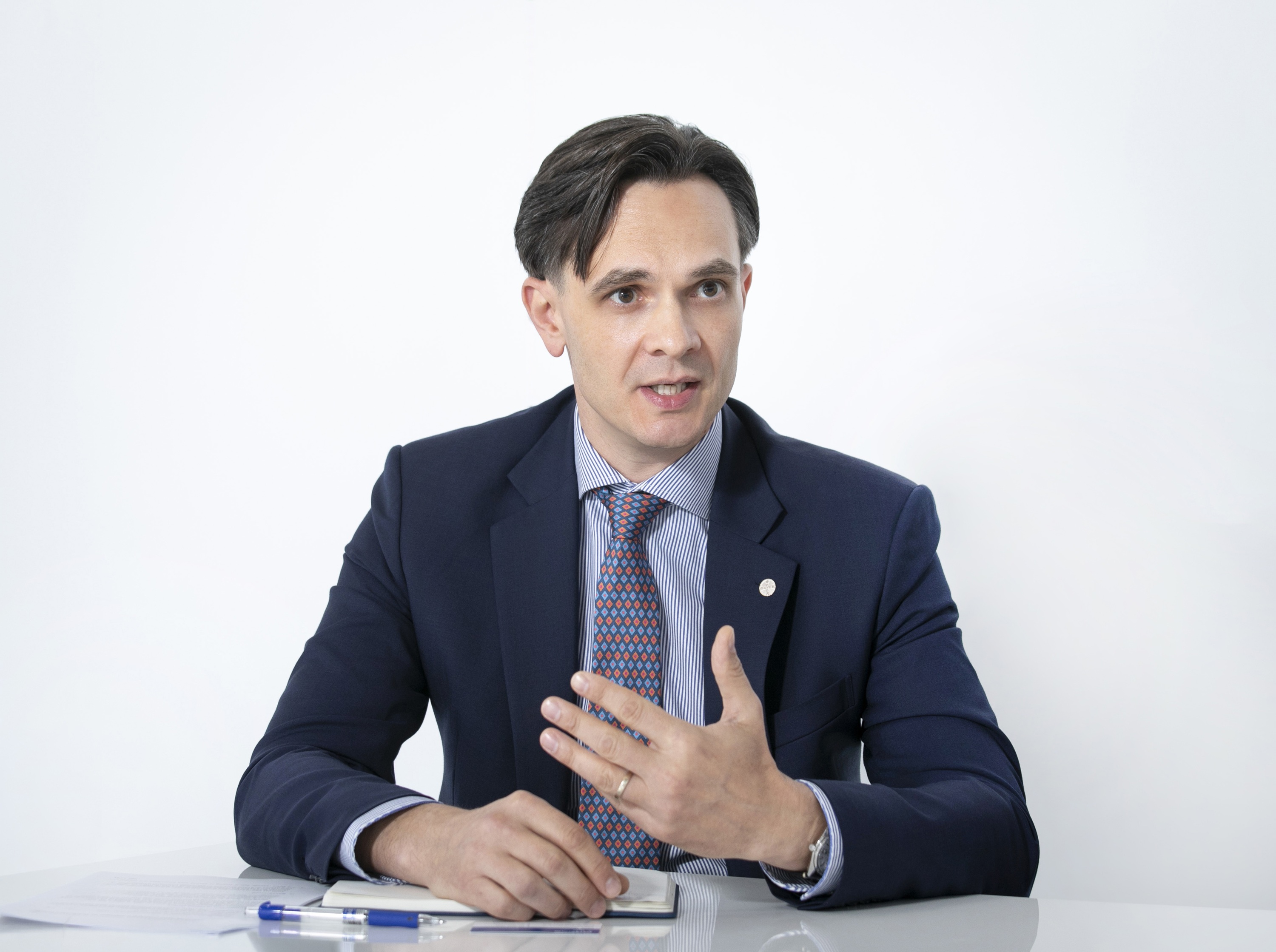
Both executives agreed that South Korea is a market where competition in the contrast media sector is fierce, yet new technologies can be applied rapidly.
As a differentiator for Bayer Radiology, Wysk highlighted the product reliability built over a long period, along with its ability to create new diagnostic environments.
Wysk explained, "Because contrast media are directly linked to patient safety and diagnostic quality, trust in the efficacy and safety of the product is paramount above all else," adding, "Based on our original contrast media portfolio, we have accumulated real-world clinical experience and data over a long period, and some products have been used continuously for over 40 years."
Wysk added, "Another strength is that we have not stopped at stably supplying existing products, but have created new diagnostic environments and markets."
A representative example is contrast-enhanced mammography (CEM).
Bayer's Ultravist obtained the indication for contrast-enhanced mammography in South Korea in 2023. Since then, Bayer has collaborated with the Korean medical community and breast imaging experts, and CEM was designated as a New Health Technology in February of this year.
Wysk said, "The combination of originality, trust in safety, and the capability to create new markets is the differentiated strength unique to Bayer Radiology."
Sustainability is also a major focus.
Wysk pointed out, "In South Korea, not only the number of contrast-enhanced examinations, but also the amount of contrast media used per examination is considerably high compared to other countries," adding, "It is necessary to examine together whether injecting that much contrast media is medically essential and what the environmental impacts are."
Bayer is presenting personalized protocols that apply the optimal dose per patient, multi-patient systems, and injection parameter optimization as solutions.
Bayer explained that one university hospital with a high examination volume reduced contrast media use per examination by 30%. It cut annual medical waste by more than 2 tons after introducing a multi-patient system like MEDRAD Centargo.
Reinhard noted South Korea's rapid pace of technology adoption.
Reinhard evaluated, "What was most impressive at the academic congress was that the speed at which the Korean radiology community accepts new technologies and applies them to routine clinical practice is remarkably fast," adding, "South Korea possesses ideal conditions, having a high technology adoption rate as well as both clinical excellence and digital capabilities."
Reinhard said, "South Korea is a market that can create new solutions together with Bayer and become a role model for the world," adding, "We intend to take the best practices accumulated in South Korea to other countries."
Verification and expansion in Korea… expanding the portfolio to molecular imaging
Bayer views South Korea as a clinical and academic partner that can verify new technologies and spread them to other markets, going beyond a simple sales market.
Reinhard cited South Korea's clinical research capabilities as its primary strength.
Reinhard stated, "South Korea holds over 200 clinical trial institutions designated by the Ministry of Food and Drug Safety (MFDS) nationwide, and with Seoul being counted among the cities with the most active industry-sponsored clinical trials in the world, it is recognized as one of the leading countries in research."
Reinhard noted, "Radiology is a field where it is crucial to verify how new technologies and solutions are utilized in actual clinical settings and what value they add to the patient's diagnostic journey," adding, "South Korea is an important clinical and academic partner market where Bayer Radiology's innovations can be discussed, verified, and expanded in real-world clinical practice."
He also anticipated South Korea's role in optimizing new technologies through real-world user experience after their introduction.
Reinhard projected that "After a new technology enters the market, it develops even further as users optimize how to use it and the company learns from the user experience in clinical settings," adding, "I believe South Korea's clinical excellence will unlock that potential to an even greater extent."
He added, "In the long term, our goal is to provide tangible value for everyone by increasing patient access to Bayer Radiology products and workflows and reducing the burden on medical staff," and, "We hope that South Korea will become one of the first markets to adopt Bayer's future portfolio."
Wysk said that domestic medical staff are paying more attention to the value generated in the field than to the technology itself.
Wysk emphasized, "What is most important is how innovation can contribute to reducing the burden on medical staff, making clinical workflows more efficient, and elevating the quality of patient care," adding, "Bayer aims to go beyond a simple contrast media supplier to become a comprehensive solution partner that supports customers in achieving higher efficiency, diagnostic confidence, and better patient treatment outcomes."
Wysk continued, "The long-term goal of radiology is to enable our partner healthcare systems to handle and respond to future challenges," adding, "We would like to emphasize 'future readiness'."
The future portfolio is also expanding beyond existing contrast media and injection systems into molecular imaging.
Earlier this year, Bayer acquired two radiotracers for diagnosing amyloidosis from the US company Attralus. Data for the first asset, 'AT-01', was recently presented at the European Society of Cardiology (ESC) annual congress.
Reinhard introduced, "Molecular imaging is an exciting field that can complement existing imaging technologies and support earlier and more precise diagnosis," adding, "In particular, considering the capabilities we have accumulated in the cardiology field, we acquired the two amyloidosis tracers, and this demonstrates our commitment to expanding the radiology portfolio into areas of future innovation."
Reinhard explained, "Cardiac amyloidosis is often diagnosed only after it has progressed significantly and irreversible damage has occurred," adding, "For both transthyretin (ATTR) amyloidosis and light chain (AL) amyloidosis, the earlier they are detected and intervened upon, the greater the benefit."
Reinhard concluded, "Amid the recent emergence of treatments for cardiac amyloidosis, Bayer is focusing on helping medical staff make more evidence-based decisions and improving the patient care journey," adding, "In addition to giving patients a clear answer, providing an answer at a point in time when treatment is possible is meaningful."
-

- 0
댓글 운영방식은
댓글은 실명게재와 익명게재 방식이 있으며, 실명은 이름과 아이디가 노출됩니다. 익명은 필명으로 등록 가능하며, 대댓글은 익명으로 등록 가능합니다.
댓글 노출방식은
댓글 명예자문위원(팜-코니언-필기모양 아이콘)으로 위촉된 데일리팜 회원의 댓글은 ‘게시판형 보기’와 ’펼쳐보기형’ 리스트에서 항상 최상단에 노출됩니다. 새로운 댓글을 올리는 일반회원은 ‘게시판형’과 ‘펼쳐보기형’ 모두 팜코니언 회원이 쓴 댓글의 하단에 실시간 노출됩니다.
댓글의 삭제 기준은
다음의 경우 사전 통보없이 삭제하고 아이디 이용정지 또는 영구 가입제한이 될 수도 있습니다.
-
저작권·인격권 등 타인의 권리를 침해하는 경우
상용 프로그램의 등록과 게재, 배포를 안내하는 게시물
타인 또는 제3자의 저작권 및 기타 권리를 침해한 내용을 담은 게시물
-
근거 없는 비방·명예를 훼손하는 게시물
특정 이용자 및 개인에 대한 인신 공격적인 내용의 글 및 직접적인 욕설이 사용된 경우
특정 지역 및 종교간의 감정대립을 조장하는 내용
사실 확인이 안된 소문을 유포 시키는 경우
욕설과 비어, 속어를 담은 내용
정당법 및 공직선거법, 관계 법령에 저촉되는 경우(선관위 요청 시 즉시 삭제)
특정 지역이나 단체를 비하하는 경우
특정인의 명예를 훼손하여 해당인이 삭제를 요청하는 경우
특정인의 개인정보(주민등록번호, 전화, 상세주소 등)를 무단으로 게시하는 경우
타인의 ID 혹은 닉네임을 도용하는 경우
-
게시판 특성상 제한되는 내용
서비스 주제와 맞지 않는 내용의 글을 게재한 경우
동일 내용의 연속 게재 및 여러 기사에 중복 게재한 경우
부분적으로 변경하여 반복 게재하는 경우도 포함
제목과 관련 없는 내용의 게시물, 제목과 본문이 무관한 경우
돈벌기 및 직·간접 상업적 목적의 내용이 포함된 게시물
게시물 읽기 유도 등을 위해 내용과 무관한 제목을 사용한 경우
-
수사기관 등의 공식적인 요청이 있는 경우
-
기타사항
각 서비스의 필요성에 따라 미리 공지한 경우
기타 법률에 저촉되는 정보 게재를 목적으로 할 경우
기타 원만한 운영을 위해 운영자가 필요하다고 판단되는 내용
-
사실 관계 확인 후 삭제
저작권자로부터 허락받지 않은 내용을 무단 게재, 복제, 배포하는 경우
타인의 초상권을 침해하거나 개인정보를 유출하는 경우
당사에 제공한 이용자의 정보가 허위인 경우 (타인의 ID, 비밀번호 도용 등)
※이상의 내용중 일부 사항에 적용될 경우 이용약관 및 관련 법률에 의해 제재를 받으실 수도 있으며, 민·형사상 처벌을 받을 수도 있습니다.
※위에 명시되지 않은 내용이더라도 불법적인 내용으로 판단되거나 데일리팜 서비스에 바람직하지 않다고 판단되는 경우는 선 조치 이후 본 관리 기준을 수정 공시하겠습니다.
※기타 문의 사항은 데일리팜 운영자에게 연락주십시오. 메일 주소는 dailypharm@dailypharm.com입니다.