- LOGIN
- MemberShip
- 2026-09-13 04:07:33
- Why new drugs are still not reimbursed within 150 days
- by Eo, Yun-Ho | translator Alice Kang | 2026-02-04 06:50:55
Questions continue to surround the effectiveness of Korea’s pilot program for parallel approval, assessment, and price negotiation.
The Ministry of Health and Welfare has operated the parallel ‘approval–assessment–negotiation’ pilot program since 2023 to improve access to treatments for life-threatening severe and rare intractable diseases. The program’s core objective is to shorten the time required for new drugs to be listed on the National Health Insurance (NHI) reimbursement scheme by running regulatory approval, reimbursement assessment, and price negotiations in parallel. The stated goal is to reduce the reimbursement listing timeline, which used to take a maximum of over 300 days, to 150 days.
As of 2026, expectations for the Approval-Evaluation-Negotiation pilot project were high, but the results appear to be less than satisfactory.
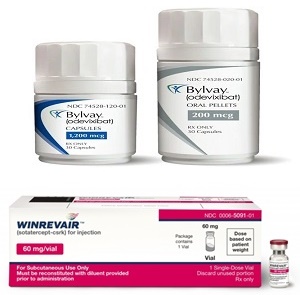
The first pilot program, launched in 2023, concluded after nearly two years, which was longer than originally planned. Among the drugs included, Bylvay (odevixibat), the last to secure reimbursement status, took more than a year to listing.
Similarly, the drugs selected for the second pilot project in December 2024—▲‘ Winrevair(sotatercept)’, ▲‘Rimqarto (anbal-cel)’, ▲‘Fintepla (fenfluramine)’—have not shown significant progress even though nearly a year has passed since the program began.
At the start of the new year, the government announced plans to strengthen support for rare and severe intractable diseases, stating the intent to “reduce the reimbursement listing period for rare disease treatments, which previously took over a year, to 100 days through streamlining reimbursement appropriateness evaluations and negotiations.” However, skepticism remains within the pharmaceutical industry, questioning, “Given that even the ‘150 days’ target of the pilot project was rarely met, is this really feasible?”
If the existing cost-effectiveness evaluation method remains unchanged, for chronic rare and intractable diseases requiring lifelong treatment, the longer a patient survives, the longer they must continue taking the medication. This means that while the drug improves survival and quality of life, the associated drug costs also increase.
This structure makes it inherently disadvantageous to demonstrate cost-effectiveness and, in extreme cases, creates a dilemma in which a patient’s earlier death would paradoxically improve cost-effectiveness outcomes.
A representative example is Winrevair, a pulmonary arterial hypertension (PAH) therapy included in the second pilot program. Winrevair is the first approved activin signaling inhibitor (ASI) in this therapeutic area, where drug development is particularly challenging. Unlike existing therapies focused on vasodilation, Winrevair improves vascular remodeling, the fundamental cause of the disease.
Consequently, no comparable therapeutic alternative is available. If Winrevair is evaluated within the existing economic assessment framework, it would be compared to treatments developed two decades ago. This situation naturally delays the listing process. This challenge is not unique to Winrevair but is one commonly faced by drugs included in the parallel pilot program. Nearly 200 days have already passed since Winrevair received approval from Korea’s Ministry of Food and Drug Safety.
Moreover, pulmonary arterial hypertension is a rare, severe, and chronically progressive disease. The longer patients receive sustained treatment to reach a low-risk group and maintain a favorable condition, the longer the drug is used. This creates the irony that proving cost-effectiveness becomes difficult precisely because the drug ‘keeps patients alive longer’. This is why flexible application of the ICER threshold is necessary.
A representative from a multinational pharmaceutical company commented, “The parallel approval–assessment–negotiation pilot program was introduced to recognize the value of innovative medicines, yet it continues to apply conventional comparative evaluation criteria. The system was designed to improve access to innovative therapies for rare and severe intractable diseases, but it lacks evaluation standards capable of reflecting that innovation.”
-

- 0
댓글 운영방식은
댓글은 실명게재와 익명게재 방식이 있으며, 실명은 이름과 아이디가 노출됩니다. 익명은 필명으로 등록 가능하며, 대댓글은 익명으로 등록 가능합니다.
댓글 노출방식은
댓글 명예자문위원(팜-코니언-필기모양 아이콘)으로 위촉된 데일리팜 회원의 댓글은 ‘게시판형 보기’와 ’펼쳐보기형’ 리스트에서 항상 최상단에 노출됩니다. 새로운 댓글을 올리는 일반회원은 ‘게시판형’과 ‘펼쳐보기형’ 모두 팜코니언 회원이 쓴 댓글의 하단에 실시간 노출됩니다.
댓글의 삭제 기준은
다음의 경우 사전 통보없이 삭제하고 아이디 이용정지 또는 영구 가입제한이 될 수도 있습니다.
-
저작권·인격권 등 타인의 권리를 침해하는 경우
상용 프로그램의 등록과 게재, 배포를 안내하는 게시물
타인 또는 제3자의 저작권 및 기타 권리를 침해한 내용을 담은 게시물
-
근거 없는 비방·명예를 훼손하는 게시물
특정 이용자 및 개인에 대한 인신 공격적인 내용의 글 및 직접적인 욕설이 사용된 경우
특정 지역 및 종교간의 감정대립을 조장하는 내용
사실 확인이 안된 소문을 유포 시키는 경우
욕설과 비어, 속어를 담은 내용
정당법 및 공직선거법, 관계 법령에 저촉되는 경우(선관위 요청 시 즉시 삭제)
특정 지역이나 단체를 비하하는 경우
특정인의 명예를 훼손하여 해당인이 삭제를 요청하는 경우
특정인의 개인정보(주민등록번호, 전화, 상세주소 등)를 무단으로 게시하는 경우
타인의 ID 혹은 닉네임을 도용하는 경우
-
게시판 특성상 제한되는 내용
서비스 주제와 맞지 않는 내용의 글을 게재한 경우
동일 내용의 연속 게재 및 여러 기사에 중복 게재한 경우
부분적으로 변경하여 반복 게재하는 경우도 포함
제목과 관련 없는 내용의 게시물, 제목과 본문이 무관한 경우
돈벌기 및 직·간접 상업적 목적의 내용이 포함된 게시물
게시물 읽기 유도 등을 위해 내용과 무관한 제목을 사용한 경우
-
수사기관 등의 공식적인 요청이 있는 경우
-
기타사항
각 서비스의 필요성에 따라 미리 공지한 경우
기타 법률에 저촉되는 정보 게재를 목적으로 할 경우
기타 원만한 운영을 위해 운영자가 필요하다고 판단되는 내용
-
사실 관계 확인 후 삭제
저작권자로부터 허락받지 않은 내용을 무단 게재, 복제, 배포하는 경우
타인의 초상권을 침해하거나 개인정보를 유출하는 경우
당사에 제공한 이용자의 정보가 허위인 경우 (타인의 ID, 비밀번호 도용 등)
※이상의 내용중 일부 사항에 적용될 경우 이용약관 및 관련 법률에 의해 제재를 받으실 수도 있으며, 민·형사상 처벌을 받을 수도 있습니다.
※위에 명시되지 않은 내용이더라도 불법적인 내용으로 판단되거나 데일리팜 서비스에 바람직하지 않다고 판단되는 경우는 선 조치 이후 본 관리 기준을 수정 공시하겠습니다.
※기타 문의 사항은 데일리팜 운영자에게 연락주십시오. 메일 주소는 dailypharm@dailypharm.com입니다.