
- LOGIN
- MemberShip
- 2026-05-07 05:50:55
- Policy
- Reimb price of Forxiga generics fluctuates amid changes
- by Lee, Tak-Sun Apr 12, 2024 05:41am
- AstraZeneca How the changes in reimbursement status of Forxiga (dapagliflozin propanediol monohydrate) generics will affect market competition is gaining industry-wide attention. The generic versions, which had been introduced to the market in April last year, are facing price changes due to changes in their reimbursement status. The premium pricing granted to first generics and Korea Innovative Pharmaceutical Companies ended on the 8th, and Ilsung Pharmaceuticals' reimbursement was suspended on the 9th. Pharmaceutical companies are eyeing how these reimbursement changes will impact the generic market ahead of the market withdrawal of the original Forxiga. According to industry sources on the 11th, the premium pricing granted to dapagliflozin propanediol monohydrate 5mg and 10mg generics ended on the 4th. In the case of the 5mg dose, prices of all 7 generic drugs that were granted non-innovative company first generic premium pricing (previously priced at KRW 291) and all 3 generic drugs that were granted innovative company first generic premium pricing (previously priced at KRW 333) will be reduced to KRW 262 with the end of the 1 year premium pricing period. As a result, the prices of all 21 products on the reimbursement list are now the same, which means that companies will no longer be able to use the higher drug price as a weapon to increase promotion costs. In the case of the 5mg product, the competition is between the generic drugs as the original Forxiga 5mg (AZ) was added to the reimbursement list in 2014 and then removed in 2018. In addition, Ilsung Pharmaceuticals' Dapalon Tab 5mg was suspended from reimbursement on Sept. 9. The MFDS decided to cancel its license after it was revealed that the company sold the product before the original Forxiga’s patent expiry last year. Daewoong Pharmaceutical, which had sold the original Forxiga from March 2018 to January, also entered the market with its own generic on the 1st. Through a transfer and assignment, the company’s Forxilo 5mg was added to the reimbursement list. The premium pricing granted to 10mg products, which are much more competitive, has also ended. The price of 18 non-innovative company first generics (previously KRW 437) and 5 innovative company first generics (previously 499 won) will be lowered to KRW 393. As a result, the generic price of the 10mg products will be split into two: KRW 393 for drugs that met both requirements and KRW 334 for those that met only one requirement. With the end of the premium pricing granted to generic drugs, their price gap with the original Forxiga 10mg, which is maintained at KRW 734 through a stay of execution of an administrative disposition order, has widened. However, Forxiga 10mg will be withdrawn from the domestic market in the second half of the year. Before that, it will reportedly transfer indications for chronic heart failure and chronic renal failure, including diabetes, to HK Inno.N’s product. Currently, the generic product only has a diabetes indication. Until its market withdrawal, AstraZeneca wants to maintain the domestic price of the drug, which is contingent on the results of the ongoing price-volume agreement negotiations with the National Health Insurance Service. Reimbursement for Ilsung Pharmaceuticals' Dapalon Tab 10mg was also suspended as of the 9th. On the other hand, the premium pricing of 12 salt-modified drugs will remain intact for 2 years (until April 8, 2026) due to having three or fewer generic companies manufacturing the same. This puts generic companies at a disadvantage in terms of spending expenditures. The sharp changes in the reimbursement landscape for Forxiga generics mark the start of a new round of competition in the market. Meanwhile, Forxiga generics have generated about KRW 30 billion in outpatient prescriptions (UBIST) in the 9 months since it entered the market in April last year.
- Company
- K-Pharma wins another patent dispute against ‘Entresto’
- by Kim, Jin-Gu Apr 11, 2024 05:45am
- Generic companies win the third trial surrounding the method-of-use patent of Novartis’ ‘Entresto,’ a heart failure treatment. As generic companies win the third trial surrounding the method-of-use patent of Novartis’ ‘Entresto,’ a heart failure treatment, they are one step closer to an early entry of their generic products. Now, the patent hurdle is down to two for early entry of generic versions of Entresto. If generic companies succeed in overcoming the remaining two patents, an annual market size of KRW 60 billion is anticipated to open. On April 8, the pharmaceutical industry reported that the Supreme Court ruled of ‘discontinuance of a trial’ on Novartis’ appeal against Hanmi Pharmaceutical and others in Entresto’s method-of-use patent nullification trial. The ‘discontinuance of a trial’ ruling refers to the system under which the Supreme Court ceases to hear appeals, dismisses such appeals, and confirms that a lower court ruling is intact. In other words, Novartis appealed to the court, arguing that the patent court ruling was unjust, but the Supreme Court ruled that there was no basis for the appeal. Generic companies won the first and second trials of the method-of-use patent dispute trials. In April 2021, Hanmi and other pharmaceutical companies claimed nullification of Entresto’s method-of-use patent and requested a ruling. Last November, Generics also won a case in the second trial following Novartis’ appeal. Subsequently, Novartis appealed against the decision yet again, but the Supreme Court ultimately dismissed Novartis’ final appeal. As a result, only two patents remain for the early entry of generic versions of Entresto: the salt· hydrates patent, which expires in November 2026, and the crystalline form patent, which expires in September 2027. Regarding these patents, the generic companies won their cases during the first trial of patent dispute. After losing the first trial, Novartis appealed to the patent court, asking to cancel the first trial decision. If the generic companies win the second trial, generics can be released earlier in the market. There is a possibility that Novartis may appeal to the Supreme Court. Since the generic companies have already won both the first and second trials, they will face less burden due to patent infringement. According to UBIST, a market research agency, Entresto recorded outpatient prescription sales of KRW 57.5 billion last year, up 35% compared to 2022. Entresto was launched in October 2017 with reimbursement. It consistently expanded its indication, generating outpatient prescription sales of KRW 5.5 billion in 2018, KRW 14.3 billion in 2019, KRW 22.4 billion in 2020, KRW 32.4 billion in 2021, and KRW 42.5 billion in 2022.
- Policy
- Clopidogrel recall due to 1 CMO…’no issue escalation’
- by Lee, Hye-Kyung Apr 11, 2024 05:44am
- The issue that stirred up the clopidogrel recall that had been ongoing since March was found to have been caused by a single contract manufacturer, making the concern of it escalating to a series of recalls unlikely. Starting with Daewoong Bio's 'Clovons Tab' on March 17, the Ministry of Food and Drug Safety recalled a total of 29 items from 27 companies by April 2. The MFDS’s reason for the recall is 'exceeding the standard for miscellaneous related impurities during post-marketing stability tests'. In the case of marketed drugs, stability tests are required to be conducted annually for all dosage forms, on at least one manufacturing lot each per packaging type that contains the same substance as the marketed product. However, if the items manufactured by the contract manufacturing organization (CMO) are identical to the items manufactured by the consignor in accordance with the 'Standards for the Manufacturing and Quality Control of Finished Pharmaceutical Products' in terms of raw materials, quantity, manufacturing method, manufacturing facilities, and packaging materials, the consignor may submit the CMO’s stability test data. Regarding the clopidogrel situation, an MFDS official said, "It is not a problem of impurities in the clopidogrel ingredient itself, which was the issue during the nitrosamine impurity issue. The items that have been announced for recall so far were all manufactured by a single CMO on consignment." "There is a deadline for submitting post-marketing stability testing data, and the recall was triggered by a discovery of an impurity in the purity test that was conducted within the deadline.” The 29 items of the 27 companies that have been recalled were manufactured by Daewoong Bio, and most of them were manufactured in 2021 and 2022, therefore their expiration date has passed or is about a year away. In particular, among the 27 companies, ▲Icure, ▲Ildong Pharmaceutical, ▲Pharmgen Science, ▲Intro BioPharma, ▲Ilsung Pharmaceuticals, ▲Kyongbo Pharmaceutical, ▲Hanlim Pharm, ▲Kunil Pharm, ▲Kolong Pharma, ▲Reyon Pharm, ▲Seoul Pharma, ▲Eden Pharma, ▲Ahngook New Pharm, ▲Yuyu Pharma, ▲ Hankook Korus Pharm changed to in-house manufacturing or switched contract manufacturers. However, as the MFDS's recall announcement did not disclose the companies that had previously signed CMO contracts with Daewoong Bio, concerns arose on how the impurity crisis may continue to the more recent products manufactured and sold by companies that had changed CMOs. In this regard, an MFDS official said, "If you search the current information, there are 13 consignors of Daewoong Bio. Some of the consignors that were entrusted manufacturing in the past have changed to in-house manufacturing or other CMOs.” "Currently, items other than those listed in Daewoong Bio's batch information are produced by on their own or by other manufacturers. "In the case of clopidogrel, there are no impurities in the clopidogrel ingredient itself, unlike the nitrosamine impurity issue.
- Company
- SK’s CMO business posted KRW 812 billion last year…
- by Chon, Seung-Hyun Apr 11, 2024 05:44am
- SK Group's contract manufacturing organization (CMO) business posted a deficit last year. Sales reached nearly KRW 1 trillion, but its growth was sluggish. Investments increased due to the expansion of production facilities at acquired companies, and demand for contract manufacture of COVID-19 drugs from overseas pharmaceutical companies decreased. According to SK on April 9, SK Pharmteco’s sales revenue last year was KRW 812 billion, down 10.5% from the previous year. SK Pharmteco posted an operating profit of KRW 49 billion in 2022 but turned to an operating loss of KRW 89 billion. Quarterly sales of SK Pharmteco (Unit: 100 mil, Source: SK). Established in January 2020 in California, U.S., SK Pharmteco is SK Group's contract manufacturing organization (CMO) in charge of the company’s manufacturing of consigned pharmaceutical products. SK Pharmteco is comprised of five entities: SK Biotech, SK Biotech Ireland, AMPAC, Yposkesi, and CBM. The company has a localization strategy that allows the company to carry out CMO businesses in the U.S. and Europe by establishing local manufacturing facilities. Quarterly sales of SK Pharmteco (Unit: 100 mil, Source: SK). SK Pharmteco’s sales increased from KRW 651 billion in 2020 to KRW 776 billion in 2021, and KRW 907 billion in 2022, but the growth slowed down last year. In terms of quarterly sales, SK Pharmteco recorded KRW 249 billion in sales in Q4 2022, followed by KRW 197 billion in Q1 2023, a 20.9% decrease from the previous quarter. The company posted a loss of KRW 15 billion in Q1 last year. Sales rebounded to KRW 214 billion in Q2 last year but fell 15.7% YoY to KRW 183 billion in Q3. The decline in orders for COVID-19 drugs from large pharmaceutical companies created a revenue gap for CDMOs. SK Pharmteco posted a loss of KRW 15 billion each in Q1 and Q2 last year. The losses reflected costs related to the expansion of its production facility in Virginia, U.S. In the Q4 last year, sales reached KRW 218 billion, up 19.1% from the previous quarter. The company explained, “Sales increased due to the expansion of our pipeline that includes our core products, and the effect of the acquisition of CBM.” The company posted a loss of KRW 59 billion in Q4 last year, which reflects the initial operating loss of the gene cell therapy business following the acquisition of CBM. SK Pharmteco acquired the management rights for The Center for Breakthrough Medicines (CBM), a U.S. cell and gene therapy CDMO, in September last year. In January 2022, SK Pharmteco invested USD 350 million (approximately KRW 420 billion) to fortify its bio business in the U.S. and became the second-largest shareholder. It ascended to become CBM's largest shareholder afterward by exercising the call option rights it secured during that time. CBM is building a 65,000㎡ facility, the world's largest single manufacturing facility for cell and gene therapies, of which approximately 28,000㎡ have been completed to house its Viral Vector GMP facility and development and analytical laboratories. When the GMP production facility for plasmids, the raw material used for cell and gene therapy drugs, is completed this year, the entire process, including development, production, and analysis, from plasmids to finished products such as viral vectors and cell therapy products, will be provided in one place. Viral vectors are virus-based gene transfer vectors that insert therapeutic DNA into viruses for safe and efficient administration to the human body. Compared to using different suppliers for each development and production process, the production period and cost can be reduced. SK is implementing a strategy at the group level to develop SK Pharmteco into a global CDMO company. Unlike how Samsung Biologics, whose CMO business has been growing rapidly in recent years, produces and supplies biopharmaceuticals ordered by overseas customers at its Songdo plant in Incheon, SK Pharmteco implemented a localization strategy and built production bases in the U.S., Europe, and other countries to develop its CMO business. SK Biotech, which is in charge of the domestic production base, was established in April 2015 by spinning off SK Biopharm's raw pharmaceutical material business. In 2016, SK incorporated SK Biotech as a 100% subsidiary. SK invested KRW 40 billion in March 2016 and KRW 172.5 billion in November 2017 through a paid-in capital increase. SK Biotech engages in the business of developing new raw materials using its proprietary technology. SK SK Pharmteco has secured a total of 5 overseas bases since 2017. SK Biotech Ireland is the successor of BMS’s Ireland plant, which was acquired by SK Biotech in June 2017 for KRW 170 billion. In 2019, SK acquired a 100% stake in U.S. biopharmaceutical CDMO AMPAC to secure a U.S. manufacturing base. AMPAC has production facilities in California, Texas, and Virginia. SK Group invested about KRW 1 trillion to acquire SK Biotech Ireland and AMPAC. The three entities, SK Biotech, SK Biotech Ireland, and AMPAC, produce synthetic drugs. In March 2021, SK Pharmteco expanded into the biopharmaceuticals sector with the acquisition of French gene and cell therapy drug contract manufacturer Yposkesi. Last year, it became the largest shareholder of CMB and secured an additional production base for cell and gene therapy. SK Pharmteco plans to strengthen its global market penetration through integrated operations of CBM and Yposkesi. Yposkesi’s second plant was completed in June last year, and totaled at 10,000㎡, the largest in Europe.
- Company
- NIP vaccine Vaxneuvance lands in ‘Big 5’ hospitals in KOR
- by Eo, Yun-Ho Apr 11, 2024 05:44am
- The pneumococcal vaccine Vaxneuvance, which can now be received free of charge in Korea, is quickly landing in general hospitals in Korea. According to industry sources, MSD’s vaccine has passed the drug committees (DCs) of the ‘Big 5’ tertiary hospitals in Korea, including Samsung Medical Center, Seoul National University Hospital, Seoul St. Mary's Hospital, Seoul Asan Medical Center, and Sinchon Severance Hospital. It is also being rapidly supplied to local clinic-level institutions as well. Vaxneuvance, which has been included in the National Immunization Program (NIP) since January 1, is used to prevent invasive diseases and pneumonia caused by a total of 15 pneumoniae serotypes (1, 3, 4, 5, 6A, 6B, 7F, 9V, 14, 18C, 19A, 19F, 22F, 23F, and 33F) in all ages from 6 weeks of age and above. All children 2 months to 5 years of age who have not yet received the pneumococcal conjugate vaccine or who have started but have not completed their schedule are eligible to receive Vaxneuvance through NIP. Vaxneuvance confirmed its cross-immunization ability with the existing PCV13 through pediatric clinical studies, so children who have received at least one dose of existing PCV13 may cross-vaccinate the remaining recommended doses with Vaxneuvance. In addition to protection against the 13 serotypes it shares with PCV13, Vaxneuvance offers protection against two new serotypes, 22F, and 33F, which are the leading causes of invasive pneumococcal disease. With an increase in serotype replacement, which refers to the expansion of non-vaccine serotypes caused by serotypes not included in existing vaccines, being reported globally, Vaxneuvance is rising as a preventive option that meets the current pneumococcal disease situation. The immunogenicity of individual serotypes in a vaccine is as important as the range of prevention in vaccine selection criteria, as it can predict the efficacy of a vaccine. The World Health Organization (WHO) has recommendations for standardized immunogenicity testing of pneumococcal vaccines. In a total of 12 clinical studies on adults or infants, children, and adolescents, Vaxneuvance confirmed its immunogenicity was non-inferior to conventional PCV13 in the 13 shared serotypes, and superior against unique serotypes 22F and 33F, confirming equivalent levels of immunogenicity across all 15 serotypes included in the vaccine. In addition, there remained an unmet need for protection against serotype 3, which causes fatal invasive disease in children, as it continues to be reported following conventional pneumococcal vaccination, and Vaxneuvance confirmed superior immunogenicity over PCV13 against the serotype.
- Policy
- 4th-generation, 3 chamber IV nutrition receives reimb
- by Lee, Tak-Sun Apr 11, 2024 05:44am
- JW Pharmaceutical’s fourth-generation 3 chamber nutrient fluid was officially launched in January. Fourth-generation 3 chamber Total Parenteral Nutrition (TPN), with enhanced amino acids contents, are being introduced into the market. Following the reimbursement listing of related products by Baxter and JW Pharmaceutical, HK inno.N and Fresenius Kabi have joined the competition. Companies that competed previously in the third-generation market are now entering fourth-generation market. The 3-chamber nutrient fluid is an IV infusion product that contains 3-chamber bags for amino acids, lipids, and sugars. Recent fourth-generation products contain higher amino acid contents. On April 1, HK inno.N’s 'Omapplusone Inj' was listed for reimbursement at KRW 50,246. Last year, Olimel N12E Inj was listed as a third-generation product for reimbursement for the first time. From October to November of last year, four doses of Olimel N12E Inj (650, 1000, 1500, 2000 mL) were launched with reimbursement coverage. Its reimbursement ceiling prices are KRW 29,746 for the 650 mL product and KRW 55,202 for the 2000 mL product. JW Pharmaceutical’s Winuf A Plus Inj and Winuf A Plus Peri Inj entered the market as well. From November to December of last year, two Winuf A Plus Inj (1090, 1438 mL) products and two Winuf A Plus Peri Inj (1089, 1452 mL) products were listed for reimbursement. The minimum price was set at KRW 40,197 for Winuf A Plus Inj (1090 mL), and the maximum price was set at KRW 45,679 for (1452 mL) This year, HK inno.N reimbursement listed their products in February and this month. Seven products, including three Omapplusone Inj (986ml, 1477ml, 1970 mL) and four Omapplusone Peri Inj (724, 952, 1448, 1904 mL), were reimbursement listed. The company’s approach seems to offer a wide range of doses than its competitors. The minimum price was set at KRW 31,285 for Omapplusone Peri Inj (724 mL), and the maximum price was set at KRW 54,153 for Omapplusone Inj (1970 mL). Last January, Fresenius Kabi, a foreign pharmaceutical company, secured a listing of Ntense EF Inj (1012 mL) at KRW 40,197. It was reported that the company is currently in the process of pricing Ntense Inj. These four pharmaceutical companies compete intensely in the third-generation nutrition fluids market. In order of market share, JW Pharmaceutical, Fresenius Kabi, HK inno.N, and Baxter dominate the market, which is approximately KRW 150 billion. As pharmaceutical companies release their fourth-generation products into the market, tough competition for securing a place in the market is anticipated.
- Company
- Mundipharma Korea closes its opioid analgesics business
- by Son, Hyung-Min Apr 09, 2024 05:50am
- Mundipharma Korea is drastically reorganizing its opioid analgesics specialty drug business unit. This is the second time the Korean branch made such large-scale reshuffles since the bankruptcy of its US headquarters, Purdue Pharma in August 2022. The company is known to be searching for a domestic pharmaceutical company to take over the sales of its opioid analgesics and manage its sales with a minimum number of employees. According to industry sources on the 5th, the company is conducting an Early Retirement Program (ERP). This time the target is 25 sales and marketing employees in the specialty drug business unit for the opioid analgesics. The ERP compensation terms are monthly base salary*(years of service*2+9) + severance pay, calculated as of 2024. The retirement bonus is KRW 20 million for less than 5 years of service, KRW 30 million for less than 10 years of service, KRW 40 million for less than 15 years of service, and KRW 50 million for 15 years or more years of service. If an employee with 20 years of service whose monthly salary is KRW 5 million leaves the company, he or she will receive 49 months of salary plus KRW 50 million, or KRW 295 million. Mundipharma Korea is experiencing the aftermath of its U.S.-based Purdue Pharma's downsizing of its opioid analgesics division. Opioid analgesics have become a social problem in the U.S., with overdose deaths and addiction leading to trillions of dollars in fines for drugmakers. In 2019, Purdue Pharma agreed to pay a KRW 5 trillion settlement to 15 U.S. states after admitting that it aggressively marketed its opioid analgesic OxyContin and concealed its addictive properties. The company has filed for bankruptcy since then. Currently, the opioid analgesics sold by Mundipharma Korea in Korea are Norspan, OxyContin, IR cordon, Targin, OxyNorm, etc. The combined annual sales of these products grossed around KRW 30 in 2023. However, sales of all of these products have been declining since 2019. Currently, Mundipharma Korea is looking for a domestic pharmaceutical company that can handle the sales of its opioid analgesics. It plans to retain 4 internal employees (two wholesale call sales personnel, one collaboration personnel, and one strategy personnel) to manage the distribution network. Psychotropic drugs such as Norspan will be sold and distributed by the partner company, and the other products will be distributed by Mundipharma Korea. This is why the company seeks to only retain the staff necessary for distribution and collaboration. The company said, "This personnel reduction decision was made on a global level, and the local management has no authority to make decisions on the matter.” The company's labor union is also expressing dissatisfaction. A union official said, "The company had carried out a personnel restructuring a year and a half ago, and we have been showing high productivity with the remaining few. So we feel a greater sense of loss with this year’s reduction. The negotiations regarding our job security are at a standstill. We are also in the process of wage negotiations, but feel like the company is drawing a line." "Sales of major opioid analgesics are down, but I think the 25 people have done a good job of covering the work that had been done by over 100 people. It is disappointing that this effort has not been recognized and that the company has shown no willingness to avoid layoffs."
- Policy
- Approval of Beyfortus imminent in Korea
- by Lee, Hye-Kyung Apr 09, 2024 05:50am
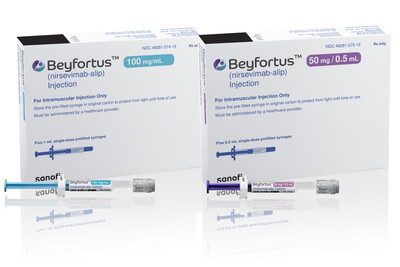
- Beyfortus (nirsevimab), a long-acting antibody designed to prevent respiratory syncytial virus (RSV) in infants that was jointly developed by Sanofi and AstraZeneca, is soon to receive marketing authorization in Korea. According to the minutes of the Central Pharmaceutical Affairs Council meeting held on March 6, which was released by the Ministry of Food and Drug Safety on the 5th, the members discussed the "feasibility of granting marketing authorization based on the submitted data, which includes bridging data” for an RSV vaccine and concluded that it was “feasible” Although the name of the product was not disclosed in the minutes, the discussed item appears to be Beyfortus, which applied for approval last year, based on how the unnamed drug 'can be used in healthy children', and submitted data on clinical trials conducted on newborns, and dosages divided into weight groups. Beyfortus is approved and used in the U.S. and Europe for the prevention of RSV lower respiratory tract disease in neonates and newborns born during the RSV season or will experience the first RSV season, and in infants up to 24 months of age who are susceptible to severe RSV disease during their second RSV season. RSV is a contagious virus that affects the lungs and breathing when infected and is a potentially life-threatening and serious condition primarily in young infants, people with certain chronic medical conditions, and the elderly. It is estimated that RSV kills approximately 102,000 children worldwide each year. The CPAC discussed the feasibility of the drug’s approval with the included bridging data, and one member said, "Although the number of Korean subjects is small, the characteristics of the drug and the disease do not appear to be sensitive to ethnicity. We believe that it can be authorized.” Existing treatments had limitations in preventing RSV disease in high-risk populations, but this drug could be used in healthy children, potentially expanding RSV prevention options. However, it was also mentioned that post-marketing surveillance (second review) would be required as it is a new drug. One committee member said, "The pharmacokinetics, ADA, and other evaluation indices presented from post-marketing clinical trials in 20 infants have limitations due to difficulties in blood collection and data interpretation." Another said that future safety monitoring and continuous follow-up on the RSV epidemic in Korea would also be necessary. Regarding this, the MFDS said, "There are cases where deliberations had been made using bridging data. We wanted to discuss the feasibility of its approval and ways to supplement the lack of data. The existing RSV drug was exempted from submitting bridging data because it was an orphan drug." Regarding the dosage, the CPAC said that the dosage of the existing product is 15mg/kg, this drug is administered at a fixed dose by weight group (less than 5 kg / more than 5 kg). Therefore, although there may be a difference in exposure for those on the borderline of weight, it would not be a problem for ease of use. The CPAC chairman said, “Our members concluded that when considering the mechanism of action of how the drug binds to the virus, the drug is not expected to be sensitive to ethnic factors, and the actual data also proved as such. Based on the data confirming that the binding site of the virus has not mutated or developed resistance, and the unmet medical need, the drug’s marketing authorization is deemed feasible.” If and when Beyfortus is approved, Sanofi will be responsible for its domestic marketing and sales.
- Company
- Korean and global pharmas in race for lung cancer drugs
- by Son, Hyung-Min Apr 09, 2024 05:50am
- Pharmaceutical and biotechnology companies in South Korea are conducting clinical trials to overcome drug resistance in conventional non-small cell lung cancer (NSCLC) therapy. These companies are developing 4th-generation lung cancer treatments that have proven effective in patients with drug resistance after the use of 1st-to-3rd-generation targeted therapies. Conventional EGFR-positive NSCLC therapies are categorized into 1st-generation AstraZeneca’s Iressa (gefitinib) and Roche’s Tarceva (erlotinib), 2nd-generation Boehringer Ingelheim’s Giotrif and Pfizer’s Vizimpro (dacomitinib), and 3rd-generation Yuhan Pharmaceutical’s Leclaza (lazertinib) and AstraZeneca’s Tagrisso (osimertinib). However, drug resistance can still occur when using targeted therapies with proven effectiveness. The C797S mutation is the most common mutation in EGFR-positive targeted therapies. Treatment options following the targeted therapies are limited. Patients with resistance to targeted therapies have the option of using anticancer chemotherapy, docetaxel, or cancer immunotherapy. However, these drugs do not significantly improve response rates. Latecomer companies target a C797S mutation that causes resistance after the conventional 1st-to-3rd-generation targeted therapies, aiming to seek commercialization opportunities. The analysis is that these drugs compete against antibody-drug conjugates (ADC), which have proven effective in patients resistant to targeted therapies, for commercialization. The K-Bio industry is conducting clinical trials targeting C797S mutation According to industry sources on April 6, domestic biotech venture J INTS BIO presented clinical phase 1/2 results on its 4th-generation EGFR-positive candidate JIN-A02. Byoung Chul Cho (Director of the Lung Cancer Center at Yonsei Cancer Hospital), who is also in charge of Leclaza and Rybrevant, leads the clinical stage of JIN-A02. JIN-A02, a 4th-generation EGFR tyrosine kinase inhibitor (TKI), has an underlying mechanism of action that selectively binds to C797S, which causes resistance to 3rd-generation NSCLC treatment. In the clinical study, JIN-A02 confirmed a partial response (PR) in one patient and stable disease (SD). J INTS BIO explained that among 4th-generation EGFR-TKI treatments, it is the first instance of PR in patients with the C797S mutation. Bridge Biotherapeutics is developing BBT-207, a 4th-generation EGFR-positive lung cancer treatment. A phase 1/2 trial of BBT-207 is currently being conducted, enrolling 90 patients with EFGR-positive NSCLC in South Korea and the United States. Bridge Biotherapeutics plans to understand data on different mutations in patients acquired through liquid biopsy. In a preclinical trial, BBT-207 demonstrated anti-tumor effectiveness in various EGFR mutations, including the C797S mutation. Therapex has received approval from the Ministry of Food and Drug Safety (MFDS) for a phase 1/2 TRX-221 trial last month. Therapex plans to determine the recommended dose in Phase 1 and assess effectiveness in Phase 2a. The company aims to obtain approval for the indication in advanced NSCLC with EGFR C797S mutation. Previously, Therapex demonstrated the drug’s dose-dependent anticancer efficacy and blood-brain barrier (BBB) permeability in a Tagrisso-resistant brain tumor mouse model. Voronoi has obtained approval for a phase 1 trial in South Korea and is conducting the clinical trial. Voronoi also targets EGFR C797S. Through this phase 1 trial, the company plans to evaluate the drug’s effectiveness against the C797S-resistant mechanism of action. HK inno.N is conducting research on IN-119873, a 4th-generation targeted anticancer treatment, for patients who have shown resistance in the first-line treatment of NSCLC or have an L858R mutation. Unlike conventional treatments that target the binding site of adenosine triphosphate (ATP), an energy source of cancer cells, IN-119873 targets the allosteric binding site (one of the protein binding sites) of the EGFR, providing a significant advantage. Korean and overseas companies are developing fourth-generation EGFR-positive targeted lung cancer treatments. For overseas pharmaceutical companies, Black Diamond Therapeutics leads the clinical race…Will it surpass ADC Overseas pharmaceutical companies, as well as Korean biotechnology companies, are actively conducting clinical trials on 4th-generation lung cancer treatments. Black Diamond Therapeutics confirmed the highest number of partial responses (PR) in their phase 1/2 clinical trial. They are repurposing their existing brain tumor treatment, BDTX-1535, as a 4th-generation lung cancer targeted therapy. In a clinical trial targeting NSCLC patients with acquired resistance to targeted therapy, Black Diamond Therapeutics's 4th-generation EGFR-TKI treatment, BDTX-1535, yielded results of five patients with partial response (PR) and six patients with stable disease (SD) out of a total of twelve. In contrast, the U.S.-based Blueprint Medicines faces difficulties in drug development as it failed to confirm efficacy in Phase 1 clinical trials. The company faced setbacks with its 4th-generation targeted therapy candidate, BLU-945 monotherapy. However, the company is currently exploring the possibility of commercializing it as a combination therapy with Tagrisso. Blueprint Medicines plans to target exon 21 L858R mutations rather than the C797S mutation in Tagrisso-resistant patients. However, the commercialization of these targeted therapies faces a challenge in surpassing ADC clinical results. Currently, Daiichi Sankyo and MSD are jointly developing an ADC that has shown effectiveness in Tagrisso-resistant patients, and their data are being disclosed. Daiichi Sankyo and MSD’s Patritumab deruxtecan, which targets human epidermal growth factor receptor 3 (HER3), has shown effectiveness in EGFR-TKI patients compared to platinum-based chemotherapy in the phase 2 HERTHENA-Lung01 study. In the clinical trial, patritumab demonstrated complete responses (CR) and confirmed 66 partial responses (PR). The objective response rate (ORR) was observed at 29.8%. Currently, this treatment is designated as a priority review drug by the U.S. Food and Drug Administration (FDA), with approval expected to be finalized in June of this year.
- Opinion
- [Reporter’s View] Delays in reimbursement listing
- by Lee, Tak-Sun Apr 09, 2024 05:50am
- Last January, the Health Insurance Review and Assessment Service (HIRA) posted a document explaining the delay in listing and related press reports. The message was that the HIRA strives to implement faster listing, but pharmaceutical companies must cooperate. “Pharmaceutical companies must submit relevant documents for drugs subjected to the cost-effectiveness evaluation waiver system because cost-effectiveness of the drug may be determined vague,’ the HIRA said. “To shorten the evaluation period, proactive cooperation from pharmaceutical companies by submitting comprehensive data demonstrating the clinical utility and cost-effectiveness of drugs is necessary,” the HIRA emphasized. During the National Assembly audit in October last year, swift reimbursement orders for the cancer drug 'Enhertu inj' and the orphan drug 'Ilaris inj' emerged, and there have been numerous press releases related to the issue. In January, media coverage asking for swift reimbursement peaked as Enhertu inj and Ilaris inj were not yet under review by the Drug Reimbursement Evaluation Committee (DREC). The press primarily focused on the HIRA’s assessment delay. None of the articles demanded that pharmaceutical companies swiftly submit comprehensive documents. In January, HIRA’s explanatory document included such complaints and resentments. “During the early stage of reimbursement assessment, some pharmaceutical companies leave out important documents,” an official from the HIRA explained. Again, in the February DREC review, Enhertu received reimbursement appropriateness following the January DREC review. In March, negotiations for drug prices were completed. Starting in April, Enhertu is reimbursed for the upper limit amount of KRW 1,431,000 for patients with HER2 expression-positive metastatic breast cancer or gastric cancer who have received prior treatments. On the other hand, reimbursement for Ilaris is still under review. In March, the DREC conditionally recognized the reimbursement appropriateness pending further submission of evidence by the pharmaceutical company. After the pharmaceutical company raised objections, it was reviewed again in April. However, the DREC review delivered the same conclusion. Now, the pharmaceutical company has to make its decision. There has been a lot of media attention recently on medications that are intended for patients with low numbers or severe conditions. While insurers want to provide reimbursements quickly to address patients' urgent needs, they need to consider both the effectiveness and cost of the medication. Therefore, a thorough evaluation is necessary from the insurer's perspective. Recently, media reports urging swift reimbursement put psychological pressure on the HIRA. “There is significant pressure to accommodate patient community demands through media coverage. HIRA handles these issues through informal complaint-handling rather than formal procedures, leading to increased workload and stress for staff,” according to a recent report on ‘Comparison of Reimbursement Management Systems for High-cost Drugs in Korea and Overseas (researcher Kim Yoo-jung).’ The media often blames the HIRA for delays in the reimbursement assessment of drugs, hindering its normal operations. Recently, the HIRA announced its intention to expedite the inclusion of high-cost anticancer drugs and orphan drugs through a "pre-entry, post-assessment" policy. This means that even for Ilaris, the assessment results may follow a post-evaluation format for prioritized entry. While HIRA has played its card, whether the market is mature enough to accept this approach remains uncertain. Criticism accusing HIRA of passing on responsibility for insufficient data from pharmaceutical companies may not be entirely justified. According to HIRA, achieving swift reimbursement requires the cooperation of both HIRA and pharmaceutical companies. It's the responsibility of both parties to ensure swift inclusion. Pressuring for speedy inclusion through public opinion can cause more disruption instead of facilitating the process. Establishing formal administrative procedures that allow patients to participate in decision-making, as demonstrated in the recent HIRA study, is essential. This will clear up misunderstandings around current assessments and ensure impartial evaluations. Advocating for reimbursement through the National Assembly or the media is not legitimate.
