
- LOGIN
- MemberShip
- 2026-05-07 05:51:49
- Product
- The Court rejects petitions on drug pricing negotiations
- by Kang, Shin-Kook May 03, 2024 05:53am
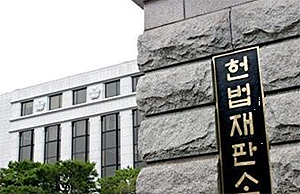
- The Constitutional Court of Korea. The Constitutional Court of Korea (hereafter referred to as the Constitutional Court) made a decision to reject pharmaceutical company’s petition, which alleged a constitutional violation related to the drug pricing negotiations order. The Constitutional Court recently announced that the clause of a claim, including the violation of the constitution, related to drug pricing negotiation does not fall under the category of exercising governmental authority subject to a constitutional petition. As a result, the request for petition has been declared invalid. The clause in dispute was 'Rules on Criteria for the Health Care Benefits of the National Health Insurance Service,' which allows the Minister of the Ministry of Health and Welfare (MOHW) to order the President of the National Health Insurance Service (NHIS) to negotiate with a manufacturer related to a pharmaceutical that already is reimbursable for health care benefits, acts related to the Minister of MOHW ordering President of the NHIS to negotiation with the petitioners, and acts related to the President of the NHIS disclosing negotiations schedule to the petitioners and notifying of submitting required documents. The Constitutional Court stated, "The clause in question is an organizational regulation that merely specifies the Minister of the MOHW to instruct the President of the NHIS to negotiate. Therefore, the rule does not infringe upon the petitioners' fundamental rights." The Constitutional Court ruled that "The Minister of the MOHW issued an internal order directing the President of the NHIS as a supervisory agency. It does not fall under the criteria of exercising governmental authority subject to constitutional appeals." And added, "Moreover, the Court highlighted that the notice does not directly affect the petitioners' rights and obligations. Therefore, historically, it does not qualify as a subject of a constitutional appeal."
- Company
- Roche Korea appoints Ezat Azem as new general manager
- by Son, Hyung-Min May 03, 2024 05:52am
- Ezat Azem, new General Manager, Roche Korea Roche Korea announced that it had appointed Ezat Azem as the new general manager, effective as of May 1. The new GM first joined Roche’s Israel subsidiary in 1997, after which he served nearly 27 years in the group as a marketing division leader in Romania, Slovenia, and other countries around the world, contributing to the launch and growth of the company’s key products. From July 2019 to most recently, Azem has served as General Manager of Roche Greece. Azem was recognized for his excellent people leadership and expertise, particularly for successfully leading the strategic portfolio expansion in the Oncology, Hematology, and Specialty Care business units. In addition, during his service as GM of Roche Greece, 8 drugs were approved for reimbursement, improving patient access to new drugs in the area. Azem placed great emphasis on partnerships between the private, public, and academic sectors, and helped Roche fulfill its role as a trusted partner in building Greece's healthcare system. This has resulted in significant achievements, including bringing patients, the medical community, and companies together to ensure that patients receive healthcare closer to home. Azem graduated from the Hebrew University, where he majored in Medical Sciences. He later obtained an MBA from Tel Aviv University and completed executive education programs at INSEAD (Institut Européen d'Administration des Affaires) Business School in France and London Business School (LBS) in the U.K. The new GM said, “I am delighted to be joining Roche Korea, a country known for its excellent healthcare infrastructure. I look forward to contributing to improving the health of patients in Korea by introducing Roche’s innovative new drugs and personalized treatments, drawing on my various expertise.”
- Company
- 'Leclaza’s 5 counts of clinical results' to be showcased
- by Son, Hyung-Min May 02, 2024 05:53am
- It has been noted whether new anti-cancer candidates from the pharmaceutical and biotech industry in South Korea will be competitive on a global setting. According to industry sources on April 2nd, various Korean pharmaceutical companies, including Yuhan, HLB, and GI Innovation, will attend the 2024 American Society of Clinical Oncology (ASCO 2024) Annual Meeting, which will take place on 31st for five days in Chicago, United States. The AACR is the world’s largest cancer academic conference, at which 400 companies from 120 countries gather annually to present their latest clinical data. Yuhan-Janssen will disclose their major clinical data of Leclaza+Rybrevant Leclaza+Rybrevant combination therapy to be presented at ASCO 2024. Yuhan and its partnering company, Janssen, will present five counts of clinical data results related to Leclaza and Rybrevant combination therapy. Notably, the PALOMA 2,3 trial, which evaluated the effectiveness of the subcutaneous (SC) formulation of Leclaza and Rybrevant, is to be watched. As shifts toward SC formulations gain popularity in anti-cancer immunotherapy, such as Keytruda, Opdivo, and Tecentriq, targeted anti-cancer agents follow suit. Conventional anti-cancer agents are primarily intravenous (IV) therapy, and the administration takes more than one hour. Anti-cancer agents of SC formulation are expected to improve patient convenience since they can significantly reduce the administration duration to within 10 minutes. Phase 3 PALOMA-3 study has evaluated the efficacy and safety of SC formulation Leclaza and Rybrevant therapy compared to IV formulation Leclaza and Rybrevant combination therapy in patients with EGFR positive non-small cell lung cancer (NSCLC) who have failed previous treatments. Furthermore, the Phase 2 PALOMA-2 sutdy evaluated the effectiveness of SC formulation Rybrevant and Leclaza therapy in patients with EGFR-positive NSCLC who have not been treated before. It is to be watched whether the combination therapy of SC formulation can address the concerns regarding infusion-related reactions (IRR) side effects identified in the MARIOSA study. Also, the second analysis results of the Phase 3 MARIPOSA clinical study will be disclosed. These results are from testing the effectiveness of the Rybrevant and Leclaza combination therapy, with interim analysis results for progression-free survival (PFS) and OS previously disclosed in last year’s European Society for Medical Oncology Annual Meeting (ESMO 2023). Results related to high-risk patients with a specific biomarker are anticipated to be presented at this year’s ASCO. This study has evaluated the treatment’s efficacy and safety in comparison to its competitor, Tagrisso by AstraZeneca. Additionally, the clinical results of CHRYSALIS-2 study, evaluating the Leclaza and Rybrevant combination therapy in patients with NSCLC harboring atypical EGFR mutations, will be disclosed. This will be presented by Byoung Chul Cho (Director of the Lung Cancer Center at Yonsei Cancer Hospital), who directed the MARIPOSA research. The clinical results of the Leclaza and Rybrevant combination therapy in patients with EGFR-mutated NSCLC who have CNS diseases will also be disclosed. HLB to disclose additional results of rivoceranib in treating liver cancer…to showcase anti-cancer immunotherapy GI-102 Korean pharma and biotech companies, including GI Innovation, ABL Bio, NeoImmuneTech, and Qurient, to present their results at ASCO 2024. HLB will present the results of survival duration tracking for liver cancer patients at this conference. Rivoceranib is an oral targeted anti-cancer agent that inhibits vascular endothelial growth factor receptor 2 (VEGFR2), which is involved in tumor angiogenesis. Rivoceranib and camrelizumab combination therapy is currently anticipated to receive approval from the U.S. FDA. In a previously disclosed Phase 3 study of CARES-310, the combination therapy recorded an OS of 22.1 months in patients with liver cancer. The final analysis data of OS will be disclosed at ASCO 2024. GI Innovation will present the Phase 1/2 results of its anti-cancer immunotherapy candidate, GI-102, in metastatic solid cancer. This novel candidate product targets CD80 and interleukin (IL-2), targeting tumors and immune cells. According to interim results from the phase 1/2 clinical trial, GI-102 demonstrated response rates in cancer types unresponsive to conventional anti-cancer immune immunotherapy. Notably, an increase in response rates was observed in melanoma patients who were unresponsive to anti-cancer immunotherapy, with confirmation of proliferation in NK cells and T cells. ABL Bio will present its Phase 1 clinical result of ABL503, a bispecific antibody candidate. ABL503 is a cancer immunotherapy that simultaneously targets PD-1 and 4-1BB. According to the Phase 1 clinical trial result, one instance of complete response (CR) and three instances of partial remission (PR) were confirmed in ovarian cancer patients administered with ABL503. Phase 1 trials of ABL503 are being conducted in 6 agencies in the United States and 3 agencies in South Korea, related to dosage escalation and expansion parts. Once the dosage is determined, the company aims to set the optimal target among solid cancers. NeoImmuneTech will present poster presentations of preclinical data for its NT-I7, an anti-IL-7, in combination with the anti-cancer immunotherapy Keytruda for the treatment of solid cancer. This clinical trial evaluated the efficacy and safety of the combination therapy in 48 patients with pancreatic cancer and 50 patients with microsatellite stable (MSS) colorectal cancers. Qurient will showcase the interim result of the Phase 1 study for the CDK7 inhibitor Q901. Q901 has an underlying mechanism of inhibiting CDK7, a key molecule in regulating the cell cycle. This inhibits DNA damage repairs and increases gene instability, ultimately leading to apoptosis of cancer cells. Qurient is currently conducting a Phase 1/2 trial to evaluate the safety and efficacy of Q901 as a potential anti-cancer treatment in patients with progressive solid cancer. This trial is being conducted in the United States and South Korea.
- Company
- Yuhan earns KRW253.2B through licensing-out deals in 5 yrs
- by Chon, Seung-Hyun May 02, 2024 05:52am
- Yuhan Corp has secured a solid source of revenue with technology licensing fees. Billions of won in profit have been steadily flowing in every quarter through technology licensing deals, the investing company’s development progress, and milestone payments. Yuhan Corp’s cumulative technology fee over the past 5 years amounted to KRW 253.2 billion. According to the company's report on the 2nd, the company's technology fee revenue in Q1 was KRW 2.5 billion. This is down 64.4% from KRW 7.2 billion in the same period of the past year, but it has been 5 consecutive quarters the company has been collecting revenue since the Q1 in the past year. Yuhan’s quarterly technology fee revenue (Unit: KRW million, Source: Yuhan Corp) The CDMO technology fee it had received from its subsidiary Add Pharma played a major part in the company’s Q1 revenue in Q this year. Addpharma specializes in the development of Incrementally Modified Drugs (IMD). In 2022, Addpharma developed a rosuvastatin-ezetimibe combination drug and licensed it to Jeil Pharmaceutical and GC Biopharma. Yuhan acquired Addpharma in 2017 for KRW 3 billion and invested an additional KRW 7 billion in 2022. As of the end of last year, the company held a 67.7% stake in Addpharma. The company also received a portion of the technology fee from Boehringer Ingelheim in the first quarter. In July 2019, the company licensed out YH25724, a candidate drug for non-alcoholic steatohepatitis (metabolic dysfunction-associated steatohepatitis, MASH), to Boehringer Ingelheim for up to USD 870 million. Under the terms of the agreement, a non-refundable upfront payment of USD 40 million was made. In November 2021, YH25724 entered Phase 1 clinical trials, and the company earned an additional USD 10 million in milestone payments. Yuhan Corp has been receiving technology fee revenue since 2018 when it began exporting new drug technology in earnest. In July 2018, the company transferred its YH14618 technology for degenerative disc disease to Spine Biopharma in the US. The company received an upfront payment of USD 650,000 and a guarantee of milestone payments of USD 217.5 million based on development, approval, and sales. In November 2018, Yuhan Corp licensed out its anti-cancer drug Leclaza to Janssen Biotech. The total value of the agreement, including a non-refundable upfront payment of USD 50 million, amounted to USD 1.25 billion. In January 2019, the company entered into an agreement with Gilead Sciences to license and co-develop a drug candidate that acts on two targets for the treatment of nonalcoholic steatohepatitis (NASH). The deal includes an upfront payment of USD 15 million and milestone payments of USD 777 million depending on development, approval, and sales. In August 2020, the company entered into a licensing agreement with the US company Processa Pharmaceuticals to license out YH12852. YH12852 is a small molecule drug in development for the treatment of functional gastrointestinal (GI) disorders (FGID). The company received USD 2 million in Processa Pharmaceuticals’ common stock as a non-refundable upfront payment. Since then, the company has been receiving additional payments due to progress in the development stage of its licensed out candidates. In April 2020, the company received a milestone payment of USD 35 million from Janssen. At the time, Janssen paid the additional milestone payment to Yuhan Corp after initiating a clinical trial for amivantamab and Leclaza combination. In November 2020, Janssen paid an additional milestone of USD 65 million to Yuhan Corp after starting subject recruitment for its trial. With the USD 50 million in upfront payment, the company has secured a total of USD 150 million through licensing deal payments with Leclaza. Additional milestone payments are expected once ‘Leclaza receives U.S. approval. Janssen filed a New Drug Application (NDA) with the U.S. Food and Drug Administration (FDA) late last year for the combination of Rybrevant and Lexarza for EGFR-positive non-small cell lung cancer. From Q1 2020 to Q2 2021, the company recognized over USD 10 billion as technology fee revenue for 6 consecutive quarters. In Q4 2020, the company recognized a technology fee revenue of KRW 77.7 billion. In the 5 years from 2020 to Q1 this year, the total technology fee revenue recognized by the company amounted to KRW 253.2 billion.
- Policy
- 1488 drugs approved last year…30% diabetes drugs
- by Lee, Hye-Kyung May 02, 2024 05:52am
- A total of 1488 drugs were found to be approved by the Ministry of Food and Drug Safety last year. The MFDS said on the 30th that it published the Drug Approval Report that contains the approval, certification, and report status of drugs, quasi-drugs, and medical devices in 2023. In the case of pharmaceuticals, a total of 1,488 items were approved, including 1,300 finished drugs, 49 APIs, and 139 herbal medicine ingredients. Of the approved finished drugs, 884 (68%) were ETC drugs and 416 were OTC drugs. Also, the number of orphan drug approvals increased continuously, and diabetes drugs accounted for the largest number of approvals among all finished drugs. However, the number of generic drug approvals has steadily decreased after the ‘1+3 system’ was implemented. In terms of the total number of finished drug approvals, diabetes drugs accounted for the largest number of approvals, totaling at 462. This is more than 30% of all finished drugs. This was followed by antipyretic, analgesic, and anti-inflammatory drugs (120 items), other vitamins (87 items), and blood pressure-lowering drugs (77 items). In terms of synthetic drugs approved last year by type, 29 were new drugs, 22 orphan drugs, 390 data submission drugs (including 15 incrementally modified drugs), and 2 APIs. The number of new drug approvals increased by about 50% compared to 2022 to 29 (5 manufactured and 24 imported), and the top efficacy categories by the number of approved items were nervous system drugs (7), diabetes drugs, and antineoplastic agents (6 each), circulatory system drugs and blood and body fluid agents, respiratory system drugs and allergy drugs (3 each). In the case of orphan drugs, a total of 37 products that contain 26 ingredients were approved last year, an increase of 4 ingredients and 7 products from the previous year. This is a threefold increase from 2019 (9 ingredients), which is likely due to increased industry investment and active government support for orphan drug development. Of the 375 new data submission drugs, 50.4% (189) were submitted for new salts or isomers, followed by 24.5% (92) for new compositions, and 13.3% (50) for new dosage forms (with the same route of administration). Looking at the types of incrementally modified drugs developed and approved in recent years, in 2016-2017, the development of combination drugs (drugs containing two or more active ingredients in a single product) with new active ingredient compositions was popular, and in 2018, 6 sustained-release drugs with improved dosing and dosage by reducing the number of required doses were approved. Last year, a total of 15 products were approved, including 14 combination drugs with new active ingredient compositions and 1 product that improved utility by developing a product with different efficacy and effectiveness. Last year, a total of 802 generic drugs were approved and reported. Other drugs accounted for the largest share of generic drugs. Also, 15 of the synthetic drugs among data submission drugs were recognized as incrementally modified new drugs. Since July 2021, the number of applications for generic approvals decreased sharply until 2022 due to the implementation of the '1+3' system, which limits the use of the same clinical trial data to 3 times. The number of applications in 2023 is on par with those in 2022. A total of 929 quasi-drugs were approved and reported. This was mainly due to the eased mandatory requirement and decreased wearing of masks, as well as the active development of quasi-drugs related to daily life, such as sanitary napkins, band-aids, and toothpaste due to the growing interest in health. A total of 7065 medical devices were approved, certified, and reported, with an increase in ▲high-tech medical devices such as artificial intelligence-based medical devices and surgical rehabilitation robots. Also, ▲ medical device software items are on the increase, and ▲digital treatment devices and heavy-ion particle therapy devices were introduced as new means of treatment.
- Policy
- 32 med schools in KOR confirm their admission quota
- by Lee, Jeong-Hwan May 02, 2024 05:52am
- Prime Minister Han Duck-soo. The 32 medical schools that were assigned increased medical admission quota from the government confirmed their final medical admission quota for the 2025 academic year. After withdrawing the initial announcement of increasing the medical school admission quota to 2,000 students, the government allowed universities to adjust their intake autonomously. As a result, the expansion of the 32 medical schools is anticipated to be around 1,550 students. The Korean Council for University Education (KCUE) plans to review changes to next year's college admissions process, including medical school admission quotas submitted by each university. It will notify the universities of the decisions by the end of this month. On May 1st, Prime Minister Han Duck-soo chaired the "Central Disaster and Safety Countermeasures Headquarters Meeting regarding the doctors' collective" at the Government Complex Seoul. During the meeting, he stated, "The 32 medical schools across the country that have increased their quotas have determined the admission quotas for the 2025 academic year and submitted them to the KCUE." The nine regional national universities have decided to reduce 50% of the previously allocated expansion quotas and recruit accordingly. Most private universities have decided to fully utilize the expansion quotas or reduce them slightly by 10 to 20 students. If Soonchunhyang University, Dankook University, Konyang University, and Cha University, which have not disclosed the exact expansion size, decide to recruit 100% of the allocated expansion quotas, the total number of medical school admissions for next year is estimated to be around 1550. According to Han, the KCUE is scheduled to disclose the results of each university’s medical school admission quota on May 2nd. "The President and the main opposition party leader had a long conversation on Monday regarding national affairs. They discussed the medical school expansion and healthcare reform in particular," Han said. "This reflects the support and desire for healthcare reform." "The government will continue communicating effectively with the National Assembly throughout the healthcare reform process," Han added. "We strongly encourage the medical community to engage in dialogue with the government actively." "If the medical community brings forward a scientific and rational single proposal, the discussion on the expansion scale beyond the 2026 academic year is possible," Han said. "However, it is regrettable that another group of hospital professors plans to go on strike this Friday," he added. “While patients feel anxious, some professors say they are to leave their side,” Han said. “I urge medical school professors to continue to stay by the patient's side as they have done so far, and residents and medical students should also return now,” Han emphasized. The Prime Minister also suggested that they plan to discuss allowing doctors to hold additional positions at 119 emergency centers and metropolitan emergency medical situation rooms to respond to emergency patients. Han explained, "We are working to immediately improve regulations in the medical field to allow general practitioners to treat patients in emergency rooms of other medical institutions and permit trauma center specialists to provide emergency room and inpatient care outside their centers." "Today at the Central Disaster and Safety Countermeasures Headquarters meeting, We will discuss ways to facilitate cooperation between universities and hospitals to ensure swift approval for doctors who wish to work in 119 emergency centers and metropolitan emergency medical situation rooms, thereby enhancing emergency patient response capabilities," Han added.

- Policy
- Gov’t will announce preferential pricing measures by June
- by Lee, Jeong-Hwan May 02, 2024 05:52am
- The government plans to prepare and announce the standards for providing preferential drug prices to pharmaceutical companies that have led healthcare innovation through R&D investment, supply of essential medicines, and job creation by June at the latest. The government will also provide preferential drug pricing for drugs that use domestic APIs and establish a procedure to promptly raise drug prices of drugs experiencing supply instability due to rising costs by June. Also, for efficient health insurance drug expenditures, the MOHW will devise a mid-to-long-term strategy to integrate the currently fragmented mechanisms for adjusting the upper limit of insured drug prices, while also promoting clinical reevaluation of listed drugs and rationalization of the price-volume agreement (PVA) system. The MOHW made the announcement through the '2024 Implementation Plan for the 2nd Comprehensive National Health Insurance Plan' on the 30th. The MOHW plans to prepare a preferential treatment system for innovative new drugs, establish a stable supply support system for essential medicines, and promote efficient drug price expenditures through the detailed plan for the 2nd Comprehensive National Health Insurance Plan. ▲Advancing the preferential treatment system for innovative new drugs=The MOHW will strengthen compensation for innovative growth efforts, including fostering a virtuous cycle for new drug development through R&D investment, etc. This is to support the creation of a sustainable pharmaceutical and biotechnology innovation ecosystem. To this end, the evaluation criteria and procedure regulations for medical care benefits of medicines will be revised by the first half of this year. Specifically, the government will ease the standard for cost-effectiveness evaluations of new drugs that meet the innovation evaluation criteria, such as those that demonstrate clinical superiority. Preferential pricing will be applied to companies that lead healthcare innovation, including companies that invest in R&D, supply essential drugs, create jobs, and ensure stable supply. The detailed action plan will specify how the innovativeness of new drugs should be defined to apply a flexible scope for acceptance during cost-effectiveness evaluations. The plan will apply preferential pricing for new drugs made by pharmaceutical companies with a high R&D ratio and expand subjects for the risk-sharing agreement (RSA) scheme. It will allow RSA to be applied to life-threatening or chronically debilitating diseases that do not qualify for the current special exception of calculations. The MOHW estimates the budget for the program to be around KRW 81.9 billion. ▲Strengthening the support System for a stable supply of essential medicines=To ensure the stable supply of essential medicines in terms of health security, prices of essential drugs will receive preferential treatment upon listing, and drugs with low profitability will be protected. The MOHW has decided to give generics of designated ingredients of national essential drugs a higher drug price than other generics if they are newly registered using domestic ingredients. The preferential rate is 68% of the original drug price, which is higher than the 59.5% granted to first listed generics. In the case of generic drugs, the upper limit will be raised if a listed generic drug designated as a national essential medicine changes its API from foreign to domestic. Also, the government will establish a procedure to quickly raise the price of drugs that have become difficult to produce due to unstable drug supply and rising costs after COVID-19. The government plans to shorten the period required to raise drug prices from '210 days or more' to '30 days or more' by streamlining the review process for the Health Insurance Review and Assessment Service's upper limit increase adjustment criteria and simultaneously negotiating drug prices with the National Health Insurance Service. It will also strengthen the adequacy of compensation for drugs that fall under the drug shortage prevention program by reflecting the manufacturing cost and adjusting the upper limit for herbal medicines covered by Korean medicine insurance. To this end, the MOHW will revise the standards used for determining and adjusting medicines that fall under the MOHW's notification by the first half of this year. Its expected budget is around KRW 75.6 billion. Efficient management of drug expenditures= The government will also maintain rational expenditure management and financial sustainability of Korea’s national health insurance through drug price reevaluations and ensure both drug quality and reasonable cost. As a mid-to-long-term strategy, the government plans to integrate the currently fragmented drug price ceiling adjustment mechanism. The government plans to order a policy research service in May to establish an integrated drug price adjustment mechanism that can accommodate for the authorities’ plans above. More specifically, the research will analyze the current status of the drug price follow-up system as a whole, compare its performance with overseas cases, and prepare a system improvement plan tailored to domestic conditions. Drugs that have been listed for a long time but lack clinical utility will be selected and reevaluated based on current standards. If they fail to prove clinical utility, reimbursement of those drugs will be restricted. Also, the government will maintain a rational follow-up system by adjusting the reimbursement range and drug price through the reevaluation of reimbursement adequacy and reevaluation through comparison with foreign drug prices. The government will also rationalize the PVA system. For example, the government plans to increase the price discount rate for drugs with high claims amounts, such as those whose claims exceed KRW 30 billion. It will also expand the exclusion criteria for the PVA system. The government explained that the PVA system will be improved by expanding the current standard of less than KRW 2 billion to less than KRW 3 billion. Losses incurred during the stay of execution of rebate drug price cuts will be collected afterward to minimize financial losses. To solidify these plans, the MOHW will revise the standards used for determining and adjusting medicines within the first half of this year. The MOHW has estimated the drug cost savings incurred by the administrative action to be around KRW 242.8 billion.
- Policy
- Industry fumes over government's drug price reeval plan
- by Lee, Tak-Sun Apr 30, 2024 05:50am
- The pharmaceutical industry continues to criticize the government's plan to reevaluate Korea’s drug prices based on foreign drug prices. Not only is the industry unconvinced about the purpose of the reevaluation itself, but the industry believes that the government's proposal has been designed to disadvantage the pharmaceutical industry while disregarding existing evidence. As a result, the industry is reluctant to accept the government's proposal this time as final. However, what they worry is that the government will proceed with the reevaluations using the ‘A8 average price excluding the highest and lowest price’ standard nevertheless. The government’s foreign drug price reevaluation plan seeks to adjust Korea’s insurance ceiling price of off-patent drugs by comparing it with the highest price of the same drug in A8 countries. According to industry sources on the 29th, the government proposed the average price of the A8 countries (Japan, France, Germany, Italy, Switzerland, the United Kingdom, and Canada), excluding the highest and lowest prices, as the adjustment standard for the pricing reevaluations at the 8th meeting for the foreign drug price comparison reassessment that was held on the 26th. This news has sparked outrage from many in the pharmaceutical industry. The industry’s position is that the reevaluation using foreign drug prices is a redundant follow-up mechanism and that the government should conduct a research service or pilot project to evaluate its effect before commencing the project in earnest. Some argue that if it is inevitable to implement the program, the adjustment standard should be set as the 'A8 adjusted average price.’ An industry official said, "The A8 adjusted average price is the most reasonable option, as it has been used as a standard in the comparative reevaluation using foreign drug prices in the past and is also being used for new drug listings.” The A8 adjusted average price had been 1 of the 4 options originally proposed by the government. The industry has simulated the 4 adjustment standards proposed by the government and found that the 'A8 adjusted lowest price' will bring the most price reduction, followed by the 'A8 adjusted average price excluding the highest and lowest', then the 'A8 adjusted median price', and finally the 'A8 adjusted average price'. In other words, the government's proposal is the second worst. Another industry official said, "The impact of excluding the lowest price is minimal because there is not much price difference between the countries, but if the highest price is excluded, the price reduction rate will become immense." On the other hand, if the A8 adjusted average price is used as the standard, the price reduction effect is said to be slight. In the industry, there is talk that the government clearly intends to reduce the price of off-patent drugs to save health insurance finances through the measure. An industry official said, “Using the A8 adjusted average price that excludes the maximum and minimum prices has not been used for reevaluations or new drug registrations, and has an equity issue to continuously use the mechanism for the follow-up management of drug prices in the future. The government seems to be trying to refer to that standard without reason, as the effect of drug price cuts is small with existing methods,” expressing discontent. The government plans to hold additional meetings to gather industry opinions regarding its proposal. However, there are those in the industry who believe that even if the government receives more opinions, it will be difficult to change the evaluation standard already set out by the government. An official from a domestic pharmaceutical company said, "This is the first proposal presented by the government after 8 meetings, so it will be difficult to overturn it again. However, industry opinions on subjects for exclusion, detailed criteria, and reduction rates may likely be reflected.” However, despite the government's proposal, it is still unclear whether the reevaluations will be conducted within the year. As the supply and demand of drugs continue to be unstable after the COVID-19 pandemic, the government would be conscious of public opinion that the reevaluation should be postponed as a sharp reduction in drug prices could worsen the supply shortage.
- Policy
- Cancellation of Forxiga approval, HK inno.N gets indication
- by Lee, Tak-Sun Apr 30, 2024 05:50am
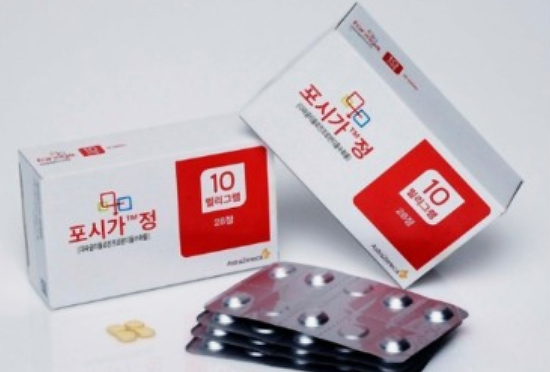
- Forxiga (left), canceled its approval in South Korea, and Dapa N (right), inherited Forxiga’s indication. AstraZeneca Korea voluntarily canceled its Korean approval for ‘Forxiga (dapagliflozin propanediol hydrate), an oral diabetes treatment, valued at KRW 50 billion. As reimbursement will be canceled soon, Forxiga’s exit from the Korean market is imminent. After the approval cancellation, Forxiga indication was transferred to HK inno.N’s generic ‘Dapa N tab.’ Meanwhile, attention is gathered to the outcome of ongoing negotiations for a price-volume agreement (PVA). As the reimbursement cancellation has been scheduled, the variable would be whether the ceiling price will be reduced or maintained. AstraZeneca has been trying to retain the drug price as other countries selling Forxiga might reference the Korean pricing. According to industry sources on the 29th, the approval for Forxiga tab was voluntarily canceled on April 25. From now on, domestic distribution under the name of Forxiga is no longer possible. Following the cancellation of the approval, it is expected to be deleted from the reimbursement listing. Reimbursement deletion is anticipated on June 1st, but insurance coverage will be provided for a certain duration as a matter of custom. Along with the cancellation of Forxiga’s approval, its indication has been transferred to the company’s partnering company HK inno.N’s generic ‘Dapa N tab 10 mg.’ While the generics launched in April of last year only have indications for diabetes due to patent issues, AstraZeneca transferred the indication to its partnering company HK inno.N through granting approval documents. Consequently, Dapa N 10 mg currently has indications for diabetes, chronic heart failure, and chronic kidney disease, and its reimbursement critieria include diabetes and heart failure. What matters from now is whether Forxiga will be able to maintain its current ceiling price of KRW 734. AstraZeneca’s Forxiga successfully defended its price even during customary drug pricing reduction after generics launched last year, through the court’s suspension of execution. However, PVA negotiations became the variable. The National Health Insurance Service (NHIS) tried to negotiate a drug pricing reduction last year for Forxiga, which had increased usage (claimed amount). The first negotiation did not meet an agreement, and the NHIS and AstraZeneca Korea are currently in the final negotiation until May 20th. As Forxiga is expected to be no longer reimbursed starting June 1st, whether the PVA negotiations-reflected ceiling price will be adjusted before Forxiga leaves the Korean market is a matter of interest. The industry expects that AstraZeneca will put all efforts into maintaining the current ceiling price in consideration of other countries that sell Forxiga.
- Company
- Market withdrawal and indication transfer
- by Kim, Jin-Gu Apr 30, 2024 05:49am
- AZ Korea to transfer the Forxiga indication to HK inno.N AstraZeneca Korea voluntarily withdrew approval for ‘Forxiga (dapagliflozin),’ an SGLT-2 inhibitor class diabetes treatment, and transferred the chronic heart failure·chronic kidney disease indication to its partnering company H.K. inno.N’s 'Dapa N.' Due to this clever co-promotion strategy between AstraZeneca Korea and HK inno.N, the prescription market worth KRW 50 billion annually is expected to significantly shift. In particular, HK inno.N’s Dapa N, assuming the indication that no other generics have, is expected to become a dark horse in the SGLT-2 inhibitor market. HK inno.N ‘Dapa N’ assumes the original indication…anticipated to expand its presence in the diabetes market According to pharmaceutical industry sources on the 30th, AstraZeneca Korea recently voluntarily canceled domestic approval for Forxiga tab. At the same time, the company transferred chronic heart failure and chronic kidney disease indications to HK inno.N’s Dapa N. The company granted the clinical documents to HK inno.N. Dapa N will have the same reimbursement criteria as Forxiga. In terms of indications, Dapa N essentially acquired the original product’s market position. The analysis suggests that this transaction benefits both AstraZeneca Korea and HK inno.N. HK inno.N’s expansion in the market for SGLT-2 inhibitor class diabetes treatment is expected. This market has shifted significantly following the changes made by Forxiga, which ranked as the No.1 product. Since Forxiga’s patent expired in April, generics have been launched. In December, AstraZeneca decided to withdraw Forxiga from the Korean market. Consequently, Forxiga’s prescription performance significantly dropped. According to the medical market research firm UBIST, Forxiga’s prescription sales in Q1 were KRW 11.3 billion, down 22% compared to Q1 of last year. AstraZeneca plans to stop distributing additional products once current stocks are depleted. A significant drop in prescription sales is inevitable after Q2. On the other hand, Forxiga generics have competed fiercely, showing rapid growth over the past year. Forxiga generics, officially launched in Q2 last year, generated a prescription performance of net KRW 10.2 billion in Q1. The market share for diabetes treatments containing dapagliflozin has expanded to 48%. Quarterly prescription sales of Forxiga and Forxiga generics. (unit: KRW 100 million, source: UBIST) However, HK inno.N’s Dapa N did not generate satisfactory performance compared to other generic products. Dapa N’s prescription performance in Q1 was KRW 359 million. Dapa N is ranked 9th among those products that generated less than KRW 1 billion, such as Boryung’s ‘Dapapro’ and Hanmi Pharmaceutical’s ‘Dapalon.’ In these circumstances, the analysis suggests that Dapa N has established an opportunity to expand its prescription performance by assuming the original product indication. At the same time, Dapa N is expected to expand its presence in the market for diabetes treatment, including SGLT-2 inhibitors. Forxiga generics are currently approved for diabetes treatment indications. They cannot be used for treating chronic heart failure·chronic kidney disease, which AstraZeneca gained approval for these indications through additional clinical studies. Separate usage patents protect indications of chronic heart failure and chronic kidney disease. AZ Korea minimizes an annual KRW 50 billion gap…the key would be switching Forxiga→Dapa N in the prescription field The analysis suggests that this transfer is a favorable decision for AstraZeneca Korea. It is expected to minimize the KRW 50 billion annual sales gap, especially after headquarters decided to withdraw Forxiga from the Korean market. At the end of last year, AstraZeneca Korea signed a co-promotion agreement with HK inno.N for Xigduo·Sidapvia, a combination therapy containing dapagliflozin. Accordingly, HK inno.N signed a contract to assume the role of domestic distribution of Forxiga until its withdrawal from South Korea. This previous transaction resulted in both companies deciding to transfer the Forxiga indication to Dapa N. Through this comprehensive collaboration for the diabetes treatment portfolio, AstraZeneca Korea can maintain its market presence. Since this is the first case of a generic product inheriting the original product indication, it is a matter of great interest to the pharmaceutical industry. The analysis indicates that indication transfer via granting clinical documents was the first, as it is unusual for a blockbuster original product to withdraw from the market in South Korea. The key would be the preference for Dapa N in the prescription field. In the endocrine field, general hospitals tend to prefer the original product. Although Dapa N assumed the original product’s indication, it is uncertain whether the prescription field would regard it as the original product. Top 10 highest prescription sales of Forxiga generics (Trudapa, Daparon, Daparil, Exiglu, Dapazin, Dapapro, Dapaone, Fosugbet, Dapa N, and Floga). Dapa N is priced at KRW 393 per tablet, about 53.5% of Forxiga’s KRW 734. It is estimated to generate quarterly prescription performance of KRW 5 billion to 6 billion when it successfully substitutes Forxiga after the second quarter.
