- LOGIN
- MemberShip
- 2026-07-31 02:15:42
- Multinational pharmas transfer steady-selling brands to DKSH
- by Son, Hyung Min | translator Alice Kang | 2026-07-30 09:09:11
Major multinational pharmaceutical companies are increasingly outsourcing the sales and marketing of their long-established steady sellers that continue to maintain stable prescription demand even after patent expiry.
In addition to signing simple transfers of product sales rights, the companies are also restructuring the organizations and personnel associated with those brands. The companies are increasingly concentrating their in-house capabilities on next-generation growth areas such as oncology, rare diseases and cell and gene therapies, while entrusting mature brands to specialized external partners.
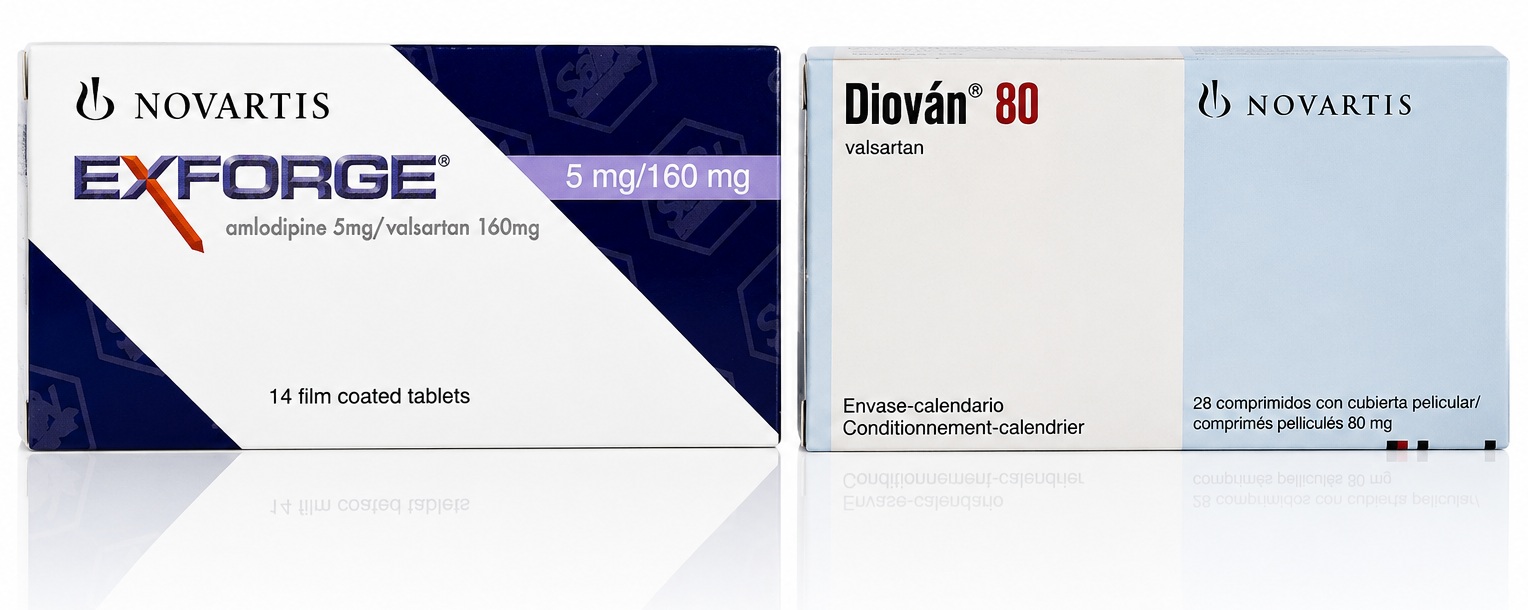
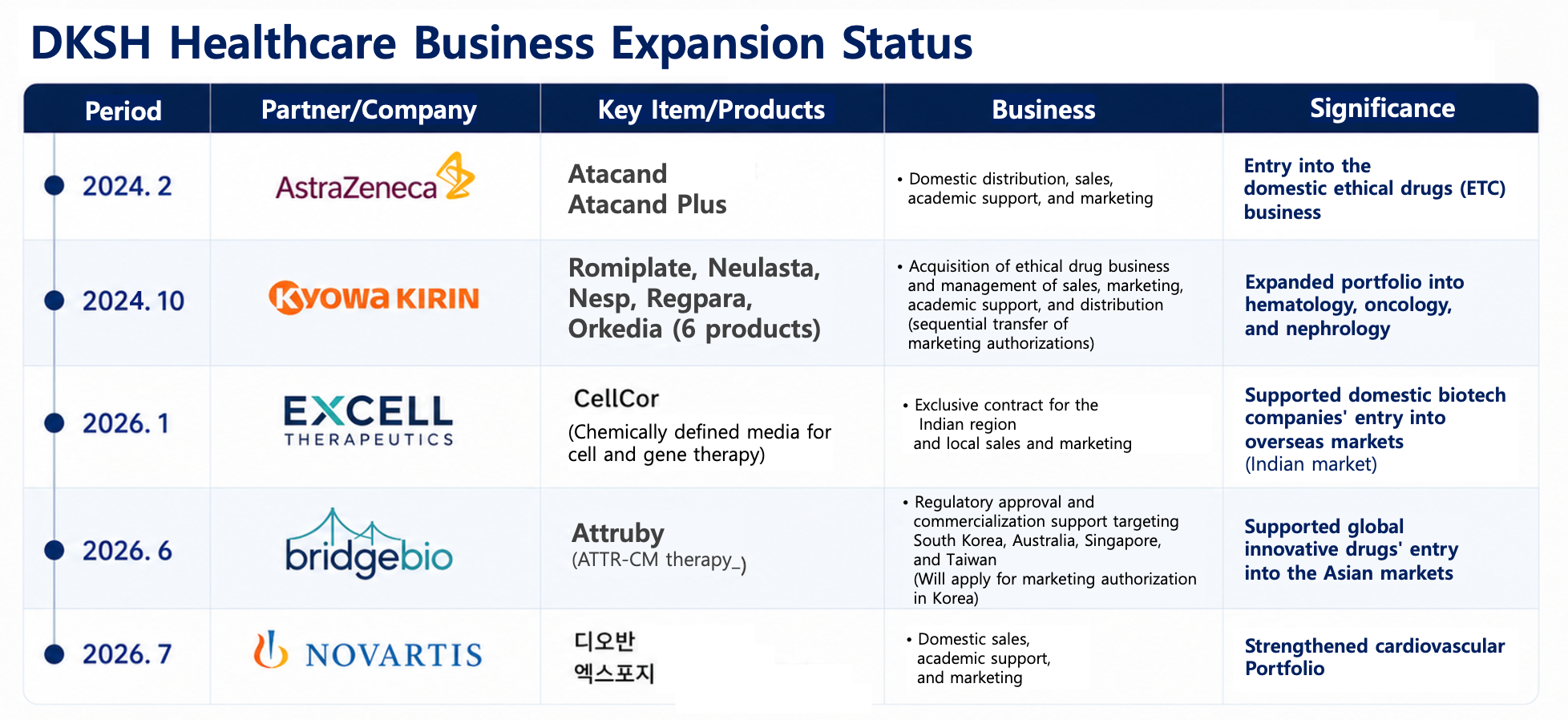
According to industry sources on the 30th, Novartis Korea is carrying out an organizational restructuring as it transfers the domestic commercial rights to the hypertension treatments Diovan (valsartan) and Exforge (valsartan/amlodipine) to DKSH Korea.
Some employees responsible for the products have reportedly been included in an early retirement program (ERP), and discussions are underway for others to transfer to DKSH Korea.
The transaction is therefore leading not only to a change in the operator of the established brands but also to the redeployment of related organizations and personnel.
Since exiting the respiratory business in 2022, Novartis Korea has been continuing the adjustment of its domestic portfolio, transferring its ophthalmology division to Santen Pharmaceutical last year. The latest organizational changes are seen as an extension of its effort to reshape the business around its growth areas.
In 2024, AstraZeneca Korea transferred the hypertension treatments Atacand (candesartan) and Atacand Plus to DKSH.
In the same year, Kyowa Kirin Korea transferred its prescription drug business, including the sales, academic support, distribution and marketing authorization for Romiplate (romiplostim), Nesp (darbepoetin alfa), Neulasta (pegfilgrastim), Regpara (cinacalcet) and Orkedia (evocalcet).
With several flagship brands of multinational drugmakers transferred to DKSH over the past 2 years, the industry views the trend as a broader change in commercial strategy rather than a series of straightforward distribution agreements.
Focuses on new drugs after ERP… outsources mature brands
Products recently transferred to DKSH are all steady sellers that have all been on the market for a considerable period or that have lost patent protection.
Atacand, Diovan and Exforge are established original brands in Korea’s hypertension market, while Nesp, Neulasta and Regpara also continue to generate steady prescriptions in their respective therapeutic areas. According to market research institution UBIST, combined sales of Diovan and Exforge reached KRW 110 billion last year, while Atacand and Atacand Plus generated KRW 34 billion.
While it is difficult to expect rapid growth with these products, they are regarded as items that can secure stable sales. On the other hand, multinational pharmaceutical companies are reorganizing their organizations to focus their commercial capabilities on high-growth innovative drugs in areas such as oncology, rare diseases, cell and gene therapy, and obesity.
Kyowa Kirin Korea transferred its prescription drug business in certain Asia-Pacific markets, including Korea, to DKSH in 2024 as part of a regional restructuring accompanied by an ERP.
AstraZeneca Korea also implemented an ERP while divesting certain chronic disease products, and Novartis Korea is now adjusting its related organization alongside the transfer of Diovan and Exforge.
Industry observers say voluntary retirement programs at multinational pharmaceutical companies should be seen not merely as workforce reductions, but as part of a process to reset the priorities of commercial organizations. Companies are retaining in-house responsibility for high-growth new drugs while using specialist partners to manage brands that have entered the mature stage of their life cycle.
DKSH accelerates expansion of prescription drug business
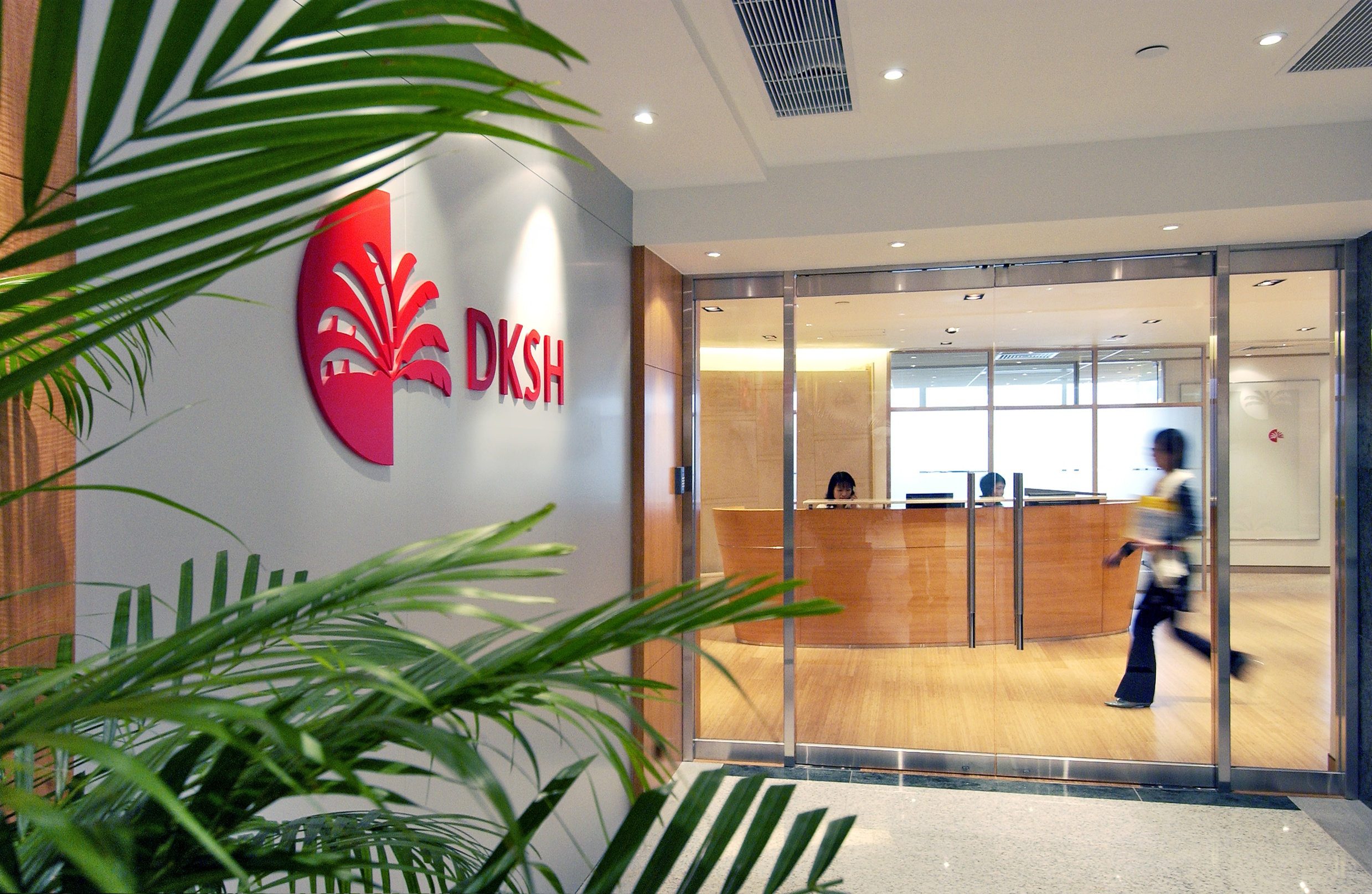
The shift reflects not only the strategies of multinational pharmaceutical companies but also DKSH’s efforts to expand its own business.
Founded in Switzerland in 1865, DKSH currently operates in 35 markets. Its consolidated group revenue reached CHF 11.07 billion last year, with its Healthcare business unit contributing CHF 5.82 billion, or approximately 52.6% of the total.
DKSH historically focused heavily on pharmaceutical distribution and supply chain management, but has recently been rapidly expanding its prescription drug commercialization business through its in-house sales and academic support organizations.
For multinational pharmaceutical companies, using a specialist partner capable of handling sales, academic support, and distribution may be more efficient in terms of both cost and organizational management than maintaining a dedicated organization for each product.
Some industry observers have suggested that DKSH may also have offered competitive contract terms as part of its business expansion, although specific details of the agreements have not been disclosed.
Role expands beyond sales and distribution to reimbursement
DKSH’s role is also expanding beyond sales and distribution to encompass academic support, market access and post-approval commercialization.
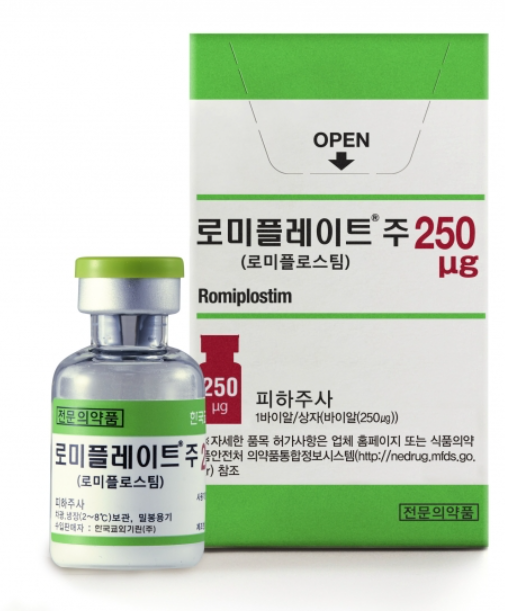
Romiplate is a representative example. After taking over Kyowa Kirin Korea’s prescription drug business, DKSH also worked on expanding reimbursement for the product.
Reimbursement for Romiplate was recently expanded to cover its use in combination with immunosuppressive therapy as first-line treatment for patients with severe aplastic anemia who had not previously received treatment.
The case shows that DKSH’s responsibilities after a business transfer extend beyond maintaining sales of existing products to broader commercialization activities. However, rather than interpreting the reimbursement expansion as the achievement of any one company, the significance lies in the widening scope of responsibilities being entrusted to external partners.
DKSH’s global headquarters is also expanding its role as an Asia commercialization partner for biotechnology companies that may find it difficult to establish their own local commercial organizations.
The company entered into a strategic partnership with US-based BridgeBio Pharma to support the approval and commercialization of Attruby (acoramidis), a treatment for transthyretin amyloid cardiomyopathy, in Korea, Australia, Singapore and Taiwan. In Korea, DKSH will be responsible for marketing authorization, market access and launch support.
DKSH has also signed an exclusive distribution agreement with Xcell Therapeutics for India, where it will handle local sales of chemically defined media for cell and gene therapy.
-

- 0
댓글 운영방식은
댓글은 실명게재와 익명게재 방식이 있으며, 실명은 이름과 아이디가 노출됩니다. 익명은 필명으로 등록 가능하며, 대댓글은 익명으로 등록 가능합니다.
댓글 노출방식은
댓글 명예자문위원(팜-코니언-필기모양 아이콘)으로 위촉된 데일리팜 회원의 댓글은 ‘게시판형 보기’와 ’펼쳐보기형’ 리스트에서 항상 최상단에 노출됩니다. 새로운 댓글을 올리는 일반회원은 ‘게시판형’과 ‘펼쳐보기형’ 모두 팜코니언 회원이 쓴 댓글의 하단에 실시간 노출됩니다.
댓글의 삭제 기준은
다음의 경우 사전 통보없이 삭제하고 아이디 이용정지 또는 영구 가입제한이 될 수도 있습니다.
-
저작권·인격권 등 타인의 권리를 침해하는 경우
상용 프로그램의 등록과 게재, 배포를 안내하는 게시물
타인 또는 제3자의 저작권 및 기타 권리를 침해한 내용을 담은 게시물
-
근거 없는 비방·명예를 훼손하는 게시물
특정 이용자 및 개인에 대한 인신 공격적인 내용의 글 및 직접적인 욕설이 사용된 경우
특정 지역 및 종교간의 감정대립을 조장하는 내용
사실 확인이 안된 소문을 유포 시키는 경우
욕설과 비어, 속어를 담은 내용
정당법 및 공직선거법, 관계 법령에 저촉되는 경우(선관위 요청 시 즉시 삭제)
특정 지역이나 단체를 비하하는 경우
특정인의 명예를 훼손하여 해당인이 삭제를 요청하는 경우
특정인의 개인정보(주민등록번호, 전화, 상세주소 등)를 무단으로 게시하는 경우
타인의 ID 혹은 닉네임을 도용하는 경우
-
게시판 특성상 제한되는 내용
서비스 주제와 맞지 않는 내용의 글을 게재한 경우
동일 내용의 연속 게재 및 여러 기사에 중복 게재한 경우
부분적으로 변경하여 반복 게재하는 경우도 포함
제목과 관련 없는 내용의 게시물, 제목과 본문이 무관한 경우
돈벌기 및 직·간접 상업적 목적의 내용이 포함된 게시물
게시물 읽기 유도 등을 위해 내용과 무관한 제목을 사용한 경우
-
수사기관 등의 공식적인 요청이 있는 경우
-
기타사항
각 서비스의 필요성에 따라 미리 공지한 경우
기타 법률에 저촉되는 정보 게재를 목적으로 할 경우
기타 원만한 운영을 위해 운영자가 필요하다고 판단되는 내용
-
사실 관계 확인 후 삭제
저작권자로부터 허락받지 않은 내용을 무단 게재, 복제, 배포하는 경우
타인의 초상권을 침해하거나 개인정보를 유출하는 경우
당사에 제공한 이용자의 정보가 허위인 경우 (타인의 ID, 비밀번호 도용 등)
※이상의 내용중 일부 사항에 적용될 경우 이용약관 및 관련 법률에 의해 제재를 받으실 수도 있으며, 민·형사상 처벌을 받을 수도 있습니다.
※위에 명시되지 않은 내용이더라도 불법적인 내용으로 판단되거나 데일리팜 서비스에 바람직하지 않다고 판단되는 경우는 선 조치 이후 본 관리 기준을 수정 공시하겠습니다.
※기타 문의 사항은 데일리팜 운영자에게 연락주십시오. 메일 주소는 dailypharm@dailypharm.com입니다.
- “Drug pricing intervention contributes to the crisis in essential healthcare and shortage of drugs”
- Reporter's view | Lee, Jeong-Hwan