- LOGIN
- MemberShip
- 2026-07-29 15:16:23
- RSV market competition intensifies in Korea
- by Son, Hyung Min | translator Alice Kang | 2026-07-29 08:49:51
The respiratory syncytial virus (RSV) prevention market is rapidly expanding across both adult and infant populations. In adults, GSK and Moderna are competing with vaccines, while in infants, Sanofi and MSD are competing with long-acting preventive antibody injections, with Pfizer’s maternal immunization vaccine also expected to enter the market.
With RSV prevention options becoming more diverse, calls are growing for financial support through inclusion in the National Immunization Program (NIP) or National Health Insurance reimbursement to enable broader market uptake. In particular, because preventive antibody injections for infants are medicines rather than vaccines, policymakers still need to determine whether their access should be expanded through the NIP or health insurance reimbursement.
According to industry sources on the 29th, competition is rapidly taking shape in Korea’s RSV prevention market, especially around adult vaccines and preventive antibody injections for infants.
In the adult market, GSK’s Arexvy is competing with Moderna’s mRESVIA. In the infant market, MSD Korea’s Enflonsia (clesrovimab) has received domestic authorization following Sanofi’s Beyfortus (nirsevimab). Pfizer’s RSV vaccine for pregnant women, Abrysvo, is also reportedly nearing approval in Korea.
RSV generally causes mild cold-like symptoms, but in infants, older adults, and patients with chronic diseases, it can progress to lower respiratory tract diseases such as bronchiolitis or pneumonia. Infants entering their first RSV season are particularly vulnerable because their immune systems are not fully developed and their airways are narrow, increasing the risk of severe disease and hospitalization.
A study analyzing Korean National Health Insurance claims data found that as many as 18,434 RSV cases occurred annually among children under five from 2007 to 2019, and 44.7% of all patients were hospitalized.
Infants aged 6 to 11 months accounted for 48.2% of RSV hospitalizations and 57.3% of intensive care unit admissions. Patients under 6 months had the longest average hospitalized days at 8.35 days, indicating a burden not only on infant health but also on caregiver responsibilities and healthcare resources.
Indication for GSK’s Arexvy expands to high-risk adults…builds long-term protection evidence
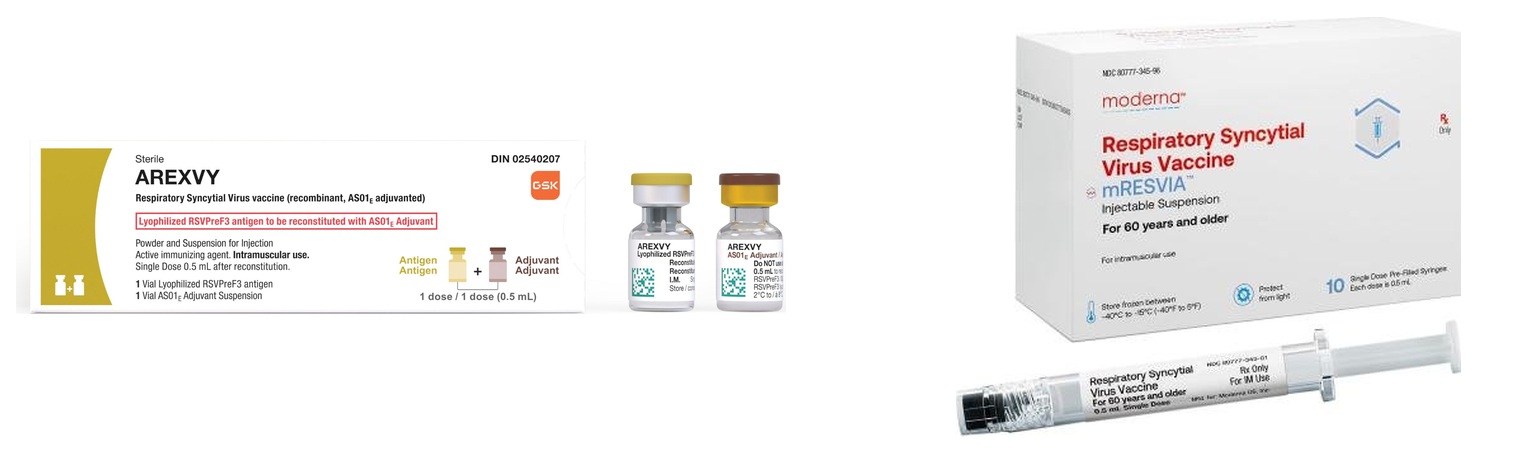
In the adult RSV vaccine market, the expansion of Arexvy’s indication is expected to reshape the competitive landscape.
GSK recently expanded the indication for Arexvy to high-risk adults aged 18 to 49. In addition to adults aged 60 and older and high-risk adults aged 50 to 59, the vaccine now covers adults aged 18 and older at increased risk of severe RSV due to chronic respiratory disease, cardiovascular disease, diabetes, chronic kidney disease, or immunocompromising conditions.
The expanded indication was based on a global Phase IIIb trial in high-risk adults aged 18 to 49. The study compared immune responses in this population with those in adults aged 60 and older and demonstrated non-inferiority. The safety profile was also comparable to that observed in previously vaccinated groups.
Arexvy has also generated evidence of efficacy and long-term protection in older adults. In the Phase III AReSVi-006 trial, its efficacy against RSV-associated lower respiratory tract disease during the first RSV season was 82.6% among adults aged 60 and older. The prevention effect was 94.6% among adults with at least one underlying condition.
Long-term follow-up showed cumulative efficacy of 62.9% over three RSV seasons after a single dose, while efficacy against severe RSV-associated lower respiratory tract disease was 67.4%. Although efficacy declined over time, the vaccine demonstrated protection across 3 seasons without a booster dose.
Moderna entered the competition with mRESVIA, which uses an mRNA platform. The vaccine is designed to produce the RSV F protein and is differentiated by extending the mRNA platform technology accumulated through COVID-19 vaccines to RSV prevention.
In Korea, mRESVIA is approved for preventing RSV-associated lower respiratory tract disease in adults aged 60 and older. Whether the indication will be expanded beyond older adults to younger high-risk groups, such as chronic disease and immunocompromised patients, is expected to be a key variable in the adult market.
Sanofi and MSD compete with preventive antibody injections…highlights reductions in hospitalization and severe disease
In the infant market, long-acting monoclonal antibodies formed the competitive landscape rather than vaccines.
Sanofi’s Beyfortus is a preventive antibody injection that directly administers antibodies to newborns and infants entering their first RSV season, providing protection immediately after infection. A single dose is designed to maintain protection for approximately 5 months.
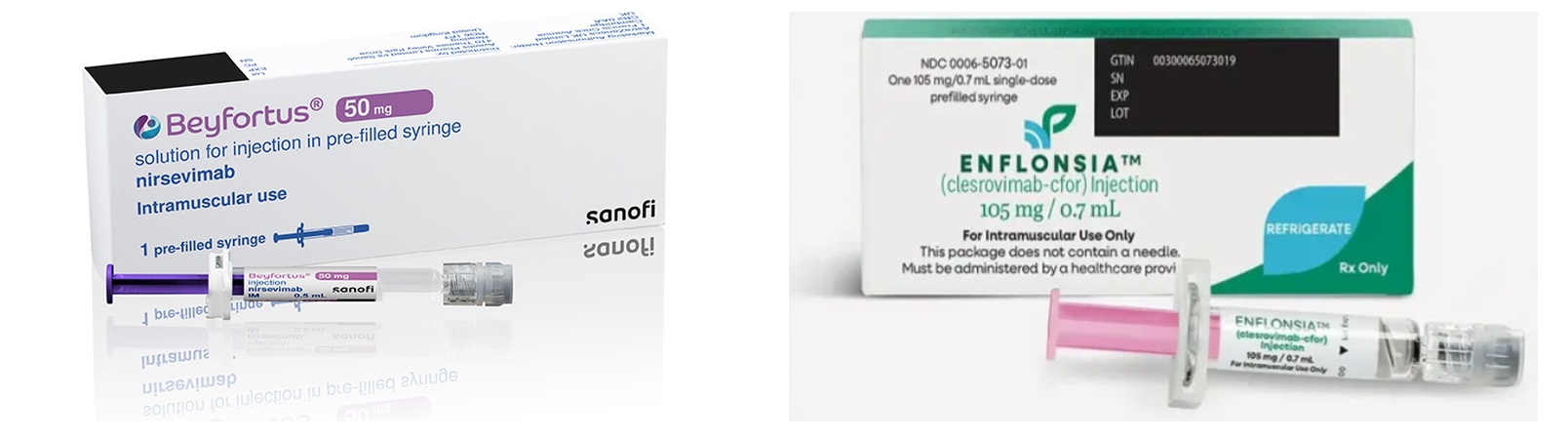
Beyfortus can be used not only in infants during their first RSV season but also in children under 24 months who remain at high risk of severe disease during their second season. The dose during the first season varies according to body weight, while a separate dose is used for high-risk children during the second season.
MSD Korea entered the infant RSV preventive antibody market after receiving domestic approval for Enflonsia in June.
Enflonsia is approved to prevent RSV-associated lower respiratory tract disease in newborns and infants entering their first RSV season or born during the season. It can be administered once at a fixed dose of 105 mg regardless of body weight, with protection lasting for at least 5-6 months.
The global Phase IIb/III CLEVER trial supporting approval enrolled approximately 3,600 healthy preterm and full-term infants born at 29 weeks of gestation or later across 22 countries, including Korea.
The study showed that Enflonsia reduced the risk of medically attended RSV-associated lower respiratory tract infection by 60.4% versus placebo through 150 days after administration. During the same period, it reduced the risk of RSV-related hospitalization by 84.2%. Through 180 days, it lowered the risk of medically attended severe RSV-associated lower respiratory tract infection by 91.7%.
In the safety analysis, more than 96% of reported adverse events were mild or moderate.
In the Phase III SMART trial involving preterm infants and infants with chronic lung disease or congenital heart disease who were at high risk of severe RSV, Enflonsia showed a generally similar safety profile to the established preventive antibody injection Synagis (palivizumab).
Enflonsia’s fixed-dose regimen is expected to simplify administration in clinical practice as there is no need to calculate the dose based on body weight or prepare different product presentations; it may improve convenience at healthcare institutions treating infants of varying birth dates, lunar ages and weights.
MSD Korea is also seeking to expand Enflonsia’s indication beyond the first RSV season to include children at high risk of severe disease during their second season.
The company has obtained follow-up data from the Phase III SMART trial in children under 2 years of age who remained at high risk across two RSV seasons. Among children given Enflonsia during their second season, blood drug concentrations were similar to those observed in healthy infants during their first season, while the safety profile remained consistent with earlier results.
If the indication is expanded to high-risk infants in their second season, the scope of competition with Beyfortus, which already holds that indication, is also expected to widen.
Pfizer’s Abrysvo nears approval… adding maternal immunization strategy
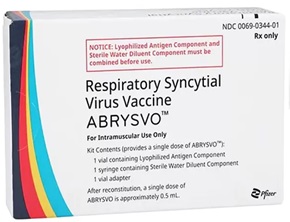
Pfizer is preparing to enter the infant RSV prevention market with a maternal immunization strategy that differs from those of preventive antibody injections.
Abrysvo is administered to pregnant women so that antibodies generated by vaccination are transferred to the fetus through the placenta. Unlike preventive antibody injections administered directly to infants after birth, the vaccine is designed to provide passive immunity against RSV from birth through vaccination during pregnancy.
In the US, Abrysvo was approved in 2023 for administration to pregnant women at 32 to 36 weeks of gestation to prevent RSV-associated lower respiratory tract disease and severe lower respiratory tract disease in infants through six months of age. It was the first vaccine approved to prevent RSV in infants through maternal immunization.
In the Phase III MATISSE trial supporting approval, vaccination during pregnancy reduced the risk of severe RSV-associated lower respiratory tract disease in infants by 81.8% through 90 days after birth. Efficacy through 180 days was 69.4%.
Abrysvo is also expected to receive approval in Korea soon. Once approved, infant RSV prevention will be divided between direct administration of a long-acting antibody after birth and transfer of antibodies before birth through maternal vaccination.
Because the 2 strategies differ in their target populations and timing of administration, they are likely to be selected based on maternal vaccination status, the infant’s birth timing, underlying conditions and risk of severe disease rather than serving as complete substitutes.
Prevention options become available… NIP and insurance coverage remain market variables
As RSV prevention products become available across adult and infant populations, attention is shifting to their funding mechanisms.
Given Korea’s transition to a super-aged society and the burden of hospitalization and mortality among older adults, the possible inclusion of RSV vaccines for older adults in the NIP may eventually be discussed. However, additional policy evidence is needed regarding the domestic disease burden, cost-effectiveness, and priority vaccination groups.
The framework for preventive antibody injections in infants is more complex. Beyfortus and Enflonsia are used to prevent infection but are monoclonal antibodies rather than vaccines. Policymakers must therefore determine whether they should be included in the NIP for government purchase and supply or covered through health insurance and prescribed by healthcare institutions.
The US Centers for Disease Control and Prevention’s Advisory Committee on Immunization Practices recommends long-acting preventive antibody injections for infants under 8 months who are entering or are already in their first RSV season. Overseas, preventive antibodies are increasingly being incorporated into public health prevention strategies.
At a press conference held on the 28th to mark Enflonsia’s approval, MSD Korea also emphasized the need to secure access through either NIP inclusion or health insurance coverage.
Discussions on institutional access in Korea’s RSV prevention market may therefore initially progress more rapidly in the infant segment. The government has historically prioritized the pediatric NIP over vaccination programs for older adults.
With the hospitalization and severe disease burden of RSV in infants already established and multiple products demonstrating preventive efficacy, calls for financial support are increasing. Sanofi and MSD are exploring potential NIP inclusion or health insurance coverage for their preventive antibodies. Once Prizer receives approval for Abrysvo in Korea, policy discussions on infant RSV prevention are expected to broaden to include maternal immunization.
-

- 0
댓글 운영방식은
댓글은 실명게재와 익명게재 방식이 있으며, 실명은 이름과 아이디가 노출됩니다. 익명은 필명으로 등록 가능하며, 대댓글은 익명으로 등록 가능합니다.
댓글 노출방식은
댓글 명예자문위원(팜-코니언-필기모양 아이콘)으로 위촉된 데일리팜 회원의 댓글은 ‘게시판형 보기’와 ’펼쳐보기형’ 리스트에서 항상 최상단에 노출됩니다. 새로운 댓글을 올리는 일반회원은 ‘게시판형’과 ‘펼쳐보기형’ 모두 팜코니언 회원이 쓴 댓글의 하단에 실시간 노출됩니다.
댓글의 삭제 기준은
다음의 경우 사전 통보없이 삭제하고 아이디 이용정지 또는 영구 가입제한이 될 수도 있습니다.
-
저작권·인격권 등 타인의 권리를 침해하는 경우
상용 프로그램의 등록과 게재, 배포를 안내하는 게시물
타인 또는 제3자의 저작권 및 기타 권리를 침해한 내용을 담은 게시물
-
근거 없는 비방·명예를 훼손하는 게시물
특정 이용자 및 개인에 대한 인신 공격적인 내용의 글 및 직접적인 욕설이 사용된 경우
특정 지역 및 종교간의 감정대립을 조장하는 내용
사실 확인이 안된 소문을 유포 시키는 경우
욕설과 비어, 속어를 담은 내용
정당법 및 공직선거법, 관계 법령에 저촉되는 경우(선관위 요청 시 즉시 삭제)
특정 지역이나 단체를 비하하는 경우
특정인의 명예를 훼손하여 해당인이 삭제를 요청하는 경우
특정인의 개인정보(주민등록번호, 전화, 상세주소 등)를 무단으로 게시하는 경우
타인의 ID 혹은 닉네임을 도용하는 경우
-
게시판 특성상 제한되는 내용
서비스 주제와 맞지 않는 내용의 글을 게재한 경우
동일 내용의 연속 게재 및 여러 기사에 중복 게재한 경우
부분적으로 변경하여 반복 게재하는 경우도 포함
제목과 관련 없는 내용의 게시물, 제목과 본문이 무관한 경우
돈벌기 및 직·간접 상업적 목적의 내용이 포함된 게시물
게시물 읽기 유도 등을 위해 내용과 무관한 제목을 사용한 경우
-
수사기관 등의 공식적인 요청이 있는 경우
-
기타사항
각 서비스의 필요성에 따라 미리 공지한 경우
기타 법률에 저촉되는 정보 게재를 목적으로 할 경우
기타 원만한 운영을 위해 운영자가 필요하다고 판단되는 내용
-
사실 관계 확인 후 삭제
저작권자로부터 허락받지 않은 내용을 무단 게재, 복제, 배포하는 경우
타인의 초상권을 침해하거나 개인정보를 유출하는 경우
당사에 제공한 이용자의 정보가 허위인 경우 (타인의 ID, 비밀번호 도용 등)
※이상의 내용중 일부 사항에 적용될 경우 이용약관 및 관련 법률에 의해 제재를 받으실 수도 있으며, 민·형사상 처벌을 받을 수도 있습니다.
※위에 명시되지 않은 내용이더라도 불법적인 내용으로 판단되거나 데일리팜 서비스에 바람직하지 않다고 판단되는 경우는 선 조치 이후 본 관리 기준을 수정 공시하겠습니다.
※기타 문의 사항은 데일리팜 운영자에게 연락주십시오. 메일 주소는 dailypharm@dailypharm.com입니다.
- “Drug pricing intervention contributes to the crisis in essential healthcare and shortage of drugs”
- Reporter's view | Lee, Jeong-Hwan