
- LOGIN
- MemberShip
- 2026-06-12 09:25:53
- Policy
- RSA Collateral calculation method under review
- by Jung, Heung-Jun Dec 11, 2025 08:39am
- The National Health Insurance Service (NHIS) is currently reviewing improvements to the collateral calculation method for the refund-type risk-sharing agreement.Setting collateral in risk-sharing contracts is a crucial safeguard to secure claims in case refund obligations are not met. While a formula exists for setting the collateral amount, shortcomings were identified in some newly established RSA types, prompting NHIS to review improvements.According to industry sources on the 9th, this year’s NHIS audit highlighted deficiencies in the collateral calculation method for certain RSA types. The NHIS was advised to establish alternatives that would secure unpaid refund amounts for risk-sharing types lacking a collateral calculation formula.The NHIS's collateral-related operations are governed by the “Detailed Operational Guidelines for Drug Price Negotiations under Risk-Sharing Agreements.” Article 13 of the guidelines stipulates that the NHIS must receive collateral from companies to ensure the fulfillment of contractual obligations.Furthermore, the collateral amount is calculated using a separate formula, and the amount can be adjusted based on the type, the expected reimbursement amount, and the level of uncertainty.The collateral calculation methods are broadly categorized and specified in the guidelines as: ▲Conditional sustained treatment and refund hybrid type ▲Total expenditure cap type ▲Refund type ▲Patient-Unit usage cap type. For example, the Total expenditure cap type sets collateral at expected claim amount × refund rate × 30%.Within the RSA refund type, ▲the outcome-based reimbursement type is a newly added category for which no standardized calculation method is defined in the guidelines.According to the NHIS, the type of guarantee calculation formula identified as inadequate during the audit is the ‘outcome-based reimbursement type’. The NHIS stated it is currently under internal discussion and plans to revise the guidelines if necessary.An NHIS official explained, "The guidelines lack a calculation formula for the outcome-based reimbursement type. Internal discussions are ongoing, and revisions will be made to the guidelines if necessary."The outcome-based refund type is a contract type in which the applicant refunds a certain percentage of the total claim amount to the NHIS if the treatment effect set for each treated patient is not achieved after tracking and observing the treatment effect over a specified period.The outcome-based refund type is applied to some ultra-high-priced drugs, including Kymriah and Zolgensma.

- Policy
- Korea’s pharma industry: 20 years of rebate competition
- by Lee, Jeong-Hwan Dec 10, 2025 08:49am
- An argument has been raised that even if generic drug prices are cut, fostering generic drug companies capable of achieving economies of scale in selected therapeutic areas will increase the likelihood of the domestic pharmaceutical industry's global expansion.The logic is that unless the industry structure, in which many pharmaceutical companies produce and sell a little bit of every ingredient's generic version in a multi-product, small-volume production model, is reformed, the repetitive, destructive rebate competition among pharmaceutical companies will inevitably continue.There was also a suggestion that government policy must follow to prevent generic drug price reductions from leading to supply instability for certain generics.On the 5th, Professor Sung-min Park of Seoul National University's Graduate School of Public Health expressed concern at a National Assembly forum on drug pricing policy reform, stating, “Korea’s generic price competition has been distorted for decades and has instead manifested as rebate competition.”Professor Park's view is that the problem, where a higher market share is gained by higher generic prices, resulting in low drug expenditure savings from generic use, has persisted for 20 years. Consequently, the means of generic competition continues to be rebates to prescribing physicians rather than price reductions.Professor Park pointed out, “As sanctions against illegal rebates intensified, the practice became more covert to evade detection. While the margin rate for general wholesalers is 6%, CSO commission rates range from 40% to 50%, and can even reach 100%. The structure requires sales practices that benefit prescribers to secure generic prescriptions.”He stressed, “Korean generic companies have no real competitive tools besides rebates, being forced into rebate wars. Rebate competitiveness is far easier to achieve than price or quality competitiveness. This leads to an increase in small and micro pharmaceutical companies.”Professor Park proposed that the government should focus on creating a generic industry structure where economies of scale operate as a solution to these problems.Professor Park's solution is to transform the domestic generic industry, currently characterized by domestic-focused, multi-item, small-volume production, into an export-driven industry producing consumer goods like cosmetics and automobiles.Professor Park explained, “In the sheltered environment without genuine price competition, Korea's generic industry has many companies producing a little of this and that for the domestic market. Generic companies may be highly competitive in terms of rebates because they work hard to win sales. However, rebate competition that drives domestic prescription is meaningless in the global market.”Professor Park elaborated, “Even if we build competitiveness by supporting companies through methods like paying 40-50% commissions to CSOs, giving special margins to wholesalers who pay upfront, donating to hospital-related foundations, or setting up booths and paying fees at medical conferences, exporting domestic generics overseas remains a distant prospect. For the generic industry to become an export industry, it must achieve economies of scale that allow for price and quality competitiveness.”He noted, "We should refer to Japan's Ministry of Health, Labour and Welfare's generic pharmaceutical industry policy. MHLW categorizes generic companies into two types: general trading company-type firms with high market share, numerous product lines, and overall improved productivity; and specialized domain-focused companies leading specific areas and concentrating on products where they have strengths to secure productivity. Japan concluded that limiting competition to about 5 companies per active ingredient is optimal for a stable supply.Professor Park added, “While lowering generic drug prices, we must foster generic companies to achieve economies of scale across numerous items or in specific areas of strength, enabling global expansion. We must also be cautious that generic drug price reductions do not lead to supply instability for certain generics. We must not repeat the major disruption caused by the acetaminophen shortage during COVID-19.”
- Policy
- Revaluations for herbal medicines begin in earnest
- by Lee, Tak-Sun Dec 10, 2025 08:48am
- Some herbal preparations are entering comparative clinical trials for equivalence reevaluations.This comes one year after the Ministry of Food and Drug Safety announced the reevaluation of herbal preparations’ reimbursement last December, indicating how long it took for clinical trial protocols to be approved.According to industry sources on the 9th, the MFDS recently approved two clinical trial protocols submitted by manufacturers of Pelargonium sidoides extract tablets for equivalence reevaluations.The original brand for Pelargonium sidoides is Hanwha Pharma’s Umckamin, used for acute bronchitis.The approved clinical trials are reportedly led by Dasan Pharma and Genuone Sciences.Currently, 30 Pelargonium sidoides tablet products maintain marketing authorization (excluding export-only products). Of these, 28 are subject to the equivalence reevaluation. Dasan Pharma’s trial is said to have the largest number of participating products.The clinical trial is expected to proceed to submit a final report in two years. The MFDS granted an additional six months beyond the initially planned duration. However, depending on trial progression, the submission deadline may be shortened or delayed.Unlike Pelargonium sidoides tablets, the generic versions of the gastritis treatment ‘Stillen Tab and the osteoarthritis reliever ‘Layla Tab, which are also subject to reevaluation, are reportedly still undergoing revisions to their clinical trial protocols.The herbal medicine equivalence reevaluations began upon the MFDS’ announcement in December last year. The MFDS stated that proving bioequivalence through standard BE testing was unsuitable for these formulations, and that comparative clinical trials would be required instead. This marks the first time equivalence reevaluation will be performed through full clinical trials.Comparative clinical trials are considered the most burdensome form of equivalence testing for companies, costing tens of billions of won and requiring more than two years. As a result, about half of the original 212 products subject to reevaluation have already withdrawn their marketing authorization or converted to export-only status.Upon the MFDS review announcement, companies submitted clinical trial protocols by June. A total of seven trials will be conducted (three for Stillen generics, three for Umckamin generics, and one for Layla generics). Poonglim Pharmatech will be conducting 2 trials for 2 Stillen generics; Mother’s Pharm 1 for Stillen generic and 1 for Layla generic; and Dasan Pharma and Genuone Scinces, Korea United Pharm will each lead 1 Umckamin generics trial.However, due to MFDS requests for revisions and companies’ extension requests, approvals for the trials have been repeatedly delayed.Consequently, the first trial plan approval came a full year after the announcement. The Umckamin generic companies whose plans were approved this time must submit their result reports by December 2027 to demonstrate equivalence with the original product.
- Policy
- First batch of Korean anthrax vaccine Barythrax Inj released
- by Lee, Jeong-Hwan Dec 10, 2025 08:48am
- GC Biopharma announced on the 8th that Barythrax Inj., the world’s first recombinant-protein anthrax vaccine that it had co-developed with the Korea Disease Control and Prevention Agency (KDCA), has been released domestically for the first time.This comes about 8 months after receiving marketing approval as Korea’s 39th homegrown new drug last April, marking the country’s transition from full reliance on imported anthrax vaccines to enabling self-sufficiency.The first batch shipped from the Hwasun plant will be supplied as reserve vaccines for the KDCA.Unlike existing vaccines that directly use non-pathogenic anthrax bacteria, Barythrax expresses and purifies only the Protective Antigen (PA) protein, a key component of anthrax toxin, offering a higher safety profile.Preclinical and clinical studies demonstrated Barythrax’s excellent safety and strong immunogenicity, and the platform allows rapid large-scale manufacturing when needed.Barythrax is produced at GC Biopharma’s vaccine plant in Hwasun, Jeonnam, which has the capacity to manufacture up to 10 million doses annually, sufficient for approximately 2.5 million people based on a four-dose regimen per person.GC Biopharma particularly emphasized that Barythrax is a vaccine developed entirely with domestic technology, making it highly significant in terms of securing national vaccine self-sufficiency.The KDCA expects this shipment to help secure the stable supply of essential national medicines. As a core material in the bioterrorism response system, anthrax vaccines have previously relied on overseas products, raising persistent concerns about supply disruptions.The KDCA's position is that securing a domestic production base strengthens vaccine sovereignty and enables a more systematic response to infectious disease and bioterrorism.KDCA Commissioner Seung-Kwan Lim said, “The first shipment of the domestically produced anthrax vaccine is an achievement made through close cooperation between government agencies and private companies. This case will serve as a turning point to elevate the technological capabilities and production base of Korea’s vaccine industry to the next level.”He added, “We will continue to pursue the domestic production of essential national vaccines and build a more robust vaccine stockpiling system for infectious diseases and bioterrorism preparedness.”GC Biopharma CEO Eun-chul Heo remarked, “We are pleased to be able to ship the first supply of a domestically developed anthrax vaccine that we jointly developed with KDCA. GC Biopharma will continue to strive to strengthen Korea’s disease prevention capabilities and achieve vaccine self-sufficiency.”
- Policy
- Changes to DUR criteria for pack unit drugs
- by Jung, Heung-Jun Dec 10, 2025 08:48am
- The changes to the drug utilization review (DUR) system criteria for pharmaceuticals sold in packs will be applied to duration of use, starting on December 11. The issue concerning confirmation of the actual duration of use due to the characteristics of pack units is expected to be improved.New regulatory standards will apply to 39 drug items involving 18 active ingredient codes, including treatments for allergic rhinitis, hormonal preparations, and COVID-19 therapies.On December 9, the Health Insurance Review and Assessment Service (HIRA) informed medical institutes of changes to the Drug Utilization Review (DUR) criteria. By incorporating the total duration of use, duplicate checking will become more thorough.For example, if a prescription for Climen is written for 1 tablet once daily for a 28-day supply, the pharmacy dispensing claim will now record as dose per administration: 0.0356 (1/28), times per day: 1, and total days of Supply: 28.DUR system checks for duplication only for a single day. However, there have been differences in unit size for cases such as a 21-tablet pack or a 30-tablet pack.From now on, the actual period of use will be displayed next to the total days of supply. For example, if the unit is a 28-tablet pack, the period of use will be recorded as 28. This change will make duplication checks easier for the actual 28-day duration of the pack-unit drug.Regarding the rationale behind the improvement, HIRA stated, "For pack-unit drugs, improvements to the review criteria were necessary to accurately reflect the actual duration of use, as unclear prescribing or packaging unit descriptions resulted in inaccurate monitoring."Furthermore, the change is also aimed at preventing drug misuse and abuse through accurate duplication checks of the same active ingredient.HIRA requested cooperation from healthcare institutions, asking them to "accurately record the total days of supply in accordance with the guidelines to ensure the supply of safe use information for pack-unit drugs."The total days of administration will also be reflected in claims for both treatments and dispensing. For example, if a prescription for Climen is written for 1 tablet once daily for a 28-day supply, the pharmacy dispensing claim will now record as dose per administration: 0.0356 (1/28), times per day: 1, and total days of Supply: 28.
- Policy
- DREC deems 42 drugs appropriate for reimbursement
- by Jung, Heung-Jun Dec 09, 2025 08:28am
- According to the Health Insurance Review and Assessment Service (HIRA), the Drug Reimbursement Evaluation Committee (DREC) deemed reimbursement appropriate for 42 drug items during the 12 meetings held this year.Among them, 30 cases involved new drug listings or expanded reimbursement indications, averaging about 2.5 approvals per month. Another 12 were approved for reimbursement when accepted at or below the evaluated price.Based on the results of the twelve meetings held by HIRA’s DREC on the 7th, Dailypharm examined the status of reimbursement appropriateness approvals by the DREC this year.Although final listing requires successful price negotiations with NHIS and subsequent review by the Health Insurance Policy Deliberation Committee, passing the DREC remains the most critical hurdle toward reimbursement listing in Korea.This year, Janssen Korea and Eli Lilly Korea appeared most frequently among the 42 approved items. Janssen led with four products, followed by Lilly with three, marking strong performance.Janssen Korea secured reimbursement approval for Balversa (erdafitinib), a targeted therapy for urothelial carcinoma. Darzalex (daratumumab) for multiple myeloma and Erleada (apalutamide) for prostate cancer were recognized as appropriate for reimbursement expansions.Additionally, Opsynvi (macitentan/tadalafil) for pulmonary arterial hypertension received conditional approval, making drug price negotiations critical.Lilly Korea received positive evaluations for Jaypirca (pirtobrutinib), a treatment for mantle cell lymphoma, and Mounjaro Prefilled Pen (tirzepatide) as an adjunct therapy for diabetes. Also, Ebglyss Autoinjector Inj (lebrikizumab) was conditionally approved at or below the evaluation price.Other multinational companies, including Novartis Korea, AstraZeneca Korea, GSK, and Sanofi, had 2 items approved each, including conditional approvals.Among domestic companies, Hanmi, Jeil Pharmaceutical, JW Pharmaceutical, HLB Pharma, GC Pharma, Shinpoong Pharm, and Samoh Pharmaceutical all received reimbursement adequacy approvals from DREC.Notably, Handok is the only domestic company with two items approved. Its bile duct cancer treatment, Pemazyre Tab (pemigatinib), received reimbursement adequacy approval, while its thrombocytopenia treatment Doptelet Tab (avatrombopag) received conditional approval. Both drugs were listed after price negotiations with the National Health Insurance Service.
- Company
- Expanded indication likely for Enhertu in breast cancer
- by Son, Hyung Min Dec 09, 2025 08:28am
- The influence of Enhertu in breast cancer treatment is rapidly expanding. It has been confirmed that Enhertu, in combination with the targeted agent Perjeta, could be a first-line therapy for HER2-positive metastatic breast cancer. Furthermore, Enhertu succeeded in increasing the pathological complete response (pCR) rate by over 10% in the pre-operative adjuvant setting.According to industry sources on December 8, clinical results for the combination of 'Enhertu (trastuzumab deruxtecan)' and Perjeta were presented at the European Society for Medical Oncology Asia (ESMO Asia 2025) annual meeting recently held in Singapore.Enhertu, an antibody-drug conjugate (ADC) anticancer agent, is currently approved as a second-line monotherapy for HER2-positive metastatic breast cancer. The developers, AstraZeneca and Daiichi Sankyo, are testing Enhertu's potential as a first-line treatment by combining it with Perjeta, which is used in the current standard THP.The DESTINY-Breast09 Phase 3 study enrolled 1,157 patients with previously untreated HER2-positive advanced breast cancer, including 346 Asian patients from Korea, Japan, China, Taiwan, and the Philippines.The Asia cohort analysis results of the DESTINY-Breast09 Phase 3 study, evaluating the potential of Enhertu + Perjeta combination therapy as a first-line treatment, were presented at ESMO ASIA 2025, a three-day event held since December 5.The Asian cohort was randomized to receive treatment in the Enhertu + Perjeta group, the Enhertu + placebo group (maintaining the blind), or the THP group.The median Progression-Free Survival (PFS) based on Blinded Independent Central Review (BICR) for the Enhertu + Perjeta group was 40.7 months. This represents a 45% reduction in the risk of progression compared to the THP group (24.7 months), reproducing the trend confirmed in the global analysis within the Asian patient population.The difference was also significant in terms of response rates. The confirmed Objective Response Rate (ORR) for the Enhertu + Perjeta group was 89.7%, compared to 84.3% for the THP group. The Complete Response (CR) rate was also higher at 17.8% compared to 12.8% in the control group. The Duration of Response (DOR) was 39.2 months and 26.3 months, respectively, sustaining the superiority of the Enhertu combination therapy.The safety profile was similar to existing data. Adverse events over Grade 3 occurred in 63.4% of the Enhertu combination group versus 72.5% in the THP group, and serious adverse events occurred in 22.9% and 22.8%, respectively.However, drug-related Interstitial Lung Disease (ILD)/pneumonitis occurred in 18.9% of the Enhertu combination group (mostly Grade 1/2), with Grade 5 cases reported in 0.6%. The ILD incidence in the THP group was relatively low at 1.8%.The investigators assessed, "The results of this Asian analysis are highly significant as they further support the possibility that the Enhertu + Perjeta combination could become the new standard of care (SOC) for first-line treatment," and added, "While Perjeta-based antibody treatment has been the standard for HER2-positive breast cancer, the ADC Enhertu is rapidly expanding its influence into this area. Therefore, a shift in the treatment landscape is expected, noting that "Enhertu improves response rate in the pre-operative adjuvant therapy settingEnhertu's potential for expanded indication is also being confirmed in the pre-operative adjuvant therapy setting. Achieving pathological complete response (pCR) in advanced breast cancer is a key indicator for lowering recurrence risk and increasing long-term survival. However, even with the current SOC, with Herceptin, Perjeta, and cytotoxic chemotherapy, half of the patients fail to achieve pCR.The Phase 3 DESTINY-Breast11 study was designed to overcome the limitations of existing neoadjuvant therapies, enrolling 927 patients with advanced HER2-positive breast cancer.Professor Nadia Harbeck of LMU University Hospital, based in Munich, Germany, is presenting the results of Enhertu's DESTINY-Breast11 study at ESMO ASIA 2025.The clinical results showed that the pCR rate for the Enhertu combination group was 67.3%, which was 11.2 percentage points higher than the standard treatment group (ddAC-THP: dose-dense Doxorubicin and Cyclophosphamide followed by THP combination therapy, at 56.3%). The investigators explained that a double-digit difference is highly significant in early breast cancer.Consistent improvement was confirmed across patient subsets. In Hormone Receptor (HR) positive patients, the pCR for the Enhertu combination was 61.4%, approximately 9.1 percentage points higher than the ddAC-THP group (52.3%). The difference was even greater in HR negative patients.Investigators assessed, "Increased pCR by over 10% indicates the potential for expanded utilization of Enhertu as a pre-operative adjuvant therapy. This could potentially minimize the required dose, which would not interfere with subsequent treatment options."
- Company
- Wegovy marks 1 year in Korea...posts ₩400B
- by Chon, Seung-Hyun Dec 09, 2025 08:28am
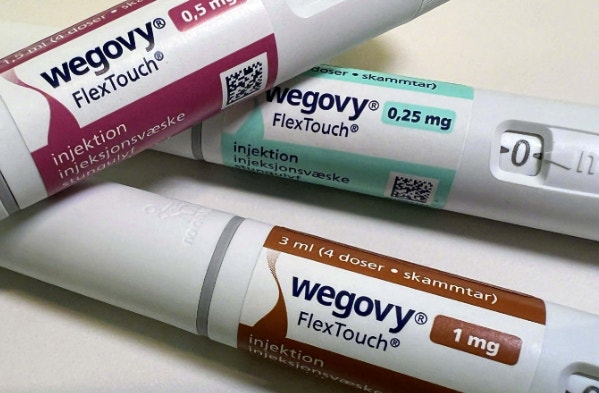
- Wegovy has continued its explosive sales momentum, posting quarterly sales over KRW 100 billion. Just one year after its domestic launch, it surpassed cumulative sales of KRW 400 billion, dominating the obesity treatment market. The newly launched Mounjaro is also beginning to gain traction, while Saxenda and Qsymia, which previously led the market, have seen their influence sharply decline.According to the pharmaceutical research institution IQVIA, Novo Nordisk's Wegovy recorded sales of KRW 137 billion in the third quarter. This represents a 2.4% increase from the KRW 133.8 billion in the second quarter, marking the second consecutive quarter exceeding KRW 100 billion in sales.Wegovy, which received MFDS approval in April 2023, is a glucagon-like peptide-1 (GLP-1) receptor agonist containing the active ingredient semaglutide. Novo Nordisk identified weight loss effects in patients during a clinical trial of a GLP-1 diabetes drug candidate and developed Wegovy, a once-weekly obesity treatment using semaglutide.Quarterly Major Obesity Drug Sales (Unit: KRW billion, Source: IQVIA)Wegovy (blue) , Mounjaro (orange), Qsymia (green), Saxenda (sky blue)Since its launch in October last year, Wegovy has seen explosive popularity despite its high price, rapidly becoming the market leader. Its prescription demand surged due to its significant weight loss effects. Wegovy achieved sales of KRW 60.3 billion in Q4 last year, instantly becoming the leader in the obesity drug market.Wegovy continued its upward trend with Q1 sales of KRW 79.4 billion and surpassed quarterly sales of KRW 100 billion in Q2 with KRW 133.8 billion, just 9 months after launch. Wegovy maintained its growth momentum in the third quarter despite a significant drop in its supply price.Wegovy is creating a global sensation with its groundbreaking weight loss effects. Last year, Wegovy recorded sales of DKK 58.26 billion (approximately KRW 11.7 trillion), an 85.7% increase from DKK 31.343 billion in 2023. Demand surged dramatically after its U.S. launch, which caused shortages.Even before its domestic release, Wegovy gained global notoriety for shortages as it spread by word of mouth as the weight-loss secret of overseas celebrities like Tesla CEO Elon Musk. Despite its high price, Wegovy garnered explosive interest immediately after its domestic launch, leading to initial shortages.Wegovy lowered its supply price by approximately 40% last August following the launch of another obesity treatment, Mounjaro. Despite the price reduction, demand surged significantly, sustaining the upward sales trend.Wegovy's cumulative sales for the third quarter of this year totaled KRW 350.3 billion. Cumulative sales over the first year since its domestic launch reached KRW 410.6 billion. Novo Nordisk strengthened its commercial reach by signing a co-promotion agreement with Chong Kun Dang for Wegovy last September. Since October, Novo Nordisk and Chong Kun Dang have been jointly conducting sales and marketing activities for Wegovy, targeting domestic hospitals and clinics.Eli Lilly's Mounjaro, launched last August, has also been increasing its presence in the market, generating KRW 28.4 billion in sales within just 2 months of launch.Mounjaro acts on both the glucagon-like peptide-1 (GLP-1) receptor and the glucagon-like peptide-1 (GLP-1) receptor. It promotes insulin secretion, improves insulin resistance, and reduces glucagon secretion, thereby inducing reductions in both pre- and post-meal blood glucose levels. In Korea, Mounjaro was approved as a diabetes treatment in June 2023 and secured an additional indication as an obesity treatment in August last year.Saxenda and Qsymia, which had led the obesity drug market before Wegovy's arrival, have seen a significant decline in market influence.Novo Nordisk's Saxenda saw Q3 sales shrink 88.7% to KRW 2.1 billion, compared to KRW 18.9 billion in the same period last year.Launched domestically in 2018, Saxenda is the world's first GLP-1 receptor agonist approved for the treatment of obesity. It shares the same active ingredient as the type 2 diabetes treatment Victoza (liraglutide), differing only in dosage and administration. The emergence of Wegovy, another GLP-1 receptor agonist, is seen as further eroding Saxenda's market share. Following Wegovy's launch, Saxenda's domestic supply has decreased, leading to rumors of production halting.Saxenda rose to the top of the obesity treatment market shortly after its release in 2019 with sales of KRW 42.6 billion and maintained its leading position for five consecutive years until 2023. While Saxenda's sales reached KRW 66.8 billion in 2023, they have sharply declined since Wegovy's arrival. Cumulative sales for the first three quarters of this year totaled KRW 8.8 billion, an 84.9% decrease compared to KRW 58.3 billion during the same period last year.Alvogen Korea’s Qsymia recorded KRW 9.8 billion in Q3 sales, down 4.0% year-over-year. Launched in late 2019, Qsymia is a combination of phentermine and topiramate, for which Alvogen Korea acquired domestic rights in 2017 from Vivus in the U.S. Although Qsymia’s sales decline was smaller than Saxenda’s, its sales remain less than 10% of Wegovy’s, leaving the product significantly marginalized within the obesity treatment market.Qsymia recorded KRW 10.2 billion in Q3 sales last year, but after Wegovy’s launch, its sales fell to KRW 9.3 billion in the fourth quarter, and the downward trend has continued this year.
- Policy
- Application submitted for salt change generic to 'Jakavi'
- by Lee, Tak-Sun Dec 09, 2025 08:28am
- Novartis' rare blood cancer treatment 'Jakavi'The first applications for a generic to Novartis's 'Jakavi (ruxolitinib phosphate)', used for rare blood cancers, have been filed in South Korea. Jakavi is facing generic competition ahead of the expiration of its domestic substance patent on January 14, 2027. Currently, Daewoong Pharmaceutical and Chong Kun Dang are actively seeking to circumvent a composition patent.According to the Ministry of Food and Drug Safety (MFDS), applications for different dosage variants of a salt form-changed generic to Jakavi were filed on the 24th and 27th of last month. In response, the MFDS notified the original patent holder, who had registered patents on the drug listing, of the generic applications, in accordance with the Patent-Approval Linkage System.The generic drug has a different salt form from the original Jakavi. While Jakavi is the phosphate salt, the generic drug uses the hemifumarate salt. This change in salt form is interpreted as a strategy to circumvent the patent.Currently, Daewoong Pharmaceutical and Chong Kun Dang are also working to circumvent the composition patent by filing suits for negative confirmation of the scope of right with the Korean Intellectual Property Trial and Appeal Board. If these suits are successful, they will be able to launch their generic drugs immediately after the substance patent expires on January 14, 2027.Another key characteristic of the generic drug applications is that they exclude the Graft-versus-Host Disease (GVHD) indication, which still has a remaining Post-Marketing Surveillance (PMS) period.Jakavi is indicated for the treatment for Myelofibrosis (MF), Polycythemia Vera (PV), and Graft-versus-Host Disease (GVHD). However, the GVHD indication was added in 2022 and has a remaining PMS period until May of next year (2026). During the PMS period, the filing of generic drug applications is generally prohibited.Generics to Jakavi are reportedly under development, besides those form Daewoong and Chong Kun Dang. Jakavi is a global blockbuster product, with worldwide sales reaching KRW 6.6 trillion as of 2024. Its sales in South Korea are rapidly rising after successfully securing reimbursement coverage for MF and subsequently for GVHD in 2023.Given that rare disease drugs often lack alternatives and carry high costs, analysis suggests that companies succeeding in an early launch of a generic drug can secure a stable sales performance.
- Company
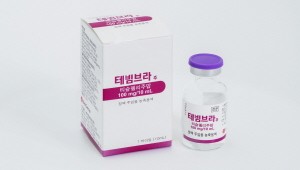
- Tevimbra to be reviewed for reimb this year
- by Eo, Yun-Ho Dec 09, 2025 08:28am
- The immunotherapy drug ‘Tevimbra’ is expected to be reviewed for reimbursement at the final Cancer Disease Deliberation Committee meeting of 2025.The reimbursement expansion for BeOne Medicines Korea’s Tevimbra (tislelizumab) to cover 5 more indications is anticipated to be deliberated at the Health Insurance Review and Assessment Service's (HIRA) Cancer Disease Deliberation Committee meeting on the 10th.Tevimbra successfully secured reimbursement in April as the first immuno-oncology drug for esophageal cancer in Korea, and has since added 5 new indications across solid tumors, including esophageal cancer, gastric cancer, and non–small cell lung cancer (NSCLC). BeOne Medicines submitted reimbursement applications upon the indication expansion approval.The specific indications under review are: ▲First-line combination therapy for unresectable, locally advanced, or metastatic esophageal cancer; ▲First-line combination therapy for unresectable or metastatic HER2-negative gastric or gastroesophageal junction (GEJ) adenocarcinoma; ▲Two first-line combination regimens for NSCLC; and ▲Second-line monotherapy for NSCLC.Given how promptly the company applied for reimbursement of the additional indications, Tevimbra is soon expected to expand its clinical footprint across multiple cancer types in Korea.Industry expectations are particularly high because BeiGene previously emphasized a commitment to “reasonable pricing” during initial negotiations—an approach that facilitated successful reimbursement for the first indication.Whether the company will continue to uphold its philosophy of “delivering innovative therapies at affordable prices and leaving no patient behind” remains a key point to watch.Meanwhile, Teavimbra demonstrated efficacy and safety across various indications through the RATIONALE clinical trial program (RATIONALE-303, 304, 305, 306, 307).Notably, it demonstrated clinical benefit across the entire patient population for esophageal squamous cell carcinoma and gastric or gastroesophageal junction adenocarcinoma, with consistent results even in pre-specified PD-L1 expression subgroups.
