
- LOGIN
- MemberShip
- 2026-05-05 11:27:17
- InterView
- ‘Era of once-weekly growth hormones…adherence is key’
- by Hwang, Byung-woo Sep 13, 2024 05:49am
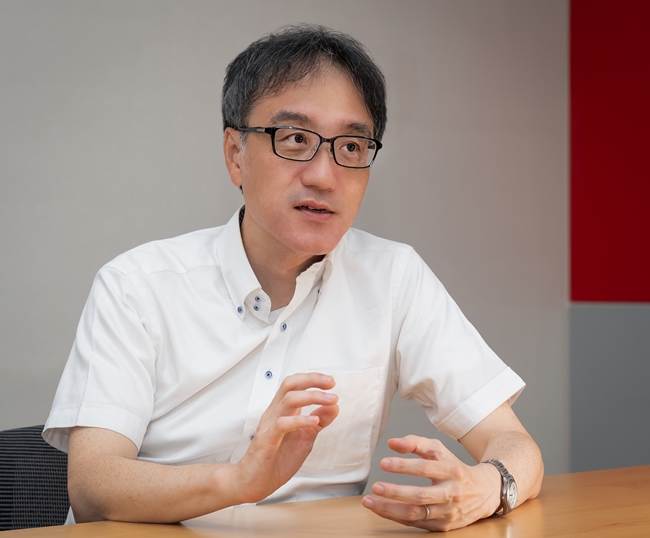
- "The frequency of drug administration is an important factor in the treatment of growth hormone deficiency. The emergence of a once-weekly dosing option is significant in terms of treatment adherence.’ With the market for growth hormone injections rising rapidly, the diversified treatment options have been increasing market interest. The introduction of once-weekly treatment options to the once-daily regimen has emphasized the importance of choosing the right treatment option for patients. Professor Masanobu Kawai (Osaka Women's and Children's Hospital( focused on the effect of the once-weekly growth hormone deficiency treatment. Professor Masanobu Kawai, Osaka Women Growth hormone deficiency is a condition in which the pituitary gland, which is responsible for the secretion of hormones in the body, does not produce enough growth hormone, and is defined as a serum peak growth hormone concentration of less than 10 ng/mL in two or more growth hormone provocation tests. According to the Health Insurance Review and Assessment Service, the number of Korean patients under the age of 19 diagnosed with growth hormone deficiency has nearly doubled over the past 5 years, from 9,746 in 2019 to 19,363 in 2023. The main treatment method is the administration of growth hormone therapy, and once-daily administration has been the main option. In September last year, Pfizer's once-weekly growth hormone deficiency treatment Ngenla (somatrogon) was approved for reimbursement, expanding the options available. Professor Masanobu, who has more experience prescribing Angela as the drug was first released in Japan than in Korea, explained that Ngenla offers a big difference in terms of treatment adherence. Professor Masanobu said, “As a once-daily growth hormone therapy, Ngenla’s approved dose is higher in Korea than in Japan. In Japan, we had concerns about the efficacy of the approved daily treatments due to their low dose, but the once-weekly treatments with higher doses have shown a clear effect.” He added, “Ngenla has strengths in terms of treatment adherence, which is an important factor in growth hormone therapy. Patients with growth hormone deficiency are typically prescribed every 3 months, and patients who are prescribed daily growth hormone therapy have more injections left over at the time of their visit.’ This means that the convenience of a once-weekly treatment, compared to a daily treatment, leads to higher adherence. This convenience is expected to reduce the burden of administration on patients and caregivers. In fact, according to a survey on growth hormone deficiency patients and their parents in Japan, 44% responded that the frequency of dosing was the most important aspect they consider when using growth hormone therapy. “This finding, which was identified before the introduction of Ngenla, demonstrates the inconvenience patients felt due to the frequent administration of existing therapies. A once-weekly dosing regimen is convenient and could ease the burden of treatment for patients and their parents,” explained Professor Masanobu The hurdle of the once-weekly dose is ‘pain’...‘Most patients would prefer less frequent dosing’ However, there is also a hurdle for once-weekly treatments. While they are less burdensome to administer than their competitors that require daily injections, there is still the issue of pain management that follows the use of injectables. On this, Professor Masanobu said that the long-acting injectables may bring a higher pain burden due to the higher dose, but this can be addressed by adjusting the injection site. “Once-daily treatments use thin, short needles, but Ngenla uses thicker, longer needles because of the higher dose. If the needle is injected deep enough to reach the subcutis, the injection pain can be absorbed by the surrounding tissues, reducing the burden.’ However, South Korea's approach to pain management differs from Japan's in that it uses a single injection. Nevertheless, Professor Masanobu believed that Ngenla’s less frequent administration is likely to be preferred by most patients other than the younger patients for whom pain management is a priority. In addition, Professor Masanobu believes that the emergence of a once-weekly dosing option for growth hormone deficiency treatment could lead to improvements in the patient and parents’ quality of life (QOL) beyond therapeutic effect. Professor Masanobu said, “In terms of efficacy, the once-daily and once-weekly doses may have similar effects, however, the burden of daily dosing can affect a person's life in general. Considering the pressure felt by patients and parents, as well as treatment adherence, the ability to alleviate this burden is one of Ngenla’s greatest advantages.’

- Company
- Global guidelines recommend Leclaza combination therapy
- by Son, Hyung-Min Sep 13, 2024 05:49am
- Leclaza plus Rybrevant combination therapy has been listed as a first-line therapy in global guidelines after demonstrating improvements in survival rates. Leclaza plus Rybrevant combination therapy, which is the new treatment for epidermal growth factor receptor (EGFR)-mutated non-small cell lung cancer (NSCLC), received U.S. Food and Drug Administration (FDA) approval as a first-line therapy last month. This combination therapy showed statistically improved progression-free survival (PFS) and overall survival (OS) than Tagrisso monotherapy. Leclaza plus Rybrevant combination therapy has been listed in the NCCN guideline…demonstrated clinical effectiveness Product photos of YuhanSources said on September 12th Leclaza plus Rybrevant combination therapy has been recommended by the National Comprehensive Cancer Network (NCCN) as a first-line therapy based on its recent clinical effectiveness. As a result, the combination therapy now has an expert assessment that it can be used as a first-line therapy for treating NSCLC harboring mutations of EGFR in exon 19 and exon 21. The NCCN provides guidelines recommending cancer diagnosis, treatment, and prognosis. It is an alliance of 33 centers, including the U.S. National Cancer Center and research centers. Physicians worldwide use the NCCN as the primary cancer diagnosis and treatment guideline. As the NCCN recommends Leclaza plus Rybrevant combination therapy, its presence as a first-line therapy is expected to be expanded. Until now, the NCCN and other guidelines have recommended Tagrisso monotherapy, a third-generation tyrosine kinase inhibitor (TKI) targeting exon 19 and exon 21, for the treatment of NSCLC harboring EGFR mutations. However, Leclaza, the third-generation TKI like Tagrisso, and Rybrevant, targeting mutation in EGFR exon 20, have shown more effective results than Tagrisso monotherapy. This indicates a potential change to the major cancer treatment guidelines. The OS results of Leclaza plus Rybrevant combination therapy are suggested to be the key to commercialization. Moreover, inclusion in the NCCN guidelines is a significant achievement. Leclaza plus Rybrevant combination therapy shows continual benefits…3-year OS follow-up data have been disclosed Leclaza plus Rybrevant combination therapy is listed in the NCCN due to its proven effectiveness results. In terms of interim OS analysis, Leclaza plus Rybrevant combination therapy showed superior benefits than Tagrisso. These clinical results were from the Phase 3 MARIPOSA study, which was disclosed during the European Society for Medical Oncology (ESMO) conference and the annual World Conference on Lung Cancer (WCLC) conference. The clinical trial compared the effectiveness and safety of Leclaza plus Rybrevant combination therapy to Tagrisso monotherapy. The patients were randomly assigned at a 1:1 ratio to either the Leclaza plus Rybrevant combination therapy group (429 individuals) or the Tagrisso group (429 individuals). The clinical trial showed that 61% of the Leclaza plus Rybrevant combination therapy group had a three-year OS rate, which was higher than 53% of the Tagrisso monotherapy group. 75% of the Leclaza plus Rybrevant combination therapy group had a two-year OS rate, whereas 70% for the Tagrisso group. Leclaza plus Rybrevant combination therapy shows continued benefits than Tagrisso monotherapy in terms of the overall survival (OS) rate. The median follow-up of 31.1 months showed that 155 patients of the Leclaza plus Rybrevant combination therapy group had a disease progression and discontinued further treatment, whereas 233 patients of the Tagrisso group discontinued further treatment due to disease progression. Then, the patients received follow-up therapies using chemotherapy, such as Alimta (pemetrexed) plus carboplatin. The second PFS (PFS2) measurement showed that the Leclaza plus Rybrevant combination therapy group had a significantly longer median time between treatment discontinuance and follow-up therapy than the Tagrisso group. Additionally, Leclaza plus Rybrevant combination therapy showed positive results for the intracranial PFS, which is an indicator for brain metastasis. The results showed that the median PFS, which was set as the primary endpoint, for Leclaza plus Rybrevant combination therapy was 23.7 months. The Leclaza monotherapy group had a median PFS of 18.5 months, longer than 16.6 months for the Tagrisso monotherapy group. Leclaza plus Rybrevant combination therapy also reduced the disease progression and death risk by 30% compared to the Tagrisso group. The PFS2 results showed that the Leclaza plus Rybrevant combination therapy group had a 25% lower disease progression and death risk than the Tagrisso monotherapy group. Researchers stated, "Leclaza plus Rybrevant combination therapy is showing improvements in the outcomes of disease progression as well as OS than Tagrisso monotherapy," adding, "We have confirmed Leclaza plus Rybrevant combination therapy is a first-line standard therapy for EGFR-mutated advanced NSCLC."
- Company
- Hugel offers guide to safe injection of dermal fillers
- by 어윤호 Sep 12, 2024 04:16pm
- Dr. Jung Jae Eun, the medical director of DICARATCLINIC in Seoul, performs a live demonstration of injection of dermal filler The ChaeumHugel Inc., a leading global medical aesthetics company, said on Thursday it hosted The Chaeum Safe-tech Session (TSS) seminar for injection of dermal fillers for some 20 medical experts in Seoul on September 11 to improve their understanding of safe treatment and Hugel’s hyaluronic acid filler brand The Chaeum. The lecture covered anatomical knowledge of filler administration in key facial areas and critical points that practitioners should be aware of. Following the lecture, Seoul-based DICARATCLINIC’s Medical Director Jung Jae Eun performed a live demonstration focusing on injecting techniques for nasolabial folds, forehead, cheeks and lips and explained the importance of safe filler injection. Dr. Jung, advisor on The Chaeum, has extensive experience in filler injection and uses more than 3,000 syringes of The Chaeum a year. She highlighted providing safe and professional medical services and strengths of The Chaeum fillers in the seminar. “We are very pleased to have successfully hosted the seminar with The Chaeum advisor Dr. Jung to meet medical aesthetics professionals and share knowledge and skills. Hugel will continue to host academic events for proper use of fillers,” a Hugel official said. “Diagnostic accuracy and delicate skills are essentials for effective filler injection. With Hugel, we will strive to promote knowledge and skills in the use of The Chaeum which has proven its safety for over the past 10 years in the market,” Dr. Jung said.
- Company
- Yuhan earns ₩80B milestone with Leclaza's FDA nod
- by Chon, Seung-Hyun Sep 12, 2024 05:51am
- On the 11th, Yuhan Corp announced that it will receive USD 60 million (approximately KRW 80 billion) as milestone payments from Janssen Biotech for Leclaza. View of Yuhan Corp headquarters The company explained, “This is a milestone payment (step-by-step technical fee) for the commercialization of Leclaza and Janssen Biotech's amivantamab combination therapy.” The US Food and Drug Administration (FDA) has approved Yuhan Corp’s Leclaza in combination with Rybrevant for the first-line treatment of adult patients with locally advanced or metastatic NSCLC with epidermal growth factor receptor (EGFR) exon 19 deletions or exon 21 L858R substitution mutations. With the approval, Leclaza became the first homegrown new anticancer drug to receive US approval. Leclaza is a non-small cell lung cancer treatment approved as the 31st domestically developed new drug in January 2021. Yuhan Corp succeeded in passing the US market gateway 6 years after licensing out Leclaza to Janssen Biotech in November 2018. In November 2018, the company received a USD 50 million upfront payment for Leclaza. In April 2020, the company received a USD 35 million milestone payment from Janssen. Johnson & Johnson paid the additional milestone to the company when it initiated the clinical trial for the Rybrevant and Lexarza combination. In November 2020, Johnson & Johnson paid an additional milestone of USD 65 million to Yuhan Corp as it began recruiting subjects for the trial. Additional milestone payments followed upon successful completion of the trial and FDA approval. In total, Yuhan Corp has earned a total of USD 210 million (KRW280 billion) in technology fees since licensing out Leclaza’s technology.
- Company
- HK inno.N signs supply deal with Pfizer for COVID-19 vaccine
- by Son, Hyung-Min Sep 12, 2024 05:51am
- (from left) Pfizer Korea CEO Oh Dong-wook and HK inno.N CEO Kwak Dal-won. HK inno.N announced on September 11th that it has signed an agreement with Pfizer Korea for the domestic distribution of the new COVID-19 vaccine. On September 10th, two companies held an agreement ceremony celebrating the strategic collaboration for the distribution of Pfizer Korea's COVID-19 vaccine, 'Comirnaty JN.1 Inj (bretovameran),' which is a SARS-CoV-2 Spike Protein encoded messenger Ribonucleic Acid. Attendees for the agreement ceremony included HK inno.N CEO Kwak Dal-won, Pfizer Korea CEO Oh Dong-wook, and employees who have contributed to the deal from both companies. Upon the agreement, HK inno.N will be responsible for the domestic distribution of Pfizer's new COVID-19 vaccine for the general public, excluding high-risk groups (people aged 65 and older and the immunocompromised individuals) eligible for the National Immunization Program. 'Comirnaty JN.1 Inj' is an mRNA vaccine designed to produce antigen against COVID-19's JN.1 variant. It is administered as a single intramuscular injection of 0.3 mL without dilution to prevent COVID-19 caused by the SARS-CoV-2 virus in individuals over 12 and older. Comirnaty JN.1 Inj was approved in South Korea on August 30th. HK inno.N CEO Kwak Dal-won said, "With the recent rise in COVID-19 infection numbers, we plan to swiftly supply COVID-19 vaccines through our distribution partnership and contribute to public health." Pfizer Korea CEO Oh Dong-wook said, "We are pleased to have signed an agreement with HK inno.N, a company with broad-spectrum know-how of vaccine supply and years of experience," adding, "Through close collaboration among companies to supply COVID-19 vaccines to the market, we can help more patients receive immunization."
- Company
- Celltrion aims for KRW 5T sales with 'ADC‧CDMO'
- by Hwang, Byung-woo Sep 12, 2024 05:51am
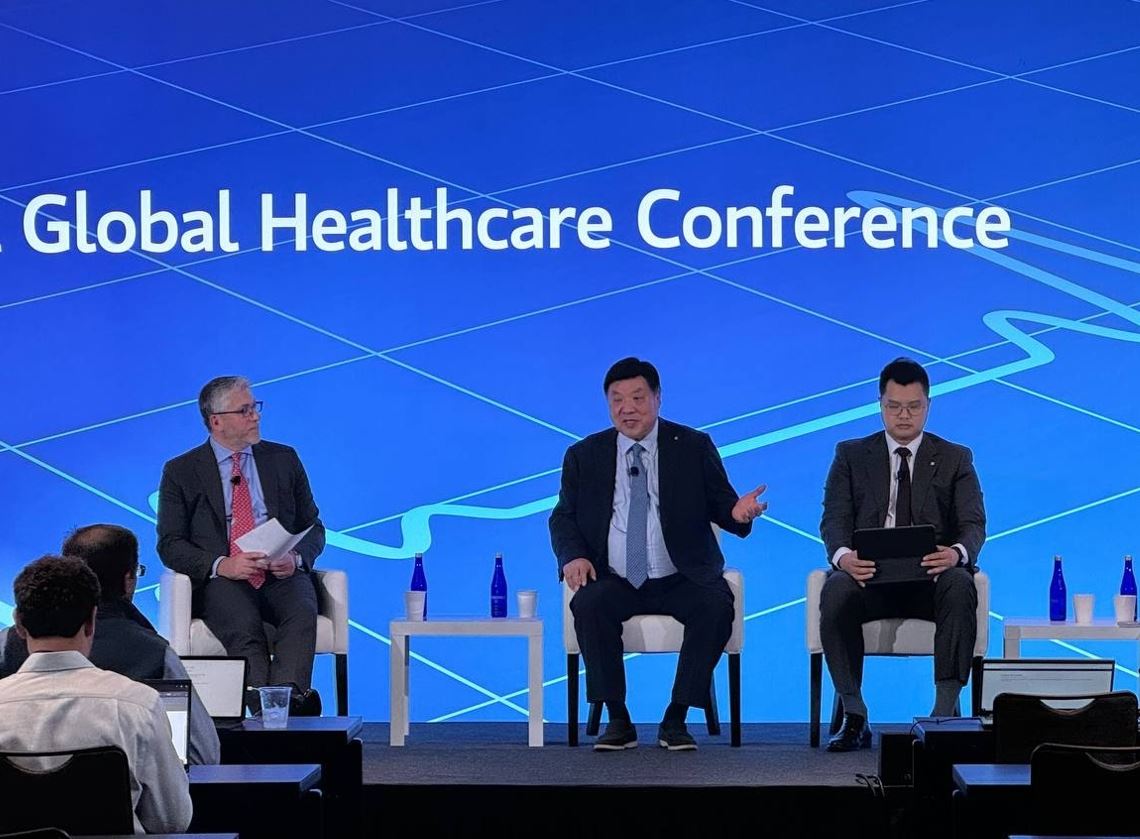
- Celltrion aims to achieve KRW 5 trillion in sales by 2025 based on the growth of the biosimilar pipeline and new business operations. Celltrip Group President Seo Jung-jin (center) and Celltrion CEO Seo Jin-seok (right). Celltrip Group President Seo Jung-jin and Celltrion CEO Seo Jin-seok announced on September 9th that they have participated in the 'Morgan Stanley 22nd Annual Global Healthcare Conference' in the United States on September 6th and presented the group's strategic plan for the future. Morgan Stanley Global Healthcare Conference is an event hosted by the global investment bank (IB) Morgan Stanley. It invites promising biotechnology companies worldwide and provides an opportunity to meet with global institutional investors. This year marks the 22nd event. Celltrion Group participated in a presentation session titled 'From Pioneer to Innovator.' The group presented the group's new drug pipeline and disclosed the ongoing development and schedule of follow-up biosimilars. For its biosimilar business sector, Celltrion plans to receive 11 product approvals by 2025 and secure a 22-product portfolio by 20203 to expand market dominance. In addition to studying autoimmune diseases, the group will expand the treatment field to asthma·rash, ophthalmology, and metabolic bone disease. Celltrion also focuses on strengthening collaboration with prescription benefit managers (PBM) to increase sales efficiency. Celltrion has secured a sales expansion foundation by signing agreements with the top 3 PBM companies over prescription reimbursement within six months after the launch of Zymfentra in the United States in March. According to the company, target sales for Zymfentra will likely reach KRW 250 billion this year. Additionally, other biosimilar products have a continuously expanding market presence. As a result, the company is expecting to reach target sales of KRW 3.5 trillion. The analysis suggests that Celltrion can reach KRW 5 trillion in sales next year if Zymfentra continues expanding its market presence as planned. Furthermore, Celltrion has a high expectation for improving revenue as its merger with Celltrion Healthcare is nearing completion. Celltrion emphasized that the temporarily increased cost to sales rate upon merger is quickly being reduced, and the sales and margin rate will rise with time. Celltrion will start developing antibody-drug conjugates (ADC) and multispecific antibodies as a new drug pipeline this year. By next year, the company will announce new drug candidates that are 'best-in-class.' Celltrion has selected three ADCs and three multispecific antibodies and started development. The company aims to commercialize its first product by 2029. Celltrion will disclose two new ADCs nearing completion and plans to enter clinical stages by next year. President Seo stated, "We must build additional manufacturing plants to secure product manufacturing capacity for a sustainable future. The company will decide on securing new plants in South Korea or overseas within this year," adding, "New facilities will be incorporated as a wholly owned subsidiary, and the group will use those for CDMO businesses."
- Company
- Switching between JAKis reimbursed for rheumatoid arthritis
- by Eo, Yun-Ho Sep 12, 2024 05:50am
- JAK inhibitors being prescribed in Korea The issue of reimbursement being not allowed for switching between JAK inhibitors in rheumatoid arthritis, which has been a pet peeve on site, will be resolved soon. According to Dailypharm coverage, the health authorities decided to allow insurance reimbursement benefits for cross-dosing between JAK inhibitors in rheumatoid arthritis in October. Currently, 4 drugs are prescribed for rheumatoid arthritis in Korea, including Pfizer Korea’s Zelanz (tofacitinib), Lilly's Olumiant (baricitinib), AbbVie's Rinvoq (upadacitinib), and Eisai Korea’s Jyseleca (filgotinib). As such, the treatment landscape for rheumatoid arthritis is expected to improve significantly starting next month. The government has been adhering to the position that it is difficult to reimburse switching JAK inhibitors due to the lack of clinical evidence. However, after continuous statements submitted by the Korean College of Rheumatology and other organizations, as well as prescription experience on cross-dosing, the government reconsidered its position and came to a positive conclusion. Meanwhile, the reimbursement for switching is expected to further boost the market for JAK inhibitors. According to the market research institution UBIST, the outpatient prescription market for JAK inhibitors was worth KRW 27.5 billion in the first half of last year. This is a 54% increase in 1 year compared to KRW 17.8 billion in the first half of last year. The market for JAK inhibitors is expanding at a rapid pace. The market, which had been around KRW 12.5 billion in 2019, had expanded to KRW 18.7 billion in 2020, KRW 25.5 billion in 2021, KRW 33.5 billion in 2022, and KRW 40 billion last year. This year, the market reached KRW 27.5 billion in the first half of the year alone and is expected to exceed KRW 50 billion by the end of the year.
- Company
- LG Chem appeals... starts 2nd patent trial for Zemiglo
- by Kim, Jin-Gu Sep 12, 2024 05:50am
- The patent dispute over the use of DPP-4 inhibitor class diabetes drug Zemiglo (gemigliptin) is heading on to its second round. Generic companies have succeeded in winning both the evasion and invalidation trials regarding Zemiglo's use patent, after which LG Chem has appealed to the Intellectual Property High Court of Korea. According to industry sources on the 11th, LG Chem filed a lawsuit to cancel the ruling made at the first invalidation trial for Zemiglo’s patent to the Intellectual Property High Court of Korea. The patent for Zemiglo is set to expire in October 2039. It covers the combination of insulin and gemigliptin. In addition to the use patent, Zemiglo has a product patent that expires in January 2030 and a salt and crystalline form patent that expires in October 2031. In the case of Zemimet (gemigliptin+metformin), it owns two composition patents that expire in October 2033 and May 2039, respectively. Generic companies have filed a trial to confirm the passive scope of rights (evasion) and invalidation of Zemiglo’s use patent, respectively. Starting with Shing Poong Pharm, Boryung, Jeil Pharmaceutical, Korea Prime Pharmaceutical, Daewha Pharmaceutical, DongKoo Bio&Pharma, Samchundang Pharm, and Celltrion Pharm filed for the evasion trials. The Intellectual Property Trial and Appeal Board has ruled in favor of the generic companies since March this year. In July, the court issued a partial ruling on the patent invalidity challenge. Celltrion Pharm was the first of the 6 companies to win the invalidation trial. Boryung, Jeil Pharmaceutical, DongKoo Bio&Pharma, Genuone Science, and Daewha Pharmaceuticals, which filed challenges around the same time, are yet to receive a ruling. LG Chem, which lost the first trial, chose to appeal both the evasion and invalidation trials. Industry insiders believe that LG Chem chose to take an aggressive defense strategy against patent challenges from generic companies. As additional challenges from generic companies are expected not only for the use patent but also for the remaining salt-crystalline and composition patents, the company seems to be attempting to get a start on the situation early on. The Intellectual Property High Court’s decision on Zemiglo’s use patent dispute is expected to serve as a turning point for early generic launches in the future. If the generic companies win both the first and second trials, the timeline for generic Zemiglo will be significantly accelerated. While there is still a possibility that LG Chem will appeal to the Supreme Court, the back-to-back victories in the first and second trials are expected to give the patent challengers a major boost to launch generics early. According to the market research institution UBIST, prescriptions for Zemiglo and Zemimet were worth KRW 70.1 billion in the first half of last year. The two posted the highest sales amongst DPP-4 inhibitor class diabetes drugs. Zemiglo-Zemimet rose to the ranks and became the top-selling diabetes drug in Q3 last year.
- Company
- Which company will distribute Bayer's 'Canesten·Bepanthen'?
- by Nho, Byung Chul Sep 12, 2024 05:50am
- Bayer is searching for a new distributor to distribute its OTC medicines, including Canesten and Bepanthen. As the co-promotion agreement between Bayer and Il Dong Pharmaceutical for over the counter (OTC) medicines is set to expire, it gathers attention whether the company will renew the contract. According to industry sources, Bayer is searching for a new distributor to distribute its OTC medicines, Canesten and Bepanthen. Il Dong Pharmaceutical has been responsible for the distribution of Bayer's OTC medicines. In 2013, Bayer signed a co-promotion agreement for five OTC medicines, including ▲Canesten Cream (antifungal cream)·Vaginal tab (vaginal infections)·Dusting Powder (antifungal treatment for children) ▲Elevit Pronatal Tab (multivitamin for women who are pregnant) ▲Bepanthen Cream (diaper rash) ▲Saridon-A Tab (pain and fever) ▲Talcid Complex Tab (heartburn). Bayer is considering multiple options, such as renewing the agreement with Il Dong Pharmaceutical or changing a distributor. The company is likely considering pharmaceutical companies with an active pharmacy sales network, such as Yuhan Corp·Daewoong Pharmaceutical·Chong Kun Dang·Dongkook Pharmaceutical·Dongwha Pharm. Il Dong Pharmaceutical was appointed as the distributor in 2013 because the previous CEO of Bayer Korea, Neil Hesman, had signed a co-promotion agreement based on the brand power of Il Dong Pharmaceutical's Aronamin·Mediform and unique sales strategy. Based on a pharmaceutical distribution performance report, Canesten (plus) products generated KRW 7.1 billion and KRW 6.9 billion in sales in 2011 and 2012, respectively. Canesten sales for 2020·2021·2022·2023·first half of 2024 were KRW 4.2 billion·KRW 3.5 billion·KRW 4 billion·KRW 3.7 billion·KRW 1.6 billion. Bepanthen sales for 2020·2021·2022·2023·first half of 2024 were KRW 6.3 billion·KRW 6.3 billion·KRW 7.4 billion·KRW 8.9 billion·KRW 5 billion. Canesten line-up includes Canesten 1 Vaginal Tab·Canesten Cream·Canesten Powder. Canesten 1 Vaginal Tab (clotrimazole 500 mg) is a one-shot treatment for vaginal infections caused by Candida. Canesten Cream is effective in relieving external thrush symptoms caused by Candida, including irritation·burning·rash·pain. The active ingredient clotrimazole is a broad-spectrum antifungal medication that is effective for the treatment of Candidiasis, such as athlete's foot·ringworm·jock itch. Canesten Dusting Powder contains clotrimazole and 99% plant-derived ingredients, and it is similar in efficacy to the cream formulation. Bepanthen Cream, containing dexpanthenol, is effective for the treatment of mild burns·bed sores·eczema·diaper rash·sunburns. Its competitor drugs include Yuhan's Celestone-G Cream (betamethasone valerate·gentamicin sulfate) and Hanpoong Pharm's Jaungo.

- Company
- GSK seeks mutual growth with its employees…top satisfaction
- by Hwang, Byung-woo Sep 11, 2024 04:39pm
- Rosa Kim, Country HR Head, GSK Korea ‘Vaccine powerhouse’ is the first image that comes to mind upon the mention of GSK these days. The company has been constantly exerting its influence with its range of vaccines for various vaccine-preventable diseases. In the specialty medicine space, the company has expanded its pipeline to include respiratory asthma and COPD, as well as Lupus, HIV/AIDS (Specialty Care), and, most recently, cancer. This growth was driven by ‘Purpose,’ which integrates the company’s vision and mission. GSK seeks to become a global pharmaceutical company with a passion and purpose to unite science, technology, and talent to get ahead of disease together. The reason why the company’s purpose includes talent is clear: even with great science and technology, GSK cannot achieve its purpose if no one delivers it to the patients. This perspective sets GSK apart from other companies in terms of talent acquisition. The company fosters a culture where the company is not only responsible for each individual’s growth through motivation and development but also for their care. GSK values its talent and emphasizes mutual growth from the beginning to the end of each employee’s career. We spoke to Rosa Kim, Country Head of Human Resources at GSK Korea, to hear bout the company's organizational culture and working environment. I noticed GSK’s corporate goal includes the unification of ‘talent.’ What kind of talent does GSK seek? = GSK has four leadership focuses. Current leaders, leadership candidates, and employees who wish to grow into leaders thrive based on the four focuses, so the focuses are at the core of the company’s talent profile. The first is ‘Motivate’. A good leader should be able to articulate the WHY message. It's important to be able to give a clear WHY, why I work at GSK, and why I should do this job. The second is ‘Focus’ to drive the business, which is having a part in the success and growth of the business. The third is ‘Develop,’ which requires a lot of contemplation and regard for personal growth and the growth of the colleagues and people you work with. The final one is ‘Care,’ which I think is GSK's most unique culture. We seek talent with genuine leadership and ‘care,’ who is empathetic and caring towards the people they work with, whether it's a warm caring message from a leader to an employee who had a very difficult day to motivate the employee to forget the day’s hardships and gain the courage to get throughout the day. How do you recruit talent that can deliver this vision? = GSK has several programs in place to identify talents early on, develop them within the company, and nurture them into leaders. For example, we have the Future Leaders Program (FLP) for students seeking their first job out of university or are at the beginning of their career. The primary goal of the program is to foster talents into Commercial Business Unit Head in 10 years. The are cases where the program led talents to the BU Head training track, leading employees to become a BU Head and then a General Manager (GM) at headquarters. English language skills seem to be important. Do employees also take on international roles? = In the case of the Future Leaders program, all interviews are conducted in English. It is a program that trains junior future leaders to continue their careers not only in Korea but also overseas. Once you join the program, you will go through two to three rotations over three years, and then, depending on your capabilities and the outcome of the evaluation, you will be connected to your next position. I know of only GSK that has a track that directs employees in the early stage to BU Head to Leader to General Manager. What about hiring for experienced positions? = In the case of general recruitment, we tend to hire more experienced professionals. GSK Korea has a low turnover rate compared to other companies, so it is less likely to be hired due to vacancies and more likely to be hired for new launches or product growth, or to replace internal personnel due to personnel transfers. In recent years, we have hired entire members of the anti-cancer business unit when we started our anti-cancer business. In addition, we have been hiring experts in the market for our ever-expanding pipeline, such as the shingles vaccine (Shingrix) and new vaccines to accommodate our vaccine business which continues to grow. The company must also be making efforts to cultivate talent within the organization = We've been working on a platform since last year to help people draw out what their career roadmap should look like based on where they want to end up in their careers over time. In sales, we have a program for seasoned medical representatives to transition to their next career, as well as the Emerging Sales Leader Academy (ESLA), which is designed to foster sales team leaders. In addition, we hold a quarterly People Leader Forum (PLF), which is a platform for managers, BU heads, directors, etc. to share experiences and learn what they need to learn more about as leaders within GSK and how they can implement them in practice. Can employees freely change positions? = We have a very active internal recruitment system to support our plan to continue our growth as we grow the business and launch new products. So job transitions are quite frequent within GSK. All openings are shared with all employees on a regular basis, almost weekly, and many employees apply for the transition. In fact, over the last 2 years, about 20% of GSK’s hires have been internal. In particular, some employees with very irrelevant experience transfer between units or receive promotion opportunities. In such cases, we're not just focusing on the final selection, but believe a lot of the experience is in the challenge itself and offer feedback, which was received with a good response. How is the employee evaluation system structured at GSK? = GSK Korea has a simplified but to-the-point evaluation system. For example, we don't have a numerical evaluation system or one that encourages unnecessary internal competition. Evaluations are conducted within a culture of feedback and coaching, through very close dialogue with the manager about the goals set for the year and the employee’s development plan. The most important feature is that we have an internal award system for the best-performing office employees. We celebrate and reward the employee's achievements and share the news with other organizations and teams throughout the company. Do you also reward employees based on your evaluation system? = I think GSK Korea has a good reputation, a reputation that we are proud of, and I think this is thanks to our excellent people. From the perspective of whether we are treating our employees appropriately, we have a lot of professional employees and apt compensation in place for the employees. I think our low turnover rate speaks for our employees’ high satisfaction. Does GSK have any unique welfare systems in place? = There are two unique welfare systems at GSK Korea. The first is, as we are a vaccine company, all employees and their families, spouses, and children can receive GSK's vaccines. In the area of mental health, we have a global Employee Assistance Programme (EAP) where employees can receive psychological counseling and other professional help. I know that other companies usually offer about 5 counseling sessions, but GSK offers about 10. In the first half of this year alone, about 25% of our employees made use of the system. Also, at the end of the year, the company holds a lottery at the end of the year when you use up your annual leave to take a holiday as a way of saying, ‘We've had a hard year, let's take a well-deserved break together’. If you win the lottery, the company pays for your holiday. We also have good support in place for working moms and dads. For example, if you have a child under the age of 1, the company offers additional parental leave at the headquarters level in addition to the mandated parental leave. We have a company system in place that allows a mix of paid and unpaid leaves. Over the past 3 years, about 30% of employees have taken parental leave, and 100% have returned to work and continued their careers. Lastly, how would you describe the culture and recruitment at GSK Korea in one word? =The theme of this year's organizational culture is ‘Growth Mindset.’ As GSK is at a stage where it is undergoing a lot of change and innovative growth in various fields of business, we are focusing on what kind of experience we want to have and how far we want to grow through an ‘inclusive culture,’ rather than take the old-fashioned approach of changing and surviving internally to cope with external changes.
