
- LOGIN
- MemberShip
- 2026-04-30 22:55:31

- Company
- ‘Oral drug Fabhalta changes PNH treatment paradigm'
- by Son, Hyung Min Apr 29, 2025 05:56am
- Youngil Koh, Professor of Hematology/Medical Oncology, Seoul National University Hospital “While significant progress has been made in the treatment of paroxysmal nocturnal hemoglobinuria (PNH), unmet needs remain. Given the relatively young age of patients, there is an increasing emphasis on the need for treatment strategies that not only ensure survival but also improve anemia and enable patients to return to their daily lives. Therefore, I believe that Fabhalta, which improves ease of administration and has been shown to be effective in improving anemia, will become more widely used." Youngil Koh, Professor of Hematology/Medical Oncology, at Seoul National University Hospital, emphasized so in a recent interview with Dailypharm regarding the paradigm shift being made in the PNH treatment landscape. PNH is a rare condition caused by acquired genetic mutations. While the term “acquired mutation” often brings to mind cancer, PNH is classified as a type of “clonal hematopoiesis,” not a blood cancer. While multiple mutations in hematopoietic stem cells can lead to blood cancer, PNH occurs when a single mutation occurs in the PIGA gene, which is located on the X chromosome. PNH is currently known to have no fundamental cure. However, with advancements in science, treatment approaches have been evolving with therapies developed to inhibit the activity of the complement system. The complement system is a core component of the innate immune system, serving as a powerful defense mechanism that directly attacks and destroys pathogens. This system consists of multiple pathways, including C3 and C5, and ultimately forms the “membrane attack complex (MAC),” which destroys red blood cells. Until now, treatments that inhibit C5, located at the terminal pathway of the complement system, have been primarily used. Notably, the introduction of Soliris, an injectable medication administered every 2 weeks, followed by Ultomiris, which can be administered every 8 weeks, has improved the treatment landscape. Many patients still manage their condition using these treatments. However, among the PNH patients receiving treatment, unmet needs still remain in those suffering from persistent fatigue, insufficient symptom improvement, and blood transfusion dependence. In particular, even when C5 is inhibited, the activation of the upstream C3 pathway continues, leading to the premature removal of red blood cells in the liver and spleen and the repeated need for blood transfusions. Professor Koh said, “Statistically, only about 20% of all PNH patients are reported to have their symptoms sufficiently controlled by C5 inhibitors alone to enable them to live normal lives. The remaining 80% of patients cannot completely control their symptoms, and about half of them clearly need other treatment options.” He added, “The complement system is composed of multiple pathways, with C3 located at the upper stage and C5 at the lower stage. While existing C5 inhibitors have acted by blocking the lower stage, it has been confirmed in actual clinical settings that inhibiting C5 alone may still pose issues due to the activation of C3 at the upper stage.” Introduction of Fabhalta, the first oral option Fabhalta was developed to address these issues and works by inhibiting complement factor B, which plays an important role in C3 activation. By regulating the overactivation of C3, it enables a new therapeutic approach to areas that were not addressed by existing C5 treatments. Based on this mechanism of action, Fabhalta is attracting attention as a new treatment option that can meet unmet needs that could not be addressed with existing C5 inhibitors alone. In particular, this treatment has the advantage of being effective against anemia and extravascular hemolysis. Fabhalta demonstrated efficacy in the APPLY-PNH Phase III clinical trial, which enrolled 97 adult PNH patients aged 18 years and older with residual anemia (mean hemoglobin level less than 10 g/dL) despite receiving C5 inhibitors for at least 6 months. Through random assignment, 35 of the 97 patients continued C5 inhibitor treatment, while the remaining 62 switched to Fabhalta, and the effects of the treatments were evaluated for 24 weeks. The clinical results showed that patients who switched to Fabhalta had normalized hemoglobin levels from week 4, and this effect continued through week 24. Hemoglobin normalization was confirmed in approximately two out of three patients. In addition, four out of five patients showed clinically significant increases in hemoglobin levels, and 95% of patients overcame their blood transfusion dependence. No adverse reactions requiring discontinuation of treatment occurred with Fabhalta. The incidence of acute hemolysis was significantly lower than that of C5 inhibitors, and although headaches, diarrhea, and nausea occurred, they were generally mild and resolved within one week. Professor Koh said, “The main purpose of this clinical trial was to confirm the effectiveness of Fabhalta in improving anemia, and the results showed that the hemoglobin level improved in more than 80% of the Fabhalta group and that blood transfusions were avoided in about 90% of the cases. On the other hand, no such improvement was observed in the group of patients who received only conventional C5 inhibitors.” He added, “These results are considered to have served as clinical proof that Fabhalta is a treatment option that can improve anemia that could not be resolved with existing treatments and significantly reduce dependence on blood transfusions.” The strength of Fabhalta lies in its formulation. As an oral medication, Fabhalta is easier to administer than existing intravenous formulations such as Soliris and Ultomiris. Many patients in clinical practice have expressed their desire to switch to Fabhalta if it becomes reimbursed by insurance, and Koh explained that patient satisfaction with treatment is likely to increase not only because of improved hemoglobin levels but also because of the switch to an oral formulation. Professor Koh stated, “PNH has an average onset age in the early 40s, making it more common in relatively younger age groups. In actual practice, many patients continue working while undergoing treatment. Among existing treatments, Ultomiris is an injectable medication administered every 2 months, which reduces the burden of hospital visits compared to Soliris, significantly improving patient satisfaction. Based on this experience, Fabhalta is the first oral medication that can be taken without visiting a hospital, which is a big change for patients in terms of the method of administration alone." Unmet demand remains…Treatment environment needs improvement Professor Koh expressed a very positive outlook on the ongoing development of therapies with various complement inhibition mechanisms because these can potentially address the unmet needs that could not be resolved with existing C5 inhibitors. For example, Fabhalta inhibits factor B, Empaveli (pegcetacoplan) inhibits factor C3, and Voydeya (danicopan) inhibits factor D, with each drug having a different treatment profile because they act at different sites. Professor Koh said, “All of these treatments can be effective in meeting unmet needs, but they have distinct advantages and disadvantages in terms of dosage method and whether they are used in combination. Empaveli requires twice-weekly subcutaneous injections, which can be burdensome, but it can be an effective option for patients who have little aversion to injections. On the other hand, Voydeya requires combination therapy with a C5 inhibitor, which increases the medication burden, but it also has the advantage of potentially improving adherence through the use of a combination injection.” He added, “However, under the current reimbursement standards in Korea, initial treatment must still begin with C5 inhibitors, so in practice, we discuss which drug patients may switch to when unmet needs arise, such as anemia.” Novartis Korea is currently negotiating Fabhalta’s drug prices with the National Health Insurance Service, the final gatekeeper for insurance reimbursement. Professor Koh said, “When discussing with patients, there are quite a few cases where they are waiting for reimbursement for Fabhalta. We have recommended Empalveli to some patients, but many of them feel burdened by the twice-weekly injections and have expressed their intention to switch to oral medication once it becomes covered by insurance. This tendency is particularly prominent among young patients who are socially active.” He added, “Fabhalta has shown potential as a first-line treatment option. In the future, newly developed drugs with new mechanisms of action must be adopted as first-line treatments so that PNH patients can be said to be receiving more practical and comprehensive care.”
- Company
- Launch of a nasal spray vaccine imminent
- by Whang, byung-woo Apr 29, 2025 05:56am
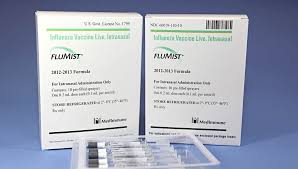
- AstraZeneca Korea's nasal spray, four-valent influenza vaccine 'FluMist' is set to launch domestically in the second half of the year, and new competition is expected. Product photo of FluMistAccording to industry sources, AstraZeneca Korea is preparing to introduce FluMist for the 2025–2026 influenza vaccination season. FluMist is a live‐attenuated, four-valent influenza vaccine administered via nasal spray. This drug was approved by the Ministry of Food and Drug Safety (MFDS) on May 22 last year and is indicated for the prevention of influenza in children and adolescents aged 24 months to 17 years, and in adults up to 49 years of age. FluMist was first approved by the U.S. Food and Drug Administration (FDA) in 2003 and its indication was expanded to four-valent vaccine in 2012. Notably, in September of last year, it became the first self‐administered influenza vaccine approved by the FDA. Globally, FluMist recorded sales of KRW 252.7 billion (USD 175 million) in 2023. In South Korea, GC launched FluMist in 2009 after acquiring it from MedImmune but discontinued sales in 2014 after underperforming. At that time, it was introduced as a three-valent formulation. Thus, a nasal spray-type influenza vaccine will be launched approximately ten years later as a four-valent formulation. Furthermore, it is also the first influenza vaccine to be launched in South Korea by AstraZeneca. The company has reportedly begun preparations for launch, including hiring dedicated staff. In a recent organizational restructuring, AstraZeneca Korea consolidated all its product lines, excluding oncology and rare diseases, into a single division where it will be responsible for the influenza vaccine business. Once FluMist is introduced domestically in the second half of the year, it will provide a new option in a market dominated by injectable vaccines. The Korean market for influenza vaccination includes domestic and foreign manufacturers designated in the National Immunization Program (NIP). Currently, available vaccines are all injectable formulations. The introduction of a nasal spray delivery method is expected to be particularly attractive for children and adolescents who fear needles. According to the Korea Disease Control and Prevention Agency (KDCA), the pediatric influenza vaccination rate in 2024 is approximately 60%, lower than the adult rate (over 80%), with needle phobia identified as a significant barrier. FluMist's nasal delivery could help overcome this. However, several constraints, notably price, remain before FluMist can gain significant market traction. In North America, FluMist is priced about 20–30% higher than injectable vaccines, suggesting it may also be positioned as a premium product in Korea. A further hurdle is that FluMist's primary target population, children and adolescents, is already covered by free NIP vaccinations. There may be little incentive to choose a paid nasal spray alternative. Additionally, the storage and administration requirements for a nasal spray differ from those for injectables, posing an adaptation challenge for healthcare institutions. As a result, some industry observers expect FluMist to be adopted initially by large tertiary hospitals. A vaccine industry employee said, "A nasal spray influenza vaccine can offer an alternative for those with needle phobia, but factors such as price, consumer perception, and competition remain variables. We expect AstraZeneca Korea to monitor the market closely before finalizing its marketing strategy."

- Company
- Shingrix sales KRW 42B… leads shingles vaccine mkt
- by Nho, Byung Chul Apr 29, 2025 05:56am
- In the shingles vaccine market, the genetically engineered recombinant zoster vaccine Shingrix has achieved sales of KRW 42 billion in just over 3 years since its launch, maintaining its lead in the market for 2 consecutive years. Based on pharmaceutical distribution performance, GSK's Shingrix recorded sales of KRW 360 million, KRW 38.4 billion, and KRW 42 billion in 2022, 2023, and 2024, respectively, leading the market. The sales figures for attenuated vaccines SK Bioscience's SKYZoster and MSD's Zostavax in 2023 were KRW 18.7 billion and KRW 17.4 billion, respectively. Among the two attenuated vaccines, it is noteworthy that the later-launched SKYZoster surpassed Zostavax’s sales, which was launched 8 years earlier. Zostavax was approved by the MFDS in April 2009, and SKYZoster in September 2017. As the first-ever vaccine to receive FDA approval, Zostavax maintained its position as the only shingles vaccine available in the domestic market from its launch until SKYZoster was released. However, its lead has been threatened by the launch of the recombinant zoster vaccine Shingrix, a strong competitor. In 2023, it even fell behind SKYZoster, a later-generation attenuated vaccine, further losing its market position. In 2023, SKYZoster generated sales of KRW 26.2 billion, surpassing Zostavax by KRW 3.9 billion. Nevertheless, the market trend is shifting from first-generation attenuated vaccines to second-generation genetically engineered vaccines, resulting in a significant decline in the performance of first-generation vaccines. Zostavax's sales plummeted from KRW 43.2 billion in 2020 to KRW 17.4 billion in 2024. During the same period, SKYZoster’s sales also plummeted from KRW 29.1 billion to KRW 18.7 billion. Attenuated vaccines and genetically engineered vaccines exhibit stark differences in terms of advantages and disadvantages, which serve as a key determinants in sales growth. Zostavax and SKYZoster are attenuated vaccines that weaken the virulence of the virus. It has a preventive efficacy of around 60–70% in people aged 50–60 and offers high convenience as a single dose. However, their preventive efficacy decreases with age, potentially dropping to 30% in those over 70. Genetically engineered vaccines, which create antigens similar to the virus, pose no risk of infection. It demonstrates strong preventive efficacy, with a protection rate of 97.4% in those in their 60s and 91.35% in those in their 70s, achieving over 90% protection across all age groups. In addition, its safety has been demonstrated in clinical trials targeting individuals aged 18 and older with weakened immune systems, making it suitable for administration to those with compromised immunity, such as cancer patients or organ transplant recipients.
- Company
- Hemophilia A drug 'Obizur' available at major hospitals
- by Eo, Yun-Ho Apr 28, 2025 05:54am
- Product photo of Obizur Obizur, a treatment for acquired hemophilia A, is now available for prescription at general hospitals. According to industry sources, Takeda Korea's 'Obizur (susoctocog alfa),' a treatment for acquired hemophilia A (AHA) in adult patients, has passed drug committees (DC) of tertiary general hospitals, including Samsung Medical Center, Seoul St. Mary's Hospital, and Sinchon Severance Hospital, and other medical institutes, such as Kyung Hee University Medical Center and Seoul National University Bundang Hospital. Obizur has consistently expanded prescription areas since its inclusion on the insurance reimbursement list in March. Obizur was designated Korea's orphan drug in July 2021, and it was considered for reimbursement evaluation immediately after obtaining domestic approval in March. Under the AHA indication, this drug restores the missing coagulant VIII, unlike existing medications designed to bypass it. A recombinant product was created by removing the B-domain from porcine coagulation factor VIII, which is highly homologous to the human protein. Because autoantibodies less readily recognize it, it can substitute for inactivated human factor VIII, aiding coagulation and helping to control bleeding. Through this mechanism, it is the only AHA therapy whose factor-VIII levels can be reliably monitored by the standard assay, enabling individualized dosing. Meanwhile, in a prospective, nonrandomized, open-label Phase 2/3 study evaluating the efficacy of Obizur in 28 patients with AHA, all participants treated with the product demonstrated a positive response for every initial bleeding episode at the 24-hour assessment. Positive response was defined as cessation or reduction of bleeding accompanied by clinical improvement or factor-VIII activity exceeding target levels. At the final dosing assessment (within two weeks of administration), the overall treatment success rate was 85.7% (24/28 patients), with higher success rate observed in those receiving it as first-line treatment. The patient group who received Obizur as a first-line treatment achieved a 94% success rate (16/17 patients), while the second-line patient group showed a 73% success rate (8/11 patients). No serious adverse events or deaths related to the product were reported.

- Company
- 'Early diagnosis·3 combo therapy·tolerance' for COPD Tx
- by Whang, byung-woo Apr 28, 2025 05:54am
- "With South Korea entering a super-aged society, the number of patients with chronic obstructive pulmonary disease (COPD) will continue to rise. As the population ages, early detection and treatment to prevent high-risk patients from worsening are critically important." At the end of last year, the Korean COPD treatment guidelines were revised for the first time in six years, simplifying patient classification and adding blood eosinophil count criteria to treatment-strategy establishment. The aim was to simplify the guidelines compared with the previous version, making treatment more straightforward in clinical practice. The initial treatment strategies now categorize patients into low-risk and high-risk groups. Dr. Yong Bum Park, Professor of the Pulmonary Department at Kangdong Sacred Heart Hospital (chair of the COPD guidelines revision committee), emphasized the need for appropriate treatment approaches and policy improvements in response to the growing COPD patient population. COPD is a condition in which abnormalities occur in the 'airways' necessary for breathing or in the alveoli at the lung periphery, influenced not only by smoking but also by indoor and outdoor air pollution, occupational hazards, and genetic factors. Dr. Yong Bum Park, Professor of the Pulmonary Department at Kangdong Sacred Heart Hospital Korea's National Health and Nutrition Examination Survey shows that approximately 13% of the population aged 40 and over has COPD. With an aging population, it is reported that one in two men aged 65 and above in Korea suffers from COPD. Dr. Park explained, "Although COPD prevalence appears high at 12%, according to Health Insurance Review & Assessment Service (HIRA) criteria, at most 5% have been diagnosed with COPD, and of those, fewer than 2% are registered as patients and managed in hospitals." Therefore, the most critical aspect of COPD treatment is early diagnosis. For this reason, the Korean Academy of Tuberculosis and Respiratory Diseases has proposed to the government that pulmonary function testing be included in the national health screening program. It has been pointed out that if treatment is initiated at an advanced stage of the disease, more medications will be required, increasing not only the individual burden due to exacerbations but also the overall national burden. In fact, a domestic study estimated the socio-economic burden of COPD patients at approximately KRW 1.4 trillion. Dr. Park said, "The socio-economic burden reaches about KRW 1.4 trillion for patients receiving care in hospitals alone, which is a substantial burden. I believe it is crucial to detect these patients early." Even though COPD carries a significant socio-economic burden once diagnosed, the general public remains poorly informed about the disease, making early diagnosis through national screening necessary. Dr. Park emphasized, "If pulmonary function testing were implemented as part of the national health screening, it would detect COPD and all conditions associated with impaired lung function, such as asthma or pulmonary fibrosis. With early diagnosis, patients with symptoms can receive pharmacotherapy or preventive measures, such as vaccinations, management of risk factors like smoking, and rehabilitation through exercise, to halt disease progression and exacerbations." Guidelines for COPD treatment were revised after six years…has been simplified categorizing patients from three patient groups to low-risk‧high-risk patient groups Not only in Korean but also in global COPD guidelines, pulmonary function testing is specified as essential for diagnosis. In December 2024, the domestic COPD guidelines were revised for the first time in six years, simplifying patient classification and adding a blood eosinophil count criterion to inform treatment strategy for promptly managing diagnosed patients. While the previous 2018 guidelines classified COPD patients into three groups based on FEV1 (forced expiratory volume in one second), number of exacerbations in the past year, the mMRC dyspnea scale, and the COPD Assessment Test (CAT), the revised guidelines now categorize patients into only two risk categories, high-risk and low-risk, based solely on the number of exacerbations in the past year. Dr. Park explained, "Over the past 3-4 years, combination therapy with LABA+LAMA is superior to LABA or LAMA monotherapy in terms of quality of life, lung function, symptom improvement, and reduction in exacerbation frequency, reducing the need for multiple low-risk subgroups. Therefore, patients are now categorized into high-risk and low-risk groups, and the initial treatment strategies have been updated accordingly." Although the guideline revision is intuitive, key points are worth highlighting. The revised guidance identifies exacerbation history as a crucial variable and incorporates a blood eosinophil count criterion for medications. As a result, for high-risk patients, if the blood eosinophil count is below 300 cells/㎣, LABA+LAMA combination therapy is recommended. If it is 300 cells/㎣ or higher, triple combination therapy with ICS+LAMA+LABA is advised. Dr. Park noted, "Patients in the high-risk group with a blood eosinophil count of 300 cells per microliter or more are known to respond well to inhaled corticosteroids (ICS), so ICS use is recommended. Notably, triple combination therapy combining ICS+LAMA+LABA into a single inhaler has demonstrated efficacy in reducing mortality, improving lung function, and enhancing quality of life, which is why triple combination therapy is recommended for high-risk patients." "Training is crucial for COPD inhaler treatment…Triple combination therapy offers better drug tolerance" The most common COPD triple combination therapy is Trelegy Ellipta (fluticasone furoate/umeclidinium/vilanterol). In the IMPACT Phase 3 trial, triple combination therapy with Trelegy reduced the treatment risk of all-cause mortality by 42% compared with LAMA+LABA therapy. In a post-hoc analysis, patients receiving Trelegy triple combination therapy experienced a 38% reduction in on-/off-treatment all-cause mortality risk compared with those on LAMA+LABA therapy. Dr. Park mentioned, "Even in the overall trial results, about half of high-risk patients continue to experience symptoms, exacerbations, and dyspnea despite triple therapy," and added, "Nevertheless, compared with previous medications, the newer triple combination therapies, especially single-device formulations like Trelegy, are much more convenient for patients to use." One of the key issues in COPD treatment is drug adherence. Unlike oral therapies for hypertension or diabetes, COPD treatment relies heavily on inhalers, making patient education and support more challenging. Moreover, improper inhaler technique can reduce efficacy, underscoring the importance of training. Dr. Park said, "Previously, triple combination therapy required two separate inhalers, but now the advantage is that three medications can be delivered evenly through a single device. In patients who had used two devices or LABA+LAMA dual combination therapy, switching to triple therapy improved symptoms and reduced exacerbation rates." Finally, Dr. Park again emphasized the importance of early diagnosis in a growing COPD patient population. "In South Korea, only about 2-5% of patients are currently managed, while the remaining 95-98% are not even aware that they have COPD," Dr. Park added, "Once the disease progresses to severe stages and exacerbations begin, the socio-economic burden increases significantly, so we must establish methods for early COPD diagnosis."

- Company
- ‘Multiple-indication drugs improve survival rates’
- by Son, Hyung Min Apr 28, 2025 05:54am
- Hosted by KRPIA The Korean Research-based Pharmaceutical Industry Association (KRPIA) announced on the 24th that it successfully hosted a “Policy Forum on Eliminating Inequality in Innovative New Drugs and Improving Regulations” with Representative Mi-hwa Seo, Representative Byeong-Hoon So, Representative Yoon Kim, and Representative Jong-tae Jang (Health and Welfare Committee) of the Democratic Party of Korea. The policy forum, held at the National Assembly Office Building, aimed to explore measures to improve access to innovative new drugs for patients with severe and rare diseases so they can receive timely treatment, and to gather opinions from various sectors. The symposium was attended by co-hosts Rep. Mi-hwa Seo and Rep. Yoon Kim, as well as keynote speakers Jung-yong Hong, Professor of Oncology at Samsung Medical Center, and Professor Jung-hoon Ahn, Professor of Health Convergence at Ewha Womans University. The discussion panel included key figures from the government, the medical community, patient groups, the media, and the pharmaceutical industry, such Lee Jung-kyu as, Director of the Health Insurance Policy Division at MOHW; Hyung-min Kim, Director of the Department of Drug Management at the National Health Insurance Service; Ji-yong Moon, Professor at Konkuk University Medical Center; Gi-jong Ahn, Representative of the Korea Alliance of Patients Organization; Yoonho Eo, reporter at Dailpyharm; and Hyeryun Bang, Director at AstraZeneca Korea. The discussion was moderated by Dong-Cheol Seo, Director of the Korea Institute for Pharmaceutical Policy Affairs. In her opening remarks, Rep Mihwa Seo said, “When patients miss their chance for treatment, the costs go beyond simple medical losses and become enormous social costs,” emphasizing that “the fundamental reasons for the low accessibility of new drugs in Korea lie in the rigidity of the overall system, including the procedural complexity of the reimbursement listing system, the economic evaluation-centered assessment model, and the uniform drug price structure. The government must assume a responsible role in addressing all factors that have a substantial impact on patients' lives.” In his greeting, KRPIA Chair Kyung-Eun Bae said, “New drugs with multiple indications greatly contribute to improving patient survival rates and quality of life, but their value is not fully reflected due to the structural limitations of the domestic reimbursement system. I hope that patients' treatment opportunities will be expanded by reflecting the differences in therapeutic effects, number of patients, and availability of alternative treatments for each indication, even for the same drug.” In his keynote speech, Jung-yong Hong, Professor of Oncology at Samsung Medical Center, addressed the structural issues of clinical value and accessibility imbalances in innovative new drugs under the theme of “Regulatory Improvement Tasks for Addressing Inequality and Improving Accessibility of Innovative New Drugs in Korea.” He pointed out that innovative new drugs with different mechanisms of action from existing treatments are effective for various indications, meet unmet medical needs, and have received high prescription recommendation ratings in global guidelines, but patients in Korea are unable to obtain actual treatment opportunities due to limitations in the reimbursement system. In particular, he mentioned that reimbursement for drugs with multiple indications is delayed compared to other countries and raised the need for policy attention and institutional reform to improve accessibility. In the second presentation, Jung-hoon Ahn, Professor of Health Convergence at Ewha Womans University, emphasized the need for a value-based drug pricing system, focusing on the fact that the therapeutic effects and social value of drugs vary depending on their indications. For this, Ahn introduced the “blended pricing” system, in which drug prices vary depending on the number of patients, the availability of alternative treatments, and cost-effectiveness, even for the same drug. He explained that this system, which is already in place in several countries, could serve as an alternative solution that not only reflects the value and usage of each indication but also enhances the sustainability of health insurance finances and patient access. The subsequent panel discussion delved into in-depth discussions on field experiences and potential institutional improvements. Gi-jong Ahn, Representative of the Korea Alliance of Patients Organization, said, “It is difficult for patients to understand why certain indications are not covered by health insurance and therefore cannot be used. Despite financial concerns, considering the examples of countries that have introduced blended pricing systems, South Korea also needs to consider introducing such a system quickly and improve access to treatment. Jung-kyu Lee, Director of the Health Insurance Policy Division at MOHW, said, “Many newly approved drugs have multiple indications,” adding, “The government agrees that it is time to review the blended pricing system.” He added, “We will carefully examine whether this is a problem with existing practices or a limitation of the system, and if there are systemic problems, the health authorities will comprehensively review and discuss improvement measures with the Health Insurance Review and Assessment Service and the National Health Insurance Service.” Hyung-min Kim, Director of the Department of Drug Management at the National Health Insurance, said, “Careful system design is required based on financial stability, patient accessibility, and connectivity with other systems.”

- Company
- Janssen’s Rybrevant challenges the NSCLC throne
- by Whang, byung-woo Apr 25, 2025 05:59am
- The Rybrevant-Leclaza combination therapy, which has emerged as the standard of care in the field of lung cancer, is set to enter the market in earnest, backed by clinical data. With three additional indications for EGFR-mutated non-small cell lung cancer added this year, the company plans to leverage its leadership in the field of lung cancer. Kihyung Lee, Professor of Hemato-oncology at Chungbuk National University HospitalOn the 22nd, Janssen Korea held a press conference to highlight the indication expansion of Rybrevant (amivantamab) and the clinical value of its combined use with Leclaza (lazertinib). Results of 3 major Phase III clinical studies of Rybrevant in the treatment of EGFR-mutated non-small cell lung cancer were shared at the conference. Kihyung Lee, Professor of Hemato-oncology at Chungbuk National University Hospital, who presented at the event, said, “A significant number of patients with EGFR exon 19 deletion and exon 21 (L858R) substitution mutations experience resistance during treatment with existing EGFR-TKIs, with limitations in selecting subsequent treatment options.” He added, “Rybrevant has presented a new treatment method for EGFR-mutated non-small cell lung cancer through the use of combination therapy.” Rybrevant is the first targeted therapy for EGFR exon 20 insertion mutation non-small cell lung cancer, and it not only targets EGFR exon 20 insertion mutations but also simultaneously targets MET mutations. Professor Lee said, “Rybrevant inhibits tumor growth and progression by suppressing tumor cells that show not only EGFR mutations but also MET mutations and amplification. It also has a differentiated mechanism of action that induces cancer cell death through immune mechanisms such as natural killer cells and macrophages.” Rybrevant + Leclaza shows improvement in OS following PFS The basis for adding the new indication for Rybrevant in EGFR-mutated non-small cell lung cancer was 3 Phase III clinical studies: MARIPOSA-1, MARIPOSA-2, and PAPILLON. According to the final results of the MARIPOSA Phase III clinical study presented at the European Lung Cancer Congress (ELCC 2025) held in March, showed that the combination therapy of Rybrevant and Leclaza was superior to Tagrisso monotherapy. The MARIPOSA study is a clinical trial comparing the efficacy and safety of Leclaza + Rybrevant combination therapy with Tagrisso monotherapy, which is currently used as a first-line treatment for EGFR-positive non-small cell lung cancer. The clinical results showed that the median progression-free survival (PFS) in the Leclaza+Rybrevant group was 23.7 months, which was longer than the 16.6 months recorded in the monotherapy group. In the analysis of overall survival (OS), the secondary endpoint, the Leclaza+Rybrevant group showed a favorable trend compared to the Tagrisso monotherapy group. Se-Hoon Lee, Professor of Hemato-oncology at Samsung Medical Center Se-Hoon Lee, Professor of Hemato-oncology at Samsung Medical Center, said, “At a median follow-up of 37.8 months, the Rybrevant combination showed a significant improvement in OS compared with osimertinib monotherapy.” He added, “The objective response rate of Rybrevant was 86% in patients with EGFR exon 19 deletion and exon 21 substitution mutations, and the median duration of response was 25.8 months, which means that combination therapy with Rybrevant can be considered a major treatment strategy.” With Leclaza + Rybrevant confirming its superiority in OS, the EGFR-positive non-small cell lung cancer treatment market is now likely to see combination therapy become the standard treatment. Currently, this combination therapy has been approved as a first-line treatment in South Korea, the United States, Europe, Japan, the United Kingdom, and Canada. Particularly, while combination therapy that combines platinum-based chemotherapy with targeted therapy has been approved for EGFR-positive NSCLC in the past, this is the first time a targeted therapy+targeted therapy option has been approved, signifying its significant development. More options available for EGFR-positive NSCLC, but tailored selection remains a challenge However, despite the combination rising as a possible standard treatment, there are cost barriers to its immediate use in clinical practice. With four options now available, including monotherapy and combination therapy, determining the optimal sequence of treatment is also a key consideration. Professor Lee said, “It is a difficult issue, but with 100 patients that all have different characteristics, I think their conditions must be taken into consideration. Rather than categorizing specific groups, I expect that the most beneficial treatment for each will be selected according to each patient's condition.” In addition, Janssen Korea expressed its commitment to improving access to combination therapy with Rybrevant. Yeon-hee Kim, Oncology Business Unit Director at Janssen Korea, added, “We are making various efforts to expand access to Rybrevant combination therapy. We will do our best to ensure that health insurance reimbursement coverage is provided through flexible and active cooperation during the reimbursement review process.”

- Company
- SK Bioscience wins patent nullity trial against Moderna's
- by Kim, Jin-Gu Apr 24, 2025 06:01am
- SK Bioscience researcher conducting an experiment related to mRNA (photo by SK Bioscience) SK Bioscience reported on April 23 that it won patent nullity against Moderna's mRNA manufacturing technology patent. Moderna’s use patent is the only mRNA manufacturing technology patent registered in Korea. Korea's Intellectual Property Trial and Appeal Board recently issued a decision in favor of SK Bioscience in an invalidation trial against Moderna’s patent titled 'Modified nucleosides, nucleotides, and nucleic acids and their uses.' Moderna did not file a petition to cancel that decision within the allotted time. As a result, the first-instance ruling has been finallized, giving SK Bioscience’s victory. Moderna’s patent has served as core technology for mRNA vaccine production. In South Korea, Moderna’s use patent is the sole registered patent covering mRNA manufacturing methods. SK Bioscience filed the invalidation trial against that patent in 2023. The company determined that the patent is granting undue priority and excessive exclusivity, thereby hampering mRNA vaccine technology development, and brought the suit. After about two years of proceedings, the Korea's Intellectual Property Trial and Appeal Board found that the patent’s appropriatness, priority claim, and inventive step were all invalid. This patent will apply to SK Bioscience’s Japanese encephalitis vaccine candidate 'GBP560' and others in development. With this ruling, SK Bioscience expects its global clinical trials of GBP560 to gain momentum. SK Bioscience began global Phase 1/2 clinical studies of GBP560 in February. These trials are evaluating immunogenicity and safety following GBP560 administration in 402 healthy adults in Australia and New Zealand. The company anticipates interim results will be available next year. SK Bioscience's mRNA vaccine development began in 2022 under an agreement to receive USD 40 million in initial R&D funding from CEPI (Coalition for Epidemic Preparedness Innovations). Once it enters late-stage development after completing Phase 1/2 trials, CEPI will provide up to an additional USD 100 million to SK Bioscience. SK Bioscience spokesperson stated, "We secured a competitive edge in global mRNA vaccine development through this patent case," and added, "While many global firms are still undergoing patent disputes with Moderna, SK Bioscience has led the way in dismantling patent barriers and advancing its proprietary technology." "By reducing patent risk for domestic mRNA developers, we expect to contribute significantly to establishing vaccine sovereignty," the spokesperson emphasized. "SK Bioscience plans to establish an mRNA vaccine platform capable of addressing a broad range of diseases beyond pandemic response and to build new pipelines to achieve global competitiveness," he added. According to the global market research firm Nova One Advisor, the mRNA therapeutics market is anticipated to grow at a 17% compound annual rate, reaching USD 58.9 billion (approximately KRW 84 trillion) by 2033.
- Company
- Tuberculosis drug Dovprela lands in Big 5 hospitals in Korea
- by Eo, Yun-Ho Apr 24, 2025 06:01am
- ‘Dovprela,’ the first new drug introduced in the field of tuberculosis in half a century, can now be prescribed at general hospitals in Korea. According to industry sources, Viatris Korea's multidrug-resistant tuberculosis treatment Dovprela (pretomanid) passed the Drug Committees (DCs) of the Big 5 tertiary hospitals in Korea, including Samsung Medical Center, Seoul National University Hospital, Seoul St. Mary's Hospital, and Asan Medical Center. Dovprela, which was first approved in September 2019 in the US and in October 2021 in Korea, is indicated in combination with bedaquiline and linezolid to treat adult patients with extensively drug-resistant (XDR), or treatment-intolerant or nonresponsive multidrug-resistant (MDR) pulmonary tuberculosis (TB). It was listed for reimbursement in January 2023. Pretomanid is the first new drug introduced in the field in 50 years. The field of TB has been neglected by front-line pharmaceutical companies due to its lack of economic feasibility. In fact, Viatris developed the drug in collaboration with a non-profit organization, ‘TB Alliance,’ rather than a general pharmaceutical company. Multi-drug resistant tuberculosis is a type of tuberculosis that cannot be treated with two or more TB treatments including isoniazid and rifampicin, the two most effective anti-TB treatments due to intolerance. Its cause can be divided into primary resistance and acquired resistance. Primary resistance develops when a patient is infected with drug-resistant MTB or during the course of treatment due to arbitrary discontinuation of therapy or irregular administration, etc. Treatment success rate of multi-drug resistant tuberculosis is around 50%, it has low treatment efficiency, and second-line drugs used for its treatment bring more side effects than first-line drugs. Moreover, due to its longer treatment period of 18 to 24 months, the cost burden is high and may even require surgical operations to remove lesions. Also, the seven-drug combination therapy that includes bedaquiline (Bdq) which is used as the current standard treatment for multidrug-resistant tuberculosis, is not well used in Korea due to its high drug resistance rate and long treatment period of 9 to 12 months. Due to the long period, the 7-drug combination is difficult to manage and has a high failure rate. Meanwhile, Dovprela demonstrated its efficacy through the Phase III Nix-TB trial. Dovprela, in combination with bedaquiline and linezolid (BPaL), demonstrated a 92% effect in patients with treatment-intolerant or nonresponsive multidrug-resistant TB and an 89% effect in patients with extensively drug-resistant TB within 6 months and demonstrated its potential as a new short-term combination therapy in the field. Also, it reduced the treatment period from 18-24 months to 6 months, and almost all patients with treatment-intolerant or nonresponsive multidrug-resistant TB and extensively drug-resistant TB were found to be sputum culture-negative within 16 weeks. As the first ready-to-use combination that consists solely of oral treatments, the BPaL regimen reported a 90% cure rate in patients with extensively drug-resistant tuberculosis when used for 6 months compared to the standard treatment that recommends the use of at least 4 drugs in the initial intensive phase.
- Company
- 1 out of 2 multinational firms saw SG&A expenses ratio↓
- by Son, Hyung Min Apr 24, 2025 06:01am
- It was reported that multinational companies reduced their selling, general, and administrative (SG&A) expenses (hereafter referred to as SG&A expenses). Analysis suggests that the recent medical dispute in South Korea impacted the sales and R&D activities. In contrast, pharmaceutical companies with increased SG&A expenses saw a surge in severance payment ratio due to early retirement plans (ERP). According to the Financial Supervisory Service (FSS) on April 24, SG&A expenses for 30 major multinational pharmaceutical companies’ Korean subsidiaries totaled KRW 1.8373 trillion last year, a 0.8% increase from the year before. Among those 30 companies, 17 increased their SG&A expenses, while 16 saw their expense-to-revenue ratios decline. Selling, general, and administrative (SG&A) expenses of major multinational companies in KOR (unit: KRW 1 million) Lilly Korea’s SG&A expenses amounted to KRW 37.2 billion, down 2% year-on-year (YoY), and its expense to sales ratio declined by 6%. R&D expenses, which include academic research and ongoing trial costs, dropped 25%, from KRW 6.4 billion in 2023 to KRW 4.7 billion last year. As Lilly supplies new drugs for oncology and biologics to tertiary hospitals, medical-government disputes significantly affected Lilly's R&D expenses. MSD Korea cut its SG&A expenses by 11%, from KRW 104.9 billion in 2023 to KRW 93.6 billion. The company had a significant reduction in R&D spending. MSD Korea's research expenses dropped 48% from KRW 9.2 billion to KRW 4.8 billion. Both lower research budgets and workforce reduction likely affected this shift. GSK Korea also reduced its current research expenses by 72%, from KRW 8.9 billion to KRW 2.5 billion, and Novartis Korea, which had the highest SG&A expenses last year, saw a reduction in SG&A expenses from KRW 29.6 billion to KRW 28.0 billion, a 5% decrease. Salaries spending impacted changes in SG&A expenses Changes in salaries, severance payments, and retirement benefits, also affected expense changes in several companies. AstraZeneca Korea's SG&A expenses fell 26% to KRW 107.5 billion. Its expense ratio dropped 5% from that of 2023. The company's base salaries, retirement benefits, severance, and welfare outlays all decreased. AstraZeneca conducted an ERP following the withdrawal of Forxiga from South Korea in 2023. The severance costs amounted to KRW 25.7 billion in 2023 but declined to KRW 0.081 billion last year. The total payroll dropped 14% from KRW 37.1 billion to KRW 31.8 billion. In contrast, Kyowa Kirin Korea's ERP drove SG&A expenses higher. The company recorded a total payroll of KRW 8.2 billion, and severance payouts amounted to KRW 26.1 billion. The payroll declined by 15%, but severance payouts surged by 1,410%. Kyowa Kirin Korea conducted an ERP last year. The company sold its Asia-Pacific unit last year, China operations to Hong Kong's Winhealth Pharma, and regional promotional and distribution arms to DKSH last month. Janssen Korea's SG&A expenses increased due to increased payroll and retirement benefits. The company saw a 13% rise in SG&A expenses from the previous year to KRW 88.0 billion. Its total payroll rose 9% to KRW 27.4 billion, and retirement benefits increased 24%. As the company's KRW 3.8 billion severance cost from 2023 was reflected on the audit report, the SG&A cost surged.
