
- LOGIN
- MemberShip
- 2026-06-10 18:16:31
- Company
- Will Retevmo complete its reimbursement race in Korea?
- by Eo, Yun-Ho May 12, 2026 11:30am
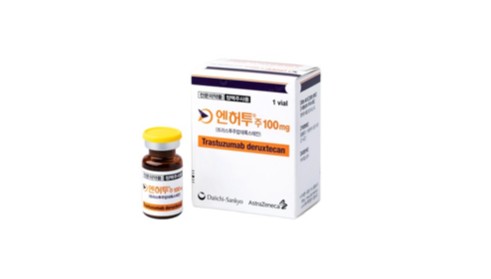
- Retevmo has revived the fading prospects for reimbursement of RET-targeted anticancer drugs in Korea.The drug recently passed the Drug Reimbursement Evaluation Committee of the Health Insurance Review and Assessment Service (HIRA), approximately 5 years after receiving domestic approval in Korea. This achievement comes eight months after it passed the Cancer Disease Deliberation Committee in September last year.Retevmo has faced significant challenges throughout the reimbursement process. It received approval from the Ministry of Food and Drug Safety in March 2022.Subsequently, reimbursement criteria were established in November 2022, and the drug passed the Drug Reimbursement Evaluation Committee in May 2023, confirming its cost-effectiveness.However, in August 2023, the listing was derailed when price negotiations with the National Health Insurance Service (NHIS) broke down. Later, in October 2023, data demonstrating an improvement in overall survival (OS) from Phase III clinical trials was released. Based on this evidence, the company reapplied for reimbursement and has now successfully completed the second round of HIRA-level evaluations.Attention now turns to whether Retevmo can achieve a positive outcome in price negotiations and secure final reimbursement listing.RET mutation is a rare genetic alteration found in approximately 1–2% of patients with non-small cell lung cancer.Currently, Retevmo is the only approved RET-targeted therapy in Korea. Conventional chemotherapy and immunotherapy have shown limitations in terms of response rates and duration of response in this patient population.The US National Comprehensive Cancer Network (NCCN) guidelines recommend Retevmo as a “Preferred Category 1” option for first-line treatment of RET-mutated metastatic NSCLC. This is the highest grade, meeting the highest level of evidence and expert consensus. While it is considered a standard of care immediately upon diagnosis, it remains non-reimbursed in Korea.Of course, even within the global standard of care, many are not reimbursed in Korea. However, the case of Retevmo stands out in that it had already demonstrated cost-effectiveness once yet failed at the negotiation stage, and even after additional clinical evidence, the re-evaluation process has been prolonged.Among the A7 reference pricing countries, Retevmo is reimbursed and used in clinical practice in 6 countries (the US, Germany, Italy, the UK, Switzerland, and Japan), excluding France.
- Company
- Enhertu expands treatment scope into HER2 solid tumors
- by Son, Hyung Min May 11, 2026 09:18am
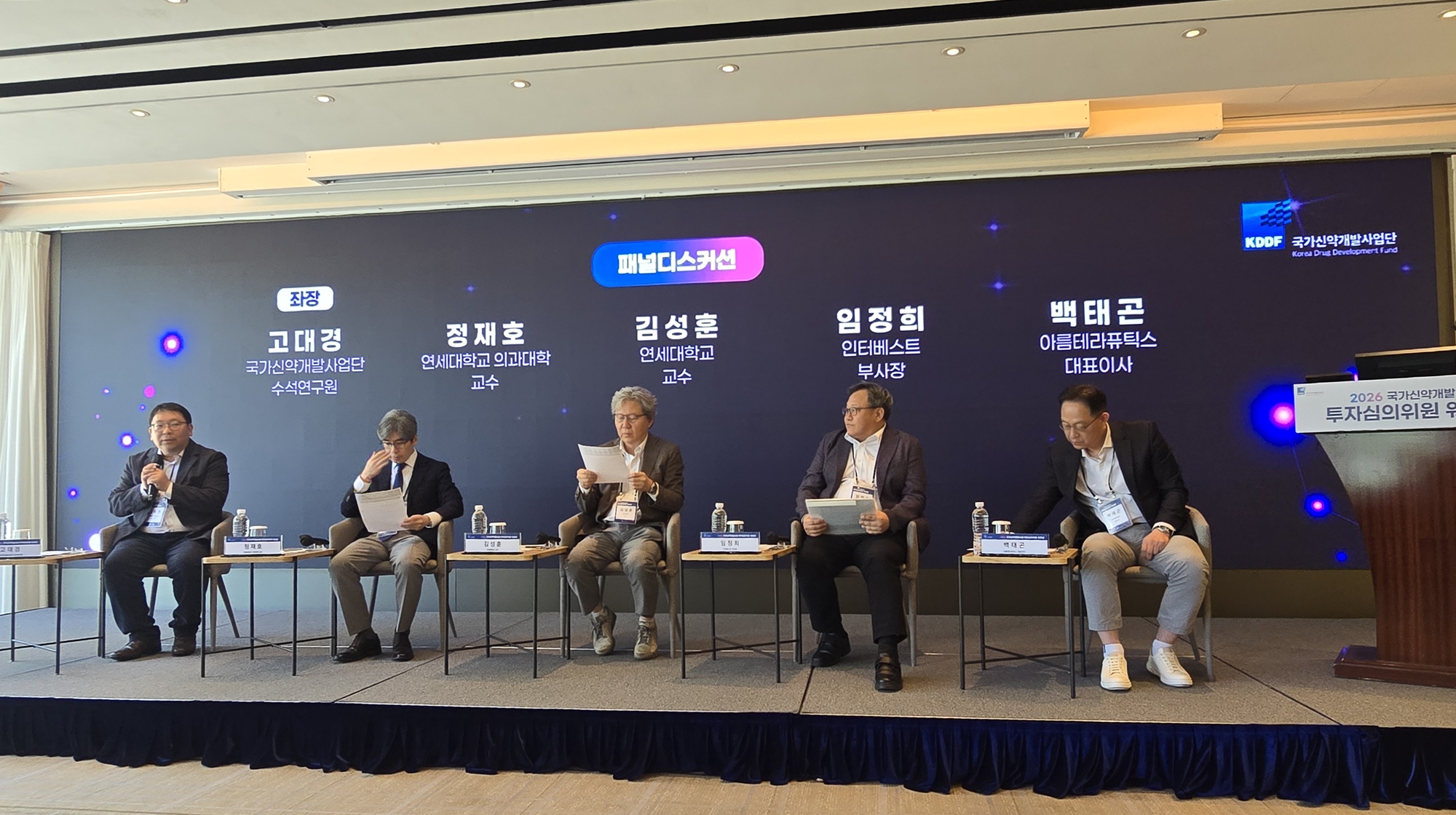
- The HER2-targeted antibody-drug conjugate (ADC) ‘Enhertu’ is accelerating its expansion into the solid tumor market by broadening its indications in Korea.As Enhertu expands its indications to include first-line breast cancer and second-line gastric cancer treatment, there is growing speculation that treatment strategies for HER2-positive solid tumors may shift toward ADCs.ADC anticancer drug ‘Enhertu’According to industry sources on the 9th, the Ministry of Food and Drug Safety recently approved the expansion of Enhertu’s (trastuzumab deruxtecan) indications to include first-line therapy for HER2-positive metastatic breast cancer and second-line therapy for HER2-positive metastatic gastric cancer.This approval allows Enhertu to be used in combination with pertuzumab as first-line therapy for patients with unresectable or metastatic HER2-positive breast cancer, as well as for patients with HER2-positive gastric or gastroesophageal junction adenocarcinoma whose disease has progressed following trastuzumab-based therapy.Enhertu was previously approved as a second-line treatment for HER2-positive metastatic breast cancer and a third-line treatment for HER2-positive metastatic breast cancer.Enhertu is a next-generation ADC that combines a monoclonal antibody with the same structure as trastuzumab, which binds to specific target receptors overexpressed on the surface of cancer cells, with a highly potent topoisomerase I inhibitor payload via a tumor-selective cleavage linker.An ADC is a novel anticancer drug created by linking an antibody that binds to a specific target antigen on the surface of cancer cells to a drug (payload) with cytotoxic activity via a linker. This therapy has the advantage of enhancing treatment efficacy while minimizing side effects by leveraging the antibody’s target selectivity and the drug’s cytotoxic activity to ensure the drug acts selectively on cancer cells.For over a decade, the THP regimen, which is a combination of taxane chemotherapy, Herceptin (trastuzumab), and Perjeta (pertuzumab), has remained the standard first-line treatment for HER2-positive metastatic breast cancer. However, limitations have been noted, as a significant number of patients experience disease progression within two years, and some are unable to proceed to subsequent treatments.In the DESTINY-Breast09 study, which served as the basis for this approval, the Enhertu and Perjeta combination reduced the risk of disease progression or death by 44% compared to the existing standard THP regimen. The median progression-free survival (PFS) was 40.7 months, an extension of more than one year compared to 26.9 months in the THP group.In terms of response rates, the objective response rate (ORR) in the Enhertu combination group was 85.1%, higher than the 78.6% in the THP group, and the complete response (CR) rate was 15.1%, exceeding the 8.5% in the control group.At the European Society for Medical Oncology Asia Congress (ESMO Asia 2025) held last year, analysis results for the Asian patient population of the trial were also released. An analysis of 346 Asian patients, including those from South Korea, showed that the median PFS in the Enhertu plus Perjeta combination group was 40.7 months, reducing the risk of progression by 45% compared to the THP group’s 24.7 months.Potential shift in gastric cancer treatment strategiesEnhertu’s expansion is not limited to breast cancer. It is also showing potential to improve survival in HER2-positive gastric cancer, an area with long-standing unmet needs, which is raising expectations for a shift toward ADC-based treatment strategies.HER2-positive gastric cancer is considered a prime area of unmet medical need. While the 5-year survival rate for early-stage gastric cancer exceeds 90%, it drops sharply in the metastatic stage. According to national cancer registry statistics, the 5-year relative survival rate for patients with metastatic gastric cancer is only around 6–7%.Nevertheless, the treatment landscape for HER2-positive gastric cancer has remained largely unchanged for a long time since Herceptin plus chemotherapy became the standard first-line treatment in 2010. Although various HER2-targeted therapies have been developed since then, they have failed to demonstrate clinical outcomes in gastric cancer as clear as those seen in breast cancer.In fact, treatment strategies based on Perjeta, Kadcyla (trastuzumab emtansine), and lapatinib have all failed to achieve significant improvements in survival in gastric cancer clinical trials. As a result, HER2-positive gastric cancer has been considered a tumor type with limited responsiveness to HER2-targeted therapy.Amid this context, Enhertu demonstrated an improvement in overall survival (OS) in the second-line treatment of HER2-positive metastatic gastric cancer through the DESTINY-Gastric04 study. In the trial, Enhertu reduced the risk of death by 30% compared to the standard combination of Cyramza (ramucirumab) and paclitaxel, and the median OS was 14.7 months, an improvement over the 11.4 months observed in the control group.Progression-free survival (PFS) was 6.7 months versus 5.6 months, and ORR was 44.3% versus 29.1%, respectively.
- Company
- New drug competitiveness, patient-focused structure is the key
- by Hwang, byoung woo May 11, 2026 09:18am
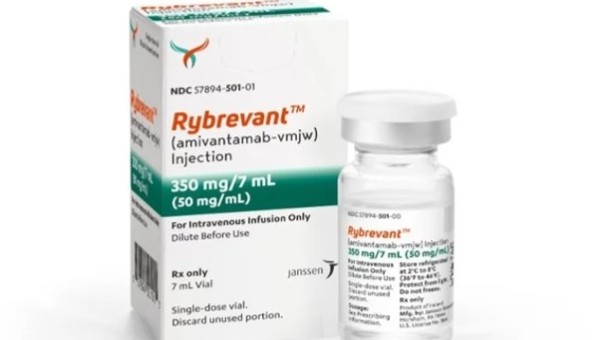
- As the Korea Drug Development Fund (KDDF) enters its second phase, opinions have emerged that a structural shift, prioritizing higher success rates over simple pipeline expansion, is necessary for future tasks.During the investment review process, voices called for evaluating project quality based on patient population definition, clinical positioning, and biomarker strategies, rather than viewing innovation and commercialization potential as a completely distinguished one.On the 8th, the KDDF held the '2026 Investment Review Committee Workshop' and conducted a panel discussion under the title 'Investment Review that Produces Results: Directions and Choices for National Drug Development Projects."The Korea Drug Development Fund (KDDF) held the '2026 Investment Review Committee Workshop' on the 8th.The panel discussion was moderated by Koh Dae-kyung, Senior Manager at KDDF, with participation from: ▲Professor Sung Hoon Kim of Yonsei University ▲Junghee Lim, Vice President of InterVest ▲Professor Jaeho Cheong of Yonsei Cancer Hospital ▲Taegon Baik, CEO of Arum Therapeutics.Korean drug development, highlighting challenges in clinical trials and capital beyond pipeline countThe discussion began with an evaluation of Korea's competitiveness in drug development. Despite a rapid increase in domestic pipelines, participants discussed why global drug outcomes remain limited and identified the gap between R&D capabilities and actual performance.Panelists agreed that while the quantitative growth of the domestic ecosystem is evident, it must be supplemented by Phase 3 capital, commercialization judgment, and patient-centric development strategies to translate into global success.First, Professor Sung Hoon Kim noted that the domestic ecosystem has grown to an incomparable scale, but cautioned that quantitative expansion does not automatically yield global results. Professor Kim said, "With thousands of pipelines in motion, even if most fail statistically, I believe a global drug will emerge soon," and assessed, "However, for this to be structurally possible, we ultimately need funds capable of supporting Phase 3 trials."InterVest Vice President Junghee Lim noted that the increase in pipelines should be viewed alongside its underlying structure. Lim explained that many projects are likely in early clinical stages, often linked to the rise of university-based venture startups. While acknowledging the advantage of having the most knowledgeable technical experts lead development, Lim questioned whether rigorous eligibility judgments from a commercialization perspective were adequately applied.(from left Koh Dae-kyung, Senior Manager at KDDF, Professor Jaeho Cheong of Yonsei Cancer Hospital , Professor Sung Hoon Kim of Yonsei University From a clinical perspective, 'patient-centric' was presented as a key keyword. Professor Jaeho Cheong suggested that, since the endpoint of drug development is the patient, the approach should shift away from a 'substance-centric' focus toward defining which patient groups, which biomarkers, and which clinical benefits will be achieved. Professor Cheong stated, "We are playing a game of probability regarding patient reachability," and added, "We must move toward a patient-centric, not substance-centric, approach."Professor Cheong added that competitiveness should be viewed based on clinical benefit rather than the number of candidates. This means that a focus on which patient segments to target and what clinical positioning to take must come first to increase the value of thousands of drugs.Role of investment review…balancing innovation and failure ProbabilityFollowing the evaluation of competitiveness, the discussion moved to the roles of the Fund and the Investment Review Committee. Senior Manager Koh Dae-kyung asked which criteria (among global competitiveness, innovation, performance potential, or commercialization potential) should be the primary focus.The discussion focused on the balance between 'selecting projects with high success probability' and 'early screening of projects with high failure probability.' As a project funded by public capital, it cannot focus solely on short-term results, yet it is also inappropriate to delay the verification of development feasibility in the name of innovation.Professor Chung proposed 'Translational Probability,' the likelihood of reaching the patient, as the core criterion for investment review. He explained that the role of public support is not just picking winners but also screening out projects with high failure probability early on."The endpoint of the risky journey of drug development is reaching the patient," Professor Chung explained. "Creating criteria that can quantify, index, and objectify this will be the role of the next generation of the Investment Review Committee." However, considering that the KDDF is at a stage where it must produce results in its remaining period, he acknowledged that the weight of competitiveness and commercialization potential might increase.(from left) Junghee Lim, Vice President of InterVest, Taegon Baik, CEO of Arum TherapeuticsFrom an investor's perspective, competitiveness and success probability were emphasized more heavily. Vice President Lim explained that the committee is composed of experts from various fields to view a single project from multiple perspectives. Lim stated that if a 'Best-in-class' drug is targeted, the proposal must include head-to-head comparisons with competitors, a mechanism of action (MoA) demonstrating competitiveness, evidence-based experimental models, and clinical trial designs.Regarding novel targets, Lim also distinguished between research and development. While a novel target may be a research topic to explore over a long period for academia, a company must produce results within limited resources and time.Future Projects, re-designing support systems to increase clinical success ratesIn the latter half of the discussion, participants deliberated on the direction of support after the current national drug development project and the structure of subsequent projects.Panelists argued that future projects should be designed to increase the clinical success rate, moving beyond simple research funding. Key tasks identified included investment linkage, clinical site matching, platform technology support, and strategies for securing Human Proof of Concept (PoC).Regarding this, CEO Taegon Baik suggested different support methods for discovery and clinical stages. Since the discovery stage is high-risk, it should be linked to corporate strategic investment and joint research. At the same time, national budgets should be more concentrated on clinical programs with high success potential.Professor Kim also proposed a separate track for platform technology support. Unlike individual pipelines, platform technologies have independent value but can appear ambiguous from a private investment perspective, necessitating a dedicated track for public support.Park Yeong min, Director of the Korea Drug Development FundDuring the Q&A session, issues such as securing financial resources for subsequent projects, operating expert advisory groups, public-led risk-sharing systems, and the need for a legal foundation were raised. Attendees suggested that since government budgets alone have limits, there should be linkages with long-term investment funds like the National Pension Service and expanded participation from private capital.Park Yeong min, Director of the Korea Drug Development Fund, stated that securing innovation, balancing evaluation and management, recycling budgets from halted projects, and ensuring the continuity of expert organizations are all tasks to be addressed in subsequent projects."We need to consider how to secure innovation and what evaluation criteria to maintain since public funds are involved," Director Park said. "From a VC's perspective, early exits may be important, while from a developer's perspective, there is a need for support until the end to develop a 'First-in-class' drug."Park added, "There are projects that are discontinued during stage or final evaluations, and we need wisdom on how to reuse those halted budgets. We must prepare in a way that preserves the strengths identified so far while minimizing the weaknesses."
- Company
- Rybrevant reimb delayed in Korea…treatment gap persists
- by Son, Hyung Min May 11, 2026 09:18am
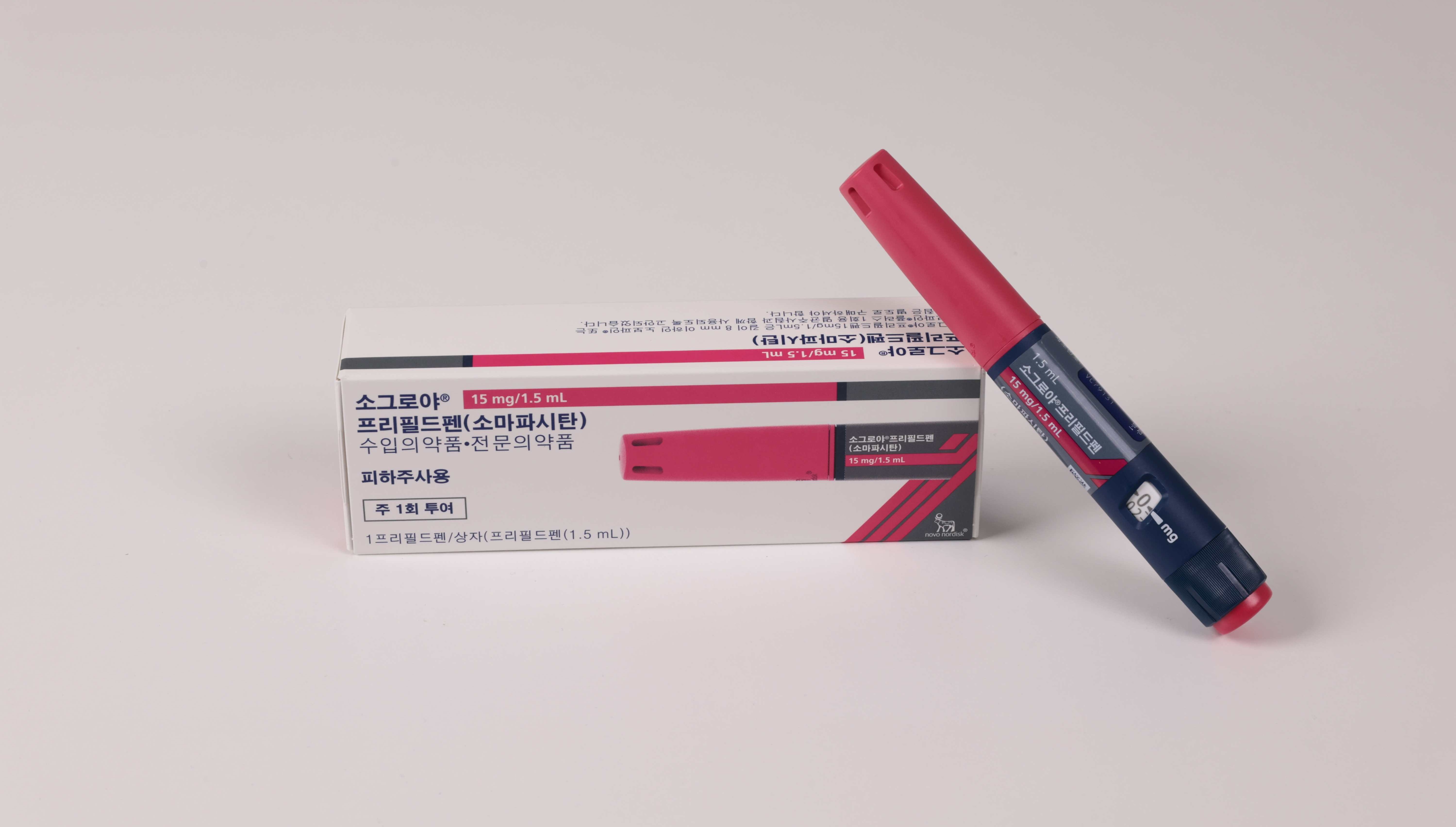
- NSCLC drug ‘Rybrevant’The gap in treatment access continues as discussions on health insurance reimbursement for ‘Rybrevant,’ a treatment for non-small cell lung cancer (NSCLC) with EGFR exon 20 insertion mutations, have been postponed again.This mutation is known for its low response rate to conventional EGFR-targeted therapies and for the limited treatment options available. With virtually no alternatives to Rybrevant currently available, reimbursement delays continue to place a financial burden on patients.According to industry sources on the 11th, the Drug Reimbursement Evaluation Committee of the Health Insurance Review and Assessment Service (HIRA) recently issued a redeliberation decision regarding the adequacy of reimbursement for Janssen’s NSCLC treatment, Rybrevant (amivantamab).The DREC evaluated its use as monotherapy for patients with locally advanced or metastatic NSCLC harboring EGFR exon 20 insertion mutations whose disease has progressed during or after platinum-based chemotherapy.Although Rybrevant received regulatory approval in Korea in December 2022, it has yet to obtain reimbursement coverage.In addition, the Cancer Drug Deliberation Committee meetings held in September last year and January this year failed to establish reimbursement criteria for several regimens, including ▲ first-line carboplatin + pemetrexed combination therapy for EGFR exon 20 insertion patients; ▲ first-line lazertinib combination therapy for EGFR exon 19 deletion or L858R mutation patients; and ▲ carboplatin + pemetrexed combination therapy following EGFR TKI treatment.Setbacks in development of exon 20 insertion targeted therapies… Rybrevant remains the only optionEGFR exon 20 insertion mutations are structurally complex and heterogeneous compared to exon 19 deletions or L858R mutations, making drug development particularly challenging.In fact, cases of failed drug development have continued in the global market as well.Takeda’s oral targeted therapy Exkivity (mobocertinib) initially received conditional approval based on an objective response rate (ORR) of 28% in early trials, but was withdrawn after failing to demonstrate improvement in progression-free survival (PFS) in the confirmatory Phase III EXCLAIM-2 study.Development of poziotinib was also halted due to efficacy falling short of expectations and toxicity issues.Amid these challenges, Rybrevant has effectively become the only approved treatment option in this setting.Rybrevant is a bispecific antibody targeting both EGFR and MET. It is designed to inhibit not only EGFR mutations but also MET-driven resistance pathways.In clinical practice, MET-based resistance mechanisms are observed in approximately 10–15% of all patients. This patient group has a relatively poor prognosis, and Rybrevant is therefore considered to offer meaningful potential in terms of long-term survival.Rybrevant shows efficacy as first-line combination therapy… patient burden remainsWhile reimbursement discussions for Rybrevant are delayed, clinical practice is increasingly focusing on the value of first-line combination therapy rather than monotherapy.In the Phase III PAPILLON study, Rybrevant in combination with pemetrexed and carboplatin improved both PFS and ORR compared to chemotherapy. The trial included 308 previously untreated patients with locally advanced or metastatic NSCLC harboring EGFR exon 20 mutations.In this study, median PFS was approximately 11.4 months in the combination group versus 6.7 months in the chemotherapy group.However, since current reimbursement discussions are focused on its use as second-line monotherapy, some observers note a gap between the pace of accumulating clinical evidence and policy application.The continued lack of reimbursement imposes a significant financial burden on patients. Annual treatment costs for Rybrevant without reimbursement are estimated at around KRW 150 million.In particular, since the drug is administered once a week during the first four weeks, the financial burden is concentrated in the early treatment phase. After this initial phase, the dosing schedule switches to every two weeks. However, it is reported that the pharmaceutical company is currently operating a partial cost-support program for the initial treatment phase, thereby reducing the actual financial burden on patients. Under this program, a portion of the drug cost is covered during the first four weeks, and a certain percentage of the cost is also covered during the subsequent maintenance therapy phase.Industry observers suggest that Janssen is placing greater strategic emphasis on its use as a combination therapy, which is gaining traction in clinical practice, rather than focusing solely on its monotherapy reimbursement.Rybrevant is currently being developed in combination with Leclaza to expand into first-line treatment of EGFR-mutant NSCLC, while also broadening the potential for its use in the early treatment stages for Exon 20 insertion mutations.However, while treatment strategies in clinical settings are shifting toward first-line combination therapy, reimbursement discussions remain stuck at second-line monotherapy, highlighting an ongoing disconnect between policy and clinical practice.
- Company
- Hunter syndrome drug Hunterase ICV approved in Peru
- by Lee, Seok-Jun May 08, 2026 01:15pm
- GC Biopharma announced on the 6th that its intracerebroventricular (ICV) Hunter syndrome treatment, ‘Hunterase ICV’, has received marketing approval from Peru’s regulatory authority, General Directorate of Medicines, Supplies and Drugs (DIGEMID).This marks the third overseas approval following Japan and Russia. The company plans to expand into additional countries using its Latin America entry as a foothold.Hunter syndrome is a rare inherited disease caused by a deficiency of the IDS (Iduronate-2-sulfatase) enzyme, leading to the accumulation of glycosaminoglycans (GAGs). It presents with skeletal abnormalities, joint deformities, respiratory and cardiac dysfunction, and cognitive impairment. It is known to occur in approximately 1 in every 100,000 to 150,000 male infants.About two-thirds of patients develop severe forms involving central nervous system damage. As the disease progresses, cognitive decline and behavioral abnormalities emerge, affecting patients’ quality of life and prognosis.Hunterase ICV is administered directly into the brain ventricles once a month. In Japanese clinical trials, it significantly reduced heparan sulfate, a key factor in CNS damage.The company also reported stabilization or improvement in cognitive and developmental functions, with sustained efficacy confirmed in long-term follow-up.Jae-woo Lee, head of R&D at GC Biopharma, said, “Based on long-term clinical data, we will focus on addressing the unmet medical needs of patients with severe Hunter syndrome.”
- Company
- SK bioscience's successful M&A
- by Chon, Seung-Hyun May 08, 2026 01:15pm
- The sales share of SK bioscience’s German contract development and manufacturing organization (CDMO) subsidiary has reached nearly 80%. By deploying funds secured during the COVID-19 pandemic into mergers and acquisitions (M&A), the company has strengthened its financial position and improved its defense against market pressures.According to SK bioscience, on the 7th, IDT Biologika’s first-quarter sales reached KRW 128.3 billion, an 8.5% increase from the same period last year.IDT Biologika is a German biotech company acquired by SK bioscience in 2024. SK bioscience purchased a 60% stake in IDT Biologika, previously held by the German biopharmaceutical firm Klocke Gruppe, through a wholly owned German subsidiary. The total acquisition price for IDT Biologika amounted to KRW 370.0 billion. SK bioscience decided to allocate paid-in capital to a third party, issuing 1,519,543 new shares worth KRW 75.7 billion to the Klocke Gruppe. Consequently, the total cash invested by SK bioscience in the acquisition of IDT Biologika is KRW 294.3 billion.Sales of SK bioscience and IDT Biologika (unit: KRW 100 million, source: SK bioscience) BLUE: SK bioscience, GREEN: IDT BiologikaFounded in 1921, IDT Biologika is a major biotech company operating CDMO businesses in Germany and the United States. It has a track record recognized by more than 10 core drug regulatory agencies, including those in the U.S. and Europe. The company develops processes and analytical methods while producing drug substances (DS) and drug products (DP) across the entire vaccine and biotech spectrum from clinical to commercial stages, employing approximately 1,800 people.IDT Biologika’s performance began to be reflected in SK bioscience’s consolidated financial statements starting from the fourth quarter of 2024. Revenue from IDT Biologika of KRW 111.2 billion was recognized in Q4 2024, and last year it recorded revenue of KRW 465.7 billion.With the inclusion of IDT Biologika’s results, SK bioscience’s revenue surged. In the first quarter of this year, SK bioscience’s revenue expanded more than sevenfold compared to the first quarter of 2024.SK bioscience faced significant fluctuations in performance throughout the COVID-19 pandemic.In 2020, SK bioscience signed a contract manufacturing agreement with AstraZeneca to produce and supply COVID-19 vaccine drug substances and finished products. In the same year, SK bioscience signed a tripartite agreement with the Ministry of Health and Welfare and Novavax to supply the COVID-19 vaccine 'NVX-CoV2373,' beginning full-scale contract manufacturing and supply in 2021.SK bioscience’s sales in the first quarter of 2020 was only KRW 22.7 billion. Then, it jumped nearly fivefold over the year to KRW 112.7 billion in the first quarter of 2021, and then rose to KRW 450.9 billion in the fourth quarter of 2021.However, as the contract manufacturing performance for COVID-19 vaccines dissipated, sales dropped. In the first quarter of 2023, SK bioscience’s sales amounted to KRW 20.6 billion, a 95.4% reduction compared to the fourth quarter of 2021.While sales fell sharply after the end of the pandemic, the M&A strategy successfully minimized the sales gap. In the first quarter of this year, IDT Biologika accounted for 76.1% of SK bioscience’s total sales. IDT Biologika’s sales were more than three times higher than SK bioscience’s separate sales of KRW 40.3 billion.From the fourth quarter of 2024 to the first quarter of this year, IDT Biologika’s cumulative sales reached KRW 705.2 billion, accounting for 72.2% of the parent company's sales.

- Company
- 'Super antibiotic' Fetroja enters the prescription lists of gen hospitals
- by Eo, Yun-Ho May 08, 2026 01:15pm
- The 'super antibiotic' Fetroja is entering the prescription lists of major general hospitals.According to industry sources, Fetroja (cefiderocol tosylate sulfate), Jeil Pharmaceutical’s treatment for multidrug-resistant Gram-negative bacterial infections, has passed the drug committees (DC) of tertiary general hospitals, including Samsung Medical Center and Seoul National University Hospital.Following its inclusion on the insurance reimbursement list last February, the drug is gradually expanding its prescribing area.Fetroja was approved in South Korea in February 2025 for the treatment of ▲complicated urinary tract infections, including pyelonephritis ▲hospital-acquired pneumonia, including ventilator-associated pneumonia.Developed by Shionogi, Fetroja is the world's first siderophore cephalosporin antibiotic. To overcome reduced efficacy caused by bacterial resistance mechanisms, it uses a unique mechanism of action: it binds to ferric iron. It is actively transported into the bacterial cell through the pathogen's own iron porin channels.Jeil Pharmaceutical secured the rights to develop and commercialize Fetroja in South Korea after signing an exclusive domestic supply agreement with Ping An-Shionogi in July 2022.Fetroja has demonstrated in vitro activity against various antimicrobial-resistant (AMR) pathogens, including Carbapenem-resistant Enterobacterales (CRE), Carbapenem-resistant Acinetobacter baumannii (CRAB), and Metallo-beta-lactamase (MBL)-producing Carbapenem-resistant Pseudomonas aeruginosa (CRPA).Meanwhile, Shionogi has a long history and expertise in developing treatments for infectious diseases. The company continues to conduct research and development, particularly in antibiotics, antivirals, and central nervous system (CNS) treatments, and maintains subsidiaries in Japan, the U.S., Europe, and China.Ping An-Shionogi was established as a joint venture between Japan's Shionogi and China's Ping An in 2020. Ping An-Shionogi obtained Asian rights to Fetroja. In December 2024, Shionogi acquired all of Ping An's shares, and Ping An was subsequently incorporated as a wholly owned subsidiary of Shionogi.
- Company
- Cochrane review on ineffectiveness of Alzheimer’s drug sparks backlash
- by Eo, Yun-Ho May 07, 2026 10:29am
- “Anti-amyloid Alzheimer’s drugs show no clinically meaningful effect.”The backlash is as fierce as the message itself. Last April, the Cochrane Database published the results of a systematic review and meta-analysis covering anti-amyloid targeted therapies.The study concluded that these drugs, as a whole, failed to demonstrate clinically meaningful benefits in inhibiting cognitive and functional decline and raised significant safety concerns, such as amyloid-related imaging abnormalities (ARIA).Cochrane is a nonprofit health research organization with over 11,000 experts from more than 190 countries worldwide, providing evidence to inform healthcare decision-making. Such an announcement in a prestigious academic journal naturally had a significant impact.However, before assessing the value and validity of the study, the academic community has come forward to directly refute the results of the Cochrane meta-analysis.It is true that the conclusions of a meta-analysis can vary completely depending on “how the data is pooled.”Medical professionals argue that the core of the controversy surrounding this review lies in the fatal “methodological limitations” inherent in the study design.Because the study produced results that fundamentally overturn the current landscape of clinical practice, it is also true that any misinterpretation could cause significant turmoil for patients with early-stage Alzheimer’s disease, whether they are about to begin treatment or are already undergoing it, as well as their families.Integration of drugs with different development stages and regulatory statusThe main criticism is this: the review analyzed in a single pool four drugs that failed to meet clinical endpoints (e.g., ‘bapineuzumab’), ‘aducanumab (withdrawn due to safety concerns),’ and currently approved ‘lecanemab’ and ‘donanemab.’The argument is that grouping drugs with fundamentally different levels of development maturity, regulatory status, and mechanisms of action with equal weighting is scientifically inappropriate.Furthermore, the review is criticized for indiscriminately combining exploratory early-stage clinical trials (Phase 2) with large-scale confirmatory trials (Phase 3). Small-scale Phase 2 data with low statistical power were treated on par with Phase 3 results involving thousands of participants, leading to a severe distortion of the overall effect estimate. As a result, positive signals from drugs like lecanemab or donanemab, whose efficacy was clearly demonstrated in individual clinical trials, were diluted by the vast amount of noise from drugs that had failed in the past.Ji-won Seo, planning secretary of the Korean Dementia Association (Dongguk University Ilsan Hospital), stated, “If drugs at different development stages and regulatory statuses are combined, results will inevitably be diluted by the majority of data from failed drugs. It is not scientific to group successful drugs, failed candidates, and even those whose approvals have been revoked into the same basket and conclude that ‘the efficacy of this class is unclear.’”Regulatory approvals are based on independent dataGlobal regulatory authorities worldwide evaluate new drugs based on the specific clinical data unique to each drug, rather than on a generalized impression of the entire class.For example, lecanemab has been approved in over 50 countries worldwide, including the US FDA (July 2023), Japan PMDA (September 2023), China NMPA (January 2024), Korea MFDS (May 2024), UK MHRA (August 2024), and the European Commission (April 2025).Donanemab has also received sequential marketing authorization in over 40 major countries worldwide, including the US (July 2024), Japan (September 2024), China (December 2024), and Europe (September 2025).This global wave of approvals was made possible by thorough and independent reviews by regulatory agencies in each country, which evaluated the clinical evidence supporting these drugs’ ability to inhibit cognitive and functional decline, as well as the manageability of side effects such as ARIA. This means that, unlike the results of the Cochrane Review’s overly broad meta-analysis, their actual clinical value has already been validated worldwide.The Cochrane review cited ARIA as a major safety concern. ARIA is divided into cerebral edema (ARIA-E) and microbleeds (ARIA-H). While these are side effects that require careful management in the ATT class, the majority are asymptomatic or mild and can be adequately managed through regular MRI monitoring.These safety profiles have already been thoroughly reviewed during regulatory approval processes and are reflected in labeling and prescribing information.Alzheimer’s disease is ultimately a fatal, progressive neurodegenerative disorder. Now that evidence has been established that intervention during the early symptomatic stage can slow disease progression, unfounded misconceptions can lead to negative outcomes, causing patients to miss the “golden window” for treatment.Seo added, “With new treatments emerging in a field that previously had limited options, expectations for early diagnosis and treatment are increasing. However, following recent reports of research findings that were misinterpreted, many patients are expressing anxiety in the clinic or experiencing confusion when deciding on a treatment plan.”Seo emphasized, “We must remember that each drug has been approved by regulatory authorities based on clear scientific evidence. If the optimal window for treatment is missed due to misunderstandings, it could later result in far greater burdens for patients and their families.”

- Company
- "Data analysis of 500,000 patients…clinical utility of choline alfoserate reconfirmed"
- by Kim, Jin-Gu May 07, 2026 10:29am
- 'Choline alfoserate expert forum' recently hosted by DailyPharmA large-scale real-world data (RWD) analysis of 500,000 Korean patients with mild cognitive impairment (MCI) has reconfirmed the clinical utility of choline alfoserate in reducing the risk of progression to dementia.Experts evaluate that this study significantly strengthens the evidence base for prescribing choline alfoserate. It is considered academically meaningful because it revalidated the efficacy evidence from existing randomized controlled trials (RCTs) using massive datasets from actual clinical settings.Analysis of 500,000 Korean MCI patients...“Reduction in risks for both Alzheimer’s disease‧vascular dementia”At the 'Choline alfoserate expert forum' recently hosted by DailyPharm, Professors Han-kyeol Kim (Wonju Severance Christian Hospital), Choi Hojin (Hanyang University Guri Hospital), Lee Chan Nyung (Korea University Anam Hospital), and Kim Geon Ha (Ewha Womans University Mokdong Hospital), all neurologists, focused on the results of the study titled 'Effect of Choline Alfoserate: NHIS Cohort Study,' published last year.Professor Han-kyeol Kim (Wonju Severance Christian Hospital)Professor Han-kyeol Kim, who delivered the keynote presentation, introduced the research findings based on the National Health Insurance Service (NHIS) big data, which followed 508,107 patients newly diagnosed with MCI between 2013 and 2016.The study results showed that the choline alfoserate user group had a significantly lower risk of progression to Alzheimer’s dementia by 10.1% (HR 0.899) and vascular dementia by 16.8% (HR 0.832) compared to the non-user group. Furthermore, the risk of ischemic stroke decreased by 16.7% (HR 0.833), and the risk of hemorrhagic stroke decreased by 15.3% (HR 0.847).Professor Han-kyeol Kim said, "This was not a simple statistics of prescriptions. We linked health examination data to precisely adjust for variables such as smoking, alcohol consumption, income, and chronic diseases (hypertension, diabetes, dyslipidemia), as well as the duration of drug exposure to enhance objectivity," and added, "The study confirms that the use of choline alfoserate can be effective in reducing the risk of dementia progression and stroke in MCI patients, serving as a useful option for early intervention."Combining the scientific achievement of RCTs with the confirmed RWD… “Completing complementary evidence for dementia suppression”A discussion continued, chaired by Professor Choi Hojin, with Professors Lee Chan Nyung and Kim Geon Ha in attendance. They noted that this RWD study addresses the structural limitations of previous RCTs.The previous 'ASCOMALVA' study was designed as a multicenter, randomized, double-blind, controlled trial (RCT). The study targeted 210 patients with Alzheimer’s disease dementia accompanied by ischemic stroke, comparing a donepezil monotherapy group with a choline alfoserate + donepezil combination therapy group. The results confirmed significant improvements in the combination group across ▲the Mini-Mental State Examination (MMSE) ▲ Alzheimer's Disease Assessment Scale-Cognitive Subscale (ADAS-cog) ▲Instrumental Activities of Daily Living (IADL). Long-term follow-up over four years also showed that the rate of cognitive decline was inhibited in the combination therapy group.Experts agreed that this RWD study supplements the limitations of the RCT. Professor Choi Hojin evaluated, "The evidence for the efficacy of choline alfoserate has become even more robust by adding the analysis results of a large-scale Korean patient population to the ASCOMALVA findings," and added, "Results tracking the effects of drugs prescribed in the real world over a long period are highly meaningful as evidence from actual clinical practice, distinct from RCTs conducted in controlled environments."Professors Choi Hojin (Hanyang University Guri Hospital) ·Lee Chan Nyung (Korea University Anam Hospital) ·Kim Geon Ha (Ewha Womans University Mokdong Hospital)Professor Lee Chan Nyung stated, "While RCTs are suitable for proving drug efficacy in standardized environments, it is not easy to confirm actual conversion rates in slowly progressing diseases like dementia due to limitations in sample size and follow-up duration," and "This RWD study serves as powerful complementary evidence to existing RCTs by reaffirming the outcome of 'inhibiting dementia progression' through data accumulated over several years in actual clinical settings."“MFDS policy to enhance RWD reliability…increasing potential for utilization in clinical practice”Experts also emphasized that this study aligns with the recent government stance on the importance of RWD. In this regard, the Ministry of Food and Drug Safety (MFDS) announced the 'Guidelines for the Utilization of RWD/RWE in the Approval and Licensing of Medicines, etc.' in June 2024. Through this, the ministry presented specific criteria for actively recognizing RWD as clinical evidence for indication expansion or efficacy validation. In contrast, it had previously been used only as a supplementary tool for post-marketing surveillance (PMS) of side effects.The view among experts is that RWD research, which precisely analyzes NHIS big data from over 500,000 citizens, can yield new clinical evidence amid these changing regulatory environments. Professor Lee Chan Nyung emphasized, "As the vast RWD figures of 500,000 show, the dementia suppression effect confirmed in a large-scale patient group will serve as crucial evidence that gives clinical specialists the confidence to prescribe."Professor Kim Geon Ha said, "The 16.8% lower risk of progression to vascular dementia shown in this study holds great significance for the Korean elderly population with high vascular risk factors such as hypertension," and Kim concluded, "It raises the level of evidence for preemptive treatment of MCI patients in actual clinical settings."Professor Choi Hojin highlighted the public health significance of early intervention at the MCI stage. Choi added, "Delaying the onset of dementia by even just a few years can drastically reduce national medical costs and the caregiving burden on patients' families. Preemptive response through proven options will be a practical solution to alleviate the dementia burden in an aging society."
- Company
- Growth hormone deficiency drug Sogroya gains reimb in KOR
- by Son, Hyung Min May 07, 2026 10:29am
- Novo Nordisk Korea (General Manager: Kasper Roseeuw Poulsen) announced that starting on the 1st of this month, its long-acting, once-weekly growth hormone deficiency treatment ‘Sogroya Prefilled Pen (somapacitan)’ has been granted reimbursement for patients with growth hormone deficiency.Under the new reimbursement criteria, pediatric patients with growth hormone deficiency are eligible for Sogroya if they meet the following conditions: ▲ height below the 3rd percentile for chronological age, ▲ confirmed diagnosis through at least two growth hormone stimulation tests, ▲ and delayed bone age relative to chronological age.The recommended dosage is 0.16 mg/kg per week. Treatment is administered from a chronological age of 3 years until epiphyseal closure. However, reimbursement is limited to patients whose bone age falls within the range of 14–15 years for females and 15–16 years for males. However, patients within this category whose current height exceeds 153 cm (female) or 165 cm (male) must bear the full cost. In addition to children, Sogroya is covered for adult patients with growth hormone deficiency, provided certain criteria are met.Growth hormone deficiency is a condition characterized by delayed growth and may be accompanied by deficiencies in other pituitary hormones. Since consistent treatment is required until the end of the growth period, treatment adherence plays a critical role in treatment outcomes.The clinical efficacy and safety of Sogroya were confirmed in the global Phase III REAL4 trial.The REAL4 study was a randomized, parallel-group, open-label, active-controlled Phase III trial involving 200 treatment-naïve prepubertal pediatric patients with growth hormone deficiency. It evaluated the efficacy and safety of once-weekly Sogroya compared to once-daily growth hormone therapy.The primary endpoint was annualized height velocity (HV; cm/year) at Week 52. Secondary endpoints included changes in height velocity SDS, height SDS, the ratio of bone age (BA) to chronological age (CA), and IGF-1 SDS from baseline to Week 52.In the REAL4 study, Sogroya demonstrated non-inferiority in annual height velocity compared to daily growth hormone. At Week 52, the annual height velocity was 11.2 cm/year in the Sogroya group and 11.7 cm/year in the daily growth hormone group, showing comparable results.In terms of safety, the two treatment groups showed generally similar profiles. Most adverse reactions were mild or moderate in severity, and injection site reactions were reported in 5.3% and 5.9% of the Sogroya and daily growth hormone groups, respectively.Kasper Roseeuw Poulsen, General Manager of Novo Nordisk Korea, stated, “The reimbursement of Sogroya marks an important turning point in improving treatment access for patients with growth hormone deficiency. We expect that the once-weekly dosing option will improve treatment adherence, reduce the burden on patients and caregivers, and contribute to treatment continuity and improved quality of life.”
