
- LOGIN
- MemberShip
- 2026-06-10 19:09:25
- Company
- Reimbursement listing discussions for Vyloy in slow progress
- by Eo, Yun-Ho May 22, 2026 10:25am
- Reimbursement discussions for the gastric cancer-targeted anticancer therapy Vyloy remain sluggish. Therefore, attention is now on whether progress can be made within the first half of the year.According to Dailypharm coverage, Astellas Pharma Korea’s Claudin 18.2-positive gastric cancer targeted therapy Vyloy (zolbetuximab) is expected to be presented to the Pharmacoeconomic Evaluation Subcommittee of the Health Insurance Review and Assessment Service today, on the 21st.Vyloy passed the Cancer Drug Review Committee last October. This means more than 6 months have passed before its submission to the Pharmacoeconomic Evaluation Subcommittee.Vyloy, which was approved in Korea in September 2024, failed to pass the Cancer Drug Review Committee on its first attempt in February last year. However, the company immediately resubmitted the application and succeeded in obtaining a positive result. However, as subsequent procedures are proceeding slowly, it is expected to take even longer to reach a final listing decision.Vyloy is the world’s first approved Claudin 18.2–targeted therapy. It is a monoclonal immunoglobulin antibody that binds to Claudin 18.2, a protein expressed and exposed on gastric cells.According to the Phase III SPOTLIGHT study, which formed the basis for Vyloy's approval, the median progression-free survival (mPFS) for Vyloy combined with mFOLFOX6 (oxaliplatin, leucovorin, fluorouracil) was 10.61 months, exceeding the placebo group’s 8.67 months. Median overall survival (mOS) was also longer at 18.23 months versus 15.54 months.In the GLOW study, the Vyloy plus CAPOX (capecitabine and oxaliplatin) combination group achieved a median progression-free survival of 8.21 months, reducing the risk of disease progression or death by approximately 31%.Professor Sun Young Rha of Yonsei Cancer Center stated, “About 90% of patients with metastatic gastric cancer are HER2-negative, underscoring the urgent need for therapies targeting new biomarkers. Given that about 40% of HER2-negative patients are reported to be Claudin 18.2-positive, the emergence of Vyloy, which selectively binds to Claudin 18.2, presents a new therapeutic option for these patients.”Meanwhile, the Korean Gastric Cancer Association revised its treatment guidelines on January 6, 2025, in the Journal of Gastric Cancer (JGC), granting Vyloy the ‘highest-level’ recommendation as first-line therapy for patients who are HER2-negative and Claudin 18.2-positive.Vyloy has also been listed as a standard treatment option in Japan’s gastric cancer guidelines and the European Society for Medical Oncology (ESMO) clinical practice guidelines. It is included as a preferred regimen in the U.S. NCCN guidelines, rapidly establishing itself as a global standard of care for gastric cancer.

- Company
- Yuhan sets record-breaking deals and exports
- by Chon, Seung-Hyun May 21, 2026 10:16am
- Yuhan Corp’s active pharmaceutical ingredient (API) export business is continuing its strong momentum. The company secured its largest-ever single contract worth over KRW 200 billion. Through supply agreements signed since last year, Yuhan has already secured API export sales approaching KRW 300 billion for this year. As multinational pharmaceutical companies increasingly recognize the quality of Yuhan’s APIs, the company has continued landing major contracts, more than doubling overseas sales compared to five years ago. Yuhan Chemical, which manufactures and supplies the APIs, is also accelerating factory expansion efforts after repeatedly posting record-breaking performances.According to the Financial Supervisory Service on the 20th, Yuhan signed a KRW 210.2 billion API supply agreement with Gilead Sciences. The contract amount corresponds to 9.91% of the company’s recent revenue.The contract period runs from May 19, 2026 through December 31, 2027. Yuhan purchases APIs manufactured by its subsidiary, Yuhan Chemical, and exports them to multinational pharmaceutical companies. Under the structure, Yuhan secures orders from global pharmaceutical firms, while Yuhan Chemical handles the actual production.Yuhan Corp’s main API supply agreements (Source: Financial Supervisory Service) *AI-generated imageThis marks the largest single API export contract in Yuhan’s history. The previous record was a KRW 140 billion antibiotic API supply agreement signed with Wyeth in 2007. Yuhan has now broken its own record for the largest single contract after 19 years.If the supply volume is exhausted within the contract period of one year and seven months, this implies average monthly sales of over KRW 10 billion. Since 2024, Yuhan Corp has secured a series of large-scale API supply agreements. Most of these contracts are with Gilead.In September 2024, Yuhan signed a KRW 107.7 billion HIV treatment API supply agreement with Gilead.Last year alone, Yuhan signed three separate API supply agreements with Gilead totaling KRW 258.1 billion. In May this year, the company also finalized a KRW 56 billion API supply agreement with BridgeBio Pharma. Industry analysts believe repeated large-scale contracts reflect multinational pharmaceutical companies’ confidence in Yuhan’s API quality and stable supply capabilities.All API supply agreements signed since last year are expected to generate revenue this year. A contract signed with Gilead in May last year scheduled KRW 88.8 billion in supplies from May 2025 through December 2026.Another KRW 84.3 billion contract signed in August last year covers supply from March 2026 through February 2027. In addition, a KRW 85 billion HCV treatment API supply agreement signed in August last year will generate sales over a two-year period beginning this May. Assuming supplies proceed as scheduled, Yuhan is expected to secure more than KRW 280 billion in overseas sales this year alone.Yuhan’s overseas business revenue has expanded significantly amid strong API export growth.The company’s overseas business revenue reached KRW 386.5 billion last year, up 26.1% year-on-year. After surpassing KRW 300 billion for the first time in 2024 and setting a new record for the first time in seven years since 2017, the company achieved a second consecutive annual record high. Compared to export sales of KRW 182 billion in 2022, Yuhan’s export revenue more than doubled within three years, reflecting a steep growth trajectory over the past three years.AI-generated imageYuhan recorded export sales in the KRW 200 billion range for four consecutive years from 2016 to 2019, but this dropped to KRW 144.9 billion in 2020. Exports rebounded to KRW 156.2 billion in 2021, up 7.9% year-on-year, and have continued rising for five consecutive years through last year. In the first quarter of this year, overseas business revenue reached KRW 106 billion, up 21.4% from the same period last year, maintaining the upward trend.While overseas operations accounted for only 8.9% of Yuhan’s total revenue in 2020, this share has risen for five consecutive years, reaching 17.7% last year.Yuhan Chemical, which supplies APIs to Yuhan, is also posting strong results.Yuhan Chemical recorded KRW 289.7 billion in sales last year, up 36.5% from KRW 212.3 billion the previous year, while operating profit rose 89.9% year-on-year to KRW 22.9 billion. Operating margin improved by 2.2 percentage points to 7.9%. Compared to sales of KRW 149.5 billion in 2022, last year’s revenue nearly doubled within three years. Operating profit during the same period more than tripled from KRW 6.6 billion.Yuhan Chemical is also accelerating its expansion plans to increase production capacity. In April last year, the company completed the expansion of the HB building at its Hwaseong plant, securing production capacity of 995,000 liters. The facility is equipped with continuous manufacturing systems and data-integrity-based infrastructure, earning recognition for achieving global-level quality competitiveness. This has enabled the company to establish a one-stop response system covering everything from small-scale clinical manufacturing to large-scale commercial production.Additional expansion is also underway. Yuhan Chemical is building an HC facility at the Hwaseong plant with a capacity of 292,000 liters. Construction is scheduled to begin this year, with operations targeted for the first half of 2028. Upon completion, Yuhan Chemical’s total production capacity is expected to expand to 11,287,000 liters. Through this, the company aims to secure manufacturing infrastructure capable of responding to growing global CDMO demand while strengthening its mid- to long-term growth momentum.
- Company
- Samsung Bioepis enters Japanese market with Nipro
- by Hwang, byoung woo May 21, 2026 10:16am
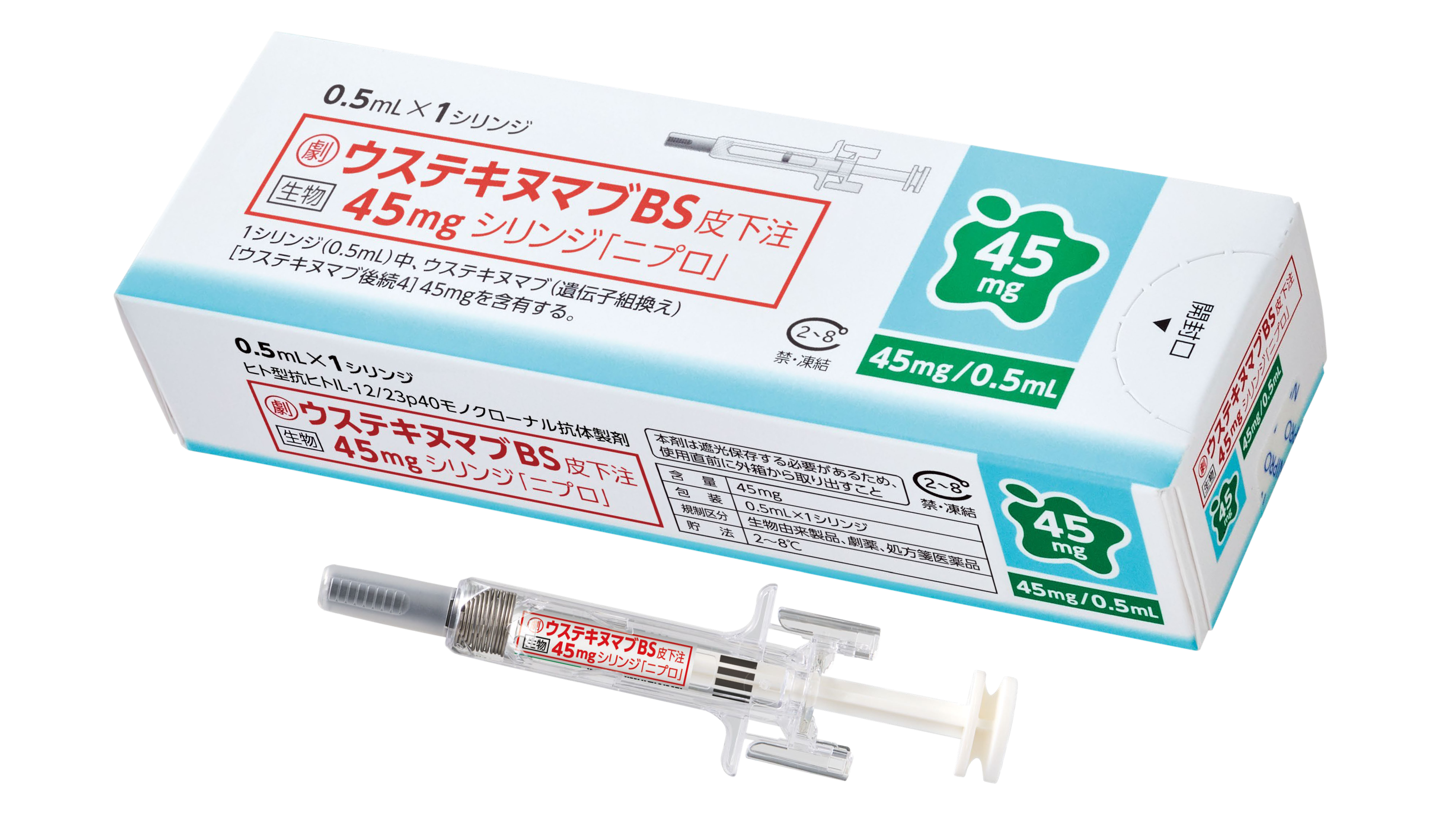
- Samsung Bioepis product image_SB17 JapanSamsung Bioepis has officially entered the Japanese market with the launch of its first biosimilar product in the country.Samsung Bioepis announced on the 20th that it has launched the autoimmune disease treatment ‘SB17’ (active ingredient: ustekinumab) in Japan through its local marketing partner, Nipro Corporation.The product is approved in Japan as ‘Ustekinumab BS 45 mg Syringe for S.C. Injection「NIPRO」.’SB17 referencs Johnson & Johnson’s autoimmune disease treatment Stelara. The therapy works by inhibiting the activity of interleukin-12 and interleukin-23, signaling molecules involved in immune responses. In Japan, the product has been approved for the treatment of plaque psoriasis and psoriatic arthritis.Samsung Bioepis received marketing authorization for SB17 from Japan’s Ministry of Health, Labour and Welfare in December last year. The product was officially launched follosing its listing on Japan’s National Health Insurance reimbursement list on the 19th.The launch carries significance as it marks Samsung Bioepis’ first commercialized biosimilar product in Japan. Last June, the company signed a strategic partnership agreement with Nipro to commercialize multiple biosimilar products in Japan, including its Stelara biosimilar.Samsung Bioepis plans to expand the launch of subsequent biosimilar products in Japan, starting with this SB17 launch.Jin-han Chung, Vice President and Head of Commercial Strategy for International Markets, at Samsung Bioepis. said, “By providing high-quality biosimilar treatment options to patients with autoimmune diseases in Japan, we hope to improve treatment accessibility and will continue to strive to address unmet needs across various therapeutic areas.”Meanwhile, Samsung Bioepis is marketing its Stelara biosimilar under the brand name ‘Pyzchiva’ in Europe and the United States, and ‘Epyztek’ in Korea.
- Company
- BeOne Medicines strengthens clinical-centered role
- by Son, Hyung Min May 21, 2026 10:16am
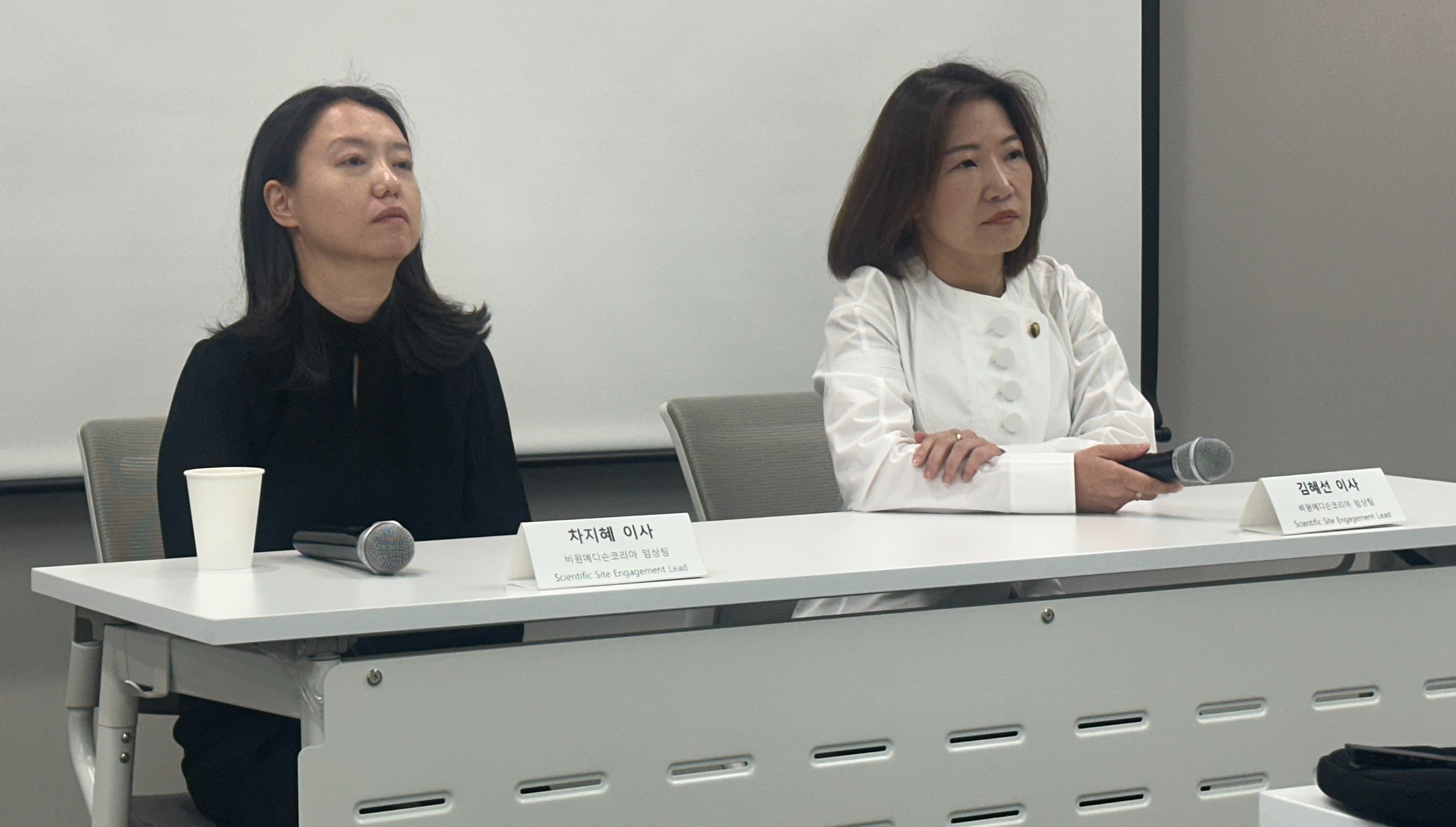
- BeOne Medicines is accelerating its research through an early-stage clinical-focused anticancer development strategy. As the paradigm of anticancer drug development shifts toward biomarker-based precision medicine, integrated Phase 1/2 development and simultaneous verification of multiple treatment strategies are becoming increasingly common.In particular, the company is strengthening combination therapy strategies and patient-selection-based development from the early stages while also focusing on expanding its domestic clinical network. According to the company, rather than simply competing on development speed, the focus is on rapidly delivering effective therapies while maintaining patient safety and data integrity.On the 19th, BeOne Medicines held a media forum in Gwanghwamun, Seoul under the theme “Latest Trends in Oncology Clinical Research and the Current Status and Outlook of Domestic Clinical Trials.” The event was organized ahead of Clinical Trials Day on the 20th.Presentations highlighted recent changes in oncology clinical research trends, the strengths and challenges of Korea’s clinical trial environment, and the need to expand early-stage clinical research.Eui-kyung Lee, Regional Communication and Patient Engagement Lead at BeOne Medicines, said, “From the company’s founding stage, BeOne Medicines aimed to create a structure that more rapidly and comprehensively connects drug discovery, clinical development, regulatory approval, and commercialization. In fact, since our in-house clinical team directly manages most of our trials, the time required until database lock is approximately 30% faster than the industry averageShe added, “We invest more in clinical research than we generate in sales. Guided by the philosophy that only innovation that reaches patients is true innovation, we are conducting oncology research focused on improving patient accessibility.”According to BeOne Medicines, the company currently has more than 180 ongoing global clinical trials, with over 40 studies already in Phase III or regulatory review stage. Approximately 30,000 patients are participating in these global trials.“Boundary between Phase 1 and 2 Is blurring”…Combination and frontline treatment validation begins earlierHye-sun Kim, Associate Director, Scientific Site Engagement Lead, Clinical operations at BeOne Medicines KoreaHye-sun Kim, Associate Director of Clinical Operations at BeOne Medicines Korea, explained that oncology clinical trials are increasingly moving away from traditional phased development structures.Kim said, “In the past, the process was sequential: determining dose in Phase I, confirming efficacy in Phase II, and then proceeding to confirmatory Phase III trials. Recently, however, integrated Phase I/II designs that simultaneously evaluate multiple patient groups and combination strategies have become increasingly common.”She continued, “While it was previously common to first obtain approval for monotherapy in later-line treatments before moving it to earlier-line settings, the trend is now shifting toward evaluating c combinations involving chemotherapy, immuno-oncology agents, and targeted therapies from the early stages.”She also emphasized the growing importance of biomarkers.Kim stated, “Biomarkers are evolving beyond mere tools for identifying targets to serve as a language that explains outcomes. Today’s clinical trials must simultaneously consider patient selection, risk management, treatment timing, and combination strategies, making their design and operation far more complex than in the past.”She also noted that the rapid expansion of antibody-drug conjugates (ADCs), bispecific antibodies, and multi-target therapies is increasing the burden of clinical trial design.“In the past, therapies targeted a single mechanism, but now development involves simultaneously controlling two or more targets or utilizing immune cells. This is an era in which drug-drug interactions, toxicity management, and optimal dose adjustment all need to be considered.”She added, “Simply moving quickly does not in itself constitute innovation. The key is to rapidly deliver effective treatments to patients who truly need them while maintaining patient safety and data integrity.”Korea’s strength in early-stage clinical trials highlightedJihye Cha, Senior Manager and Scientific Site Engagement Lead at BeOne Medicines KoreaJihye Cha, Senior Manager and Scientific Site Engagement Lead at BeOne Medicines Korea, said Korea still maintains strong competitiveness in the global oncology clinical trial landscape.According to Cha, Korea ranked fourth globally in 2023 and sixth in 2024 in terms of company-sponsored clinical trial registration data, particularly maintaining strength in early-stage clinical trials.Cha said, “Korea’s strengths include rapid patient enrollment, high data reliability, and strong global communication capabilities among investigators. The university hospital-centered healthcare system also enables highly efficient clinical trial execution.”She added, “The direction of global clinical development is shifting beyond simple trial execution toward involvement from the strategic development stage itself. Investigators and institutions, therefore, need to expand their roles in early-stage clinical research.”BeOne Medicines is also accelerating the expansion of early-stage clinical trials in Korea, leveraging the domestic clinical environment.According to the company, it has conducted or is conducting 55 clinical trials domestically, including 20 Phase I, 15 Phase II, and 20 Phase III trials. Currently, 27 studies are ongoing, involving more than 1,300 registered patients in Korea. Solid tumors account for approximately 75% of the company’s domestic clinical portfolio.In particular, various target- and modality-based pipelines beginning with immuno-oncology therapies are entering Korean clinical trials, and key candidates targeting breast cancer, lung cancer, liver cancer, and gynecologic cancers are preparing to advance into subsequent clinical phases.Cha explained, “Over the past three years, we have been one of the companies conducting the largest number of Phase 1 clinical trials in Korea. We are expanding clinical opportunities so that as many investigators and institutions as possible can gain experience with promising novel therapies.”She added, “People sometimes ask why more anticancer drugs are needed when so many already exist, but from the patient perspective, that is absolutely not the case. Even within the same cancer type, biomarkers and treatment responses differ greatly between patients, so more treatment options are still needed.”BeOne Medicines also stated that it is expanding discussions with Korean biotech companies regarding combination therapies and collaborative research.A company representative said, “We have held approximately 30 meetings with Korean biotech companies. We are focusing on systematically expanding domestic R&D synergies primarily through licensing-in opportunities.”
- Company
- The 10th anniversary of 'Tagrisso' approval in Korea
- by Son, Hyung Min May 20, 2026 02:28pm
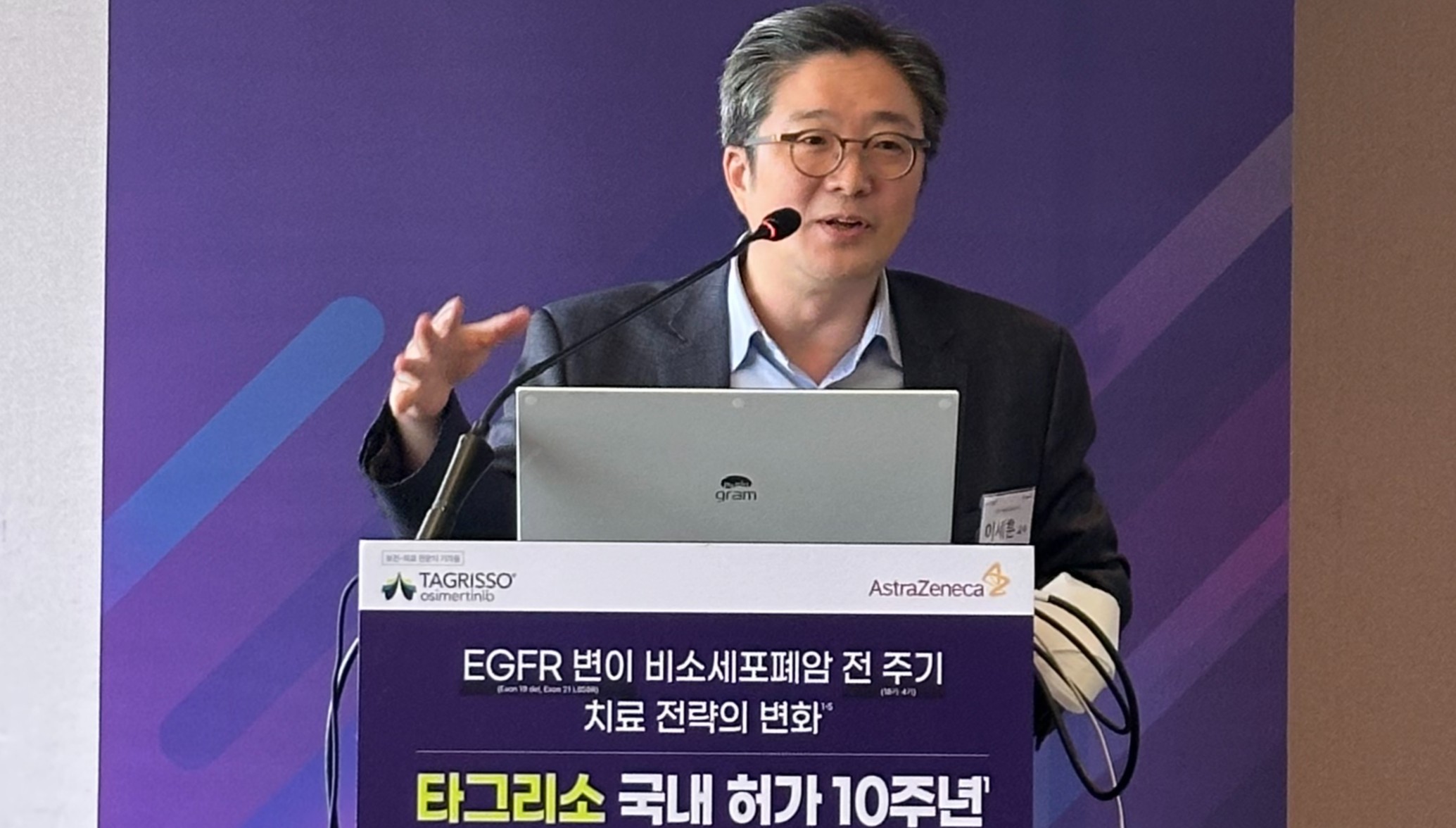
- As the therapeutic landscape for EGFR-mutated non-small cell lung cancer (NSCLC) shifts toward all-cycle management from early to metastatic stages, AstraZeneca’s 'Tagrisso (osimertinib)' is recognized as a key driver of treatment strategy changes, based on clinical evidence accumulated over the past decade.Industry analysis suggests that by securing clinical data demonstrating not only progression-free survival (PFS) but also overall survival (OS) improvements and reduced post-operative recurrence, the treatment paradigm for EGFR-mutated lung cancer is transitioning from a life-extension focus to expanding curability.Se Hoon Lee, Professor of Hematology-Oncology at Samsung Medical CenterOn May 19, AstraZeneca Korea hosted a press conference at the Plaza Hotel in Jung-gu, Seoul, to commemorate the 10th anniversary of Tagrisso’s approval in South Korea, sharing major global clinical trial outcomes and the future direction of its treatment strategies.Tagrisso was first approved in South Korea in May 2016 as a second-line therapy for patients with locally advanced or metastatic EGFR T790M mutation-positive NSCLC. This drug received an expanded indication for first-line monotherapy in 2018. In 2021, Tagrisso became the only EGFR tyrosine kinase inhibitor (EGFR-TKI) to secure an indication for adjuvant therapy following complete surgical resection.Furthermore, its indication for combination use with platinum-based chemotherapy, broadening its therapeutic scope in 2024 byCurrently, Tagrisso is the only third-generation EGFR-TKI recommended as a "Preferred" Category 1 option by the National Comprehensive Cancer Network (NCCN) guidelines for both first-line monotherapy and combination chemotherapy regimens. Its application as a post-operative adjuvant therapy also holds a Category 1 recommendation.Se Hoon Lee, Professor of Hematology-Oncology at Samsung Medical Center, said, "The lung cancer targeted therapy paradigm has evolved most rapidly for the EGFR mutation," and added, "With a high prevalence of these mutations among Korean patients and subsequent improvements in survival rates driven by targeted therapies, the outpatient landscape for long-term patient management has fundamentally transformed."Professor Lee added, "The advancement of EGFR-TKIs, including those for Tagrisso, established the benchmark for developing subsequent mutation-targeted strategies in ALK, ROS1, and KRAS." Professor Lee said, "Progression beyond treating metastatic disease to a stage where we aim for a cure in Stage I and II patients is highly meaningful."Ji Yoon Lee, AstraZeneca Korea's Medical Affairs Unit DirectorIndeed, Tagrisso has built clinical evidence across various stages of the disease through major global clinical trials, including FLAURA, FLAURA2, ADAURA, LAURA, and AURA3.In the FLAURA study, Tagrisso became the standard of care by demonstrating both overall survival (OS) and progression-free survival (PFS) benefits in the first-line treatment of advanced NSCLC positive for EGFR Exon 19 deletions or Exon 21 (L858R) mutations.After that, in the FLAURA2 study, the final analysis of Tagrisso combined with platinum-based chemotherapy demonstrated a median OS of 47.5 months. Experts highlighted that the combination also showed a trend toward a reduced risk of death in patients with central nervous system (CNS) metastases compared to the control group.In the ADAURA study, which evaluated post-operative adjuvant therapy, the analysis of the overall patient population with Stages IB to IIIA disease demonstrated a 73% reduction in the risk of disease recurrence or death compared with the control group, highlighting its potential to expand into early-stage treatment.Additionally, the LAURA study reported a statistically significant prolongation of progression-free survival in patients with unresectable Stage III disease, extending the drug's targeted strategy into the locally advanced setting.Ji Yoon Lee, AstraZeneca Korea's Medical Affairs Unit Director, said, "Over the past 10 years, Tagrisso has continuously accumulated core clinical evidence within the global and domestic EGFR-mutated NSCLC treatment landscape," and added, "We will continue our research and development efforts to advance tailored treatment strategies optimized for specific patient characteristics and disease stages."Hyun Ju Lee, AstraZeneca Korea's Oncology Business Unit director, stated, "The 10th anniversary of Tagrisso’s approval in South Korea represents the shifting paradigm of EGFR-mutated lung cancer care. Based on our oncology R&D capabilities and leadership, we will continue to contribute to improving a patient-centric treatment environment."

- Company
- Blincyto enters pricing negotiations as consolidation therapy
- by Eo, Yun-Ho May 19, 2026 11:08am
- The blood cancer treatment ‘Blincyto’ has entered the final stage of the process to expand its health insurance coverage in Korea.According to industry sources, Amgen Korea recently began drug price negotiations with the National Health Insurance Service regarding reimbursement for Blincyto (blinatumomab) as consolidation therapy for precursor B-cell acute lymphoblastic leukemia (ALL).The indication, which received expanded approval in Korea in February 2025, previously passed the Health Insurance Review and Assessment Service’s Drug Reimbursement Evaluation Committee in April.Patients with Philadelphia chromosome-negative (Ph-) precursor B-cell ALL frequently experience relapse even after achieving minimal residual disease (MRD)-negative status through conventional chemotherapy-based induction therapy, and continue to face challenges with long-term survival even after hematopoietic stem cell transplantation, indicating a significant unmet medical need.Blincyto’s consolidation therapy indication demonstrated efficacy through the E1910, AALL1731, AALL1331, and 20120215 studies.In the E1910 study, which compared chemotherapy alone versus alternating Blincyto and chemotherapy as post-induction consolidation therapy in adult precursor B-cell ALL patients, the 3-year overall survival (OS) rate among MRD-negative patients was 85% in the Blincyto-plus-chemotherapy alternating group, compared to 68% in the chemotherapy-alone group.Compared with chemotherapy alone, the Blincyto-plus-chemotherapy alternating group showed a 59% reduction in risk of death over a median follow-up period of 43 months.In addition, the 3-year recurrence-free survival (RFS) rate was 80% in the Blincyto-plus-chemotherapy alternating group versus 64% in the chemotherapy-alone group, representing a 47% reduction in the risk of recurrence or death over a median follow-up of 43 months.Furthermore, results from the AALL1731 study involving MRD-negative pediatric precursor B-cell ALL patients in the National Cancer Institute (NCI) standard-risk (SR) category at average or high risk of relapse showed that the estimated 3-year disease-free survival rate at a median follow-up of 2.5 years was 96.0% in the Blincyto-plus-chemotherapy alternating group, s a significant improvement compared to 87.9% in the chemotherapy-alone group.Meanwhile, the ‘2024 National Comprehensive Cancer Network (NCCN) Guidelines’ recommend a regimen that includes Blincyto as first-line consolidation therapy.
- Company
- Eli Lilly Korea's CEO transition…Seiya Komatsu expected to be named
- by Eo, Yun-Ho May 18, 2026 09:11am
- The CEO of Eli Lilly Korea is expected to be replaced.According to industry sources, Eli Lilly has appointed Seiya Komatsu as the new CEO of its Korean affiliate.The appointment comes as the term of the current president, John Bickel, is set to end.As of the end of this coming July, John Bickel, who took office in August 2024, is scheduled to be promoted to a position at Eli Lilly's global headquarters.The newly appointed CEO, Seiya Komatsu, is an industry expert who joined Eli Lilly Japan as a sales representative in 2012 and has acquired diverse experience across various roles, including brand marketing manager, business transformation consultant at global headquarters, and sales manager for the Texas region in the United States. Currently, Komatsu serves as Vice President and Head of the Neuroscience Business Unit at the Japanese affiliate.Meanwhile, Eli Lilly supplies pharmaceuticals across various therapeutic areas, including oncology and autoimmune diseases, as well as its obesity treatment, 'Mounjaro.' Notably, Mounjaro recorded global sales of USD 8.7 billion (approximately KRW 12.7 trillion) in the first quarter of this year, surpassing MSD's 'Keytruda,' ranking No.1 in global pharmaceutical sales performance.
- Company
- Curocell begins commercialization process for Korea's first CAR-T
- by Cha, Ji-Hyun May 15, 2026 02:44pm
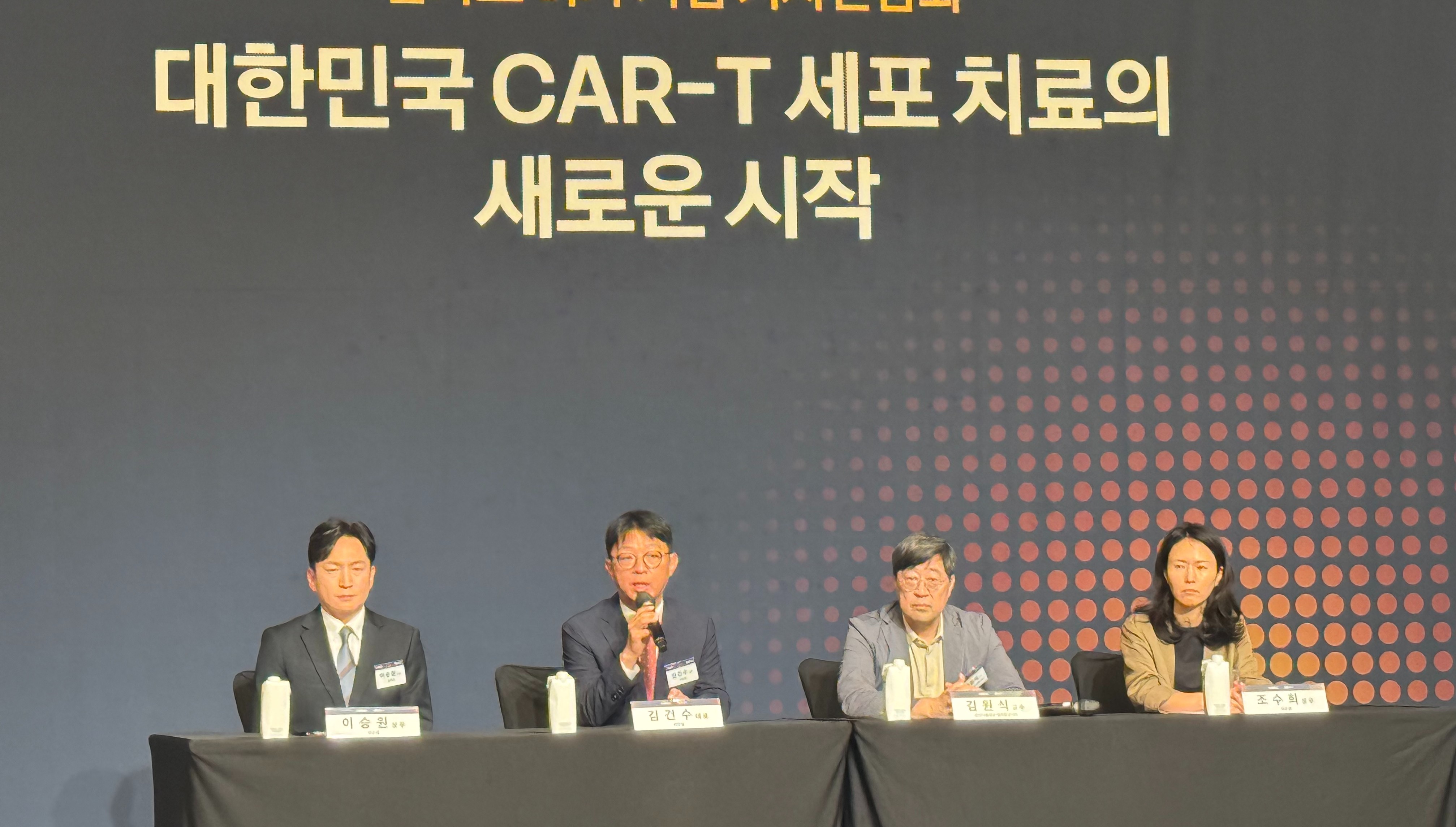
- Curocell is pursuing market entry following the approval of South Korea's first domestically developed chimeric antigen receptor T-cell (CAR-T) therapy. Based on its domestic R&D and manufacturing infrastructure, the company aims to improve patient access to the CAR-T treatment landscape that has previously relied mostly on overseas facilities. Furthermore, the company plans to strengthen its next-generation pipeline through a strategy of expanding indications.On May 14, Curocell held a press conference at the Four Seasons Hotel in Seoul to commemorate the approval of its CAR-T therapy, 'Rimqarto Inj' (ingredient name: anbalcabtagene autoleucel). The company unveiled Rimqarto's clinical value, domestic commercialization strategy, and directions for subsequent clinical development. The event was attended by Curocell CEO Gunsoo Kim, Professor Won Seog Kim of Hemato-oncology at Samsung Medical Center, Curocell Executive Director Seungwon Lee, and Su-hee Cho, Head of Curocell’s Clinical Development Center.Rimqarto is an autologous CD19-targeting CAR-T therapy that uses a patient's own T cells. The process involves collecting T-cells from the patient's blood, introducing genes that allow them to recognize cancer cells, proliferating them ex vivo, and reintroducing them into the patient. It has been designed with Curocell's proprietary OVIS platform, designed to maximize therapeutic effects by simultaneously suppressing the expression of PD-1 and TIGIT, immune checkpoint receptors that inhibit the anticancer activity of T cells.Previously, on April 29, the Ministry of Food and Drug Safety (MFDS) granted marketing authorization for Rimqarto as a treatment for adult patients with relapsed or refractory diffuse large B-cell lymphoma (DLBCL) and primary mediastinal large B-cell lymphoma (PMBCL) after two or more lines of systemic therapy. With this, Rimqarto has been listed as the 42nd novel drug developed in Korea and the first CAR-T therapy developed by a Korean company.Curocell CEO Gunsoo KimCEO Kim shared in his opening remark that "The approval of Rimqarto is more than just one new drug entering the market. Curocell has step-by-step built a foundation that allows the entire process(from R&D to clinical trials, production, quality control, and licensing) to be performed domestically."CEO Kim emphasized that Rimqarto is a treatment option that can expand patient access in the CAR-T treatment landscape, which has been highly dependent on overseas supply. "For patients with relapsed or refractory DLBCL, treatment options are limited and disease progression can be rapid, making timely treatment critical," and added, "While existing CAR-T therapies faced barriers before reaching Korean patients in clinical settings, we will do our best to improve treatment accessibility and establish a stable supply base through Rimqarto."Professor Won Seog Kim, the first presenter, explained the unmet needs in DLBCL treatment and the clinical value of Rimqarto. According to Professor Kim, approximately 6,000-6,500 cases of malignant lymphoma occur annually in Korea, with DLBCL being the representative disease, accounting for 40% of cases. However, 35–40% of DLBCL patients experience recurrence after standard treatment, and patients reaching the third-line treatment stage number around 700 annually in Korea, carrying a poor prognosis.CAR-T therapies are considered an option that has changed the treatment paradigm in this relapsed/refractory DLBCL field. Professor Kim said, "In a patient group where the possibility of long-term survival was previously around 10%, data showed that CAR-T treatment could offer another treatment opportunity. For this reason, we could proceed quickly to obtain reimbursement, and added, "However, even with current commercial CAR-T therapies, the expectation for a complete cure remains at about 40%, leaving room for further improvement."Professor Kim presented Curocell's proprietary OVIS technology as Rimqarto’s distinguishment. One reason existing CAR-T therapies fail is that T-cells become exhausted or immune checkpoint mechanisms such as PD-1 or TIGIT become active, preventing the sufficient elimination of cancer cells."Curocell’s OVIS technology works by loading small RNA fragments into the CAR-T to suppress the expression of immune checkpoints like PD-1 and TIGIT," Professor Kim explained, "Rimqarto is a differentiated, next-generation CAR-T product in that it can overcome treatment failure caused byover-expression of immune checkpoints."On May 14, Curocell held a press conference to commemorate the approval of its CAR-T therapy, 'Rimqarto Inj' Clinical data also confirms Rimqarto’s competitiveness. In Phase 2 trial, Rimqarto demonstrated an objective response rate (ORR) of 75% and a complete response (CR) rate of 67% based on independent review committee evaluations. Regarding safety, the incidence of Grade 3 or higher cytokine release syndrome (CRS) was 9%, and neurotoxicity was 4%. Professor Kim said, "The response rate of over 75% and a CR rate of 67% as evaluated by the committee are highly encouraging results. It showed data that is manageable not only in terms of efficacy but also safety."Starting with this approval, Curocell plans to accelerate the commercialization of Rimqarto. Related to the core pillars of the commercialization strategy, Executive Director Lee Seung-won presented ▲rapid insurance reimbursement listing ▲expanding patient accessibility. "As CAR-T therapies are perceived as high-priced treatments, the speed of reimbursement listing is directly linked to patient access," Lee explained, " Rimqarto was selected for the parallel 'Approval-Evaluation-Negotiation' pilot project, listed on a track that can shorten the time from approval to reimbursement by approximately 90 days." Curocell is currently responding to supplementary data requests for the drug reimbursement evaluation and designing price-negotiation scenarios to support a reimbursed launch as early as September.The company will also pursue its domestic production base to build a supply chain and expand patient access. Lee stated, "Existing global CAR-T therapies involve a structure where a Korean patient’s cells are sent to an overseas manufacturing site and then brought back, which takes weeks and carries international transport risks. Rimqarto can achieve a fast 'vein-to-vein' time based on its domestic production facility." Curocell plans to establish a system within the year allowing Rimqarto treatment at 30 hospitals nationwide and will manage the entire process (from ordering to collection, manufacturing, delivery, and administration) through its online tracking platform, 'CuroLink.'On May 14, Curocell held a press conference to commemorate the approval of its CAR-T therapy, 'Rimqarto Inj' The company is also strengthening its next-generation pipeline by expanding Rimqarto's indications. As a follow-up development strategy, Curocell is considering expanding indications to adult acute lymphoblastic leukemia (ALL), systemic lupus erythematosus (SLE), and second-line treatment for DLBCL. Director Cho Su-hee explained, "There are currently no clear treatment options after standard therapy for patients over the age of 25, who make up the majority of adult ALL patients," and added, "Curocell has been preparing to expand the indication to adult ALL since 2022 and is currently in the final stages of Phase 1." The company plans to enter Phase 2 shortly and is also pursuing an expansion of clinical trials in Japan to strengthen global capabilities.The company is also pursuing expansion into autoimmune diseases and earlier lines of treatment. Director Cho stated, "To provide a better life for patients with lupus nephritis, we have started Korea's first autoimmune disease CAR-T clinical trial. Based on the experience of administering Rimqarto to lupus nephritis patients through "approval for use for therapeutic purposes," we expect encouraging results," and added, "Since Rimqarto showed a high response rate compared to other agents in third-line DLBCL, moving it up to second-line treatment would help even more patients."
- Company
- GC Biopharma signs biopharma manufacturing MOU with Merck
- by Choi Da Eun May 15, 2026 02:43pm
- GC Biopharma is joining hands with global science and technology company Merck Life Science to strengthen its competitiveness in biopharmaceutical manufacturing. Through the partnership, the companies aim to secure stable supplies of key raw and subsidiary materials while improving manufacturing process efficiency to strengthen global market responsiveness.GC Biopharma announced on the 14th that it signed a strategic memorandum of understanding (MOU) with Merck Life Science for cooperation in biopharmaceutical development and GMP manufacturing processes.The signing ceremony was held at Merck Korea headquarters in Gangnam, Seoul. Major officials from both companies attended, including Young-im Kim, head of Merck Life Science Process Solutions Business, and Woong Shin, head of Quality Management at GC Biopharma.Through this agreement, GC Biopharma plans to strengthen cooperation on the supply of major raw and subsidiary materials needed for biopharmaceutical production and establish a collaborative framework to improve manufacturing efficiency and supply stability.In particular, GC Biopharma expects to secure a stable production base for major global products, such as its plasma-derived therapy Alyglo and the Hunter syndrome treatment Hunterase, both launched in the U.S. market, and respond more flexibly to changes in global demand.Merck plans to provide a collaborative framework covering the entire production process, from raw material procurement to process technology support. In particular, the companies aim to proactively manage supply chain risks that may arise during the manufacturing process by stably supplying product batches that meet strict internal quality control standards.The two companies also plan to operate a regular technical and process consultation body to strengthen technical cooperation for manufacturing process efficiency. Through this, they intend to share the latest production technologies and process know-how to enhance quality competitiveness, while continuously seeking joint R&D opportunities to expand their cooperative relationship.Woong Shin, Head of Quality Management at GC Biopharma, stated, “Through close technical cooperation and process optimization, we will work to minimize risks across the entire manufacturing process and build a production system with global-level quality competitiveness.”Young-im Kim, head of Merck Life Science Process Solutions Business, said, “Through this collaboration, we will work to support an optimal manufacturing environment so that GC Biopharma’s key therapeutic products can be supplied stably.”
- Company
- Rinvoq surpasses ₩100B in quarterly prescriptions
- by Kim, Jin-Gu May 15, 2026 02:43pm
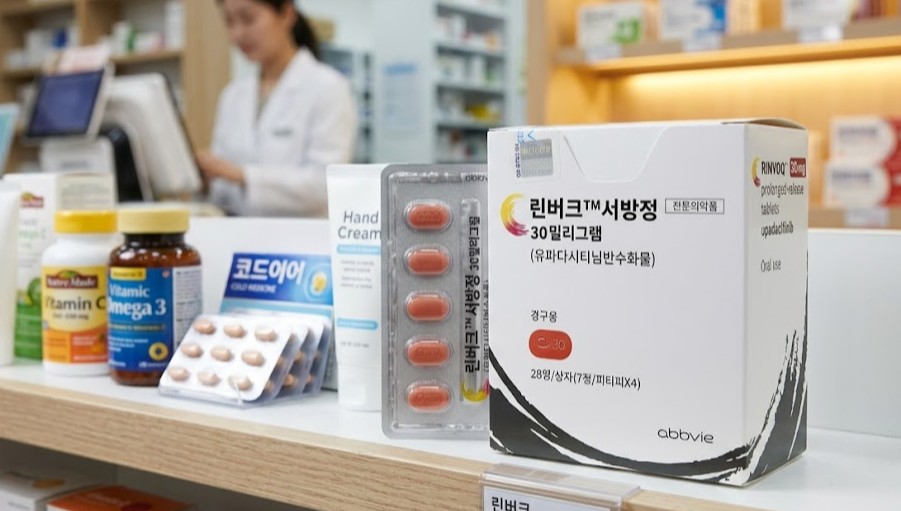
- Product photo of Rinvoq Extended-release tabletAbbVie’s Janus kinase (JAK) inhibitor autoimmune disease treatment, ‘Rinvoq (upadacitinib),’ has strengthened its leading position by surpassing KRW 10 billion in quarterly prescriptions. Competing products such as ‘Olumiant (baricitinib),’ ‘Xeljanz (tofacitinib),’ and ‘Cibinqo (abrocitinib)’ showed sluggish performance.The JAK inhibitor market is expected to face even fiercer competition. This is due to the addition of new products such as Pfizer’s ‘Litfulo (ritlecitinib)’ and LEO Pharma’s ‘Anzupgo Cream (delgocitinib),’ as well as the launch of generics following the expiration of Xeljanz’s substance patent late last year.Rinvoq strengthens monopoly in JAK inhibitor market through expanded indicationsAccording to the pharmaceutical market research firm UBIST, on the 13th, Rinvoq's outpatient prescription volume in the first quarter was KRW 10.4 billion. This is a 32% increase compared to the KRW 7.8 billion recorded in the first quarter of last year. This marks the first time Rinvoq’s quarterly prescription performance has exceeded KRW 10 billion.Rinvoq received domestic approval in June 2020. Among JAK inhibitors, it was released third following Xeljanz and Olumiant, but it rapidly expanded its influence. Since the fourth quarter of 2023, Rinvoq has risen to the top of the market. Since then, it has been strengthening its monopoly by widening the gap with competing products.In contrast, Rinvoq’s major competitors appear sluggish. Olumiant, the second-ranked product in the market, recorded KRW 4.5 billion in first-quarter prescriptions, a slight decrease compared to KRW 4.6 billion in the first quarter of last year.During the same period, Xeljanz decreased by 21% from KRW 3.5 billion to KRW 2.8 billion KRW. This was influenced by a price reduction following the listing of generics for reimbursement in November last year. The prices of two dosages of Xeljanz tablets were cut by 30%, while the price of Xeljanz XR extended-release tablets was reduced by 23%. ‘Cibinqo,’ which Pfizer launched as a successor to Xeljanz, decreased from KRW 1.6 billion to KRW 1.5 billion.Jyseleca, which entered the market as the fifth JAK inhibitor, is significantly improving its prescribing performance. In the first quarter of this year, it recorded KRW 1.8 billion in prescriptions, a 2.6-fold increase compared to the same period last year.Prescription volume changes for major JAK inhibitors (unit: KRW 100 million, source: UBIST). GREEN-Rinvoq, PINK-Olumiant, BLUE- Xeljanz, LIGHT GREEN- Jyseleca, PURPLE- CibinqoThe aggressive strategy of expanding indications is cited as the background for Rinvoq’s strengthened dominance. Currently, Rinvoq holds six indications ▲rheumatoid arthritis ▲psoriatic arthritis ▲axial spondyloarthritis (ankylosing spondylitis) ▲atopic dermatitis (adults and adolescents) ▲ulcerative colitis ▲Crohn’s disease. It has secured the most indications among JAK inhibitors.In addition, AbbVie recently succeeded in global Phase 3 clinical trials for alopecia areata, signaling the addition of a seventh indication. Besides alopecia areata, AbbVie is also pursuing expansions into subsequent immune disease indications such as vitiligo, hidradenitis suppurativa, systemic lupus erythematosus, and Takayasu arteritis.Its competitor, Xeljanz, has five indications ▲rheumatoid arthritis ▲psoriatic arthritis ▲ankylosing spondylitis ▲ulcerative colitis ▲polyarticular juvenile idiopathic arthritis ▲juvenile psoriatic arthritis. Olumiant holds four indications ▲rheumatoid arthritis ▲atopic dermatitis (adults and children) ▲alopecia areata (adults) ▲juvenile idiopathic arthritis. Cibinqo has only atopic dermatitis (adults and adolescents) as an indication, while Jyseleca has indications for rheumatoid arthritis and ulcerative colitis.Emergence of 6th and 7th JAK inhibitors and Xeljanz generics late last yearFiercer competition in this market is expected in the future with the addition of the sixth and seventh new JAK inhibitor drugs and Xeljanz generics.Recently, ‘Litfulo’ was launched as the sixth JAK inhibitor. This product received domestic approval in September 2024 and was released as a non-reimbursed drug in February of last year. Its indication is alopecia areata in adults and adolescents aged 12 and older. Pfizer now possesses three JAK inhibitors: Xeljanz, Cibinqo, and Litfulo.In September last year, LEO Pharma received approval for ‘Anzupgo Cream,’ the first topical JAK inhibitor in Korea, for the treatment of chronic hand eczema. LEO Pharma officially launched this product in March of this year. It is currently non-reimbursed.In November last year, a large number of generics containing the ingredient tofacitinib entered the market due to the expiration of the Xeljanz patent.A total of 59 companies have received approval for Xeljanz generics, and products from 14 companies, including Daewoong Pharmaceutical, Il-Yang Pharmaceutical, and Chong Kun Dang, are currently listed on the reimbursement list. However, the prescription volume remains still.
