
- LOGIN
- MemberShip
- 2026-06-10 18:16:29

- Company
- Multinational pharma employees in Korea earn over ₩100M on average
- by Son, Hyung Min Apr 20, 2026 04:58pm
- Last year, the average annual salary of employees at Korean subsidiaries of major multinational pharmaceutical companies exceeded KRW 100 million. Boehringer Ingelheim Korea and Viatris Korea were found to have average salaries reaching KRW 150 million.According to an analysis of audit reports from 27 multinational pharmaceutical subsidiaries disclosed by the Financial Supervisory Service, the average employee salary was KRW 114.37 million. Of these, 21 companies paid average annual salaries of KRW 100 million or more, indicating that a high-salary structure has spread across the industry.This average salary was calculated based only on salary items listed in audit reports, excluding welfare benefits, bonuses, incentives, or retirement benefits. Additionally, there may be some discrepancy between this figure and the actual perceived annual salary due to differences in accounting treatment of labor costs across companies.Among the companies surveyed, Boehringer Ingelheim Korea recorded the highest average salary. The company paid a total of KRW 24.94 billion in salaries last year, an 8.8% increase year-over-year. The average salary per employee rose from KRW 139.8 million in 2024 to KRW 157.86 million last year, an increase of KRW 18.06 million.Viatris Korea ranked second with KRW 145.26 million per employee. This represents an increase of approximately KRW 10 million compared to the previous year’s average of KRW 135.87 million. The company’s total payroll for last year was KRW 13.28 billion, a 14.5% increase from 2023.Gilead Sciences Korea paid an average of KRW 139.94 million per employee, slightly down from KRW 141.32 million in 2024. Total salary payments decreased by 2.4% to KRW 12.97 billion.Pfizer Korea’s average salary was KRW 127.42 million, about KRW 1 million higher than in 2023.However, total salary expenses fell 6.3% to KRW 47.78 billion. This increase in the average annual salary per employee is attributed to a decline in the number of employees from 404 in 2024 to 375 last year.Pfizer has operated a voluntary retirement program since the end of the pandemic. Severance pay, which serves as a form of compensation, surged by 202.0% from KRW 5.33billion in 2024 to KRW 16.11 billion last year, reflecting changes in the labor cost structure.In addition, Sanofi-Aventis Korea, GSK, Ferring Korea, UCB Korea, Amgen Korea, Janssen Korea, Novo Nordisk, AbbVie Korea, Lundbeck Korea, Abbott Korea, Galderma Korea, AstraZeneca Korea, Handok Teva, and Servier Korea all paid employee salaries exceeding KRW 100 million.Merck Korea’s total salary rose to KRW 45.38 billion, an 8.2% increase from KRW 41.96 billion in 2024. However, the average annual salary per employee was KRW 80.96 million, a 7.2% decrease from the KRW 87.2 million in the previous year. This decrease in the average per-employee figure was due to the increase in the number of employees from 481 to 579.For BMS Korea, both total salary and retirement benefit expenses increased. The company’s total salary last year amounted to KRW 24.9 billion, an 8.4% increase from the previous year. During the same period, retirement benefit expenses rose by 169.4%, from KRW 3.3 billion to KRW 8.8 billion.BMS Korea implemented an ERP program for some employees last year. Consequently, the number of employees reported in the audit report decreased slightly from 209 to 190. The company’s average annual salary for executives and employees was KRW 130.58 million last year, ranking fifth among the surveyed companies.
- Company
- Nucala Autoinjector soon to be reimbursed
- by Eo, Yun-Ho Apr 17, 2026 09:03am
- The self-injectable formulation of the antibody therapy Nucala is expected to be included in the insurance reimbursement system in Korea.According to Dailypharm coverage, GSK Korea has recently reached a final agreement on price negotiations with the National Health Insurance Service for the Nucala autoinjector (mepolizumab).This drug accepted the condition of “accepting a price below the evaluation amount” proposed by the Health Insurance Review and Assessment Service’s Drug Reimbursement Evaluation Committee in January and entered price negotiations in March.Since the Nucala Autoinjector has additional indications compared to the existing Nucala, its reimbursement listing process was conducted in a manner equivalent to that for a new drug. rather than a formulation addition.Nucala Autoinjector, which received domestic approval in March of last year, was launched as a non-reimbursed product in November of the same year after securing distribution channels and supply volume.It remains to be seen whether Nucala, which has established a foothold in the eosinophilic asthma market, will be able to expand its influence with the launch of this new formulation and successful reimbursement.The new autoinjector formulation has expanded its indications beyond the existing treatment of severe eosinophilic asthma in adults and adolescents (aged 12 and older) to include ▲ eosinophilic granulomatosis with polyangiitis (EGPA) in adults and ▲ hypereosinophilic syndrome (HES) in adults.This drug is a self-administered injectable used for the treatment of eosinophilic diseases. It is used as an add-on maintenance therapy for severe eosinophilic asthma (SEA) in adolescents and adults aged 12 years and older, as well as for eosinophilic granulomatosis with polyangiitis (EGPA) in adults and hypereosinophilic syndrome (HES) in adults (excluding FIP1L1-PDGFRα-positive patients).The autoinjector formulation allows patients to conveniently administer the drug themselves at home, featuring a self-administration success rate of over 96%, high patient preference, and ease of use.Meanwhile, Nucala is poised to enhance its competitiveness by securing an indication for chronic obstructive pulmonary disease (COPD). In May, the drug received additional approval from the U.S. FDA for ‘add-on maintenance therapy for adult patients with COPD with an eosinophilic phenotype.’This approval was based on the results of the Phase III MATINEE and METREX studies. In these studies, among a broad spectrum of COPD patients with an eosinophilic phenotype, the Nucala treatment group showed a significantly lower annual rate of moderate-to-severe exacerbations compared to the placebo group.

- Company
- Novartis Korea wins nod for oral urticaria drug 'Rhapsido'
- by Son, Hyung Min Apr 16, 2026 02:26pm
- Rhapsido (remibrutinib)Novartis Korea (CEO Yoo Byung-jae) announced on the 14th that 'Rhapsido (remibrutinib),' the first oral BTK inhibitor for the treatment of chronic urticaria, has received domestic approval in South Korea for the treatment of adult patients with Chronic Spontaneous Urticaria (CSU) whose symptoms are inadequately controlled by second-generation antihistamines.Rhapsido is an oral inhibitor that targets Bruton's Tyrosine Kinase (BTK).In the mast cell-activating process of CSU, BTK in mast cells triggers the release of inflammatory mediators, such as histamine, leading to symptoms including hives, angioedema, and itching.By highly selectively inhibiting BTK, Rhapsido blocks the secretion of these inflammatory mediators at an early stage.While conventional antihistamines treat the condition after histamine and other substances have already been released from mast cells, Rhapsido's strategy is to prevent their secretion from the start.The approval was based on results from the global Phase 3 clinical trials, 'REMIX-1' and 'REMIX-2.' Both studies were multicenter, randomized, double-blind, placebo-controlled studies evaluating the efficacy and safety of Rhapsido in patients aged 18 and older with CSU inadequately controlled by H1-antihistamines.Based on the study results, Rhapsido significantly improved the primary endpoint, which was the weekly Urticaria Activity Score (UAS7) at week 12 compared to the baseline. This result remained consistent through week 24.By week 12, symptom improvement (UAS7 ≥ 10.5 reduction) was confirmed, with approximately 47–50% of patients achieving well-controlled status (UAS7 ≤ 6) and 28–31% experiencing complete symptom resolution (UAS7 = 0).A 52-week long-term analysis showed that approximately 62% of patients maintained symptom control (UAS7 ≤ 6), while 45% maintained complete symptom resolution (UAS7 = 0).The incidence of adverse events was similar between the Rhapsido group (64.9%) and the placebo group (64.7%), with most reactions being mild to moderate. This safety profile remained consistent throughout the 52-week treatment period.Based on this clinical evidence, Rhapsido is recommended as an oral targeted therapy in the 2026 International Guideline for Urticaria for patients who are not adequately controlled despite increasing the dosage of second-generation antihistamines to 4 times the standard dose.While antihistamines are widely used as first-line therapy, it is reported that symptoms persist in more than half of patients even with increased doses. Rhapsido addresses this significant unmet need as the first approved oral targeted therapy, offering rapid and significant symptom improvement along with the convenience of oral administration.Professor Young-min Ye of the Department of Allergy and Clinical Immunology at Ajou University Hospital stated, "The introduction of a new mechanism of action targeting BTK is clinically significant because it offers hope for efficacy across a broader range of patients, regardless of the immunological variations in the pathogenesis of urticaria," and added, "It is particularly noteworthy that the treatment effect appears within one week and is sustained for up to 52 weeks." Furthermore, Ye added, "It is important to consider proactive treatment aimed at 'rapid and complete symptom management' by consulting with experts."Park Joo-young, Executive Director of the Immunology Business Unit at Novartis Korea, stated, "CSU is a disease where symptoms recur unpredictably, placing a heavy burden on patients, especially those in socially and economically active age groups. The approval of Rhapsido marks a major turning point by providing a new treatment option for those who could not achieve sufficient symptom control with existing therapies." In conclusion, Park added, "Based on our expertise in the field of immunological diseases, Novartis Korea will continue to play a role in ensuring that CSU patients can plan their lives without the frustration of treatment failure."
- Company
- Truqap targets the treatment gap in second-line breast cancer
- by Son, Hyung Min Apr 16, 2026 02:26pm
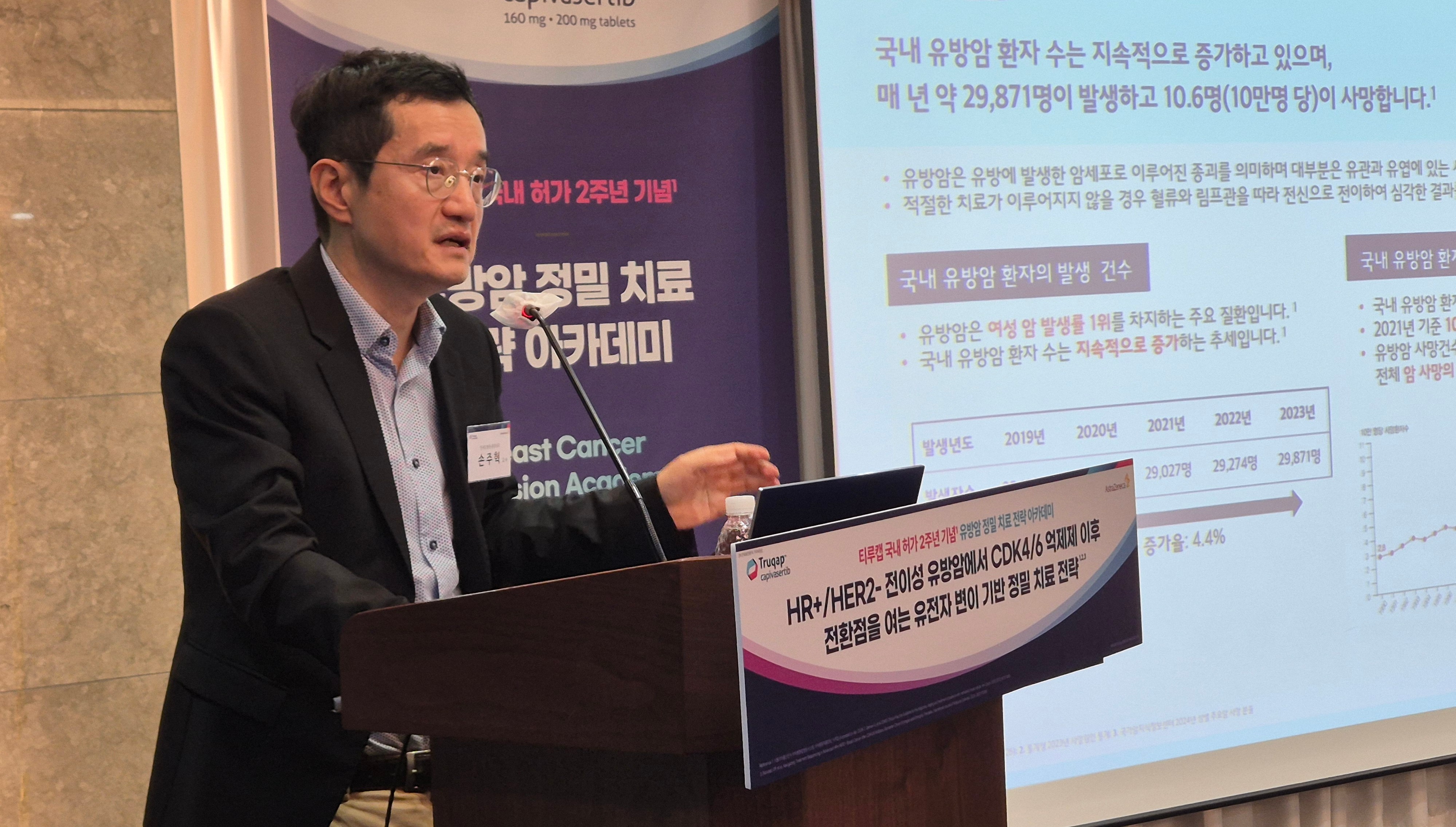
- As the treatment gap after CDK4/6 inhibitors persists in HR+/HER2- metastatic breast cancer, precision treatment strategies targeting genetic mutations are emerging as a new alternative.In particular, the AKT inhibitor Truqap (capivasertib) continues to gain global guideline recommendations and expanded reimbursement based on its clinical efficacy, leading to calls for its improved treatment access in Korea as well.On the 14th, AstraZeneca Korea held the “Breast Cancer Precision Treatment Strategy Academy” in Seoul to mark the second anniversary of Truqap’s approval, and shared current treatment strategies and unmet needs in HR+/HER2- metastatic breast cancer.Joohyuk Sohn, Professor of Medical Oncology at Yonsei Cancer CenterCurrently, CDK4/6 inhibitors in combination with endocrine therapy have become the standard of care for first-line treatment of HR+/HER2- metastatic breast cancer. However, a significant number of patients experience disease progression due to resistance. The problem is that in the subsequent second-line setting, the actual available options are limited depending on patient characteristics and genetic mutations.In particular, around half of these patients harbor mutations in PIK3CA, AKT1, or PTEN, which are regarded as major factors affecting disease progression and treatment response. As patients with these mutations have been reported to have a poorer prognosis compared to those without mutations, the need for targeted treatment strategies has been raised constantly.The domestic environment also acts as a variable. Given the relatively high proportion of premenopausal patients in Korea, endocrine-based treatment options that can be used without ovarian suppression are limited, and there is strong demand for treatment strategies that allow patients to continue therapy while preserving quality of life.In fact, after CDK4/6 inhibitor treatment, median progression-free survival (PFS) with endocrine monotherapy is only about two months, indicating limitations in treatment durability.In this setting, Truqap is drawing attention as a treatment option that can target specific gene mutations. According to the Phase III CAPItello-291 study, Truqap plus fulvestrant improved median PFS to 7.3 months, about 2.5 times longer than fulvestrant alone, and reduced the risk of disease progression or death by 50% in patients with PIK3CA/AKT1/PTEN mutations.This study is significant because it included a large number of patients with prior CDK4/6 inhibitor treatment experience, reflecting real-world clinical settings. Additionally, it demonstrated consistent treatment efficacy trends regardless of menopausal status and is therefore considered highly applicable to Korean patient populations as well.In terms of safety, the regimen was shown to be manageable. In an analysis including patients with hemoglobin A1c (HbA1c) below 8%, the rate of grade 3 or higher hyperglycemia was 2.3%. Its clinical value stands out in that it enables a treatment strategy that considers quality of life while maintaining endocrine therapy-based treatment.Currently, Truqap is recommended as a Category 1 option for second-line treatment in mutation-positive patients in the U.S. NCCN guidelines, and has also secured a high level of recommendation from the European Society for Medical Oncology (ESMO). It has already been reimbursed in eight countries, including the United States, the United Kingdom, Canada, and Australia.By contrast, reimbursement has still not been granted despite nearly two years having passed since approval, and limitations in patient access remain. Although it was designated as a candidate for the Global Innovative products on Fast Track (GIFT) program, in acknowledgement of its therapeutic need and innovation, its actual use in clinical practice remains constrained.Professor Joohyuk Sohn of the Department of Medical Oncology at Yonsei Cancer Center said, “There remains a gap in second-line treatment for HR+/HER2- metastatic breast cancer with gene mutations. We need to establish an institutional framework to ensure that treatments with proven clinical utility can actually be used in patient care.”
- Company
- "Cold chain requires quality infrastructure"…Temp Chain Company
- by Hwang, byoung woo Apr 16, 2026 02:26pm
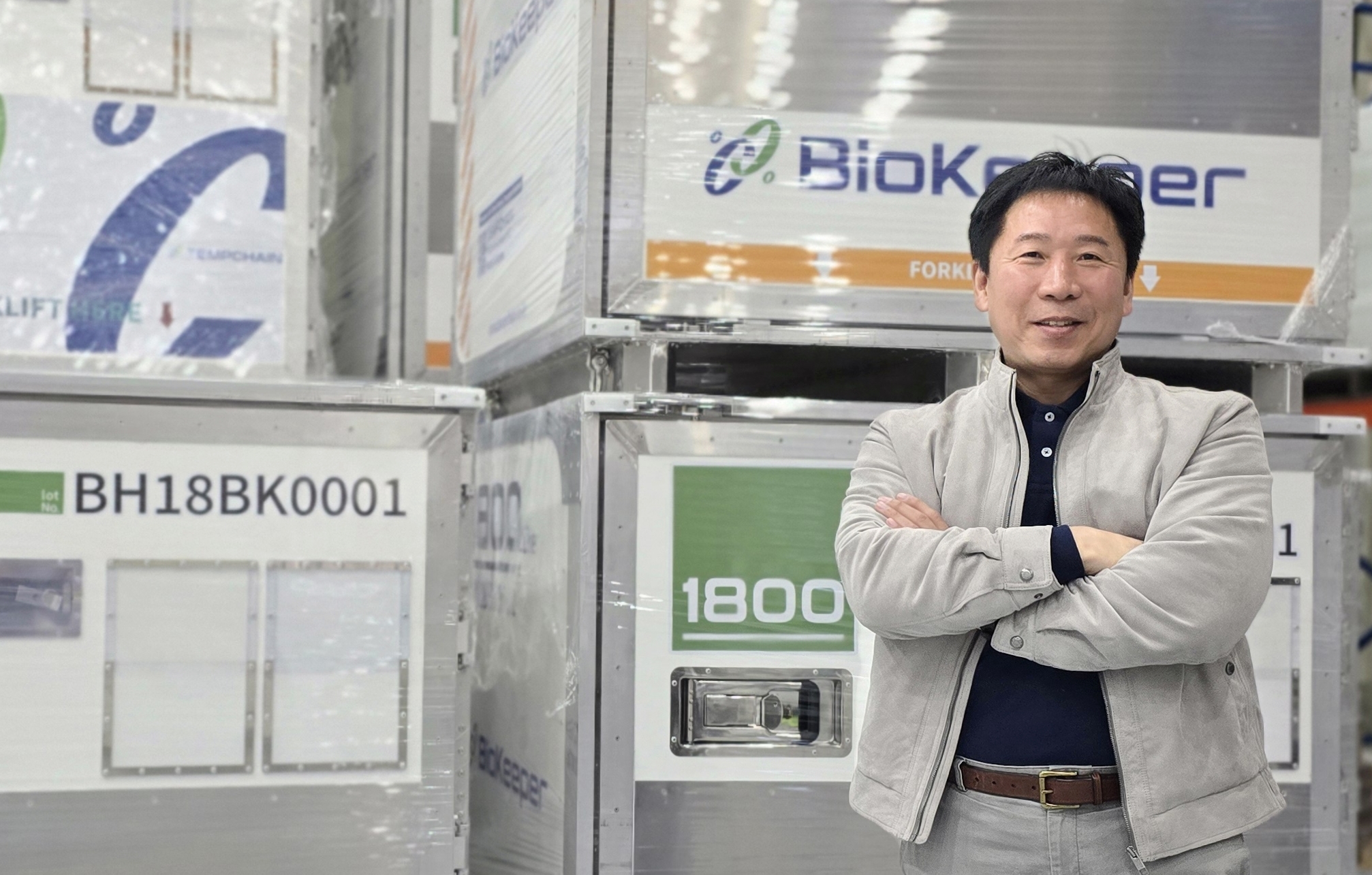
- As the biopharmaceutical market expands, the importance of quality control during the drug transportation phase is growing rapidly.Temp Chain Company, a company specializing in passive cold chain technology, is accelerating its push into the global market, specifically targeting the large-scale biopharmaceutical transport sector.By focusing on large-scale shipping containers that maintain temperatures for extended periods without external power, the company is expanding collaborations with global pharmaceutical giants and logistics firms. The company is also pursuing a strategy to extend its reach from air-centric transport to ocean freight, aiming to establish itself as a core bio-logistics infrastructure provider.DailyPharm met with Hyun Chul Kim, CEO of Temp Chain Company, to discuss their technical competitiveness, market strategy, and global expansion plans.A paradigm shift to cold chain…highlights the quality infrastructure, moving beyond logisticsTemp Chain Company develops passive cold chain solutions that minimize temperature deviations during long-distance transport of biopharmaceuticals. Currently, they are targeting the global market with large-scale shipping containers that maintain constant temperatures for long durations without an external power source.Hyun Chul Kim, CEO of Temp Chain CompanyKim stated, "Biopharmaceuticals are extremely sensitive to temperature changes. It is crucial to maintain the quality achieved during production through the logistics stage," and that "Cold chain is no longer viewed as mere logistics equipment; it is now recognized as essential infrastructure that determines the quality of the medicine."Kim explained that as the proportion of biopharmaceuticals in the market grows, the role of cold chain is evolving. While the focus used to be simply on refrigeration, the industry now demands long-distance transport stability and data-driven quality management.In particular, Kim emphasized that as global supply chains expand and extreme weather events become more frequent, the transport environment is becoming increasingly complex, underscoring the need for technology that can reliably maintain temperatures over long periods."Bio-logistics must ensure temperature stability across the entire transport process, not just in specific segments," he noted. "Structural design that can maintain temperatures reliably even during long-distance transport is our core competitiveness."Temp Chain Company is gaining attention for delivering tangible results beyond mere solutions. The company has already secured contracts with major domestic pharmaceutical companies. It is expanding collaborations with global pharma giants like Pfizer and Johnson & Johnson, as well as leading logistics providers such as DHL and Expeditors.These achievements serve as proof that the company has moved beyond the technical validation stage and into commercial application, securing both temperature stability and cost-efficiency in high-volume transport environments.From materials to finished products…Differentiation through integrated technologyTemp Chain Company's collaborative success is based on its integrated technological competitiveness. The performance of a passive cold chain is determined by insulation performance and thermal storage technology. Temp Chain Company has secured both performance and stability by developing and producing Vacuum Insulation Panels (VIP) and Phase Change Materials (PCM) in-house, starting from the material stage."The core of cold chain equipment lies in the insulation structure and thermal storage design, yet most companies source these materials externally," Kim stated. "Temp Chain Company has established a system to handle everything internally, from material development and product design to manufacturing and performance verification."This structure also serves as a strength in terms of R&D speed and price competitiveness. It allows the company to optimize designs based on customer needs and quickly implement improvements. Furthermore, the structural design for ensuring temperature stability in long-distance transport environments is cited as a major competitive edge.Temp Chain Company is building a unique position in the global market through designs specifically specialized for large-scale biopharmaceutical transport. Even when competing against established global leaders, the company is gaining achievements."We focused our development on achieving both large-scale capacity and lightweight design while securing performance and price competitiveness," Kim emphasized. "Solutions that provide efficiency in high-volume transport environments are gaining significant interest in the market."A transportation device, developed with Temp Chain Company's in-house technology, for passive cold chain solutionExpanding global collaboration…Moving beyond air to oceanTemp Chain Company is intensifying its market entry by expanding partnerships with global pharmaceutical companies and logistics firms. As biopharmaceutical production and supply become increasingly globalized, demand for long-distance transport is rising sharply, accompanied by a growing need to reduce logistics costs."Pharmaceutical companies are looking for transport methods that can maintain quality while improving logistics efficiency," Kim said. "Interest is growing in passive cold chains that offer large capacity, lightweight features, and low management costs."A key part of their strategy is expanding from air-centric structures to ocean freight. While ocean transport is highly cost-competitive, it is a field with significant technical barriers due to the difficulty of maintaining temperatures for extended periods.To address this, the company is advancing its technology by accumulating transport data through R&D."By expanding into ocean freight, we can lower long-distance transport costs while ensuring stability," Kim explained. "Our goal is to build a cold chain solution that can be utilized in multimodal transport environments."Kim added, "With the expansion of global supply chains, hybrid logistics systems that link various modes of transport will become important," and that "If transport environments involving air, sea, rail, and truck expand, passive cold chain technology, which reduces dependence on electricity, will be ideally suited for such changes."Aiming to grow into a "Bio-Logistics Infrastructure Company"Temp Chain Company aims to grow beyond a simple equipment supplier to become a biopharmaceutical logistics infrastructure company.This goal is based on the judgment that logistics technology is becoming a factor that determines industrial competitiveness alongside the expansion of the biopharmaceutical market."Cold chain is becoming a mandatory infrastructure that must be considered during drug development and commercialization," Kim said. "It will evolve toward ensuring long-distance transport stability and data-based quality management."As the ocean freight-based business grows, the company has identified 2029 as a major business pivot point. At that stage, they plan to consider an IPO or a strategic investment, depending on corporate value and market conditions.In the long term, Kim predicts the role of the cold chain will expand amid changes in the global health environment."Technology is needed to supply biopharmaceuticals even in regions lacking reliable refrigeration infrastructure," Kim stated. "Passive cold chain technology can contribute to solving these issues."In conclusion, Kim added, "Our goal is to create an environment where biopharmaceuticals can be supplied more reliably by establishing global transport solutions that link air and sea. We will continue to expand our presence in the global market based on our technological competitiveness."
- Company
- Inhaled therapy recommended, but oral drugs still dominate asthma mkt
- by Son, Hyung Min Apr 16, 2026 02:26pm
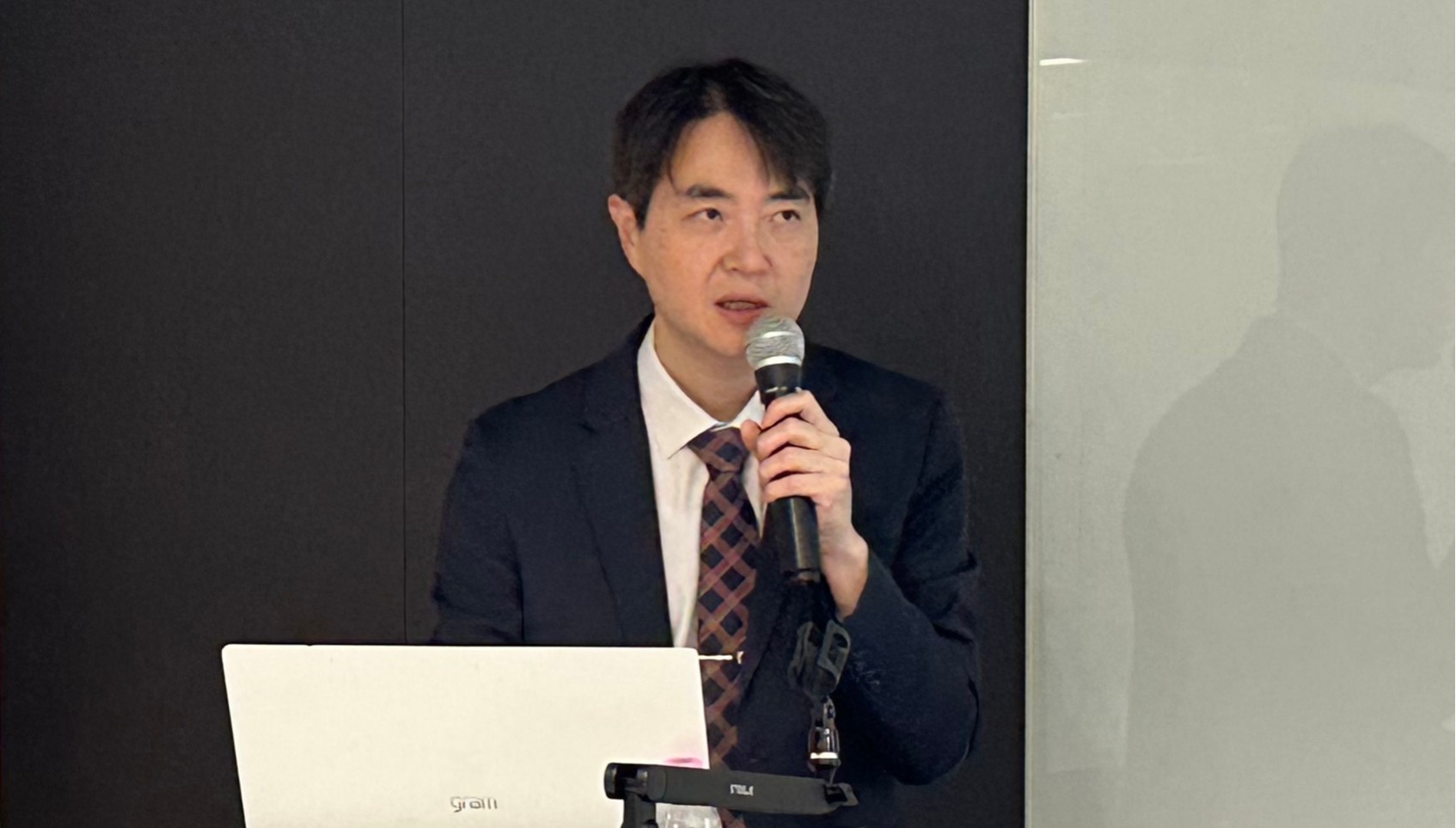
- A significant gap between guidelines and clinical practice has been revealed in the field of asthma. Despite inhalers being recommended as the first-line standard therapy for asthma treatment, prescribing continues to focus on oral medications.In particular, it has been pointed out that the failure to implement standard treatment in clinical practice has been exposed, with a lack of training on the use of inhalers and the absence of a corresponding reimbursement system identified as structural causes.On the 15th, AstraZeneca Korea held a media session at its headquarters in Samseong-dong under the theme “Latest Insights on Asthma and Chronic Obstructive Pulmonary Disease (COPD) Treatment,” and shared the current status and challenges of respiratory disease treatment in Korea.The company has a broad asthma and COPD treatment portfolio, including ‘Symbicort (budesonide/formoterol),’ ‘Fasenra (benralizumab),’ ‘Breztri (budesonide/glycopyrronium/formoterol),’ and ‘Tezspire (tezepelumab).’However, even though a range of inhaled treatment options are available, including inhaled corticosteroids (ICS), long-acting beta2-agonists (LABA), and long-acting muscarinic antagonists (LAMA), actual prescribing patterns are diverging from guideline recommendations.According to the Health Insurance Review and Assessment Service’s “2024 (11th) Asthma Care Quality Assessment,” the ICS prescribing rate, a key indicator in asthma treatment, was 51.9%, only 0.1 percentage point higher than the previous year’s 51.8%.Jin-Kook Lee, Professor of Respiratory Medicine at Seoul St. Mary’s HospitalThe problem is that this gap widens as one moves down to primary care settings. The ICS prescription rate at clinics was 38.1%, significantly lower than the overall average, while the rate of prescribing oral corticosteroids (OCS) without ICS was 26.5%, the highest among provider types.Although asthma treatment guidelines recommend inhaled medications as the first-line treatment for both disease-modifying and symptom-relieving agents, actual prescribing patterns do not adequately reflect this.Prescription patterns by route of administration also support this trend. As of 2024, among patients receiving a single mode of administration, oral drugs accounted for the largest share at 42.0%, while inhaled therapies accounted for only 12.4%. Patches accounted for a mere 0.5%.Among oral drugs, leukotriene receptor antagonists (LTRA) accounted for the highest share at 63.4%, while ICS remained the central component among inhaled therapies at 51.9%.A lack of education on proper use of inhalers is identified as a key factor behind this bias toward oral medications.Professor Jin-Kook Lee of the Department of Respiratory Medicine at Seoul St. Mary’s Hospital pointed out, “Although there are already enough treatments available for asthma and COPD, the reason they are not used effectively in practice is that inhaler-use education is not being delivered properly. With inhalers, proper technique determines treatment effectiveness, but there is not enough time or service fee incentives for institutions to provide education on this to patients.”“Inhaler education requires at least 30 minutes, but the current clinical environment cannot accommodate this. Unless fees or incentives for education are established, resolving this issue will not be easy.”Although treatment options in severe asthma are expanding around biologics, limitations in access still remain. In reality, more than 90% of patients still experience difficulty in daily life, and the burden of side effects from long-term oral steroid use remains high.The situation is not much different for COPD. While it is estimated that approximately 13% of the domestic population aged 40 and older has the condition, the actual diagnosis rate is only 2.8%, and the treatment rate is a mere 1.6%.To address these issues, the government introduced pulmonary function testing into the national health screening program starting this year. However, there are concerns that the effect may remain limited unless a management system is built to ensure that early diagnosis actually leads to treatment.Ultimately, structural improvements are needed across the entire “diagnosis-treatment-management” process for both asthma and COPD. In particular, establishing education and reimbursement systems to ensure the adoption of inhaler-based standard therapy in actual practice has emerged as a core task.Professor Lee emphasized, “Inhalers are the foundation and standard of treatment for asthma and COPD, but the current system makes it difficult to use them properly. Since oral medications cannot replace inhalers, we must establish both an educational system that extends to primary care facilities and a corresponding fee system that supports it.”
- Company
- Roche Diagnostics Korea posts record performance
- by Hwang, byoung woo Apr 15, 2026 08:04am
- Roche Diagnostics, the leader in in vitro diagnostics, has been delivering clear top-line growth every year on the back of its broad portfolio.Even over the past five years, sales have shown a steady upward trend, and the company is credited with firmly establishing growth momentum through the expansion of companion diagnostics and the successful market penetration of digital solutions.Channel expansion and companion diagnostics growth… 5 consecutive years of top-line expansionAccording to the audit report of Roche Diagnostics Korea, sales in 2025 reached KRW 460.3 billion, up approximately KRW 38.3 billion from KRW 422.0 billion in the previous year.Looking at revenue over the past 5 years, the company has shown a steady upward trend: ▲KRW 341.3 billion in 2021, ▲ KRW 374.0 billion in 2022, ▲ KRW 394.4 billion in 2023, and ▲ KRW 422.0 billion in 2024.The expansion of sales and distribution channels is cited as the primary driver of this revenue growth.Analysts note that as access to testing expanded during the COVID-19 pandemic, the company shifted from a structure centered on large hospitals to one that includes medium-sized hospitals and testing centers, broadening its customer base and increasing the number of equipment installations.Given the nature of the in vitro diagnostics business, where reagent and consumables sales recur after equipment installation, this channel expansion is highly likely to provide a foundation for mid- to long-term growth.The expansion of companion diagnostics is also cited as a factor driving revenue growth.The Roche Group has adopted Personalized Healthcare (PHC) as a core strategy, and the role of companion diagnostics, which identifies patient groups that stand to benefit most from the specific targets of innovative new drugs, has become more important than ever.As specific biomarker-based therapies continue to increase, demand for pathology and molecular diagnostic testing is rising, and with more therapies gaining reimbursement along with market launch, this is being evaluated as a driver of stable sales growth.However, the company’s operating profit left something to be desired. While operating profit jumped significantly from KRW 19.1 billion in 2023 to KRW 30.8 billion in 2024, it fell to KRW 18.5 billion last year, returning to the level of two years ago.Nevertheless, the decline in profitability is interpreted as a result of the base effect from prior price adjustments rather than an actual business slowdown.Roche Diagnostics Korea has entered into an Advance Pricing Agreement (APA) with its parent company, Roche Diagnostics International Ltd., and has reflected prior-year transfer pricing adjustments through a term test.In 2024, about KRW 18.3 billion in transfer pricing adjustments covering 2022 through 2024 was deducted from cost of sales, significantly boosting operating profit. In contrast, in 2025, as the term of the APA expired, there was no corresponding reduction in the cost of sales.As a result, the company’s 2025 operating profit of KRW 18.6 billion is interpreted as a sign of sustained fundamental strength, as it represents profitability generated solely through actual business operations without the benefit of transfer pricing adjustments.From digital adoption to Alzheimer’s diagnostics… new businesses move into full swingAs Roche Diagnostics Korea continues to strengthen both top-line growth and underlying business quality, the company’s new growth area of building a ‘digital ecosystem’ is also yielding tangible results.Roche Diagnostics Korea launched a separate Digital Insights business unit and is driving the digital transformation of diagnostic laboratories into Smart Labs, led by NAVIFY, its cloud-based data integration platform.As a new business area, the digital segment currently accounts for a relatively small portion of total revenue. In particular, the Korean healthcare environment tends to be highly conservative toward adopting new digital systems, with data interoperability relatively low, and institutional support, including reimbursement, is still not fully in place.Nevertheless, the newly launched Digital Insights Business Unit is reported to have successfully established itself in the market by achieving the key performance indicators (KPIs) set for the Korean market last year.Muhwan Yun, Head of Digital Insights at Roche Diagnostics Korea, explained, “Healthcare digitalization is now an unavoidable new normal, and we have entered the era of artificial intelligence transformation. NAVIFY is a truly Smart Lab tool that reduces the time healthcare professionals spend on administrative tasks, allowing them to focus solely on patient care.”The biggest reason the industry is looking positively at Roche Diagnostics Korea’s future is its ‘Blood diagnostic portfolio for Alzheimer’s,’ for which a new approval is strongly anticipated as early as the end of this year.Recently, Roche’s blood-based biomarker test for Alzheimer’s disease, ‘Elecsys pTau181,’ which Roche developed jointly with Eli Lilly, achieved full approval from the U.S. Food and Drug Administration (FDA).This is a groundbreaking innovation capable of detecting the accumulation of amyloid plaques and tau proteins at an early stage using just a single drop of blood, without the need for invasive cerebrospinal fluid tests or expensive PET imaging.If this Alzheimer’s blood diagnostic device secures domestic approval, it is expected to serve as a game-changer that could elevate Roche Diagnostics Korea’s performance next year to a new level in the domestic market, where demand for early dementia diagnosis is surging.

- Company
- West, highlights 'system'…to expand partnerships in KOR
- by Hwang, byoung woo Apr 15, 2026 08:03am
- Given the shift of the focus of the Asian pharmaceutical industry from generics to innovative therapeutic development, the importance of drug delivery systems is growing.West Pharmaceutical Services is expanding its partnership with Korean companies by offering delivery system strategies that consider global commercialization from the earliest stages of development.DailyPharm met with Maha Guruswamy, Vice President of APAC Commercial at West Pharmaceutical Services, and Dong-oh Kwon, General Manager of West Pharmaceutical Services Korea, and listened to their market changes, collaboration strategies, and the new West Synchrony platform showcased at COPHEX.(From left) Dong-oh Kwon, General Manager of West Pharmaceutical Services Korea, and Maha Guruswamy, VP of APAC Commercialat West Pharmaceutical ServicesExpansion of Biopharmaceuticals…Importance of Delivery Systems StrategiesThe Asian pharmaceutical and biotech industry is undergoing a structural transformation. As companies move toward biopharmaceuticals and innovative therapies, drug delivery methods and packaging strategies are becoming core elements of product design. High-concentration formulations and the rise of self-administration require both delivery system stability and patient convenience.Guruswamy stated, "Asian pharmaceutical companies are no longer copycats focused on generics. They are evolving into innovative drug developers," and added, "As the development of biopharmaceuticals and complex injectables increases, there is a growing demand to also consider delivery methods, regulatory compliance, and supply chain management."This shift requires designing delivery systems during the early stages of development. For companies targeting global markets, regulatory process review not only the safety and efficacy of the drug but also container closure integrity, delivery accuracy, and supply chain consistency. This means that the importance of the delivery system is growing.Guruswamy stated, "For complex biopharmaceuticals, delivery systems and container closure integrity are critical," and explained. "Changing delivery methods in the later stages of development can lead to schedule delays and additional validation requirements, making early design essential."Amid this shift, West Pharmaceutical Services is expanding system partnership role, beyond simply supplying parts. The company strategized to comprehensively provide support in designing the delivery system, regulatory responses, and supply networks.Guruswamy stated, "Customers not only ask for individual parts but integrated delivery solutions," and stressed that "West Pharmaceutical Services is providing support for cutting down development complexity and global commercialization through a system-level approach""Partnership starts at the vial packaging stage"…expansion building on existing partnershipsWest Pharmaceutical Services has long-standing cooperation experience with domestic pharmaceutical and bio companies in South Korea, particularly in container closure and packaging.Dong-oh Kwon, General Manager of West Pharmaceutical Services KoreaKwon stated, "West collaborates with domestic pharmaceutical companies not only for pre-filled syringes but also at the vial packaging stage. We are seeing more cases where container sealing and delivery methods are designed together during the initial drug development phase."For companies aiming to enter the global market, regulatory authorities review not only the safety and efficacy of the drug itself but also container closure integrity, delivery accuracy, and supply chain consistency during the licensing process.Kwon stated, "As domestic pharmaceutical companies develop products with global markets in mind, there is an increasing demand to consider global standards starting from the vial stage," and added. "West is expanding into delivery system strategies based on our existing collaborative experience."Kywon also said, "In many cases, companies do not jump straight to pre-filled syringes but start at the vial packaging stage and later expand into delivery systems, a process in which West serves as a partner."West also highlighted its global network-based supply system. Domestic companies can ensure consistency during global commercialization by using the same packaging systems at various global production sites or through CDMOs. To support the Korean market, West operates a technical support organization and logistics hub in Seoul to accelerate response times and shorten lead times.Kwon explained, "When domestic companies utilize overseas production or CDMOs, we can supply identical packaging systems globally. Since delivery systems are factors that influence quality and regulatory compliance, collaborating from the early stages of development ensures consistency during the global commercialization process."Because of this, West operates a technical support organization and a logistics support system to respond to the Korean market. This structure allows the company to increase customer response speed and support shorter supply lead times through its Seoul office and logistics hubs.Unveiled 'Synchrony' at COPHEX…A System Differentiation StrategyAt the International Pharmaceutical & Bio-Pharma Technology Exhibition (COPHEX 2026) held in early April, West unveiled its pre-filled syringe platform, 'Synchrony S1.' The company's strategy is to expand collaboration into the system level.Synchrony S1 is a system platform in which a single supplier provides all core components of a pre-filled syringe, including the syringe barrel, plunger, and needle shield or tip cap, as an integrated unit. Rather than procuring and combining individual parts from various vendors, pharmaceutical companies choose a single, validated system.Maha Guruswamy, Vice President of APAC Commercial at West Pharmaceutical Services"Previously, components for pre-filled syringes were often sourced from different suppliers, requiring separate suitability validations, quality tests, and regulatory filings for each part," Guruswamy said. "Synchroni simplifies the quality validation and regulatory process by providing everything as a system unit."A key feature of Synchrony is the inclusion of system-level validation data and regulatory support documents as a single package. This reduces the burden of additional testing during the development phase and minimizes uncertainties during global licensing. The supply chain is also structured to support everything from small-scale R&D production to full commercial manufacturing.Guruswamy noted, "Because we provide system-level data and regulatory documents, uncertainties that might occur during the development process can be reduced," and added, "Efficiency during the process of preparing for global approval can be increased."Regarding this, Kwon added, "Synchrony is a platform that approaches delivery as a system concept rather than simple parts. We expect it to be highly useful for domestic pharmaceutical companies aiming for the global market in terms of delivery system design and regulatory response."Guruswamy concluded by stating that West's plan is to expand existing vial packaging-stage collaboration to the delivery system stage through its Synchrony platform.Guruswamy added, "Delivery systems will play a vital role as Korean innovative therapies enter the global market," and that "West will expand system-level cooperation based on existing vial packaging-stage partnerships."

- Company
- Vantive's 1st report since spin-off…renal-focused strategy worked
- by Hwang, byoung woo Apr 15, 2026 08:03am
- Vantive Korea, which spun off from Baxter, disclosed its financial performance since becoming independent through its first audit report.While sales decreased, operating profit doubled, confirming the spin-off's positive effect. This performance indicates that the strategic shift toward a renal-care-centered business led to improved profitability.Notably, the extension of the home-based renal management policy focused on peritoneal dialysis aligns with the company's future business direction and is attracting attention as a medium- to long-term growth driver.First performance since spin-off…improved profitability amid shrinking outer growthVantive was launched in February of last year after spinning off from Baxter's 'Kidney Care and Acute Therapy' business units.According to Vantive Korea's audit report, 2025 sales amounted to approximately KRW 199.7 billion, down from KRW 222.1 billion the previous year.However, the sales decline is due to the timing of the spin-off. While the audit report's fiscal year covers January to December 2025, Vantive Korea was spun off in February of last year, limiting the accuracy of a simple comparison.In fact, sales for Baxter Korea, which included the business unit before the spin-off, increased from KRW 65.0 billion to KRW 91.3 billion. There is an aspect in which the business unit's revenue was split between the two companies, which appears as a decrease.Ultimately, the reduction in outer growth can be interpreted as a fluctuation caused by business restructuring during the division process.In this situation, the key is improving profitability. Vantive Korea's operating profit last year was approximately KRW 7.8 billion, roughly double the KRW 3.7 billion from the previous period. Net income also amounted to approximately KRW 3.0 billion in surplus.This structure shows improved profitability despite reduced outer growth. Gross profit increased, and selling and administrative expenses decreased, leading to expanded operating profit.Unlike 2024, when initial spin-off costs were reflected, the renal-centered structure was fully reflected in 2025.In fact, while discontinued operations' gains and losses were separately reflected in 2024, only performance from continuing operations remained in 2025. This signifies the first complete performance since the spin-off.Vantive Korea's Sales and Operating Profit Changes, (2022-2025) (unit: KRW 100 million). BLUE LINE: Sales, RED LINE: Operating profitFocus on Renal Therapy...Strengthening the Peritoneal Dialysis StrategyAfter a successful spin-off and transition to independence, Vantive Korea is solidifying its identity as a specialist in 'Vital Organ Therapy.'As the number of patients with chronic kidney disease surges amid an aging population, sustained business growth in renal care was one of the major reasons for the spin-off.Against this background, Vantive is currently focusing on providing innovative products to support dialysis at home and in hospitals, digitally enhanced solutions, advanced services, and treatment options to support the renal and vital organ functions of critically ill patients.Among these, the area Vantive is focusing on and strengthening investment in the most is 'Peritoneal Dialysis (PD).' Unlike hemodialysis, which requires patients to visit a hospital three times a week and lie down for 4 hours, peritoneal dialysis allows patients to exchange dialysis fluid themselves at home or at work, maintaining daily life and economic activity.Specifically, Automated Peritoneal Dialysis (APD), in which a machine automatically exchanges dialysis fluid during sleep, is considered a solution that drastically improves a patient's Quality of Life (QoL).The policy environment for peritoneal dialysis is also expected to expand Vantive's influence as it improves.This is because the Ministry of Health and Welfare (MOHW )decided to extend the peritoneal dialysis pilot program, which was scheduled to end last December, by three years. Specifically, the Ministry plans to extend the pilot program by 3 years, until December 2028, and to allocate an additional budget of 75.2 billion KRW.The peritoneal dialysis pilot program began in 2019 and involved 8,881 patients at 80 medical institutions. Registered patients showed results where KRW 130,000 reduced monthly medical expenses per person compared to other patients.Additionally, hospitalization expenses decreased by KRW 390,000, and the number of days stayed was shortened by 0.6 days. The fact that improved efficiency in medical resource utilization was proven led to the extension of the project.Vantive has put forward the expansion of home peritoneal dialysis and digital solutions as core values alongside the spin-off.Growth Potential Amid Policy Variables…Expanding the Market Is KeyOf course, since this is an extension of the pilot stage, several hurdles exist for the peritoneal dialysis market to expand explosively immediately.Given that the medical expense burden is increasing due to the entry into an ultra-aged society, the proportion of home-based medical care is rising, and demand for peritoneal dialysis, which enables economic activity and daily life, is gradually increasing, especially among young patients.Consequently, for Vantive Korea, which can now concentrate its corporate capabilities on the renal therapy field through the spin-off, the government's policy to expand the peritoneal dialysis market inevitably becomes a momentum for company growth.To this end, Vantive Korea is focusing on creating an optimized treatment environment so that patients can proceed with peritoneal dialysis more conveniently at home using digital solutions.Vantive stated that it is making various efforts to increase R&D capabilities at the global headquarters level.Lim Kwang-hyeok, CEO of Vantive Korea, stated, "As a vital organ therapy company, Vantive will continue to collaborate with academic societies and medical staff to create a patient-centered treatment environment and will actively support efforts to expand home-based dialysis."
- Company
- Hanmi to acquire Canadian company Aptose Biosciences
- by Cha, Ji-Hyun Apr 15, 2026 08:03am
- Hanmi Pharmaceutical has effectively completed the acquisition process for Canadian biotech company Aptose Biosciences. Having completed both the shareholder meeting and the final approval process from a Canadian court required to close the deal, the company is expected to fully integrate Aptose as a wholly owned subsidiary as early as the end of this month. Through this acquisition, Hanmi Pharmaceutical plans to secure a North American R&D hub and accelerate the development of global anti-cancer drugs.According to the bio industry on the 14th, Aptose passed the Arrangement Resolution for its acquisition by Hanmi Pharmaceutical’s subsidiary, HS North America, at a special shareholder meeting held on March 31 local time.This comes about 10 days after global proxy advisory firm ISS (Institutional Shareholder Services) officially recommended that Aptose shareholders approve the merger proposal. In its recommendation, ISS positively evaluated the proposed acquisition price as providing a premium over the market price, the absence of competing bids, and the fact that the all-cash consideration structure guarantees shareholders certain liquidity and value realization.As a result of the shareholder vote, 91.5% of all votes cast supported the deal. Even among Minority Shareholders, excluding Hanmi Pharmaceutical and related parties, the proposal passed with a high approval rate of 84.9%.On the same day, the Court of King’s Bench of Alberta also issued its Final Order approving the acquisition agreement. By meeting both the key requirements of shareholder approval and court approval, the acquisition transaction has reached a stage where it is legally enforceable. Hanmi Pharmaceutical and Aptose plan to complete the final payment and delisting procedures by the end of April and incorporate Aptose as a wholly-owned subsidiary of Hanmi Pharmaceutical.The acquisition price is C$2.41 per share. This represents about a 28% premium over the 30-day volume-weighted average price (VWAP) of C$1.88 on the Toronto Stock Exchange (TSX) immediately before the acquisition agreement was signed. The maximum amount required to acquire the remaining shares, excluding the stake already held, is estimated at C$4.925 million (about KRW 5.3 billion). The transaction will be conducted through Hanmi Pharmaceutical’s subsidiary, HS North America, which will acquire all outstanding common shares of Aptose, with the full acquisition consideration paid in cash.Aptose Biosciences’ Pipeline (Source: Aptose)Aptose is a Toronto-based biotech company specializing in new drug development. Founded in 1986 and listed on the Nasdaq in 2014, it possesses an innovative drug pipeline specialized in hematologic malignancies, with its core pipeline being tuspetinib, an acute myeloid leukemia (AML) candidate licensed from Hanmi Pharmaceutical in 2021. At the time, Hanmi Pharmaceutical transferred the rights to tuspetinib to Aptose for a total of up to US$ 407.5 million, including a non-refundable upfront payment of US$ 12.5 million (US$ 5 million in cash and US$ 7.5 million in stock).Tuspetinib is a multi-targeted oral kinase inhibitor that simultaneously inhibits various kinases, such as FLT3 and SYK, and possesses a mechanism of action that demonstrates anticancer activity even in patient groups resistant to existing treatments (such as venetoclax). It is currently undergoing a Phase I/II clinical trial in patients with relapsed or refractory AML. In early clinical trials, tuspetinib reportedly demonstrated meaningful anticancer activity, including complete remission (CR), with objective response rates (ORR) of 30–40% as both monotherapy and combination therapy, along with favorable safety profiles.However, amid a global contraction in biotech investment and a high-interest-rate environment, Aptose encountered financial difficulties. Due to continuous R&D spending, Aptose’s accumulated deficit had reached US$566.43 million by the end of last year, while shareholders’ equity had fallen to negative US$27.17 million, placing the company in a state of complete capital impairment. As independent capital-raising efforts, including a rights offering aimed at resolving the funding crisis, repeatedly fell through, its share price continued to decline. Ultimately, the company failed to meet the requirements for maintaining its NASDAQ listing and was delisted in April of last year.Against this backdrop, Hanmi Pharmaceutical continued to provide support as a strategic investor. Hanmi has invested more than US$41 million in the development of tuspetinib and, in November last year, signed an agreement to acquire all remaining shares, thereby solidifying its direction toward full acquisition. It is understood that Hanmi Pharmaceutical made the final decision to acquire the company after comprehensively considering the clinical potential of tuspetinib and the need to secure an R&D hub in North America. Hanmi is effectively spending more than KRW 60 billion in total to acquire Aptose.Once the Aptose acquisition is completed, Hanmi Pharmaceutical is expected to speed up its entry into the North American market in earnest. The company’s strategy is to secure local clinical and research bases in North America while strengthening its oncology pipeline centered on tuspetinib, thereby enhancing its global anticancer drug development capabilities. Through this, the company expects to establish a value chain spanning from global clinical trials to commercialization.
