- LOGIN
- MemberShip
- 2026-09-11 01:09:28
- GLP-1 misuse/abuse drug designation delayed into 2H
- by Lee, Tak-Sun | translator Alice Kang | 2026-09-09 12:26:17
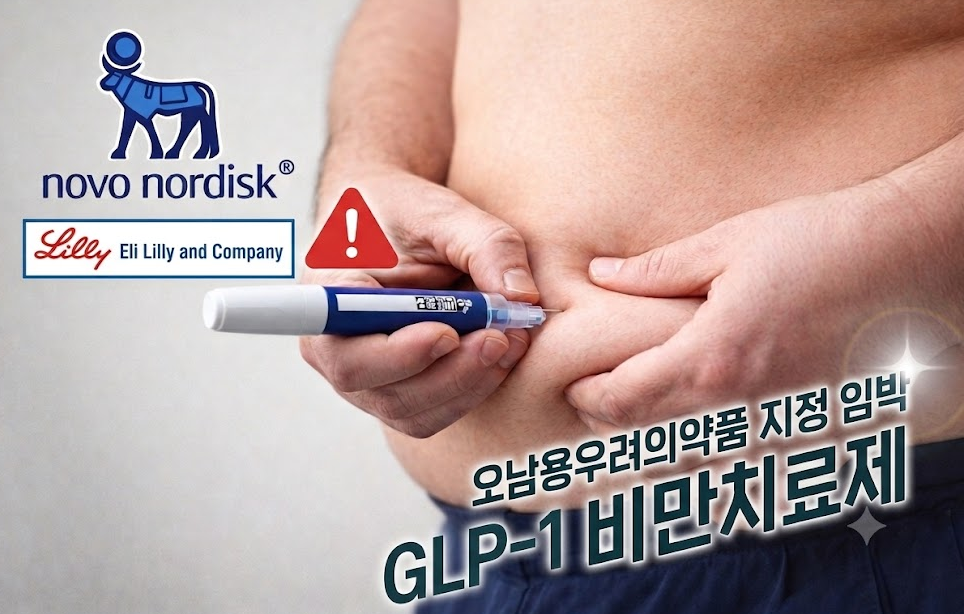
The designation of glucagon-like peptide-1 (GLP-1) obesity treatments as drugs of concern for misuse or abuse, which was expected to be completed by the end of August, has been pushed into September and is now facing regulatory review.
The Ministry of Food and Drug Safety (MFDS) is currently undergoing a regulatory review by the Regulatory Reform Committee under the Office for Government Policy Coordination. It plans to complete the revision of the relevant notification within this month.
However, pharmaceutical companies and medical professionals are strongly opposing the move, warning that higher prescribing hurdles and greater psychological barriers could create a “balloon effect,” driving patients back to more addictive psychotropic obesity drugs or toward illegally distributed and counterfeit medicines online.
From CPAC review to June advance notice…internal review completed, now to be submitted to the Regulatory Reform Committee
The process of designating GLP-1 obesity drugs as drugs of concern for misuse or abuse gained momentum in April this year. At the time, the MFDS Central Pharmaceutical Affairs Council endorsed the designation, citing soaring demand for major obesity drugs including Wegovy (semaglutide), Mounjaro (tirzepatide) and Saxenda (liraglutide), as well as a concentration of supplies in areas exempt from Korea's prescription-dispensing separation system.
The MFDS subsequently issued an advance administrative notice from June 5 to 26 on a proposed partial revision to the “Regulations on the Designation of Drugs of Concern for Misuse or Abuse.” The proposal calls for newly designating products containing three active ingredients, liraglutide, semaglutide and tirzepatide, for obesity treatment as drugs of concern for misuse or abuse.
Once designated, the products would be required to carry the wording “drug of concern for misuse or abuse” on their containers and packaging. Pharmacies in areas exempt from the prescription-dispensing separation system would also be prohibited from dispensing or selling the products without a physician's prescription.
The MFDS regulatory impact assessment originally set Aug. 31, 2026, as the start of the regulatory review period, leading to widespread expectations that the notification would be revised and take effect immediately by the end of August. However, the target has since been pushed back to September as the government's regulatory review process has taken longer than expected.
The proposal is currently under review by the Regulatory Reform Committee under the Office for Government Policy Coordination. Responding recently to questions from pharmaceutical trade media, the MFDS said, “We have completed the regulatory review by our internal regulatory review committee, and the proposal is currently under review by the Regulatory Reform Committee under the Office for Government Policy Coordination. We are proceeding intending to revise the notification in September, depending on the regulatory review schedule.”
However, the agency declined to disclose the number of comments submitted by pharmaceutical companies, importers and medical groups during the advance-notice period or the specific issues raised. “We are reviewing the matter while taking the submitted opinions into comprehensive consideration, and it is difficult to provide detailed responses at this stage.”
The MFDS intends to maintain the scope of products covered under the original advance notice. Regarding Mounjaro in particular, which is approved for both diabetes and obesity, the agency clarified that “products containing the three ingredients for obesity treatment will be required to display the wording ‘drug of concern for misuse or abuse’ on their containers and packaging.”
The MFDS also emphasized the need for tighter distribution controls in prescription-dispensing exemption areas: “In joint inspections with local governments during the first quarter of this year covering 632 sites, we identified six violations, including four pharmacies in exemption areas that sold drugs without prescriptions and two medical institutions where medicines were used by physicians themselves.”
Industry warns “designation could stigmatize drugs and restrict treatment opportunities”
On the other hand, the pharmaceutical industry and related academic groups are strongly opposing the regulation, arguing that it could distort the obesity treatment environment and lead to unintended consequences.
One of the industry's biggest concerns is a potential “balloon effect” toward conventional psychotropic obesity drugs. If GLP-1 therapies are stigmatized by a regulatory label associated with “misuse and abuse” and access to prescriptions becomes more restricted, patients could turn back to controlled appetite suppressants such as phentermine and phendimetrazine, which are relatively inexpensive and easier to obtain. They say this would create a contradiction in which excessive restrictions are imposed on newer drugs with comparatively well-established safety profiles even though psychotropic drugs carry substantially greater risks, including dependence, hallucinations and cardiovascular adverse effects due to their stimulant effects on the central nervous system.
Concerns that tighter access through legitimate channels could fuel the distribution of “counterfeit drugs” and drive the market underground are another major argument against the measure. Counterfeit injections have already circulated through social media and illicit markets worldwide amid surging demand for Wegovy and Mounjaro, prompting warnings from the World Health Organization. The industry warns that placing misuse and abuse warnings on packaging and raising barriers to legitimate prescriptions could drive patients toward overseas online purchases or underground distribution channels, potentially resulting in serious safety incidents involving unverified counterfeit medicines.
Critics also argue that the measure would stigmatize obesity treatment and restrict patient access in Korea, running counter to global guidelines that regard obesity as a “chronic metabolic disease requiring lifelong management.”
With the MFDS seeking to push through the notification revision in September, attention is now focused on how the Regulatory Reform Committee will balance health authorities' argument that the designation is needed to block prescription-free sales in exemption areas against industry warnings that it could drive patients back to psychotropic drugs and expand the black market for counterfeit medicines.
-

- 0
댓글 운영방식은
댓글은 실명게재와 익명게재 방식이 있으며, 실명은 이름과 아이디가 노출됩니다. 익명은 필명으로 등록 가능하며, 대댓글은 익명으로 등록 가능합니다.
댓글 노출방식은
댓글 명예자문위원(팜-코니언-필기모양 아이콘)으로 위촉된 데일리팜 회원의 댓글은 ‘게시판형 보기’와 ’펼쳐보기형’ 리스트에서 항상 최상단에 노출됩니다. 새로운 댓글을 올리는 일반회원은 ‘게시판형’과 ‘펼쳐보기형’ 모두 팜코니언 회원이 쓴 댓글의 하단에 실시간 노출됩니다.
댓글의 삭제 기준은
다음의 경우 사전 통보없이 삭제하고 아이디 이용정지 또는 영구 가입제한이 될 수도 있습니다.
-
저작권·인격권 등 타인의 권리를 침해하는 경우
상용 프로그램의 등록과 게재, 배포를 안내하는 게시물
타인 또는 제3자의 저작권 및 기타 권리를 침해한 내용을 담은 게시물
-
근거 없는 비방·명예를 훼손하는 게시물
특정 이용자 및 개인에 대한 인신 공격적인 내용의 글 및 직접적인 욕설이 사용된 경우
특정 지역 및 종교간의 감정대립을 조장하는 내용
사실 확인이 안된 소문을 유포 시키는 경우
욕설과 비어, 속어를 담은 내용
정당법 및 공직선거법, 관계 법령에 저촉되는 경우(선관위 요청 시 즉시 삭제)
특정 지역이나 단체를 비하하는 경우
특정인의 명예를 훼손하여 해당인이 삭제를 요청하는 경우
특정인의 개인정보(주민등록번호, 전화, 상세주소 등)를 무단으로 게시하는 경우
타인의 ID 혹은 닉네임을 도용하는 경우
-
게시판 특성상 제한되는 내용
서비스 주제와 맞지 않는 내용의 글을 게재한 경우
동일 내용의 연속 게재 및 여러 기사에 중복 게재한 경우
부분적으로 변경하여 반복 게재하는 경우도 포함
제목과 관련 없는 내용의 게시물, 제목과 본문이 무관한 경우
돈벌기 및 직·간접 상업적 목적의 내용이 포함된 게시물
게시물 읽기 유도 등을 위해 내용과 무관한 제목을 사용한 경우
-
수사기관 등의 공식적인 요청이 있는 경우
-
기타사항
각 서비스의 필요성에 따라 미리 공지한 경우
기타 법률에 저촉되는 정보 게재를 목적으로 할 경우
기타 원만한 운영을 위해 운영자가 필요하다고 판단되는 내용
-
사실 관계 확인 후 삭제
저작권자로부터 허락받지 않은 내용을 무단 게재, 복제, 배포하는 경우
타인의 초상권을 침해하거나 개인정보를 유출하는 경우
당사에 제공한 이용자의 정보가 허위인 경우 (타인의 ID, 비밀번호 도용 등)
※이상의 내용중 일부 사항에 적용될 경우 이용약관 및 관련 법률에 의해 제재를 받으실 수도 있으며, 민·형사상 처벌을 받을 수도 있습니다.
※위에 명시되지 않은 내용이더라도 불법적인 내용으로 판단되거나 데일리팜 서비스에 바람직하지 않다고 판단되는 경우는 선 조치 이후 본 관리 기준을 수정 공시하겠습니다.
※기타 문의 사항은 데일리팜 운영자에게 연락주십시오. 메일 주소는 dailypharm@dailypharm.com입니다.