- LOGIN
- MemberShip
- 2026-09-14 18:42:54
- “What we need is competition, not rebates”
- by Lee, Jeong-Hwan | translator Alice Kang | 2026-01-28 08:12:11
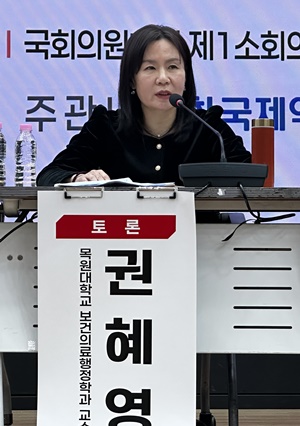
“Stop the meaningless debate on what percentage the government is willing to adjust the generic drug calculation rate. Lowering drug prices will simply increase prescription volume, so it won't lead to savings in drug expenditures. The government must regulate rebates to create an environment where lower-priced drugs are prescribed more frequently. That's how we achieve savings in the national health insurance budget.”
Academic experts view that lowering generic drug reimbursement rates alone, even if the government reduces the generic pricing formula from 53.55% to the 40% range, will not lead to savings in the National Health Insurance (NHI) budget.
In other words, simply lowering the generic drug calculation rate, which has led to repeated battles between the MOHW and the industry, will not lead to actual drug cost savings. Rather, the government should focus on eliminating illegal rebates and establishing a market-driven drug pricing environment to save the National Health Insurance and foster the growth of the domestic pharmaceutical industry.
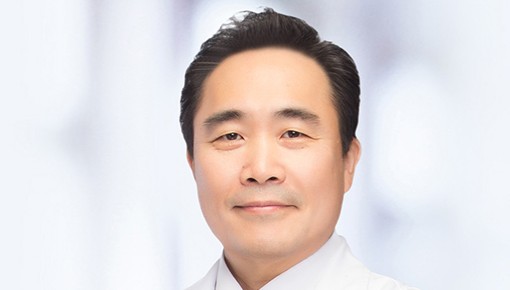
At a National Assembly policy forum on drug pricing reform held on the 26th, Professor Hye-young Kwon of the Department of Health Administration at Mokwon University said, “Creating an environment where lower-priced, cheaper drugs are more widely prescribed in the market is what will save NHI finances.”
According to Kwon, the ongoing standoff between the government and the pharmaceutical industry over generic pricing percentages will not translate into actual reductions in pharmaceutical expenditure.
Kwon also expressed “serious concern” on how the MOHW’s drug pricing reform proposal was announced without sufficient social consensus or prior consultation with stakeholders in the pharmaceutical industry.
She further stated that discussing NHI fiscal sustainability solely through adjustments to generic pricing formulas is inherently unreasonable and significantly ineffective.
Her logic is that even if the generic drug price calculation rate is drastically lowered from 53.55% to 40%, the amount of drugs prescribed in the market will increase substantially due to lower prices. Consequently, the NHI funds spent on drug costs will remain at the same level before and after the reduction.
Kwon advised the Ministry of Health and Welfare that instead of targeting NHIS savings through the generic drug calculation rate, it should devise and implement policies enabling low-cost generics to gain market share. Only then can NHIS savings be successfully achieved.
She argued that the current situation, where pharmaceutical companies manipulate prescription volumes through illegal rebates, must be aggressively addressed, stressing the need to create an environment where generics that offer lower prices and higher quality can increase market share.
Kwon stated, “There was no social consensus or public deliberation process before the Ministry of Health and Welfare announced the drug pricing system. Personally, it was a very disconcerting announcement. "Reducing health insurance expenditures depends on policies leveraging generics. I find it incomprehensible that they are discussing pricing cuts like lowering the reimbursement rate to the 40% range.“
“No matter how much you lower generic prices, NHI spending will not decrease. As prices fall, prescription volumes rise proportionally. To date, the MOHW has never successfully reduced healthcare spending through generic pricing policies. Drug prices only fall meaningfully when they are subjected to genuine market competition, guided by the invisible hand.”
“The reason Korea has failed to let market forces work is that prescriptions are driven not by lower prices, but by the amount of rebates. The MOHW has failed to establish policies that ensure lower-priced generics gain greater market share, resulting instead in the proliferation of increasingly small-scale, mom-and-pop-style pharmaceutical companies.”
“Domestic drug costs are driven by the extremely high prices of off-patent originator drugs. Yet, no advanced country allows originator drugs after patent expiry to generate such high profits. That value should be captured through price competition by domestic generic manufacturers. Only by replacing rebate competition with price competition can Korea simultaneously strengthen its pharmaceutical industry and ensure the long-term sustainability of the national health insurance system.”
-

- 0
댓글 운영방식은
댓글은 실명게재와 익명게재 방식이 있으며, 실명은 이름과 아이디가 노출됩니다. 익명은 필명으로 등록 가능하며, 대댓글은 익명으로 등록 가능합니다.
댓글 노출방식은
댓글 명예자문위원(팜-코니언-필기모양 아이콘)으로 위촉된 데일리팜 회원의 댓글은 ‘게시판형 보기’와 ’펼쳐보기형’ 리스트에서 항상 최상단에 노출됩니다. 새로운 댓글을 올리는 일반회원은 ‘게시판형’과 ‘펼쳐보기형’ 모두 팜코니언 회원이 쓴 댓글의 하단에 실시간 노출됩니다.
댓글의 삭제 기준은
다음의 경우 사전 통보없이 삭제하고 아이디 이용정지 또는 영구 가입제한이 될 수도 있습니다.
-
저작권·인격권 등 타인의 권리를 침해하는 경우
상용 프로그램의 등록과 게재, 배포를 안내하는 게시물
타인 또는 제3자의 저작권 및 기타 권리를 침해한 내용을 담은 게시물
-
근거 없는 비방·명예를 훼손하는 게시물
특정 이용자 및 개인에 대한 인신 공격적인 내용의 글 및 직접적인 욕설이 사용된 경우
특정 지역 및 종교간의 감정대립을 조장하는 내용
사실 확인이 안된 소문을 유포 시키는 경우
욕설과 비어, 속어를 담은 내용
정당법 및 공직선거법, 관계 법령에 저촉되는 경우(선관위 요청 시 즉시 삭제)
특정 지역이나 단체를 비하하는 경우
특정인의 명예를 훼손하여 해당인이 삭제를 요청하는 경우
특정인의 개인정보(주민등록번호, 전화, 상세주소 등)를 무단으로 게시하는 경우
타인의 ID 혹은 닉네임을 도용하는 경우
-
게시판 특성상 제한되는 내용
서비스 주제와 맞지 않는 내용의 글을 게재한 경우
동일 내용의 연속 게재 및 여러 기사에 중복 게재한 경우
부분적으로 변경하여 반복 게재하는 경우도 포함
제목과 관련 없는 내용의 게시물, 제목과 본문이 무관한 경우
돈벌기 및 직·간접 상업적 목적의 내용이 포함된 게시물
게시물 읽기 유도 등을 위해 내용과 무관한 제목을 사용한 경우
-
수사기관 등의 공식적인 요청이 있는 경우
-
기타사항
각 서비스의 필요성에 따라 미리 공지한 경우
기타 법률에 저촉되는 정보 게재를 목적으로 할 경우
기타 원만한 운영을 위해 운영자가 필요하다고 판단되는 내용
-
사실 관계 확인 후 삭제
저작권자로부터 허락받지 않은 내용을 무단 게재, 복제, 배포하는 경우
타인의 초상권을 침해하거나 개인정보를 유출하는 경우
당사에 제공한 이용자의 정보가 허위인 경우 (타인의 ID, 비밀번호 도용 등)
※이상의 내용중 일부 사항에 적용될 경우 이용약관 및 관련 법률에 의해 제재를 받으실 수도 있으며, 민·형사상 처벌을 받을 수도 있습니다.
※위에 명시되지 않은 내용이더라도 불법적인 내용으로 판단되거나 데일리팜 서비스에 바람직하지 않다고 판단되는 경우는 선 조치 이후 본 관리 기준을 수정 공시하겠습니다.
※기타 문의 사항은 데일리팜 운영자에게 연락주십시오. 메일 주소는 dailypharm@dailypharm.com입니다.