- LOGIN
- MemberShip
- 2026-09-16 01:34:29
- “Drug price reform may bring collapse of generic self-sufficiency”
- by Lee, Jeong-Hwan | translator Alice Kang | 2026-01-27 06:55:22
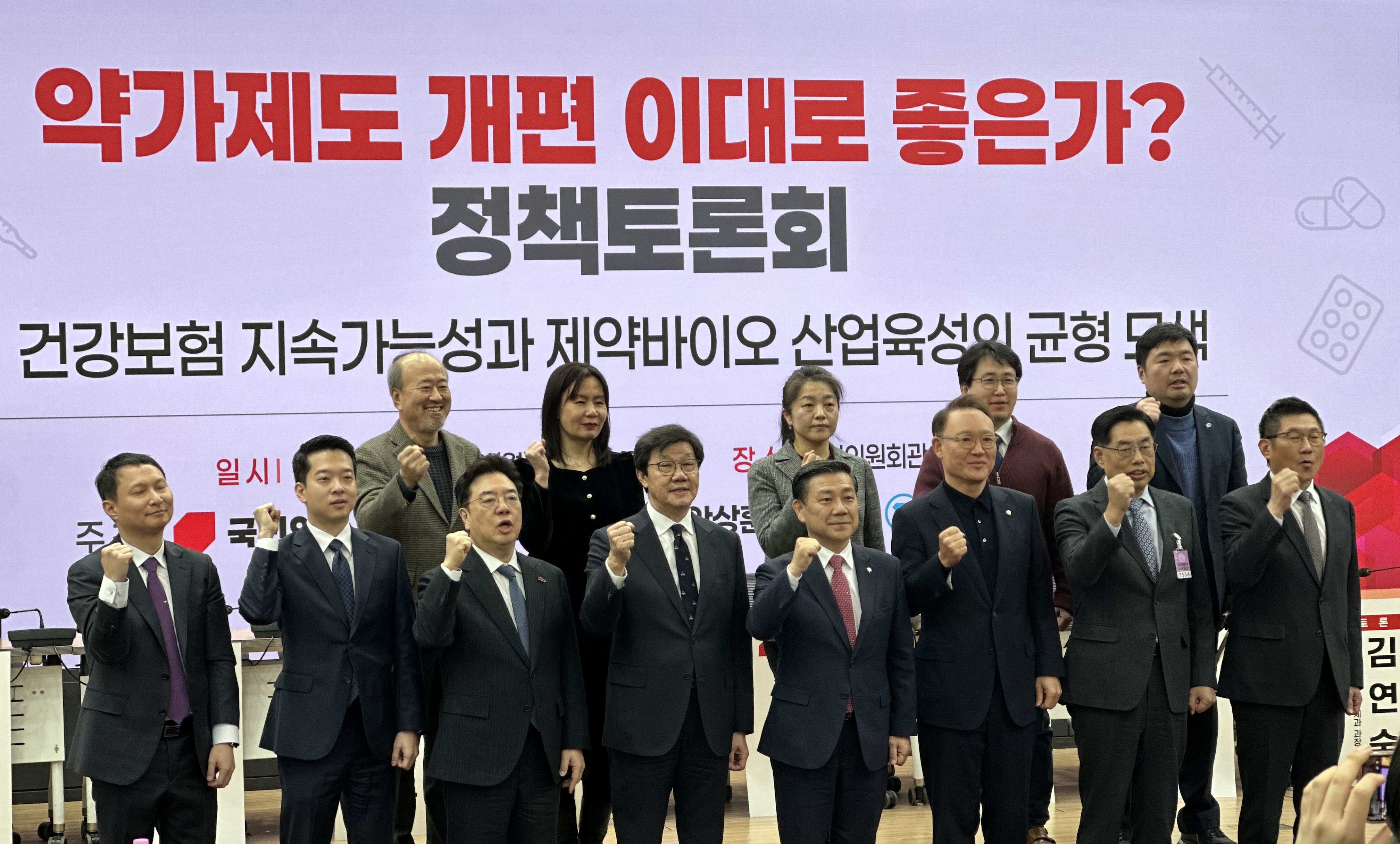
Concerns have been raised that if the government’s drug pricing reform, which focuses on generic drug price cuts, is pushed forward without revision, a growing number of domestic pharmaceutical companies will abandon local generic production, ultimately shaking the foundation of Korea's pharmaceutical sovereignty.
Critics warn that such an outcome could weaken new drug R&D, increase dependence on overseas sources for both active pharmaceutical ingredients (APIs) and finished drugs, and, in the long run, lead to shortages in domestic generic supply and greater reliance on originator products, making it difficult for the government to achieve its goal of reducing National Health Insurance spending.
In particular, as the reform plan announced in late November last year was drafted without sufficient consultation with the pharmaceutical industry, industry experts believe the plan should be revised after ample discussion and then be implemented gradually.
On the 26th, attorney Kwan-woo Park of Kim & Chang and attorney Hyun-wook Kim of Shin & Kim (Sejong) outlined the limitations of the Ministry of Health and Welfare’s reform plan and proposed improvements at a National Assembly policy forum on drug pricing reform.
“Generics should be viewed as a measure to ensure public access, not merely low-priced drugs”
Attorney Park pointed out that the Ministry of Health and Welfare's current drug pricing system reform plan is similar to the 2012 policy of across-the-board price cuts for generic drugs.
He noted that although drug expenditure initially declined after the 2012 cuts, spending rebounded to previous levels in just two years. At the same time, production of non-reimbursed drugs, which were not subject to price cuts, increased, employment in the pharmaceutical sector declined, and yet the Ministry appears to be repeating the same administrative mistake it had made more than a decade ago.
They expressed concern that if the Ministry pushes through its reform plan without revision, it will lead to a decline in generic drug sales, reduced capacity to maintain production facilities, decreased investment in new drug R&D, and job losses.
He also cautioned that increased use of low-cost APIs, such as those sourced from China, could lead to quality deterioration, greater dependence on originator drugs, and the abandonment of generic launches beyond the 11th product for a given formulation, ultimately disrupting the stable supply of finished drugs.
Moreover, if the shortage of generic drugs persists and reliance on originator drugs increases, he projected that the achievement of the National Health Insurance Service's cost-saving goals would become uncertain.
Park further stated that the other elements of the reform, such as introducing market-linked actual transaction prices, implementing reforms to the reimbursement adequacy reevaluation system, and establishing periodic drug price adjustment mechanisms, cannot escape criticism for reducing predictability for pharmaceutical companies or being redundant or unreasonable regulations.
To address the issues with the Ministry of Health and Welfare's reform plan, Park stressed that policies must be established to use generics as a means to strengthen public access to medical care and pharmaceuticals at reasonable prices, and to create measures where generics play a pivotal role in maintaining health security.
With regard to the proposed deduction of the generic pricing rate to the 40% range, he urged the Ministry to engage in sufficient consultation with domestic pharmaceutical companies and consider phased implementation or differentiated pricing rates to ease the impact and improve acceptance.
Park stated, “Given that the goal of this reform plan is to transform the domestic pharmaceutical industry ecosystem, revisions are necessary to ensure balanced implementation of both expanded incentives for innovative pharmaceutical companies and regulations increasing the discount rate relative to the benchmark drug price. Before implementing the system, the causes of failure in similar systems must be analyzed, and a flexible policy direction must be set to ensure the system becomes effective.”
He added, “To mitigate the shock to the domestic pharmaceutical industry caused by immediate sales declines and ensure the system is accepted, the reform must be implemented gradually. Also, meaningful dialogue with the pharmaceutical industry must take place from the design stage.”
“France, UK, Japan: Secured governance by gathering pharmaceutical industry opinions when establishing drug pricing policies”
Attorney Kim pointed out that the key issue of the Ministry of Health and Welfare's reform plan was that it was unilaterally established and announced without sufficiently gathering opinions from domestic pharmaceutical companies.
To minimize opposition from the pharmaceutical industry and increase acceptance of the Ministry's drug pricing policy, the system should be designed based on two-way communication with the industry, rather than a government-only approach. He criticized that Korea failed to sufficiently guarantee the industry's procedural rights by announcing the plan without consultation.
In contrast, major countries such as France, the UK, and Japan have established formal consultation procedures and governance structures to incorporate industry input into drug pricing decisions.
France has a framework agreement between CEPS, which handles drug price negotiations, and the pharmaceutical industry association. The UK mandates stakeholder participation and operates official public hearings when reforming drug pricing, payment policies, and systems, centered around NHS England and the Department of Health and Social Care.
Japan also operates the process for determining and revising drug prices under the National Health Insurance (NHI) system through the Central Social Insurance Medical Council, an advisory committee to the Ministry of Health, Labour and Welfare.
Furthermore, Kim also expressed concern that sharply lowering the generic drug reimbursement rate from the current 53.55% to the 40% range would jeopardize the sustainability of the pharmaceutical and biotech industry, threaten public health security, and trigger job losses.
Rather than insisting on a 40% pricing ratio, his point is that the Ministry should redesign a reasonable rate through consultation with industry and defer implementation.
Kim further suggested strengthening price incentives for companies contributing to supply stability to enhance the reform’s effectiveness in terms of practicality.
He proposed guaranteeing a 68% price level for national essential medicines made with domestically sourced APIs, through base pricing rather than a temporary add-on premium, and applying the price premium immediately when companies switch to in-house APIs, rather than waiting until re-listing.
He also recommended excluding innovative medicines or products supplied by three or fewer manufacturers from post-listing price cuts and raising the threshold defining low-priced drugs.
Kim said, “The reform plan should be revised and implemented only after sufficient discussion is made over an adequate period, ensuring meaningful protection of industry stakeholders’ procedural rights and genuine consultation with the government.”
-

- 0
댓글 운영방식은
댓글은 실명게재와 익명게재 방식이 있으며, 실명은 이름과 아이디가 노출됩니다. 익명은 필명으로 등록 가능하며, 대댓글은 익명으로 등록 가능합니다.
댓글 노출방식은
댓글 명예자문위원(팜-코니언-필기모양 아이콘)으로 위촉된 데일리팜 회원의 댓글은 ‘게시판형 보기’와 ’펼쳐보기형’ 리스트에서 항상 최상단에 노출됩니다. 새로운 댓글을 올리는 일반회원은 ‘게시판형’과 ‘펼쳐보기형’ 모두 팜코니언 회원이 쓴 댓글의 하단에 실시간 노출됩니다.
댓글의 삭제 기준은
다음의 경우 사전 통보없이 삭제하고 아이디 이용정지 또는 영구 가입제한이 될 수도 있습니다.
-
저작권·인격권 등 타인의 권리를 침해하는 경우
상용 프로그램의 등록과 게재, 배포를 안내하는 게시물
타인 또는 제3자의 저작권 및 기타 권리를 침해한 내용을 담은 게시물
-
근거 없는 비방·명예를 훼손하는 게시물
특정 이용자 및 개인에 대한 인신 공격적인 내용의 글 및 직접적인 욕설이 사용된 경우
특정 지역 및 종교간의 감정대립을 조장하는 내용
사실 확인이 안된 소문을 유포 시키는 경우
욕설과 비어, 속어를 담은 내용
정당법 및 공직선거법, 관계 법령에 저촉되는 경우(선관위 요청 시 즉시 삭제)
특정 지역이나 단체를 비하하는 경우
특정인의 명예를 훼손하여 해당인이 삭제를 요청하는 경우
특정인의 개인정보(주민등록번호, 전화, 상세주소 등)를 무단으로 게시하는 경우
타인의 ID 혹은 닉네임을 도용하는 경우
-
게시판 특성상 제한되는 내용
서비스 주제와 맞지 않는 내용의 글을 게재한 경우
동일 내용의 연속 게재 및 여러 기사에 중복 게재한 경우
부분적으로 변경하여 반복 게재하는 경우도 포함
제목과 관련 없는 내용의 게시물, 제목과 본문이 무관한 경우
돈벌기 및 직·간접 상업적 목적의 내용이 포함된 게시물
게시물 읽기 유도 등을 위해 내용과 무관한 제목을 사용한 경우
-
수사기관 등의 공식적인 요청이 있는 경우
-
기타사항
각 서비스의 필요성에 따라 미리 공지한 경우
기타 법률에 저촉되는 정보 게재를 목적으로 할 경우
기타 원만한 운영을 위해 운영자가 필요하다고 판단되는 내용
-
사실 관계 확인 후 삭제
저작권자로부터 허락받지 않은 내용을 무단 게재, 복제, 배포하는 경우
타인의 초상권을 침해하거나 개인정보를 유출하는 경우
당사에 제공한 이용자의 정보가 허위인 경우 (타인의 ID, 비밀번호 도용 등)
※이상의 내용중 일부 사항에 적용될 경우 이용약관 및 관련 법률에 의해 제재를 받으실 수도 있으며, 민·형사상 처벌을 받을 수도 있습니다.
※위에 명시되지 않은 내용이더라도 불법적인 내용으로 판단되거나 데일리팜 서비스에 바람직하지 않다고 판단되는 경우는 선 조치 이후 본 관리 기준을 수정 공시하겠습니다.
※기타 문의 사항은 데일리팜 운영자에게 연락주십시오. 메일 주소는 dailypharm@dailypharm.com입니다.