
- LOGIN
- MemberShip
- 2026-06-10 18:16:31
- Opinion
- [Reporter's View] Is reimb criteria restricting patient access?
- by Son, Hyung Min Feb 05, 2026 07:47am
- The same question is asked whenever the reimbursement criteria for a new drug are unveiled. "Is regulation aligning with the disease treatment flow?"Concerns are mounting about the reimbursement criteria for Ozempic, a GLP-1-based diabetes drug. Despite the goal of its criteria to suppress prescriptions for obesity, the criteria may narrow treatment access.Professionals in clinical practice are continually raising issues. They assert that the government's goal in reducing unregulated prescriptions for obesity treatments can be acknowledged. Yet if this goal is applied too broadly, it could undermine effective diabetes treatments.The government limited Ozempic reimbursement recipients by considering factors such as body mass index (BMI), blood sugar levels, and prior medication history. The problem is that the criteria were designed to focus on reducing the risk of abuse rather than reflecting patient condition variables.According to the reimbursement criteria for Ozempic, the drug can be prescribed as part of a triple therapy including metformin and sulfonylurea (SU), or in combination with insulin to Type 2 diabetes patients whose glycated hemoglobin (HbA1C) levels remain at 7% or higher despite at least 2 to 4 months of combination drug therapy. Following the initial treatment, when patients experience substantial improvement in blood sugar levels, their treatment scheme can be switched to a dual combination therapy (metformin + Ozempic).Additionally, reimbursement is applied to the combination therapy of Ozempic plus basal insulin (±metformin) if the glycated hemoglobin (HbA1c) level remains at 7% or higher even after administering basal insulin monotherapy or metformin combination for more than 2-4 months, or if the HbA1c remains at 7% or higher following the combination therapy of Ozempic and metformin (±SU).In current clinical practice, combination therapies centered on DPP-4 inhibitors and SGLT-2 inhibitors are widely used, and there is a trend toward increasingly excluding SU due to the risk of hypoglycemia and specific patient characteristics.Despite this, requiring patients to return to sulfonylureas and essentially forcing a "treatment failure" to meet reimbursement requirements feels less like a typical clinical pathway and more like a regulatory mandate that mandates failure.Another concern is that even non-reimbursement prescriptions are not permitted for patients who fail to meet the reimbursement criteria. While the intent is to block use for obesity purposes, the result is the elimination of even the minimum leeway to adjust treatment strategies based on individual patient characteristics. This has resulted in backlash, with accusations that the government has arbitrarily and preemptively defined the therapeutic needs of patients.A bigger problem is the high probability that these criteria will be applied identically to other GLP-1 class diabetes treatments to be released in the future. If the structure of the criteria is finalized, with even innovative new drugs having their reimbursement status judged through a single frame of BMI, blood sugar, and prior treatment conditions, the domestic reimbursement policy will inevitably tilt further toward regulation. This serves as a warning that South Korea's clinical practices may continue to diverge from international treatment guidelines.In the case of migraine treatments, international and domestic guidelines recommend calcitonin gene-related peptide (CGRP) class agents as first-line medications.However, because Korean insurance criteria are excessively stringent, there are cases where patients must wait until their pain worsens or repeat multiple medication failures to meet reimbursement requirements. Consequently, new drugs that were granted reimbursement to increase treatment accessibility have become even more out of reach for patients.Everyone acknowledges that institutional mechanisms to prevent misuse and abuse are necessary. However, a structure in which regulations are created first without clear standards ultimately result in uncertainty and disadvantages patients.If the purpose of regulation is to aid patient treatment, what is needed now is not simple control, but a sophisticated design that places the patient at the center.
- Opinion
- [Reporter's View] On downsizing global pharma sales force
- by Son, Hyung Min Jan 27, 2026 06:56am
- The notable change currently observed in the global pharmaceutical industry is a series of organizational restructurings, commonly referred to as Early Retirement Programs (ERP).Major global pharmaceutical companies have already implemented large-scale ERPs centered on sales positions, and the trend of downsizing continues even in traditional areas where sales force strength was historically critical, such as chronic diseases. This trend is similarly impacting the South Korean subsidiaries of multinational corporations.The most apparent reason for this trend is cost efficiency; however, the term "Role Redesign" is increasingly used within these organizations. These adjustments are not intended merely to reduce the workforce; instead, job functions are being restructured as AI-based sales models become fully operational.For several years, global headquarters have been building AI-based systems for visibility optimization, digital channel automation, and prescription-prediction models, while downsizing sales organizations. The information that was previously gathered through field-based sales activities is now presented first by the system, which even recommends specific behavioral strategies.Multinational subsidiaries in Korea and domestic pharmaceutical companies find themselves at a similar crossroads, having reviewed or implemented ERPs in recent years. However, a persistent issue is that ERP in the pharmaceutical sector is still often interpreted as a short-term efficiency measure to improve sales productivity.Global trends indicate that ERP is linked to organizational redesign, job redefinition, and the acceleration of AI and digital transformation. The era where simply reducing staff created efficiency has ended. The more critical question now is which roles should remain.Specifically, the functions of a sales organization are beginning to be divided into tasks AI can perform and those it cannot. The first category includes repetitive and standardized tasks that AI and data can replace. Systems now provide visibility ranking, channel mixes, and basic messaging faster and more accurately than humans.The second category involves high-difficulty roles that AI cannot replace. This includes areas requiring qualitative judgment, such as understanding hospital decision-making structures, regional characteristics, differences in patient distribution, subtle market fluctuations at the time of competing drug launches, and identifying the actual needs of medical professionals.These are the underlying reasons why global firms have expanded Key Account Management (KAM), Hospital Access, and Medical collaboration organizations following their restructurings. Traditional sales are cut down, not strategic sales.As ERP becomes more prevalent in the Korean market, the most significant challenge lies in updating Key Performance Indicators (KPIs) and job standards simultaneously. If an organization implements AI-based strategies but continues to evaluate employees based on legacy metrics, such as the number of visits, simple sales volume, or regional distribution, ERP will only serve to make the organization more inefficient.ERP must be a process of redefining what the organization considers "performance," rather than just adjusting headcount. Immediately following downsizing, global companies transitioned their KPIs to focus on strategy execution, targeting appropriateness, and multi-channel utilization. Conversely, many domestic companies remain tethered to past metrics.Ultimately, ERP is the starting point of change. Whether that change becomes a foundation for new competitiveness or remains a short-term cost-cutting exercise depends on how quickly an organization can redefine roles and standards.In the era of AI, a salesperson's status is determined not by who has accumulated the most data, but by who interprets it correctly. As global restructuring accelerates, pharmaceutical companies must redesign the future of their sales organizations. What remains is more important than what is cut down.

- Opinion
- [Reporter’s View] Reform of reimb reevaluations
- by Jung, Heung-Jun Jan 19, 2026 09:02am
- While it is difficult to predict whether the revision of reimbursement reevaluation standards lead to an expansion or contraction of the list of targeted products, a transparent selection process appears necessary to prevent unnecessary controversy.Without proper discussion on the designation of active ingredients subject to re-evaluation, there is concern that wasteful debates will follow.Even before today's (15th) discussion on revising the reevaluation criteria at the Drug Reimbursement Evaluation Committee, the Pharmaceutical Society for a Healthy Society (PSHS) has voiced opposition, stating, “The direction is tilting solely toward the convenience of the pharmaceutical industry.”The group claims that the revised criteria lack clarity, particularly in cases where medicines are recommended by academic societies or experts, or where conflicting clinical data and efficacy evidence exist.Compared to the previous system, under which old drugs were filtered annually based on overseas reimbursement status and reimbursement claims, the new standards are seen as more ambiguous. As a result, critics fear that the reform may be aimed at shrinking the scope of products subject to re-evaluation.Conversely, however, this also means that any drug deemed necessary can be reevaluated, regardless of factors like listing countries or claim amounts.For instance, even drugs with claims under 0.1% (approximately KRW 20 billion) or listed in at least one foreign country (A8) would no longer be completely excluded from reevaluations.Last year, HIRA announced plans to revise the criteria, discussing expanding the scope to include items with claims under KRW 10 billion and fewer than three overseas countries listed.If that original direction is maintained, the revision of reimbursement reevaluation criteria could actually lead to an expansion of reevaluation targets, contrary to the concerns raised by the Pharmaceutical Society for a Healthy Society.Of course, industry backlash is expected even in this case. It will be difficult to accept the inclusion of ingredients that were not previously subject to reevaluation under the old criteria.Ultimately, regardless of where the impact of the standard revision lands, mechanisms are needed to minimize unnecessary controversy.At present, the revised criteria have not yet passed the Health Insurance Policy Deliberation Committee, nor has a concrete implementation plan been announced, making it too early to reach any firm conclusions. However, if a clear and broadly acceptable selection process is established, the reform could achieve meaningful progress in post-listing management of reimbursed drugs in Korea.
- Opinion
- [Reporter’s View] Need rationale to establish a new fund
- by Lee, Jeong-Hwan Jan 15, 2026 08:47am
- The Ministry of Health and Welfare has made clear its intention to secure approximately KRW 1 trillion in savings for the National Health Insurance (NHI) system by implementing a drug pricing reform centered on a dramatic reduction in generic drug reimbursement rates (from 53.55% to the low 40% range).At the same time, the ministry has announced plans to expand reimbursement coverage for innovative new medicines in order to strengthen patient access.Domestic pharmaceutical companies, whose operations rely heavily on generics as a primary revenue source, are criticizing this move, calling it “health insurance administration that cuts domestic generic drug prices to pay for multinational pharma’s innovative new drugs.”Their opposition stems from the fact that the announced pricing reform includes virtually no price-reduction mechanism for new drugs, while the government continues to send positive signals toward expanding reimbursement for increasingly expensive high-priced innovative drugs.Critics argue the policy has failed to strike a balance within the limited health insurance budget between domestically produced generics and innovative drugs largely supplied by multinational pharmaceutical companies.As a result, it is becoming increasingly clear that expanding reimbursement for new drugs, fostering the domestic generics industry, and maintaining the sustainability of the NHI system are difficult goals to achieve simultaneously under a single insurance budget.Amid this situation, the proposal by Jung-gu Kang, President of the Health Insurance Review and Assessment Service (HIRA), is drawing renewed attention.At a policy briefing held on January 12 under Minister of Health and Welfare Eun-Kyoung Jeong, Kang strongly advocated for a new approach to expanding reimbursement for ultra-high-priced drugs such as anticancer drugs and treatments for rare and intractable diseases.He reiterated the need to establish a separate fund dedicated exclusively to reimbursing ultra-high-priced “one-shot” curative therapies that demonstrate near-complete disease remission after a single administration.Kang had already raised this idea in his New Year’s address in 2025, proposing a separate fund for ultra-high-priced drugs with limited cost-effectiveness in order to improve patient access.The intent is to create a separate funding source outside the national health insurance budget to increase the coverage rate for high-cost treatments used for severe diseases.Discussions on establishing a separate fund for ultra-high-priced new drugs have been raised by multiple lawmakers in the 20th, 21st, and current 22nd National Assemblies, with several lawmakers introducing bills on the matter.A prime example is the bills to amend the National Health Insurance Act and the Lottery Act to allow the National Health Insurance Service to receive lottery revenue allocations as stipulated by the Lottery Fund Act.Minister Jeong believes it is necessary to consolidate the Ministry of Health and Welfare's position and rationale based on Kang's proposal and the pending legislative bills in the National Assembly. This would involve creating a separate fund dedicated to covering the reimbursement of ultra-high-priced treatments costing hundreds of millions to billions of won, thereby alleviating the burden on the NHIS budget.Prior to her appointment as Minister, during her confirmation hearing, Jeong had expressed some skepticism regarding the establishment of a separate fund for rare diseases.At the time, Jeong stated, “If the required finances exceed the fund's size due to factors like the application of high-cost treatments, flexible management could become difficult. Rather than establishing a separate fund, the priority should be given to continuously expanding reimbursement coverage.”Now, with domestic pharmaceutical companies strongly opposing the generic price cuts for KRW 1 trillion in NHIS savings, Jeong’s more forward-looking review of a separate fund may be necessary to avoid criticism that the government is simply ‘wringing a dry towel’ through drug price controls.Just as the ministry is aggressively considering the establishment of a Regional Healthcare Development Fund to strengthen local, essential, and public healthcare, a similar approach should be applied to the dual mission of expanding access to ultra-high-priced medicines and fostering Korea’s pharmaceutical and biotech industry.

- Opinion
- [Reporter’s View] What about the ‘everyday’ drugs?
- by Kim, Jin-Gu Dec 15, 2025 11:03am
- The government’s newly announced drug pricing reform plan clearly reflects its intention to restructure Korea’s pharmaceutical and biotech industry: reward innovative new drugs, streamline generics, and reduce the public’s drug expenditure burden.However, one critical element is conspicuously absent—supply stability. The ‘supply’ issue, which directly impacts the site and the patients, has not been sufficiently addressed. While an item titled ‘Establishing a Stable Supply System for Essential Medicines’ exists midway through the reform plan, the overall weight given to this area appears insufficient.In recent years, the medical field has suffered from repeated drug supply disruptions. Antibiotic shortages paralyzed pediatric care, while fever and pain reliever shortages made pharmacies reminiscent of rationing. Medical institutions have repeatedly sweated bullets securing substitutes as essential medicines like contrast agents, local anesthetics, and basic IV fluids that are indispensable for treatment, have repeatedly run out. Supply instability has spread beyond specific essential medicines to encompass ‘everyday drugs’ used in routine care, exposing structural weaknesses in Korea’s pharmaceutical supply chain.Of course, supply stabilization measures are included in this reform plan. The threshold for designating exit-prevention drugs was raised by 10%, and the cost recovery standard for low-priced drugs was expanded from an annual claim amount of KRW 100 million to KRW 500 million. A new policy surcharge of up to 7% will be introduced, and the calculation methods for manufacturing and labor costs will be adjusted to reflect reality. For essential medicines, the surcharge pricing period will be stably guaranteed, and the scope of surcharge eligibility will be expanded. A ‘reshoring surcharge’ will also be considered when switching imported items to domestic production. Furthermore, the government will strengthen the public-private joint response system and push to establish a system that automatically guides users to substitute items during the prescription and dispensing stages.However, the pharmaceutical industry's response remains lukewarm. This is because the revised plan still fails to provide pharmaceutical companies with a ‘clear reason’ compelling them to produce low-cost essential medicines. Raw material costs and fixed expenses rise every year, yet numerous items have seen drug prices stagnate for years. Critics argue that limited price incentives confined to specific items cannot resolve structural issues. While plans exist to encourage compliance with supply commitments, encouragement alone cannot sustain manufacturing lines.For these reasons, the reform plan reads like a structure sacrificing fundamentals for innovation. The medicines citizens take daily, the drugs used in emergency rooms, and the medications needed on hospital wards are not mere pharmaceuticals but the very ‘medical infrastructure’ itself. No matter how many innovative new drugs emerge, if the supply of ‘everyday medicines’ – the foundation of the healthcare system – remains unstable, the impact of policy reforms will inevitably fall short.The direction hereon is clear. We must elevate the stability of pharmaceutical supply from a ‘side clause’ in drug pricing system reforms to a ‘core pillar’. Practical and sustained incentives are needed to encourage pharmaceutical companies to compete for the production of essential medicines. Beyond minor adjustments that merely cover costs, we must design realistic and sustainable profit structures that ensure supply continuity. System-level frameworks to support this also require an overhaul.Developing global innovative new drugs is important. However, safeguarding the supply chain to prevent disruptions in medicines that patients urgently need must take precedence over any other policy. What the pharmaceutical industry, the medical community, and patients ultimately desire is a policy that solidly establishes these fundamentals. This is precisely the part the current reform plan has overlooked.

- Opinion
- [Reporter's View] Besides speeding reform of pricing system
- by Jung, Heung-Jun Dec 15, 2025 11:03am
- If the government's goal for reforming the drug pricing system is to improve structure of the pharmaceutical and biotech industry, then an appropriate processing speed is necessary.To encourage pharmaceutical companies to expand R&D investment and align their interests, the government must provide sufficient time for companies to devise new plans.The government will gather industry-wise opinions and finalize the pricing system reform by January. Then, it plans to implement the policy in July, half a year later. The schedule is too fast-paced, as concerns arise about potential exhaustion rather than improvements to the industry structure. The Ministry of Health and Welfare (MOHW) has repeatedly stated that the system reform is not intended to achieve pharmaceutical cost savings. The MOHW asks that the reform, which has been designed to encourage innovations, should be viewed as an attempt to establish South Korea as a strong nation for new drugs.The question is whether companies devising plans in a hurry following the Health Insurance Policy Review Committee's decision in February next year can bring innovation to the industry? Even if the rate of R&D investment can be increased, the policy is highly likely to be a half-baked deal to maximize drug pricing.Furthermore, the greed to reach the goal in a short period may be the underlying reason that pharmaceutical companies with high potential for change give up.The government has suggested direction of the drug pricing system. Now, it should give enough time for the industry to reorganize portfolio and devise 5- to 10-year plans. Six months is too short for the industry to finalize revision measures.If the government were to ignore the industry's reality and focus solely on the roadmap for system implementation, there may be unintended consequences beyond the expected goals.Besides the industry, the government must consider well-designed implementation measures to achieve both goals, including innovation and stable supply.There are concerns about anticipated side effects of changes to the post-marketing management system, including the side effects of simply offering drug pricing priority based on R&D rate or actual transaction price survey.Once the post-marketing monitoring system is reduced to twice a year, remaining tasks to specify include how to permit retroactive application or how to promote listing within 100 days for rare disease pharmaceuticals.It is difficult to build a healthy ecosystem. It carries the danger of collapsing the existing ecosystem while failing to establish the intended ecosystem. Once collapsed, an ecosystem requires substantial financial resources.Setting the right direction and improving the system requires the government's firm stance. However, as this is a critical decision impacting the industry and future business, the government should take the time to carefully review the policy, while the industry works to monitor and develop effective plans.
- Opinion
- ADCs in the frontline in triple-negative breast cancer
- by Son, Hyung Min Dec 12, 2025 07:54am
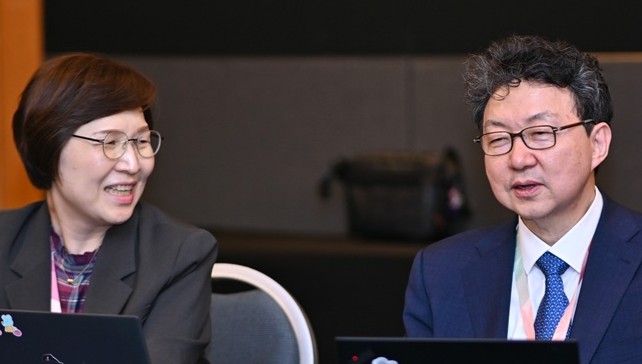
- “In the metastatic stage, nearly half of breast cancer patients still do not survive beyond five years. A significant number of HER2-overexpressing patients experience disease progression within two years after first-line treatment, and those with triple-negative breast cancer (TNBC) relapse even faster due to the lack of targeted treatment options. Ultimately, providing stronger therapeutic options earlier in the treatment sequence is key to improving survival.”Professors Sung-Bae Kim (Medical Oncology, Asan Medical Center) and Kyong-Hwa Park (Medical Oncology, Korea University Anam Hospital) stressed the above during an interview with journalists at ESMO Asia 2025 in Singapore, noting that the greatest unmet need in metastatic breast cancer is redefining effective first-line treatment strategies.(from the left) and Professor Kyong-Hwa Park (Medical Oncology, Korea University Anam Hospital), Professor Sung-Bae Kim (Medical Oncology, Asan Medical Center)For metastatic breast cancer, the realistic goal remains not a cure, but how long and how well patients can endure. This is because while the 5-year survival rate for early-stage breast cancer exceeds 99%, the 5-year survival rate for patients diagnosed at the metastatic stage is only about 49%. In particular, the subtype and treatment strategies for metastatic breast cancer are completely divided based on HER2 and hormone receptor (HR) expression, with distinct unmet needs remaining for each subtype.For HER2-positive breast cancer with HER2 overexpression, survival extension has been achieved over the past decade with the so-called ‘THP regimen’ (taxane + Herceptin (trastuzumab) + Perjeta (pertuzumab)). However, in reality, disease progression occurs within two years in a significant number of patients, and brain metastases develop in about 25%, highlighting its limitations.The most aggressive subtype, triple-negative breast cancer (TNBC), which lacks expression of HER2, HR, and estrogen receptors, has a high rate of distant metastasis within 5 years of diagnosis and a sharply elevated risk of recurrence between 1-2 years post-diagnosis. However, the limited availability of targetable therapies remains a significant challenge.As a result, the importance of frontline therapy is becoming increasingly important in the field. In metastatic breast cancer, drug treatments tend to show a clear decline in efficacy as treatment lines progress. This means that the effectiveness of therapies deployed in the earlier treatment sequence, when patients are in relatively good condition, can significantly influence the overall survival curve.In the DESTINY-Breast09 trial, the HER2-targeted antibody-drug conjugate (ADC) ‘Enhertu (trastuzumab deruxtecan)’ extended progression-free survival (PFS) by approximately 1.5 times (40.7 months) compared to the THP regimen, which has been the first-line standard for HER2-positive metastatic breast cancer for over a decade, signaling a paradigm shift in first-line treatment. Particularly noteworthy is its consistent benefit even in high-risk subgroups, such as those with brain metastases or PIK3CA mutations.Signs of change also emerged in TNBC. Until now, only a subset of PD-L1-positive TNBC patients could receive immunotherapy, while the remaining 60-70% of patients had to rely on cytotoxic anticancer drugs, which are highly toxic and frequently develop resistance. The Trop-2-targeted ADC ‘Datroway (datopotamab deruxtecan)’ emerged as a key first-line ADC-based option in this field. In the Phase III TROPION-Breast02 trial, it significantly improved both PFS and overall survival (OS) compared to standard cytotoxic chemotherapy in the first-line treatment of metastatic TNBC patients ineligible for immunotherapy.Professors Kim and Park concurred that ADCs are demonstrating strong efficacy in key areas of breast cancer, signaling that the time has come to shift treatment strategies.Q. The treatment line of Enhertu has been pulled forward to first-line treatment based on the DESTINY-Breast09 study. What is the clinical significance of this study?Professor Park: Approximately 25% of HER2-positive metastatic breast cancer patients develop brain metastases, and THP has limitations in preventing or treating this. PIK3CA mutations also predict shorter PFS. Furthermore, biomarker-related clinical studies show that patients with resistance genes like PIK3CA mutations exhibit slightly shorter PFS compared to those without such mutations.In this context, Enhertu, which achieved significant benefits as a second-line treatment for HER2-positive metastatic breast cancer, has now been moved forward to first-line therapy. In the DESTINY-Breast09 trial, Enhertu demonstrated an unprecedented PFS of 40.7 months when used as first-line treatment. Furthermore, the study included approximately 10% of patients with pre-existing brain metastases and patients with PIK3CA mutations. Enhertu consistently demonstrated superior efficacy compared to existing first-line treatments across all patient subgroups. It is anticipated to provide clear therapeutic benefits in patient populations with significant unmet medical needs.Q. If Enhertu is introduced as first-line therapy in practice, how should its treatment strategy be established?Professor Sung-Bae Kim (Medical Oncology, Asan Medical Center) Professor Kim: We should use the therapy proven to be most effective. THP remains effective, and Enhertu carries an ILD risk in approximately 10% of patients. THP (which includes the cytotoxic agent taxane) is typically given for 6–8 cycles to maximize tumor reduction, but maintaining only trastuzumab and pertuzumab therapy after 6 cycles of THP therapy can extend survival by more than 12 months.Nevertheless, the fact that Enhertu has clearly surpassed THP therapy carries great significance. Furthermore, since HER2-positive breast cancer is inherently an aggressive type, Enhertu is likely to be the preferred initial therapy. Establishing subsequent maintenance treatment strategies is a separate issue. Professor Park: THP can offer an excellent quality of life in select patients. Although not approved in Korea, for HER2-positive, hormone receptor-positive cases, hormone therapy can be added while maintaining Herceptin and Perjeta. Furthermore, the recently published PATINA study confirmed that adding a CDK4/6 inhibitor significantly prolongs PFS, generating considerable expectation.While Enhertu has good therapeutic efficacy, there are some concerns regarding quality of life as well. Even if Enhertu is introduced as a first-line treatment with reimbursement in actual clinical practice, not every patient will need it in the first line. Ultimately, a strategic, individualized approach is essential. Q. Which patients should receive the Enhertu+Perjeta combination therapy first?Professor Park: Patients with CNS metastases from the outset or those with PIK3CA mutations are known to have slower responses or develop resistance more quickly. Patients like this, who have extensive metastases at diagnosis and a high tumor burden, need rapid tumor reduction. In these cases, the Enhertu+pertuzumab combination therapy can achieve faster tumor reduction compared to the existing THP regimen, and I believe it can be a more preferred therapy for this patient group.Professor Kim: In the pivotal CLEOPATRA trial for the THP regimen, less than 10% of participants had previously received trastuzumab as adjuvant therapy. If Herceptin was used as prior adjuvant therapy, but recurrence still occurred, the disease could be considered more aggressive. The DESTINY-Breast09 study included such patients and still achieved a PFS of 40.7 months, making the combo’s significance even greater.Q. How will the first-line standards change if the Enhertu combination therapy gains approval and reimbursement in Korea? Also, what is the likelihood of its reimbursement?Professor Park: If Enhertu is approved as first-line therapy, the decision will ultimately depend on the patient's situation. In Korea, if Enhertu becomes reimbursed in the first line, patients might feel they'd be at a disadvantage if they don’t use it, leading many to want it. However, using THP therapy first doesn't eliminate the opportunity to use Enhertu later. Therefore, a thorough discussion with the patient and their family is necessary to determine which treatment to use first, considering factors like underlying diseases or quality of life. Personally, I would likely use THP therapy first in HER2-positive, hormone receptor-positive patients, except in special cases like brain metastases, PIK3CA mutations, or high tumor burden. This is because if THP therapy is effective, adding the PATINA regimen (Ibrance(palbociclib) maintenance therapy) can sustain efficacy for a considerably long period. However, if the patient is HER2-positive or has a high tumor burden requiring rapid symptom relief, I would likely use Enhertu first.Professor Kim: The recent DESTINY-Breast11 study compared neoadjuvant Enhertu (4 cycles) followed by THP (4 cycles) vs. cytotoxic chemotherapy (4 cycles) followed by THP (4 cycles). The Enhertu group showed a higher rate of pathological complete response (PCR), particularly in the hormone receptor-negative breast cancer subgroup, where PCR was reported at 83.1%.Also, the DESTINY-Breast05 study reported favorable outcomes when Enhertu was administered for an additional 14 cycles to patients who did not achieve PCR after neoadjuvant therapy. In such cases, if both approaches demonstrate efficacy, a dilemma may arise regarding the optimal treatment sequence. The principle is to make decisions considering the patient's overall situation. Generally, the more effective treatment will eventually be moved to an earlier stage.Q. I'd like to follow up on the Dartroway question. It's said that about 70% of TNBC patients cannot use immune-oncology drugs. Why do so many patients not respond to these drugs? I'm curious if the same goes for other cancer types, or if this is a characteristic unique to triple-negative breast cancer.Professor Kyong-Hwa Park (Medical Oncology, Korea University Anam Hospital)Professor Park: The situation has completely changed with the advent of ADC (Antibody-Drug Conjugate) drugs, which deliver the drug much more precisely. The drug being carried by the ADC was also a new agent not previously used in breast cancer treatment, and its mechanism kills cancer cells much more effectively than conventional chemotherapy drugs. Therefore, the synergy between immuno-oncology drugs and ADCs has improved the efficacy of breast cancer treatment.Particularly for PD-L1-negative patients, only cytotoxic anticancer drugs were available until now, but even these couldn't be used long-term due to toxicity, and PFS was only around 4-5 months at best. Furthermore, many patients passed away after just 2-3 treatments, resulting in an OS of just over a year. However, with the advent of the innovative ADC anticancer drug, a clear survival extension effect has now been confirmed. Datroway, in particular, demonstrated this effect for the first time in the TROPION-Breast02 study.Professor Kim: mmunotherapy efficacy depends on PD-L1 expression, which is present in only 30–40% of TNBC. The remaining 60-70% of patients without PD-L1 expression have no choice but to use conventional cytotoxic anticancer drugs.Fundamentally, ADCs appear effective because they selectively target cancer cells. Previously, 60-70% of TNBC patients who were PD-L1 negative and thus unable to use immune-oncology drugs posed a problem. Recently developed ADC anticancer drugs target TROP2, which is expressed in most cancers and is relatively more prevalent in triple-negative breast cancer, making it a promising target. The emergence of these ADC anticancer drugs has created treatment opportunities for patients who previously could not use immune checkpoint inhibitors. Q. I understand that recent discussions are leaning toward using Enhertu if there is even minimal HER2 expression. I'm curious how this discussion might change if Datroway becomes available.Professor Park: Enhertu has not been studied as a first-line treatment in TNBC patients. If a patient has already used one other anticancer drug and shows even minimal HER2 expression, Enhertu can be considered based on findings from the DESTINY-Breast04 study. Currently, for first-line treatment of TNBC, TROP2 ADC is the only option with clinical trial data-based evidence, so the introduction of Datroway will be a new treatment option that has been previously unavailable.Professor Kim: Based on the DESTINY-Breast04 study, if the disease progresses after using cytotoxic chemotherapy and there is even minimal HER2 expression, Enhertu can be used, though it is not yet reimbursed. Alternatively, it can be used after one course of cytotoxic chemotherapy following hormone therapy. For hormone receptor-positive breast cancer, using Enhertu before cytotoxic chemotherapy, after hormone therapy, is supported by the DESTINY-Breast06 study.Q. For PD-L1-negative patients, two ADC options appear available. In a situation where one drug has OS data, and the other only has PFS2 data, should the drug with OS benefit be considered more valuable?Professor Kim: A similar example is Kisqali (ribociclib) versus Verzenio (abemaciclib) in the adjuvant setting. Kisqali started development earlier and could demonstrate OS data, while Verzenio, developed later, faced difficulties in providing OS data. Therefore, ribociclib, which showed benefits in both PFS and OS, was considered the gold standard. Given the same cost, it was reasonable to choose the treatment with confirmed OS evidence.Some argue that simply preventing cancer recurrence is meaningful enough, so meeting the primary endpoint has significance. Later, Kisqali and Verzenio were indeed found to have similar OS levels. However, since OS is the most critical indicator, under identical conditions, this patient would prefer a treatment with a confirmed improvement. Additionally, confirming treatment benefit through OS can also help secure reimbursement.Professor Park: In Korea, reimbursement status primarily influences treatment selection.Q. If Datroway is introduced in Korea, what role do you think it will play in TNBC treatment?Professor Kim: Datroway can be used for patients who relapse within 6 months after treatment or within 12 months of disease-free survival. For TNBC patients, it's necessary to first confirm whether recurrence occurred within one year. Dartroway's advantage lies in its slightly different criteria in terms of recurrence compared to existing treatments.Professor Park: The situation Professor Kim mentioned represents the patient group most urgently in need of ADCs. However, the currently available ADC anticancer drug for triple-negative breast cancer in Korea, sacituzumab govitecan, cannot be used in that specific situation. Therefore, the current approach involves first administering other treatments whose efficacy is uncertain, followed by sacituzumab govitecan as a second-line therapy. Once Datroway is introduced in Korea, it may be able to fill this treatment gap.
- Opinion
- "Personalized first-line therapy for EGFR-mutated NSCLC"
- by Hwang, byoung woo Dec 02, 2025 12:37pm
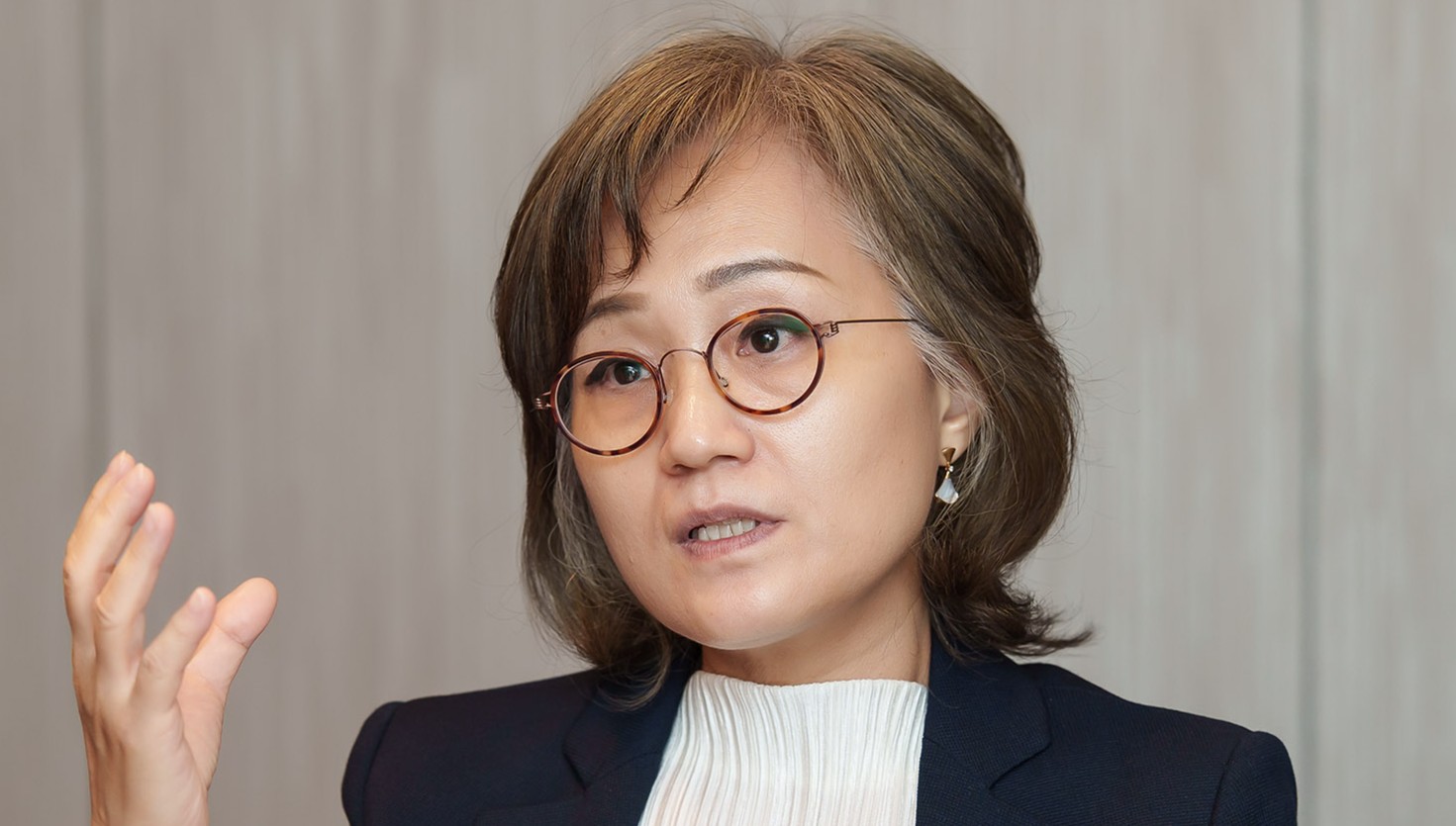
- The treatment paradigm for EGFR-mutated Non-Small Cell Lung Cancer (NSCLC) is changing.Given the high incidence of brain metastases at diagnosis in EGFR-mutated NSCLC, the key criteria for first-line treatment selection are now centered around Central Nervous System (CNS) inhibition and a favorable toxicity for long-term administration.The integrated analysis of LASER201 and LASER301, published recently in 'Clinical Lung Cancer,' provides additional evidence supporting the intracranial efficacy of the domestically developed third-generation EGFR TKI, Leclaza (lazertinib). The study is providing evidence for redefining the treatment strategy for patients with EGFR mutations.DailyPharm met with Professor Ji-Youn Han, from the Division of Hematology-Oncology at the National Cancer Center, a co-author of the paper mentioned above, to hear about the latest trends in the treatment of EGFR-mutated Non-Small Cell Lung Cancer (NSCLC), the CNS strategy, and the direction of customized therapy in the era of combination therapies."Brain metastases account for 40% at diagnosis…key determining factor for prognosis"Professor Ji-Youn Han, Division of Hematology-Oncology at the National Cancer CenterFirst, Professor Han emphasizes that "CNS management is now the starting point of treatment, rather than simply an additional factor."Professor Han stated, "Approximately 20-25% of all lung cancer patients already have brain metastases at diagnosis, but this rate rises to as high as 40% in patients with EGFR·ALK·HER2 mutations or who are non-smokers," and added, "Recent global Phase 3 (MARIPOSA·FLAURA2) trials also reported that 40% of patients have baseline brain metastases."These data indicate that not only are baseline brain metastases common, but a significant number of participating patients with good performance status have accompanying brain metastases.However, the prognosis varies significantly depending on symptom status. While approximately 40% of brain metastases cases are detected while still asymptomatic, the prognosis rapidly worsens once neurological deficits occur.Professor Han stated, "Symptoms of brain metastases include persistent headaches, nausea/vomiting, visual impairment, dizziness, and stroke-like symptoms, which severely limit daily life. Ultimately, symptomatic brain metastases is regarded as a major worsening factor that significantly decreases the patient's Quality of Life."Integrated Analysis of LASER201/301...reconfirming Leclaza's effect on suppressing the CNSProfessor Han summarized the limitations of existing first- and second-generation EGFR TKIs as being 'not initially designed to target the EGFR mutation itself.'Professor Han explained that side effects from inhibiting normal EGFR made it difficult to achieve sufficiently high drug concentrations, resulting in restricted BBB permeability and, consequently, a structural limitation in CNS management.In contrast, third-generation EGFR TKIs were developed from the start to enhance mutant EGFR selectivity and BBB permeability. This gained attention because it opened an era where much more stable and consistent effects on CNS can be expected, even in patients with brain metastases.Furthermore, the differences in toxicity profiles are evident. Professor Han said, "If the clinically perceived toxicity severity of first·second generation agents is rated at 10, the third generation is at the 2–3 level, which significantly improves their suitability for long-term use."Regarding the results of the LASER201 and LASER301 integrated analysis released, Professor Han evaluated them as additional evidence supporting Leclaza's global competitiveness.Professor Han stated, "The key finding is that this study provided objective data confirming that Leclaza has intracranial efficacy comparable to Tagrisso (osimertinib), the Korean standard of care, in EGFR-mutated lung cancer patients with brain metastases." She found this consistent with the trend from the MARIPOSA study, in which lazertinib monotherapy showed a Hazard Ratio (HR) of less than 0.9 compared to osimertinib in this patient group.Professor Han also mentioned, "Although the two drugs have generally similar efficacy, their side effect profiles do not entirely overlap. The fact that an option exists for patients to switch to the other drug if they cannot tolerate a specific adverse event is a major clinical advantage."Consequently, the availability of two third-generation EGFR TKIs is viewed as having significance for expanding the treatment strategy.Leclaza has a demonstrated advantage for suppressing brain metastases, supported by clear data proving the BBB permeability in preclinical studies.Professor Han stated, "This integrated analysis strengthens Leclaza's intracranial evidence, enhancing its global credibility, and expands the treatment strategy by enabling customized drug selection based on the patient's side effects and status. It is significant because it lays the foundation for broadening the scope of clinical judgment amid the future flow of combination therapies and new drug development."Toxicity management and drug switching...differentiating strategy garners attentionProfessor Han stressed that 'toxicity management' is a critical factor in determining the actual clinical treatment strategy, as EGFR-mutated lung cancer is a disease that requires long-term use of agents from the same class.In the case of Tagrisso, specified severe side effects, such as thrombocytopenia, ILD (interstitial lung disease), and cardiac toxicity like QTc prolongation, may necessitate dose reduction."According to the current guidelines, dose must be reduced to 40 mg if the same adverse event recurs. However, the evidence for maintaining drug efficacy at the 40 mg reduced dose is extremely limited, and the lack of data ensuring sufficient CNS control in patients with brain metastases is the biggest concern in the clinical setting," she said.Professor Han said, "Since CNS progression in EGFR-mutated lung cancer is directly linked to treatment failure, disease progression during dose reduction significantly limits the scope of subsequent drug switching strategies." She emphasized, "The medically recommended option in this scenario is a switch to Leclaza monotherapy, whose efficacy and tolerability have already been proven at the standard dose (240 mg)."Professor Han also suggested that the reimbursement criteria need be improved.The current reimbursement criteria require a Tagrisso dose reduction before switching to Leclaza, forcing the patient to risk the same side effects again. Professor Han also pointed out that if the disease progresses during the dose reduction, reimbursement for the subsequent switch to Leclaza may be denied.Professor Han concluded, "Since there is little difference in the drug price between the two agents, and Leclaza is sometimes even cheaper, there is insufficient evidence to mandate dose reduction for financial reasons," and added, "Ultimately, these regulations are criticized as being unreasonable from the perspectives of patient safety, treatment continuity, and insurance finances."
- Opinion
- [Desk View] Dual pricing for the sake of our own citizens
- by Eo, Yun-Ho Nov 24, 2025 06:19am
- The government intends to expand the number of dual-priced listed drugs to prevent disclosure of actual transaction prices. By raising reference prices through higher public list prices, it aims to improve access to new drugs. The government has announced a major overhaul of Korea’s drug pricing system. The forthcoming reform plan, which the government plans to reveal concrete details soon, is drawing significant attention from the pharmaceutical industry. It is expected to include adjustments to the generic drug pricing calculation rate, reform of the tiered drug pricing system, consolidation of post-market management systems, expansion of the Risk Sharing Agreement (RSA) and dual pricing scheme, and R&D investment-linked drug price premiums. Multinational pharmaceutical companies are particularly focused on expanding the dual pricing system. Among RSAs, the refund-type model—which assigns dual prices by separating the actual transaction price from the listed price—has consistently been the preferred contract type since its introduction. However, calls for improvements to its scope have been persistent. Many even suggested excluding the refund-type from RSAs altogether. The government has also partially accommodated these opinions, making minor adjustments to the system. Initially applied under a strict criterion, only to ‘anticancer drugs or rare disease treatments with no equivalent substitutes or therapeutically equivalent alternatives’, the ‘life-threatening’ qualifier has now successfully been removed from the criteria. Yet, the prevailing sentiment remains that its application conditions are still stringent. However, this time appears to be different. Pressure from the U.S. Trump administration’s Most-Favored-Nation (MFN) drug pricing policy served as a trigger, and the health authorities appear to have internalized growing alarm over the long-discussed but uncomfortable issue of “Korea passing” within the global pharma industry. Given the circumstances, the upcoming expansion of RSA and dual pricing will likely loosen at least the criteria tied to disease severity. Whether the current price cap, “below the A7 adjusted average price,” will be modified is another point to watch. It is never right for a game of brinkmanship to unfold over reference prices, leading to the bypassing phenomenon. The products sold by multinational pharmaceutical companies are not luxury goods like Mercedes-Benz or Chanel. It is also true that drug prices are set higher in relatively poorer countries—those with weaker negotiating power. Still, many countries are expanding the share of non-public drug pricing—a second-best solution, though not ideal— to secure access to new therapies for their own citizens. While the global moral imperative of ‘transparent drug pricing’ is commendable, the government must also make decisive choices for the sake of patients in our country.
- Opinion
- [Reporter’s View] K-Pharma bets its survival on new drug R&
- by Choi, Da-eun Nov 24, 2025 06:18am
- The R&D direction of major Korean pharmaceutical companies is shifting from generics to new drug development. This shift comes as the perception grows that generics, long the mainstay of domestic pharma growth, are no longer a safe bet. With tighter price regulations, intensified competition, and shrinking distribution margins, the generic ecosystem is being pushed into relentless price pressure. As the sense of crisis deepens that generics alone cannot guarantee the future, leading pharmaceutical companies are increasingly willing to bear the cost burden to secure mid-to-long-term growth engines. Hanmi Pharmaceutical is aggressively investing in R&D, raising expectations that it may be the first Korean company to launch a homegrown obesity drug. Hanmi's R&D expenditure for the third quarter of this year reached KRW 169.1 billion, a KRW 15.5 billion increase year-on-year, accounting for 15% of its sales. CKD (Chong Kun Dang) is moving away from a generic-centric model toward a bio-focused structure, expanding its pipeline from ADC (antibody-drug conjugate) oncology drugs to advanced biopharmaceuticals. It recently announced a KRW 2.2 trillion investment, making a major ‘bet’ by constructing a large-scale biopharmaceutical complex R&D center in Siheung. Its R&D expenses are on the rise - from KRW 151.2 billion in 2023, KRW 157.4 billion in 2024, to KRW 126.5 billion in the third quarter of this year. JW Pharmaceutical is also steadily increasing its annual R&D spending. Its third-quarter R&D expenses this year reached KRW 74.9 billion, a 26.9% increase compared to KRW 59.0 billion in the same period last year. It is currently conducting a Phase III multinational clinical trial in Asia for its core pipeline, the gout treatment ‘epaminurad (URC102)’. Considering the growth potential of the gout treatment market and the limitations of existing uric acid-lowering drugs, analysts view it as having significant mid-to-long-term pipeline value. Even manufacturing-oriented giants like Celltrion and Samsung Biologics are jumping into the R&D competition, expanding their own pipelines as new growth pillars. Celltrion emphasized ambitions beyond biosimilars, outlining plans to develop ADCs, multi-specific antibodies, and obesity drugs. Samsung Biologics launched Samsung Epis Holdings, a bio-investment holding company, through a spin-off. Samsung Epis Holdings plans to strengthen new drug development based on EPIS NexLab’s biopharmaceutical development platform. Behind these bold future investments by domestic companies lies a shared understanding that sustainable growth is difficult to achieve, relying solely on generic drug profits. The global M&A market, policy direction, and investment capital all operate based on ‘innovation’. This means that companies unable to break free from a domestic-focused, generic-centric structure will inevitably fall behind. Of course, strengthening R&D does not guarantee immediate success. The risk of clinical failure is significant for any company, and securing funding grows increasingly difficult. Risks clearly exist behind the banner of ‘investment for the future’. However, it is becoming increasingly clear that competitiveness in the pharmaceutical industry is shifting from price to technology. These days, the phrase “We will increase our R&D investment” appears like a motto in all pharmaceutical companies' new year business plans. To the reporter, it reads as a strategic declaration directly tied to survival. The reality that generic drugs alone cannot defend corporate value is pushing companies harder for reinvestment in R&D. As the market landscape shifts, clinging solely to safe strategies leads only to regression. The direction is becoming clearer: decisively shedding inefficient businesses and concentrating resources on next-generation drug development. This is why domestic pharmaceutical companies have chosen the difficult path of restructuring toward high-value-added focus, and why their ‘long-term’ challenge deserves close attention.
