
- LOGIN
- MemberShip
- 2026-04-24 14:58:54

- Product
- How is the non-face-to-face tx/delivery going overseas?
- by Jan 02, 2023 06:04am
- With the platform industry and the medical community preparing first ahead of the institutionalization of non-face-to-face treatment next year, calls for measures to be prepared for drug delivery are gaining momentum. A recent study report titled "Non-face-to-face treatment prerequisites" by the Korean Medical Association's Medical Policy Institute (Director Woo Bong-sik), which argued that ▲ face-to-face treatment principles, ▲ non-face-to-face treatment, and non-face-to-face treatment should be an auxiliary means ▲ national health security medical association. "Most countries allow drug delivery," the Korea Institute for Medical Policy said. "The government is also in a position that it is difficult to proceed with non-face-to-face treatment and drug delivery in a separate policy, but recently, it is necessary to address drug concerns and devise measures to increase the effectiveness of the policy." It also introduced overseas cases such as Japan, Australia, Britain, France, the United States, Canada, China, and India. In fact, it was found that drug delivery was allowed in Japan, Australia, the United States, and China due to COVID-19. In Japan, as the amount of non-face-to-face treatment increased after COVID-19, drug delivery was officially allowed through joint notification by the Health, Labor and Welfare Ministry's Medical Policy Bureau and the Pharmaceutical and Household Sanitation Bureau on April 1, 2020. Japan is a country in the form of voluntary division of labor, and when prescribed in the hospital, it can be delivered directly from the medical institution to the patient's home For out-of-house prescriptions, the prescription must be faxed to the pharmacy, and the original prescription must also be sent separately to the pharmacy. After consulting with the patient on medication guidance, pharmacists should prepare appropriate ways to deliver drugs that need special attention and drugs that need rapid delivery, or ask the patient's family to visit the pharmacy. From April 17, 2020, Australia will also be able to receive prescriptions by text message, email, or fax after non-face-to-face treatment. The prescription allows the patient himself or his guardian to go to the pharmacy or receive the medicine home after sending it to the pharmacy he or she wants. If you do not know which pharmacy to send the prescription to, the doctor who treated the patient can suggest a pharmacy in the area or the patient can directly search for a pharmacy in the area using the Health Direct website to select a pharmacy. NHS Digital in the UK abolished the paper prescription issuance system in November 2019 and began issuing electronic prescription services (EPS). After GP treatment, the patient can receive the medicine at the pharmacy by sending the prescription to the pharmacy designated by the patient. When taking drugs regularly, repeated prescriptions are issued, and even if you take all of them, you can order them when necessary without follow-up treatment with your GP until the next drug prescription review. However, only if the GP sets these prescriptions, the patient can request the drug delivery to the pharmacy, and if the drug delivery service is provided by the pharmacy designated by the patient, the drug can be received by courier. France provides drug delivery services to non-face-to-face patients. After non-face-to-face treatment, use the Ordo Express app to scan the prescription and send an electronic signature. The app is sent in the form of an e-mail and an encrypted prescription is sent to the pharmacist selected by the patient to ensure safety. Drugs can be delivered to the patient's home or workplace, and drugs can be delivered to all types of drugs, except drugs, regardless of the presence or absence of prescription. At this time, patients can track their drug delivery process in real time and contact the delivery agent in charge through a real-time chat system to shorten the delivery process. In the United States, doctors are required to send prescriptions to pharmacies selected by patients using e-mail or smartphones after non-face-to-face treatment. After Amazon Pharmacy, an online pharmacy, was officially launched in 2020, a prescription drug delivery service was launched, and the medicine is delivered to the patient's home on the same day. In addition, pick-up services through drive-through were actively introduced to pharmacies in the wake of COVID-19, and the unmanned autonomous vehicle "Nuro R2" was used to deliver medicines to reduce unnecessary face-to-face contact and ensure accurate and safe delivery of necessary medicines. In February 2020, the U.S. federal government implemented special measures to allow unmanned autonomous vehicles to enter public roads in order to deploy autonomous vehicles in the COVID-19 situation, allowing them to receive drug delivery, starting with Nuro headquarters in California. Canada is one of the countries where non-face-to-face treatment is active. Canada requires doctors to send prescriptions to the pharmacy they want by fax or e-mail after non-face-to-face treatment. When a patient is ready to pick up the drug, he or she can be notified through a non-face-to-face treatment app or delivered directly to the patient's home. Among Canadians, it was found that one in three people who used non-face-to-face treatment were using non-face-to-face treatment for prescribing and delivering drugs. In China, the ban on online sales of drugs was lifted in 2018, and the policy of using Internet hospitals was announced. It is a government-level intervention, and the State Council, the National Health Commission, and the National Insurance Service have changed their policy of delivering drugs after non-face-to-face treatment, stressing the importance of actively expanding and succeeding in Internet hospital work covered by health insurance. In China, if a doctor issues a prescription after receiving medical treatment at an Internet hospital designated by a state-run health agency in each province, a pharmacist in the in-house screening department can check electronic prescription and deliver the medicine to the patient or receive it directly from a nearby pharmacy. In China, online re-examination prescriptions can be issued only for general and chronic diseases diagnosed with the disease in face-to-face first-time visits in advance. In China, Internet hospitals have become a service platform that integrates online treatment and counseling, prescription and drug delivery, and online and offline diagnosis and treatment. India's Ministry of Health has allowed the delivery of medicines listed in e-mail prescriptions sent from hospitals to pharmacies to the patient's front door after the announcement of a notice on drug delivery permits for non-face-to-face care in March 2020. However, certain antibiotics and psychotropic drugs cannot be delivered. The Institute for Medical Policy said, "In order to achieve the purpose of the non-face-to-face treatment policy, drug delivery should be allowed. "Since there are many concerns and opposition from the pharmaceutical society, it is necessary to devise measures to address the concerns of the pharmaceutical society and increase the effectiveness of the policy," he explained.
- Product
- “Immediately stop enforcing the Healthcare Data Act”
- by Dec 27, 2022 06:10am
- Five major healthcare associations in Korea have called for the discontinuation of the enforcement of the Healthcare Data Act. The Korean Pharmaceutical Association (President: Kwang-Hoon Choi), Korean Medical Association (President: Pil-Soo Lee), Korean Hospital Association (President: Dong-Seop Yoon), Korean Dental Association (President: Tae-Geun Park), Association of Korean Medicine (President: Joo-Eui Hong) issued a joint statement on the 23rd criticizing the government's enforcement of the 'Act on the Promotion of Digital Healthcare and Utilization of Healthcare Data.’ The associations criticized, “From the 23rd of last month, the 5 associations had asked the government to consult on the details related to healthcare data services with medical and pharmaceutical associations under the premise that ‘healthcare services should be designed around public safety and health rather than from an economical or commercial point of view.’ However, the Ministry of Health and Welfare has been pursuing legislation of the Act from an economic and commercial perspective without any prior consultation.” In other words, the associations agree on the purpose of the legislation in promoting public health and contributing to improving the quality of life. However, the issue is in how the actual act overlooks the importance of healthcare data, which is highly sensitive information, and the need to manage it more strictly than any other information. The associations pointed out, “What’s most important is to ensure that the primary essential element of healthcare - protecting the life and health of the people – is not infringed by secondary by-products such as promotion of the industry in the course of applying digital technology. However, the MOHW is allowing sensitive data, not only the public’s diagnosis results, treatment history but also genetic information and life-related information to be leaked outside of healthcare institutions based on individual intent without supervision from healthcare institutions.” They added, “This goes to show that the measures for the safe use of healthcare data that had been discussed in-depth in the health, medical, and pharmaceutical industry are not being reflected at all in the legislation. Although medical information is sensitive information that requires the highest level of security, the government plans to transmit it to a private company without obtaining consent from healthcare institutions, which are in charge of producing and managing such clinical medical information, in an electronic format that is vulnerable to hacking, etc.” Also, the associations explained that the act contradicts other laws including the Medical Service Act, Bioethics and Safety Act, Personal Information Protection Act, Copyright Act, Data Industry Act, etc., and therefore may likely cause national confusion. The associations said, “In conclusion, we agree with the legislative purpose of contributing to the improvement of national health and quality of life and fostering the digital and biohealth industry, but as the legislation and institutionalization of a system that emphasizes industry promotion over public value and disregards the issues of safety and efficacy, poses a serious threat to public health and protection of personal information. Therefore we strongly oppose to the enactment of the law and request the following 4 conditions be met to guarantee the rights of healthcare data generators, ensure fair value evaluation and protection of personal information, and minimize infringement on the public’s right to health.” The four conditions suggested by the association are: ▲as healthcare institutions are obligated to directly produce, process, manage and protect healthcare data, the government should guarantee the status and rights of healthcare institutions as the principal subject of healthcare data; ▲ the government should guarantee a reasonable right of refusal to healthcare institutions against the third party’s and one-sided personal right to request transfer as the current Act only imposes obligations on healthcare institutions and overlooks the fact that a leakage of the large amount of concentrated healthcare data in the process can lead to a national disaster; ▲ the information that can be subject to the right to request transfer should be limited to information provided by individuals to healthcare institutions; ▲the government should ensure mandatory participation of healthcare institutions and representatives of industry types to represent the voices in the field and industry when forming of various national data policy medical expert committees including the Healthcare Data Policy Deliberative Committee, and the Digital Healthcare Policy Deliberative Committee, etc.
- Product
- Get rid of Imotun & Godex which waste taxpayers' money
- by Dec 22, 2022 05:52am
- Pharmaceutical Society for a Healthy Society (CEO Shin Hyung-geun) has called for the expulsion of Imotun and Godex. In a statement on the 21st, the Pharmaceutical Association for Health Society argued that maintaining health insurance benefits for six-component compounds (Godex) including avocado-soya unexamined (Imotun) and adenine hydrochloride (60 billion won) are not valid in terms of clinical usefulness, cost-effectiveness, and social needs. They said Imotun and Godex are drugs whose clinical usefulness is unclear. "Although Imotun's clinical usefulness is based on the recently revised rheumatology textbook, there is no SCI-listed clinical journal that validates knee osteoarthritis patients over the past four years, and foreign rheumatology textbooks and guidelines related to the International Osteoarthritis Society are all described at the supplement level as preferred." In addition, France, the original developing country that first licensed Imotun as a drug, concluded in 2013 that it does not recommend Imotun as a salary due to its unclear clinical usefulness, and no one in developed countries supports the purchase of Imotun. Chong Kun Dang, a domestic seller, also conducted clinical trials on 300 people at university hospitals in Korea from 2013 to 2016, but it is pointed out that related results have not been disclosed. It is the position of the health drug that Imotun and Godex are not cost-effective and that social demands are low. They said, "Imotun and Godex are basically drugs that are difficult to confirm their effectiveness, and patients have no choice but to take the medicine according to their prescription regardless of their economic situation." Even if it is supported by health insurance benefits, Imotun must spend 3,400 won and Godex 17,000 won per month, he said. "In addition, Imotun is a drug that threatens health insurance finances of 40 billion won per year and Godex is 60 billion won per year, and social needs to be evaluated to delete benefits." The Pharmaceutical Society for the Health Society said, "Over the past few years, we have demanded the removal of drugs that are not clinically useful, including Colin Alpo, but as of December 2022, not a single drug has been removed from health insurance benefits. The reason why this revaluation system was not implemented properly is that the Ministry of Health and Welfare is looking at pharmaceutical companies, he said. "The Ministry of Health and Welfare should review the decisions of Emoton and Godex's Pharmaceutical Evaluation Committee and quickly come up with new measures to control unnecessary drug use."
- Product
- Menarini Korea is expected to distribute Viagra
- by Kim JiEun Dec 15, 2022 05:55am
- Viagra, which was sold by Jeil, is likely to be distributed at Menarini from next month. According to the pharmaceutical industry on the 12th, Menarini is in charge of distributing urological treatments such as Viatris Korea's Viagra, Cadura, and Detrusitol. The move follows the termination of Viatris and Jeil's sales rights contract for these products. In addition to Viatris Korea and Viagra, Jeil has been conducting joint promotions of Lipitor Plus, and it is known that the promotion of Lipitor Plus is maintained. Medications that stop distribution through Jeil are 50 mg of Viagra tablet, 100 mg of Viagra L film, 100 mg of Viagra L film, 100 mg of Detrusitol SR 2 mg, 4 mg of Detrusitol SR, and 4 mg of Cadura XL. The date of discontinuation of distribution is December 23rd. There is a rumor in the industry that Viatris Korea has already decided on its next partner. Menarini is said to be the most likely related company. Prior to this, Menarini recently announced to trading drug distributors that it would change the OX-2 inhibitor Arcoxia 30mg seller. Organon Korea will take over Arcoxia's sales rights. Arcoxia was sold by Menarini under a global partnership agreement after MSD ended its green cross and co-marketing in 2018. In the industry, some analysts say that Viatris Korea's right to sell urology-related treatments such as Viagra may have been chosen as a follow-up measure following Nemarini's termination of Arcoxia sales rights. An official from the distribution industry said, "Viatris Korea has Menarini in mind as Jeil's next partner, and I know that only the final decision is left," adding, "It is expected to be a measure following the end of Arcoxia sales rights." 정품 비아그라 https://xoad79.com
- Product
- Jeil will stop distributing Viagra, Cardura, Detrusitol
- by Kim JiEun Dec 12, 2022 05:47am
- Jeil Pharmaceutical will discontinue distributing Viagra at the end of this month after parting ways with Viatris Korea that it had made a distribution agreement with for the drug. Jeil Pharmaceutical has recently sent an official notice to drug wholesalers about the company’s discontinued distribution of some products. In the notice, Jeil Pharmaceutical wrote, “Due to the termination of the distribution agreement with Viatris Korea, we will be discontinuing the distribution of Viagra Tab, Viagra L film, Cardura XL Tab, and Detrusitol SR Cap.” Jeil Pharmaceutical also wrote that its distribution license with Viatris Korea terminates as of December 30th and asked that inquiries about the aforementioned products be directed to the license holder, Viatris Korea. Distribution of the following 7 products will be discontinued under Jeil’s measure: ▲Viagra Tab 50mg (4 tablets); ▲Viagra Tab 100mg (4 tablets); ▲Viagra L ODF 50mg (4 sheets); ▲Viagra L ODF 100mg (4 sheets); ▲Detrusitol SR Cap 2mg (30 capsules); ▲Detrusitol SR Cap 4mg (30 capsules); and ▲Cardura XL Tab. The date of their distribution discontinuation will be December 23. Due to Jeil’s suspension of distribution, the affected drugs are rapidly running out of stock at online malls that sell drugs to pharmacies. Cardura XL Tab In the case of Viagra Tab., the product is already sold out in some online malls and is not available for order. Also, only a small stock of Viagra L, Detrusitol SR Cap, and Cardura XL Tab is said to remain for order. As the drugs being discontinued distribution are urology-related products, it is expected that pharmacies near urology clinics will be affected for a certain period of time. A local pharmacist said, “If a wholesaler notifies pharmacies of a discontinuation of distribution, the temporary demand for the drugs will inevitably rise. In the case of Viagra Tab, there has already been a shortage since last month due to delays in production schedules. As it may take some time to normalize sales, pharmacies that receive related prescriptions may have difficulty dispensing the drug.” Meanwhile, Viatris Korea is the Korean subsidiary of Viatris that was launched in November 2020 through a merger between Global Pfizer’s business division Upjohn and the global healthcare company Mylan.
- Product
- MFDS' statement of consent to Rx of the active ingredients
- by Kang, Shin-Kook Dec 07, 2022 05:55am
- While Oh Yoo-kyung, the head of the Ministry of Food and Drug Safety, said, "I agree" with the prescription of the ingredient name, he took a step back, saying in an official letter sent by the Ministry of Food and Drug Safety to the doctors' organization. According to an official letter sent by the Ministry of Food and Drug Safety to the Korean Medical Association on the 5th, "As the current form of the division of medicine is agreed upon through consultation, the prescription of ingredient names and product names is considered to be a matter of social consensus such as medicine led by the competent ministry." The Ministry of Food and Drug Safety's official letter is a reply to a protest sent by the Medical Association to the Ministry of Food and Drug Safety. In an official letter to the Ministry of Food and Drug Safety in October, the Medical Association criticized, "Prescription of active ingredients is a serious matter that damages the doctor's right to prescribe and patients' right to care and health." Director Oh briefly responded to Seo Young-seok's claim to introduce a prescription for ingredient names during a parliamentary audit on October 20, saying, "I actively agree." Oh's remarks eventually drew opposition from the medical community. Led by the Pediatric and Adolescents Association, the Internal Medicine Association also criticized Oh's remarks, claiming "selective division of labor." Pharmacist groups also issued a series of counter statements, saying, "It is the professional selfishness of doctors to stick to the prescription of the product." In the end, the controversy over the prescription of the ingredient name turned into a lawsuit between the Pediatrics Association and the Seoul Pharmaceutical Association. Why were doctors so opposed to the remarks of the head of the Ministry of Food and Drug Safety, who was not in charge of prescribing active ingredient names? The analysis that the biggest reason is a special situation called the Corona pandemic is gaining traction.
- Product
- Opening of FAPA (The Federation of Asian Pharmaceutical Asso
- by Kim JiEun Nov 11, 2022 05:52am
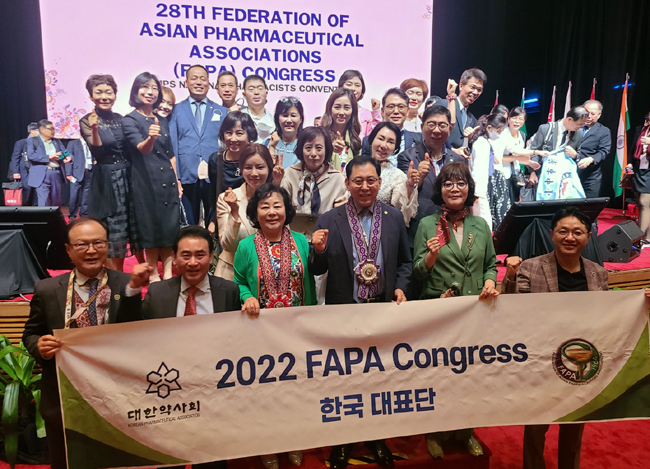
- KoreaAn academic festival of Asian Pharmacists was held in Kuala Lumpur, Malaysia. The interest of the Asian pharmacist community was also by far the digital great transformation of infectious diseases caused by COVID-19. On the 10th FAPA ( Asia Pharmaceutical Federation) and the academic competition center were opened at the Cala Convention Center. Due to the spread of the COVID-19 event, the event will be held for four years since the event of COVID-19 event. Under the theme of Pharmacists building better healthcare systems, Korea, Malaysia, and Taiwan participated in the event. In Korea, about 70 pharmacists and pharmacists participated. Chairman FAPA Yolanda R. Robert L At the opening ceremony, the FAPA jack Shen Lim, said, "The event will be held in Hong Kong and Sri Lanka," said, "The event will be held online in four years." At the opening ceremony, Jack Shen Lim, chairman of the organizing committee, said, "The event scheduled to be held in Hong Kong and Sri Lanka in 2020 has been postponed due to Corona," adding, "This year is an important turning point for FAPA to hold the first online and offline combination event." Malaysia, which hosted the event, said it had an opportunity to expand the role of pharmacists as pharmacists participated in vaccinations due to the spread of COVID-19. Malaysia's Amrahi Buang said, "In Malaysia, vaccination was given as a new pharmacist role, and we had an opportunity to expand the role of pharmacists and expand our functions." He said, "In addition, as pharmacists participated in preventing Nicotine addiction, it was an opportunity for pharmacists to increase their role in medicine." Pharmacists are playing an important role in primary medical care, he explained. Asian countries also suffered from a shortage of medicines due to COVID-19, and some said that the role of pharmacists has once again been proven in the process. FAPA Honorary Chairman Nam Soo-ja won the Achievement Award The 28th FAPA General Assembly and Academic Conference opened in Kuala Lumpur, Malaysia FAPA Yolanda R. Robels, chairman of FAPA, said, "We are suffering from a shortage of medicines amid a global disaster in COVID-19," adding, "Pharmacists are involved in the entire process of producing and distributing medicines in addition to local pharmacies." In the midst of the drug shortage, pharmacists actively responded and played a significant role in the disaster recovery, he said. The conference will feature three Plenary sessions and four symposiums. Ian Bates, a professor at the University College London School of Medicine in the UK, will give a keynote lecture on "Development of a Better Health System through Development of Better Human Resources." Malaysia's Jack Shen Lim, who chaired the event's organizing committee as the new chairman of the FAPA, was elected at the event, while Nam Soo-ja, honorary chairman of the FAPA, won the Achievement Award. The FAPA, which was founded in 1964, is currently participated by 24 member countries, including Malaysia, Korea, Japan, and Taiwan, and holds general meetings and academic conferences every two years.
- Product
- KMA proposes preconditions for non-face-to-face treatment
- by Kang, Shin-Kook Nov 11, 2022 05:52am
- Regarding the bill that allows non-face-to-face treatment that was recently submitted by the ruling party, the medical community asked the government to actively engage in communication with interested parties in the legislation process, as the systemic side effects should be addressed first. On the 10th, the Korean Medical Association (Chairman: Pil-Soo Lee) disclosed its opinion regarding the amendment to the Medical Service Act that was submitted by Rep. Jong-Sung Lee of the People Power Party. KMA said, “Considering the large number of side effects that have risen from the temporary implementation of the non-face-to-face treatment system that had been allowed due to COVID-19, the system itself should be first thoroughly evaluated and verified.” It added, "As it is clear that the side effects, such as the risk of misdiagnosis due to unproven safety and effectiveness, unclear legal responsibility for the results of treatment, and the collapse of the medical delivery system, will cause serious harm to public health, we must first prepare measures to address these issues.” “For non-face-to-face treatment to be carried out properly, the doctors that carry out the treatment should be able to safely and effectively apply it in practice. Mutual understanding and efforts should first be made on both parts to resolve the various concerns that have been arising around the implementation of the system.” “If the proposed bill is legislated in the current state without undergoing such processes, facilitating smooth cooperation across the medical community for the development of the system will inevitably become more difficult, and ultimately cause great confusion. Therefore, we ask the government to actively communicate with the medical community in advance and examine the specific issues that remain in the system.” Lastly, KMA added, ”We have consistently held the position that the general principle of face-to-face treatment shouldn't be undermined under the pretense of convenience to use non-face-to-face treatment, remote monitoring using wearable devices, patients’ transmission of self-information, and over-the-phone prescriptions. In order to preserve the original value of healthcare in protecting the people's lives and right to health, non-face-to-face treatment can never replace face-to-face treatment, and should only be used as a means of assistance.” Meanwhile, the bill proposed by Rep. Jong-Sung Lee contains measures that allow for non-face-to-face treatment to supplement face-to-face treatment, as well as authorize medical institutions at the clinic level to provide non-face-to-face treatment to a limited number of patients who have limited access to healthcare such as those in island/remote areas, infectious disease patients, overseas residents or the disabled, correctional facility patients, and chronically ill patients. With similar bills already been submitted to the National Assembly, it is expected that they will be collectively reviewed by the Health and Welfare Committee in the future.
- Product
- Imported Tylenol is sold at half the domestic price
- by Kim JiEun Nov 03, 2022 05:54am
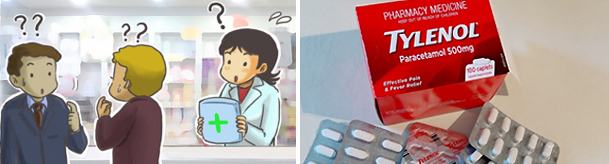
- Tylenol is being sold on Online and SNS, has given up selling it because they could not get it at pharmacies. It is sold illegally through overseas direct purchases and parallel imports, and there is a need for the government to strengthen its crackdown. On the 1st, an informant informed Dailypharm that drugs such as Australian Tylenol are being sold in the form of joint purchases on certain SNS accounts and online sites. "OTC such as Tylenol is sold on SNS and online, and it is questionable whether it has been officially approved for import and sale." "If online sales of imported drugs in this way are subject to reporting, measures will be needed to prevent reckless overseas purchase agencies or parallel imports," he said. The SNS account, which was informed by the informant, was selling 100 tablets of Australian Tylenol 500mg through a joint purchase method, and it was purchased by going to the site listed on the SNS account. 100 tablets of Australian Tylenol 500mg were sold for 18,900 won on the site linked to SNS. The existing price is 35,000 won, but it also states that it will be sold at a 46% discount by applying a time sale. The seller said, "I tried to buy Tylenol at the pharmacy, but it was difficult to get it because it was all sold out, and they gave me other products of a similar line," adding, "The pharmacy and convenience store couldn't get it because Tylenol was sold out, and the price was up to 3,500 won." "The pharmacy is based on 10 tablets of Tylenol and the convenience store is based on 8 tablets, and 100 tablets are from 27,000 won to 35,000 won," he added. "As it is about half the price, buy it quickly." In addition to Australian Tylenol, it has been confirmed that a number of illegal overseas direct purchase products are being sold in Korea, including OTCs such as Bepanhen and Fabron Gold A. It is strictly illegal to sell drugs online, including overseas direct purchases and parallel imports. The Ministry of Food and Drug Safety is also conducting self-monitoring on overseas direct purchases and online sales of drugs, but it continues to point out that it is insufficient. Pharmacists said the government needs to tighten crackdowns and sanctions as illegal distribution and online sales of drugs that are feared to be misused and abused continue due to the increase in overseas direct purchases. An official from the Pharmaceutical Association explained, "As overseas direct purchases are related to the Ministry of Food and Drug Safety and the Korea Customs Service, there seems to be no strong crackdown and sanctions." He stressed, "Even if individuals are allowed to purchase and take overseas drugs within a certain limit, clear sanctions are needed for the behavior of purchasing in large quantities and selling them through SNS or online through joint purchases."

- Product
- A fierce battle between MDs & RPhs on Rx of ingredient names
- by Kang, Shin-Kook Nov 02, 2022 05:36am
- A fight between pharmaceutical organizations has begun over the prescription of ingredient names. Oh Yoo-kyung, head of the Ministry of Food and Drug Safety, made an excuse to actively agree to the prescription of the ingredient name, and complaints that have accumulated have been erupting. First, doctors are insisting that patients choose in-house and outpatient preparations. It is also a new opinion of doctors to use a dispensing vending machine. Some suggested that if a vending machine is introduced, doctors will guide the medication directly without receiving medication. In addition, when prescribed with the ingredient name, pharmacists choose the medicine, and the drug equivalence for the generic selected by pharmacists is a major argument against the ingredient name prescription. However, pharmacists say that it is difficult to understand why doctors are prescribing generic drugs, saying that equivalence is a problem. In the end, generic selection may be made by rebates. Pharmacists believe that the recent issue of stock-saving is largely due to the prescription of brand names, not ingredient names and that if cold medicines were prescribed under ingredient names, the inconvenience of patients who could not get drugs would have been reduced. Prescribing ingredient names should be led by the Ministry of Health and Welfare. The Ministry of Food and Drug Safety is not a competent ministry. Nevertheless, why are doctors strongly opposed to the KFDA's statement that they "agree actively" rather than pushing for it? The background of the remarks made by the head of the Ministry of Food and Drug Safety was the inquiry of Seo Young-seok (Democratic Party of Korea), a pharmacist. In the end, doctors seem to have some kind of agreement between a pharmacist-turned-lawmaker and the head of the MFDS and have started to issue prescriptions for ingredient names. However, from the perspective of the pharmaceutical society, prescribing ingredient names is a long-term task, not an urgent task. The agenda only includes activating generic dispensing and the principle of using the international general name (INN) of the patent expiration drug product name. The pharmaceutical society cannot easily talk about prescribing ingredient names. The Pharmaceutical Association said, "One factory is producing the same product under dozens of product names and distributing it on the market." The association said, "Because the situation is like this, prescribing ingredient names and activating generic dispensing are essential policies." The Pharmaceutical Affairs Association said, "Just because there is no ingredient name prescription in the policy proposal, it does not mean that we have given up on promoting the policy. It means prioritizing policies that can be done immediately, such as simplifying post-notification of generic dispensing and introducing INN, he said. What is the situation with the Medical Association? Apart from statements from the Pediatric and Adolescent Association, the Seoul Metropolitan Council, the doctors union, and the opening association, the Medical Association has already sent an official letter of protest to the Ministry of Food and Drug Safety. The Medical Association criticized, "Prescription of ingredient names is a serious matter that undermines prescription rights, patient's right to care and health," adding, "The statement of agreeing to the ingredient name is a serious statement that encourages confusion in the national medical system beyond personal opinion." The Medical Association said, "The prescription of ingredients should be decided only by considering national health as a top priority," adding, "If the government sees this only from an economic perspective in terms of reducing the burden of national drug costs and health insurance drug costs, it is best to abolish the division of medicine and select division of labor." The response to the prescription of the ingredient name of the Medical Association was only a selective division of labor.
