
- LOGIN
- MemberShip
- 2026-09-07 17:10:06
- Product
- What are the latest COVID-19 drug guidelines?
- by Choi, sun Jan 08, 2021 06:19am
- As COVID-19 pandemic has passed a year, the guidelines for drug use are being updated a lot. As the evidence was accumulated, the differences in the guidelines for use by each country decreased, and detailed recommendations for practical use were derived with recommendations for use and refraining from various cases even with the same drug. Based on the latest academic research, the KSID (The Korean Society of Infectious Diseases) also presented a guideline for drug treatment for COVID-19 infection on the 31st. Based on this, guidelines for drug use and changes in each case were summarized. Remdesivir, approved in Korea in July, has detailed use cases for each patient's condition. The example applied when oxygen therapy is required in patients hospitalized with COVID-19 is different. First of all, Remdesivir can be used (level of evidence: moderate, grade of recommendation: B) for patients with COVID-19 who require oxygen therapy but do not need a ventilator or ECMO treatment, the KSID judged. If this is not the case, the recommendation for administration of Remdesivir was withheld (level of evidence: moderate, grade of recommendation: I). Efficacy and safety of Steroid were also summarized in the latest research. In the early days of COVID-19 epidemic, controversy about the suppression of the immune system and the growth of the virus was raised by steroid administration, but recently, it is being placed on the effectiveness in severe patients. The KSID recommended the administration of Steroids to patients with severe or severe COVID-19 by severity (level of evidence: moderate, grade of recommendation: A). As a clinical consideration for Steroids, Dexamethasone 6mg per day is administered for 7-10 days, and other steroids such as Hydrocortisone 150-200mg, Prednisone 40mg, Methylprednisolone 32mg can be substituted. Steroid administration was not recommended for non-severe corona19 patients (level of evidence: moderate, grade of recommendation: C). Interleukin inhibitors that control inflammation-inducing factors are also classified according to their components and patient severity. Interleukin-6 (IL-6) inhibitors include Tocilizumab and Sarilumab. Interleukin-6 inhibitors can be used within the scope of clinical trials in patients with severe COVID-19 (level of evidence: moderate, grade of recommendation: B), but not recommended for patients with mild COVID-19 (level of evidence: moderate, grade of recommendation: C). Recommendations for the administration of Interleukin-1 (IL-1) inhibitors to COVID-19 patients have been withheld (level of evidence: low, grade of recommendation: I). Plasma treatment, which caused controversy over the effectiveness of treatment, was also put on hold. Plasma therapy is a method of using the immunity of a person who is cured after viral infection. It is a method of collecting COVID-19 antibodies present in the plasma of a cure and administering them to other infected people to fight against the virus, but the effectiveness is still controversial worldwide. As the study that presented the effect and the study that showed no effect were sharply mixed, the lack of clinical participants and the poor clinical design of the study were pointed out as the cause. As a result of combining several studies, the KSID decided to withhold the recommendation for recovery plasma treatment for patients with COVID-19 in the blood system fee (level of evidence: low, recommendation grade: I). General intravenous immunoglobulin (IVIG) administration was also not recommended for patients with COVID-19. However, it suggested that the use of immunoglobulins should not be excluded in the treatment of complications (level of evidence: low, grade of recommendation: C). Chloroquine was actually scheduled to be withheld as a COVID-19 treatment. Chloroquine suppresses the maximum effective concentration of the virus by half in laboratory studies, but in actual studies involving SARS and MERS, there has been no high-quality evidence of efficacy. The KSID also concluded that based on the latest studies, it does not recommend either the administration of Hydroxychloroquine alone or in combination with Azithromycin for COVID-19 patients (level of evidence: high, recommendation grade: C). The KSID concluded that it does not recommend AbbVie's antiviral drug Kaletra (Lopinavir/Ritonavir) for COVID-19 patients. The level of evidence is high. In fact, it means that even the use of the drug is ineffective or that statistically significant differences cannot be identified. Administration of other drugs known to have antiviral effects such as Favipiravir, Ribavirin, Umifenovir and Baloxavir marboxil is not recommended except for clinical trials (level of evidence: low, grade of recommendation: C).
- Product
- “The lower the income, the later the cancer diagnosis”
- by Eo, Yun-Ho Dec 16, 2020 06:13am
- A survey found a clear correlation between the income level and the level of tumor development and metastasis when a patient with cancer is diagnosed. A not-for-profit organization advocating the improvement in inefficiency in cancer treatment environment, ‘All.Can Korea’ kicked off on Dec. 10 and disclosed a survey result on 495 cancer patients. All.Can Korea said the objective of the survey was to explore inefficiency a cancer patient in South Korea experiences during their treatment, and to seek detailed solution for the patient-centered cancer treatment environment. The survey was conducted with cancer patient organizations via an online platform, and the questionnaires were categorized into four areas—cancer diagnosis, cancer treatment, post-treatment management, and exposure to cancer treatment information and financial impact. The lower the income, the later the patient finds out about the cancer As a result, the majority of patients said they had ‘first discovered the cancer, when they detected the symptoms.’ The majority of the respondents (38.1 percent) answered they were diagnosed with cancer after experiencing detectable symptoms, even for the six major cancer types (stomach, colon, liver, breast, ovarian and lung cancers) examined by the national health check up program. And the phenomenon was more apparent when the monthly household income was lower. Also the level of tumor development and metastasis differed vastly depending on the cancer patient’s monthly income level. 35.5 percent of the respondents were earning less than 3 million won a month when diagnosed at stage I, whereas 57.8 percent of patients earning more than 6 million won a month were diagnosed at the initial stage. So the higher the income, the earlier the patients discover about the cancer. Comparatively more patients with lower monthly income were diagnosed at stage IV. And 18.2 percent of the respondents with income less than 3 million won had their tumor already metastasized at the point of initial diagnosis, which doubled the rate of respondents making over 6 million won at the 8.4 percent. Cancer patients do not see the need to manage their mental health Regardless of their mental distress during diagnosis and treatment, the patients seemed to be unaware of the necessity of mental support due to the imminent financial complications they face in daily life. The top two factors the respondents answered they were most concerned about when diagnosed with cancer were ‘the fear of possible death (36.8 percent)’ and ‘concerns for the family (36.8 percent).’ They picked ‘financial aid for expensive non-reimbursed examination cost’ as the most wanted improvement (48.3 percent). The difficulties during cancer treatment showed more than 20 percent point differences ranging from 46.5 percent of answering ‘physical pain’ to 45.5 percent ‘mental distress,’ 41.3 percent ‘faltering mental state,’ 26.9 percent ‘financial complications’ and 21.5 percent ‘burden of treatment cost.’ But the most sought after answer to solve the difficulties was ‘financial support for treatment and sharing information related to the system’ with 24.5 percent. However, a patient’s mental health is a crucial factor that also affects the cancer treatment outcome. Accordingly, other countries even include counseling sessions in the cancer treatment process starting from the diagnosis, but South Korea has not implemented such multidisciplinary treatment and the patients even have negative perception on psychological therapy. Representing All.Can Korea, Choi Sung-chul said, “The survey holds an integral meaning as it has confirmed the inefficiency the patients experience during the entire cancer management process starting from diagnosis through post-treatment phase. All.Can Korea is to create a patient-centered efficient cancer treatment environment by focusing on the most important parts that help the patients to fight against cancer.”
- Product
- Instructing Tamiflu users on neurological side effect
- by Kang, Shin-Kook Dec 11, 2020 06:14am
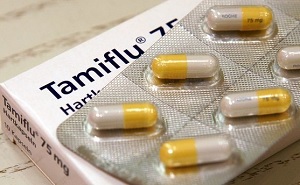
- “Have you heard of that incident two years ago, where a middle school student took a fall after taking Tamiflu?” The importance of influenza treatment administration instruction is reiterated due to the reported neurological adverse reaction after the administration. On Dec. 9, the Korean Pharmaceutical Association (KPA) notified and warned the regional offices of the neurological adverse reactions like spasm and delirium, especially in children and adolescents, who have administered influenza treatment by oral (oseltamivir), inhalation (zanamivir) and injection (peramivir) route. The Ministry of Food and Drug Safety’s (MFDS) safety alerts reported adverse behavior of a user taking a lethal fall. But a similar adverse reaction can be found in patients who did not take the drug. Accordingly, the influenza treatment administration instruction highlights the healthcare provider to inform the patient and their guardians of the risk of adverse behavior and ensure the guardians to not leave the influenza patient alone for at least two days, regardless of taking the treatment or not. And the patients’ guardians should also be guided to lock windows, veranda windows and entrance door to prevent any adverse behavior by the influenza patient and closely monitor them. In December 2018, a female middle school student in Busan took a fall after taking Tamiflu, which raised an issue with the hallucination-related adverse reaction from the drug. The investigation on the healthcare provider and pharmacist who prescribed and dispensed Tamiflu to the deceased student confirmed both of them never explained about the adverse reaction, and as a result the pharmacist was fined.
- Product
- What’s it like to have ATTR-CM in Korea
- by won, jong-hyuk Dec 10, 2020 06:09am
- A few years ago, a 50-year-old man visited a hospital when he experienced shortness of breath and edema. But he had to visit a number of hospitals for years for examination as he struggled to pin point the name of the disease. And one day, he felt tingling sensation in his toes and examined the heart. That was the time he had to face his rare disease called hereditary transthyretin amyloid cardiomyopathy (ATTR-CM). Typically categorized as either wild type or hereditary, ATTR-CM is an ultra rare disease that has extremely limited patient size and the prevalence rate in South Korea has not been estimated. To this date, about over 120 types of genetic mutation have been reported, and apparently some of them show qualities of endemic disease in specific regions. But the biggest issue is that the disease is easily diagnosed as other disease. Some of the major symptoms of ATTR-CM include congestive heart failure, shortness of breath, edema, fatigue and more. And because of these symptoms, the rare disease is often misdiagnosed as unexpected restrictive cardiomyopathy, heart failure, irregular heartbeat and heart failure with preserved ejection fraction (HFpEF). According to the researches done by academic societies so far, ATTR-CM is identified as a critical advanced rare disease resulting in restrictive cardiomyopathy caused by extracelluar deposition of transthyretin (TTR), normally involved in the transportation of the hormone thyroxine and retinol-binding protein, in the myocardium Moreover, these patients’ prognosis could be worsened rapidly due to accumulated amyloid, and in fact, the survival period from the point of diagnosis is only about two to 3.5 years. Considering the dire conditions, experts reiterate “An accurate early diagnosis is crucial for adequate disease management and improved treatment in patients with ATTR-CM.” ATTR-CM treatment manages heart failure and irregular heartbeat, and uses treatments” Even for ATTR-CM treatment scene with an absence of adequate treatment, a new door to treatment option was opened from August. For the South Korean market, Vyndamax (tafamidis) is now indicated to treat adult patients with ATTR-CM based on its evidence of reducing the risk of heart-related death and cardiovascular issue-related hospitalization. The drug is the first and only treatment for the disease in South Korea. The American Heart Association (AHA) recommends three treatment types for ATTR-CM—managing heart failure and irregular heartbeat, and using treatments. Before the new indication approval, the only treatment was to manage the organ failure symptoms and to slow down the disease progress. But ultimately, Vyndamax became a breakthrough treatment that patients can expect to reduce risk of cardiovascular-related death or hospitalization as the health authority cleared the drug. The U.S. Food and Drug Administration (FDA) approved the treatment for patients with wild type or hereditary ATTR-CM, and more specifically the patients categorized as New York Heart Association (NYHA) Heart Failure Class I through III. The U.S. health authority reflected the recommendation of the drug contributing in delaying the disease progress when consuming Vyndamax at early stage. Also, the Summary of Product Characteristics on tafamidis, published by the European Medicines Agency (EMA) mentions “To seek for more accurate clinical benefit in progress of ATTR-CM, tafamidis treatment should be initiated as soon as possible.” Rate of misdiagnosis high in South Korea and delays actual treatment The approval on Vyndamax was based on the results of a multicenter, placebo-controlled Phase III ATTR-ACT study with 441 patients with ATTR-CM. The 441 patients were randomly assigned to administrating 80 mg or 20 mg of tafamidis or placebo. The primary endpoint evaluated the frequency of cardiovascular related death and hospitalization. The secondary endpoint was the change in the Kansas City Cardiomyopathy Questionnaire Overall Summary (KCCQ-OS) score from 6-minute walk test taken and compared among the baseline time to 30-month point. The study found 264 people, who were administered with two different doses of tafamidis, had 29.5 percent and 42.9 percent lower risk of death by all causes, respectively, than the 177 in the placebo group and the risk of hospitalization also improved statically. Moreover, the KCCQ-OS score and the 6-minute walk test at the 30-month point were improved significantly with the drug. The president of the Korean Society of Heart Failure and a cardiology professor at Seoul National University Bundang Hospital, Dr. Choi Dong-ju emphasized, “ATTR-CM has high rate of misdiagnosis, which usually delays the diagnosis process. The ATTR-CM patients tend to only survive at least two to 3.5 years after the diagnosis, so an early diagnosis and aggressive treatment are important.” Dr. Choi elaborated, “Although the studies and investigation on the disease is insufficient in South Korea, an effective treatment Vyndamax is already approved for prescription. If the patients can quickly get diagnosed, they would be able to manage their prognosis better. But because the drug is not listed for reimbursement, the financial burden on ATTR-CM patients in Korea is unfortunately very high. I hope the treatment access improve even by a bit as the disease has to be both urgently diagnosed and treated.” Regardless of all efforts by the government and other organization, the only treatment option Vyndamax is still not listed for reimbursement in South Korea.
- Product
- COVID-19 vaccine almost there, how about cost-effectiveness?
- by Choi,sun Dec 07, 2020 06:05am
- The anticipation for the COVID-19 vaccines in development is soaring as a number of global pharmaceutical companies have announced successful clinical trial results. The health authority and the public would closely follow the vaccines’ further development to confirm their effect, safety and reasonable pricing. ▲The COVID-19 vaccine candidates currently in Phase III trial Total 11 candidate vaccines have initiate their Phase III clinical trials globally, categorized in three major types of mRNA, virus vector and inactivated vaccine. BNT162, in development by Pfizer and BioNTech, and mRNA-1273 by Moderna are mRNA vaccines. Instead of an attenuated vaccine that reduces virulence for the injection, mRNA vaccine uses mRNA strand from a virus to manufacture the vaccines fast. On the contrary, AstraZeneca, Janssen, Gamaleya (Russia) and CanSino Biologics (China) are developing viral vector vaccines. The type of vaccine injects viral vector to transport the viral gene. AstraZeneca’s candidate vaccine uses chimpanzee adenovirus-based vector to combine the spike-like protrusions on COVID-19 virus. Moderna has also applied for the use approval on Nov. 30 in the U.S. and EU for its 100-percent effective vaccine proven through Phase III trial findings. The U.S. Food and Drug Administration (FDA) scheduled the vaccine approval review on Dec. 11 and 17 for Pfizer and Moderna, respectively. ▲Clinical results for each vaccine disclosed but AstraZeneca leaves questionable findings On Nov. 23, AstraZeneca presented the results of Phase II/III on its developing vaccine AZD1222. The clinical protocol was to confirm the COVID-19 prevention effect shown two weeks after two doses of vaccine administered in one-month interval on 10,000 volunteer subjects aged 18 and over. The trial found the vaccine was 90 percent effective in 2,741 subjects who were administered with a half-dose, whereas it was 62 percent effective in 8,895 subjects who had a full-dose. Total 131 subjects were reportedly infected with the virus. AstraZeneca claimed the vaccine is average 70 percent effective by combining the two trial findings from 11,636 volunteers. Apparently, the company had no reports of severe adverse reaction. The medical experts are clashing over the AstraZeneca’s vaccine; they are conflicted over the facts that the half-dose was more effective and the company insisting on the average efficacy deducted from using two different doses. Also the experts are suspecting the use of half-dose could have been an unintentional error in the trial. An insider from the Korean Society of Infectious Diseases (KSID) commented, “It is odd to calculate average by adding the results from two different dose groups, but also we are questioning the credibility in the efficacy data extracted from only 2,741 people. FDA requires data analysis from at least 30,000 people.” Regarding the skepticism, Dr. Kim Woo-joo at Korea University Guro Hospital Department of Infectious Disease said, “A half-dose vaccination showing higher efficacy is an exceptional result. A lot of news media is reporting it as an error, but a clinical trial cannot possibly have such error.” ▲mRNA vaccine competition, Moderna 94.5% vs. Pfizer 95% An interim analysis of Moderna’s COVID-19 vaccine Phase III COVE study was announced on Nov. 16. The protocol targeted 30,000 people administering two doses in four-week interval to confirm the COVID-19 infection after two weeks. In the first interim analysis, total 95 people were infected, including 90 people receiving placebo and five people receiving the mRNA vaccine. The vaccine was 94.5 percent effective. The reports on the adverse reactions were of mild cases, such as pain around the injected area and fatigue. The second endpoint was the number of COVID-19-infected people after using the vaccine. The placebo group had a total of 11 severe cases, but none of the mRNA vaccine group reported a severe case. Based on the findings, Moderna claims their vaccine is 100-percent effective against severe case of COVID-19. Pfizer administered two doses of their vaccines on 43,661 people in 21-day interval. Total 10 cases were confirmed with the virus, where nine were from the placebo group and one was from the vaccine group. Analyzing the result, the company states the vaccine is 95-percent effective. The vaccine had no reports of adverse reaction so far. Dr. Kim Woo-joo mentioned, “In regards to the efficacy, Moderna and Pfizer’s vaccine demonstrating 94.5 percent and 95 percent efficacy is outstanding. Now the problem is distribution of these vaccines.” ▲Taking account of cost-effectiveness, which could be accessible from South Korea? The experts say all three vaccines are over 90-percent effective, if they were to directly quote AstraZeneca with their 90-percent effective vaccine trial result. However, the three vaccines have widely contrasting distribution methods and pricing. First, Pfizer’s vaccine requires to be stored at minus 70 degrees Celsius. The vaccine is priced at USD 19.50 (approximately 21,600 won) per dose (requires two-dose administration). And as the vaccine distribution would need a cold chain to maintain the minus 70 degrees Celsius, the actual administration cost would be much higher. Considering South Korean flu vaccine distribution struggled to maintain 2 to 8 degrees Celsius, distributing Pfizer’s vaccine soon may be out of question. The Ministry of Food and Drug Safety (MFDS) official commented, “Pfizer’s COVID-19 vaccine requires an ultra-cold chain to deliver them at minus 70 degrees Celsius. It is questionable a company in South Korea would be able to handle mass distribution of Pfizer vaccine in such challenging environment.” Moderna vaccine, on the other hand, has to be stored at minus 20 degrees Celsius. As normal refrigerated distribution is kept at around minus 20 degrees Celsius, the vaccine distribution would be more manageable by private companies. But the issue is its pricing. Moderna says it would be priced at 32 to 37 dollars, or approximately 35,500 won to 41,000 won. For the two-dose administration, it would cost more or less 80,000 won. Meanwhile, AstraZeneca’s vaccine can be distributed at around 2 to 8 degrees Celsius and is priced at around 4 dollars per dose (approximately 4,400 won). The experts argue the vaccine would be most preferred with the cost of about 10,000 won for two-dose administration. Regardless of the emergency approval given to the vaccine in other countries, the company would be able to start the distribution in the first quarter next year at earliest as it would need to wait for the MFDS approval, vaccine procurement contracting and manufacturing. MFDS official added, “We would have to wait and see first if the actual vaccination result would match its clinical finding, as it started its emergency use approval application procedure in other countries. If AstraZeneca can prove the low-dose vaccine efficacy through additional clinical trials, their vaccine would be most adequate to be used in South Korea.”
- Product
- High risk in bone fracture found with long-term GCs use
- by Lee, in-bok Nov 30, 2020 06:20am
- A study claims a long-term prescription of glucocorticoid (GCs) could raise the risk of osteoporosis and bone fracture even in South Koreans. The researchers found the bone density dips significantly and the risk goes up high three months into the prescription. So far, there were studies condudcted in the U.S. and Europe warning such risks, but the latest study in South Korea is a first large-scale monitoring research using epidemiologic data collected from Korean patients. First research evaluating the correlations between glucocorticoid and fracture risk in South Korea The 35th edition of Korean Endocrine Society’s (KES) international journal Endocrinology and Metabolism published a report on “Effects of Systemic Glucocorticoid Use on Fracture Risk: A Population-Based Study (doi.org/10.3803/EnM.2020.659)” that focused on the Korean patients. # In the U.S. (Arthritis Care Res. 2013;65:294-8) and Europe (Rheumatology. 2011;50:1982-90), population-based studies on a long-term use of glucocorticoid have been published to raise an issue in the increasing risk of osteoporosis and bone fracture. However, an epidemiologic data-based correlation study for patients in South Korea has never been reported before. A literature published in 2016 (PLoS One 2016;11:e0158918), by the researchers of the latest study, was the only similar kind. Accordingly, a professor of internal medicine at University of Ulsan College of Medicine, Kim Ha Young led a group of researchers to extend the 2016 study and reviewed the relationship between epidemiologic data of population-based glucocorticoid use and risk in osteoporosis and bone fracture. The researchers pointed out the studies on glucocorticoids published so far have been limited to oral drugs, and left ambiguity as the studies used different indicators in daily dose, cumulative amount and prescription duration. The researchers then have decided to lessen the ambiguity by calculating the total amount of glucocorticoids prescribed based on the defined daily dose (DDD), adding all oral, parenteral and high-dose formulation of glucocorticoids, and analyzing the relationship between the total amount of systematic glucocorticoid use. For instance, prescribing 5 mg of prednisolone, which has 10 mg of DDD, for 90 days would be calculated to 45 DDD as total amount of systematic glucocorticoid use. Risk of bone fracture soared compared to non-user by maximum 3.28 times The researchers randomly selected 1,896,159 patients, who had been prescribed with the drug, analyzed their cases of hip and vertebral fractures to confirm the relationship between the use glucocorticoid and risk of bone fracture. The subjects were categorized into four groups according to total glucocorticoid DDDs: non-users (DDDs=0), low-dose users (0< DDDs ≤45), intermediate-dose users (45< DDDs ≤90), and high-dose users (90< DDDs). The study followed the groups for two years. After two years, 3,988 out of 1,896,159 participants fractured their bone. And the risk of bone fracture was higher in glucocorticoid users with 80 cases per 10,000, whereas non-user group only had 14 cases per 10,000. The use volume was the same as well. As glucocorticoid use increased, the cases of hip fracture also increased. And in all the groups, more vertebral fractures were noticed than hip fractures. Excluding other factors affecting a bone fracture, the results were the same even with Cox proportional hazards model. Compared against the non-users, the vertebral fracture risk was 1.39 times higher in the low-dose user group. Also, the intermediate-dose user group showed risk 1.94 times higher and the high-dose user group was 2.43 times higher. The same results were apparent with the risk of hip fractures. The risk of hip fracture was 3.2 times higher in high-dose users than in non-users. And apparently, the risk of the fractures surges from the three-month point of the prescription, and it peaks at the six-month point. The researchers explained, using the study result, the healthcare providers can predict the risk of bone fractures sustained for at least two years even after a patient stops using the drug. Accordingly, the researchers advised the healthcare providers should project the risk of bone fractures by calculating the use of glucocorticoid for six months, based on the found evidences. The researchers said, “The study was meaningful as it was a first large-scale research on the correlation between the use of glucocorticoid and the risk of bone fracture. In order to prevent fractures, it is necessary for the healthcare providers to evaluate the total amount of glucocorticoid prescribed to the patient and to provide appropriate treatment.” They added, “The low-dose group did not demonstrate high surge in hip fracture risk, but the vertebral fracture risk was 1.39 times higher. As we found glucocorticoid was causing the loss in bone density, specifically in cancellous bones like vertebrae, follow-up studies are needed to seek the cut-off value in the glucocorticoid prescription.”
- Product
- The amount of prescriptions for NSAIDS is increasing rapidly
- by Lee, in-bok Nov 27, 2020 06:29am
- The number of prescriptions for non-steroidal anti-inflammatory drugs (NSAIDS), which are contraindicated for hypertension, asthma patients, and pregnant women, was continuously increasing. Celecoxib took up the most prescription ingredients, and Celebrex recorded the most prescriptions. In particular, Daewon's Pelubi drew attention as it was making significant progress by expanding its indications. NSAIDS prescription volume is increasing every year, increasing the proportion of Celecoxib As a result of the Medical Times' investigation of the NSAIDS prescription status through IQVIA, a drug market research organization, it was analyzed that the amount of prescriptions and sales have been steadily increasing in recent years. Actually, the sales of NSAIDS in Korea exceeded ₩500 billion in 2017, and since then, it has recorded a double-digit increase every year to ₩545 billion in 2018 and ₩560 billion in 2019. As sales from the first half of this year (January to June) have already exceeded ₩265 billion, the sales amount of NSAIDS is expected to exceed ₩500 billion this year. Despite the prolonged COVID-19 pandemic, most drug prescriptions and sales have plummeted to less than 30%, but sales of NSAIDS are significant. As the indications are increased through safety, the prescription of Celecoxib, which is a mechanism of selective cox 2 inhibition, is increasing significantly. Since it recorded ₩59.2 billion in sales in 2017, it has been dominating the market by significantly increasing to ₩68.3 billion in 2018 and ₩75.1 billion in 2019. Although Loxoprofen recorded a sales amount similar to that of Celecoxib at ₩52.1 billionin 2017, it is a significant step forward compared to slowing growth to ₩56.5 billion in 2018 and ₩59.1 billion in 2019. Aceclofenac sold ₩51.3 billion last year, ranking in third place, and Aspirin (ACETYLSALICYLIC ACID sold ₩43.8 billion. Celebrex sales are large and Pelubi's growth is outstanding By product, Celebrex, which is also highly trusted for its safety, was still dominating the market. Since #Celebrex recorded sales of ₩32.6 billion in 2017, it has increased to ₩36.4 billion in 2018 and surpassed ₩40 billion in 2019. Since it has already sold ₩19 billion in the first half of this year alone, and it will exceed ₩40 billion this year. Daewon's Pelubi, followed closely by Celebrex, showed a terrifying growth recently. Pelubi's sales in 2017 were only ₩11 billion, but it nearly doubled to ₩20.8 billion in 2018, a year later, and sold ₩22 billion in 2019, finally overtaking aspirin, which was the undisputed second place. This year, pain after trauma was added as an indication, and Aspirin was ranked at the top. Since Aspirin’s sales surpassed ₩20 billion won in 2017, sales increased to ₩22.2 billion in 2018, but declined to ₩19.1 billion in 2019, giving Pelubi the undisputed second place. In addition, the growth system of domestic drugs was outstanding. Boryung Biopharma's Astrix ranked fourth with ₩14.6 billion in 2019, followed by Hanmi's Naxozol with ₩10.9 billion in the same year. By pharmaceutical company, sales of companies with representative items also stood out. Pfizer Korea, which has Celebrex, is also the highest with sales of ₩40 billion in 2019. Following this, Hanmi recorded ₩28.2 billion in the same year with increased sales of Naxozol and other NSAIDS such as Maxibupen, followed by Daewon with Pelubi at ₩26 billion. Bayer Korea sold ₩20.4 billion to Aspirin, followed by Sinsin at ₩16.4 billion, Huons at ₩15.2 billion, and Boryung Biopharma at ₩14.9 billion.
- Product
- Struggling with dementia drug, Aβ-targeting drug unapproved
- by won-jong-hyuk Nov 26, 2020 06:03am
- Although many of Alzheimer's disease-targeting novel drugs are in development, the market is struggling to receive the health authority approval with troubles found during efficacy validation To this date, multinational pharmaceutical companies have initiated investigation on antibody agents targeting a number of therapeutic targets, such as amyloid-β (Aβ), Tau protein and ApoE4. But they all halted their clinical trials with the same reason. And academic scholars are also skeptical that such antibody drugs for a single target mechanism would result in significant benefit in treating Alzheimer's disease, which has complicated pathophysiology. # The U.S. Food and Drug Administration (FDA) Advisory Committee (AdCom) has reportedly disapproved Biogen and Eisai Pharmaceuticals’ investigational antibody targeting amyloid aducanumab in preparation for a New Drug Application (NDA). "Two cases of submitted clinical data insufficient to prove treatment efficacy" Biogen’s analysis on two Phase III studies—EMERGE and ENGAGE—were the controversial evidences assessed during the clinical evaluation. After comparing EMERGE and ENGAGE data, the AdCom voted eight-to-one against on aducanumab, claiming they could not confirm concrete enough clinical evidence to validate the efficacy. Biogen has actually halted both EMERGE and ENGAGE studies in March last year based on the outcomes of a futility analysis. But the brake on the NDA was listed after the company gave a presentation at a major academic conference and announced its plan to submit Biologics License Application (BLA) to FDA in late last year as they acquired more analytical data after they decided to halt the studies in March. When Eisai in partnership with Biogen unveiled a new set of analysis arguing a high dose of aducanumab demonstrates significant slowing of decline in cognition and in the EMERGE study, FDA announced it would resume reviewing the marketing approval. After collecting a large-scale data on 2,066 out of 3,285 patients, who continued the treatment for 18 months after participating in the original trial, aducanumab resulted in statistically meaningful decrease in clinical progression of Alzheimer's disease. The retrospective analysis on EMERGE study found aducanumab met its primary endpoint, where the patients treated with high dose aducanumab showed a statistically significant reduction of clinical decline from baseline in Clinical Dementia Rating-Sum of Boxes (CDR-SB) scores at 78 weeks. Compared to the placebo group, the investigational drug group was improved by approximately 23 percent. The study’s secondary endpoints were also met as the clinical decline continued to lessen. The aducanumab group, in comparison to the placebo group, improved the Mini-Mental State Examination (MMSE) and Alzheimer’s Disease Assessment Scale scores by 15 percent and 27 percent, respectively. Also the scores on Alzheimer’s Disease Assessment Scale-Cognitive Subscale 13 Items (ADAS-Cog 13) and Alzheimer’s Disease Cooperative Study-Activities of Daily Living Inventory Mild Cognitive Impairment Version (ADCS-ADL-MCI) marked 27 percent and 40 percent higher than the placebo group, respectively. However, AdCom official stated, “It is still difficult to confirm the treatment’s benefit with the company raising the dose of the investigational drug higher than what is mentioned in the initial clinical protocol.” Competition heightens among Alzheimer’s disease targeting drugs, experts reserve judgment on single target mechanism # In the current Alzheimer's disease treatment pipeline market, a wide array of antibody agents targeting Aβ, Tau protein and ApoE4 are in development to treat patients with Alzheimer's disease. Regardless, most of these drugs are not targeting the patients with Alzheimer's disease, but focusing on customizing the treatment to patients with a specific mutation. An academic society reported clinical trials are now actively investigating novel drugs targeting Aβ and Tau protein for Alzheimer’s disease treatment. However, Aβ-targeting drugs only brought disappointment to many of multinational companies, although it was considered the most potent candidate. Roche failed to meet the endpoints in late phase clinical trial on crenezumab targeting Aβ in last February and March, and Biogen and Eisai also had to quit the last Phase III trial on aducanumab. The Aβ-targeting drug development seems to have slowed down noticeably at the moment, while Eli Lilly and MSD have also announced stopping the investigation on beta amyloid cleaving enzyme (BACE) inhibitors. And AstraZeneca, Jansen, MSD and Roche are on a same boat as they all announced they have closed their clinical trials on the drug due to reports of adverse reaction and issues with efficacy in late-phase studies. Reviewing all the news, the academic scholars are more reserved on their opinions on developing Alzheimer's disease targeting treatments. Suk Seung-han, a professor of neurology at Wonkwang University Sanbon Hospital, noted, “The academic scene agrees that accumulated Aβ and Tau protein expressing toxicity effect in nerve cells cause functional problems like killing of nerve cell and deteriorating cognitive function. But the problem is that some patients, according to their medical records so far, abnormally show deteriorating cognitive function regardless of the low level of accumulated Aβ and Tau protein.” The professor added, “Now the academia is saying there is a high possibility of other risk factors like cerebrovascular lesion and other complications that could develop into dementia in patients, besides Aβ and Tau protein. We are still not convinced that dementia or decline in cognitive function can be prevented by simply hindering the mechanism of a specific factor.”
- Product
- A professor reserves thoughts on “90% effective vaccine"
- by Kim, Min-Gun Nov 16, 2020 06:02am
- Professor Seol Dai Wu at Chung-Ang University A U.S. pharmaceutical company Pfizer has attracted a global attention as it announced a COVID-19 vaccine in development has demonstrated an efficacy rate above 90 percent in early results from a Phase 3 trial. One of vaccine experts in South Korea, Professor Seol Dai Wu at Chung-Ang University College of Pharmacy spoke on Nov. 11 at an interview by YTN and said, “Although I look forward to the positive results, experts would need to see more transparent information to properly assess the vaccine.” Professor Seol carefully commented, “The final result of the Phase 3 study on Pfizer vaccine is expected to be out on Dec. 11, 2022. The announcement was based on 94 early test participants. The company is running the Phase 3 study with 50,000 participants, and it is almost impossible to fathom the final result from an early analysis on 94 people out of 44,000 people, who have been administered with the vaccine. Also the claim of ’90-percent effective’ could be controversial, so we need wait to see further results.” “The early test result is from a comparison between the vaccine-administered group and placebo-administered group, where most of the COVID-19 positive cases were found from the placebo group. And the number of infected cases among the vaccine group was so low that the early result was claimed to have shown efficacy of 90 percent,” the professor added. Professor Seol does not see high possibility of adverse reaction breaking out from the Pfizer vaccine, but the vaccine’s level of efficacy is still unknown. He said, “Based on the vaccine’s technology, the adverse reaction is less likely to be observed, but a basic efficacy is extremely crucial for a vaccine. An outstanding vaccine has an effect of immediately killing off virus that infiltrated a body to completely block the proliferation, but underperforming vaccine could actually let the virus to spread inside the human body. We have all our attention fixed on Pfizer’s vaccine to evaluate how effective the vaccine really is.” If the result of the vaccine’s Phase 3 clinical trial is good, Pfizer would apply for the U.S. Food and Drug Administration’s (FDA) emergency approval to provide the vaccine to the mass. However, the professor stated he would reserve his opinion on using the vaccine for now, regardless of the efficacy, it would be challenging to distribute it via cold chain in South Korea. Professor Seol elaborated, “Pfizer’s vaccine is instructed to be delivered and stored at a temperature under negative 70 degrees Celsius and to be used within five hours from the point of production. The mRNA used in the vaccine is exceptionally insecure, which can falter the vaccine to lose the effect if it is not properly kept in cold chain.” “Although South Korea has good cold chain facilities that maintain the temperature at negative 2 to 8 degrees Celsius, a cold chain system for negative 70 degrees is not prepared. If South Korea were to use Pfizer’s vaccine, a significant amount of investments should be made as well,” he noted.
- Product
- Pfizer’s all the items expected to be out of stock?
- by Jung, Heung-Jun Nov 11, 2020 06:08am
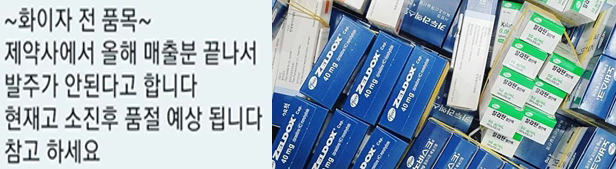
- Text messages received by pharmacists from wholesalersWhen some local wholesalers sent a text message to the pharmacy saying that all Pfizer items from Pfizer Korea are expected to be sold out, pharmacists are placing large orders to secure stock. The text message the pharmacy received from a wholesaler said that Pfizer stopped placing orders after sales of Pfizer this year, and accordingly, it is expected to sell out after the current inventory runs out. The pharmacists were reluctantly increasing the amount of orders, fearing the possibility of being sold out. However, Pfizer Korea announced that orders for sales will not be stopped this year. According to local pharmacies on the 8th, some received information about all Pfizer products, and others received information about some of the products scheduled to be sold out. The places that received the information on all products ordered a unit of ₩10 million and prepared for it in advance. Contrary to expectations, there are items that are not sold out, but they have to secure inventory to be used this year for fear of a possible out of stock. Drugs ordered to secure inventory after receiving a text message for all items sold out Pharmacist A in Gyeonggi-do said, "Last year, there was no notice that all items were expected to be sold out, and I received a text message saying that some products will be sold out." “This time I ordered about ₩14 million. This is the minimum quantity and ordered. I don’t care about other product, but Xanax is already out of stock.” Pharmacist A said, "In addition to these, there are products that are out of stock, and among them there are products that are almost out of stock." In addition, the pharmacist explained the situation in which he had no choice but to secure supplies in case of sold out. Some pharmacists were notified that only certain products of the company were sold out. Some products are scheduled to be sold out by December and others are scheduled to be sold out. As a result, some pharmacists were concerned about whether they were trying to sell all the remaining stock. Pharmacist B in Gyeonggi-do, said, "There are pharmacies that have received two items, not all items. They are talking about whether they are too explicit in inventory. Pfizer replied that the contents of this text message were not guided at all. An official from Pfizer explained, "The company has never provided guidance to wholesalers (such as text content), and does not take measures to stop placing orders just because sales are over." On the other hand, there was an opinion that if a wholesaler guided these texts, pharmacists would have no choice but to purchase in large quantities, and that fundamental supply and demand instability problems need to be resolved. Pharmacist C in Seoul, said, "It's not just about a specific company. There are dozens of out-of-stock drugs that pharmacies are having trouble with, and it's like a threat." He emphasized, "It is a recurring problem, so it is necessary to prevent prescriptions for sold-out drugs or to come up with a fundamental solution."
