
- LOGIN
- MemberShip
- 2026-04-24 14:58:47
- Product
- Approval of OTC teleconference bending machine project
- by Kang, Shin-Kook Jun 23, 2022 05:49am
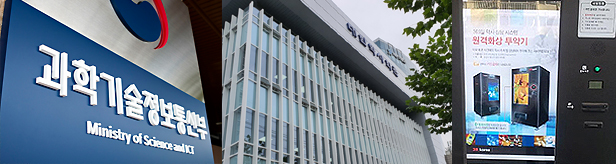
- OTC teleconference bending machine issue, which has been on hold for 10 years, has secured a bridgehead for entering the market under the new government deregulation stance. The Ministry of Science and ICT held an ICT regulatory sandbox review committee on the 20th and approved the OTC teleconference bending machine based on the MOHW's conditional acceptance opinion as an empirical special project. The OTC teleconference bending machine has long been an issue. When the issue of selling OTC at supermarkets occurred in 2012, the Gyeonggi Pharmaceutical Association voluntarily discussed the introduction of the OTC teleconference bending machine in the name of preventing it. Since then, in 2016, during Park government, the "Amendment to the Pharmaceutical Affairs Act" to introduce the OTC teleconference bending machine was pushed in the form of government legislation, but pharmacists opposed it. As the amendment to the Pharmaceutical Affairs Act was automatically scrapped at the end of the term of the National Assembly, it was a good opportunity for OTC teleconference bending machine companies. This is because of the regulatory sandbox introduced by Moon's government. Regulatory sandboxes are a system that exempts or suspends existing regulations for a certain period of time when new products and services are released in new industries and new technologies. The system was first launched in the UK to foster the fintech industry and was adopted by Moon's government as one of the regulatory reform measures. In the end, the Ministry of Science and ICT held a meeting to allow regulatory sandboxes for OTC teleconference bending machines in 2019, and it was likely to pass. At that time, the Pharmaceutical Association withheld deliberation, but the attempt continued. There was a second attempt to enter the regulatory sandbox in 2020. Moon's government received much help from pharmacists about public masks. It was not easy for Moon's government, which was well aware that innocent pharmacists suffered from public criticism due to public mask issues, to blindly push ahead with video medication machines. According to a statement from the Pharmaceutical Affairs Association at the time, "Pharmacists are doing their best to supply public masks in pharmacies, which has an unprecedented role in supporting the national public health and medical functions." To push ahead with the OTC teleconference bending machine demonstration special, which 80,000 pharmacists across the country oppose, just as they brutally trample on the efforts of these pharmacists, is a one-sided example of administration with no minimum form and common sense." In 2021, the Ministry of Science and Technology tried to deliberate on the OTC teleconference bending machine again, but it was put on hold again and it was handed over to the new government and Choi Kwang-hoon executive. However, Yoon's administration recognized deregulation as the top national task. The new government's economic policy was also focused on regulatory innovation. It was also a negative factor for the pharmaceutical society that Jeon Hye-sook, Kim Sang-hee, and Seo Young-seok, who were former pharmacists, became opposition lawmakers in the ruling party, making it difficult to exert power on the government. On top of that, unlike Moon's government, Yoon's government had no debt to the pharmaceutical society. The MOHW, which was skeptical of the OTC teleconference bending machine, also seems to have been forced to jump on the new government's regulatory innovation stance. On top of that, there is an analysis that the situation in which the MOHW is for nothing and it has also expanded the scope of the Ministry of Science and Technology. In the end, the OTC teleconference bending machine, which had been seeking to enter pharmacies for 10 years, began to enter the long-awaited pharmacy market after meeting the new government's market economy policy, and the pharmacist society, which resisted by even opening-air meeting, fell into despair. The problem is that open-air meeting is the beginning of deregulation. There is a possibility that the expansion of safety emergency medicine items at convenience stores and the permission of non-face-to-face treatment and drug delivery may also be a second open-air meeting. The government has already announced the formation of a task force for regulatory innovation in health care, and two important issues, economic revitalization and national health, have been forced to continue to collide.
- Product
- Prescription of oral COVID-19 drugs drop to 1,800 last week
- by Kang, Shin-Kook Jun 13, 2022 05:54am
- Prescriptions of the oral COVID-19 treatments Paxlovid and Lagevrio have been rapidly decreasing in line with the decrease of confirmed COVID-19 cases in Korea. On the 10th, the Korea Disease Control and Prevention Agency announced that it had prescribed Paxlovid and Lagevrio to 1,800 patients during the past week. From 6:30 p.m. on May 3rd to 6:30 p.m. on May 9th, 1,549 courses of Paxlovid had been prescribed to patients receiving treatment from home, at residential treatment centers, and at infectious disease hospitals. In the case of Lagevrio, another oral COVID-19 treatment, 258 courses were prescribed in the same period. Compared to two months ago when prescriptions of Paxlovid amounted to 29,746 in the week of April 11th, the 1,549 prescriptions made last week is a 1/19th decrease in just two months. As a result, 469,923 courses of Paxlovid and 78,402 courses of Lagevrio remain in stock, amounting to a total of 548,325 courses of oral COVID-19 treatments available for use in Korea.
- Product
- The supply of Tylenol suspension has been postponed again
- by Kim JiEun May 25, 2022 05:47am
- The sale of children's Tylenol suspension will be extended further. The supplier originally promised to supply it in June, but it seems that it will not be available until August, two months later. Johnson & Johnson Korea recently sent an official letter to drug distributors on the "Delay Notice on the Supply Schedule of Children's Tylenol Suspension 500ml." As of January 3, children's Tylenol suspension 500ml was distributed from Janssen Korea to Johnson & Johnson Korea, and the vendor was changed. In this official letter, the company said, "The supply schedule of children's Tylenol suspension 500ml products will be delayed from June to August due to internal circumstances," and added, "We will do our best to provide stable products." Earlier this month, the government also decided to urgently introduce Tylenol suspension and tablets distributed in Australia due to the prolonged sale of children's antipyretic analgesics containing acetaminophen. Tylenol suspension 50ml for children was scheduled to be supplied from this month, and Tylenol 500mg tablet from June through wholesalers nationwide. As of last week, Australian children's Tylenol suspension 50ml began to be distributed to pharmacies, but this is also not easy to order. Currently, 100, 500, 200ml of Tylenol suspension is on sale at drug store, It has been confirmed that only Tylenol suspension 200ml can be ordered in small quantities. In most pharmacies, consumers' perception has changed to some extent compared to the early Tylenol crisis, so the number of cases of explaining and selling generics for Tylenol has increased. A pharmacist in Seoul said, "Since there are many products from domestic pharmaceutical companies, I understand and purchase them when I explain them to mothers these days," adding, "As even orders are not easy for years, I have virtually given up ordering them these days." In the case of Australian Tylenol suspension, caution is required when instructing drugs at pharmacies as the dose per dose is unknown due to the difference in the concentration of active ingredients compared to domestic products. For ages 7 to 8, 10ml of existing Tylenol suspension, 7.5ml of Australian Tylenol, 15ml of existing Tylenol and 11ml of Australian Tylenol are recommended. At the age of 12, 20ml of existing Tylenol suspension and 12.5ml of Australian Tylenol suspension are recommended doses.
- Product
- Unsure efficacy of Alzheimer's drug aducanumab
- by Choi-sun May 10, 2022 06:07am
- The Korean Dementia Association has reviewed the clinical potential of aducanumab (Aduhelm), the first new drug for Alzheimer's disease to be introduced to the field in 18 years. With the efficacy of the drug under constant debate, and being barely approved for its effect in reducing surrogate biomarkers such as amyloid reduction in Korea and turned down in Europe, KDA’s position is that verification over time is required to confirm the drug’s actual effect. On the 16th, KDA held its KDA Annual Fall Conference at the Baekbeomgimgu Memorial Hall. At the event, held a panel discussion session with 4 members including KDA Chair Dong-Won Yang and KDA President Ae Young Lee. In June 2021, the US FDA granted conditional approval for aducanumab as a treatment for Alzheimer’s. Aducanumab, which is a monoclonal antibody developed to target the mechanism of Alzheimer’s Disease, had become the first new drug to be approved for Alzheimer’s since 2003. As abnormal accumulation and aggregation of beta-amyloid plaques are reported in the brains of patients with Alzheimer’s, the widely-accepted theory in the field was that these protein buildups (plaques) generate neurotoxins and gradually deteriorate the cognitive function of the brain. Aducanumab was developed to remove this plaque, and although it is not a cure, its effect in was in slowing down cognitive decline in patients was recognized. But still, there is an ongoing debate on whether the drug is ‘clinically effective’ in academia, including among FDA’s internal advisors. As the drug failed to demonstrate efficacy in the clinical trial that used the change from baseline on the Clinical Dementia Rating Scale Sum of Boxes (CDR-SB) as the scale, experts judged that it is difficult to definitively acknowledge the drug’s effect only with the surrogate endpoint that demonstrated reduced amyloid accumulation. Fully aware of such controversy during its review, the FDA had set a condition upon approval that Biogen will have to conduct post-approval studies to verify the treatment’s anticipated clinical benefit in addition to the amyloid PET results. However, the EMA refused to grant marketing authorization for the drug. Through a statement, KDA had announced, “Despite much controversy, approval of aducanumab is in itself encouraging news for patients, clinical doctors and researchers in the field,” and stressed that the association will make efforts to rigorously verify the drug’s effect with science in the future to members while sharing relevant information. The panel discussion also focused on whether the amyloid plaque removal mechanism translates to real clinical efficacy. Jae Hong Lee, Professor of Neurology at Seoul Asan Medical Center, said, “As the drug wasn’t able to reach the primary efficacy endpoint of the trial, it is difficult to readily embrace the FDA's approval result. However, I believe the FDA approved the new drug despite headwinds as the promise of a cure with new drugs in development is a long way off. Lee added, “Considering the strict standards that have been applied to new drugs for Alzheimer's disease so far, the drug was difficult to be approved. To some, the CDR-SB improvement in patients who were administered the 10mg high-dose over 14 times in the post-analysis may seem far-fetched.” “Results show only 0.1% of the patients passed the final clinical review. This is an unconventional and proactive attitude on the FDA’s part when considering FDA’s traditional approval standards. In the ENGAGE trial, the drug failed to demonstrate its clinical efficacy but demonstrated a reduction in biomarkers, therefore, whether the improvement in biomarkers will bring clinical effect needs to be seen,” said Lee, warning caution over overinterpretation of the trial results. In other words, although clinical improvement can be expected due to the reduced biomarker effects demonstrated by amyloid and tau protein, Lee believes the time is needed to verify the efficacy of the drug. KDA Chair Dong-Won Yang said, “It is quite interesting that the drug continued to reduce amyloid plaques and tau in up to 1 and 2 years after high-dose administration. We need to recognize its effect in removing amyloid plaques.” Sang-Yoon Kim, Professor of Neurology at Seoul National University Bundang Hospital said, “The drug does have an amyloid reduction effect, but its clinical effect may differ by months. Also, the tau protein reduction was observed, but due to the small number of patients, we would need to wait longer to observe its actual effect," he said. KDA President Ae Young Lee limited the drug’s utility in terms of its side effects. ARIA (amyloid-related imaging abnormalities) more commonly occurred in the aducanumab administered group (43%). In addition, ARIA-E occurred in about 50% of the 7th dose and 90% of the 12th dose of aducanumab. President Lee said, “With over 40% of patients administered the high-dose experiencing ARIA, observation according to administration period and the number of doses will be needed. As the occurrence rate differs by up to 7 times in ApoE E4 carriers, we need to play caution in using the drug for treatment.” Professor Kim said, “ Patients were recruited under very strict standards for the clinical trial, to the extent that patients with other diseases were excluded from the trial. This is very different from the characteristics of patients in the actual clinical environment. As there is a possibility of side effects in case patients have heart conditions or other diseases, a guideline for its administration needs to be set.” Kim added, “Since the effect has been confirmed in a specific patient group in the trial if the drug is introduced in Korea, we would also need to strictly select a patient group in consideration of the side effects and effects in line with the clinical trial. We need to leave the decision on whether to administer the drug at the discretion of each clinician,” However, considering the current treatment environment in which there is no suitable new drug, most HCPs have shown a positive response to ‘making an attempt’ with aducanumab. The larger issue is its price, which costs tens of millions of won. Professor Lee said, “Price of aducanumab fell from the ₩65 million early on to ₩25-30 million currently. If the price becomes more reasonable, I plan to attempt administering the drug to patients who are less likely to develop ARIA and see an effect. Chair Yang said, “I believe the drug may be of help as I've seen many patients whose condition deteriorates with amyloid accumulation. It would be great if we can use the drug in the early stages of the disease, but we need to gradually increase the dose with continuous MRI monitoring due to the possibility of ARIA."
- Product
- Aftermath of Revlimid of primary benefit multiple myeloma
- by Whang, byung-woo Apr 28, 2022 06:06am
- As Revlimid (Lenalidomide Hemihydrate) based chemotherapy enters the benefit, changes in RRMM prescription patterns are inevitable. Kyprolis-centered KRd therapy (Carfilzomib+Revlimid+Dexamethasone) and Ninlaro-centered IRd therapy ( As both Ixazomib+Revlimid+Dexamethasone) contain Revlimid, there are concerns at the clinical site about how to take follow-up prescriptions. Revlimid's benefit has been reimbursed for RVd therapy (Lenalidomide + Bortezomib + Dexamethasone) and R2 therapy (Lenalidomide + Lituximab) since April. RVd therapy was recommended as the primary treatment for multiple myeloma in the NCCN and ESMO guidelines, but benefits were not applied until April in Korea. For this reason, clinical sites have expressed opinions on the need for benefits of RVd therapy and R2 therapy. As RVd therapy becomes available for primary treatment, discussions on the use of KRd therapy and IRd therapy, which were prescribed in RRMM, continue In the case of multiple myeloma, there is a possibility of continuous recurrence, so it is prescribed by taking a different combination of treatments that can be used for each order. It was impossible to prescribe IRd therapy if KRd therapy was used in the past, so a treatment strategy was used to use KD therapy in the next order of treatment after using IRd therapy at the discretion of the medical staff. Experts believe that as RVd therapy is used for primary treatment, the use of KRd therapy and IRd therapy containing Revlimid will also be reduced. Professor Kim Seok-jin of the Department of Hematology and Oncology at Samsung Medical Center said, "If RVd is used as the primary treatment, KRd and IRd will inevitably be affected." "This benefit is meaningful," he explained. It is not that IRd therapy cannot be used when RVd therapy is used in primary treatment and KRd therapy on which Rd therapy is based. After diagnosis, multiple myeloma is divided into a "transplant target group" and a "non-transplant target group" depending on whether hematopoietic stem cell transplantation is possible, and Takeda explains that patients can be treated with the same benefit as now after recurrence even if VRD is applied as the primary treatment. The prerequisite is that VRd therapy is transplanted after 6 cycles and recurrence after maintaining the reaction for more than 6 months. In the case of non-transplantation groups, the use of VRD as Until Progression as primary treatment makes it difficult to apply both R-based treatments, including IRd and KRd, which are currently available for benefit prescriptions, in the second. #Will it be established as KRd/IRd therapy maintenance therapy in non-transplant patients? Then, how many patients can use KRd and IRd therapy according to the entry of RVd therapy into primary treatment? Lee Je-joong, a professor of hematology at Hwasun Chonnam National University Hospital, said, "In the group of patients who can be transplanted, RVd is performed for about four cycles and most of them react, so most of the patients can use both KRd and IRd as secondary therapy. In terms of the total number of patients with multiple myeloma, 55% of them can be transplanted, and 90% of them will be able to use KRd and IRd therapy." There is no significant difference from the previous one in patients who can be transplanted, but experts predict that it will be Kd therapy for Cypriot and maintenance therapy for ninjas as it is difficult to use KRd and IRd in secondary treatment for non-transplant patients. Both options are continuously confirmed through current research to expand indications and confirm their efficacy. Kd therapy has the result of extending the survival period compared to Vd therapy by another 12 months in RRMM patients who previously received one treatment, including elderly patients, who are the main patients with multiple myeloma. Since May last year, Kyprolis has obtained additional indications for the dose of Kd once a week in the treatment of RRMM patients, and the fact that both Kd once a week and twice a week are covered by insurance benefits is also expected to have a positive effect. In addition to IRd therapy, Ninlaro has indications for maintenance therapy for patients who received autologous hematopoietic stem cell transplants and those who did not receive them in March and September last year, respectively. However, in the case of maintenance therapy, it was not reimbursed.
- Product
- The KPA establishes an emergency TFT
- by Apr 20, 2022 06:05am
- As the presidential transition committee is expected to include the permission of non-face-to-face medical treatment in its national agenda and fully review the revision of the law, the KPA has begun to come up with measures. The Chairman Choi Kwang-hoon formed a TFT related to non-face-to-face treatment and convened his first meeting today (19th). Through TFT, the company plans to set up a mid- to long-term plan for non-face-to-face treatment. Chairman Choi had already expressed concern about the government's push for telemedicine earlier this month. "The problems caused by non-face-to-face treatment in the pharmacist society will disappear after the MOHW's notice of temporary non-face-to-face treatment is completed, but the new government's policy will not disappear. Chairman Choi said through Dailypharm on the 19th, "We planned a TFT to respond to non-face-to-face treatment, and we will have our first meeting today," adding, "The TFT name and mid- to long-term plans will be established here." First of all, the KPA has a conservative position on non-face-to-face treatment The KPA said, "We express strong regret over Yoon's attempt to legislate temporary non-face-to-face treatment, and urge him to actively abolish the current temporary non-face-to-face treatment permit notice. We urge experts to pay attention to the opinions of health care groups so that public health rights can be prioritized over industrial development, and we will take all measures to prevent acts that destroy the health care system." Front-line pharmacists also cannot understand the transition committee's non-face-to-face treatment innovation startup meeting. "We don't know how the KPA is responding with any will. However, it is not understandable that the Youth Communication TF of the Presidential Transition Committee will hold a meeting with private companies and solve this part due to job problems, it is something that the KPA should strongly block." Another executive of the Pharmaceutical Association also said, "In the end, dispensing pharmacies in the form of dispensing factories will be created nationwide. Discussions and countermeasures should be made at the medical organization level."

- Product
- Non-face-to-face tx companies are appealing for regulations
- by Jung, Heung-Jun Apr 20, 2022 06:05am
- Non-face-to-face treatment companies are appealing for regulatory improvement ahead of the abolition of social distancing and easing the level of infectious diseases. Pharmacists are protesting that the reason for non-face-to-face is disappearing and that they should take steps to temporarily terminate the permit as scheduled. According to the Korea Chamber of Commerce and Industry on the 18th, the most frequent complaint among requests for improved regulations in the health and medical sectors was non-face-to-face treatment. In February, the Korea Chamber of Commerce and Industry and the Ministry of Trade, Industry and Energy temporarily approved the "non-face-to-face treatment counseling service for overseas citizens" through regulatory sandbox deliberation. The two approved companies are Blue Ant and Gooddoc. Companies have urged regulations to improve for the continuous operation of non-face-to-face treatment services, which are limited to "temporary permission." An official from the Korea Chamber of Commerce and Industry said, "It is temporarily allowed, but there are many opinions to request improvement because it can be terminated if the infectious disease level is lowered," adding, "The MOHW does not have a regulatory sandbox, so there are many companies requesting non-face-to-face treatment." If the infectious disease level is adjusted from the existing first grade to the second grade, it is highly likely that the crisis alert will be lowered, which is a serious stage. Since the government has decided to operate non-face-to-face treatment only at the serious stage, it will be completely converted to face-to-face treatment at the end of the serious stage. The industry has insisted on continuous requests for improvement, but related discussions have not yet been made. Discussions between the government and stakeholders are expected to take place soon because they have announced guidelines for easing quarantine for the purpose of With COVID-19. There were many opinions that front-line pharmacists should stop non-face-to-face treatment by temporarily abolishing the notice of permission as scheduled, but some also suggested that non-face-to-face treatment will be maintained. Pharmacist A in Seoul said, "The medical community seems to have changed its attitude a lot. If non-face-to-face treatment is maintained as it is, it seems to be preparing with a focus on what authority to take," he said. He worried, "The more cumulative patients the more difficult it will be to prevent." Another pharmacist said, "The reason why we allowed it in the first place was because of concerns that the number of confirmed patients could increase while visiting clinics and pharmacies. Now, there is no reason to maintain it in a situation where confirmed patients go directly," he said.

- Product
- Immunity products fare better “targeting the long COVID mkt
- by Apr 19, 2022 05:52am
- The OTC drug trend at pharmacies is changing. Compared to February and March when the Omicron variant had wielded power over the country and sales at pharmacies increased due to a surge in demand for antipyretic analgesics and sore throat treatments, etc., sales of products related to long-term effects of COVID-19 are now increasing due to more and more people complaining about COVID-19 aftereffects. Purchase and requests for general OTC drugs at pharmacies for coughs, chest pain, loss of appetite, fatigue, lethargy, and nutritional supplements have increased among patients who overcame COVID-19. Pharmacist A said, “With the COVID-19 wave subsiding, sales from prescriptions for confirmed patients and sales of OTC drugs have decreased significantly. The number of prescriptions for confirmed patients has drastically decreased to 1/5-1/6, and the number of customers purchasing related OTC drugs has also decreased significantly. These days, more and more patients visit pharmacies to buy drugs or consult about their COVID-19 aftereffects. The number of new confirmed cases has decreased to 47,743 on the 17th, with the number of patients treated at home falling under a million as of midnight on the 18th to 742,367. Pharmacist A said, “Since many patients complain about continued sore throat or coughs, OTD drugs such as Yonggaksan, Troche products, and herbal medicines are relatively popular.” An official from a pharmaceutical company that produces herbal medicines said, “Sales of our products surged in February and March due to COVID-19 sore throat symptoms and continue to stay strong in April. I think the interest in herbal medicine has increased due to the need for long-term intake.” Also, pharmacist A explained that inquiries and counseling on nutritional supplements or nutritional tonics also continue with some younger and many older people complaining of fatigue, lethargy, and sleep disorders, Pharmacist B said, just like some clinics and oriental clinics have recently increased focus on COVID-19 recovery treatments, there are differences in products recommended by age and various products ranging from nutritional tonics and arginine that can provide instant symptom recovery to comprehensive nutritional supplements that can be taken long-term are being sold at the pharmacy." B continued, “Since the aftereffects experienced by patients vary greatly, patients with more severe symptoms purchase more expensive products such as Gongjin-dans and Kyungo-gos. We have also been recommended health functional foods related to long COVID symptom relief to our customers.” Also, YouTube videos related to long COVID are recording more views recently. From instructions on taking high-dose vitamins to specific videos that recommend products directly purchased from overseas, lots of drugs and health functional foods are being presented as being good for COVID-19 after-effects in the media, and pharmacists voicing that “it is important to properly know about each drug for proper intake.” Pharmacist Ji-Hyan Lee recently said in YTN Radio's ‘Wise Radio Life’ corner, "Being infected with COVID-19 is like catching a big fire. Even if it is incinerated, fire residues and debris remain. You have to take care of yourself for at least 3 months, and above all, it is important not to overwork and pace yourself well.” Pharmacist C said, “Symptoms such as cough and phlegm can improve relatively quickly, but recovery from dizziness or lethargy can be slow or difficult. Therefore, it is important to raise your immunity on a daily basis, and manage your hygiene and immunity as well as tend to your lifestyle and dietary habits.”
- Product
- Gov discusses presenting regulatory sandboxes for ER OTC
- by Jung, Heung-Jun Apr 18, 2022 05:57am
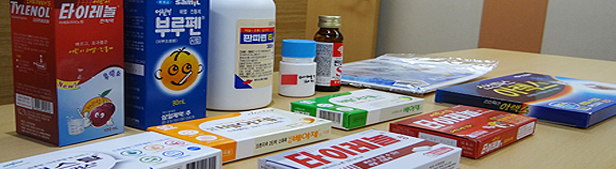
- The Ministry of Trade, Industry and Energy conducted an opinion survey of government departments on regulatory sandbox agendas related to safety medicines (medications that are urgently used for mild symptoms among general drugs and can be used by patients themselves). If discussions on special regulations on safety medicines begin following teleconference vending machine, repercussions are expected in the pharmacist society. The Ministry of Trade, Industry and Energy's Regulatory Sandbox team conducted an opinion inquiry last month with the Ministry of Health and Welfare, which is in charge. If the final agenda is confirmed as a result of the opinion inquiry, the discussion is expected to take place through the Special Regulatory Review Committee. An official from the Ministry of Trade, Industry and Energy said on the 14th, "We conducted an opinion inquiry at the end of March regarding safety and emergency medicine. We have not yet been able to confirm the details of the case. The Ministry of Health and Welfare also said, "It is true that discussions on the introduction of regulatory sandboxes on the issue of deregulation of safety leapfrogs have begun," and that nothing has been decided yet. The convenience store industry has continuously demanded the expansion of safety medicine items. Discussions have not progressed so far, but they are sticking their heads out through regulatory sandboxes again. Currently, the issues required by the industry are considered to be ▲ Expansion of safety medicine items ▲ Release of 24-hour operating conditions ▲ Delivery of safety medicine services. Although it is conditional on 24-hour operation to handle safety emergency medicine, there have been calls in the industry to remove restrictions as more convenience stores have shortened operating hours due to COVID-19. In response, the pharmaceutical association has insisted that convenience stores that are not operating 24 hours a day should be stopped. There is also a demand to allow safety medicine delivery services. Kinetet, which includes Naver, Kakao, Nexon, Netflix, and Woowa Brothers Corp, also delivered the plan to the presidential transition committee of Yoon Seok-yeol. According to a government official, it is highly likely that it will be an agenda for review of special regulatory cases if opinions are inquired by the ministries in charge Meanwhile, in February, the Ministry of Trade, Industry and Energy deliberated and resolved 14 agendas, including non-face-to-face medical counseling services for overseas Koreans.
- Product
- Lagevrio prescriptions exceed 2,000… Paxlovid's up 25.6%
- by Kang, Shin-Kook Apr 05, 2022 05:58am
- The number of oral COVID-19 treatment Largevrio’s prescriptions has exceeded 2,000 in only 5 days since it was supplied to pharmacies in Korea. Also, the number of total Paxlovid prescriptions has exceeded 150,000 courses. According to the Korea Disease Control and Prevention Agency on the 1st, a total of 150,321 prescriptions were made from January 14th to the 31st of this month. This is a 25.6% increase from 118,738 prescriptions made the previous week (week of March 24th). By subjects of Paxlovid use, ▲121,676 were at-home treatment cases, ▲1,312 residential treatment center cases, ▲1,312 Infectious Disease Hospital cases, ▲1,052 others (military camp support, etc.) The more newly introduced Largevrio was prescribed 2,110 times. Among those, 1,835 were used at home, followed by 261 at Infectious Disease Hospitals and 14 at residential treatment centers. 100,969 courses of Paxlovid and 98,690 courses of Lagevrio remain in stock in Korea. The courses of Paxlovid left in stock in reach region are as follows: ▲Seoul 11,231 ▲Busan 3,987 ▲Daegu 2,542 ▲Incheon 3,685 ▲Gwangju 1,455 ▲Daejeon 1,271 ▲Ulsan 1,077 ▲Sejong 164 ▲Gyeongi-do 10,449 ▲Gangwon-do 2,679 ▲Chungcheongbuk-do 1,891 ▲Chungcheongnam-do 2,623 ▲Jelloabuk-do 1,998 ▲ Jelloanam-do 2,693 ▲Gyeongsangbuk-do 2,268 ▲Gyeongsangnam-do 3565 ▲Jeju-do 971 ▲Central 46,420 The courses of Lagevrio left in stock in each region are as follows: ▲Seoul 5,267 ▲Busan 1,779 ▲Daegu 874 ▲Incheon 1,552 ▲Gwangju 461 ▲Daejeon 693 ▲Ulsan 359 ▲Sejong 187 ▲Gyeongi-do 4,806 ▲Gangwon-do 1,230 ▲Chungcheongbuk-do 1,259 ▲Chungcheongnam-do 1,590 ▲Jelloabuk-do 755 ▲Jelloanam-do 1,276 ▲Gyeongsangbuk-do 1,089 ▲Gyeongsangnam-do 1,262 Jeju-do 345 ▲Central 73,906. Meanwhile, 460,000 courses among the 1,004,000 courses of oral COVID-19 drugs procured by the government will be introduced within this month. 184,000 courses have been already introduced to Korea in March, and the other 276,000 courses are to arrive within April.
