
- LOGIN
- MemberShip
- 2026-05-02 03:39:24
- Company
- Will overcoming CDRC review lead to reimb for 'Besremi'?
- by Eo, Yun-Ho Feb 25, 2025 05:56am
- Product photo of Besremi Whether 'Besremi,' used to treat polycythemia vera, will be added to the National Health Insurance reimbursement list has gained attention. According to the industry sources, PharmaEssentia's Besremi (ropeginterferon alfa-2b) is awaiting to be considered for the Health Insurance Review and Assessment Service (HIRA)'s Drug Reimbursement Evaluation Committee (DREC) review. It is expected to be considered for the DREC review in March. It is Besremi's second attempt at obtaining reimbursement. The company proceeded with the reimbursement process in March 2023 for the treatment of hydroxyurea-refractory/resistant polycythemia vera. The drug did not overcome the Cancer Disease Review Committee (CDRC) hurdle. At the time, the CDRC determined that Besremi lacked evidence for clinical utility as a second-line treatment. After that, PharmaEssentia added Besremi's domestic clinical documents, supplemented efficacy evidence as a second-line treatment, and re-submitted the reimbursement application in March last year. In the same year, it passed the CDRC in July. The CDRC established a reimbursement standard for Besremi as a 'treatment of polycythemia vera in low-risk (exclusively to patients who need cell depletion therapies) or high-risk patient groups without accompanying enlarged spleen.' Likewise, it is to be closely watched whether Besremi, with multiple attempts, will achieve success this year. Besremi is a next-generation interferon designed to selectively eliminate Janus kinase 2 (JAK2) gene, which causes polycythemia vera. With the improvement made to purity and tolerability of the previous interferon agents, this drug was designed to be taken once every 2 weeks for the initial 1.5 years, then once every 4 weeks. Besremi is now recommended by the National Comprehensive Cancer Network (NCCN) and the European LeukemiaNet (ELN) as treatment for polycythemia vera regardless of previous therapy history. Meanwhile, polycythemia vera is a rare blood cancer where somatic cell mutation in bone marrow causes abnormal activation of bone marrow function, resulting in the overproduction of red blood cells. According to the HIRA resources, the number of patients in Korea with the disease is about 5,000, and hydroxyurea is used in most patients. However, polycythemia vera is a disease with high unmet needs because the current drugs that are covered by reimbursement cannot treat the underlying causes of the disease, and no alternative treatment options exist when patients fail hydroxyurea treatment.

- Company
- "Increasing role of Kisqali in breast cancer therapy"
- by Whang, byung-woo Feb 24, 2025 05:51am
- The introduction of CDK 4/6 inhibitors has changed the treatment paradigm for metastatic breast cancer, addressing previously unmet needs. The introduction of a new treatment option has been positively evaluated because the existing endocrine therapy, which is used as first-line treatment for HR+/HER2 advanced and metastatic breast cancer, accompanies specific adverse responses, such as thrombosis and musculoskeletal adverse reactions associated with estrogen deprivation. Dr. Jae Ho Jeong, Professor of the Department of Oncology at Asan Medical Center located in SeoulAs CDK4/6 inhibitors have been approved in South Korea, the impact of new treatment options is gradually expanding. During the meeting with Daily Pharm, Dr. Jae Ho Jeong, Professor of the Department of Oncology at Asan Medical Center located in Seoul, stressed the importance of strengthening new drug access to improve treatment settings for HR+/HER2- advanced∙metastatic breast cancer in South Korea. The number of breast cancer patients in South Korea has been increasing for the past five years, from 2018 to 2023. HR+/HER2- breast cancer type accounts for approximately 60-70% of all metastatic breast cancer. Currently, the five-year survival rate of patients with early breast cancer is high, at over 90%, but the survival rate of patients with metastatic breast cancer is reported to be very low. Dr. Jeong said, "Despite the high overall survival rate for breast cancer, the five-year survival rate is only 32% when diagnosed as advanced‧metastatic breast cancer." Adding, "Difficult-to-treat cases often include existing multiple metastasis from diagnosis. When patients show resistance to first-line treatment, cancer progression becomes rapid, and patients have poor prognosis." "Advanced‧metastatic breast cancer has difficult remission and can easily relapse. Thus, the treatment goal is to consider the tumor characteristics, minimize side effects, and extend the progression-free survival (PFS) and overall survival," Dr. Jeong Said. "When establishing a treatment strategy, menopause, cancer progression, internal organ metastasis, and patient's overall health status must be considered." According to Dr. Jeong, the global guidelines (NCCN, ASCO, ESMO) recommend combination therapy containing endocrine therapy and CDK4/6 inhibitor as a first-line treatment for HR+/HER2- advanced breast cancer. A therapy with CDK4/6 inhibitor is recommended first instead of a cytotoxic anticancer agent for aggressive disease type." "The introduction of CDK4/6 inhibitors changed a paradigm for HR+/HER2- breast cancer" Data on CDK4/6 inhibitors for HR+/HER2- breast cancer have been competitively presented. Kisqali (ribociclib)'s 'RIGHT Choic subgroup study' results presented at the San Antonio Breast Cancer Symposium (SAVCS 2024) have gained attention. Based on the RIGHT Choice clinical study and the subgroup study, the clinical utility of Kisqali has been confirmed for HR+/HER2- breast cancer patients with internal organ metastasis and aggressive characteristics. In the study, endocrine therapy in combination with Kisqali demonstrated improved the median progression-free survival (mPFS) in various subtypes of HR+/HER2- advanced metastatic‧breast cancer than a combination therapy with chemotherapy. Dr. Jeong mentioned regarding this, "When a disease shows aggressive characteristics, chemotherapy, rather than endocrine therapy, is typically widely used in clinical practices. Thus, the results of the RIGHT Choice study hold significant importance." "Breast cancer is not a single type of disease and includes different tumors with various clinical characteristics and show different responses to disease progression and treatments. Depending on these groups, the analysis of the RIGHT Choice study showed that long PFS in the Kisqali combination therapy group," Dr. Jeong said. Dr. Jeong believes that more studies like these will enable customized treatments, allowing patients to receive appropriate treatment. Based on three Phase 3 clinical studies, including the NALEESA-2,3,7 study, Kisqali was confirmed to have consistent improvement to overall survival regardless of menopause status, treatment number, and combined treatment in advanced‧metastasis breast cancer patients. These study results will likely yield synergy. "Kisqali demonstrated benefits in OS survival through three clinical studies, where the quality of life was maintained and improved, regardless of the existence of combined treatments, the number of treatments, menopause status, metastasis location and number," Dr. Jeong said. "The effectiveness of Kisqali was confirmed in premenopausal patients, extending the treatment paradigm." "Changes to breast cancer treatment option…time to consider patient access" In addition to the global clinical study, the efficacy result of Kisqali from the real-world setting in South Korea was presented at the 2024 ESMO ASIA. Likewise, Kisqali's effect has been demonstrated in clinical settings. Dr. Jeong explains that no significant safety-related issues have not been reported for Kisqali, other than general side effects like fatigue and rashes, when prescribed. Compared to clinical studies, these side effects are manageable. "Considering a high percentage of premenopausal patients, Kisqali offers a benefit for use regardless of the menopause status. Effects and safety of Kisqali were demonstrated in these patient groups, and it has become a new standard therapy," Dr. Jeong said. "Furthermore, Kisqali has the advantage of increasing patient adherence because it offers convenience in dosage changes and administration guidance," Dr. Jeong said. "It is possible to change the dosage with the same formulation by changing the number of tablets. Given that a system to reduce re-purchase burden when changing a dosage has been introduced, the drug is gaining a positive review in clinical settings." However, Dr. Jeong says that expanded reimbursement standard is crucial to ensure patients to benefit from these new drugs. The introduction of CDK4/6 inhibitors has robustly changed the treatment paradigm for HR+/HER2- advanced‧metastatic breast cancer treatment. Thus, it is necessary to strengthen new drug access. Dr. Jeong said, "As better treatment options are available for not only HR+/HER2- metastatic breast cancer but also other types of metastatic breast cancer, positive changes have been brought. To improve treatment settings for HR+/HER2- advanced‧ metastatic breast cancer in South Korea, expanded National Health Insurance reimbursement standard and strengthened new drug access are needed." Ultimately, Dr. Jeong said, "It is important to improve patient access to new treatment options through securing medical facilities and expanding clinical study participation." "Accumulating clinical data that reflects the characteristics of Korean patients is important for establishing a foundation that can influence global guidelines."

- Company
- Will Prevnar 20 be included in NIP in 1H 2025?
- by Whang, byung-woo Feb 24, 2025 05:51am
- Pfizer is seeking to release Pfizer’s new pneumococcal vaccine, Prevenar 20, in the first half of this year with its inclusion in the National Immunization Program (NIP) for children. Pic of Prevnar20 According to industry sources, the Korea Disease Control and Prevention Agency and Pfizer have made progress in discussions on whether Prevnar20 should be included in the NIP. Prevenar 20 is a new pneumococcal vaccine that Pfizer has introduced in 14 years, and it is a vaccine that adds 7 serotypes (serotypes 8, 10A, 11A, 12F, 15B, 22F, and 33F) to the previously supplied Prevenar13. It can be administered to infants, children, and adolescents aged 6 weeks to 18 years and adults aged 18 years or older, according to the indications set by the Ministry of Food and Drug Safety. Initially, it was widely believed that the entry of Prevenar 20 into the NIP would be delayed until next year. This is because, in January, the Public Procurement Service announced a plan to execute a tender for the purchase of goods worth approximately KRW 120.2 billion, for a total of 163 cases, including the demand of the Korea Disease Control and Prevention Agency for “13-valent pneumococcal conjugate vaccine for children (PCV13) in 2024.” With the current situation where Prevenar 13 has entered the NIP, there is no reason for the KDCA to rush to include Prevnar20 into the NIP, and with the Public Procurement Service announcing its bidding plan, the industry expected Prevnar20’s inclusion into the NIP will be further delayed. However, as discussions on the NIP for Prevenar 20 have progressed since then, it is expected that it will be included in the NIP as early as the first half of this year. In this process, the view that Pfizer has found a compromise for Prevnar20’s price with the government. Nevertheless, there are still many processes to go through, including discussions with the Korea Expert Committee on Immunization Practices. If there is an issue, the is whether the NIP for Prevenar13 will be maintained and administered simultaneously with Prevnar20, or whether it will be completely switched to Prevnar20, and whether there will be cross-inoculation with Vaxneuvance, a vaccine that entered the NIP last year. However, considering how Prevnar20 is already recommended in major guidelines overseas, there is no major hurdle to Prevnar20's entry into the NIP if there is no cost issue. The infant and child sales for Prevnar20 will be maintained by Korea Vaccine, which was previously in charge of the sales of Prevenar13. In January, Pfizer Korea and Korea Vaccine signed a new strategic partnership for Prevnar20, which will be launched in Korea, following the partnership they signed in 2013. Prevnar20 is expected to be launched in Korea as early as April. As with Vaxneuvance, it will be able to take advantage of the favorable conditions of entering the NIP as soon as it is launched, depending on the results of the NIP discussion. In this case, Prevnar20 will likely be used as a sales strategy to naturally absorb the share of Prevenar13. A Pfizer official said, “We are doing our best internally to ensure that Prevnar20 is quickly introduced into NIP. We are working closely with relevant departments to prepare the necessary procedures.”
- Company
- Primary biliary cholangitis drug Iqirvo to land in Korea
- by Eo, Yun-Ho Feb 24, 2025 05:51am
- The new drug for primary biliary cholangitis Iqirvo may soon be launched in Korea. According to industry sources, Ipssen Korea is in the process of obtaining marketing authorization from the Ministry of Food and Drug Safety for Iqirvo (elafibranor), a dual peroxisome proliferator-activated receptor (PPAR) alpha/delta (PPAR α, δ) agonist. The drug was also designated as a rare drug in Korea in June last year. Iqirvo obtained accelerated approval from the US FDA in June last year for the indication of primary biliary cholangitis. Specifically, the drug is indicated for the treatment of adult patients with primary biliary cholangitis (PBC) who have shown an insufficient response to ursodeoxycholic acid (UDCA) or who cannot use UDCA monotherapy due to tolerability issues. The FDA's accelerated approval was based on the Phase III ELATIVE study's alkaline phosphatase (ALP) reduction data, and it has not been proven to improve survival or prevent liver function deterioration. Ipssen is currently conducting the confirmatory clinical trial, ELFIDENCE. The results of this trial will determine whether the drug’s approval will stand further. In the study, elafibranor demonstrated that it is an effective second-line treatment for PBC that has favorable benefit and risk data. Meanwhile, at last year's European Association for the Study of the Liver Annual Meeting (EASL 2024), two additional analyses of the Phase III ELATIVE clinical trial, which is evaluating the safety and efficacy of elafibranor in 161 patients with primary biliary cholangitis who do not respond adequately to ursodeoxycholic acid (UDCA) or are intolerant of it, were released in one after another. Additionally, the results of the open-label study were analyzed at week 72, and 30 of the 108 patients (28%) were assigned to the elafibranor group and 13 of the 53 patients (25%) were assigned to the placebo group maintained treatment through week 72.

- Company
- Pricing negotiations for Vocabria+Rekambys combo complete
- by Eo, Yun-Ho Feb 24, 2025 05:51am
- The long-acting HIV drug Vocabria+Rekambys combination therapy is on the verge of being reimbursed in Korea, 2 years after its approval. According to industry sources, GSK Korea recently concluded drug price negotiations with the National Health Insurance Service for the combination therapy of the new HIV drugs Vocabria (cabotegravir) and Rekambys (rilpivirine). Rekambys is Janssen Korea’s product, and GSK was responsible for its reimbursement process. Accordingly, the combination therapy of the 2 drugs is expected to be reimbursed soon if it passes the Health Insurance Policy Deliberation Committee review. The two drugs were approved by the Ministry of Food and Drug Safety in February 2022 as a combination therapy for the treatment of HIV-1 infection in adult patients who are virologically suppressed, have no history of virological failure, and have no known or suspected resistance to cabotegravir or rilpivirine. The advantage of this combination therapy is undoubtedly its convenience in administration. While existing HIV treatments require patients to take a tablet formulation once a day, the two injectable drugs will reduce the frequency of administration to once a month or once every two months with intramuscular injections, increasing satisfaction and reducing the burden on patients. The 2 drugs were originally developed as oral medications and then were developed into injectable drugs. While this long-acting injectable drug cannot cure HIV infection, it is a treatment that targets white blood cells to help lower and maintain the level of the AIDS virus. Meanwhile, the efficacy and safety of the Vocabria+Rekambys combination therapy was demonstrated in clinical trials in groups that received the drug once every four weeks or once every eight weeks. The combination was approved in Europe in December 2020. In the clinical trial, the most frequently observed adverse reactions in the group that received the Vocabria+Rekambys combination were injection site reactions, headache, fever, nausea, fatigue, asthenia, and myalgia. In addition, the indication for combination therapy has been expanded to include adolescent patients in Europe.

- Company
- Asthma drug Tezspire ready for launch
- by Whang, byung-woo Feb 21, 2025 05:56am
- Tezspire (tezepelumab), an anti-TSLP therapy for the treatment of severe asthma, is entering the market with its effectiveness regardless of biomarker status. Although the drug still faces reimbursement hurdle, clinical practices have high hopes. They expect that Tezspire's versatility can change the current treatment paradigm in which drugs are preferentially prescribed to patients with severe asthma. During a February 18 press conference hosted by AstraZeneca Korea to celebrate the launch of Tezspire, Dr. Heung-Woo Park, Professor of the Institute of Allergy and Clinical Immunology at Seoul National University Hospital, anticipated that unmet needs for asthma treatment would be resolved. Tezspire is the first and only drug to treat severe asthma by inhibiting 'thymic stromal lymphopoietin (TSLP).' By inhibiting TSLP, which is one of the factors associated with the pathology of asthma, the drug shows effectiveness in modulating symptoms in a wide range of patients with severe asthma regardless of asthma subtype. Dr. Heung-Woo Park, Professor of the Institute of Allergy and Clinical Immunology at Seoul National University HospitalIn December 2023, Tezspire was approved by the Ministry of Food and Drug Safety (MFDS) as an "Add-on maintenance treatment in adults and adolescents 12 years and older with severe asthma not adequately controlled by previous treatments." AstraZeneca plans to launch Tezspire in the first half of the year. The industry closely watches Tezspire for overcoming biomarker limitations and expanding treatment opportunities for patients with severe asthma. One of the difficulties in diagnosing asthma and its treatments is the wide range of manifestations of the disease. An accurate diagnosis is difficult because a clear biomarker for each asthma subtype is lacking. In other words, this causes a significant challenge in establishing a customized treatment strategy. Treatment options for non-Type-2 inflammation are still limited. Dr. Park said, "The introduction of biological agents improved the prognosis of patients with severe asthma, but unmet needs are yet to be addressed." Adding, "Severe asthma is a disease that causes not only decreased individual patient's quality of life but a societal burden. We are desperately in need of more effective treatment alternatives." The industry analysis suggests that Tezspire's unique mechanism of inhibiting TSLP, which drives asthma inflammatory cascade responses, will likely give distinction. Based on Phase 2 PATHWAY study and Phase 3 NAVIGATOR study, Tezspire was effective in demonstrating clinically significant improvement in asthma exacerbation rate regardless of asthma subtypes or biomarker status. Dr. Hwa Young Lee, Professor of Seoul St. Mary's Hospital, said, "This drug has brought a paradigm shift to the treatment of a wide range of patients with severe asthma since it can be used regardless of biomarker status, such as treating patients with low blood eosinophil or fractional exhaled nitric oxide (FeNO). Dr. Lee said, "It has shown effectiveness in reducing asthma exacerbation regardless of weather or accompanying diseases. Therefore, it is expected to expand treatment opportunities for patients with severe asthma significantly." Tezspire targets the standard therapy of severe asthma…"We will consider priority treatment" However, the indication of Tezspire is limited to cases where patients are not responding to previous treatments. It also has a limitation of not reimbursement by the National Health Insurance. Dr. Hwa Young Lee, Professor of Seoul St. Mary HospitalTezspire can be used regardless of type-2 inflammation and non-type-2 inflammation. It was expected that the use of the drug in clinical practices will gradually increase for patients with severe asthma whose biomarker status is difficult to identify. Dr. Park stated, "The drug can be expanded for use in both type-2 inflammation and non-type-2 inflammation. Clinicians may choose to use a treatment effective for a wider range of conditions first, and then select a treatment with a narrower range." Dr. Lee also emphasized that "For pneumonia treatment, doctors may use broader-spectrum antibiotics when identifying bacteria is difficult. In severe asthma, Tezspire can be effectively used if diagnosing type-2 inflammation proves difficult." However, due to limitations in reimbursement, only 10-20% of severe asthma patients are likely to receive the treatment readily. Ultimately, it will be up to the company to make efforts to obtain reimbursement. Regarding this, Ji-Young Kim, executive director of AstraZeneca Korea's Respiratory·Inflammatory Division, stated, "We acknowledge that severe asthma poses an economic burden." Kim added, "We are carefully considering patient support programs to reduce patient's economic burden."

- Company
- The aftermath of the prolonged medical care gap continues
- by Moon, sung-ho Feb 20, 2025 05:59am
- Global pharmaceutical companies are launching new blood cancer drugs in Korea one after another, but the situation on site is impeding their access. According to industry sources on the 17th, the the medical school admission expansion policy last year has led to a continued mass resignation of residents, which has disrupted the treatment of blood cancer at university hospitals. # The blood cancer treatment environment in Korea has been improving with an increasing number of “weapons” that medical staff can use due to the recent domestic approval and coverage of various treatments. From CAR-T (chimeric antigen receptor T cell) therapy to bispecific antibody therapy, various options are being introduced into clinical settings in Korea, expanding their use. If we were to choose a therapy that has been applied to clinical settings in Korea, the representative example is Novartis' Kymriah (tisagenlecleucel), which has been reimbursed by the National Health Insurance Service as a CAR-T therapy. In addition, the Ministry of Food and Drug Safety approved Jassen Korea’s Carvykti (ciltacabtagene autoleucel), Gilead Sciences Korea’s Yescarta (exicabtagene ciloleucel) and the new domestic drug, Curocell’s Limkato (Anbasel) is awaiting approval in Korea. Also, when looking at bispecific antibody treatments with indications for blood cancers, ▲ Roche's Lunsumio (mosunetuzumab), Columvi (glofitamab) ▲ Janssen's Rybrevant (amivantamab), Tecvayli (teclistamab), Talvey (talquetamab) ▲AbbVie’s Epkinly (epcoritimabab) ▲Pfizer’s Elerexfio (elranatamab), etc. All seven treatments have been approved in Korea and are currently being tried for reimbursement. In fact, Roche's Columvi, AbbVie's Epkinly, and Janssen's Tecvayli all attempted to pass the Health Insurance Review and Assessment Service's Cancer Disease Deliberation Committee, the first hurdle to reimbursement. Pfizer's Elerexfio was also submitted to the first Cancer Disease Deliberation Committee for deliberation this year and discussed the need to set reimbursement standards. All of these treatments failed to set reimbursement standards at the time, but depending on whether they are further challenged in the future, they are expected to be covered by insurance within the year. As a result, the expectations of patients for such treatment have greatly increased as the range of treatments has expanded beyond hematopoietic stem cell transplantation. However, due to the medical crisis that broke out last year, some university hospitals are still unable to accept new patients in the field of blood cancer. In the case of blood cancer, treatment is mainly provided at certain university hospitals, but these hospitals are not accepting new patients, causing a situation in which patients are flocking to other hospitals. Even hospitals where the patients flock are saying that they may no longer be able to accept new patients due to the lack of residents. A professor of hematology at a university hospital who requested anonymity said, “Some of the major university hospitals in Seoul are also unable to accept new patients in the field of hematological cancer,” and pointed out the problem, saying, “Even in northeastern Seoul, there is only one hospital that provides treatment for hematological cancer.” He added, “The situation is the same nationwide. People from Gangwon-do, Chungcheong-do, and even Gyeongsang-do province have no choice but to go to the capital region for treatment of blood cancer, but these hospitals are not accepting new patients.” He also complained, “Even hospitals that accept new patients are having difficulty coping with the constant influx of patients due to the lack of resident doctors. We cannot continue to endure the situation any longer.”
- Company
- Jeil’s super-antibiotic cefiderocol approved in Korea
- by Nho, Byung Chul Feb 20, 2025 05:59am
- Jeil Pharmaceutical (CEO Seok-je Sung) announced on the 19th that it has received approval from the Ministry of Food and Drug Safety to market the drug Fetroja Inj 1g’ (cefiderocol sulfate tosylate) for the treatment of multidrug-resistant gram-negative bacterial infections. With the approval, adult patients may use Fetroja for the treatment of the following infections caused by susceptible Gram-negative microorganisms: • Complicated Urinary Tract Infections (cUTI), including Pyelonephritis • Hospital-acquired Bacterial Pneumonia and Ventilator-associated Bacterial Pneumonia (HABP/VABP) Prior to this domestic approval, Fetroja Inj has been approved in more than 10 countries around the world, including the US, Europe, and Japan, and was designated by the Ministry of Food and Drug Safety as a national essential medicine in April 2024 as a medicine necessary for responding to public health crises and promoting public health. Fetroja Inj, which was developed by Shionogi, is the world's first siderophore cephalosporin antibiotic, it binds with iron and is then absorbed into the cell through the bacteria's iron-porin channels to overcome the problem of existing antibiotics losing their effectiveness due to resistance. Through this different mechanism of action, it shows a strong antibacterial effect, and Jeil Pharmaceutical expects it to present new possibilities in the treatment of infections caused by multidrug-resistant pathogens that have been difficult to effectively treat with existing treatment options. Fetroja Inj demonstrated in-vitro activity against various antibiotic-resistant (AMR) pathogens, including carbapenem-resistant enterobacteriaceae (CRE), carbapenem-resistant acinetobacter baumannii (CRAB), and carbapenem-resistant pseudomonas aeruginosa (CRPA) that produce metallo-beta-lactamase (MBL). A Jeil Pharmaceutical official said, “Fetroja is an innovative antibiotic that was named to conquer pathogens by using the Trojan horse mechanism of penetrating pathogens through the iron (Fe) forin channel. It will be an important treatment option for patients with complicated urinary tract infections, including nephropyelitis, and ventilator-associated pneumonia, which was difficult to treat due to multidrug-resistant bacteria infection.” Jeil Pharmaceutical signed an exclusive domestic supply agreement with Ping An-Shionogi in July 2022 and secured the rights to develop and commercialize ‘Fetroja Inj.’ Meanwhile, Shionogi is a global research-oriented pharmaceutical company established in 1878, and has a long history and expertise in the development of infectious disease treatments. In particular, it is conducting continuous research and development in the fields of antibiotics, antiviral drugs, and central nervous system treatments, and currently has subsidiaries in Japan, the United States, Europe, and China. Ping An-Shionogi was established in 2020 as a joint venture between the Japanese company Shionogi and the Chinese company Ping An, and introduced the Asian rights to “Fetroja Inj.” However, in December 2024, Shionogi acquired all of Ping An's shares and incorporated it as a subsidiary of Shionogi.
- Company
- Myelofibrosis drug 'Omjjara' attempts at reimb listing
- by Eo, Yun-Ho Feb 20, 2025 05:59am
- 'Omjjara,' a targeted treatment for myelofibrosis, attempts to be added to the National Health Insurance reimbursement list. According to industry sources, GSK Korea submitted a reimbursement application for its new myelofibrosis drug, Omjjara (momelotinib), at the end of last year, and is awaiting to be considered for the Health Insurance Review and Assessment Service (HIRA)'s Cancer Disease Review Committee (CDRC). The company has applied for the indication to treat 'adult patients with intermediate or high-risk myelofibrosis who have anemia.' The drug has approved indications to treat primary myelofibrosis, post-polycythemia vera myelofibrosis, or post-essential thrombocythemia myelofibrosis. Unlike single-target drugs, Omjjara is a multi-target drug that blocks three key signaling pathways. It is expected to have a significant treatment effect. This drug has an inhibitory ability along three key signaling pathways, including JAK1 and JAK2 proteins that are targets of previous drugs, along with activin A receptor type 1 (ACVR1). The recommended dosage is once daily oral administration of 200 mg, and it can be taken regardless of meal intake. Myelofibrosis is a rare blood cancer in which the buildup of fibrosis in the bone marrow causes symptoms such as anemia, thrombocytopenia, and enlarged spleen and liver. It occurs in 1 out of 100,000 worldwide. In South Korea, it has been reported that as of 2023, about 2292 patients have received inpatient and outpatient treatments. Patients who have anemic symptoms have poor prognosis after treatment, and the problem is most patients experience anemia. According to the research, 87% of myelofibrosis patients were reported to be anemic at the time of diagnosis. In another study, 46% of patients required blood transfusion after one year of diagnosis. Typically, anemia in myelofibrosis patients increases the death risk by twofold compared to other prognostic factors, such as age, increased white blood cells, and symptoms throughout the body. The clinical efficacy and safety profile of Omjjara were confirmed through the Phase 3 'SIMPLIFY-1 study' and 'MOMENTUM study.' The studies confirmed that the drug improved key symptoms, such as enlarged spleen, in adult myelofibrosis patients and reduced dependence on blood transfusions in anemic patients. Firstly, the SIMPLIFY-1 study directly compared Omjjara to 'Jakavi (ruxolitinib)' in 432 adult myelofibrosis patients without prior JAK inhibitor therapy. Subgroup analysis was performed in patients with anemia. The results showed that Omjjara was confirmed to be non-inferior to ruxolitinib in terms of the primary efficacy endpoint, which was a spleen volume at week 24 (≥35% reduction). Non-inferiority was not identified in the total symptom improvement score. The rate of transfusion independence in each patient group was confirmed. The rate of patients with transfusion independence in the Omjjara treatment group was 66.5%, and those in the ruxolitinib treatment group were 49.3%, showing that the Omjjara treatment group had significantly lower transfusion independence. In the MOMENTUM study, which was another basis of approval, the efficacy and safety of Omjjara to 'danazol' were compared in 195 adult patients with myelofibrosis who had previously undergone JAK inhibitor therapy, exhibited symptoms, and had anemia. All study participants had been treated with ruxolitinib before, and 4.6% of the patients received 'fedratinib.' The common primary efficacy endpoint was the percentage of patients with a 50% or greater reduction in the Total Symptom Score (TSS) and transfusion independence at week 24.
- Company
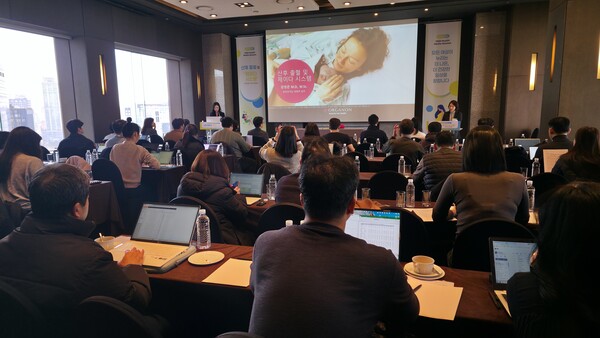
- Organon Korea releases first product after spinoff
- by Whang, byung-woo Feb 20, 2025 05:58am
- Organon Korea is launching a new product for the first time since its spin-off in June 2019 and is beginning to expand its influence in earnest. The product, which was unveiled about 3 years after the official launch of the Korean subsidiary, is JADA, a medical device used to control and treat postpartum hemorrhage. The company plans to target the market with its women-focused strategy that differentiates itself from other companies. At a media session held on the 19th, the company announced the launch of JADA and expressed Organon's commitment to improving women's health and safe birthing environments in this era of low fertility. JADA is a new technology that has emerged 15 years after the previously used “intrauterine balloon tamponade and compression suture.” In the case of intrauterine balloon tamponade and compression, hemostasis was achieved by directly applying pressure to the inner wall of the uterus for 12 to 24 hours, but JADA induces physiologic contraction by creating a negative pressure in the uterus within a few minutes and applying pressure (up to 90 mmHg). In the PEARLE trial, 94% of patients could control postpartum hemorrhage without additional treatment, and the median time taken to control their bleeding was 3 minutes. In March of last year, JADA was approved by the Ministry of Food and Drug Safety to control and treat abnormal postpartum hemorrhage when conservative management of the uterus is required. In June of the same year, intrauterine negative pressure hemostasis using JADA was listed as a new health technology based on the results of the safety and effectiveness evaluation of new health technologies by the National Evidence-based Healthcare Collaborating Agency (NECA). Jada's indication, postpartum hemorrhage, is a condition with a high unmet need in women's health worldwide, and it is one of the complications of childbirth that occurs in one in six mothers worldwide, highlighting the need for immediate and appropriate treatment. On this day, Professor Geum Joon Cho of the Department of Obstetrics and Gynecology at Korea University Guro Hospital explained, “One of the main causes of postpartum hemorrhage is uterine atony. A normal uterus naturally stops bleeding through contraction after childbirth, but in the case of uterine atony, the contraction does not occur properly, so the bleeding continues. If the bleeding is not controlled with initial treatment, an intrauterine device is inserted to try to stop the bleeding.” Professor Cho added, “In Korea, as of 2021, labor and delivery complications account for 34.8% of the causes of maternal mortality, and any postpartum hemorrhage that may occur in connection with this should be treated immediately.” He also emphasized, “For mothers experiencing postpartum hemorrhage, prompt judgment by on-site medical staff and the use of appropriate medical devices are very important.” Professor Cho explained that JADA is meaningful in that it provides a new treatment option that can quickly and accurately control postpartum hemorrhage, in the current situation where there is a high level of interest in maternal health due to the low birth rate issue. Professor Cho said, “NECA has been evaluated as having an acceptable safety profile, a high treatment success rate, and an effectively low volume of transfused blood, so it is worth trying by clinicians.” Meanwhile, this launch is significant in that it marks the beginning of the company’s movement to specialize in solutions that are specifically designed for women's health, which has been a key focus of Organon Korea since its inception. Jung Eun Jang, Country Medical Director at Organon Korea, said, “Since Organon was launched with the vision of promoting women's health, we have been continuously striving to provide a wider range of choices by providing various solutions to treat diseases that occur only in women or are disproportionately affected and have unique effects on women.” So Eun Kim, Managing Director of Organon Korea, added, “Postpartum hemorrhage is a problem that can affect not only the mother but also the unborn child, the family, and society as a whole. We hope that the launch of this product will create an environment where postpartum hemorrhage can be treated more quickly and effectively.”
