
- LOGIN
- MemberShip
- 2026-04-30 19:06:50
- Company
- Vemlidy indication extended to children aged 6 and older
- by Whang, byung-woo Jun 25, 2025 06:01am
- Pic of Vemlidy Gilead Sciences Korea announced on the 24th that its hepatitis B treatment Vemlidy (tenofovir alafenamide, TAF) has been approved by the Ministry of Food and Drug Safety for the treatment of chronic hepatitis B in children aged 6 years and older. Vemlidy offers improved renal and bone safety compared to existing chronic hepatitis B treatments. The long-term efficacy and safety profile for hepatitis B, which requires prolonged treatment like chronic diseases, has been demonstrated through various clinical studies, including 8-year clinical data. With this extended indication, Vemlidy has become the only treatment option available in Korea for patients as young as 6 years of age, the lowest age among tenofovir formulations currently available in the country. Previously, treatment options for chronic hepatitis B were limited to ▲entecavir formulations (for patients aged 2 years and older) ▲TDF drugs such as Viread (for patients aged 12 years and older) ▲TAF drugs such as Vemlidy (for adults). However, with the approval, pediatric patients aged 6 years and older weighing at least 25 kg may now access a treatment that has high viral suppression rates confirmed by long-term data and improved outcomes in terms of kidney function and bone density. This indication expansion applies only to Vemlidy and will not apply to its generic version for 4 years from the date of approval. The dosage is the same as for adults: one tablet once daily, regardless of food intake. This indication expansion approval was based on the results of a global clinical trial in pediatric and adolescent patients with chronic hepatitis B (CHB). The study was a randomized, double-blind, placebo-controlled clinical trial involving 88 patients aged 6 to 18 years with chronic hepatitis B. The trial was converted to an open-label design after 24 weeks and continued for 96 weeks. Results showed that the viral suppression rate (HBV DNA

- Company
- K-Bio successfully signs multiple technology transfer deals
- by Son, Hyung Min Jun 25, 2025 06:01am
- In the first half of this year, the Korean pharmaceutical and biotech industry has successfully achieved technology transfers in various areas, including changed formulations for immunotherapy, new obesity drug candidates, and new drug discovery platforms. Companies, such as LigaChem Biosciences and Onconic Therapeutics, have successfully received additional milestones from clinical achievements of previously exported new drug candidates. Technology transport deals continue to yield accomplishments this year According to the Financial Supervisory Service (FSS)'s electronic disclosure system on June 24, Abion posted that it has recently signed a technology transfer agreement with an overseas pharmaceutical company for its 'ABN501,' a new protein antibody drug candidate. The contracting party remains undisclosed. Through this agreement, Abion will conduct non-clinical research on five protein targets, including Claudin 3 (CLDN3), targeted by ABN501, while the contracting party will handle other research, development, and commercialization. The license is valid worldwide. The upfront payment is set at $25 million, with $5 million per targeted antibody. The total contract value amounts to $1.315 billion (approximately KRW 1.8 trillion), including $290 million in development-stage milestones and $1 billion in commercialization-stage milestones. Claudins are a family of protein that regulates the exchange of cellular molecules and maintains cell junctions. While these proteins are typically limited in healthy tissues, they are overexpressed in certain types of solid tumors. Currently, Astellas' Vyloy, which targets Claudin18.2, has been commercialized, drawing significant attention from the domestic and international pharmaceutical and biotech industries to this biomarker. Among them, CLDN3 is known to be overexpressed in small-cell lung cancer, breast cancer, ovarian cancer, and prostate cancer. Abion is currently conducting preclinical studies for ABN501. Clinical results disclosed to date have confirmed the safety of ABN501 through toxicity evaluations, and improved therapeutic effects have also been secured when ABN501 is combined with chemotherapy in preclinical models. Autotelic Bio signed a technology transfer agreement this month with the Brazilian pharmaceutical company Ache for its hybrid fixed dose combination new drug, 'ATB-101'. Autotelic Bio's entry into the Brazilian market follows its signing of an exclusive supply agreement with Chinoin of Mexico in June 2024. ATB-101 is being developed as a combination of olmesartan, used for treating hypertension, and dapagliflozin, used for treating diabetes. Currently, Phase 3 clinical trials are underway in approximately 33 institutions, including Seoul National University Bundang Hospital, for patients with essential hypertension and type 2 diabetes. The composition of ATB-101 has been patented not only in Korea but also in the United States, Japan, Mexico, Brazil, and Russia, allowing the company to exercise exclusive rights upon market entry in these countries. AriBio has successfully achieved the technology transfer of its Alzheimer's disease new drug candidate, AR1001 , for the second consecutive year. This month, the company signed a technology export agreement with Arcera, a global pharmaceutical company established by Abu Dhabi Developmental Holding (ADQ), a sovereign wealth fund of the United Arab Emirates (UAE). The total contract value is $600 million (approximately KRW 820 billion), with the upfront payment remaining undisclosed. AriBio also achieved the technology transfer of 'AR1001' in March of last year. At that time, AriBio received an upfront payment of KRW 120 billion. AR1001 is a multi-target drug directed to the causes of Alzheimer's disease, including PDE5 and toxic proteins. This new drug candidate is an oral treatment that improves Mirodenafil (Mvix), an erectile dysfunction drug similar to Viagra. The basis of AR1001's mechanism is being strengthened, with recent announcements indicating the efficacy of phosphodiesterase-5 (PDE5) inhibitors, such as Viagra and Cialis, in preventing Alzheimer's disease. AR1001's Phase 3 clinical trial is progressing smoothly. AriBio is conducting global Phase 3 clinical studies in the United States, where the first patient was dosed in December 2022, as well as in Korea, the UK, Germany, France, Spain, Italy, Denmark, the Netherlands, the Czech Republic, and China. In April, ABL Bio signed a technology export agreement with GlaxoSmithKline (GSK) for its blood-brain barrier (BBB) shuttle platform, 'Grabody-B,' for the development of new neurodegenerative disease treatments. Through this agreement, ABL Bio will receive a non-refundable upfront payment of 38.5 million pounds (approximately KRW 73.9 billion) and a short-term milestone of 38.6 million pounds. The total contract value amounts to 2.1401 billion pounds(approximately KRW 4 trillion). Under the terms of the agreement, GSK acquires exclusive rights related to the development and commercialization of multiple new target candidates applying ABL Bio's Grabody-B. ABL Bio will transfer its Grabody-B related technology and know-how to GSK, while GSK will be responsible for preclinical and clinical development, manufacturing, and commercialization. The agreement aims to develop multi-target-based therapies using various modalities, including oligonucleotides (such as siRNA and ASO) and polynucleotides, as well as antibodies. ABL Bio is also planning additional technology transfers. The company holds the largest number of bispecific antibody candidates among domestic companies. It currently possesses over seven pipelines, including ABL001 (VEGFxDLL4), ABL111 (Claudin18.2x4-1BB), and ABL503 (PD-L1x4-1BB). Olix·Alteogen have successfully achieved technology transfers Olix and Alteogen have successfully achieved technology transfers for their new drug candidates targeting metabolic dysfunction-associated steatohepatitis (MASH)·obesity, as well as formulation change technology for anti-cancer drugs, respectively. Eli Lilly has challenged the development of new MASH drugs by in-licensing a new drug candidate from the Korean company Olix Pharmaceuticals. Olix announced in February that it had signed a co-development and technology export agreement with Lilly for its MASH and obesity treatment candidate 'OLX75016 (OLX702A)'. The total contract value is $630 million (approximately KRW 911.7 billion). This amount comprises a non-refundable upfront payment, as well as development and commercialization milestones contingent upon clinical progress. Specific details, such as the proportion of the upfront payment, were not disclosed. OLX75016 is a MASH and obesity treatment candidate based on siRNA technology, a type of short double-stranded RNA genetic material within RNA interference technology. OLX75016 is being developed as a subcutaneous (SC) formulation for the treatment of obesity, administered once every three months. Olix is currently conducting a Phase 1 clinical trial of OLX75016 in Australia. The company is also investigating the possibility of combining OLX75016 with new drugs targeting GLP-1 and glucagon. As most MASH treatments target GLP-1, Olix plans to develop a treatment with a differentiated mechanism to enhance synergistic effects with GLP-1 agents. Alteogen signed two exclusive license agreements in March with MedImmune, AstraZeneca's bio R&D subsidiary, for its human hyaluronidase-based subcutaneous (SC) formulation change platform, 'ALT-B4'. The non-refundable upfront payment for the contract signed between Alteogen and MedImmune is KRW 36.4 billion. The development and commercialization milestones amount to KRW 1.0547 trillion. The upfront payment for the contract signed with MedImmune is KRW 29.1 billion, with milestones totaling KRW 843.8 billion. Both agreements include separate sales royalties. Alteogen's proprietary human hyaluronidase-based technology works by increasing the permeability of subcutaneous tissue, allowing for the rapid dispersion of drugs within the tissue and their subsequent absorption into the bloodstream. While drug delivery to subcutaneous tissue has historically been challenging due to the protection of hyaluronan, human hyaluronidase technology enables the degradation of hyaluronan. Existing anti-cancer drugs are primarily administered intravenously (IV), a method criticized for requiring over an hour of administration time. The development of C formulations for anti-cancer drugs is expected to shorten administration time and enhance patient convenience. Currently, the SC formulation of the cancer immunotherapy Keytruda, utilizing Alteogen's technology, has shown non-inferiority compared to the existing IV formulation in its Phase 3 clinical trial. Alteogen is also developing an anti-cancer SC injection formulation with Daiichi Sankyo, a developer of antibody-drug conjugates (ADC). More milestone payment recipients In the first half of the year, many more companies received additional milestone payments from technology transfers. Genomictree recently received a KRW 1 billion milestone payment from 'Shandong Lukang Hao Li You' following the completion of clinical trials for its colorectal cancer diagnostic product 'EarlyTect-C' in China. Genomictree signed a technology transfer agreement in May 2021 with Shandong Lukang Hao Li You, a joint venture established by Orion Holdings and China's Lukang Pharma for the commercialization of its colorectal cancer in vitro diagnostic product in the Chinese market. The total contract value is KRW 6 billion, and Genomictree received an upfront payment (contract payment) of 2 billion KRW in 2021. Shandong Lukang Hao Li You subsequently established production infrastructure for the colorectal cancer in vitro diagnostic product in China. The company commenced clinical trials in 2023 and completed them in January of this year. Based on the recent clinical results, they have applied to the China's 'National Medical Products Administration (NMPA)' for manufacturing approval of the colorectal cancer diagnostic product. LigaChem Biosciences announced this month the receipt of a short-term milestone payment for 'LCB97', an ADC-based new anti-cancer drug out-licensed to the Japanese pharmaceutical company Ono Pharmaceutical. While the exact amount received was not disclosed, the company announced it received more than one-tenth of last year's revenue of KRW 125.9 billion. LigaChem Biosciences has successfully received its third milestone payment from Ono Pharmaceutical, following additional milestone payments in November last year and March this year. LCB97, for which the milestone was received, is an ADC discovered and developed based on LigaChem Biosciences' proprietary ADC platform technology. It targets L1CAM, known to be overexpressed in various solid tumors. The company states that LCB97 has shown excellent anti-cancer efficacy in various tumor mouse models conducted to date. LigaChem Biosciences signed two technology transfer agreements related to ADCs with Ono Pharmaceutical in October last year. These agreements included ▲a contract transferring the exclusive global development and commercialization rights for LCB97 ▲a contract transferring ADC platform technology for multiple targets. The specific contract amount was not disclosed by mutual agreement between the two companies, and the total value of the two contracts exceeds KRW 943.5 billion. Zacubo, a treatment for gastroesophageal reflux disease Onconic Therapeutics completed the technology transfer for the production of Zacubo to its Chinese partner, Livzon Pharmaceutical Group, in March. Through this, Onconic Therapeutics claimed a milestone payment of $1.5 million (KRW 2.2 billion). Onconic Therapeutics signed a technology export agreement for Zacubo with the Chinese pharmaceutical company Livzon Pharmaceutical Group in March 2023. The contract value is up to $127.5 million. Onconic Therapeutics initially received a non-refundable upfront payment of $15 million and is set to receive up to $112.5 million in technology fees based on development, approval, and commercialization milestones. Zacubo is a P-CAB (Potassium-Competitive Acid Blocker)-based treatment for gastroesophageal reflux disease. It was approved as the 37th domestically developed new drug in April last year. Onconic Therapeutics received a milestone payment of $3 million last month following the first patient dosing in Zacubo's Phase 3 clinical trial in China. With the completion of CMC (Chemistry, Manufacturing, and Controls) technology transfer for production, the company is expected to receive further milestone payments.

- Company
- CSL Seqirus partners with Samjin...seeks NIP in Korea
- by Whang, byung-woo Jun 24, 2025 06:02am
- CSL Seqirus Korea and Samjin Pharmaceutical have signed a strategic sales partnership agreement for the domestic distribution of influenza vaccines, sparking attention over whether the two companies can achieve synergistic effects. Samjin Pharmaceutical and CSL Seqirus Korea sign strategic sales partnership agreementOn the 18th, the two companies announced that they had signed a strategic sales partnership agreement for the domestic distribution of the adjuvanted influenza vaccine ‘Fluad Quad Prefilled Syringe’ and the cell-cultured influenza vaccine ‘Flucelvax Quad Prefilled Syringe.” Samjin Pharmaceutical will be responsible for marketing and promoting Fluad Quad and Flucelvax Quad, while domestic distribution will be jointly conducted with CSL Seqirus Korea, which also handles vaccine imports. Through the agreement, Samjin Pharmaceutical and CSL Seqirus aim to achieve synergistic effects in entering the vaccine distribution business and expanding its position in the domestic market. Through the agreement, Samjin Pharmaceutical is focusing on expanding its portfolio from chronic diseases to the vaccine sector. At the signing ceremony, Sang-Jin Kim, President of Samjin Pharmaceutical, said, “Through this collaboration, Samjin Pharmaceutical will be able to expand its business beyond the treatment-oriented business to the prevention-oriented vaccine field.” Currently, Samjin Pharmaceutical owns a lineup of specialty drugs for chronic diseases and pediatric drugs, such as Trestan, and expects the agreement to bring synergy to its existing sales capabilities. A Samjin Pharmaceutical representative said, “For a long time, the company has been striving to provide effective treatments for patients with chronic diseases, who are at high risk for influenza. With our product portfolio focused on chronic disease treatments, we aim to make Fluad Quad, an immune-boosting influenza vaccine, available to the same chronic disease patients we have been focusing on.” Ahead of the flu vaccine season, Samjin Pharmaceutical plans to strengthen education and communication on its vaccine through specialized channels, such as conferences, symposiums, and online webinars for medical professionals. In addition, the company will launch advertisements and campaigns targeting the general public to raise awareness of the importance of vaccination and CSL Seqirus Korea's premium vaccines. A company official emphasized, “We plan to carry out various evidence-based marketing programs to ensure that children's hospitals, pediatricians, and ENT specialists are well aware of the unique features of Flucelvax Quad, a vaccine that can be administered to a wide range of patients from children to the elderly.” CSL Seqirus is targeting the market for influenza vaccines for seniors aged 65 and older In addition, the companies made the strategic decision to target the elderly influenza vaccine market through the partnership. Korea has a National Immunization Program (NIP) in place that provides free influenza vaccines to seniors aged 65 and older, but most of the vaccines currently used in the NIP are quadrivalent vaccines. For this influenza vaccination season, trivalent vaccines are scheduled to be used as part of the NIP. Adjuvant vaccines and high-dose vaccines, which are considered to provide higher protection for the elderly, are not yet included in the NIP. In the case of overseas, the US CDC Advisory Committee on Immunization Practices (ACIP) recommends high-dose adjuvanted vaccines for people aged 65 and older, and there is a trend in developed countries to administer vaccines with improved efficacy compared to standard vaccines for the elderly. In Korea, the need for vaccines tailored to the elderly is emerging due to the aging population and increased risk of influenza, and the pharmaceutical industry is closely eyeing the possibility of including such premium vaccines in the NIP in the future. CSL Seqirus’ decision to partner with Samjin Pharmaceutical is interpreted as a strategic move to secure business synergy with an eye on entering the NIP in the long term. Although it had previously sought to expand into Korea’s domestic market through partnerships with Ilsung Pharmaceuticals and other companies, the company is seeking greater synergy this time through collaboration with Samjin Pharmaceutical, which has solid sales capabilities and a doctors’ network in primary care facilities such as hospitals and clinics. This is because in the long term, increasing the vaccination rate of immune-enhancing vaccines among the elderly and accumulating supporting evidence can ultimately strengthen the case for government adoption. (From left) Photos of CSL Seqirus From CSL Seqirus’ perspective, last year, Sanofi launched a high-dose quadrivalent vaccine, creating a two-way competition between adjuvanted and high-dose vaccines in the domestic influenza vaccine market for the elderly, making it impossible to ignore the partner company’s domestic sales capabilities. While overseas real-world studies have shown that adjuvanted vaccines reduce influenza-related medical utilization more effectively than high-dose vaccines in high-risk elderly populations, their higher prices compared to standard vaccines remain a hurdle to their domestic access, necessitating further accumulation of long-term efficacy data. For Samjin Pharmaceutical, the partnership aligns with its strategic interests, as entering the vaccine business could serve as an opportunity to diversify its portfolio and create new revenue streams. GeeSeung Yoo, Country Head of CSL Seqirus Korea, stated, “We are very excited to partner with Samjin Pharmaceutical, a company with outstanding sales and marketing capabilities. Through this agreement, CSL Seqirus Korea expects to be able to provide its differentiated influenza vaccines, Fluad and Flucelvax, to a broader population.”
- Company
- Nubeqa’s indication expanded to msHPC in combo with ADT
- by Whang, byung-woo Jun 24, 2025 06:00am
- Pic of Nubeqa Bayer Korea announced on the 23rd that its oral androgen receptor inhibitor (ARi) Nubeqa (darolutamide) has been approved by the Ministry of Food and Drug Safety as part of a two-drug regimen in combination with androgen deprivation therapy (ADT) for the treatment of metastatic hormone-sensitive prostate cancer (mHSPC). With this expanded indication, Nubeqa can now be used not only as part of a three-drug regimen with ADT and the chemotherapy drug docetaxel but also as part of a two-drug regimen with ADT. This enables more flexible treatment approaches tailored to the individual condition and treatment goals of mHSPC patients. The approval was based on the results of the ARANOTE study, a global Phase III clinical trial evaluating the efficacy and safety of the two-drug regimen combining Nubeqa and ADT in 669 patients with mHSPC. Study results showed that the group treated with Nubeqa+ADT had a 46% statistically significant reduction in the risk of radiographic progression or death compared to the placebo group. This improvement in radiographic progression-free survival (rPFS) was consistent across all groups, including high-risk and low-risk mHSPC patients. Also, analysis of overall survival (OS), the secondary endpoint, showed that the Nubeqa combination therapy group demonstrated potential survival benefits compared to the placebo group, with significant delays in PSA progression, deterioration in quality of life, and progression of pain, thereby demonstrating clinically significant improvements in quality of life. The incidence of treatment-emergent adverse events (TEAEs) was low, with most events occurring at Grade 1 or 2, and no significant differences were observed between treatment groups. Nubeqa is already approved in Korea for use in combination with ADT and docetaxel for the treatment of mHSPC patients and for use in combination with ADT for the treatment of high-risk non-metastatic castration-resistant prostate cancer (nmCRPC). With this third indication, Nubeqa is now available for elderly patients and patients who are not suitable to receive chemotherapy. Professor Jae-Young Joung, Director of the Urologic Cancer Center at the National Cancer Center, said, "In prostate cancer, treatment strategy is critically important and needs to be selected based on the stage of diagnosis, disease stage, and the patient's overall condition. Nubeqa is the only treatment approved as both a three-drug regimen with docetaxel+ADT and as a two-drug regimen with ADT in patients with hormone-sensitive metastatic prostate cancer, so the approval will offer more flexible treatment options tailored to the patient's individual circumstances." He added, “Given its favorable tolerability profile, which reduces treatment burden and may positively impact long-term outcomes, we anticipate that it will rapidly improve treatment access for patients in Korea.” Meanwhile, Nubeqa has been approved as a treatment for mHSPC and nmCRPC in over 85 countries worldwide and has surpassed annual sales of approximately KRW 2.4 trillion as of 2024, rising as a blockbuster therapy.
- Company
- 'Fabhalta' closer to being reimbursed, shaking up inj market
- by Moon, sung-ho Jun 24, 2025 06:00am
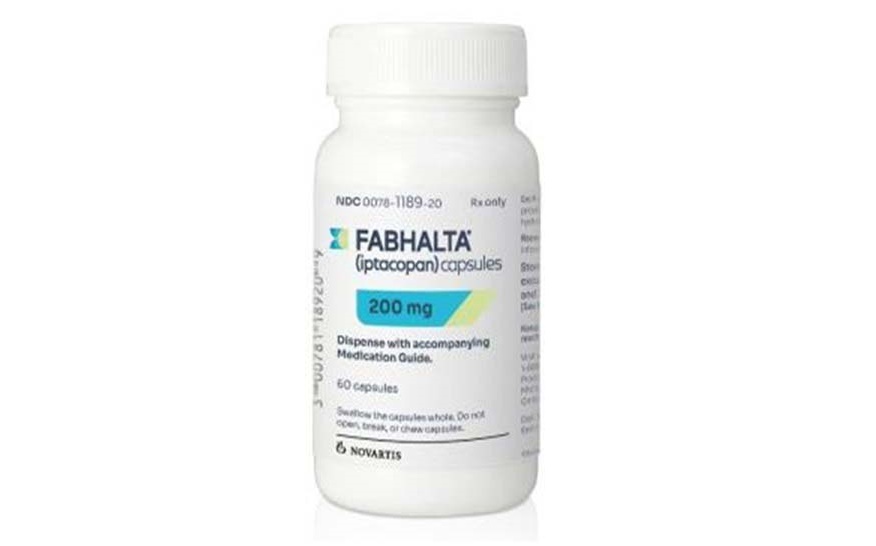
- Next month, new oral agent will be introduced to the market for paroxysmal nocturnal hemoglobinuria (PNH). Injectables, such as Soliris and Ultomiris, currently dominate the PNH market. Attention is drawn to whether this oral agent will enhance patient satisfaction, as it offers the convenience of administration compared to the previous treatments. Product photo of FabhaltaAccording to pharmaceutical industry sources, the Ministry of Health and Welfare (MOHW) has recently given an administrative announcement on the revision to the "The detailed measure on the application standards and methods of medical reimbursements," which affects the reimbursement status of the Novartis Factor B inhibitor 'Fabhalta (iptacopan).' If there are no special circumstances, Fabhalta can be approved for reimbursement in July. PNH is currently known as a disease with no fundamental cure. However, the approach to treatment is changing with the development of therapies that inhibit the activity of the complement system. The complement system is a core component of innate immunity, serving as a powerful defense mechanism that directly attacks and destroys pathogens. The complement system includes several pathways, including C3 and C5, and ultimately functions to destroy red blood cells by forming the 'Membrane Attack Complex (MAC).' Previous treatments primarily target the terminal component within the complement system's alternative pathway. Treatment settings have been improved with the introduction of Soliris (eculizumab),' a once every 2 weeks injection, and then, 'Ultomiris (eculizumab),' which can be administered via injection at 8-week intervals. These treatments are still commonly used in clinical practices. Fabhalta works by inhibiting Factor B, a crucial component in the activation of C3. In addition to this novel mechanism, Fabhalta is also the first and only single oral agent for PNH treatment in South Korea, offering the advantage of twice-daily dosing. The efficacy of Fabhalta was confirmed in the Phase 3 APPLY-PNH clinical study, which enrolled 97 adult PNH patients (18 years or older) who had received C5 inhibitors for at least 6 months but still experienced anemia (with average hemoglobin levels below 10 g/dL). In a randomized assignment, 35 out of 97 patients continued C5 inhibitor treatment, while the remaining 62 switched to Fabhalta. The impact on treatment outcomes was assessed over 24 weeks. Clinical results showed that patients who switched to Fabhalta experienced normalized hemoglobin levels starting from week 4, with the effect sustained until week 24. Hemoglobin normalization was observed in approximately two-thirds of patients. Furthermore, four out of five patients exhibited a clinically significant increase in hemoglobin levels, and 95% of patients overcame transfusion dependence. Based on these findings, the MOHW plans to apply reimbursement starting next month for PNH patients meeting specific criteria: ▲adults aged 18 or older with a PNH granulocyte clone size of 10% or more (as measured by flow cytometry) with lactate dehydrogenase (LDH) levels at least 1.5 times the upper limit of normal, and for whom C5 inhibitors (Soliris or Ultomiris injections) cannot be administered due to medical reasons. Additionally, ▲reimbursement will apply if patients have received C5 inhibitors for more than 6 months under reimbursement criteria but have hemoglobin (Hb) levels below 10 g/dL or if there is a need for drug switching due to side effects. As a result, clinical practices expect Fabhalta to be able to resolve unmet medical needs that could not be addressed with conventional treatments. Currently, some PNH patients experience unmet needs such as persistent fatigue, insufficient symptom improvement, and transfusion dependency. Even with C5 inhibition, upstream C3 activation continues, often leading to repeated situations where red blood cells are prematurely removed from the bloodstream in the liver·spleen, necessitating transfusions. As a result, Novartis is expected to establish a dedicated team and focus on addressing these unmet medical needs. Dr. Jun Ho Jang, a professor at Samsung Medical Center Seoul, said, "Factor B is a proximal factor that acts as a gate upstream of C5 in the alternative complement pathway. In other words, inhibiting Factor B affects not only C5 but also C3, significantly improving hemolysis that occurs both intravascularly and extravascularly." Dr. Jang added, "Based on these mechanistic characteristics, the efficacy and safety profile of Fabhalta has not only been confirmed in clinical trials for patients without prior C5 inhibitor treatment experience but also showed superior results in patients who switched from anti-C5 therapy to Fabhalta compared to those who continued anti-C5 therapy." Dr. Jang emphasized, "Fabhalta as a single oral formulation offers high convenience for taking medication. It is favorable that we have an effective treatment option with a new mechanism that did not exist before. A paradigm shift in PNH treatment is expected." Meanwhile, PNH is a chronic, complement-mediated blood disorder, a severe rare disease that can be life-threatening. PNH patients have acquired mutations in some hematopoietic stem cells, leading to the production of red blood cells prone to premature destruction, resulting in intravascular hemolysis (IVH) and extravascular hemolysis (EVH). PNH can cause complications such as thrombosis, renal failure, and pulmonary hypertension, potentially leading to death, with a 5-year mortality rate of 35% and a 10-year mortality rate of approximately 50%. It can also impact the quality of life due to symptoms such as anemia and weakness.
- Company
- Tibsovo may be prescribed at general hospitals in KOR
- by Eo, Yun-Ho Jun 24, 2025 05:59am
- Tibsovo, a targeted cancer drug for cholangiocarcinoma and acute myeloid leukemia, can now be prescribed at general hospitals in Korea. According to industry sources, Servier Korea’s IDH1 (isocitrate dehydrogenase 1) genetic mutation targeting therapy Tibsovo (ivosidenib) recently passed the Drug Committee (DC) review of the ‘Big 5’ tertiary hospitals in Korea, including Samsung Medical Center, Seoul National University Hospital, Asan Medical Center, Seoul St. Mary's Hospital, and Sinchon Severance Hospital, as well as other medical institutions such as Gangnam Severance Hospital, National Cancer Center, and Seoul National University Bundang Hospital. The company has been steadily expanding its prescription area since it received approval from the Ministry of Food and Drug Safety in May last year and officially launched the drug in September of the same year. In addition, as the drug’s indication for cholangiocarcinoma has recently been approved by the Cancer Disease Review Committee of the Health Insurance Review and Assessment Service, expectations are rising for its reimbursement. The drug is indicated for use ▲= in combination with azacitidine for patients with newly diagnosed acute myeloid leukemia (AML) with a susceptible isocitrate dehydrogenase-1 (IDH1) mutation in adults aged ≥75 years with comorbidities that preclude the use of intensive induction chemotherapy, or ▲as monotherapy for locally advanced or metastatic cholangiocarcinoma in previously treated adults with IDH1 mutation. Cholangiocarcinoma is a highly aggressive cancer with a poor prognosis, with a 5-year relative survival rate of just 28.9%. In particular, 65% of patients with intrahepatic cholangiocarcinoma are diagnosed at an advanced stage where surgery is not feasible. Tibsovo is the only targeted therapy recommended by the National Comprehensive Cancer Network (NCCN) in the highest category (Category 1) as a second-line treatment for bile duct cancer. According to the Phase III ClarlDHy trial, Tibsovo reduced the risk of disease progression by 63% compared to placebo, with a median progression-free survival (PFS) of 2.7 months (1.4 months in the placebo group). Additionally, the median overall survival (mOS) was 10.3 months in the Tibsovo group, more than twice as long as the 5.1 months in the placebo group. Do-Youn Oh, Professor of Hematology-Oncology at Seoul National University Hospital, stated, “The development of drugs for cholangiocarcinoma has accelerated significantly in recent years. As new drugs are being developed, many companies are also actively working on the development of treatments for cholangiocarcinoma. It is crucial for patients with cholangiocarcinoma to follow the doctors’ guidance and receive appropriate treatment rather than be discouraged, so they can participate in clinical trials and gain access to new treatment opportunities.” Meanwhile, in the Phase III AGILE study that enrolled patients with acute myeloid leukemia, Tibsovo demonstrated improved event-free survival (EFS) when used in combination with azacitidine, and also significantly improved overall survival (OS). The median OS in the Tibsovo-treated group was 24.0 months (7.9 months in the placebo group), and long-term follow-up results showed that the median OS with Tibsovo combination therapy was 29.3 months, over 3.7 times longer than with placebo combination therapy.
- Company
- Eylea biosimilar pharmas receive differing injunction ruling
- by Kim, Jin-Gu Jun 23, 2025 06:01am
- Domestic biosimilar companies have launched a full-scale patent lawsuit against Bayer over Eylea. Celltrion and Samsung Bioepis received different preliminary injunction results, leading them to pursue divergent strategies in the main lawsuit. Eylea patent infringement main lawsuits begin in earnest... Celltrion to proceed immediately, Samsung Bioepis’ plan undecided On the 20th, the 61st Civil Division of the Seoul Central District Court held the second hearing regarding the patent infringement lawsuit filed by Bayer against Celltrion. The hearing concluded without any substantive arguments. The court decided to receive additional written statements from both parties and scheduled the next session for August 19. Bayer filed the lawsuit in January last year. The issue is whether Celltrion's Eylea biosimilar, Eydenzelt, infringes on Bayer's domestic patent. Bayer filed the same lawsuit against Samsung Bioepis in May last year. Bayer claims that Samsung Bioepis' Eylea biosimilar, Afilivu, infringes on its patent. However, no trial date has been set yet for the lawsuit against Samsung Bioepis. Opposite preliminary injunction results... Bayer files appeal, Samsung Bioepis files objection The patent infringement lawsuit surrounding Eylea is proceeding in a complicated manner with mixed preliminary injunction decisions from the court. In July last year, Bayer filed preliminary injunction motions against Celltrion and Samsung Bioepis, respectively, for patent infringement. The purpose was to suspend the domestic sale of biosimilars until the final ruling. In February this year, the preliminary injunction results were announced. The court issued conflicting decisions. The preliminary injunction request against Celltrion was dismissed, while the request against Samsung Bioepis was granted. As a result, Celltrion can continue selling Eydenzelt in Korea, while Samsung Bioepis must suspend sales of Afilivu. Due to the conflicting preliminary injunction decisions, the responses of each company also differed. Bayer filed an appeal with the Seoul High Court regarding the Celltrion case. The appeal hearing is scheduled for next month on the 17th. In contrast, Samsung Bioepis opted for an objection procedure instead of filing an appeal. Along with the objection, the company also filed a request for a stay of execution, but it was dismissed. The objection hearing concluded in April this year, and the case is now awaiting the court’s final decision. Nevertheless, Samsung Bioepis has continued to submit supplementary briefs in response. Preliminary injunction appeal, objection, and final ruling... a turning point for the domestic sale of biosimilars The final ruling, the appeal of the preliminary injunction, and the decision on the objection are expected to serve as a turning point in determining the sustainability of domestic biosimilar sales. If Bayer wins the appeal against Celltrion, the domestic sales of Eydenzelt will be suspended. Conversely, if the rejection is upheld as in the first instance, sales will continue as is. In the case of Samsung Bioepis, if the court accepts the objection, sales of its Afilivu can resume. Conversely, if the court dismisses the objection, sales will remain suspended. In this case, Samsung Bioepis is expected to continue the lawsuit by filing an appeal. The ruling on the main lawsuit is expected to tentatively determine whether the two companies can sell Eylea biosimilars. If the court rules that the two biosimilars infringe on Eylea's patent, sales of Eydenzelt and Afilivu in Korea will be suspended. Conversely, if the court rules that there is no patent infringement, sales of the biosimilars will be permitted. The progress of this complex litigation is directly impacting partner companies that copromote the biosimilars as well. Kukje Pharm, which co-markets Celltrion's Eydenzelt, has continued its sales to date. However, Samil Pharmaceutical, which collaborates with Samsung Bioepis, has suspended distribution and sales of Afilivu. Future developments, including the appeal, objections, and final ruling, are likely to influence the sales strategies and revenue of these partner companies.
- Company
- K-BIO expands its presence at the international convention
- by Son, Hyung Min Jun 23, 2025 06:01am
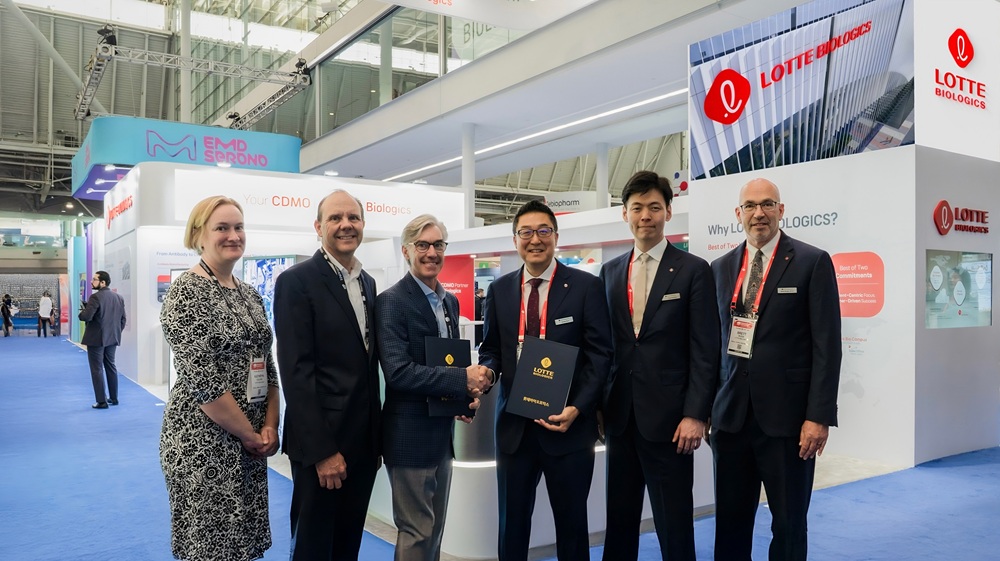
- Korean pharmaceutical and biotech companies showed their presence at the BIO International Convention 2025 (BIO USA 2025), the world's largest biotech business event. Major domestic pharmaceutical and biotech firms from South Korea attended the BIO USA 2025, held in Boston, USA, from June 16 to 19, showcasing their new drug pipelines and Contract Development and Manufacturing Organization (CDMO) technological capabilities. According to the Korea BIO on June 21, over 20,000 participants from 70 countries attended this year's BIO USA. Among them, the number of Korean attendees exceeded 1,300, marking the third consecutive year that South Korea has been the largest participating country from overseas. BIO USA is the world's largest pharmaceutical and bio exhibition, serving as a platform for global pharmaceutical and biotech companies and research institutions to explore opportunities for new drug pipelines, technology transfer, and collaborative research. Over 300 Korean companies participated in this year's event. Samsung Biologics expressed its commitment to expanding collaborations with global pharmaceutical companies through this event. Samsung Biologics plans to increase its production capacity by securing drug manufacturing contracts from pharmaceutical companies ranked among the top 20 to top 40 globally. Samsung Biologics has signed a total of 5 new contracts based on public disclosures this year alone. Starting with a $1.41 billion (approximately KRW 2 trillion) contract signed with a European pharmaceutical company in January, the company continued to secure new orders globally, including those from the U.S., Asia, and Europe. Samsung Biologics currently holds 17 out of the top 20 global pharmaceutical companies as clients. Through core competencies based on overwhelming production capacity, quality, and numerous track records, its cumulative total orders since its establishment have exceeded approximately $18.2 billion. Lotte Biologics announced the securing of new contracts through BIO USA. The company held a Contract Manufacturing Organization (CMO) agreement signing ceremony for antibody drugs with the British biopharmaceutical company Ottimo Pharma. This ceremony took place at the Lotte Biologics booth at the Boston Convention & Exhibition Center in the United States. Lotte Biologics announced the securing of new contracts through BIO USA Through this agreement, Lotte Biologics will produce the drug substance (DS) for Ottimo Pharma's new antibody drug, 'Jankistomig,' at its biotech campus in Syracuse, New York. Ottimo Pharma is a company developing a new drug with a PD1/VEGFR2 bispecific antibody mechanism, aiming to extend the lives of patients with cancer. Established in 2020, it has offices in the UK. Lotte Biologics offers CDMO services at the Syracuse biotech campus, including drug cell line development and large-scale contract manufacturing. Furthermore, it aims to operate Plant 1 within its Songdo Bio Campus starting in 2027. Plant 1 is a large-scale biopharmaceutical manufacturing facility with a production capacity of 120,000 liters, enabling it to secure significant global contracts. Celltrion held over 150 meetings at this event, discussing various collaboration strategies with global pharmaceutical and bio-companies. Notably, beyond CDMO and biosimilars, the company showcased various potential partnership opportunities for its pipelines under development, including antibody-drug conjugates (ADCs), multispecific antibodies, novel antibodies, and peptide new drugs. Celltrion also discussed open innovation aimed at finding promising technologies related to new drug development. Celltrion plans to thoroughly review the meetings held at this BIO USA to identify potential collaborators with growth potential and capabilities. Celltrion is pursuing the development of new ADC drugs. Earlier this year, Celltrion disclosed the preclinical results of its ADC candidate 'CT-P71'. CT-P71 utilized the ADC platform of the Korean ADC development company Pinotbio. CT-P71 is an ADC therapeutic agent under development targeting general solid tumors, including bladder cancer. It targets Nectin-4, a cell surface protein overexpressed in various solid tumors such as urothelial carcinoma and breast cancer. Celltrion also received approval for a Phase 1 clinical trial of CT-P70. CT-P70 is an ADC therapeutic agent targeting solid tumors such as non-small cell lung cancer, specifically targeting 'c-MET,' which, when activated in cancer cells, induces tumor growth. Korean companies promoted R&D competitiveness for new drug development This year, 51 companies participated in the Korea Section, operated by the Korea Bio Association, introducing technologies and pipelines across the entire biotech industry, including contract manufacturing, clinical services, materials/components/equipment business, new drug development, and platforms. Over 450 consultations were held throughout the exhibition hall. Notably, 24 pre-registered companies garnered attention from global partners through technology presentations at the Open Stage within the Korea Section. This year, both the number of participating companies and the exhibition space expanded compared to the previous year. A special area for materials, components, and equipment business was also operated separately, showcasing the competitiveness of Korea's biotech industry supply chain. Photo of BIO USA 2025 Korea Section (source=Korea BIO organization) In this event, Korean companies also focused on promoting their competitiveness in new drug development. Through BIO USA, Aptamer Sciences actively discussed strategic collaborations with major ADC-specialized companies in North America, Europe, and China, exploring concrete cooperation opportunities such as joint development, clinical collaboration, expansion into new indications, and technology transfer. Aptamer Sciences has proprietary ADC platform technology, ApDC (Aptamer Drug Conjugate). ApDC is a next-generation precision drug delivery platform that utilizes aptamers instead of antibodies, using an in-house modified nucleic acid technology. According to Aptamer Sciences, anti-cancer drugs developed using the ApDC platform have demonstrated various advantages in comparative experiments with ADC anti-cancer drugs, including rapid drug action through quick internalization into target cells after surface binding, excellent permeability into tumor tissue, rapid targeting after administration in animal models, and consequently, superior anti-tumor efficacy. Currently, Aptamer Sciences is expanding its platform to allow conjugation with various mechanisms of action beyond cytotoxic drugs, including radioisotopes, targeted protein degraders (TPDs), and immunostimulants. GI Innovation introduced its new pipelines and global business strategy as its next growth engines. GI Innovation unveiled its GI-128, which utilizes macrophages (a next-generation target gaining attention in the immunotherapy field), along with a trispecific pipeline that aims to surpass the rapidly emerging aPD-(L)1/VEGF bispecific antibodies in the global market. GI Innovation's newly introduced pipeline features a trispecific antibody structure that fuses a self-discovered aPD-L1 antibody with a VEGF antibody and a macrophage engager. It is evaluated as having a differentiated mechanism of action by overcoming the limitations of bispecific antibodies and activating tumor-immune responses. SK Biopharmaceuticals is engaging in artificial intelligence (AI)-driven drug discovery through a business agreement with PhnyX Lab. Through this agreement, the two companies plan to jointly develop customized solutions based on PhnyX Lab's generative AI solution 'Cheiron', automating tasks such as literature search, data analysis, and document creation required in the new drug development process. The agreement signing ceremony took place at the SK Biopharmaceuticals exhibition booth. (from left) Changho Yu, SK Pharmaceuticals VP/Chief Strategy Officer & Head of Strategy Division and Minseok Bae, CEO of PhnyX Lab Notably, SK Biopharmaceuticals plans to accelerate its 'AI Transformation' of the new drug development process, primarily focusing on automating tasks such as preparing regulatory documents required at the clinical entry stage, thereby advancing it with the use of AI. Through this, SK Biopharmaceuticals aims to maximize R&D productivity and significantly reduce the time and cost associated with development and approval. Samjin Pharmaceutical, making its first official corporate presentation at this year's BIO USA, showcased its competitiveness in developing new anti-cancer drugs, including ADCs. Currently, the company is developing various candidates, including ▲solid tumor therapeutic candidates 'SJN301' and 'SJN309' ▲antibody-drug conjugate (ADC) projects 'SJA20' and 'SJA70' ▲immune/inflammatory disease therapeutic candidate 'SJN314'.

- Company
- "6-in-1 vaccine Hexaxim may enhance preventive effect of NIP
- by Whang, byung-woo Jun 23, 2025 06:00am
- "Hexaxim is Korea's first hexavalent vaccine. It is expected to play a crucial role in helping protect children's health." Following the inclusion of Hexaxim, a hexavalent (6-in-1) DTaP vaccine, in the National Immunization Program (NIP) this year, the medical field is holding high hopes for increased convenience of immunization and improvement in vaccination rates. The analysis is that since immunization through NIP has already been conducted, the field is already experiencing practical benefits, such as a reduced number of immunizations. It is believed that, in the long term, Hexaxim will lessen the burden of hospital visits for caretakers, alleviate the stress of infant injections, and prevent the skipping of immunizations. Dr. Byung Wook Eun, Professor of Department of Pediatrics at Nowon Eulji Medical CenterDaily Pharm met with Dr. Byung Wook Eun, a professor at Nowon Eulji Medical Center, and listened to the background of the introduction of Hexaxim and its potential effects. Hexaxim is Korea's first and only fully liquid hexavalent fully liquid formulation vaccine, preventing six diseases, including diphtheria, tetanus, pertussis (DTaP), inactivated polio vaccine (IPV), Haemophilus influenzae type b (Hib), and hepatitis B (HepB), with a single injection. As of January 2, it has been officially introduced into the NIP, allowing the previous separate administration of the pentavalent (5-in-1) vaccine (DTaP-IPV-Hib) and the monovalent Hepatitis B vaccine to now be given in a single shot. According to Dr. Eun, since the introduction of Hexaxim into the NIP, there has been an increase in inquiries regarding new vaccination schedules and methods in actual clinical settings. Dr. Eun said, "With the introduction of the hexavalent vaccine, the vaccination schedule differs from the existing pentavalent vaccine, leading to many questions from both guardians and medical staff regarding vaccination criteria, interchangeability, and delayed vaccinations." Hexaxim is already a proven vaccine overseas, having received its first approval in Europe in 2013. It is now used in over 120 countries worldwide and is recommended as a mandatory vaccination in more than 40 countries, including Europe, Canada, and Australia. Dr. Eun explained, "The immunogenicity and safety of Hexaxim against all six infectious diseases through global clinical studies, including those conducted in Korea," and added, "In Korea, non-inferiority related to immunogenicity was confirmed through a clinical trial comparing the Hexaxim vaccination group with the group receiving the existing pentavalent DTaP combination vaccine concurrently with the monovalent Hepatitis B vaccine." Fewer injections due to schedule changes help improve convenience The introduction of Hexaxim has brought significant changes to the infant vaccination schedule. Previously, infants needed to receive the Hepatitis B vaccine at 0, 1, and 6 months of age and the pentavalent DTaP vaccine at 2, 4, and 6 months. However, starting this year, the schedule has changed. After the first Hepatitis B vaccination immediately after birth, infants will now receive Hexaxim at 2, 4, and 6 months, with no additional vaccination at 1 month. Dr. Eun stressed that "The introduction of Hexaxim reduces the total number of vaccinations by two, bringing the total to four injections." He added, "The hexavalent DTaP vaccine can administer six antigens at once, which can help improve vaccination rates compared to administering individual vaccines separately." However, as with any new vaccine introduction, there's some initial confusion in the field. Dr. Eun explained that there have been inquiries regarding the switching to the hexavalent vaccine at 6 months if the infant has already received the pentavalent combination vaccine at 2 or 4 months. The Korea Disease Control and Prevention Agency (KDCA) is addressing this confusion with clear guidelines. Dr. Eun stressed, "According to KDCA's official guidelines, DTaP-containing vaccines vary by manufacturer. Therefore, for the primary 3-dose series, it is recommended to administer vaccines from the same manufacturer consistently." Dr. Eun also said, "However, since most newborns are currently starting their vaccinations with Hexaxim, inquiries about interchangeability will gradually decrease in the future," and added, "There are also questions about vaccination age and intervals. Hexaxim's recommended vaccination schedule is at 2, 4, and 6 months of age (8-week intervals), with the recommended age for the first dose being 8 weeks (2 months of age)." However, in unavoidable circumstances, the first dose can be administered as early as 6 weeks of age. While a 2-month (8-week) interval is generally recommended, the vaccination schedule can be adjusted to a minimum of 4-week intervals. For example, if the first dose was given at 3 months of age, the second dose can be given 4 weeks later. Dr. Eun stated, "If there are any changes to the vaccination schedule, it is crucial to consult with a healthcare professional to get guidance on the timing and vaccine selection." There are, however, exceptional cases where Hexaxim cannot be administered. For instance, newborns born to mothers who are positive for the Hepatitis B virus must receive Hepatitis B immunoglobulin and the Hepatitis B vaccine within 12 hours of birth. These high-risk infants also require additional Hepatitis B vaccine doses at 1, 2, and 6 months of age, thus excluding them from the Hexaxim program. Furthermore, infants who have already completed their second Hepatitis B vaccination by 1 month of age cannot switch to Hexaxim and must continue their remaining vaccinations with the existing combination of the pentavalent vaccine and the Hepatitis B vaccine. "Hexaxim with increased preventive effects... high hopes for increasing vaccination rates" Dr. Eun stated that concerns about Hepatitis B antibody formation, which were previously raised by some, have been addressed through research. In the previous schedule, Hepatitis B vaccine was administered at 0 and 1 months of age. However, with the Hexaxim schedule, the 1-month vaccination is omitted, changing the schedule to 0-2-4~6 months. Regarding this, Dr. Eun responded, "The 0-2-4~6 month Hepatitis B vaccination schedule using Hexaxim showed immunogenicity similar to the existing 'pentavalent vaccine+Hepatitis B vaccine' schedule," and added, "Although the hexavalent vaccine includes a Hepatitis B component in addition to the existing pentavalent combination vaccine, its safety profile was confirmed to be similar to separate administrations." One of the anticipated effects of including Hexaxim in the NIP is an improvement in vaccination rates. Dr. Eun said, "Because a hexavalent vaccine can introduce six antigens in one shot, it can help improve vaccination rates compared to administering individual vaccines separately," and added, "Currently, infant primary vaccination rates exceed 90%, but we expect to push this figure higher with Hexaxim's introduction." As mentioned earlier, the reduced number of vaccinations helps prevent delayed vaccinations, which in turn can lead to a higher 'right-time vaccination rate,' thereby completing vaccinations at the recommended period, thus improving overall vaccination rates. Indeed, improvements in vaccination rates have been observed in other countries after the introduction of hexavalent combination vaccines. In Australia, after the hexavalent vaccine was included in their NIP, the vaccination rate for infants aged 12 months increased from 84.9% in 2009 to 92.6% in 2018. Lastly, Dr. Eun added, "Misinformation about vaccines can lead to a drop in vaccination rates, and previously well-managed infectious diseases could potentially re-emerge," and urged, "We hope the public would utilize the NIP to help protect children's health."
- Company
- Cream JAKi Delgocitinib to be commercialized in Korea
- by Eo, Yun-Ho Jun 20, 2025 06:06am
- JAK inhibitors will soon be available for hand eczema in Korea as well. The Ministry of Food and Drug Safety is currently conducting a final review of LEO Pharma Korea's treatment for moderate-to-severe chronic hand eczema (CHE), Anzupgo (delgocitinib). When approved, the drug is expected to be officially commercialized in the second half of the year in Korea. Anzupgo was officially approved in Europe in November last year and is currently awaiting approval from the US FDA. This cream formulation is known as a pan-JAK inhibitor, as it targets JAK1, 2, and 3, as well as TKY2. The efficacy of Anzupgo has been demonstrated through the DELTA FORCE and DELTA 2 clinical trials, which directly compared Anzupgo with GSK's alitretinoin (Toctino). In the DELTA FORCE study, the Hand Eczema Severity Index (HECSI) score from baseline to week 12 of delgocitinib demonstrated superiority over alitretinoin capsule, meeting the primary endpoint. The DELTA 2 study included 473 patients with moderate-to-severe chronic hand eczema (CHE). Study participants were assigned to either the delgocitinib cream group or the placebo cream group and received treatment twice daily for 16 weeks. The primary endpoint was set as an IGA-CHE score of 0/1 at Week 16 of treatment. The primary secondary endpoints included IGA-CHE and the Hand Eczema Symptom Diary (HESD) assessed at Weeks 4 and 8 of treatment. The results showed that the delgocitinib group achieved significant improvement in chronic hand eczema at Week 16 compared to the placebo group, meeting the primary and primary secondary endpoints. Chronic hand eczema can be triggered by various factors such as irritants, allergies, genetic predisposition, and occupational exposure. It often leads to recurring inflammation, peeling, cracking, and pain, significantly impacting daily life. However, to date, effective topical treatments specifically targeting hand eczema remain limited. In many cases, patients show insufficient response even to corticosteroids or immunosuppressants, underscoring the ongoing need for new therapeutic alternatives. Meanwhile, LEO Pharma obtained exclusive rights in 2014 from the Japanese company Japan Tobacco to develop and commercialize a topical delgocitinib cream for dermatological indications worldwide, excluding Japan.
