
- LOGIN
- MemberShip
- 2026-04-29 23:26:20
- Company
- Attention drawn to reimb status of 'Mounjaro' for diabetes
- by Moon, sung-ho Jul 30, 2025 06:09am
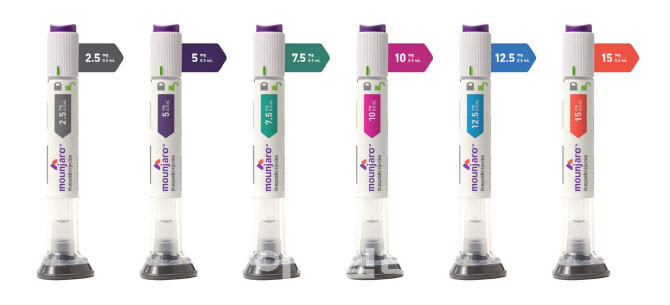
- As the official launch of Mounjaro (tirzepatide, Eli Lilly Korea), approved in Korea as an adjunct therapy for chronic weight management following its indication for adult type 2 diabetes, is imminent, the reimbursement status of the drug is garnering attention. The focus is on whether it will be recognized and reimbursed as the first 'innovative new drug' for a chronic disease. Product photo of MounjaroAccording to pharmaceutical industry sources on the 25th, Eli Lilly Korea recently submitted a reimbursement application for Mounjaro as a 'treatment for adult type 2 diabetes' to the Health Insurance Review & Assessment Service (HIRA). Mounjaro was initially approved for its indication in June 2023 as an adjunct therapy to diet and exercise to improve glycemic control in adults with type 2 diabetes. In August of last year, it was approved as a once-weekly subcutaneous injection as an adjunct therapy to a reduced-calorie diet and increased physical activity for chronic weight management in adult patients. Mounjaro can be used in▲obese patients with an initial Body Mass Index (BMI) of 30 kg/m² or higher, or ▲overweight patients with an initial BMI of 27 kg/m² or higher but less than 30 kg/m², who have at least one weight-related comorbidity (e.g., hypertension, dyslipidemia, type 2 diabetes, obstructive sleep apnea, or cardiovascular disease). In other words, Mounjaro received indications for both diabetes and obesity treatment. Eli Lilly Korea has decided to prioritize the launch of the 'pre-filled pen' formulation, which was first approved in 2023, due to delays in obtaining approvals for the vial and quick-pen formulations. This is interpreted as a strategy to launch the pre-filled pen first, while continuing to pursue domestic approvals for the vial and quick-pen formulations. Concurrently, Eli Lilly Korea plans to accelerate its efforts to secure reimbursement for Mounjaro for adult type 2 diabetes. For reference, 'Ozempic Prefilled Pen (Ozempic), a semaglutide diabetes treatment from Novo Nordisk Pharma Korea that could compete in clinical settings, is also being re-pursued for reimbursement. Novo Nordisk Pharma Korea attempted to get Ozempic reimbursed in 2023 but withdrew its application during the drug price negotiation process with the National Health Insurance Service, which is considered the final stage. Although it had received conditional reimbursement approval from HIRA's Drug Reimbursement Evaluation Committee (DREC) in the preceding stage and had even agreed on a price with the NHIS, uncertainties regarding product supply in Korea hampered its progress. However, having overcome the supply issue, active reimbursement discussions are now possible. In this situation, Eli Lilly Korea plans to seek reimbursement for Mounjaro by having it recognized as the first 'innovative new drug' for a chronic disease. This means it aims to be the first chronic disease treatment to be listed through the innovative new drug reimbursement process, which has primarily focused on anticancer drugs such as Gilead's triple-negative breast cancer treatment Trodelvy (sacituzumab govitecan). An Eli Lilly Korea official stated, "We have applied for National Health Insurance reimbursement with HIRA, and are currently awaiting deliberation by the DREC." They added, "We expect Mounjaro, a new type 2 diabetes treatment and the first GIP/GLP-1 receptor dual agonist, to provide differentiated clinical value. Therefore, we are doing our best to ensure it can be recognized as the first chronic disease drug to receive flexible application of the ICER value for innovative new drugs." However, the pharmaceutical industry is offering a cautious interpretation regarding the possibility of Mounjaro's reimbursement as an innovative new drug. This implies that there are limitations in applying Mounjaro, a chronic disease treatment, to the innovative new drug eligibility criteria established by the government. For reference, HIRA revised the 'Detailed Evaluation Criteria for Negotiable Drugs (New Drugs)' in August last year, specifying the 'innovativeness' evaluation criteria. This provided a standard for evaluating the appropriate value of new drugs by specifically defining the meaning of 'innovativeness' as one of the ICER value evaluation factors. Consequently, a new drug's innovativeness is recognized only when it satisfies all three of the following conditions: ▲there is no available alternative or therapeutically equivalent product or treatment; ▲significant clinical improvement in final outcome measures, such as extended survival, is recognized ▲it is a new drug approved through MFDS's expedited review (as per Article 35-4, Paragraph 2 of the Pharmaceutical Affairs Act) or a comparable drug recognized by the Committee. A pharmaceutical industry official, who remained anonymous, questioned, "It's uncertain whether Mounjaro can meet the definition of innovativeness established by the government." They added, "Of course, this doesn't mean Mounjaro has no innovative value. However, we need to consider whether it fits the currently established criteria and the government's definition of innovativeness. Consequently, it seems that questions will inevitably follow regarding whether it can be applied."

- Company
- "A paradigm shift in ulcerative colitis treatment"
- by Whang, byung-woo Jul 29, 2025 06:04am
- The treatment strategy for ulcerative colitis is rapidly evolving with the emergence of new global drugs. Global guidelines recommend a rapid transition to advanced therapies (ATs) early on if 5-ASA treatment fails. In line with these recommendations, Korea also needs a shift in its treatment paradigm. However, the early utilization of high-efficacy treatments is limited due to factors such as insurance reimbursement criteria. In a meeting with DailyPharm, Professor Sang-Bum Kang of Daejeon St. Mary's Hospital (Chairman of the Korean Association for the Study of Intestinal Diseases' Insurance Committee) emphasized the need for re-establishing ulcerative colitis treatment standards and improving the reimbursement system. Ulcerative Colitis Treatment Paradigm Shifting from 'Sequential Therapy' to 'Treat-to-Target' Approach Ulcerative colitis is a chronic inflammatory disease of unknown cause that primarily affects the large intestine, potentially spreading inflammation from the rectum upwards. Professor Sang-Bum Kang of the Department of Internal Medicine at Daejeon St. MaryNotably, uncontrolled ulcerative colitis can be associated with an increased risk of colectomy and hospitalization. Therefore, in moderate and severe cases, strategies involving the early use of treatment options, such as biologics or small-molecule drugs, are being considered to achieve remission. Professor Kang explained, "Ulcerative colitis symptoms have a vast spectrum, and the course of the disease, including the extent of inflammation and disease activity, can continuously change, making it difficult to determine a patient's condition with fragmented numerical values definitively." According to Professor Kang, ulcerative colitis treatment usually begins with 5-ASA agents. However, if a patient has high severity at the time of diagnosis and multiple risk factors, it is a principle to use Advanced Therapy (AT) from the early stage. In this process, Professor Kang emphasizes a personalized treatment strategy tailored to the patient's specific condition. Previously, a 'step-up' approach was typical, where patients who did not respond to conventional treatments, such as 5-ASA, would progressively move to steroids, immunosuppressants, and then ATs. However, recently, the standard has shifted to 'Treat-to-Target (T2T),' which involves setting clear treatment goals from the beginning and pursuing aggressive treatment accordingly. Professor Kang explained, "The current ultimate goal of ulcerative colitis treatment is 'mucosal healing,' confirmed endoscopically. Patients who achieve mucosal healing have a lower risk of relapse and can expect a good long-term prognosis. Therefore, rapid achievement of mucosal healing and maintenance of a relapse-free remission state are key indicators of treatment success." The problem is that conventional drugs alone have limitations in achieving mucosal healing. In contrast, ATs are considered core options in ulcerative colitis treatment due to their higher mucosal healing rates and better response and maintenance effects in mucosal healing. Indeed, the American Gastroenterological Association (AGA) also, in its latest guideline revision, recommended the early use of proven high-efficacy treatments rather than dose escalation if 5-ASA treatment fails, explicitly naming Zeposia, an S1P modulator, as one of the high-efficacy treatment options. "Paradigm shift in ulcerative colitis treatment, potential for oral therapy zeposia" Based on this evidence, Professor Kang emphasized the importance of the initial treatment strategy. He stated, "Realistically, it's not possible to try every treatment sequentially, and it's meaningless to look back after failing the first treatment and think 'what if I had used something else first'." He stressed, "Above all, it's crucial to make an accurate judgment in initial treatment to select the optimal drug and achieve maximum effect." Some reports indicate that 70-80% of all ulcerative colitis patients can achieve symptom control with first-line treatment alone, suggesting the need for a strategy that deploys the best "weapon" tailored to the patient's characteristics. During the treatment paradigm shift, the once-daily oral new drug Zeposia (ozanimod) is also gaining attention as a new alternative for ulcerative colitis treatment. Zeposia is a sphingosine 1-phosphate (S1P) receptor modulator, featuring an innovative mechanism that inhibits inflammation by blocking the migration pathways of inflammatory immune cells. Professor Kang stated, "Zeposia is expected to be effective when used as a first-line treatment for moderate ulcerative colitis patients who have failed conventional therapies like 5-ASA agents." He added, "This efficacy was proven in Zeposia's Phase 3 clinical trials, and consistent results have been confirmed in long-term follow-up and real-world data." Professor Kang also shared an experience where a patient who had previously used biologics but showed insufficient efficacy was switched to Zeposia, and their prognosis significantly improved within 8 weeks. He also said, "Among various AT options, Zeposia is evaluated as a less burdensome drug that can be used long-term. When considering treatment effects, patients who are typically young and actively engaged in socioeconomic activities are suitable for Zeposia treatment." "Diversified ulcerative colitis treatment options require reimbursement system support" While the emergence of new drugs like Zeposia has further diversified treatment options for ulcerative colitis, there's a growing call for the insurance reimbursement environment to support their practical utilization. Regarding this, Professor Kang pointed out, "In Korea, reimbursement is only approved for ATs if patients have tried steroids or immunosuppressants and shown no effect or experienced side effects," and added, "The currently applied reimbursement criteria were established 20 years ago, creating a significant disparity from both the latest treatment trends and clinical reality." Currently, domestic reimbursement criteria stipulate that patients must score 6 points or more out of 12 on the Mayo Scoring System for Assessment of Ulcerative Colitis Activity. However, experts evaluate that some assessment indicators, such as stool frequency and the presence of bloody stools, rely heavily on patient statements and exhibit significant variations in physician assessment, resulting in a lack of objectivity. Professor Kang emphasized, "Ulcerative colitis, an unpredictable, intractable disease, requires flexible treatment access. However, due to rigid reimbursement conditions, the latest treatments cannot be utilized appropriately." He stressed, "While it's impossible to accommodate all demands with limited finances, reimbursement criteria must be adjusted to match current clinical standard so that severe patients can receive high-efficacy treatment on time." In line with these demands, the Korean Association for the Study of Intestinal Diseases is working on a revision of its ulcerative colitis treatment guidelines to reflect the evolving treatment landscape. Professor Kang stated, "We have formed a TF team within the association and are working on new guidelines." He added, "We plan to prepare more practical treatment guidelines by differentiating recommendation grades and evidence levels, similar to the AGA." He explained that they are particularly considering factors like the national health insurance reimbursement system to tailor the recommendations to the Korean context. Professor Kang said, "It has already been 5 years since the ulcerative colitis guidelines were released, and during that time, various new drugs have emerged, significantly changing the treatment environment. I believe now is the opportune time to re-establish treatment standards and push for improvements in the reimbursement system." Finally, Professor Kang said, "In the future, research on personalized treatment should be strengthened, selecting the optimal treatment for each patient based on biomarkers such as intestinal microbes or genetic information." He concluded, "We plan to strive not only for the introduction of the latest treatments but also for the advancement of precision medicine and the training of next-generation specialized personnel."

- Company
- Fewer drugs reimbursed 5 years into pricing reform
- by Chon, Seung-Hyun Jul 29, 2025 06:04am
- Over the past five years, 4,500 drugs have been removed from the reimbursement list in Korea. The number of new drugs entering the market has decreased significantly with the introduction of generic drug price reforms and joint development regulations. The number of prescription drug approvals has decreased by more than 80% compared to 5 years ago. Pharmaceutical companies rushed to enter the generic market ahead of the tighter regulations, and new market entries plummeted after changes were made to the approval and drug pricing systems. With more products being withdrawn than entering the market, the total number of listed prescription drugs began to decline. Reimbursed drugs down 17% in 5 years... Decline continues after drug price reform According to the Health Insurance Review and Assessment Service on the 28th, as of the 1st of this month, a total of 20,277 drugs were listed on the health insurance reimbursement list. Although this is an increase of 44 from the 21,983 last month, it is a decrease of 1,000 from 23,027 in July last year. This means that the number of drugs listed on the reimbursement list has decreased by an average of 83.3 per month over the past year. Approvals for prescription drugs decreased by 84% this year compared to 5 years ago... Joint development regulations accelerate sharp decline in approvals The number of approvals for prescription drugs has significantly decreased since the reform of the drug pricing system. As of June this year, the number of approvals for prescription drugs was 315, with a monthly average of 52.5. Although this is 4.2 drugs more than last year's monthly average of 48.3, it is 23.8 fewer than the 76.3 in 2023, marking a decrease of 23.8 in 2 years. In the first half of 2020, a total of 2,015 prescription drugs were approved, averaging 335.8 per month. This is an 84.4% decrease in the monthly average number of prescription drug approvals over 5 years. The average number of prescription drugs approved per month in 2021 and 2022 was 133.3 and 93.2, respectively, which was significantly higher than the average number approved this year. No. of prescription drugs approved every month (Source: HIRA) The analysis is that the attempts to enter the generic drug market, which accounts for the largest share of new entries in the prescription drug market, have decreased significantly. The rise in the regulatory barriers for approval significantly dampened the market entry momentum. Since July 2021, the revised Pharmaceutical Affairs Act has limited the number of incrementally modified and generic drugs that can be approved on a single clinical trial. The new regulations, known as the “1+3 rule,” restrict the number of incrementally modified drugs and generics that can be approved based on a single clinical trial. If a pharmaceutical company manufactures its product at the same facility with the same formulation and manufacturing process as the product for which it conducted its own bioequivalence study, the use of that data is limited to three. In other words, only four generic drugs in total can be approved based on a single bioequivalence study. Similarly, clinical trial data can be shared with and applied to only 3 other products besides the one directly conducted by the company. In the past, when one pharmaceutical company obtained approval for a generic drug after bioequivalence testing, dozens of other pharmaceutical companies could obtain approval for their own generic drugs using the same data. However, due to the joint development regulations, “unrestricted replication of generic drugs” is no longer possible. The number of prescription drugs, which had been increasing annually, turned to a decline. According to the MFDS, the number of prescription drugs approved last year was 15,893, a decrease of 739 from 1,6632 in 2023. This means that 739 more products had their approvals expire than those approved as prescription drugs in a single year. The number of prescription drug items had increased every year until 2023, since recording 9,572 in 2010. During that period, the number of new products entering the market exceeded the number of products withdrawn from the market every year. However, due to the decrease in prescription drug approvals, an unusual situation occurred last year, with the total number of items decreasing. The number of prescription drug approvals has increased explosively since 2019, but has turned to a decline since 2020. In 2018, 1,562 prescription drugs were approved, averaging 130 per month, but in 2019, the number jumped to 4,195, averaging 350 per month, more than double the previous year. In May 2019 alone, 584 prescription drugs were approved in that single month. From October 2018 to July 2020, more than 100 prescription drugs were approved each month, but in August 2020, the number of approvals fell below 100 for the first time in 23 months. Since January 2023, when 216 prescription drugs were approved, the number of prescription drugs approved each month has fallen below 100 for two years and five months. Companies indiscriminately entered the market in 2019 and 2020 before the introduction of tightened regulations... Repeated mass withdrawals due to non-production and non-claiming The surge in prescription drug approvals in 2019 and 2020 has been attributed to government policies. The government's move to tighten regulations on generics led to a surge in generic approvals. In 2018, 175 items containing the high blood pressure drug valsartan were banned from sale due to excessive impurities. At that time, the MOHW and MFDS formed a “Generic Drug System Improvement Council” and began to develop measures to curb the proliferation of generics. When the government signaled its intention to strengthen regulations, pharmaceutical companies moved to secure generic products in advance, leading to a temporary surge in generic drug approvals. The number of generic drug approvals surged in response to the government's plans to tighten regulations, but returned to previous levels after the system was revised. At the time, there were numerous cases of pharmaceutical companies withdrawing their generic products from the market without selling them after indiscriminately obtaining approval. In November last year, over 1,000 drug items were removed from the health insurance reimbursement list due to non-production and non-claims. Health authorities will remove drugs from the reimbursement list if there have been no insurance reimbursement claims in the last 2 years or no production or import reports in the last 3 years. This means that 1,000 items were removed from the reimbursement list despite being approved by the Ministry of Food and Drug Safety and being listed for reimbursement because they had no production or sales for a certain period of time. No. of reimbursement discontinuation drugs due to lack of claims or production by year of approval as of November 2024 (Source: MFDS): Many of the drugs that were removed from the reimbursement list in November last year were approved in 2019 and 2020. Among the 1,000 drugs removed from the reimbursement list in November last year, 334 were approved in 2000, and 187 in 2019. Products approved in 2019 and 2020 accounted for more than half of all products removed from the reimbursement list, being 521 products in total. This means that more than half of the drugs whose reimbursement was revoked were new products that had been on the market for less than 5 years. Among the drugs whose reimbursement was discontinued due to lack of claims or production, 47 were approved in 2015, and 39 were approved in 2016 and 2017, which was significantly lower than in 2019 and 2020. Only 24 products approved in 2018 were removed from the reimbursement list, compared to how the number of products withdrawn from the market skyrocketed among drugs approved in 2019 and 2020, Pharmaceutical companies indiscriminately obtained generic approvals in response to the government's strengthened regulatory measures, but many products ended up disappearing from the market without being sold. The companies pursued an indiscriminate policy of securing as many generic products as possible before the government strengthened its regulations, leading to an unusual phenomenon where products were withdrawn from the market in large numbers after a certain period of time.
- Company
- 1st drug to win 2nd concurrent approval·pricing program
- by Eo, Yun-Ho Jul 28, 2025 06:08am
- As the first drug has been approved under the 2nd concurrent approval·drug pricing program, the process for insurance reimbursement is garnering attention. MSD Korea's 'Winrevair (sotatercept),' a new drug for pulmonary arterial hypertension (PAH), recently obtained final approval from the Ministry of Food and Drug Safety. As it has been selected for the concurrent approval-evaluation-negotiation pilot program, Winrevair will soon be subjected to reimbursement review. The Ministry of Health and Welfare has been running the 'Pilot Project for Integration of Product Approvals, Reimbursement Coverage Reviews, and Drug Price Negotiations' since 2023 to improve treatment access for life-threatening severe and rare diseases. The project conducts approval, reimbursement evaluation, and drug price negotiations concurrently, aiming to shorten the time required for new drugs to be included in the National Health Insurance list. The first pilot project is in its final stage, showing accomplishments. The Ministry of Health and Welfare recently completed selecting items, and three drugs were chosen. Three drugs chosen for the second pilot project are 'Winrevair (sotatercept),' a pulmonary hypertension treatment from MSD Korea; 'Fintepla (fenfluramine),' a Dravet syndrome treatment from UCB Pharma Korea; and 'Limcato,' a large B-cell lymphoma treatment from the Korean company Curocell. Winrevair is a first-in-class innovative new drug with a novel mechanism of action, emerging 20 years after 'Sildenafil,' which targeted the NO-sGC-cGMP pathway in 2005. As of 2023, the number of pulmonary hypertension patients in Korea was approximately 3,600. The average age of these patients is in their 40s, a demographic that plays a crucial role in society and families. Although the 5-year survival rate has significantly improved compared to the past, 3 out of 10 Korean pulmonary hypertension patients still die within 5 years. Furthermore, most patients experience significant difficulties performing daily activities such as housework, childcare, and light outings. Pulmonary hypertension is a rare, intractable, and progressive disease, delaying the worsening of the condition directly impacts patients' quality of life and survival. To date, no cure through drug treatment has been discovered, and the mechanism of existing drugs primarily aims to alleviate symptoms by relaxing thickened pulmonary arteries. It remains to be seen how quickly drugs undergoing the concurrent approval-evaluation process, including Winrevair, will be included to the list. Meanwhile, the approval of Winrevair was based on the 'STELLAR' clinical study. This study evaluated the efficacy and safety of Winrevair in 323 adult patients with pulmonary hypertension (WHO-FC II or III). During the 24-week study period, patients received either Winrevair or a placebo in combination with their existing therapy, administered once every three weeks. As a result, Winrevair increased the 6-minute walk distance by 40.8m (Hodges–Lehmann estimate) compared to placebo at the 24-week mark and reduced the risk of clinical worsening or death by 84%. Additionally, significant improvements were confirmed compared to the placebo in eight secondary efficacy endpoints, including the WHO-FC, pulmonary vascular resistance (PVR), and NT-proBNP levels, a biomarker for heart failure. Wook-Jin Chung, President of the Korean Society of Pulmonary Hypertension (Professor of Cardiology at Gachon University Gil Hospital), stated, "Winrevair is a new mechanism treatment that normalizes modified pulmonary vascular structures. It's also presented as a combination therapy option for use in early treatment stages, as outlined in updated global clinical guidelines, based on the latest evidence. This approval has widened the range of treatment options for pulmonary hypertension patients in Korea."
- Company
- Alopecia areata drug Litfulo lands in the Big 5 hospitals
- by Eo, Yun-Ho Jul 28, 2025 06:07am
- Litfulo, a new drug for alopecia areata, may now be prescribed at tertiary hospitals in Korea.. According to industry sources, Pfizer Korea's new Janus kinase (JAK) inhibitor Litfulo (ritlecitinib) has passed review of Drug Committees (DCs) at major medical institutions, including Samsung Medical Center, Seoul National University Hospital, Seoul Asan Medical Center, Sinchon Severance Hospital, Pusan National University Hospital, Seoul National University Bundang Hospital, and Pusan National University Yangsan Hospital. Jeonbuk National University Hospital and Chungnam National University Hospital. Since the drug’s launch in March, its prescription area has been steadily expanding. Approved in Korea in September last year, Litfulo is the first drug approved for the treatment of alopecia areata in adolescents in Korea. Alopecia areata is an autoimmune condition that causes patchy or complete hair loss on the scalp, face, or other parts of the body. It occurs when the immune system attacks the hair follicles, causing hair loss. The number of patients diagnosed with alopecia areata in Korea has increased over the past decade, from 154,380 in 2013 to 178,009 in 2023. In general, most cases of alopecia areata with mild symptoms tend to recover naturally or respond well to treatment, but also recur frequently, with approximately 40–80% of patients experiencing recurrence within one year. Professor Chong-Hyun Won of the Department of Dermatology at Asan Medical Center Seoul, said, “The launch of this new treatment option brings new hope for patients who have long suffered from alopecia areata and have unmet needs. It is also significant for us medical professionals as it provides a new and safe option.” Meanwhile, Litfulo has demonstrated its efficacy through the global ALLEGRO IIb/III trial. Its primary endpoint, which evaluated the proportion of patients with a Severity of Alopecia Tool (SALT) score of 20 or below, 23% of the treatment group achieved a SALT score of 20 or below at Week 24, compared to 2% in the placebo group, demonstrating statistically significant treatment efficacy. At Week 48, the proportion of patients in the Litfulo 50 mg treatment group with a SALT score of 20 or below was 43%, compared to 10% in the placebo group, confirming significant efficacy. This suggests that the efficacy of Litfulo increases over time. The incidence of adverse events in these patients was similar to that in the placebo group, with no deaths.
- Company
- Mounjaro launch set for August in Korea
- by Whang, byung-woo Jul 25, 2025 06:11am
- The launch date for Mounjaro (tirzepatide), a dual GIP/GLP-1 receptor agonist, has been set, signaling the start of full-fledged competition in the obesity treatment market in Korea. Lilly Korea announced on the 23rd that it will launch Mounjaro 2.5mg and 5mg/0.5mL in mid-August for patients with type 2 diabetes and obesity in Korea. Mounjaro is the first and currently only dual GIP (glucose-dependent insulinotropic polypeptide)/GLP-1 (glucagon-like peptide-1) receptor agonist. It is a single-molecule injection designed to selectively bind to and activate the GIP receptor and GLP-1 receptor with once-weekly administration. It helps lower blood glucose levels by promoting insulin secretion, improving insulin sensitivity, and reducing glucagon levels, as well as reducing food intake and body weight through delayed gastric emptying. Domestic and international clinical guidelines, as well as the World Health Organization (WHO), classify Mounjaro as a distinct class of therapy apart from existing GLP-1 receptor agonists based on its mechanism of action and the results of the Phase III SURPASS and SURMOUNT clinical trials. Mounjaro is currently indicated in Korea as an adjunct to diet and exercise (monotherapy or combination therapy) for improving blood sugar control in adult patients with type 2 diabetes, and for chronic weight management in adults with obesity (initial BMI ≥ 30 kg/m2) or overweight (initial BMI 27 kg/m2 ≤ BMI) with at least one weight-related comorbidity.
- Company
- Verzenio fails to pass third CDDC review for reimb in KOR
- by Eo, Yun-Ho Jul 25, 2025 06:10am
- Unfortunately, the third time was not the charm. The breast cancer treatment Verzenio is facing difficulties in expanding insurance reimbursement for early breast cancer in Korea. On the 23rd, Lilly Korea’s CDK4/6 inhibitor Verzenio (abemaciclib), which sought to secure reimbursement for its early breast cancer indications, failed to pass the Health Insurance Review and Assessment Service's Cancer Disease Review Committee (CDRC). This is already the company’s third failed attempt.. The reason for the committee not establishing Verzenio's reimbursement criteria is believed to be the lack of overall survival (OS) data. However, OS data is difficult to obtain for drugs with early-stage cancer indications such as Verzenio. In fact, overall survival (OS) has been the main reason many drugs fail to pass the CDRC review. This has become one of the biggest points of contention among pharmaceutical companies with oncology portfolios regarding the committee’s evaluation criteria. Verzenio faced difficulties in being reviewed by the CDRC in its first attempt for early breast cancer. After a long wait of 6 months after submitting the reimbursement application, it was finally reviewed by CDRC in May 2023, but the result was “reimbursement criteria not set.” Five months later, in October, Lilly resubmitted the reimbursement application to HIRA, and in March last year, it was submitted to CDRC for review, facing the same results. The reimbursement of Verzenio for early breast cancer has been a long-standing hope among patients. In fact, a national petition calling for the expansion of reimbursement for Verzenio has garnered more than 50,000 signatures. The 5-year monarchE data that was presented at the 2023 European Society for Medical Oncology (ESMO) Congress reaffirmed the drug’s clinical efficacy for early breast cancer. This was a follow-up study to the 4-year data presented at the Annual San Antonio Breast Cancer Symposium and Lancet Oncology in December 2022. Results showed that the gap between the Verzenio arm and the control arm (endocrine therapy alone) in the primary clinical endpoints of invasive disease-free survival (IDFS) and distant recurrence-free survival (DRFS) widened further in year 5 compared to year 4. At year 5, the primary endpoint, the difference in invasive disease-free survival (IDFS), was approximately 8% between the two arms. This data suggested that even for those who received treatment with Verzenio for the limited period of 2 years after surgery, the treatment benefit persisted on to year 5. Other than the letrozole generic that is used as endocrine therapy, it is the only new drug available for HR+/HER2- type early breast cancer. The drug’s indication was expanded on November 18th, 2022, as an adjuvant treatment for adult patients with hormone receptor-positive/human epidermal growth factor receptor 2-negative (HR+/HER2-), node-positive, early breast cancer (EBC) at high risk of recurrence in combination with endocrine therapy. More specifically, the drug is indicated for a very limited range of patients at high-risk of relapse: ▲ patients with 4 or more positive axillary lymph nodes, ▲ 1-3 positive axillary lymph nodes and a tumor size of 5 cm or larger, or ▲histological grade 3 disease. Professor Keun Seok Lee from the Breast Cancer Center of the National Cancer Center said, “The Verzenio+endocrine therapy combination is recommended with a high level of evidence in major national and international practice guidelines as adjuvant therapy for patients at high risk of recurrence. With various clinical studies and major academic society reviews confirming its clinical utility, we need to enable rapid access to the treatment through prompt reimbursement to improve the survival of patients at high risk of recurrence.”
- Company
- Expanded reimbursement criteria for 'Enspryng'
- by Eo, Yun-Ho Jul 24, 2025 06:07am
- Product photo of Enspryng As the insurance reimbursement criteria for 'Enspryng' have been eased, the drug is expected to be more utilized. The Ministry of Health and Welfare (MOHW) recently announced an administrative announcement regarding the partial revision to the "Detailed Standards and Methods of Application for Health Insurance Benefits (Pharmaceuticals)," which includes expanding the reimbursement criteria for Roche Korea's Neuromyelitis Optica Spectrum Disorder (NMOSD) treatment, Enspryng (satralizumab). Accordingly, starting in August, the eligibility for Enspryng will be broadened from patients with two or more relapses within two years to those with one or more relapses within one year. Yet, unmet needs still exist. The reimbursement criteria for Enspryng are primarily for '4th-line treatment or later.' Currently, for NMOSD, azathioprine, an immunosuppressant, is used as first-line maintenance treatment. Following azathioprine treatment failure, mycophenolate or rituximab are reimbursed as second-line treatments, but these are off-label drugs without an NMOSD indication. In other words, Enspryng can only be used by patients who have failed rituximab treatment as a 3rd-line treatment. Therefore, future developments, including whether Enspryng will pursue further reimbursement expansion, remain to be seen. Enspryng is an officially approved treatment for adult aquaporin-4 antibody-positive NMOSD. It is a drug that selectively targets the Interleukin-6 (IL-6) receptor, a key pathogenic factor of the disease, to inhibit IL-6 signaling. A novel recycling antibody technology was used, enabling the drug to recirculate in the bloodstream, thereby extending the duration of its IL-6 inhibitory effect. Moreover, as the only subcutaneous injection formulation, it can be self-administered once every four weeks during maintenance therapy, enhancing patient convenience. Meanwhile, the efficacy of Enspryng was demonstrated through the SAkuraStar and SAkuraSky clinical trials conducted in adult aquaporin-4 (AQP4) antibody-positive NMOSD patients. In the AQP4 antibody-positive group of the SAkuraStar monotherapy trial, 76.5% of Enspryng-treated patients prevented relapse for 96 weeks, compared to a relapse prevention rate of 41.1% for the placebo group. Additionally, in the SAkuraSky trial, which evaluated the concomitant use of Enspryng with standard immunosuppressant therapy, the relapse prevention rate was 91.1% at 96 weeks, compared to 56.8% for the placebo.
- Company
- Wegovy legend Novo Nordisk pursues public good and profit
- by Cha, Jihyun Jul 24, 2025 06:06am
- KRW 318 trillion. This is the market capitalization of Novo Nordisk as of the closing price on the 16th. The market capitalization of this single Danish pharmaceutical company is more than 15 times larger than the combined market capitalization of the top 10 pharmaceutical companies in South Korea (JW Pharmaceutical, Kwangdong Pharmaceutical, GC Biopharma, Daewoong Pharmaceutical, Dong-A Pharmaceutical, Boryung Pharmaceutical, Yuhan Corp, Ildong Pharmaceutical, Chong Kun Dang, and Hanmi Pharmaceutical), which totals approximately KRW 21 trillion. Novo Nordisk rose to the top of the European stock market by capitalization thanks to its GLP-1 (glucagon-like peptide-1) class obesity treatment drug “Wegovy.” The foundation-owned governance structure has served as a key factor to Novo Nordisk's explosive growth. The company operates under a model of “Foundation → Holding Company → Operating Company.” The nonprofit public interest foundation Novo Nordisk Foundation holds 100% of the shares in Novo Holdings, which in turn controls the core business entities such as Novo Nordisk and Novonesis.. Novo Holdings structure (Source: Novo Holdings) Thanks to this structure, Novo Holdings can consistently implement its investment philosophy without being swayed by short-term profits or market fluctuations. Novo Holdings does not prioritize financial performance above all else. Instead, it aims to create sustainable value by promoting human health and planetary health as its core values. Novo Holdings also has the flexibility to respond to changes in equity stakes and investment methods. It can secure a majority stake to deeply engage in direct management or, conversely, hold a minority stake while focusing on long-term support and public interest objectives. The timing of investment exits is not strictly predetermined. In other words, Wegovy is the result of a foundation-owned governance structure and a long-term investment philosophy. Novo Holdings' financial performance is also noteworthy. Last year, Novo Holdings generated revenue of EUR 8 billion (approximately KRW 13 trillion), a nearly twofold increase from the previous year. The portfolio return rate jumped from 9.4% in 2023 to 18% last year. Novo Holdings has expanded its global investment footprint significantly recently. In particular, since establishing its Asia office in Singapore in 2021, it has been rapidly expanding its presence in the region. Dailpharm met with Amit Kakar, Head of Novo Holdings' Asia and Managing Partner, about the company's investment vision and future plans for Asia, including Korea. Amit Kakar, Head of Novo Holdings Asia and Managing Partner -What are the core philosophies or principles guiding Novo Holdings' global investment decisions? As a long-term investor, Novo Holdings has a dual mandate to generate attractive financial returns while making a meaningful contribution to improving human health and planetary health. Our investment strategy is rooted in our deep heritage in life sciences, our global network, and our value-based responsible investment approach. -In terms of investment, what industries or platform technologies is Novo Holdings currently focusing on? Novo Holdings invests across the entire life sciences value chain. We focus on biotechnology, biopharmaceuticals, medical technology, healthcare information technology (IT), pharmaceutical services, diagnostics, and life science tools. We are also actively expanding into the field of planetary health and investing in science-based, scalable solutions to environmental and social issues. From an investment cycle perspective, we execute investments across all stages of corporate growth, ranging from early-stage investments such as seed or venture capital to growth-stage equity investments and large-scale direct investments. We also operate a globally diversified capital investment portfolio to spread risk. -How does Novo Holdings view investment opportunities in Asia, particularly in South Korea? Asia is a strategic growth region for Novo Holdings. The region combines rapid urbanization, growing healthcare demand, and innovation potential, which align closely with our long-term investment mission. To date, we have built a diverse portfolio through our teams in Singapore, Shanghai, and Mumbai. South Korea is an attractive market with strong innovation capabilities, a solid R&D infrastructure, and a growing global presence in the biopharmaceutical, diagnostics, and medical device sectors. Novo Holdings views South Korea as an important pillar of its Asia strategy and is actively seeking to build relationships to explore future collaboration and investment opportunities. -Are there any cases of ongoing or planned collaborations between Novo Holdings and Korean companies or institutions? South Korea is a key market of interest for Novo Holdings in Asia. In April last year, Novo Nordisk and the Korea Health Industry Development Institute (KHIDI) jointly hosted Novo Nordisk Partnering Day in Seoul. The event was organized to increase contact with innovative Korean companies and discover opportunities for synergy. We are also seeking collaboration opportunities with Korean investors who share our vision in various fields, including strategic focus areas such as medical devices, life science tools, and pharmaceutical services. This is part of our efforts to collaborate with outstanding companies or institutions that share our values and long-term vision. -How does Novo Holdings reflect social value and sustainability in its investment strategy in the Asia region? Sustainability is a core principle of Novo Holdings' investment strategy. Through its Planetary Health Platform, Novo Holdings invests in commercially viable companies that provide practical solutions to global challenges such as food, agriculture, materials, energy, and water. Asia plays a key role in this strategy due to its scale, biodiversity, and the urgency of its transition to sustainability. AgNext, a company in India that Novo Holdings recently invested in, uses artificial intelligence (AI) to improve the reliability and transparency of food systems. Sylvan, a company in China, develops fungus-based biotechnology for sustainable agriculture. These two investment cases are representative examples of the implementation of the company’s Planetary Health portfolio strategy in the Asia region. -Does Novo Holdings have a specific method for identifying and evaluating potential investment or partnership opportunities in Asia? How does the company manage risk in a dynamic region such as Asia? Novo Holdings' approach is based on local expertise and in-depth industry knowledge. We have teams across Asia and design our strategies specific to each country, taking into account its dynamics, market maturity, and regulatory environment. Risk management is embedded in Novo Holdings' investment process. We combine thorough due diligence with active ownership. We often participate in boards to align long-term goals and manage the governance of our portfolio companies. -Among various forms of collaboration, such as strategic minority investments, joint ventures, and mergers and acquisitions (M&A), does Novo Holdings have a preferred approach? Novo Holdings invests at all stages of corporate growth by utilizing both strategic minority stake investments and full acquisitions. However, in Asia, we tend to prefer strategic minority stake investments. We primarily utilize a partnership approach with founders and management to support growth and innovation. Of course, if the strategic direction and interests align well, the possibility of joint management or securing a majority stake is also open. Novo Holdings can collaborate with various stakeholders, including private equity funds, sovereign wealth funds, and family offices, thanks to its flexible investment structure. It can also adjust its investment approach to suit each investment opportunity. This approach enables the company to fulfill its role as a long-term, proactive, and responsible investor.
- Company
- The 1st RSV vaccine 'Arexvy' available at general hospitals
- by Eo, Yun-Ho Jul 23, 2025 06:09am
- Product photo of ArexvyThe RSV vaccine 'Arexvy' is becoming available for prescription at general hospitals. According to industry sources, GSK Korea's Arexvy, a respiratory syncytial virus vaccine, has passed the drug committees (DC) of tertiary general hospitals, including Seoul National University Hospital and Asan Medical Center in Seoul, and medical institutes, including Konkuk University Hospital, Konyang University Hospital, Kyungpook University Hospital, Korea University Anam Hospital, and Hanyang University Hospital. Additionally, Arexvy is available for vaccination nationwide in over 1,800 medical institutes, including private clinics. Arexvy, which is the first RSV vaccine, was approved by the Ministry of Food and Drug Safety (MFDS) at the end of December 2024 for the 'Prevention of lower respiratory tract disease (LRTD) caused by RSB in adults over 60 years of age and older.' The efficacy of Arexvy was demonstrated based on results from two Phase 3 studies, 'RSV OA=ADJ-006' and 'RSV OA=ADJ-004,' involving adults 60 years of age and older. The study results showed that during the first RSV season, Arexvy significantly lowered the RSV-LRTD risk by 82.6% and severe RSV-LRTD risk by 94.1% in participants 60 years of age and older compared to placebo. Furthermore, the efficacy of the vaccine regarding RSV-A-associated LRTD increases and RSV-B-associated LRTD increases were 84.6% and 80.9%, respectively. The transmissibility of RSV is comparable to that of influenza, with one infected person capable of infecting three others during the epidemic season (October to March). The transmission rate of RSV infection within families is particularly high, with the rate of secondary infection occurring from the first infected family member to other household members in the same space ranging from 11.6% to 39.3%. When adults aged 60 and over are infected with RSV, they face a high risk of developing severe complications such as pneumonia. In the United States, an estimated 177,000 adults aged 65 and older are hospitalized annually due to RSV infection, and approximately 14,000 die. About 80% of adults aged 60 and older hospitalized with RSV infection experience severe progression to the extent of needing oxygen supplementation. Lee Jae-gab, Professor of Infectious Diseases at Kangnam Sacred Heart Hospital, said, "Arexvy showed a vaccine efficacy of 94.6% against LRTD in adults with one or more comorbidities. This is noteworthy data, considering that 84% of adults aged 65 and older in Korea have one or more chronic diseases."
