
- LOGIN
- MemberShip
- 2026-04-29 01:43:10
- Company
- Interest in Wegovy and Mounjaro rises at KSSO conference
- by Kim, Jin-Gu Sep 09, 2025 06:12am
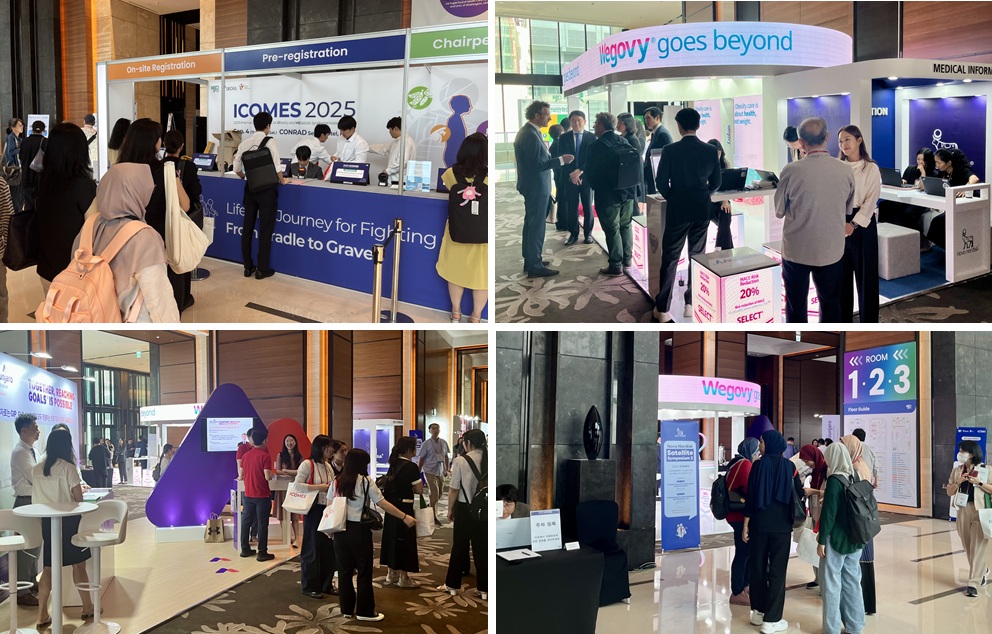
- On the morning of September 5 at Conrad Hotel, Yeongdeungpo, Seoul, a long line formed in front of the registration desk for the Autumn Conference of the Korean Society for the Study of Obesity (KSSO). With more than 1,000 pre-registered attendees, the conference drew continuous interest from healthcare professionals from the very first day. The surge of interest reflects the recent launches of the GLP-1 class obesity drugs Wegovy (semaglutide) and Mounjaro (tirzepatide). According to a conference official, “This is the first time we’ve had over 1,000 pre-registrants. When including on-site registration, more than 1,500 people are expected to attend.” Given the high turnout, Novo Nordisk and Eli Lilly engaged in a fierce competition to capture physicians’ attention through large promotional booths. Novo Nordisk secured the most prominent location near the entrance and set up the largest booth among all participating companies. It was the second year in a row that Novo Nordisk operated a Wegovy booth, but this year, with Lilly’s Mounjaro newly launched, their promotional efforts were even more aggressive. The Wegovy booth emphasized three key clinical benefits - ▲Over 20% body weight reduction, ▲20% reduction in major adverse cardiovascular events, ▲up to four years of long-term follow-up data- which were displayed prominently on the booth walls, drawing attention from healthcare professionals. Novo Nordisk organized an interactive event where conference attendees selected the most important message and placed a ball into a transparent box. The booth naturally drew large crowds, and participants intuitively grasped Wegovy's three key benefits. A Novo Nordisk representative stated, “As the pioneer that opened the GLP-1 obesity treatment market, we focused on communicating Wegovy's clinical value. We will do our utmost to further grow and lead the obesity treatment market.” The company also promoted Wegovy’s indication expansion plans. Currently approved for adult obesity, Novo Nordisk is seeking to expand the indication to include adolescents and has already submitted a related application to the Ministry of Food and Drug Safety. Right next to Novo Nordisk, Lilly set up its Mounjaro booth. Emphasizing its dual mechanism of action on both GIP and GLP-1 receptors, Lilly highlighted the strong weight-loss efficacy of Mounjaro. A Lilly representative commented, “This is our first time setting up a Mounjaro booth. With the autumn academic conference season underway, we plan to establish booths at other events, such as the Korean Academy of Family Medicine and the Society for Korean Obesity and Metabolism Studies, to promote the product.” The representative added, “Many attendees asked us to compare the strengths of competing products. As the market grows, both Wegovy and Mounjaro will benefit. Rather than competition, we aim for joint growth through cooperation.” The sponsorship tiers at the conference also reflected the two companies’ weight. Among 46 participating firms, Novo Nordisk was a Diamond sponsor, the highest tier. Lilly joined Hanmi Pharmaceutical and Chong Kun Dang as Platinum sponsors. Alvogen, Daewoong Pharmaceutical, Yuhan Corporation, and HK inno.N participated as Gold sponsors, while Dong-A ST, AstraZeneca, LG Chem, and Celltrion Pharm were among the Silver sponsors. On-site, physicians naturally gravitated toward the two major booths. One family medicine specialist remarked, “It was helpful to compare weight-loss effects and safety profiles. Beyond the brochures, the booth staff answered questions directly, which made it much easier to understand.”
- Company
- "Effect of Bavencio on long-term survival confirmed"
- by Son, Hyung Min Sep 09, 2025 06:12am
- Professor Jae-lyun Lee of Seoul Asan HospitalAt the conference held in Korea, Bavencio's real-world data (RWD) have been unveiled, extending beyond its initial trial that served as the basis for approval. Bavencio maintenance therapy has been shown to prolong the lives of patients with urothelial carcinoma in multiple countries, including Korea, Japan, France, and the U.S. Notably, the sequential treatment results with an antibody-drug conjugate (ADC), a global R&D trend, have also been positive. Global RWD Shows OS Surpassing 40 Months...ADC Combination Strategy Yielded Results At the annual meeting of the Korean Society of Medical Oncology (KSMO) held on September 5, long-term survival outcomes for Bavencio (avelumab), a treatment for advanced or metastatic urothelial carcinoma, were unveiled. The key result was that the latest result from a real-world clinical setting surpassed the overall survival (OS) observed in Bavencio's approval trial, JAVELIN Bladder 100 (JB 100) trial. The platinum-based chemotherapy previously used for patients with metastatic urothelial carcinoma shows high response rates. However, its toxicity and lack of durability made long-term treatment difficult, with survival benefits lasting only 12-15 months. Even with a response, 70% of patients relapsed within a year, patients and doctors having to endure treatment gaps. Bavencio recorded a median OS of 29.7 months in the JB 100 trial, an improvement of over 9 months. This effect was consistently confirmed in global RWD involving over 5,100 patients from the U.S., Europe, Japan, and Korea, with some cohorts even reporting superior results. The value of an anti-cancer drug depends on whether its clinical trial outcomes can be reproduced in a real-world setting. While clinical trials are conducted under limited conditions, real patient populations are far more complex. RWD is considered a key piece of evidence that bridges this gap and validates the efficacy and safety of a treatment. Professor In-Ho Kim of Seoul St. Mary's Hospital's Division of Medical Oncology, who presented on the changes in metastatic urothelial carcinoma (mUC) treatment in Korea and the significance of first-line maintenance therapy, stated Bavencio's outstanding tolerability as a key strength. The advantage of this drug enables patients to continue treatment stably for an extended period. Professor In-Ho Kim of Seoul St. Mary Professor Kim explained, "The results confirmed in Bavencio's clinical trials are being directly replicated in real-world clinical setting. Specifically, it has been demonstrated that toxicity issues, which were effectively managed under strict monitoring in clinical trials, can also be adequately controlled in a real-world setting. Thanks to these characteristics, We believe Bavencio is not just a new treatment option for patients but is setting a criteria for long-term treatment." For example, the PATRIOT-II study in the U.S., which analyzed the medical records of 160 patients, showed a median OS of 30.5 months from the start of chemotherapy and 24.4 months from the beginning of maintenance therapy. The JAVEMACS study conducted in Japan showed that the long-term survival effect was also replicated in an Asian patient population, with a median OS of 38.9 months from the start of chemotherapy and 31.8 months from the beginning of maintenance therapy. The AVENANCE study conducted in France is also notable. In a subgroup of 55 patients who received Bavencio maintenance therapy after first-line chemotherapy and then received the ADC enfortumab vedotin as a second-line therapy, the median OS reached 41.5 months. This contrasts with the median OS of just 24.5 months in a group of patients with similar conditions who received a platinum-based chemotherapy again. Such results demonstrate that the possibility of treatment sequence of 'platinum chemotherapy-Bavencio-ADC' as a long-term survival regimen. Furthermore, it is significant that the study included over 15% of patients with a performance status of ECOG 2 or higher, proving its efficacy even in a more realistic patient population. Korea data have also supported these results. An analysis of an Expanded Access Program (EAP) involving 30 patients from five Korean hospitals between 2021 and 2023 showed that the median progression-free survival (PFS) from the start of Bavencio was 7.9 months, surpassing the 5.5 months in the JB 100 trial. The complete response (CR) rate was 20%, with a median duration of CR of 17.8 months. The fact that these results were consistent with global outcomes, despite a challenging patient population where 67% were Stage 4 at diagnosis and 40% had visceral metastases, is significant. This is also the reason why Bavencio quickly became the standard of care for first-line maintenance therapy soon after its approval for reimbursement. Professor Jae-lyun Lee of Seoul Asan Hospital's Department of Oncology, who chaired the session, emphasized, "Bavencio is a treatment that fundamentally overturned the previous 12-15 month survival median with a median OS of 29.7 months." Lee added, "The fact that the survival benefit confirmed in the clinical trials has been replicated in RWD shows that long-term survival is no longer just an expectation but a reality." Bavencio is also supported by evidence of effortless side effect management and improved quality of life. In both clinical trials and RWD, adverse reactions were mild or manageable, and treatment discontinuation was rare. Long-term administration was possible even in elderly patients and those with comorbidities, and it yielded positive results in terms of quality of life indicators. A post-hoc analysis using the Q-TWiST index showed that Bavencio-treated patients had, on average, 4.2 months longer time without toxicity than those in a standard-of-care group. Based on this various clinical trial and RWD evidence, Bavencio is currently recommended as a standard-of-care for first-line maintenance therapy in metastatic urothelial carcinoma by organizations including the National Comprehensive Cancer Network (NCCN), the European Society for Medical Oncology (ESMO), and the European Association of Urology (EAU). In particular, it is designated as a Category 1 treatment in the NCCN guidelines. In Korea, patient access has also significantly improved following Bavencio approval in 2021 and reimbursement in August 2023. Professor Hongsik Kim of Chungbuk National University Hospital Professor Hongsik Kim of Chungbuk National University Hospital's Department of Hematology and Oncology, who presented on the topic of 'The Treatment Journey for Metastatic Urothelial Carcinoma,' said, "Bavencio can be safely administered to elderly patients and those with chronic kidney disease. The fact that this drug can provide long-term and sustained responses makes it clinically very significant. Although immune-related adverse events (irAEs) may occur during immunotherapy, it is important to maintain careful clinical judgment and not prematurely discontinue treatment." Professor Kim added, "irAEs can occur even more than a year after treatment, making careful long-term monitoring essential. Considering all these factors, We believe Bavencio is an option that can reliably provide patients with long-term treatment opportunities in a real-world clinical setting." Finally, Professor Lee added, "While various options are emerging in the urothelial carcinoma treatment market, it is rare to find a drug like Bavencio with proven long-term follow-up data and broad RWD." Lee concluded, "With the clinical efficacy, safety, and health insurance reimbursement of Bavencio, it has become a standard-of-care in Korea."
- Company
- Bispecific Ab 'Epkinly' for DLBCL available at gen hospitals
- by Eo, Yun-Ho Sep 08, 2025 06:17am
- Product photo of Epkinly'Epkinly,' a new innovative drug that is a T-cell-engaging bispecific antibody, is now available for prescription at general hospitals. According to industry sources, AbbVie Korea's Epkinly (epcoritamab), the treatment of relapsed or refractory diffuse large B-cell lymphoma (DLBCL), passed the drug committees (DC) of tertiary general hospitals, including Samsung Medical Center, Seoul National University Hospital, Asan Medical Center, and Seoul St. Mary's Hospital, as well as medical institutes, including Seoul National University Bundang Hospital, Yeouido St. Mary's Hospital, Wonju Severance Christian Hospital, Jeonbuk National University Hospital, Chungnam National University Hospital, and Chonnam National University Hwasun Hospital. As Epkinly is under review for insurance reimbursement and has passed the Health Insurance Review & Assessment Service (HIRA)'s Cancer Disease Review Committee, it is expected to be available for prescription once it is included in the listing. Epkinly, approved in Korea last June, was also designated as an orphan drug by the Ministry of Food and Drug Safety. Epkinly is a type of immunoglobulin 1-based bispecific antibody that simultaneously binds to CD3 on T-cells and CD20 on B-cells, with a mechanism that induces T-cell-mediated killing of lymphoma B-cells. The drug recently received approval from the U.S. FDA through an accelerated approval program, and the Phase 1/2 EPCORE NHL-1 study served as the basis for approval. The study enrolled 148 patients with CD20-positive DLBCL. Of these patients, 86% had unspecified DLBCL, 27% had DLBCL transformed from indolent lymphoma, and 14% had high-grade B-cell lymphoma. As a result, Epkinly showed an objective response rate of 61%, a complete response rate of 38%, and a median duration of response of 15.6 months in relapsed or refractory DLBCL patients who had received an average of three prior treatments. Professor Deok Hwan Yang of Chonnam National University Hwasun Hospital's Department of Hematology said, "Epkinly, a bispecific antibody treatment, showed a complete response rate similar to that of CAR-T therapies. Furthermore, it can be administered to patients immediately at a medical institution without a separate manufacturing period. As it targets a different antigen from CAR-T therapies, which target CD19, it also has the advantage of being usable in patients who have failed CAR-T therapy."
- Company
- Competitiveness of K-anticancer drugs reaffirmed
- by Son, Hyung Min Sep 08, 2025 06:17am
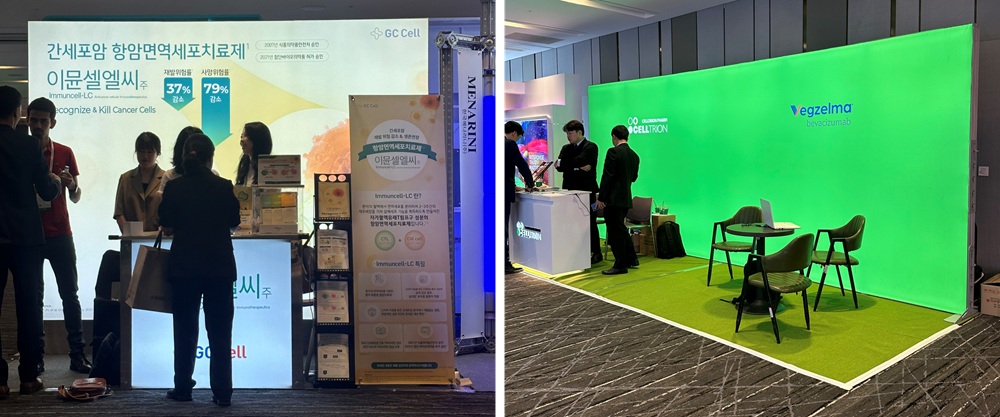
- Korean pharmaceutical companies gathered in one place to show off their anti-cancer pipelines, including both in-house developed and imported new drugs. At the Korean Society of Medical Oncology 2025 International Conference (KSMO 2025), which was held over three days from September 3 at Walkerhill Hotel in Seoul, major domestic pharmaceutical companies showcased their oncology pipelines, including both self-developed and in-licensed drugs. Companies such as Yuhan, Boryung, GC Cell, Jeil Pharmaceutical, and Celltrion highlighted their therapies, including Lazertinib, Zepzelca, Immuncell-LC, Lonsurf, and Vegzelma, covering a wide range of solid and hematologic cancers. Domestic companies focus on promoting self-developed drugs and biosimilars Yuhan spotlighted its non-small cell lung cancer (NSCLC) therapy, Lazertinib. Lazertinib was approved as Korea’s 31st novel homegrown drug approved in in January 2021. The technology of the drug, which was originally developed by Genosco (a subsidiary of Oscotec) was transferred to Yuhan in 2015. Yuhan later signed a USD 1.4 billion out-licensing deal with Janssen in November 2018. Janssen confirmed Lazertinib’s efficacy compared with Tagrisso monotherapy, the current standard of care. Through the MARIPOSA Phase III trial, In August 2023, the U.S. FDA approved Lazertinib as a combination therapy as a first-line treatment for EGFR-positive NSCLC. The combo regimen is expected to extend overall survival (OS) by more than a year versus existing therapies. With over half of the patient group still alive, the trial is expected to reveal further significant improvements as new data emerges. (from the left) GC Cell and Celltrion GC Cell promoted Immuncell-LC, an autologous cell therapy originally developed by InnoCell (the predecessor of GC Cell). The therapy uses mononuclear cells extracted from a cancer patient’s blood, cultured for over two weeks with anti-CD3 and IL-2 stimulation. The activated immune cells target and eliminate cancer cells in the body. Immuncell-LC functions by inducing activated T-lymphocytes and autologous cytokine-induced killer cells (CIK) to seek out and eliminate cancer cells within the body. In a nine-year extended follow-up study of a Phase III trial in hepatocellular carcinoma, Immuncell-LC showed recurrence-free survival (RFS) of 43.5 months, compared with 27.4 months for the control group, with cancer-specific survival (CSS) not yet reached in either group. Hanmi Pharmaceutical showcased Rolontis, a neutropenia drug that was approved in Korea in 2021 as the 33rd novel homegrown drug. Marketed as Rolvedon in the U.S., it generates over KRW 20 billion in quarterly revenue. Hanmi has been working to strengthen Rolontis’s competitiveness through a same-day administration trial. Unlike existing drugs such as Neulasta, which require administration 24 hours post-chemotherapy, Rolontis allows for same-day dosing, reducing hospital stays and improving convenience. Celltrion highlighted Vegzelma, a biosimilar to Roche’s Avastin (bevacizumab). Now launched across Korea, the U.S., and Europe, Vegzelma has become the top-selling bevacizumab biosimilar in Europe. (clockwise from the upper left) Jeil Pharmaceutica, Yuhan Corp, Boryung, and Hanmi PharmaceuticalIntense Competition in In-Licensed Oncology Drugs Boryung emphasized its portfolio of in-licensed drugs, including Gemzar and Alimta. Boryung acquired Korean rights to the cytotoxic anticancer drug for NSCLC and pancreatic cancer, Gemzar (originally by Eli Lilly), in October 2020, later adding the NSCLC drug Alimta’s rights in 2022 and transitioning from imports to in-house production. Boryung also pinned hopes on the SCLC drug Zepzelca (developed by Spanish company PharmaMar), for which it holds exclusive sales rights in Korea. A symposium on the Phase III IMforte study on its use in combination with the immunotherapy drug Tecentriq was also being held, focusing efforts on establishing Zepzelca as the standard of care. Zepzelca is a novel drug developed by the Spanish pharmaceutical company PharmaMar, and is already being marketed in North America by Jazz Pharmaceuticals. Boryung holds exlclusive right to its sales and distribution in Korea. Zepzelca inhibits DNA transcription in cancer cells and reduces tumor-associated macrophage (TAM) activity, thereby blocking cancer cell proliferation, immune evasion, and angiogenesis. Zepzelca is being tested in the IMforte Phase III trial as a first-line option for small-cell lung cancer in combination with the immunotherapy Tecentriq (atezolizumab). Early results show survival benefits compared with Tecentriq alone. Jeil Pharmaceutical presented Lonsurf, which the company licensed from Japan’s Taiho. Approved in the U.S. in 2015 and now in 75 countries, Lonsurf is indicated for metastatic colorectal cancer and, since 2021, for metastatic gastric cancer.
- Company
- Kerendia+Jardiance combo demonstrates early benefit
- by Hwang, byoung woo Sep 08, 2025 06:16am
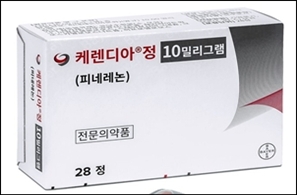
- Kerendia (finerenone), a treatment for chronic kidney disease, has strengthened its clinical presence by demonstrating efficacy in combination with the SGLT-2 inhibitor Jardiance (empagliflozin). Pic of Kerendia Kerendia is the first non-steroidal mineralocorticoid receptor antagonist (MRA), with a novel mechanism of action that directly suppresses inflammation and fibrosis in the kidney. In June, results from the CONFIDENCE study drew attention by confirming the benefit of early combination therapy with SGLT-2 inhibitors. The trial included 818 patients with type 2 diabetes and CKD (eGFR 30–90 mL/min/1.73m², urine albumin-to-creatinine ratio [UACR] ≥100–
- Company
- Zynyz receives orphan drug designation in Korea
- by Eo, Yun-Ho Sep 05, 2025 06:20am
- The immuno-oncology drug Zynyz that Handok has decided to market in Korea has been designated as an orphan drug in Korea. The Ministry of Food and Drug Safety (MFDS) recently announced the designation through a public notice. Specifically, the drug is indicated for ▲Merkel cell carcinoma and ▲ squamous cell carcinoma of the anal canal (SCAC). Among these, the Merkel cell carcinoma indication had already been granted orphan drug status earlier in June. Zynyz (retifanlimab), which was developed by the US company Incyte, was also designated in July as a subject for the “Global Innovative Products on Fast Track (GIFT)” program. Since receiving approval from the U.S. FDA in May, the PD-1 inhibitor Zynyz has been gaining attention as the first first-line treatment for adult patients with unresectable locally recurrent or metastatic anal cancer, in combination with platinum-based chemotherapy (carboplatin, paclitaxel). The efficacy of Zynyz in anal cancer was demonstrated in the Phase III POD1UM-303 study. This study evaluated 308 patients with unresectable locally recurrent or metastatic squamous cell carcinoma of the anal canal (SCAC) by comparing outcomes between the Zynyz + carboplatin + paclitaxel combination arm and the standard-of-care arm. Results showed that the median progression-free survival (PFS) was 9.3 months in the Zynyz arm, which is a 37% reduction in the risk of disease progression or death compared with the 7.4 months in the standard-of-care arm. In the interim analysis, the median overall survival (OS) was 29.2 months in the Zynyz arm and 23 months in the standard-of-care arm. The objective response rate (ORR) for the Zynyz arm was 56%, with 22% achieving complete response and 33% partial response—higher than the 44% observed in the standard-of-care arm. The median duration of response (DoR) was 14 months in the Zynyz arm, compared with 7.2 months in the standard-of-care arm. SCAC accounts for about 85% of all anal cancers and is classified as a rare cancer. The majority of cases are caused by human papillomavirus (HPV) infection, and HIV-positive individuals face a 25–35 times higher risk. Early symptoms often resemble hemorrhoids, leading to delayed diagnosis, with many patients visiting hospitals at advanced stages.
- Company
- MenQuadfi’s indication includes infants as young as 6 weeks
- by Hwang, byoung woo Sep 05, 2025 06:19am
- On the 4th, Sanofi Kore announced that its fully liquid quadrivalent meningococcal vaccine, MenQuadfi, received expanded indication approval from the Ministry of Food and Drug Safety (MFDS) on August 26. The new approval allows MenQuadfi’s vaccination for infants from 6 weeks to under 2 years of age. With the indication extension, MenQuadfi has become the first quadrivalent meningococcal conjugate vaccine in Korea that can be administered to infants as young as 6 weeks. This approval allows a broader age range to have preventive options against invasive meningococcal disease. MenQuadfi contains 10μg of antigen each for the four meningococcal serogroups (A, C, W, and Y) and is formulated as a fully liquid formulation that requires no reconstitution or mixing, enhancing ease of use. It utilizes tetanus toxoid (TT) as a protein carrier to induce a strong T cell–mediated immune response. Following the indication extension, MenQuadfi now offers flexible vaccination schedules to those 6 weeks to 55 years of age. Infants aged 6 weeks to under 6 months may receive a 4-dose series, with the initial three doses given at minimum 8-week intervals, and a fourth booster at least 6 months after the third dose, administered at ≥12 months of age. For infants aged 6 to less than 24 months with no prior meningococcal vaccination, a 2-dose schedule is recommended, with a minimum 3-month interval between doses and the second dose administered after 12 months of age. For individuals aged 2 to 55 years, a single dose is sufficient for protection. MenQuadfi’s indication extension was based on results from the MET42 and MET61 studies. The Phase III MET42 trial enrolled about 2,627 infants and toddlers aged 2 to 18 months to evaluate the immunogenicity and safety of MenQuadfi versus an existing quadrivalent meningococcal vaccine. After just three doses starting at 2 months of age, MenQuadfi demonstrated strong immune responses across all 4 meningococcal serogroups: A (64.4%), C (96.4%), W (92.8%), and Y (88.7%). These results were higher compared to the comparator vaccine (A: 50.6%, C: 82.8%, W: 85.6%, Y: 81.8%). The MET61 study assessed infants aged 6 to 23 months with a 2-dose schedule, comparing the immunogenicity and safety of MenQuadfi against control vaccines, including Sanofi’s own Menactra. The results confirmed that MenQuadfi induced non-inferior immune responses across all serogroups (A, C, W, Y) compared with control vaccines, with a safety profile comparable with existing vaccines. Hee-kyung Park, Director of Sanofi’s Vaccines Business Unit, said, “With the indication extension of MenQuadfi in Korea, we are pleased to be able to protect infants as early as 6 weeks of age from invasive meningococcal disease. Sanofi will continue to work closely with health authorities to strengthen preventive strategies and secure protection against meningococcal infections across various age groups.”
- Company
- HK Inno.N and Pfizer partner to distribute COVID-19 vaccine
- by Lee, Seok-Jun Sep 05, 2025 06:18am
- HK inno.N (CEO Dal-Won Kwak) announced on the 4th that it has signed a co-promotion agreement with Pfizer Korea (CEO Dong-Wook Oh) for the 2025–2026 season distribution of the new COVID-19 variant vaccine, Comirnaty LP.8.1 Prefilled Syringe (SARS-CoV-2 mRNA Vaccine), as part of the National Immunization Program (NIP). Last year, HK inno.N was responsible for the private distribution of Comirnaty JN1 Injection (single-dose, bretobameran, SARS-CoV-2 mRNA vaccine). More recently, the company has also been in charge of distribution for the government-funded NIP program, which targets high-risk groups such as seniors aged 65 and older and immunocompromised individuals, a market valued at approximately KRW 200 billion. Through this co-promotion agreement, HK inno.N and Pfizer Korea have expanded their partnership to include promotional activities for those included in the National Immunization Program. Comirnaty® LP.8.1 Prefilled Syringe received approval from the MFDS on January 29 for the prevention of COVID-19 caused by SARS-CoV-2 in individuals aged 12 years and older. The vaccine is administered as a single 0.3 mL intramuscular injection, regardless of previous COVID-19 vaccination history. For individuals who have received prior COVID-19 vaccination, the new shot should be given at least three months after the last dose. HK inno.N CEO Dal-Won Kwak said, “Based on our sales and distribution capabilities, we will contribute to the stable supply of Comirnaty® LP.8.1 Prefilled Syringe and to the improvement of public health in Korea.
- Company
- Fruzaqla may be prescribed at general hospitals in KOR
- by Eo, Yun-Ho Sep 04, 2025 06:12am
- ] The new colon cancer drug Fruzaqla is may now be prescribed at general hospitals in Korea. According to industry sources, Fruzaqla (fruquintinib), a colorectal cancer therapy from Takeda Korea that selectively inhibits vascular endothelial growth factor receptors (VEGFR)-1, 2, and 3, has passed the drug committees (DC) of 41 major medical institutions nationwide, including Samsung Medical Center, Seoul National University Hospital, and Severance Hospital. Prior to its approval in Korea this June, Fruzaqla had been designated as an orphan drug in February and as a “Global Innovative products on Fast Track” (GIFT) in November of last year. Specifically, Fruzaqla is indicated for the treatment of adult patients with metastatic colorectal cancer (mCRC) who have previously received fluoropyrimidine-, oxaliplatin-, and irinotecan-based chemotherapy; an anti-VEGF therapy; an anti-EGFR therapy (for RAS wild-type); and trifluridine/tipiracil and/or regorafenib, but have progressed on or are intolerant to these therapies. Fruzaqla demonstrated efficacy in the Phase III FRESCO-2 trial. Results showed that the median overall survival (mOS) for the Fruzaqla arm was 7.4 months compared with 4.8 months in the placebo arm, reducing the risk of death by 34%. In addition, the median progression-free survival (mPFS) was 3.7 months (95% CI: 3.5–3.8) with Fruzaqla, more than doubling the placebo group’s 1.8 months, and reducing the risk of disease progression or death by 68%. Moreover, Fruzaqla is an oral therapy that can be taken once daily without complicated dietary restrictions, the convenience of which is expected to improve not only treatment outcomes but also patients’ quality of life. Professor Sang-Cheul Oh, Department of Oncology, Korea University Guro Hospital (Chair of the Colorectal Cancer Subcommittee, Korean Cancer Study Group) said, “Fruzaqla’s mechanism of action that selectively inhibits VEGFR-1, 2, and 3 provides strong efficacy with lower toxicity, making it a very meaningful option for later-line patients in the 4th line or beyond who have already received long-term treatment.”
- Company
- Novo Nordisk, Kakao Health sign digital healthcare MOU
- by Cha, Jihyun Sep 04, 2025 06:09am
- Kakao Healthcare (CEO Hee Hwang) announced on the 3rd that it has signed a memorandum of understanding with the multinational pharmaceutical company, Novo Nordisk Korea (General Manager Kasper Roseeuw Poulsen) to build a digital healthcare ecosystem for obesity and diabetes patients. The signing ceremony, held on September 2 at Novo Nordisk Korea’s headquarters in Songpa-gu, Seoul, was attended by Kakao Healthcare CEO Hee Hwang and Novo Nordisk Korea CEO Kasper Rosseeu Poulsen. At the event, the two companies agreed to collaborate by utilizing various digital technologies to improve the treatment journey of obesity and diabetes patients, ultimately creating a sustainable treatment environment that can deliver better outcomes. This is the second collaboration between the two companies, following their first partnership in 2023. Under the agreement, they linked Kakao Healthcare’s AI-based health management app ‘Pasta’ with Novo Nordisk’s insulin FlexTouch pen and its smart cap ‘Mallya,’ providing a medication management solution for diabetes patients. The new partnership is significant in that it expands the scope of collaboration from diabetes to obesity, creating a comprehensive alliance. The companies plan to address the unmet medical needs of Korea’s rapidly growing obesity and diabetes populations by offering patient-centered digital solutions. Specifically, in the field of obesity, the partnership will focus on ▲developing a personalized digital support program, ▲providing solutions to improve treatment effectiveness and quality of life. and In particular, the partnership will integrate Novo Nordisk’s patient support program Novo Fit Care, which is offered to patients prescribed its obesity treatments, into the Pasta app. Through this, patients will be able to manage weight and other long-term health aspects in a comprehensive way. In the field of diabetes, the companies will jointly develop digital solutions aimed at improving disease awareness. Kasper Roseeuw Poulsen, General Manager of Novo Nordisk Korea, said, "Obesity and diabetes are chronic conditions which, if left untreated, can lead to serious comorbidities and impose a tremendous burden on individuals and society. With Novo Nordisk’s more than 100 years of dedication to diabetes and obesity, and Kakao Healthcare’s leadership in Korea’s digital healthcare sector, the partnership will further accelerate integrated innovation for patient support in Korea." Hee Hwang, CEO of Kakao Healthcare, said, "Kakao Healthcare has leveraged AI, big data, and other technologies to bring positive changes to patients’ health journeys. By combining this experience and technology with Novo Nordisk, a global leader in obesity and diabetes care, we aim to play a major role in expanding patient-centered digital healthcare on a global scale."
