
- LOGIN
- MemberShip
- 2026-05-15 06:57:54
- Company
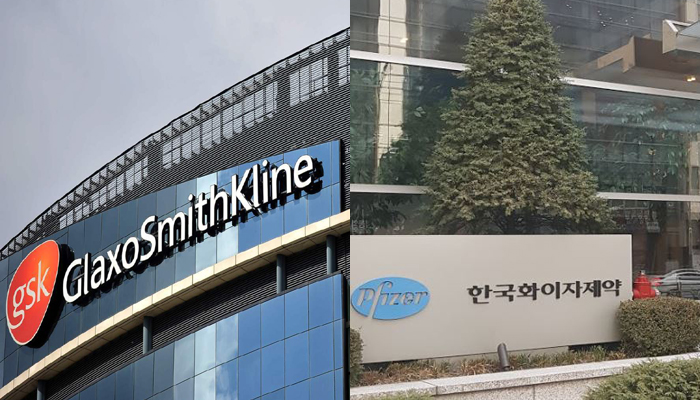
- GSK-Pfizer Consumer Healthcare JV to kick-off on Feb. 24
- by An, Kyung-Jin Feb 21, 2020 06:37am
- Pfizer Pharmaceutical Korea and GlaxoSmithKline Korea (GSK Korea) have finalized the decision on their joint venture in Korea. Two years since the headquarters have signed a merger deal on consumer healthcare divisions, the two companies are finally ready to begin the joint venture. Pharmaceutical industry source reported on Feb. 20, the Korean branches of Pfizer and GSK have decided to kick-off their consumer healthcare joint venture on Feb. 24. In the morning of Feb. 20, GSK Korea and Pfizer Pharmaceutical Korea have co-convened a second meeting on Working Condition Agreement regarding ‘unfair changes in working condition’ for the consumer healthcare division employees to vote. Among 51 Pfizer Consumer Healthcare employees, except for 12 employees who refuse to be transferred to GSK, the companies surveyed if the rest of 39 employees would like to comply with GSK’s working condition after the transfer. 22 employees, more than the half of 39, voted ‘yes’ and passed the Working Condition Agreement. Contrasting to the majority of the employees voting ‘no’ at the first vote on Feb. 14, the table has turned completely in merely a week. Pfizer Pharmaceutical Korea’s labor union official said, “On Feb. 19, a day before the second meeting, GSK has reportedly notified the employees of Pfizer Consumer Healthcare division that ‘the company would pay out 10 million won as M&A bonus if the Working Condition Agreement passes. But, if it falls through then the joint venture establishment could be postponed indefinitely.’” Based on the voting result, GSK would be able to lessen the burden of handling working condition discrepancies between employees. However, how many Pfizer Consumer Healthcare employees would actually get transferred is still unknown. But as GSK has set the deadline of transfer agreement submission on Feb. 21, 39 employees are apparently contemplating on either staying at Pfizer or transferring to GSK. Pfizer’s labor union insider hinted the Consumer Healthcare employees are feeling increasingly insecure about their job security, regardless of taking any option. The labor union has decided to convene a general assembly on Feb. 21 to initiate forming a new labor union to secure their jobs even after the transfer. Pfizer’s labor union is also pondering on means to protect employees, who have decided to stay at Pfizer. Pfizer Pharmaceutical Korea insider said, “So far, 12 employees have made the decision to stay. We are closely paying attention on the other 39 employee’s decision. We do not know how many would decide to stay, but the union is planning to negotiate with the management to protect them.” Both companies have reached an agreement on the kick-off date for the consumer healthcare joint venture. GSK Korea official said, “As of now, we can only disclose that the two companies have agreed the joint venture would sail on from Feb. 24. For Pfizer Pharmaceutical Korea’s Consumer Healthcare Division employees to sufficiently understand the two companies’ stances, we would continue to engage with them in various communication channels.” Pfizer Pharmaceutical Korea official commented, “We would fully cooperate with everyone to process the rest of the procedure.”

- Company
- SCD Pharm confirms Eylea's US partner
- by Lee, Seok-Jun Feb 21, 2020 06:35am
- Jeon In-seok, SCD Pharm’s CEO In-seok Jeon, SCD Pharm’s CEO, said on the 18th that he had selected US and European partners for Eylea’s Biosimilar (SCD411). Only Senju Pharmaceutical in Japan contracted SCD411. According to CEO Jeon’s remarks, additional export announcements (disclosures, etc.) are imminent. SCD411 is about to launch its global phase III study in the first half of this year. In addition to SCD411, Jeon said, "We are developing oral diabetes drugs (insulin, GLP-1) and anticancer drugs (Enbrel and Herceptin) as oral drugs". The reason why global pharmaceutical companies are having their eye on SCD411? The CEO mentioned five things about SCD411 competitiveness. Those five things are △ original formulation patents and overseas applications (US, JP, EU, etc.) △2000L CMO production line construction Completed pre-verification regarding IND △development of the same product line as the original △completed pre-validation of IND-related products such as quality, non-clinical, clinical, etc. with each country's permit holders (outside Japan, Europe, and the US) △ development of the same product line as the original. Jeon said, “The meaning of certification and securing the 2000L production facility is that it lowered the risk of quality equality during the scale-up process. The cost competitiveness is more than three times cheaper than 500L, and That's the capacity to cover global demand. Non-clinical studies were conducted with the global CRO Cobans, but some of them were delayed due to Cobans issues. However, the delayed part was replaced with a three-phase preparation process, which minimized time leakage. In particular, he emphasized the same product development sector as the original. The CEO analyzed that the same vials products as Eylea and PFS (Pre-filled Syringe, Pre-filled Syringe) have been developed, 24 weeks long-acting (long-lasting) products are also under development and SCD Pharm is the only company with this lineup. Following Japan, the US and European partners have been confirmed, and Eylea’s Biosimilar of the existing formulations is expected to start sales in U.S.A & Japan in 2023 and Europe in 2024. 'S-Pass Application', Injection → Oral Development 'Hidden Card' CEO Jeon also unveiled their future strategic projects for the first time. The projects are about the non invasive glucose monitor, S-CHECK, oral development of injectable diabetes treatments such as insulin and GLP-1, and No Needle platform Biz development of injectable anticancer drugs such as Enbrel and Herceptin. The CEO explained that S-CHECK proved similar to the blood glucose meter Roche’s Accu-Check. There was no difference between the blood glucose meter and S-CHECK, non invasive glucose monitor. He said that S-CHECK is 100% blood free, no additional calibration, no need to replace sensors and cartridges and will quickly replace the glucose meter market in the future. It also shared the S-Pass platform, which converts injections into oral ones. S-Pass platform is Nano Micelle + Protein Complex and the Advantages are △GI (gastrointestinal + small intestine) absorption (Quick Acting → Quick Onset) △ encapsulation (permeability and absorption increase) ) △digestion inhibition/high bioavailability(cost reduction and price competitiveness) △Avoiding FDA approved excipients and oils(Ease/permit and minimize side effects) △No antacids and surfactants (Minor side effects for long-term chronic patients) A related advantage is the lack of features for companies looking to develop oral injections. SCD Pharm has filed a patent application for S-Pass last August. The CEO Jeon said, "We are developing Diabetes treatment such as insulin and GLP-1 as well as anti-cancer drugs such as Enbrel and Herceptin as oral drugs using the S-Pass platform. After that, it will be the cornerstone of growth of SCD Pharm after Eylea’s Biosimilar".

- Company
- Long-waited reimbursed Ibrance+Faslodex in arm’s reach
- by Eo, Yun-Ho Feb 20, 2020 06:42am
- From top, Ibrance, Verzenio and Kisqali After two long years, Pfizer is finally in proximity to win reimbursement on Ibrance plus Faslodex combination therapy. Pharmaceutical industry source reported, Drug Reimbursement Evaluation Committee (DREC), under Health Insurance Review and Assessment Service (HIRA), has cleared the combination therapy consisting of Pfizer’s CDK4/6 inhibiting Ibrance (palbociclib) and AstraZeneca’s Faslodex (fulvestrant). Both companies have each applied for expanded reimbursement last year, in which Ibrance took the risk sharing agreement (RSA) expansion track and Faslodex took the general reimbursement expansion track. Faslodex would need to undergo HIRA’s financial impact review for its general reimbursement status, whereas Ibrance, reimbursed with RSA, would have to negotiate pricing with National Health Insurance Service (NHIS). ◆ Processing health insurance benefit for Ibrance plus Faslodex combination therapy: Although the final decision on the benefit is just around the corner, Pfizer has gone through a lot until now. The needs for the combination therapy was voiced since 2017, when the ‘Ibrance incident’ occurred. In November of the same year, Ibrance was just listed for reimbursement as a first-line treatment, and Faslodex had not been listed, yet, as a monotherapy. In fact, Faslodex has been approved to market in Korea for over a decade. AstraZeneca has struggled to find the middle ground with the health authority over the cost-effectiveness of Faslodex monotherapy. But as the public’s interest on Ibrance combination therapy has heightened, the needs for reimbursed Faslodex also soared. With the increasing needs for it, the combination therapy first applied for reimbursement in the first half of 2018. While AstraZeneca submitted the application without fully processing the Faslodex monotherapy listing, Pfizer submitted the application to expand Ibrance’ reimbursed indication. However, the government requested AstraZeneca to withdraw the application as the monotherapy has not been listed, yet, and rejected Pfizer’s application as its drug was already listed. Since then, AstraZeneza accepted pricing lower than the weighted average price of alterative options to list Faslodex as monotherapy, and finally received reimbursement in last April. When the monotherapy listing was technically finalized in last March, Pfizer immediately applied for reimbursement on the combination therapy and received its long waited reimbursement. ◆ Pfizer letting the competitor join while waiting: Regardless of the fruitful outcome, it also seems somewhat unfair for Pfizer. When the company waited for Faslodex to get listed, other follow-on CDK4/6 inhibitors have been approved and started the listing procedure. And there are two competitors. First is Lilly’s Verzenio (abemaciclib), which has submitted application for reimbursement last May immediately after MFDS’ approval. As CDK4/6 inhibitor plus Faslodex combination had not been listed before, Verzenio was able to apply for RSA-based reimbursement on the specific indication. The second is Novartis’ Kisqali (ribociclib). Unlike the others, Kisqali is indicated as first-line combination therapy with Faslodex, except for female patients before menopause. Approved by MFDS last October, Kisqali has started listing procedure expecting to get the a positive final decision. Following the decision by Cancer Deliberation Committee in last September, Verzenio is waiting for deliberation by DREC. Running behind the others, Kisqali has just passed Cancer Deliberation Committee last month. As a result, CDK4/6 inhibitor plus Faslodex combination therapy would be listed for reimbursement without much of difference among three items. More than anything, their pricing negotiation period may overlap. According to Market Access representative at a multinational pharmaceutical company stated, “The government could enhance negotiation power and lower financial risk when discussing listing of competing drugs at a same time, but as for patients, their waiting time could get longer. Either way, the decision would have to be made carefully.”

- Company
- Jeil·Hanlim’s authorized generics, challenge to the market
- by Nho, Byung Chul Feb 20, 2020 06:42am
- Circadin‘s authorized generics are expected to be released to the market as early as next month. According to the industry, Jeil, Hanlim, and CMG will release their products sequentially in March, April, and May through Kuhnil. The reason for launching Circadin‘s authorized Generics seems to be aimed at the market for the patent expiration scheduled for this June. Once the launch of authorized generics is completed in the first half, more than 10 pharmaceutical companies, including Boryeong, SK Chemicals, Yungjin, and Daewoong Bio, are expected to start pouring out in November. Introduced in the domestic market in July 2014, Kuhnil’s Circadin is a sleep-inducing agent based on Melatonin. Circadin was developed by Neuroim Phamaceuticals, a company specializing in the development of CNS-based senile diseases, and is currently marketed in 43 countries, including the UK, France and Italy.. Domestic copyright is monopolized by Kuhnil and forms ₩7~10 billion units in six years since its launch. The market is expected to expand further if authorized generics and generics are added. Circadin’s authorized generic drugs sold by Jeil, Hanlim, and CMG will be imported from Guhnil and supplied to these pharmaceutical companies. Circadin, licensed as a prescription drug, currently costs ₩1,000 to ₩1200 per tablet. The authurized generics seen by the industry are also expected to be formed at this price range. The generic price is expected to be set at around ₩400 per party. Circadin is the first drug to treat insomnia that restores brain and body function by controlling Melatonin. Melatonin is a hormone secreted by the brain that can cause insomnia if it is not secreted or secreted less. Circadin is the first sustained-release Melatonin released similarly to endogenous melatonin, which not only improves sleep quality but also has lower side effects than conventional drugs. Indeed, domestic clinical trials of insomnia patients over the age of 55 have shown that the quality of sleep, time to sleep, total sleep time, sleep efficiency, and daytime activity after taking Circadin have improved, but no special side effects occur. In addition, existing sleeping pills are limited to 3 to 4 weeks once for psychotropic drugs, whereas Circadin can be prescribed for up to 13 weeks once as a non-psychotropic drug. Existing sleeping pills act on the GABA receptors that suppress the central nervous system, leading to adverse reactions such as daytime lethargy and addictiveness, but Circadin does not act on the GABA receptor and no such adverse event is observed. Melatonin has been widely used as a food since the 1990s, as it has been proved to be effective and safe through long research. However, Melatonin used in foods has a short half-life of 35 to 50 minutes and has a disadvantage in that it does not exhibit sufficient effect. Circadin has been developed to exert its effects throughout sleep by increasing the half-life to about 4 hours with a sustained release technology to release a certain amount for 8-10 hours.

- Company
- Ex-AstraZeneca personnel snatch up top executive positions
- by Lee, Seok-Jun Feb 20, 2020 06:35am
- Former employees of AstraZeneca are favored as top executives in Korean pharmaceutical companies. The positions vary from CEO to vice-president. Korea pharmaceutical companies are aiming to expand overseas business by recruiting former AstraZeneca employees with global experience. AstraZeneca is a British multinational company. Senior Director Namgoong Hyun at GC Pharma At a stockholder’ meeting scheduled on Mar. 25, GC Pharma would discuss of appointing Senior Director Namgoong Hyun (52) as a CEO. The term would last for two years. Senior Director Namgoong has served as a Sales Director and a Marketing Executive for the Asian market at AstraZeneca. GC Pharma newly opened Marketing Department in January, 2018, and recruited her. If the stockholders grant her the position, she would be the first CEO since 1998, when GC Pharma first started filing business reports. Executive VP Pak Sang-jin at Samsung Bioepis Seven years since the establishment, Samsung Bioepis is adopting dual-vice-president system. With the latest personnel changes, head of Commercial Division Pak Sang-jin (50) was promoted as an executive vice-president (VP). Executive VP Pak has also worked at AstraZeneca. Started as a physician, he served as a general manager at GSK Germany and a president at AstraZeneca Korea, before joining Samsung Bioepis in July, 2018. Before Executive VP Pak Sang-jin was appointed, Executive VP Choi Chang Hoon (60, Head of Business Development Division) was the only Executive VP. Daewon Pharmaceutical has also recently recruited Lee Sora, another former AstraZeneca employee, as an executive director of Clinical R&D Division at its Seoul Research Center. Starting her career as a physician, Executive Director Lee Sora used to work at Hanwha Chemical, AbbVie Korea, and AstraZeneca Korea, after serving at MSD Korea, Korean office and Denmark Headquarters of Novo Nordisk. VP Son Ji-woong at LG Chem A couple of former AstraZeneca employees have taken the top commanding position at LG Chem Bioscience Division and Dongwha Pharm. In February 2017, LG Chem appointed VP Son Ji-woong (56) as a head of Bioscience Division. VP Son graduated from Seoul National University College of Medicine, and worked as an internal medicine specialist doctor at Seoul National University Hospital and as a professor at Clinical Immunology Department of Hallym University College of Medicine. His career continued as an Executive VP for Oncology Business Unit in Asia-Pacific Region at AstraZeneca, and a VP and CMO at Hanmi Pharmaceutical. President & CEO Park Kihwan at Dongwha Pharm President and CEO of Dongwha Pharm, Park Kihwan (57), joined the Korean company in last March after working at AstraZeneca. From 2003, Park was appointed as Business Unit Director at AstraZeneca Korea. Park was also appointed as General Manager of Boehringer Ingelheim Korea, Managing Director of China and South East Asia and Managing Director of Korean Office at UCB.

- Company
- Remsima SC is the idea of CEO Jung-jin Seo
- by An, Kyung-Jin Feb 19, 2020 06:35am
- View of the ECCO 2020 venue [Vienna, Austria=Reporter An, Kyung-Jin] On the 15th (local time), the annual meeting of the European Crohn's Disease Colitis Association (ECCO 2020) completed a four-day campaign. The ECCO 2020 Conference, which marks the 15th anniversary of this year, was a place to realize that K-Bio's technology has taken a step up. The launch of the first subcutaneous injection (SC) formulated biosimilar with the Infliximab has attracted the attention of attendees as local release and event timing fit exquisitely. There has also been an active debate about whether biopharmaceuticals modified with only the same ingredient should be interpreted as a biobetter. ◆The development of Remsima SC was the CEO’s idea. it was lucky Sung-Hyun Kim, Clinical Planning Team, Celltrion→Seong-hyun Kim, Celltrion's clinical planning manager, met at the ECCO 2020 conference site and said that chairman Seo Jung-jin is the key to success in developing the world's first subcutaneous injection (SC) with Infliximab. Kim, who met at the Celltrion Healthcare booth on the 14th (local time), is not aware of the question whether there is a company developing a Remsima SC competitive drug. The president’s ideas helped to begin clinical development, with good timing and luck. Jung-jin Seo, who is attached to the next pipeline, frequently meets with local medical staff in Europe. He ordered a development review after hearing the need for subcutaneous injection from nurses who used Remicade. Kim said, "There is a lot of opinion that Remicade is good in the medical field, but there is only intravenous injection type, so convenience is low. It is hoped that the emergence of subcutaneous drugs will completely change the perception of the disease". Also added, “The process was painful, but the results were good. We are waiting for feedback on the 15th of last month with the European Medicines Agency (EMA) completing the application for the Remsima SC indication”. ◆Remsima SC is a biobetter? it is Innovative Inflixmab A variety of questions have been asked when the expectation is that Infliximab subcutaneous injections can be introduced in the field of inflammatory growth disease (IBD), which is popular among young people in their 30s and 40s. As a key topic, the issue of how to approach Remsima SC, which only changed the route of administration of Remsima, between a new drug and a biosimilar, emerged as a key topic. Prof. Shomron Ben-Horin named top 10 research Prof. Shomron Ben-Horin (Tel Aviv University Sheba Medical Center, Israel) announced ECCO's 'Top 10 Highlights' program. They all agreed that Remsima SC is an advanced drug over biosimilars. It is a response to the question that whether there is no problem in accepting it as a biobetter when changing the intravenous injection into a subcutaneous injection in the auditorium immediately after the announcement of the clinical results of Remsima SC. The argument was based on the results of a one-year clinical trial of Remsima SC in patients with inflammatory bowel disease. Infliximab was administered to 131 patients with Crohn's disease (CD) and ulcerative colitis (UC). Serum drug concentrations and therapeutic effects were maintained in both groups who received subcutaneous injections from week 6 to 54 and who received subcutaneous injections from intravenous injection at week 30. Foreign reporters from all over the venue were also noticeable The introduction of Remsima SC has enabled the 'Dual Formulation' strategy of maximizing the effect of the initial intravenous treatment and maintaining the drug effect by administering Remsima SC by patient self-administration without visiting the hospital. After the presentation, Ho-woong Kim, Head of Medical and Marketing Division, Celltrion Healthcare, said, “Since the application for the Remsima SC permit, the term biobetter was first introduced after the regulatory agency raised the need for a new track, not a new drug or a biosimilar. Recently, various terms such as 'value-added medicine' or 'innovative Infliximab' have been used. Although the terminology is different, there is no disagreement about the ultimate improvement over biosimilars". ◆Samsung's three biosimilars save EUR 1.8 billion in Europe →At this year's ECCO conference, much data about biosimilars was released. In the years since biosimilars were introduced in Europe, real world data on various clinical cases accumulated at the medical field have been released. Biogen, which is a partner of Samsung Bioepis, is supplying long-term follow-up of patients who have been prescribed biosimilars in Germany, the UK and France. There have been voices that the original drugs and biosimilars were not significantly different in terms of therapeutic effects or safety, and biosimilars were positively evaluated for their financial savings. Pharmaceuticals, insurance companies, and PBMs are competing autonomously, which is different from the US, where entry barriers were high. Early adopters of biosimilars, Europe was a contrary mood. Exhibition booth of Biogen, a partner of Samsung Bioepis A Biogen official (at the end of 2019), who met at the ECCO 2020 conference booth, was prescribed biosimilars to more than 200,000 patients. The three biosimilars that Biogen sells have saved over €1.8 billion in healthcare costs in Europe. ” Biogen has three biosimilars developed by Samsung Bioepis in Europe, including Renflexis (Remicade Biosimilar), Flixabi (Biosimilar) and Imraldi (Humira Biosimilar). Imraldi, which had released an event in October 2018, actually made annual sales of $184 million last year, the first year of its release. It is a self-diagnosis that Amgen, Sandoz and Mylan have released biosimilars at the same time, gaining market leadership with a sharp increase in sales despite the fierce competition. ◆Gastroenterologists, waiting in line at 'Remsima SC' clinical booth, it is amazed at how much things have changed Ho-Woong Kim, Head of Medical Marketing Division, Celltrion Healthcare→Ho-woong Kim, Celltrion Healthcare Director, Medical & Marketing Division, met at the meeting of ECCO 2020 on May 14 (local time), said that it is amazed at how much things have changed, just a few years ago, it was difficult to get clinical advice, but now it's completely different. Since the positive clinical results of Remsima SC were revealed at the ECCO 2018 conference last year, it is said that interest has increased enough to inquire about participation in the study abroad. Kim said, “Many researchers are curious about the background that the efficacy, immunogenicity and safety have been maintained despite the change in formulation from intravenous injection to subcutaneous injection. and the successful commercialization of high-impact Infliximab subcutaneous injections has received positive reviews”. Celltrion's experience in biosimilar products, such as Remsima and Truxima, has been accumulated for many years. In addition, quality and trust in the company also contributed to the introduction. Kim said that during the event, he had meetings with foreign researchers of the best in the field of inflammatory diseases, from full-time executives to active executives. Researchers willing to participate in the clinical trials lined up and feel their company's status has changed.

- Company
- New migraine preventive Emgality cleared in general hospital
- by Eo, Yun-Ho Feb 19, 2020 06:34am
- Korean general hospitals are swiftly implementing a new migraine preventive medication, Emgality, on their prescription drug code. According to a pharmaceutical industry insider, migraine-preventing calcitonin gene-related peptide (CGRP) antagonist Emgality (galcanezumab) has been launched last December. And it has been passed by Drug Committees in Seoul National University Hospital, Severance Hospital, Kangbuk Samsung Hospital, Hallym University Dongtan Sacred Heart Hospital, and Nowon Eulji Medical Center. The drug is a humanized monoclonal antibody that binds to CGRP, causing migraine symptoms in brain, and blocks its binding to the receptor. The Korean government has approved the new drug has been as the first in its class. Designated as an orphan drug in last April, the drug has been approved to market in last September. Recently, the U.S. Food and Drug Administration (FDA) has additionally indicated the drug as a treatment for episodic cluster headache. Emgality’s approval was based on six-month long EVOLVE-1 and EVOLVE-2 trials with 1,773 patients with episodic migraine headache (monthly average four to 14 migraine headache days (MHD)), and three-month long REGAIN trial with 1,113 patients with chronic migraine headache (monthly average 15 headache days, more than eight MHD). The two trials treating patients with episodic migraine headache for six months compared mean changes of monthly average migraine headache days from baseline (9.2 MHD in Emgality group, 9.1 MHD in placebo group) and demonstrated improved treatment effect of the drug than the placebo. For six months time in the EVOLVE-2 trial, particularly with Korean participants, 226 patients in Emgality group has reduced monthly average MHD by 4.3 days, or two days more than placebo group (450 patients) that reduced MHD by 2.3 days. Among the Emgality-treated group, 59 percent of the patients had 50 percent less MHD, 34 percent of them had over 75 percent less MHD, and 12 percent of them had 100 percent less MHD. Whereas, 36 percent, 18 percent and 6 percent of placebo-treated group had 50 percent, more than 75 percent and 100 percent less MHD, respectively. Professor Chu Min Kyung of Neurology Department at Severance Hospital explained, “Migraine headache could unimaginably damage patient’s quality of life. Patients with average four to five MHD in a month could expect to improve their quality of life with preventive treatment. While anti-hypertension and anti-epileptic medications were recommended for migraine preventive treatment, Emgality’s launch is a hopeful news to the patients.” Meanwhile, a series of CGRP-class medications have been released throughout last year. Besides Emgality, Aimovig (erenumab) co-developed by Novartis and Amgen and Ajovy (fremanezumab) by Teva have entered the market.
- Company
- JW Holdings patent pancreatic cancer diagnostic kit in US
- by Nho, Byung Chul Feb 19, 2020 06:33am
- JW Holdings has also successfully patented an early-stage pancreatic cancer diagnostic technology in the U.S. JW Holdings (CEO Han Seong Gwon) announced on Feb. 17, the United States Patent and Trademark Office (USPTO) has granted a patent on source technology of the world’s first ‘multi-biomarker diagnostic kit’ that identifies pancreatic cancer in early stage through a simple blood test. From Professor Paik Young-k’s team at Yonsei University, JW Holdings licensed the innovative source technology in 2017, of a diagnostic platform testing each level of cancer with human body substance found in early and late-stage pancreatic cancer patients.. To this date, a diagnostic method of testing CA19-9, a common antibody expressed in late-stage pancreatic patient, has been used, frequently. But JW Holding is the only company in the world to own a source technology to diagnose pancreatic cancer by testing complement factor b (CFB) found in early-stage patient. After patenting the source technology in Korea in 2016, JW Holdings has patented the technology in Japan (2018) and in China and Europe (2019). With its subsidiary company JW Bioscience, JW Holdings has been developing multi-biomarker measuring kit and diagnostic algorithm, including CFB and CA19-9. And with Professor Kang Chang Moo’s research team at Severance Hospital, the Korean pharmaceutical company is to initiate an exploratory clinical trial from this year on 500 patients including pancreatic cancer patients. JW Holdings official stated, “Following the patent approval in Japan and Europe, the U.S. with highly complicated patent review standards have finally recognized the technology and rights of CFB-based early-stage pancreatic cancer diagnostic kit and completed the patent procedure. By continuing to work on the technology and commercializing it in the future, the company would lead the higher value-added global market of in-vitro diagnostics.” Taking the lives of a thousand patients a day in worldwide, pancreatic cancer is diagnosed in about 6,600 patients in Korea a year. Among all cancer types, early-stage diagnostics in pancreatic cancer is crucial as it has the lowest five-year relative survival rate of 11 percent. But, because pancreas is surrounded by other organs and early symptoms are barely noticeable, early diagnosis for the cancer has been significantly difficult. Academic societies, such as the American Association for Cancer Research, predict the pancreatic cancer would be ranked at second place for the cause of cancer patient’s death in 2020, because there is no early diagnostic marker is available until now. Market research company, Mordor Intelligence found the global pancreatic cancer treatment and diagnostics market was recorded at USD 1.73 billion (about 2 trillion won) in 2015. And they argue the market would grow up to 3.19 billion dollars (about 3.7 trillion won).
- Company
- GSK and Pfizer intensify treatment conflicts after merger
- by An, Kyung-Jin Feb 18, 2020 06:34am
- There is a friction over the integration process of Pfizer Korea and GlaxoSmithKline's Consumer Health Division. Pfizer Pharmaceutical's union raises suspicions that GSK will endorse unfair changes in working conditions in the process of employee succession. There are ten days left to launch an integrated corporation, and a possibility that variables may arise during the merger process if employees refuse to transfer largely. According to the related industry on the 14th, Pfizer Korea’s labor union had an emergency meeting with about 50 employees of Consumer Health Division in the afternoon. The intent is to seek a response to GSK's notification that Pfizer's Consumer Health Division employees must submit a written consent by this coming 17th to agree to transfer to GSK on the condition that they agree to change the disadvantage of working conditions. Pfizer and GSK Korea have been pursuing related procedures since the merger with Consumer Healthcare in 2018. As GSK establishes a joint venture with 68% of the joint venture and Pfizer's remaining 32%, GSK is committed to 100% succession of Pfizer employees. The organization of the headquarters has already completed the establishment of a joint venture and transfer of its employees in August last year, and GSK & Pfizer Consumer Health Korea is expected to launch a corporation on the 24th as the related procedure has reached its final stage. The problem arises from the fact that labor negotiations over working conditions have not progressed even though the date of incorporation is approached ten days in advance. Pfizer's union argues that GSK, the owner of the negotiating bargaining agreement, has asked Pfizer employees to change their working conditions to be 100% identical to GSK, and the gap has not narrowed. It is pointed out that the employee's options were limited because the company insisted employees should approve changes of disadvantages in working conditions if employees want to transfer with GSK for more than two months since last December On the 10th, Pfizer's labor union, Pfizer's human resources officers and GSK's human resources officers agreed that even if employees want to transfer, whether they agree to changes of disadvantages in working conditions are left to the opinion of individuals. But, they took back their words in four hours. It also uncovered that employees of Pfizer Pharmaceutical Consumer Business Division of Korea had to submit an agreement by e-mail by the 17th that they would agree to change the disadvantage of working conditions and change the retirement pension system if they want to transfer work. Yun-gyu Park, the chairman of Korea Pfizer labor union, said, “It is a serious offense to allow GSK transfers under the conditions of work conditions and retirement pension, and employees who were unilaterally notified by e-mail are not able to get out of shock”. Pfizer Korea's HR team tipped off that GSK had an attitude problem and raised objections to the headquarters. According to Park, most employees complain about the wide difference in working conditions such as benefits and ranks. For example, Pfizer has six ranks and GSK has three levels. According to the GSK standard, even if there are paid health leave, sick leave and other leave, medical expenses support, and retirement pension system, the company must bear a considerable disadvantage. Apart from the difference in the basic labor system, he also pointed out that the entire agreement contained many poisonous clauses. It was also predicted that confusion would be inevitable if the majority of the 53 members of the Consumer Health team refused to do so. It is pointed out that the launch of an integrated corporation may have a problem. The two companies have not disclosed their official position. Pfizer and GSK officials said, "There is currently no formal issue that can be revealed, except that the two companies are in the process of merging the consumer healthcare business".
- Company
- Belviq was withdrawn voluntarily by Ildong
- by Chon, Seung-Hyun Feb 18, 2020 06:34am
- Ildong Pharmaceuticals voluntarily discontinued the sale of its obesity drug, Belviq. In the United States, it was advised to withdrawal of permission because of the risk of developing cancer, and it has preemptively discontinued sales in Korea. According to the industry on the 14th, Ildong Pharmaceutical decided to stop selling Belviq in Korea. Ildong Pharmaceutical said, “The FDA recommended discontinuing sales in the US because of the increased incidence of cancer,and we are proactively discontinuing Belviq's sales and are discussing with MFDS for further actions”. In this regard, the US FDA recommended Belviq’s withdrawal. Due to the increased risk of developing cancer, and has asked Belgian developer Belviq’s developer, Eisai to withdraw of the market. The FDA said last month that the results of Belviq's safety assessment trials indicate a new increased risk of cancer during the trial. In a clinical trial involving 12,000 patients in a five-year trial to evaluate heart-related problems by Eisai, patients taking Lorcaserin(generic for Belviq) were more likely to be diagnosed with cancer than those taking placebo. .In Korea, the official position of the Food and Drug Administration has not been determined in relation to Belviq's sale or discontinuation of prescriptions .Although the MFDS has not decided, Ildong plans to discontinue its sales and follow up with safety verification .Belviq was the drug that had been expected to be a safe obesity drug since its introduction to the market .Belviq, which was domestically licensed in February 2015, is a new drug approved for weight control by the FDA in 13 years .Belviq is a drug that selectively acts on the serotonin receptor, a neurotransmitter that regulates appetite and emotions, suppressing appetite and improving satiety .According to drug research institution IQVIA, Belviq ranked No.1 in obesity treatments with 2018 sales of ₩9.8 billion in Korea .After the emergence of Saxenda in the second quarter of 2018, it was handed over to the top spot for obesity treatment, but it was still regarded as a highly preferred obesity treatment .Cumulative sales for the third quarter of last year stood at ₩6.6 billion .However, the sale was put into the worst crisis due to this withdrawal .Ildong Pharmaceuticals official said, “We will implement further measures as soon as consultation with MFDS is completed, and will faithfully do all measures with the patient's health first”.
