
- LOGIN
- MemberShip
- 2026-04-29 01:43:15
- Company
- 'Drug pricing reform is overdue in Korea'
- by Son, Hyung Min Sep 25, 2025 06:11am
- KRPIA held a commemorative meeting marking its 25th anniversary on the 24th at Some Chavit in Banpo, Seoul. During the panel discussion held that day, experts raised the opinion that the industry and government must work together to improve patient-centered access to new drugs Concerns persist that domestic patients still face slow progress in accessing global new drugs. Although the government has introduced system reforms such as expansion of the risk-sharing scheme and pilot projects linking regulatory approval and reimbursement evaluation, experts argue that the current incentive system for innovative drugs is still insufficient, hindering both industry growth and patient treatment opportunities. On the 24th, the Korean Research-based Pharmaceutical Industry Association (KRPIA) held a roundtable to mark its 25th anniversary at Some Chavit in Banpo, Seoul. During the panel discussion, domestic and international pharmaceutical experts emphasized the need to improve patient-focused access to innovative drugs, pricing systems, and value recognition structures. Dong-ho Yeo from LG Chem, who has experience in both multinational and Korean pharmaceutical companies, stressed the importance of properly recognizing the value of innovative new drugs. Yeo said, “Although Korean companies don’t yet have many achievements that can truly be called innovation, they are continuing development. How the global innovative new drugs are evaluated will serve as an important signal for Korean companies as well.” “For Korean companies to move from being fast followers to first movers, innovative drugs must be appropriately valued. It would be difficult for a domestic drug to prove competitiveness in overseas markets if its innovativeness is not even recognized in its home country.” Panelists noted that despite systems being in place, it still takes a long time before actual patients gain treatment opportunities. They added that price negotiations and the financial savings logic often delay companies’ local launch strategies. Jae-min Cho, Senior Director at Eli Lilly Korea, said: “It’s encouraging that the government has designated biotechnology as a strategic national industry. However, the conservative value assessment practices of innovation hinder access for patients.” Cho pointed to ▲ Conservative evaluations that focus on price cuts rather than value recognition; ▲ Short evaluation periods (5–10 years) that fail to reflect long-term drug value; and ▲ even groundbreaking drugs developed after decades are often compared against the cost of outdated, low-priced drugs, as main challenges that hinder “Social consensus is needed on setting appropriate weighting factors and premiums that meet the Korean context. Only through continuous institutional improvements by the government, academia, and industry can we simultaneously achieve patient accessibility and industrial innovation.” Panels at the KRPIA 25th Anniversary Commemorative Panel Discussion “New drugs pushed out of priority lists... industry bears responsibility too” Responsibility within the industry itself was mentioned, alongside systemic limitations. Calls continued for the pharmaceutical industry to prioritize patient access as its foremost value. Dailypharm journalist Yoon-ho Eo remarked, “While the government and industry engage in reimbursement battles, many drugs are being pushed out of the priority list and disappearing. As a result, patients are losing timely access to essential medicines.” He added, “Companies tend to concentrate reimbursement strategies only on flagship products. Alongside government efforts, the industry must itself prioritize expanding patient access.” Specific improvement tasks were also proposed. Tae-Kyung Kim, a specialist at Yoon&Yang criticized the practice of cost-effectiveness-centric evaluations and stressed the need for new approaches. Kim noted, “It's a positive change that various values beyond cost-effectiveness are now reflected in evaluations, leading to higher reimbursement rates for new drugs that would have struggled to gain listing in the past. However, in practice, rather than recognizing the value of new drugs, the structure has solidified into one where the government reduces uncertainty through risk-sharing agreements (RSAs).” “The transfer of uncertainty via risk-sharing agreements is effectively resulting in ‘self-pay by pharmaceutical companies. Health technology assessments must become more flexible to reflect realistic real-world treatment patterns.” Moderator Eui-Kyung Lee, Professor at Sungkyunkwan University’s College of Pharmacy, said, “Post-COVID-19, two values—patient safety and speed—have simultaneously come to the fore. It is essential to find a balance between health insurance finances, timeliness, and safety, while adopting a more multi-dimensional and flexible approach for evaluating the value of innovative medicines.”
- Company
- Xeomin marks 20 years since launch…'pure toxin'
- by Hwang, byoung woo Sep 25, 2025 06:10am
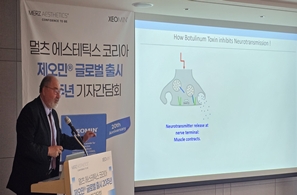
- Celebrating the 20th anniversary of Xeomin's global launch, Merz Aesthetics is emphasizing the importance of 'pure toxin' for managing botulinum toxin resistance. The company explains that in an era of repeated procedures, a highly purified toxin can inhibit antibody formation and become as a sustainable treatment option. Merz Aesthetics Korea held a press conference on September 24 to commemorate the 20th global anniversary of its botulinum toxin type A product, Xeomin, highlighting its scientific value and global leadership. Professor Michael Martin (Retired from Justus Liebig University, Germany)Firstly, Professor Michael Martin (Retired from Justus Liebig University, Germany), an immunology expert from Germany, said that in the global botulinum toxin market, the issue of resistance is no longer optional but a necessary management task. Professor Martin explained, "Only a highly purified toxin free of complexing proteins, inactive neurotoxins, and other impurities can be defined as a true pure toxin. While there are many products on the market, it is challenging to meet all these criteria." He emphasized the importance of pure toxins, citing the consensus of the ASCEND (Aesthetic Council for Ethical use of Neurotoxin Delivery) panel, which includes experts from around the world. The ASCEND panel was formed to systematically review literature and share clinical cases to establish a better standard for botulinum toxin use, as resistance has become an issue with its widespread use in aesthetics beyond therapeutic purposes. Professor Martin said, "To ensure the safe use of botulinum toxin, the key criteria for preventing resistance are to select a highly purified product with a low risk of resistance and to use the minimum effective dose at appropriate intervals." Dr. Juergen Frevert (Merz Pharmaceuticals Consultant)Dr. Juergen Frevert (Merz Pharmaceuticals Consultant), the developer of Xeomin, mentioned that the product is manufactured using Merz's stringent purification technology and a biotechnological production process that is approved by the U.S. Food and Drug Administration (FDA). Dr. Frevert said, "Merz's proprietary purification technology removes complexing proteins that can trigger antibody formation. By using only the active neurotoxin (150kDa) with approved excipients like human serum albumin (HSA) and sucrose, it minimizes the risk of resistance." He added, "In the global botulinum toxin market, pure toxin and resistance prevention are emerging as key keywords. Patients are significantly considering safety, long-term efficacy, and the ease of repeated procedures," and concluded, "Based on scientific evidence, Xeomin provides differentiated value that meets these patient expectations." Xeomin, Strengthening market leadership and ESG commitment In the subsequent presentation, Managing Director So Young Kim of Merz Aesthetics Korea's Brand Marketing Department shared Xeomin's 20-year journey and achievements under the theme of "Xeomin Global Heritage and Leadership." Kim said, "Since its approval by the European Medicines Agency (EMA) in 2005, Xeomin has been approved in 81 countries worldwide, with over 35 million vials supplied cumulatively. In Korea, since its launch in 2009, it has ranked first in import performance for six consecutive years, starting in 2018." Kim added, "Xeomin is a pure toxin that leads the botulinum toxin market and has built a strong trust with medical professionals and patients for a long time since its launch in 2009," and highlighted, "With its room-temperature storage approval in 2023, it contributes to long-term environmental protection by reducing the need for coolants and energy used for refrigeration. We also plan to introduce a new eco-friendly product package." Su Yeon Yu, CEO of Merz Aesthetics Korea, added, "Xeomin has been able to achieve significant results in the global and Korean market over the past 20 years, thanks to the trust of medical professionals and consumers," and concluded, "Merz will continue to meet the expectations of patients and medical professionals through innovative, science-based solutions, while leading the right future of medical aesthetics through ESG management and social responsibility.
- Company
- 'Drug access still stagnant despite improved survival'
- by Son, Hyung Min Sep 25, 2025 06:10am
- While innovative new drugs have raised survival rates for patients with cancer, rare diseases, and other difficult-to-treat conditions and are transforming the treatment paradigms, industry voices argue that domestic patients' access to such drugs remains limited. Both the introduction rate and approval rate of global new drugs fall short of the OECD average, highlighting the urgent need for fundamental institutional reforms. On the 24th, the Korean Research-based Pharmaceutical Industry Association (KRPIA) held a commemorative event at Some Chavit in Banpo, Seoul, to celebrate its 25th anniversary. At this event, KRPIA held a roundtable event to share the current status of patient access to global new drugs in Korea. Just 20 years ago, cancer was considered untreatable. However, with the rise of innovative drugs from multinational pharmaceutical companies—including immuno-oncology therapies, targeted therapies, antibody-drug conjugates (ADCs), and bispecific antibodies—the landscape has changed dramatically. In some cancer types, survival rates have now improved to 70–80%, rendering the new drugs a prime example of extending patient life. In-hwa Choi, Executive Director of KRPIA 20 million people are newly diagnosed with cancer globally each year, and this number is projected to nearly double by 2050. The number of deaths is also expected to reach 18 million. Consequently, sustained and equitable access to innovative cancer drugs is more critical than ever. In-hwa Choi, Executive Director of KRPIA, stated, “Fundamental system improvements that prioritize patient access are necessary. While Korea’s health insurance system is exemplary, its single-payer structure creates inherent complexity and delays in reimbursement decisions for new drugs.” Choi acknowledged recent policy efforts—including expanded risk-sharing arrangements, exemption of pharmacoeconomic evaluations, and pilot programs linking drug approval with reimbursement—as positive developments. Choi noted, “Patients are still left with a long await.” KRPIA member companies supply around 1,450 innovative medicines in Korea, accounting for 83% of all new drugs in the domestic market. They also provide 92 treatments for rare and intractable diseases, expanding access for vulnerable populations such as the elderly, women, and children. KRPIA analyzed that new drugs extend patients' life expectancy by over 35%, reduce cancer mortality rates, and facilitate social reintegration, yielding annual socio-economic cost savings of KRW 126 trillion. Young-Shin Lee, Vice Chairman of KRPIA Nevertheless, patient access to new drugs in Korea remains stagnant. Only 5% of global innovative drugs are introduced in Korea within a year of launch, just one-fourth of the OECD average. Korea’s drug approval rate (30%) also falls below the OECD average (49%) and the G20 average (46%). Young-Shin Lee, Vice Chairman of KRPIA, stressed, “Innovation cannot be achieved by merely altering existing garments. The link connecting innovation to patients is the system; without systemic improvements, new drugs cannot meaningfully reach patients.“ The government, National Assembly, academia, media, and patients must jointly seek institutional solutions to ensure the social value of innovative drugs is properly conveyed to patients. KRPIA will also continue communication and cooperation as a responsible policy partner."
- Company
- Celltrion acquires Eli Lilly's U.S. plant for $460M
- by Sep 25, 2025 06:09am
- Celltrion has signed an agreement with Eli Lilly and Company (United States) for the acquisition of a biopharmaceutical manufacturing plant in Branchburg, New Jersey, for approximately $460 million. According to the Financial Supervisory Service, on September 23, Celltrion plans to make a total investment of KRW 700 billion, covering costs such as the factory acquisition price and initial operational expenses. The company plans to pursue facility expansion on the plant's idle land, which would require at least an additional investment of over KRW 700 billion. The total investment for the acquisition and expansion will be at least KRW 1.4 trillion. The company explained that the acquiring entity is the U.S. subsidiary, considering its local operations and strategic geographic location. Both companies will cooperate to finalize the factory acquisition procedures by the end of the year. The plant to be acquired is a large-scale campus spanning approximately 150,000 square meters, comprising four buildings: a manufacturing facility, a warehouse, and technical and operational support buildings. The facility is a fully operational, cGMP-compliant drug substance (DS) production plant that can be operated immediately upon acquisition. This will significantly shorten the time to production and reduce costs compared to building a new plant, which would take more than five years and cost over a trillion KRW. The plant also has approximately 36,000 square meters of idle land for capacity expansion, allowing the company to respond to future market demand. Celltrion plans to quickly begin expanding its facilities for the production of key products on the secured, idle land. Once the expansion is complete, the company anticipates having a production capacity that is 1.5 times that of its Plant 2 in Songdo, Incheon. Celltrion stated that this acquisition agreement completes its comprehensive plan to address U.S. tariff risks. "We have already taken short- to medium-term measures to counter tariffs, such as relocating two years' worth of inventory to the U.S. and expanding contracts with local Contract Manufacturing Organizations (CMOs)," a Celltrion official said. "With the addition of a fundamental solution, securing a local production plant, Celltrion is now poised to be free from all potential tariff risks in the future." The company explained that once the facility changes and expansions are realized, its flagship products supplied in the U.S., as well as future products, will be exempt from tariff impacts early on. Notably, the agreement also includes the complete employment transfer of local personnel with expertise and experience in plant operations. This agreement will enable the company to maintain seamless plant operation, ensuring the continuation of operational stability and productivity. A company official said, "Constructing a new plant requires a massive investment and several years just to prepare for initial operations and secure and train personnel. In contrast, by acquiring an existing cGMP-compliant plant with a skilled local workforce, Celltrion can significantly reduce this burden," and added, "During future expansion, we will also be able to actively utilize the talent infrastructure of New Jersey, which has a large pool of pharmaceutical and biotech professionals." The official continued, "By signing a CMO contract with Lilly at the same time, we have not only secured a local production base in the U.S. but also a powerful growth engine," and added, "Under the agreement, Celltrion will steadily supply drug substance produced at the plant to Lilly, which will enable us to expand our revenue and recover our investment early."
- Company
- Concurrent reimb review likely for Mounjaro and Ozempic
- by Eo, Yun-Ho Sep 24, 2025 06:25am
- Two anti-obesity drugs that have drawn intense attention may soon undergo reimbursement evaluations for their diabetes indications at the same time. With Novo Nordisk Korea’s Ozempic (semaglutide) already scheduled for review at the upcoming October meeting of the Health Insurance Review and Assessment Service (HIRA) Drug Reimbursement Evaluation Committee, there is growing speculation that Eli Lilly Korea’s Mounjaro (tirzepatide), which submitted its reimbursement application more recently, may also appear on the agenda. In fact, HIRA recently requested Lilly to promptly submit additional supplementary data for Mounjaro’s reimbursement evaluation. Novo Nordisk had already submitted its supplementary data earlier this month. As in all other markets, when supply increases while demand remains constant, prices fall. The pharmaceutical market is no exception. In the era of high-priced medicines, the government has shown a tendency to review two or even three new drugs simultaneously if multiple drugs in the same class are expected to seek reimbursement around the same time. Because of the high cost of these drugs, price competition between manufacturers allows the government to leverage the market’s natural mechanism. Under the national health insurance system, any savings can create opportunities to expand coverage elsewhere. Thus, given Mounjaro’s reimbursement application was filed in July, the government may likely wish to conduct reimbursement evaluations for the diabetes indication simultaneously for the two drugs. It remains to be seen how the fierce competition between the two drugs in the obesity market will extend into the diabetes market. A Novo Nordisk representative said, “We decided to initiate supply of Ozempic in Korea prior to reimbursement to address the unmet needs in type 2 diabetes treatment. We are working closely with the authorities to secure prompt reimbursement approval and further improve patient access.” A Lilly representative said, “We applied for reimbursement listing in order to provide Mounjaro to patients in a fast and sustainable way. We are currently doing our utmost to secure reimbursement for Mounjaro and are continuously collaborating with health authorities.”
- Company
- LEO Pharma’s topical JAKi Anzupgo approved in KOR
- by Son, Hyung Min Sep 24, 2025 06:24am
- 레오파마 Global dermatology specialized pharmaceutical company LEO Pharma (General Manager Jung-Bum Shin) announced on the 23rd that its chronic hand eczema treatment Anzupgo (delgocitinib) was officially approved by the Ministry of Food and Drug Safety on the 8th. With the approval, adult patients in Korea suffering from moderate-to-severe chronic hand eczema (CHE) will now have access to a new treatment option that offers both efficacy and convenience. Chronic hand eczema is a multifactorial inflammatory skin disease characterized primarily by itching and pain, defined as eczema persisting for more than 3 months or recurring at least twice within a year. It is among the most common skin disorders affecting the hands, and a significant proportion of cases progress to chronic disease. Globally, CHE affects about 1 in 10 adults and can severely impair quality of life by imposing functional, occupational, and psychological burdens. Approximately 70% of patients with severe CHE struggle with daily activities, which directly affects their employment and income. Anzupgo is the only non-steroidal topical cream formulation approved for adult patients with moderate-to-severe CHE who do not respond to or are unsuitable for topical corticosteroids. The product contains no parabens or steroids and works by inhibiting the JAK-STAT signaling pathway involved in various inflammatory responses. By blocking the activity of JAK1, 2, 3, and TYK2, the drug helps reduce skin inflammation and itching. Multiple clinical trials have demonstrated broad efficacy across all subtypes of moderate-to-severe CHE. Until now, treatment options for CHE have been limited, with strong topical corticosteroids used most frequently. However, long-term use carries risks such as skin barrier damage, atrophy, and telangiectasias. Due to this reason, in cases that show insufficient short-term improvement, guidelines have recommended combining topical calcineurin inhibitors or systemic corticosteroids. Currently, the only approved oral therapy for severe chronic hand eczema is alitretinoin, used for patients unresponsive to at least 4 weeks of potent topical corticosteroids. It improves symptoms through skin regulation, anti-inflammatory, and immunomodulatory actions, and is known to be effective for the long-term management of chronic severe hand eczema with a high risk of recurrence. However, its use has been constrained by risks including hepatotoxicity, thyroid dysfunction, dyslipidemia, and teratogenicity. In the head-to-head DELTA FORCE trial that directly compared oral alitretinoin with Anzupgo, the Anzupgo group achieved a statistically superior improvement in HECSI scores at week 12 (-67.6). It also demonstrated higher achievement rates in HECSI-90 and IGA-CHE TS (score 0/1). Over the 24-week treatment period, Anzupgo showed a better safety profile and lower incidence of adverse events compared to alitretinoin, confirming both strong efficacy and good tolerability. Jung-Bum Shin, General Manager of LEO Pharma Korea, stated: “Chronic hand eczema not only causes physical suffering but also serious social and emotional challenges. We are pleased to be able to provide the much-needed treatment option, Anzupgo, in Korea with its approval.” Shin added, “We will do our best to ensure Anzupgo contributes to changing the treatment paradigm for chronic hand eczema and improving patients’ quality of life in Korea.” LEO Pharma has been continuing the global launch of Anzupgo, having secured official approval in Korea following approvals in Europe, the UK, Switzerland, the UAE, Canada, Australia, and the US.
- Company
- Sanofi begins nationwide supply of flu vaccine Vaxigrip
- by Son, Hyung Min Sep 23, 2025 06:07am
- Sanofi announced on the 22nd that it has begun nationwide supply of its trivalent influenza vaccine Vaxigrip from September 3rd, ahead of the 2025–2026 flu vaccination season. According to the Korea Disease Control and Prevention Agency’s analysis of influenza surveillance results for the 2024–2025 season, last year’s flu epidemic began later than the previous year, peaking in early January 2025. However, the scale of the epidemic was 20–30% greater than the year before and was the highest level since 2016. In particular, a secondary outbreak occurred among school-aged children and adolescents after the winter break, while prevalence also expanded among middle-aged adults, and those aged 65 and older increased about 20% compared with the 2023–2024 season. Considering these trends, large-scale epidemics could repeat in the upcoming season, highlighting the need for early vaccination. Influenza is more than just a respiratory disease; it can lead to severe complications such as worsening of underlying conditions, pneumonia, and cardiovascular deterioration. In particular, high-risk groups—infants and young children, pregnant women, patients with chronic conditions, and the elderly—face higher risks of hospitalization, severe complications, and death following infection, requiring particular attention. Sanofi is the only imported vaccine manufacturer that has participated in Korea’s National Immunization Program (NIP) for 4 consecutive years. This year’s supply of Vaxigrip is available at public health centers, contracted medical institutions, and major hospitals and clinics nationwide. Beginning this year, Korea’s NIP flu vaccine program shifted from quadrivalent to trivalent formulations, and Sanofi secured rapid approval and distribution to provide vaccines in a timely manner. Vaxigrip is a finished imported vaccine supplied domestically by Sanofi, a company with over 100 years of vaccine development history, which manufactures it in France in its entirety, from bulk solution to packaging. The vaccine’s immunogenicity and safety profile have been confirmed through 6 large-scale global clinical trials across four continents (Europe, Asia, South America, and Oceania), which enrolled more than 13,000 participants, including children, patients with underlying conditions, and the elderly. ▲Efficacy in reducing influenza-related complications was confirmed in infants and young children aged 6 to 35 months in one trial, and ▲ in another trial targeting only coronary artery disease patients, efficacy in preventing cardiovascular disease complications was confirmed. Furthermore, ▲consistent preventive efficacy and safety profiles were confirmed across all age groups, including high-risk populations, as demonstrated by a clinical trial confirming vaccine effectiveness and safe use in pregnant women. Together, these results establish consistent preventive efficacy and safety across all age groups, including high-risk populations. According to related studies, using a flu vaccine that precisely matches the viral antigens circulating during that season can prevent hospitalizations or deaths from influenza or pneumonia in patients with chronic conditions such as diabetes, heart disease, or lung disease by approximately 43-56%. Furthermore, in a clinical trial specifically targeting patients with coronary artery disease, vaccination in patients with myocardial infarction or high-risk coronary artery disease reduced the combined risk of all-cause mortality and myocardial infarction or stent thrombosis by 28%. It also reduced the risk of all-cause mortality and the risk of death from cardiovascular events by 41% each.
- Company
- ‘Reimb needed for Ozempic, a powerful weapon for diabetes’
- by Hwang, byoung woo Sep 23, 2025 06:07am
- Diabetes treatment has moved beyond blood glucose control and entered the era of “personalized strategies,” With the Korean Diabetes Association’s 2025 clinical guidelines removing the long-standing recommendation of metformin as the first-line therapy and instead advising initial treatment based on patient characteristics and comorbidities, attention is now turning to the need for reimbursement of GLP-1RA therapy Ozempic (semaglutide). During an interview with Dailypharm, Professor Choi Sung-Hee, Director of Public Relations for the Korean Diabetes Association and professor at Seoul National University Bundang Hospital, stressed the importance of insurance policies in enabling treatment strategies tailored to individual patient needs. KDA revises guidelines and opens the era of personalized care The 2025 revised guidelines of the Korean Diabetes Association boldly removed the recommendation of metformin as the first-line therapy, which had long been considered the standard, shifting instead toward patient-centered, personalized treatment. Sung-Hee Choi, Professor of Endocrinology and Metabolism, Seoul National University Bundang HospitalThe revision goes beyond simple glucose control to include consideration of comorbidities (cardiovascular and renal) through a personalized treatment approach. In other words, it is no longer necessary to always start with metformin; the doctor may consider combination therapy from the outset according to the patient’s condition and clinical profile. Professor Choi explained, “Diabetes patients present in highly diverse situations, and some cannot tolerate metformin well. Depending on individual conditions such as impaired kidney function or obesity, it may not be necessary to use metformin first, and in severe cases, combination therapy could be considered from the beginning,” highlighting the flexibility of the new guidelines. Professor Choi added that in actual clinical practice, some patients cannot take metformin, and depending on comorbidities such as impaired kidney function, heart failure, or severe obesity, GLP-1 receptor agonists or SGLT2 inhibitors have already been emerging as first-line options. The KDA has sought to move away from a purely glucose-lowering focus, pushing for a paradigm shift toward comprehensive management of comorbidities such as hypertension and dyslipidemia. Professor Choi stated, “For patients with impaired renal function, heart failure, or obesity/severe obesity, the role and clinical value of GLP-1RAs and SGLT2 inhibitors are becoming increasingly significant. This guideline revision carries significant implications for diabetic patients with such complications.” The treatment paradigm is being reshaped to meet the increasing incidence of obesity-related diabetes. Professor Choi cited the publication of the Diabetes & Obesity Fact Sheet as an example, underscoring the seriousness of obesity in younger generations. In particular, the number of obese diabetes patients in their 20s to 40s is rapidly increasing, with the obesity rate among young men being especially pronounced. Professor Choi explained, “The key to realizing personalized treatment is early detection and proactive management of high-risk patients. Since semaglutide-based anti-obesity drugs, which can simultaneously manage diabetes and obesity, were derived from diabetes treatments, early intervention to control obesity is the key to preventing chronic complications.” Ozempic's value verified through clinical evidence...“Expect it to benefit obese diabetics” Against this backdrop of rising obesity-related diabetes, the role of Ozempic (semaglutide) is gaining attention. Professor Choi said, “Ozempic is a viable option for obese diabetic patients. While existing therapies have shown limited weight loss effects in this group, Ozempic excels not only in lowering blood glucose but also in promoting significant weight reduction.” Indeed, across the SUSTAIN trial series (phases 1–9), Ozempic significantly improved HbA1c and body weight compared to DPP-4 inhibitors, sulfonylureas, other GLP-1 analogs, and even insulin. “Ozempic-based regimens have consistently outperformed traditional combinations in obese diabetic patients, and this has been demonstrated in multiple studies. Furthermore, the recently published FLOW trial was particularly impressive, as it confirmed with large-scale clinical data the kidney-protective effects of GLP-1RAs that had previously only been hypothesized.” The FLOW study directly focused on kidney function and found that Ozempic reduced the rate of decline in estimated glomerular filtration rate (eGFR) and the progression to end-stage renal disease (ESRD) by approximately 24%. She further highlighted the strengths of Ozempic in diabetic patients at high risk of atherosclerotic cardiovascular disease. “Diabetic patients with obesity or severe obesity face very high risks of atherosclerotic cardiovascular events. Ozempic has robust clinical data across this area,” she said. “For diabetic patients with still unmet medical needs, such as obesity and cardiovascular disease, Ozempic represents a powerful new weapon.” Accessibility remains a hurdle due to non-covered status… Emphasis on the need for reimbursement without restrictions Ozempic is currently approved in Korea as a diabetes treatment but remains non-reimbursed. Consequently, regardless of the drug's efficacy, a significant cost burden persists. Professor Choi said, “Reimbursement for Ozempic in type 2 diabetes is essential. Most patients cannot afford to use it without reimbursement. While obesity is important, in diabetic patients, Ozempic must enter the reimbursement framework, and reimbursement criteria must allow combination therapy with diverse agents.” Novo Nordisk Korea reapplied for reimbursement of Ozempic in the first half of 2025. Its insurance price has been agreed with the Health Insurance Review and Assessment Service in earlier negotiations; the final talks collapsed due to supply instability last time, raising hopes for a more favorable outcome this time. Regarding the reimbursement discussion for Ozempic, Professor Choi emphasized that reimbursement criteria should not impose restrictions to ensure personalized treatment for diabetes patients. Currently, even with dulaglutide, the only GLO-1RA class drug granted reimbursement, there are limitations, as it can only be combined with metformin or sulfonylureas under reimbursement. The opinion is that, after Ozempic becomes reimbursed, to achieve sufficient efficacy, an environment must be established where it can be freely combined with existing diabetes medications to see additional benefits, and then treatment can proceed by gradually reducing the number of combination drugs based on the patient's situation. “In hypertension, up to four drugs are commonly combined, but in diabetes, combination is usually limited to two, which is highly restrictive. At minimum, Ozempic must be allowed use in combination with standard oral agents such as DPP-4 inhibitors and SGLT2 inhibitors.” Professor Choi further noted, “While it is important to begin reimbursement under criteria similar to those of existing drugs in the same class, the real goal should be enabling broader combination therapy aligned with Ozempic’s evidence base. This approach will maximize therapeutic benefit.” Concluding the interview, Prof. Choi reiterated, “Diabetes is not merely a condition of elevated blood sugar, but a complex disease entangled with multiple metabolic complications.” “Based on diverse research findings, healthcare providers should be able to combine treatments with sufficient evidence, and if it aligns with guidelines, insurance should support various treatment options. Going forward, if there is sufficient scientific evidence, the government and pharmaceutical companies should engage in more bold negotiations to ensure domestic patients can benefit from advanced treatments.”
- Company
- Bylvay successfully obtains reimbursement on the 2nd attempt
- by Moon, sung-ho Sep 23, 2025 06:06am
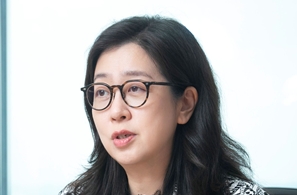
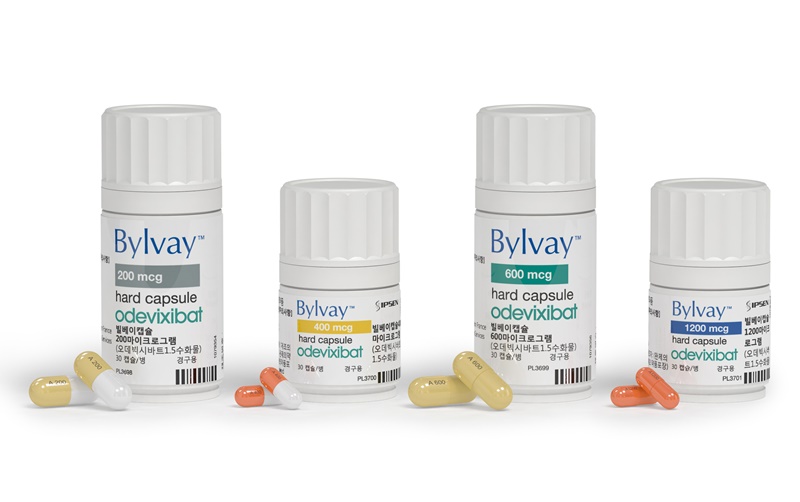
- Bylvay (odeviksibab), a treatment for Progressive Familial Intrahepatic Cholestasis (PFIC), will be included in the National Health Insurance reimbursement program starting next month. As a high-cost medication for a severe and rare disease, Bylvay's reimbursement and monitoring have been categorized under government management. According to industry sources on September 22, the Ministry of Health and Welfare recently issued an administrative pre-announcement for a revision to the 'Detailed Standards for the Application and Methods of Health Reimbursement Benefits,' which includes reimbursement for Ipsen Korea's Bylvay. If there are no major objections, this drug can be reimbursed from October. PFIC is a rare genetic disorder where the accumulation of bile acids in the liver causes damage and can lead to liver failure. It is a serious condition that may require a liver transplant if not diagnosed and managed effectively early on. A key symptom of the disease, pruritus, significantly impacts sleep and daily activities, leading to skin damage, sleep loss, irritability, and reduced attention. Ipsen Korea has estimated that the treatment applies to approximately 50 patients, highlighting the rarity of the disease. Due to the severity of PFIC and the innovative nature of the drug with few alternatives, Bylvay was selected as the first drug in the Concurrent Approval-Evaluation-Negotiation Pilot Program initiated by the Ministry of Health and Welfare in 2023 to accelerate the introduction of innovative new drugs. However, the reimbursement process was not easy. Bylvay went through a 're-evaluation' at the Health Insurance Review & Assessment Service's (HIRA) Drug Reimbursement Evaluation Committee (DREC). Due to the drug's status as a treatment for a rare disease and Ipsen Korea's firm resolve, Bylvay has been included in the reimbursement list in October. The Ministry of Health and Welfare selected Bylvay as a target for managing reimbursement of high-cost drugs. High-cost drugs are defined as 'medications that require price management and long-term efficacy verification due to their high cost and uncertain efficacy, or medications that require usage management due to their significant financial impact.' With the inclusion of Bylvay, the total number of managed treatments has increased to seven. Accordingly, the Ministry of Health and Welfare's policy is to approve an additional six months of administration if the treatment response criteria are met at the six-month evaluation after the first dose of Bylvay. After that, the patient will be re-evaluated every six months, and continued administration will be approved if the treatment response is maintained. The ministry also plans to approve reimbursement for patients who have been receiving Bylvay on a non-reimbursed basis, including through the pharmaceutical company's free supply program, after an evaluation. Specifically, if the reimbursement application is made within six months of the first dose, reimbursement will be approved if the patient's eligibility is confirmed in their medical records. If the reimbursement is applied for more than six months after the first dose, reimbursement will be approved if the patient's eligibility is confirmed in their medical records and their serum bile acid (sBA) concentration has decreased by 30% or more from baseline in the most recent response evaluation. If the sBA concentration has not reduced by 30% or more, reimbursement may still be approved if there is an improvement in pruritus (a CGIS score of 1 or less, or a decrease of 1 point or more from baseline). However, the most recent response evaluation must have been conducted within six months of the date the reimbursement application was submitted. The Ministry of Health and Welfare stated, "If a patient is eligible for treatment, administration for six months will be approved based on the most recent response evaluation. After that, the patient will be evaluated every six months, and continued administration will be approved if the treatment response meets the evaluation criteria." Meanwhile, Ipsen Korea is also expanding its influence in the clinical setting in Korea. In addition to securing reimbursement for Bylvay, the company recently obtained domestic approval for its primary biliary cholangitis (PBC) treatment, 'Iqirvo (elafibranor).' Ipsen Korea CEO Yang Mi-sun explained, "Bylvay is a treatment for PFIC, an ultra-rare disease that is very rarely caused by a failure of bile secretion," and added, "In the past, there were no suitable treatments, and in most cases, a liver transplant was necessary." Yang also said, "The fact that a patient must give a liver transplant to their child is something that I cannot take lightly. In this situation, Ipsen providing the first effective treatment option is very significant," and added, "PBC is also a disease that has been known for a long time but has lacked a suitable treatment. Therefore, we plan to redefine the approach to treating this disease together with experts in academia."
- Company
- Rising childhood obesity in Korea’s limited environment
- by Eo, Yun-Ho Sep 22, 2025 06:11am
- The need for active management of childhood and adolescent obesity is becoming increasingly emphasized, along with growing interest in the appropriate use of pharmacotherapy. According to the ‘2020 Clinical Practice Guidelines of the Korean Society for the Study of Obesity,’ childhood obesity treatment in Korea primarily focuses on lifestyle modification—including diet, exercise, and behavioral therapy—to maintain appropriate weight. However, when weight continues to increase and comorbidities remain uncontrolled, pharmacological and surgical therapies are recommended along with lifestyle modification. Currently, pharmacological treatment for obese adolescents aged 12 or older is applied very selectively, taking into account both obesity status and growth stage. Medications are recommended in cases such as ▲ adolescents with severe obesity accompanied by complications, ▲ those with a family history of cardiometabolic diseases such as type 2 diabetes, or ▲ those whose weight or complications cannot be controlled despite intensive diet and behavioral therapy. Recommended drugs include GLP-1 receptor agonists such as Saxenda (liraglutide) and Wegovy (semaglutide), the fat absorption inhibitor Xenical (orlistat), and the appetite suppressant combination Qsymia (phentermine/topiramate). ◆Obesity patients in need of pharmacotherapy increase among children and adolescents Following the outbreak of COVID-19 in 2020, school attendance and outdoor activities were restricted, leading to decreased physical activity compared to pre-pandemic levels and accelerating the spread of obesity among adolescents. Like adult obesity, childhood obesity is associated with a range of comorbidities, including hypertension, dyslipidemia, type 2 diabetes, non-alcoholic fatty liver disease, obstructive sleep apnea, polycystic ovary syndrome, and mental health disorders such as depression. In children with severe obesity, even more serious cardiometabolic diseases than myocardial infarction or arteriosclerosis have been reported. As a general principle, obesity treatment aims for about 10% weight reduction and maintenance. However, due to the rebound yo-yo effect, one-third to two-thirds of the lost weight is typically regained within one year, and over 95% is regained within 5 years. Therefore, if non-pharmacological interventions such as diet and exercise fail to achieve more than 5% weight reduction after 3–6 months, active pharmacotherapy should be considered. If no meaningful weight loss of at least 5% occurs within 3 months of medication use, a new treatment strategy should be planned. Ultimately, lifestyle modification remains the first-line treatment for childhood obesity. However, for patients who fail to achieve weight loss through this approach, pharmacotherapy may be the best option before considering bariatric surgery. Candidates for obesity pharmacotherapy include those with a BMI above the 95th percentile and weight-related comorbidities, or those with a BMI at least 120% of the 95th percentile, regardless of comorbidity status, who do not respond adequately to lifestyle modification. Specifically, the proportion of obese children and adolescents in Korea requiring pharmacological treatment is currently estimated at 2–3%, and is expected to gradually reach below 5% due to dietary and lifestyle changes. ◆Limited pharmacotherapy options and considerations regarding Qsymia The problem is that, unlike abroad, the range of obesity treatments available in Korea is highly limited. Officially, the only drugs approved for use in children and adolescents aged 12 and above are Xenical and Saxenda. Xenical reduces fat absorption in the body. Despite the convenience of being an oral medication, it is used only sparingly due to common side effects such as diarrhea, abdominal pain, and increased intestinal gas. In addition, because it reduces absorption of fat-soluble vitamins, patients must take a daily multivitamin containing these nutrients. The American Gastroenterological Association (AGA) even recommended against using Xenical in its 2022 clinical practice guidelines on pharmacological interventions for adult obesity, citing these adverse effects. Qsymia can be prescribed to children and adolescents in the U.S., but it is not approved in Korea because one of its components, phentermine, is contraindicated for use in patients under 16. However, Qsymia—a combination that contains topiramate—enhances anti-obesity effects while lowering the dosage of each component compared to monotherapy, thereby reducing side effects. It also has the advantage of requiring only once-daily administration, regardless of meals. Concerns about pediatric prescription mainly stem from safety, but accumulating research data continues to address this issue. Clinical pharmacology trials comparing phentermine and topiramate in adults versus adolescents have shown no significant differences in efficacy or safety between the two groups. The studies found that both agents exhibited similar pharmacokinetic characteristics in adolescents and adults. The type, frequency, and severity of adverse drug reactions, as well as discontinuation rates due to adverse events, were also comparable, indicating no major differences in safety or tolerability between the two groups. Professor Seung-Hwan Lee of Seoul National University Hospital’s Department of Clinical Pharmacology stated, “The dose–pharmacokinetic–pharmacodynamic–clinical response relationships for phentermine and topiramate are similar in adolescents and adults. Therefore, the same dosage and regimen can be applied to adolescents as in adults. The adverse reactions are generally not severe and can be managed through dose reduction or discontinuation.”
