
- LOGIN
- MemberShip
- 2026-05-07 07:57:10
- Company
- Samsung Bioepis fiercely chases Celltrion in biosimilar mkt
- by Kim, Jin-Gu Mar 02, 2023 05:53am
- Samsung Bioepis has been rapidly chasing Celltrion in the domestic biosimilar business and expanding sales in the market. As of last year, domestic biosimilar sales of Samsung Bioepis and Celltrion were KRW 42.5 billion and KRW 69 billion, respectively. Samsung Bioepis’s sales more than tripled in one year, greatly narrowing the gap with Celltrion. Samsung Bioepis has been copromoting sales of its biosimilar products in the domestic market with Boryung, Yuhan Corp, Samil Pharm, and Daewoong Pharmaceutical. Samsung Bioepis’s new product releases and the sales power of domestic pharmaceutical companies are analyzed to have created synergy and driven an increase in sales last year. ◆Biosimilar sales in Korea KRW 69 billion for Celltrion vs Samsung Bioepis KRW 42.5 billion According to the market research institution IQVIA, Celltrion made total sales of KRW 69 billion with its biosimilars. In the same period, Samsung Bioepis made KRW 42.5 billion in total biosimilar sales. The sales gap between the two companies had been reduced greatly with Samsung Bioepis releasing a series of new products during the past 3 years. Celltrion’s domestic biosimilar sales by year increased from KRW 54.4 billion in 2019 to KRW 54.9 billion in 2020, KRW 60.7 billion in 2021, then to KRW 69 billion in 2022. In the same period, Samsung Bioepis’s biosimilar sales increased to a greater degree from KRW 8.5 billion to KRW 10.9 billion, KRW 13.2 billion, then to KRW 42.5 billion. Due to this rise in Samsung Bioepis’s sales, the gap between the two companies in biosimilar sales was reduced from KRW 45.9 billion in 2019 to KRW 44 billion in 2020, then to KRW 47.5 billion in 2021, and to KRW 26.5 billion last year. Samsung Bioepis’s biosimilar sales had been less than KRW 10 billion until 2019, but then succeeded in raising sales by releasing a series of new products. The industry's view is that Samsung Bioepis' domestic biosimilar business is now well on track. ◆ Onbevzi ‘s sales exceed KRW 20 billion in the second year of release... Adalloce’s sales reach KRW 7.6 billion last year In Samsung Bioepis’s case, the analysis is that the two biosimilars it had released in 2021 have been driving the rapid rise in sales. Samsung Bioepis has currently released 6 types of biosimilars in Korea - Avastin biosimilar ‘Onbevzi,’ Humira biosimilar ‘Adalloce,’ Herceptin biosimilar ‘Sampenet,’ Remicade biosimilar ‘Remaloce,’ and Enbrel biosimilar ‘Etoloce,’ and Lucentis biosimilar ‘Amelivu.’ Among the drugs, Adalloce was released in Q3 2021, and Onbevzi in Q4 2021. Onbevzi recorded sales of KRW 0.5 billion in 2021, in the first year of its release. Last year, its sales surged to KRW 20.5 billion. The analysis is that Boryung’s domestic sales activities contributed to the increase in sales. With the surge in sales, Onbevzi’s market share quickly expanded to occupy 21% of the market. In the case of Adalloce, its sales, which had only been KRW 1.2 billion in the first year of release, rose 6.5 times to KRW 7.6 billion last year. Samsung Bioepis had signed an agreement with Yuhan Corp to jointly promote sales of Adalloce in Korea. In the case of Sampenet, sales have risen 158% in 3 years, from KRW 2.2 billion in 2019 to KRW 5.6 billion last year. Remaloce’s sales rose 74% from KRW 2.8 billion to KRW 4.9 billion, and Etoloce's 15% from KRW 3.5 billion to KRW 4 billion. Samsung Bioepis is copromoting Sampenet with Daewoong Pharamceutical, and Remaloce and Etoloce with Yuhan Corp. Amelivu’s sales are also expected to be reflected in sales in earnest this year. Samsung Bioepis joined hands with Samil Pharmaceutical to sell Amelivu. Samil started domestic sales of Amelibu in January this year. Amelivu is currently the only Lucentis biosimilar available on market. ◆Remsima’s sales reach KRW 29.3 billion last year... Herzuma KRW 29.3 billion, Truxima KRW 10.2 billion In the case of Celltrion, its three major biosimilars are making smooth sales in the domestic market. In the case of Celltrion, it has been selling the Remicade biosimilar ‘Remsima,' Mabthera biosimilar ‘Truxima,’ Herceptin biosimilar ‘Herzuma,’ Humira biosimilar ‘Yuflyma,’ and Avastin biosimilar ‘Vegzelma’ in Korea. Among the drugs, Remsima accounts for the largest portion of Celltrion’s domestic biosimilar sales. Last year, Remsima’s sales had been KRW 29.3 billion, a 20% increase from the previous year. Herzuma and Truxima are also increasing their presence in the market. Herzuma recorded sales of KRW 29 billion last year, which was a 6% increase from the previous year. Truxima’s sales exceeded KRW 10 billion for the first time last year. Compared to the KRW 8.8 billion it had made the previous year, in 2021, Truxima’s sales rose 15% to reach KRW 10.2 billion last year. In addition, Yuflyma and Vegzelma, which were released in March and December of last year, are also expected to contribute to the company’s biosimilar sales this year. Last year, Yuflyma sold KRW 0.5 billion, and Vegzelma's sales were not aggregated. Celltrion Pharma is in charge of selling Celltrion's biosimilars in Korea.
- Company
- Verquvo takes one step toward insurance coverage listing
- by Eo, Yun-Ho Mar 02, 2023 05:53am
- According to related industries, Bayer Korea's soluble guanylate cyclase (sGC) promoter Verquvo, which promotes the synthesis of intracellular cyclic monophosphate (cGMP), recently passed the HIRA. As a result, attention is focused on the future schedule of the Pharmaceutical Reimbursement Evaluation Committee. In December 2021, death due to cardiovascular disease and hospitalization due to heart failure in patients with symptomatic chronic heart failure with a left ventricular ejection fraction lower than 45% who had recently been hospitalized for heart failure or received intravenous diuretics on an outpatient basis. It has been approved domestically as a combination therapy for risk reduction. After applying for benefits last year, it is not fast, but it is showing progress in the process little by little. Existing heart failure treatments were designed to block the harmful effects of the natural neurohormonal system activated by myocardial and vascular dysfunction. In contrast, Verquvo is a water-soluble sGC stimulant that has a new mechanism of improving myocardial and vascular functions by promoting the synthesis of intracellular cyclic guanosine monophosphate (cGMP), which regulates cardiac contraction, vascular tone, and cardiac remodeling. It was approved as the world's first (first-in-class) treatment for chronic heart failure as an sGC promoter. Verquvo has proven its effectiveness through phase 3 clinical trial VICTORIA. The VICTORIA study found a left ventricular ejection fraction of 45 patients with symptomatic chronic heart failure (NYHA Class (New York Heart Association) Grade 2-4, which is a criterion for moderate severity of heart failure) who were hospitalized for heart failure or who experienced intravenous diuretic administration on an outpatient basis. It was conducted on 5050 patients with high-risk heart failure that had decreased to less than 1%. 59.7% of the patients participating in the study were receiving triple therapy, and 41% of severely ill patients with NYHA grades 3 and 4 were included. Patients received a placebo or up to the target maintenance dose of Verquvo 10 mg in combination with other heart failure therapies. As a result, Verquvo met the primary endpoint with an absolute risk reduction of 4.2% and a 10% lower risk of cardiovascular death or first hospitalization due to heart failure during a follow-up of 10.8 months (median value) than the placebo group. The annual absolute risk reduction of hospitalization for heart failure was 3.2%, and the overall risk reduction of all-cause death or hospitalization for heart failure showed that the Verquvo group reduced the risk by 10% compared to the placebo group.
- Company
- Daewoong botulinum toxin Nuceiva launched in Germany and Aus
- by Hwang, Jin-joon Mar 02, 2023 05:52am
- Daewoong Pharmaceutical Botulinum Toxin Daewoong Pharmaceutical announced on the 28th that its botulinum toxin 'Nuceiva' was officially launched in Germany and Austria through Evolus, a cosmetic indication partner in developed countries. Evolus, a partner for cosmetic indications in North America and the European Union, will be in charge of the distribution and marketing of Nuciva in Germany and Austria. Evolus has been preparing for the local release by forming a strategic partnership with Novvia, a local distributor specializing in aesthetic medicine. From the middle of this month, we started product marketing activities targeting local medical personnel. According to a data report published by market research firm Decision Resource Group (DRG), the German botulinum toxin market is estimated at 100 billion won. It occupies the second largest share after the UK in the European Union, which has an annual market size of 690 billion won. As Germany is the most populous country in the European Union, this launch is expected to be a key point for Nuciva to expand its market share in the region. Daewoong Pharmaceutical and Evolus are planning to release Nuciva in other EU countries this year. It plans to launch it in Australia and Singapore, which have recently received product approval, within this year.
- Company
- Jardiance vs Forxiga, competition in chronic kidney dz
- by Eo, Yun-Ho Feb 28, 2023 05:53am
- Competition outside the diabetes area for SGLT-2 inhibitors will further expand this year Following heart failure, this time it is kidney disease. Following AstraZeneca's Forxiga, Lilly and Boehringer Ingelheim's Jardiance also secured indications for chronic kidney disease, and competition is intensifying. In terms of speed, Forxiga is ahead. Forxiga entered the approval process in major countries, including Korea, immediately after approval by the US FDA in April, and added indications for chronic kidney disease in Korea and Europe in August last year. However, insurance benefits have not yet been applied. Boehringer Ingelheim submitted an application for US FDA approval last month. If US approval is completed within this year, it is expected that major countries including Korea will immediately begin approval procedures. Chronic kidney disease (CKD) is a progressive disease that is estimated to affect 700 million patients worldwide. Currently, there are limited treatments available for this patient group, but new treatment options are needed in that chronic kidney disease increases the incidence of cardiovascular events such as heart failure and affects early death. The approval of Forxiga for chronic kidney disease was based on the phase 3 clinical DAPA-CKD study. Forxiga was designated for Priority Review by the FDA earlier this year. According to the DAPA-CKD study, Forxiga reduced the relative risk of decreased renal function, ESKD, and cardiovascular or renal death by 39% compared to placebo in chronic kidney disease stage 2-4 patients with increased UAE levels. The absolute risk reduction rate (ARR) was 5.3% over a median study period of 2.4 years. In the case of Jardiance, the validity was confirmed through the EMPA-KIDNEY study. EMPA-KIDNEY was a broad-spectrum, large-scale SGLT-2 inhibitor-only study involving 6609 patients with a variety of causes. Many of these patients had cardiovascular, renal, or metabolic comorbidities, and both renal and cardiovascular outcomes were evaluated at different CKD severity levels. As a result, Jardiance significantly reduced the risk of renal disease progression or cardiovascular death by 28% compared to placebo. It also significantly reduced all-cause hospitalizations, one of the predefined major composite secondary endpoints, by 14% compared to placebo.
- Company
- Last year’s sales of Yuhan Leclaza were 16.1 billion won
- by Chon, Seung-Hyun Feb 28, 2023 05:52am
- Cumulative sales of 20 billion won in 1 year and 6 months after release. High growth prospects when promoted to first-line treatment. Yuhan Corporation's anti-cancer drug Leclaza is successfully settling in the domestic market. In the second year of its release, it posted sales of 16.1 billion won, breaking the record for annual sales of a new anti-cancer drug developed in Korea. According to IQVIA, a drug research agency on the 24th, Leclaza recorded sales of 16.1 billion won last year. It increased by 4 times from 4.1 billion last year. Leclaza is a non-small cell lung cancer treatment approved as the 31st new drug developed in Korea in January 2021. Patients with locally advanced or metastatic non-small cell lung cancer who developed T790M resistance after administration of first- and second-generation epidermal growth factor receptor (EGFR) tyrosine kinase inhibitors (TKIs) are eligible for the treatment. It acts as a mechanism to inhibit the proliferation and growth of lung cancer cells by interfering with the signal transduction involved in the growth of lung cancer cells. Leclaza entered the prescription market in earnest in July 2021 with its listing on the health insurance benefit list. Sales of 1.5 billion won and KRW 2.6 billion occurred in the third and fourth quarters of 2021, respectively. In the past year, Leclaza's sales have grown even more. It sold 3.2 billion won and 3.7 billion won in the first and second quarters of last year, respectively, and expanded to 4.6 billion won and 4.5 billion won in the third and fourth quarters. Leclaza recorded cumulative sales of 20.2 billion won for a year and a half after its release. Leclaza has already broken the sales record for new anti-cancer drugs developed in Korea. Domestically developed anti-cancer drugs approved prior to Leclaza include Ilyang Pharm's Supect, Dongwha Pharm's Millican, Chong Kun Dang Camtobel, Samsung Pharm's Riavacs, and Hanmi Pharm's Olita. None of these products exceeded 10 billion won in annual sales. Supect recorded sales of 7.6 billion won last year. Supect, which was approved as the 18th domestically developed new drug in January 2012, is a drug used to treat chronic myelogenous leukemia. Supect drew attention as Asia's first treatment for chronic myeloid leukemia, but annual sales have never exceeded 10 billion won since its launch. Camtobel's sales last year were only 3.5 billion won. Camtobel is a drug approved as the 8th domestic new drug in 2003 and is used for ovarian cancer and small cell lung cancer. Leclaza's report card at the beginning of its release is evaluated as a good start. Since anticancer drugs, which are usually used in large medical institutions, can be prescribed after passing the drug committee, it takes a considerable amount of time for sales to occur at the initial stage of release. Due to the nature of direct competition with outstanding new drug products from multinational pharmaceutical companies, it is not easy for new anti-cancer drugs developed in Korea to achieve commercial results. Leclaza passed the Pharmaceutical Affairs Committee of major domestic medical institutions one after another. If Leclaza is approved as a first-line treatment, the pace of market expansion is expected to accelerate. Recently, clinical trials have confirmed the possibility of Leclaza as a first-line treatment. Leclaza demonstrated superior safety and efficacy compared to existing treatments in phase 3 clinical trial (LASER301) conducted on 393 patients with active EGFR mutation-positive locally advanced or metastatic non-small cell lung cancer who had not previously received treatment. The clinical results were recently unveiled at the Asian Congress of the European Society for Oncology held in Singapore. Yuhan plans to apply for first-line treatment approval based on the LASER301 clinical trial results. Yuhan Corporation has secured $150 million in license fees for Leclaza. In November 2018, Leclaza was technology exported to Janssen Biotech, and at this time, it received a non-returnable down payment of $50 million. Yuhan received a milestone payment of $35 million from Janssen in April 2020. At the time, Janssen paid Yuhan Corporation an additional milestone when it started clinical trials for the combination therapy of Amivantamab and Leclaza. In November 2020, Janssen paid Yuhan an additional milestone of $65 million as it began recruiting subjects for this clinical trial.
- Company
- Recordati Korean subsidiary was launched
- by Eo, Yun-Ho Feb 28, 2023 05:52am
- Italian pharmaceutical company Recordati Korean corporation was launched. Recordati Korea (Representative Lee Yeon-jae in Asia) announced on the 27th that it will officially launch its Korean branch and Asia-Pacific regional headquarters. The company is an Italian pharmaceutical company with a history of more than 90 years. Accordingly, the corporate name of the existing EUSA Pharma Korea will be changed. Recordati will be in charge of marketing Sylvant, a treatment for multicentric Castleman's disease (MCD), and Carbaglu, a treatment for hyperammonemia, and is preparing a wide portfolio for rare diseases such as Neuroblastoma and Cushing's syndrome. Lee Yeon-jae, CEO of Asia, said, "Recordati has expanded its portfolio for rare pediatric cancers and blood diseases in addition to products for metabolic and endocrine rare diseases, which it originally specialized in through the acquisition of EUSA Pharma."
- Company
- Monthly sales of OTC Allegra rise 30% on average
- by Jung, Sae-Im Feb 28, 2023 05:52am
- Sales of Sanofi’s third-generation antihistamine drug ‘Allegra’ has risen 30% on average per month ever since it entered the over-the-counter (OTC) drug market. According to the market research institution IQUVA, sales of the OTC Allegra have risen 29% on average per month, ever since its release in March to the allergy season in October of the same year. Since its launch, 44% of pharmacies nationwide have been supplying Allegra. Allegra’s sales had risen significantly during the spring and fall season when allergic rhinitis worsens. Its sales, which had been in the KRW 20 million range in the first month of March of last year, had risen over fivefold to KRW 120 million in April. Even in the non-allergy season, its sales had been in the KRW 60 million range. And after entering fall, in September and October, its sales recorded KRW 200 million and 140 million each. Allegra is an antihistamine OTC that contains fexofenadine as the active ingredient. Most third-generation antihistamine drugs are ethical drugs (ETCs) that can only be prescribed at hospitals, but the 120mg dose of Allegra was approved as an OTC. The release of the OTC and ETC versions has created a synergy effect and positively impacted prescription sales of Allegra as well. According to the company, prescription sales of Allegra last year reached KRW 7.5 billion, which is a 16% increase from the previous year. Allergic rhinitis is an inflammatory autoimmune disease that is commonly confused with the cold. Typical symptoms include sneezing, stuffy nose, runny nose, and itchy eyes. Although a series of first and second-generation antihistamine drugs have been released to treat symptoms of allergic rhinitis, side effects such as drowsiness have been cited as an issue. Allegra is a third-generation fexofenadine drug that is an improved version of the first and second-generation antihistamine drugs. It has fewer side effects of drowsiness as it does not pass through the blood-brain barrier or bind to histamine cortical H1 receptors with a quicker effect. The OTC Allegra contains 10 tablets per pack, and one tablet (120mg) should be taken once daily before meals with plenty of water. It relieves symptoms of allergic rhinitis within 60 minutes the effect lasts for 24 hours after intake. With this improved convenience in intake and undergoes minimal hepatic metabolism, the drug can be taken with less concern. Sanofi has been paying close attention to the tangible results brought by Allegra in the ETC and OTC markets over the past year. As the drug enters the second year of release this year, the company aims to actively conduct diverse campaigns to increase and expand demand. For this, Sanofi plans to promote the various strengths of Allegra by carrying out a Spring digital campaign in March of this year. For the campaign, the company will prepare an advertisement that points out the various causes of allergic rhinitis that people may easily encounter in daily life. By portraying how Allegra relieves the symptoms quickly without concern over drowsiness, the company will emphasize the key message of how Allegra is 'a third-generation antihistamine allergy medication that is effective and lasts for 24 hours that can be taken with less concern over drowsiness.’ The advertisement will not only be broadcasted on TV but be available online via YouTube and Naver. A Sanofi official said, “As we enter the second year of Allegra’s release, we plan to spur up brand awareness-raising activities. We will conduct broad marketing activities to make known the efficacy and effect of third-generation antihistamines.”
- Company
- Will Tagrisso finally be reimbursed with public support?
- by Eo, Yun-Ho Feb 28, 2023 05:52am
- The D-day has finally been revealed. Will the lung cancer treatment ‘Tagrisso’ finally succeed in extending reimbursement to the first line? According to industry sources, AstraZeneca’s EGFR mutation-positive non-small cell lung cancer (NSCLC) treatment Tagrisso will be deliberated at the Health Insurance Review and Assessment Service’s Cancer Disease Deliberation Committee meeting on March 22. A dire need had long existed. The public petition urging for the extension of reimbursement benefits to the first line for Tagrisso that had been filed earlier this year had received consent from 50,000 people. Patients desperately want it, but doctors are saying no to it. Under such strange circumstances, Rep. Jung-Sook Suh of the People Power Party had pointed to the need to extend reimbursement, upon which the Ministry of Health and Welfare expressed intent on its review. The pharmaceutical company had also expressed its strong will to extend Tagrisso’s reimbursement to the first line, by accepting the financial-sharing plan proposed by the authorities. Four years have already passed. Tagrisso, which added its first-line indication in December 2018 in Korea, attempted to extend its reimbursement to the indication in 2019. However, upon review by the Cancer Disease Deliberation Committee in October, the committee decided to defer the decision until the full data from the Phase 3 FLAURA trial that studied the overall survival (OS) of Tagrisso in NSCLC patients in the first-line was disclosed. Although AstraZeneca submitted the full FLAURA data and expressed their will to accept most of the financial-sharing plan proposed by the government, the reimbursement fell through due to opposition from committee members (specialists) that raised an issue over the drug’s clinical efficacy. At the time, the largest obstacle that impeded Tagrisso’s reimbursement in the first line was the Asian subgroup analysis results of the FLAURA trial. Tagrisso’s overall survival (OS) in the trial was 38.6 months, a significant extension of 6.8 months over its first-generation comparators ‘Iressa (gefitiniib)’ and ‘Tarceva (erlotinib)’. The results were encouraging, considering how Tagrisso was the first EGFR TKI to demonstrate efficacy in the first line and that crossover prescriptions were allowed for research ethics in patients with confirmed T790 mutations while receiving treatment with its first-generation comparators. However, the issue was the hazard ratio (HR) of the Asian subgroup analysis. HR was 0.995 when separately analyzing Asian patients that received Tagrisso. An HR of 0.995 means that the difference between Tagrisso and the control group is 0.005, which could be interpreted as that there is virtually no difference between Tagrisso and its comparator. This was why the academic society raised the opinion that ‘Tagrisso’s OS in Asians, including Koreans, was not reliable in the first line,’ and the opinion had a dominant influence on the results of the CDDC review. Many others have expressed different views on the subgroup analysis results. A primary efficacy endpoint exists for all trials, and subgroup analysis results are only presented as a reference only when the trials satisfy the primary efficacy endpoint. This is the universally accepted concept in virtually all academia beyond medicine. However, the expert committee pointed to the subgroup analysis as the key reason for the non-reimbursement even though the trial succeeded in demonstrating the OS, which was the purpose of the trial. Regardless of what happened in the past, the agenda is again awaiting CDDC review. Tagrisso has reinforced support with drug price cuts and real-world data that was announced last year. In other words, the company has strengthened grounds for support from the financial and effect aspect. Therefore, the industry’s attention is on whether Tagrisso will be able to produce a different result this time. Meanwhile, the real-world study evaluated the effect of Tagrisso in the first-line in clinical practice in 660 NSCLC patients with EGFR mutations from 2018 to 2020. 583 of the patients received Tagrisso in the first line, and the other 76 received another EGFR-targeted cancer therapy. Actual measurement was taken every 6 months in the 583 patients that received Tagrisso. The median follow-up period was 24.6 months. Results of the study showed that the median progression-free survival (mPFS) in patients that were administered Tagrisso was 20.0 months. This is even longer than the mPFS of 18.9 months that had been identified in the global Phase III trial of Tagrisso. By mutation, Tagrisso’s mPFS in patients with exon19 deletions was 23.5 months. In those with L858R mutations, the PFS was 17.0 months. In terms of OS, the median OS was 33.1 months in the Tagrisso arm, 7.4 months longer than the 25.7 months in the control group, reaffirming Tagrisso’s overall survival of over 3 years.
- Company
- Daiichi Sankyo Korea appoints Jeongtae Kim as new CEO
- by Eo, Yun-Ho Feb 27, 2023 05:57am
- Kim Jeong-tae, new presidentDaiichi Sankyo Korea appointed Vice President Kim Jung-tae (49) as the new CEO. Daiichi Sankyo announced on the 20th that it will appoint Vice President Kim Jeong-tae as the new CEO and President Kim Dae-jung will retire on March 31. Accordingly, from April 1st, President Kim Dae-jung will support the company as an advisor, and new President Kim Jung-tae will be inaugurated as the representative. President Kim Jeong-tae graduated from the College of Pharmacy at Sungkyunkwan University, obtained an MBA from Korea University, and has accumulated extensive experience and expertise by holding various positions at Daiichi Sankyo Korea and Daiichi Sankyo Headquarters. He started his career in 2008 at Daiichi Sankyo Korea's Pharmacy Team (Regulatory Affairs, Pricing, and Reimbursement), and has led the process of business restructuring and vision establishment for Daiichi Sankyo Korea through management planning and business development. Since 2017, he has been in charge of strategic planning in the Daiichi Sankyo Headquarters Business Promotion Department after marketing for the ASCA (Asia, South & Central America) region of Daiichi Sankyo. After returning to Daiichi Sankyo Korea in 2020, he led the Marketing MR General Department, which oversees marketing and sales operations.
- Company
- Sales of 26-year-old Gemzar·Zyprexa show rebound
- by Kim, Jin-Gu Feb 27, 2023 05:57am
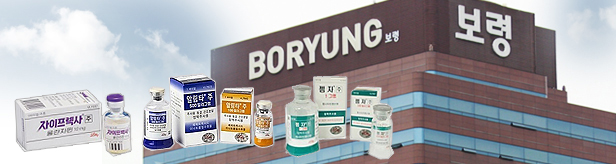
- The anticancer drug ‘Gemzar‘ and schizophrenia drug ‘Zyprexa' Boryung Pharmaceutical had acquired domestic sales and licensing lights of have enjoyed a rebound in sales. Sales of both drugs had been on a downfall prior to Boryung’s acquisition. Therefore, the analysis is that Boryung’s active portfolio expansion strategy and license acquisition activities have been effective. ◆Gemzar’s sales rise 33% after Boryung’s acquisition...plays a central role in Boryung’s oncology business According to the pharmaceutical market research institution IQVIA on the 25th, Gemzar raised KRW 19.1 billion in sales last year. Gemzar is a first-generation cytotoxic agent that contains gemcitabine. It was released in 1997. Gemzar’s sales have been on a decline until 2020. Its sales, which had reached KRW 14.5 billion in 2018, had fallen to KRW 14.3 billion by 2020. However, sales started rising in earnest starting in 2021. This is an unprecedentedly rare case for a drug that has been on the market for over 25 years. Gemzar’s sales are analyzed to have made a solid rebound after Boryung’s acquisition of its domestic rights in Korea. The company newly established the ONCO (Oncology) division in May 2020. At the time, the company had acquired rights to Gemzar in Korea from Eli Lilly. Quarterly sales of Gemzar (Unit: KRW 100 mil, Source: IQVIA) Building on Gemzar, the company’s oncology business has made rapid growth. Gemzar’s rising sales are analyzed to have driven sales growth of Boryung’s existing oncology drugs, including Campto, Oxalitin, Ditaxel1. In fact, sales of the three drugs had risen 2-9% last year. In the process, Boryung’s oncology business arose as the company's new growth engine. In Q4 last year, Boryung’s oncology business raised sales of KRW 46.4 billion and exceeded the KRW 45 billion made by the company’s existing key hypertension and hyperlipidemia treatment business during the same period. ◆ Zyprexa’s sales show signs of rebound...”Aims to record KRW 50 billion in CNS sales by 2025” Zyprexa’s sales are also showing signs of a rebound since Boryung’s acquisition. Last year, Zyprexa’s sales increased 2% from KRW 14.1 billion in 2021 to KRW 14.4 billion. Zyprexa, the olanzapine-containing schizophrenia treatment market had been released in 1997. Like Gemza, Zyprexa’s sales also was on a continuous decline until Boryung’s acquisition. Its sales, which had been KRW 16.8 billion in 2018, had declined to KRW 14.1 billion in 2021. Quarterly sales of Zyprexa (Unit: KRW 100 mil, Source: IQVIA) However, its sales first made a rebound last year. Boryung acquired all sales and licensing rights for Zyprexa in Korea from Lilly in October last year. Afterward, its quarterly sales had first declined to KRW 3.3 billion in Q2 last year, then made a rebound to and raised to KRW 3.9 billion by Q4. KRW 3.9 billion is the most quarterly sales the product has made since 2019 Q4. With the acquisition, the company announced plans to reinforce its CNS (central nervous system) treatment portfolio around Zyprexa. The company’s goal is to raise its CNS sales to ₩50 billion by 2025. ◆Will the company succeed in raising sales of Alimta as it had for Gemzar and Zyprexa?... Interest rises on whether the company will acquire additional sales rights Currently, the industry's attention is focused on another product Boryung acquired in October last year, Alimta. Boryung acquired the domestic rights for Alimta from Eli Lilly in October last year for KRW 100 billion (USD 70 million). Three products Boryung acquired domestic rights for. (from the left) Alimta, Gemzar, Zyprexa Alimta is a treatment for non-small-cell lung cancer that was approved in 2005. It is used as a chemotherapy for non-squamous NSCLC, and also used in combination with Keytruda. It had raised sales of KRW 21 billion last year. If the company succeeds in raising sales of Alimta as it had for Gemzar and Zyprexa, the company’s Legacy Brands Acquisition (LBA) strategy is expected to gain momentum. LBA is the strategy of acquiring original drugs after patent expiry. Boryung announced it plans to additionally introduce a product in Oncology and one other area this year, and another product in CNS by next year. The industry has been predicting that the company’s plans may be to introduce products through the acquisition of domestic rights through LBA.
