
- LOGIN
- MemberShip
- 2026-05-07 04:28:22
- Company
- Pfizer Launches 'Pfizer Pro', a Customized Digital Platform
- by Eo, Yun-Ho Apr 23, 2023 07:48pm
- Pfizer Pharmaceutical Korea (CEO Oh Dong-wook) announced on the 12th that it has launched an integrated digital platform "Pfizer PRO" for health and medical experts to strengthen its Omni-Channel strategy. Pfizer Pro can be easily subscribed to by any health care professional and provides optimal content according to the preferred channel and format. Users can receive various pharmaceutical-related data, including the latest updates on Pfizer products, related disease information, and overseas treatment trends, and will be able to check product-related events and conference information and apply for participation right away within Pfizer Pro. Virtual Connect (VCC), a video meeting with a professional representative, can also be conveniently applied on the platform. Virtual Connect is a one-on-one video meeting held with professional managers on desired devices such as mobile, desktop, and tablet PCs at any time and place desired by medical staff. Pfizer Pro is an integrated customer communication channel prepared at the global level, has the same design and format around the world, and can be used intuitively with a UI configuration based on customer convenience. This is part of Pfizer's strategy to strengthen omnichannel, which puts customer-centered communication and experience first, and has been transformed into an integrated platform at the enterprise level by expanding the existing digital channels operated by each business unit. In the future, functions tailored to the needs of health care experts, such as communication channels, will be continuously developed and strengthened. Oh Dong-wook, CEO of Pfizer, said, "Pfizer is using bold investments and strategies that prioritize customer-centered innovation to provide the optimal customer experience in a rapidly changing market. We will not stop at the launch of this platform, which will play a pivotal role as a hub for various channels to communicate with customers, but will continue to lead various challenges and innovations according to customer needs."
- Company
- Piqray to soon be deliberated by CDDC for reimb
- by Eo, Yun-Ho Apr 21, 2023 05:55am
- Whether reimbursement discussions for the PIK3CA gene-targeting anticancer drug ‘Piqray’ will make progress is gaining attention. According to industry sources, Novartis Korea’s Piqray (alpelisib) is expected to be deliberated at the coming Health Insurance Review and Assessment Service’s Cancer Disease Deliberation Committee meeting. The drug had been unable to pass deliberations from the same committee in February last year and had refiled an application for reimbursement at the end of last year. However, based on CDDC’s A8 country assessment results that were disclosed after the meeting, reimbursement standards discussed this time will be narrowed to PIK3CA mutation-positive patients whose tumor had progressed after being treated with CDK4/6 inhibitor·aromatase inhibitor combination therapy. Currently, Piqray is being reimbursed in HTA countries including the UK and Canada. What kind of results Piqray and its narrowed reimbursement standards will produce this time remains to be seen. Piqray, which was approved in Korea in May 2021, is a PIK3Caα inhibitor that blocks the overactivation of the PI3K pathway by inhibiting the over-activation of PI3K-α caused by a mutation of a PIK3CA gene. The targeted therapy is prescribed in combination with ‘Faslodex (fulvestrant)’ for patients with HR+/HER2- metastatic or advanced breast cancer who have progressed on or after prior therapies. Meanwhile, the efficacy of Piqray was demonstrated in the SOLAR-1 trial, a study on 572 men and postmenopausal women with HR-positive, HER2-negative, advanced or metastatic breast cancer whose cancer had progressed while on or after receiving an aromatase inhibitor. Results showed that Piqray, when used in combination with Faslodex, improved the median PFS (Progression- Free survival) of cancer patients with the PIK3CA mutation from 5.7 months to 11 months. The objective response rate (ORR) that shows the proportion of patients whose tumor size had reduced by 30% or more was 35.7% in the combination therapy group, which was over a twofold difference from the 16.2% in the monotherapy group. Although the secondary endpoint, overall survival (OS) in the PIK3CA-mutated cancer group was 39.3 months in the combination therapy group, 8 months longer than the 31.4 months in the monotherapy group, the results were not statistically significant.
- Company
- Expansion of reimbursement for DM drugs
- by Moon, sung-ho Apr 20, 2023 05:58am
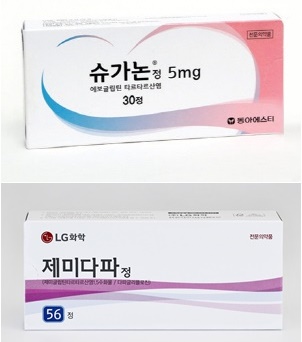
- Donga ST Suganon and LG Chem Zemidapa Amid the expansion of reimbursement criteria between diabetes treatments by class from April, attention is focused on the expansion of the two-drug combination of SGLT-2 inhibitor and DPP-4 inhibitor. This is because pharmaceutical companies are waiting for a reimbursement after receiving approval for a combination of DPP-4 inhibitor + SGLT-2 inhibitor. According to the pharmaceutical industry on the 11th, HIRA recently provided guidance through Q&A on matters to be aware of when prescribing medical institutions in accordance with the expansion of the reimbursement standard for diabetes treatment by category. First of all, since April, the number of subjects for the three-drug therapy has also increased. If the HbA1C is 7% or higher even if the two-drug regimen is administered for more than 2 to 4 months, combination therapy with one diabetes drug of a different mechanism added is acceptable. For the three-drug regimen, reimbursement standards for the combination of 'metformin + SGLT-2 inhibitor + DPP-4 inhibitor' and 'metformin + SGLT-2 inhibitor + Thiazolidinediones' have been set. However, combinations of drugs that are not recognized in the two-drug regimen should not be included. Among them, Steglatro has been excluded from the combination of metformin + SGLT-2 inhibitor + TZD. What is noteworthy is that the two-drug combination of 'SGLT-2 inhibitor and DPP-4 inhibitor', which was highly demanded in the April reimbursement standard expansion, was not included. Pharmaceutical companies are competitively launching 'SGLT-2 inhibitor and DPP-4 inhibitor' combination drugs. Recently, Dong-A ST obtained approval for Sugadapa, a combination drug of the SGLT-2 inhibitor family, and announced the release. Sugadapa is a combination drug that combines Evogliptin, the main ingredient of the DPP-4 inhibitor diabetes treatment 'Suganon' developed by Dong-A ST, and Dapagliflozin, an SGLT-2 inhibitor. Ildong Pharmaceutical is also actively conducting academic marketing for Qtern, which was introduced from AstraZeneca and released as a non-reimbursement, while LG Chem recently launched Zemidapa, a new diabetes combination drug based on Zemiglo. Zemidapa is also a combination drug that combines Gemipliptin, a DPP-4 inhibitor, and Dapagliflozin, an SGLT-2 inhibitor. Dong-A ST made it official that "Sugadapa will go through the health insurance registration process when the combined benefit is expanded after the release of non-coverage." The pharmaceutical industry evaluated that the two-drug regimen between SGLT-2 + DPP-4 inhibitors is also busy, as it is about to be reimbursed. An official from the pharmaceutical industry, who requested anonymity, said, "Since the two-drug regimen between SGLT-2 + DPP-4 is also scheduled to be reimbursed, pharmaceutical companies are also conducting various sales and marketing activities to preoccupy the market." There are concerns that it may not be able to preoccupy its position in the clinical field due to the expansion of reimbursement standards and the pouring in of numerous generic items,” he expressed regret. He said, “We are looking forward to clinical site launches according to reimbursement application within the first half of the year.” “Since it is a newly approved item, it seems to have been excluded from the reimbursement standard revision because it is necessary for the reimbursement application process such as drug price setting. I have no choice but to," he said.
- Company
- New heart failure drug Verquvo lands at general hospitals
- by Eo, Yun-Ho Apr 20, 2023 05:58am
- The new heart failure drug ‘Verquvo’ can now be prescribed at general hospitals in Korea. According to industry sources, Bayer Korea’s soluble guanylate cyclase (sGC) stimulator that catalyzes the synthesis of intracellular cyclic guanosine monophosphate (cGMP), Verquvo (vericiguat) has passed the drug committees (DCs) of medical institutions including Samsung Seoul Medical Center, Pusan National University Yangsan, Chonnam National University, and Chonnam National University Hwasun Hospital. Also, Verquvo is being reviewed at drug committees (DCs) at Seoul National University Bundang Hospital, Chung-Ang University Gwangmyeong Hospital, and Chungbuk National University Hospital. Verquvo was approved in December 2021 as a combination therapy used to reduce the risk of cardiovascular death and heart failure (HF) hospitalization following a hospitalization for heart failure or need for outpatient IV diuretics, in adults with symptomatic chronic HF and ejection fraction less than 45%. After the company applied for Verquvo’s reimbursement last year, the agenda is making slow but solid progress. The application passed review by the Health Insurance Review and Assessment Service’s Drug Reimbursement Standard Subcommittee and is awaiting to be deliberated by the Drug Reimbursement Evaluation Committee. The efficacy of the drug was demonstrated through the Phase III VICTORIA trial. A total of 5,050 adult patients with symptomatic chronic heart failure (New York Heart Association [NYHA] class II-IV) and left ventricular ejection fraction (LVEF) less than 45%, following a worsening heart failure event were enrolled in the trial. A worsening heart failure event was defined as heart failure hospitalization or the use of outpatient IV diuretics for heart failure prior to randomization. 59.7% of the participants had been receiving 3-drug combination therapy, and 41% were severe patients - NYHA Class III or NYHA Class IV. In the trial, patients received up to the target maintenance dose of Verquovo 10 mg or a matching placebo combination with another heart failure therapy. Results showed that at 10.8 months of median follow-up, the risk of death from cardiovascular disease or first hospitalization due to heart failure was about 10% lower than that of the placebo group, and the trial met its primary efficacy endpoint with an annual absolute risk reduction of 4.2%. The annual absolute risk reduction of hospitalization from heart failure was 3.2%, and compared with the placebo, it delivered a 10% relative risk reduction in composite cardiovascular-related death and heart failure hospitalization. Meanwhile, previous heart failure treatments worked by blocking harmful effects caused by natural neurohormones that were activated by myocardial and vascular dysfunction. Unlike these existing options, Verquovo is an sGC stimulator that catalyzes the synthesis of intracellular cyclic guanosine monophosphate (cGMP) that modulates heart contraction, vascular tension, cardiac remodeling, etc. The drug is a first-in-class drug, the first sGC stimulator in the world to be approved as a treatment for chronic heart failure.
- Company
- Will Lixiana follow-ons take over the market?
- by Moon, sung-ho Apr 19, 2023 05:51am
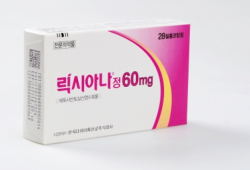
- Activity in related markets has been rising due to the aftermath of the reimbursement approval for Transcatheter Aortic Valve Implantation (TAVI) that had been made last year. Pharmaceutical companies have been increasingly conducting activities to target the Non-vitamin K antagonist oral anticoagulant (NOAC) market. 다이이찌산쿄 릭시아나 제품사진. According to industry sources on the 17th, a series of marketing authorizations have been granted for follow-on drugs of Daiichi Sankyo’s NOAC drug ‘Lixiana (edoxaban)’ recently. More specifically, 6 incrementally modified drugs with different salt formations than the original, the 15mg and 30mg formulations of Hutecs Korea Pharmaceuticals’ ‘Enxiana,’ Handok’s ‘Megaxaban,’ and Genu Pharma’s ‘Genupharma Edoxaban’ were approved on the 12th. However, the prospects are that it would be difficult to launch a product within a short period of time as more than 3 years remain until the patent that the companies were unable to avoid, Lixiana’s substance patent, expires. Meanwhile, the NOAC market, which is being led by Lixiana, has been pointed to as a representative prescription drug market that is showing rapid growth. According to the market research institution UBIST, Lixiana’s prescription sales amounted to KRW 89 billion last year, up 4.9% from the KRW 84.8 billion of the previous year. Lixiana is currently being jointly marketed by Daiichi Sankyo Korea and Daewoong Pharmaceutical in Korea. The NOAC market is expected to continue to grow further as TAVI procedures are being conducted in earnest in the field with its reimbursement. Since May last year, the Ministry of Health and Welfare has converted the coverage status of TAVI procedures for severe aortic stenosis patients over the age of 80 to provide full reimbursement. Following full reimbursement, the Korean Heart Rhythm Society published a revised 'NOAC Use Guideline' in the second half of last year and presented specific criteria for NOAC use in various situations. In particular, as the guideline specified that 'the basis for the use of NOAC on TAVI patients was established,’ the revision heralded expanded NOAC use. Therefore, in line with the growing NOAC prescription market, the domestic pharmaceutical companies' efforts to enter their generics into the market are expected to continue to increase in the future. An official from a domestic pharmaceutical company who requested anonymity, predicted, "The launch of a low-dose 15mg formulation of Lixiana had a direct impact on sales growth last year. The full reimbursement of the TAVI procedure would also further impact Lixiana’s growth.” The official added, “Also, new prescriptions for NOACs are expected to increase significantly in the future as we are into the 1-year point of TAVI’s reimbursement. For the same reason, I believe domestic pharmaceutical companies will also actively work to release their generics as well.”
- Company
- Dutasteride's market share is on the rise
- by Nho, Byung Chul Apr 19, 2023 05:50am
- Tablet-type dutasteride (left) from JW Pharmaceutical Co., Ltd. and Avodart, a capsule-type product from GSK The biggest advantage of solving the leakage problem is caused by the soft capsule shell rupture. In the dutasteride drug market, which has been growing mainly in capsule form, recently launched tablet-type products are gradually increasing sales. Based on UBIST, dutasteride tablets generated sales of 9.1 billion won last year from 200 million won in 2018, accounting for 10% of the total market. Dutasteride capsules posted sales of 82.9 billion won last year from 55.9 billion won in 2018. Over the past five years (2018-2022), the performance was 55.9 billion, 68.3 billion, 74.7 billion, 80.7 billion, and 82.9 billion won. During the same period, refining shows the growth of 200 million, 3.1 billion, 5 billion, 7.2 billion, and 9.1 billion won. The Dutasteride capsule-type leading product is ranked No. 1 in the related field as GSK Avodart. Based on drug distribution performance, the sales of these drugs last year were around 43.7 billion won. The growth rate from 2021 to 2022 is showing an increase of 4%. Damodat of Hyundai Pharm, Adamo of Hanall Biopharma, and Jdart of JW Pharmaceutical posted sales of 1.4 billion won, 1.1 billion won, and 1 billion won, respectively, last year. Dutasteride (tablet type) has 28 products on the market, and JW Pharmaceutical produces 83% of them through CMO. A total of three domestic companies, including JW Pharmaceutical, have dutasteride tablet manufacturing technology. Avodart, a prostatic hyperplasia treatment developed by GSK in 1993, is the first product. GSK started selling Avodart in 2001 after receiving US FDA approval and conducted clinical trials in Korea in 2006, and in 2009, it was approved for hair loss by the Korean Food and Drug Administration for the first time in the world. As the patent expired in 2016, many generics have been released. Dutasteride is a drug with a mechanism of reducing dihydrotestosterone converted by 5α-reductase. Due to the nature of dutasteride being insoluble in water, it is difficult to make it into a tablet form, so all generics, including the original Avodart, have been sold as soft capsules. In November 2018, JW Pharmaceutical launched Jdart, a purified product for the first time in Korea. Recently, it succeeded in obtaining a patent for dutasteride tablet manufacturing technology (the second in the world after an Indian pharmaceutical company) from the Korean Intellectual Property Office. The JW Pharmaceutical Research Center has succeeded in developing dutasteride into a tablet formulation by applying the Self micro-emulsifying drug delivery system. The tablet type improved the convenience of patients taking the soft capsule by improving the discomfort of sticking to the mouth and esophagus when taking the soft capsule and also solved the problem of content leakage due to the rupture of the soft capsule shell.
- Company
- Will Enhertu pass the fiscal barrier and be reimb in KOR?
- by Eo, Yun-Ho Apr 19, 2023 05:50am
- The reimbursement progress of the anticancer drug that received 50,000 consents in a national petition is gaining attention. According to industry sources, the reimbursement review data for Enhertu, AstraZeneca and Daiichi Sankyo’s HER2-directed antibody-drug conjugate (ADC), has been supplemented and submitted to the authorities on the 14th. No reimbursement standard had been set for Enhertu at the Cancer Disease Review Committee (CDRC) meeting that was held in March. At the time, there was no disagreement among experts about the clinical usefulness of Enhertu. In other words, the reason why a standard had not been set was considered to be because of its potential financial burden on national health insurance finances. In addition, as the drug was accepted for review at the Petition Review Subcommittee held yesterday (15th), the possibility that the agenda will be deliberated at the Health Insurance Review and Assessment Service’s CDRC meeting that will be held on the 26th is rising. With the reattempt gaining a lot of attention, the pharmaceutical company is also determined to make the cut this time. Daiichi Sankyo was known to have prepared various plans to reduce the financial burden, such as by presenting the drug price of Enhertu at the lowest level in the world and considering applying the risk-sharing agreement (RSA) scheme. A company official said, “The seconds and minutes we waste here may be the matter of life and death for the metastatic breast cancer patients. We will also do our best to save all the time we can to Enhertu's reimbursement to save at least one more patient.” Meanwhile, based on DESTINY-Breast01 and DESTINY-Gastric01 trials, Enhertu was approved by the Ministry of Food and Drug Safety in September for the treatment of ▲unresectable or metastatic HER2-positive breast cancer who have received two or more prior anti-HER2-based regimens (third-line or higher treatment); and ▲locally advanced or metastatic HER2-positive gastric or gastroesophageal junction adenocarcinoma who have received two or more prior therapies including anti-HER2-based regimens. Also, in December last year, its indication was expanded based on the results of the DESTINY-Breast03 trial to be used to treat patients with unresectable or metastatic HER2-positive breast cancer who have received one or more anti-HER2-based regimens.
- Company
- Never-ending patent dispute over Galvus
- by Kim, Jin-Gu Apr 18, 2023 05:38am
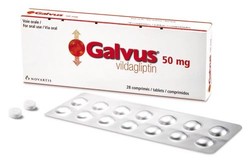
- In a patent dispute over Galvus, a DPP-4 inhibitor-type diabetes treatment, Novartis received a dismissal from the Intellectual Property Tribunal. Apart from this trial decision, the Galvus patent dispute is expected to continue for some time. This is because the dispute between Novartis and the generic company regarding the extension of the duration has not yet been resolved, even though the substance patent expired in March of last year. According to the pharmaceutical industry on the 14th, the Intellectual Property Tribunal recently made a decision to dismiss Novartis in a trial to confirm the scope of its rights filed against a generic company. A dismissal is a trial decision in the sense that the claim does not meet the appropriate requirements. In January 2022, Novartis had previously requested a judgment to confirm the scope of its rights against Kyongbo Pharmaceuticals, United, Ahn-Gook, and Ahngook Newpharm. It was a judgment requesting a judgment on whether they infringed on some of the Galvus material patent claims. Generic companies released generics for Galvus one after another after the Supreme Court ruling in October 2021. Novartis argued that the validity of the Galvus material patent is also valid as the Supreme Court issued a ruling on remand overturns, but the dispute was not finalized as the first trial appealed. Accordingly, it was argued that the early release of generics by generic companies also has room for patent infringement. While this trial was in progress, the Galvus material patent expired (March 4, 2022). In the end, it is analyzed that the Intellectual Property Trial and Appeal Board made a decision to dismiss the trial, judging that the active trial for confirmation of the scope of rights requested by Novartis did not meet the appropriate requirements as a trial. In 2017, Ahn-Gook and others requested a judgment against Novartis that part of the Galvus material patent duration was invalid. In the first trial, the generic company won, and in the second trial, Novartis won. The Intellectual Property Trial and Appeal Board determined that 187 days of Galvus material patents were invalid, and the Patent Court ruled that 55 days were invalid. After the second trial, Novartis appealed. However, the Supreme Court judged that Novartis, which won in the second trial, had no right to appeal, and remanded the case to the first trial. In May of last year, the Intellectual Property Tribunal sided with Novartis. This time, generic companies appealed. The Patent Court opened its defense in January this year. On the 20th of this month, the second defendant has been announced. According to UBIST, a pharmaceutical market research institute, the combined prescription of Galvus and Galvusmet last year was 32.4 billion won. It decreased by 30.7% compared to 46.6 billion won in 2021. Generic products such as Kyongbo, Hanmi Pharm, and Ahn-Gook, which were released early last year, recorded a combined prescription record of 14.5 billion won.

- Company
- Sales of Pfizer, Gilead, and MSD soared last year
- by Jung, Sae-Im Apr 18, 2023 05:37am
- Last year, Korean subsidiaries of multinational pharmaceutical companies made external growth in general. Pfizer Korea, MSD Korea, and Gilead Sciences Korea have enjoyed an increase in sales of COVID-19 vaccines and treatments. The high sales growth of new drugs such as Keytruda, Gardasil 9, and Prolia also contributed to the increase in sales. According to the Financial Supervisory Service on the 18th, combined sales in 37 of the 38 Korean subsidiaries of major multinational pharmaceutical companies, excluding Viatris totaled at KRW 11.72 trillion, up 27.7% from the previous year's KRW 9.18 trillion. During the same period, operating profits increased by 9.8% from KRW 361.2 billion to KRW 396.5 billion. The figure excludes Viatris Korea, which changed its settlement date from the end of November to the end of December last year. About 80% - 30 of 38 Korean subsidiaries of multinational pharmaceutical companies - increased sales. More than half (21) also saw an improvement in their operating profit. The sales expansion of multinational pharmaceutical companies' Korean subsidiaries can be attributed to the high sales growth of new drugs. The companies enjoyed the special procurement demand that arose due to the COVID-19 pandemic by developing vaccines and treatments for COVID-19. New drugs for diseases other than COVID-19 have also shown even growth in sales. According to the market research institution IQVIA, 9 of the top 10 drug sales last year were products from multinational pharmaceutical companies. MSD, Viatris, Amgen, AstraZeneca, Sanofi, and Roche evenly placed their names on the ranking list. Pfizer Pharmaceuticals Korea, which posted the highest sales last year, recorded an overwhelming annual sales of KRW 3.23 trillion last year. This is the highest figure recorded among pharmaceutical and bio companies in Korea. The company made more sales than Samsung Biologics, which recorded KRW 3.13 trillion last year. Operating profit also increased significantly to KRW 120.1 billion, a 102.8% increase from the KRW 59.2 billion won in the previous year. The COVID-19 pandemic drove the high growth for Pfizer Korea. Pfizer is the only one among domestic and foreign companies that supply both a COVID-19 vaccine and treatment. The COVID-19 vaccine ‘Comirnaty’ and the treatment ‘Paxlovid’ that was developed by Pfizer had been supplied through Pfizer Korea in Korea. Thanks to this, sales in its Korean subsidiary soared from KRW 391.9 billion in 2020 to RKW 1.70 trillion in 2021, then to KRW 3.23 trillion in 2022. As distribution and marketing for COVID-19 vaccines and treatments were virtually conducted by the government, the company was able to generate high profits thanks to low SG&A expenses. Pfizer Korea’s operating profit, which suffered a loss of KRW 7.2 billion in 2020, succeeded in turning a profit in 2021 and exceeded KRW 100 billion last year. Gilead Sciences Korea showed the second most growth in sales after Pfizer Korea. Last year, Gilead's Korean subsidiary posted KRW 565.4 billion in annual sales, a 96.1% increase from the previous year's KRW 288.4 billion. Gilead Sciences Korea, whose sales did not belong in the Top 10 among Korean subsidiaries of multinational pharmaceutical companies, jumped to 5th last year. Operating profit increased by 84.1% from KRW 12.5 billion to KRW 23 billion. Sales of its COVID-19 treatment ‘Veklury (remdesivir)’ is deemed to have contributed to Gilead Sciences Korea’s marked growth. The number of COVID-19 patients increased significantly last year, and the number of critically ill patients also increased. Veklury was approved for use in hospitalized patients with severe COVID-19 whose oxygen saturation level is less than 94% or who need supplemental oxygen treatment. MSD Korea also posted an all-time high in terms of annual sales by making KRW 820.4 billion last year. Overtaking AstraZeneca Korea, the company ranked second in sales among multinational pharmaceutical companies’ Korean subsidiaries. Sales of the COVID-19 treatment ‘Lagevrio,' the immuno-oncology drug ‘Keytruda,’ and the cervical cancer vaccine ‘Gardasil 9’ drove the company’s growth. Last year, the government purchased 242,000 courses of LAgevrio from the company. If the contracted amount was introduced last year as planned, sales of KRW 169.4 to KRW 193.6 billion (KRW 700,000 to KRW 800,000 per person) were generated. In addition, sales of Keytruda, the lead product among domestic drug sales, and Gardasil9, which ranks 3rd, reached KRW 356.6 billion based on an IQVIA. On the other hand, the company’s operating profit halved to KRW 28.6 billion due to the rise in the price of finished products the company had purchased from its headquarters and a large amount of money spent on SG&A expenses. In addition, Organon Korea (20.8%), Sanofi-Pasteur (19.9%), Ipsen Korea (19.2%), Abbott Korea (17.6%), Merck (16.8%), Roche Korea (16.6%), Novo Nordisk (16%) %) achieved high sales growth. In particular, sales of Sanofi Pasteur Korea, the vaccine division of the Sanofi Group, surpassed KRW 100 billion in annual sales for the first time last year thanks to strong sales of influenza (flu) vaccines last year. In other words, more than half of the 38 Korean subsidiaries of multinational pharmaceutical companies saw an improvement in their operating profit. However, except for Pfizer Korea, which marked an explosive growth in operating profit last year, the operating profit of the remaining companies fell 8.7% from KRW 302.9 billion in 2021 to KRW 276.5 billion in 2022. This means that the deuteration experience by the other companies was greater than the improvement in operating profit seen by 20 companies other than Pfizer Korea. Also, 5 companies whose operating profits turned to or continued to be a loss. In particular, MSD Korea (-50.7%), Sanofi-Aventis Korea (-60.4%), Jansen Korea (-47.2%), GSK Korea (conversion to a deficit), Abbott Korea (increased deficit), Mandipharma Korea (conversion to a deficit), and Menarini Korea (conversion to a deficit) were among the companies that saw a significant drop in operating profit last year.
- Company
- Mitsubishi and Sanofi signs agreement to sell Rilutek in KOR
- by Jung, Sae-Im Apr 18, 2023 05:36am
- On the 17th, Mitsubishi Tanabe Pharma announced that the company had signed a domestic marketing agreement with Sanofi Aventis Korea for Sanofi’s amyotrophic lateral sclerosis (ALS) treatment ‘Rilutek (riluzole)’ on the 12th. Rilutek is the first treatment for ALS approved by the US FDA. The drug is used to extend survival or delay the need for a tracheostomy in ALS patients. Under the marketing agreement, Mitsubishi Tanabe Pharma Korea will own exclusive marketing rights for Rilutek. The company was able to offer a broader treatment option for the disease with the ALS injection treatment 'Radicut (ingredient: edaravone)' that was approved in the US in June 2016. ALS, which is better known as Lou Gehrig's disease, is a serious rare incurable disease that causes progressive paralysis and atrophy of the whole body muscles due to the degeneration of motor neurons. As the disease progresses, it can lead to paralysis of the limbs and respiratory muscles, leading to death within years. Mitsubishi Tanabe Pharma Korea’s General Manager Tae-hwan Ryu said, “Through sales of the injectable Radicut and the oral treatment Rilutek, we will now be able to offer diverse and effective treatment options for ALS patients in Korea. We are pleased to be starting this relationship with Sanofi-Aventis Korea.”
