
- LOGIN
- MemberShip
- 2026-05-04 19:26:07
- Company
- Saxenda and Qsymia take up 57% of the obesity market share
- by Chon, Seung-Hyun Feb 28, 2024 10:35am
- Last year, Korea’s obesity drug market size reached its largest size in history. It broke the record in 2019, and since then, the market size expanded for five consecutive years. Saxenda and Qsymia account for 60 % of the total market share. Meanwhile, sales of previous obesity drugs, such as psychotropic drugs, are declining, further polarizing the market. As blockbuster drugs gaining popularity overseas are nearing launch in Korea, the dynamics of the Korean obesity drug market are expected to change in the future. The market for obesity drugs was 178 billion won last year, up 1.3% from the previous year, according to a pharmaceutical market research company IQVIA on the 29th. The market for obesity drugs reached 134.1 billion won in 2019, hitting a new record in ten years, and changed its record for four consecutive years. The market has been growing rapidly every year, with an increase of 83.9% over five years since it made 96.8 billion won in 2018. Annual obesity market size (left) and market share percentages of Saxenda and Qsymia in Korea (right) (Unit: 100 million won, Source: IQVIA). The introduction of Saxenda and Qsymia recently has expanded the market for obesity drugs. Last year, Saxenda recorded sales of 66.8 billion won, marking a 13.4% increase compared to the previous year, achieving a new record for two consecutive years. After recording sales of 42.6 billion won in 2019, Saxenda slowed in sales in 2020 and 2021, with 36.8 billion won and 36.2 billion won, respectively. It is analyzed that due to limited outdoor activities during the initial spread of Covid-19, the interest in obesity drugs may have decreased. However, it has been noted that the demand for Saxenda rose as many people gained weight due to reduced outdoor activities during the Covid-19 pandemic since 2020, and as outdoor activities resumed, the demand for Saxenda continued to increase. In comparison to the sales in 2020, Saxenda's sales in 2022 increased by 84.4% over the course of two years. Saxenda, launched in Korea in 2018, is the first glucagon-like peptide-1 (GLP-1) agonist medication for obesity. It contains the same ingredient as Victoza (ingredient: liraglutide), which is prescribed to patients with type 2 diabetes, but with different methods of administration and dosages. Saxenda became the top-selling drug in the market after recording sales of 42.6 billion won in 2019, just after its launch, and maintained the place for five consecutive years. The mechanism of action of Saxenda was designed similarly to the body’s GLP-1, leading to the suppression of appetite and weight loss. It gained popularity with the perception that it is relatively safer than existing weight-loss drugs. According to estimates, Saxenda took up a 37.5% market share of the obesity market last year. While Saxenda’s market share grew significantly from 7.8% in 2018 to 31.8% in 2019, it slowed down in 2020 and 2021, holding 25.8% and 25.2%, respectively. However, in 2022, Saxenda’s market share increased to over 30% and continued to grow last year. Alvogen Korea’s Qsymia has been gaining popularity recently. Qsymia reached sales of 35.5 billion won last year, an increase of 18.0 % compared to the previous year. In two years since 2021, when it made 26.2 billion won, the sales expanded by 35.4%. Qsymia, a combination drug of “phentermine’ and ‘topiramate,’ was launched in late 2019. Alvogen Korea acquired the sales rights for Qsymia in Korea from Vivus of the United States in 2017. Alvogen initiated domestic marketing through a joint sales agreement with Chong Kun Dang. Despite oral administration, Qsymia has a relatively small amount of psychotropic drug ingredients, and it has the advantage that it can be prescribed for an extended period. Alvogen Korea's extensive sales networks in the domestic obesity market, gained from its previous experience selling Furing and Furimin, synergized with Chong Kun Dang's business power to penetrate the market with Qsymia rapidly. Last year, Qsymia's market share in the obesity treatment market increased by 2.8% compared to the previous year, reaching 19.9%. The combined market share of Saxenda and Qsymia accounted for 57.5% of the total obesity market last year. The market share of Saxenda and Qsymia increased by 16.0% over two years, from 41.5% in 2020, significantly enhancing their market influence. In contrast, existing obesity drugs, excluding Saxenda and Qsymia, showed weakness overall. Sales of obesity drugs, excluding Saxenda and Qsymia, decreased by 12.7% to 757 billion won compared to the previous year. Daewoong Pharmaceutical's Dietamin saw a decrease in sales to 7 billion won last year, down 11.5% from the previous year. Huons' Hutermin recorded sales of 4.3 billion won, a 10.7% decrease from the prior year. The market share of existing obesity treatments, excluding Saxenda and Qsymia, was 68.2% in 2019 but decreased to 42.5% last year. The industry anticipates that the emergence of overseas validated blockbuster treatments for obesity would bring significant changes in market dynamics. Last April, the Ministry of Food and Drug Safety (MFDS) approved Novo Nordisk's Wegovy. Wegovy is a GLP-1 agonist in the same class as Saxenda. Novo Nordisk improved upon Saxenda, administered once daily, by making Wegovy a once-weekly injection. Since its release in the U.S. market, Wegovy's demand has surged to the point of shortages, with even Ozempic, a diabetes treatment with the same ingredient and usage, experiencing stockouts due to its high popularity. Eli Lilly's Mounjaro received approval from the MFDS in June last year. Mounjaro is a next-generation GLP-1 agonist that activates GLP-1 and GIP receptors with a once-weekly dose. It was approved as a treatment for type 2 diabetes and is expected to secure indications for obesity treatment in the future. Since its approval in the United States last year, Mounjaro generated sales of 2 trillion won in the first half of this year. With Mounjaro's approval as an obesity treatment, it is expected to bring significant changes in the obesity drug market alongside Wegovy.
- Company
- KRPIA appoints Sanofi CEO Kay Bae as new chair
- by Feb 28, 2024 05:50am
- Kay Bae (Bae Kyung-eun) appointed as the new chair of KRPIA The Korean Research-based Pharmaceutical Industry Association (KRPIA) announced on the 23rd that it has appointed Kay Bae (Bae Kyung-eun), Country Lead of Sanofi-Aventis Korea, as the 15th chair of KRPIA. Bae served on the KRPIA board of directors in September 2013, and she has been a member of the vice-chair body, contributing to the growth of KRPIA. Bae graduated from the College of Pharmacy at Seoul National University and received a master’s degree in global management from Aalto University School of Business. Bae gained diverse experiences in the field, including positions as Global Head of Business Units, Head of Anticancer Drugs and Prescription Medicines, and CEO at global pharmaceutical companies since 1994. For over ten years, Bae served as the head of Sanofi-Aventis Korea, where she is currently the CEO. She led the unification of independent business units, Sanofi Pasteur, a subsidiary dedicated to producing vaccines, and Sanofi Genzyme, a part of the Specialty Care franchise, into a single brand. Before becoming CEO of Sanfofi-Aventis Korea and Genzyme Korea, Bae worked at Novartis Korea and Novartis Unites States. Since September 2022, Bae has been serving as the chairperson of the Healthcare Committee at the European Chamber of Commerce in Korea (ECCK). Bae is known for having a profound understanding of the pharmaceutical industry and the Korean systems and policies while demonstrating strong leadership skills. “We will strive to provide rapid and broadened treatment benefits of innovative new drugs to patients in Korea amid the rapidly evolving healthcare and medical industry,” Bae said. “To promote innovative development in the domestic pharmaceutical and biotechnology industry, we plan to collaborate with other domestic companies by strengthening our open innovation platform,” Bae added. The KRPIA has announced the appointment of new vice-chairs along with a new chairperson. KRPIA’s vice-chairs are △Jae (Byungjae) Yoo of Novartis Korea, △Hye Young Lee of BMS Pharmaceutical Korea, and △Dong-Wook Oh of Pfizer Korea. A new board of directors was elected through a voting process in mid-January last year: △Maurizio Borgatta of GSK Korea △Jaeyeon Choi of Gilead Sciences Korea, △Christoph Hamann of Merck Korea, △Ji-young Sohn of Moderna Korea, △JinA Lee of Bayer Korea, △Sang Kyung Noh of Amgen Korea, △Junil Kim of Astellas Pharma Korea, △Soyoung Kang of AbbVie Korea, and △Albert Kim of MSD Korea.
- Company
- Immuno-oncology market triples in 4 years
- by Son, Hyung-Min Feb 28, 2024 05:50am
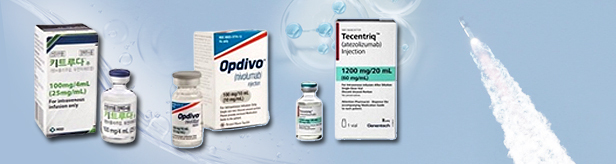
- Sales in the immuno-oncology market surpassed KRW 700 billion last year, driven by the surge in sales of Keytruda and Opdivo. The market has more than tripled in size over the past 4 years. Keytruda and Opdivo together accounted for 72.4% of the market and generated more than KRW 500 billion in sales. The market’s prospects are also bright with major immuno-oncology drugs showing additional efficacy in various solid tumors. According to the market research institution IQVIA on the 27th, the total immuno-oncology treatment market has recorded KRW 730.8 billion in the past year, a 46.6% increase from the KRW 498.3 billion in the previous year. Sales have been growing steeply in the immuno-oncology market. The market, which was worth KRW 200 billion in 2019, reached KRW 700 billion last year after recording KRW 407 billion in 2021 and KRW 498.3 billion in 2022. Immuno-Oncology Drug Market Size (Unit: KRW 100 million) Immuno-oncology drugs target PD-1/PD-L1 biomarkers that are expressed in major solid tumors. This is why the drugs have expanded their indications to several solid tumors, and sales are surging. In addition to their better effect, immuno-oncology drugs are also known to have fewer side effects than first-generation cytotoxic anti-cancer drugs and second-generation targeted anticancer drugs. Since the immuno-oncology drugs work by strengthening the body's immune system, side effects such as hair loss, vomiting, nausea, diarrhea, and bone marrow suppression are relatively mild. Keytruda, which owns 26 indications, approaches KRW 400 billion in sales...Opdivo’s sales surpass the KRW 100 billion mark #EB The market leader is MSD's Keytruda. Keytruda generated KRW 398.7 billion in sales last year, up 66.4% YoY. It occupied 54.6% of the market. Keytruda is approved for 26 approved indications in Korea, owning the most amount of indications among all cancer drugs. However, only 4 of the cancers are reimbursable: lung cancer, Hodgkin's lymphoma, urothelial carcinoma, and melanoma. MSD is seeking reimbursement for a variety of other solid tumors, including triple-negative breast and head and neck cancer. Keytruda's sales may surge further if its reimbursement is further extended. In second place was Opdivo. Opdivo generated KRW 130.4 billion in sales last year, up 18.7% from KRW 109.8 billion in 2022. After hovering in the KRW 60 billion range from 2019 to 2020, the company surpassed the KRW 100 billion mark in 2022 after reaching KRW 85 billion in 2019. Together, Keytruda and Opdivo generated KRW 529.1 billion in sales last year, accounting for 72.4% of the market. Opdivo is a PD-1 class immuno-oncology drug co-developed by BMS and Japan's Ono Pharmaceutical. It has 22 approved indications in Korea, including melanoma, non-small cell lung cancer, and renal cell carcinoma. Both companies have been steadily expanding the number of their solid tumor indication since their approval. In addition to extending Opdivo’s reimbursement coverage, BMS and Ono plan to develop a subcutaneous (SC) formulation to expand options for the patients. Opdivo's major patents are set to expire in 2028. BMS confirmed that Opdivo’s subcutaneous (SC) formulation was non-inferior to the intravenous (IV) formulation in a Phase III clinical trial conducted to confirm the efficacy of the SC formulation. The safety results were also comparable in both arms. The SC formulation can be administered in less than 5 minutes, compared to the 1 hour required for the existing IV formulation. BMS is preparing to apply for approval of its SC formulation with regulatory authorities around the world. Tecentriq and Imfinzi gains ground in intractable cancers Roche's Tecentriq and AstraZeneca's Imfinzi also showed marked sales growth. Roche Tecentriq generated KRW 97.3 billion in sales last year, up 18.9% YoY. After posting KRW 37 billion in 2020 and doubling its sales in 2021, Tecentriq’s sales have been on a steady rise. Roche has been rapidly expanding Tecentriq’s indication by actively accepting the government’s requests. Tysentriq gained coverage for lung cancer within a year of approval and expanded coverage in 2019 by removing the PD-L1 expression limit. Roche plans to expand Tecentriq’s indications through combined use with targeted cancer drugs. Tecentriq, in combination with Avastin, became the first immuno-oncology drug to be reimbursed for the first-line treatment of liver cancer. Roche is also conducting combination trials with NT-I7, an anti-interleukin (IL)-7 inhibitor developed by a Korean biotech NeoImmuneTech, in lung and skin cancers. AstraZeneca's Imfinzi posted sales of KRW 82.7 billion last year, up 57.8% from KRW 52.4 billion in 2022. After generating KRW 3.4 billion in sales in 2019, Imfinzi’s sales surged 624% to KRW 24.6 billion the following year. With sales exceeding KRW 80 billion last year, Imfinzi ranked fourth in the immuno-oncology market. Imfinzi’s strength is that it is the first immuno-oncology drug to show efficacy in biliary tract cancer. In 2022, AstraZeneca received approval for the Imfinzi+gemcitabine+cisplatin combination in Korea. This approval established the Imfinzi combination as the new standard of care in biliary tract cancer for 12 years. AstraZeneca is currently in the process of extending Imfinzi’s reimbursement to its biliary tract cancer indication. BMS plans to extend indications for the Yervoy+Opdivo combo...Bavencio’s sales increase with reimbursement in urothelial cancer BMS On the other hand, Yerovy’s sales growth was not as dramatic. Sales of Yervoy, which is the only immuno-oncology drug to target CTLA-4, grew only 12.6% last year, generating sales of KRW 16 billion. In 2021, Yervoy received approval for use in combination with Opdivo in 2021. However, the maximum dosing interval was set at 2 years, meaning that even if it works, patients will not be eligible for additional reimbursement afterward. BMS plans to explore multiple uses for the Yervoy and Opdivo combination. The company is currently exploring the combination of metastatic colorectal cancer, squamous cell carcinoma, and head and neck cancer. Merck's Bavencio generated KRW 5.7 billion in sales last year. Sales of Bavencio grew with its reimbursement approval in metastatic urothelial cancer. Bavencio, which was approved in Korea in 2019, secured reimbursement as a first-line maintenance therapy for urothelial cancer in 2023. The variable is Padcev. Padcev, which is an antibody-drug conjugate (ADC) cancer drug developed by Astellas and Seegen, has confirmed efficacy results as a first-line treatment in urothelial cancer. Based on the results of the study, the company is accelerating its efforts to receive approval as a first-line treatment in urothelial cancer This could have implications for Bavencio, as it is being used as a maintenance therapy in the first-line setting.
- Company
- Will the first oHCM drug Camzyos be reimbursed in Korea?
- by Eo, Yun-Ho Feb 28, 2024 05:50am
- The industry’s eyes are focused on the reimbursement review progress of Camzyos, the first treatment for obstructive hypertrophic cardiomyopathy. Dailypharm’s coverage found that the pharmacoeconomic evaluations for Camzyos(mavacamten), BMS Pharmaceutical Korea's new drug for obstructive hypertrophic cardiomyopathy (oHCM), is now complete and that it will be submitted for review by the Health Insurance Review and Assessment Service's Pharmacoeconomic Evaluation Subcommittee next month (March). Being the first treatment option in its field, many challenges are expected in its reimbursement approval process. However, as the government has shown a willingness to improve the valuation process for new drugs, including providing preferential treatment for innovative new drugs, it remains to be seen whether this will positively impact Camzyos’s reimbursement process. Camzyos is the first and only cardiac myosin inhibitor that specifically targets excess cross-bridge formation of myosin and actin proteins, the main cause of oHCM. It improves left ventricular hypertrophy and left ventricular outflow tract obstruction by separating myosin from actin, relaxing the overcontracted heart muscle. Due to the lack of a cure, oHC has long been managed with off-label drug use. The European Society of Cardiology (ESC) revised its HCM guidelines for the first time in 9 years with the introduction of Camzyos. Before then, HCM guidelines have been based on small observational data reported from individual institutions, retrospective analyses, or expert consensus opinions. Therefore, Camzyos was a game-changer in the field. After demonstrating its significant effect in two large-scale Phase III randomized controlled trials (RCTs), Camzyos was recommended at the highest evidence level, A, for the first time among treatment options in the ESC guidelines. The American College of Cardiology (ACC) and American Heart Association (AHA) are also currently preparing to update their guidelines. Based on the Phase III trial data, Camzyos received a breakthrough therapy designation (BTD) and was approved by the US FDA. Based on these factors, Camzyos appears to meet the criteria for an innovative new drug announced by the government last year, where: ▲ there is no substitute or therapeutically equivalent product or treatment; ▲ has shown clinically meaningful improvement, such as a significant prolongation of survival period; ▲has received the Ministry of Food and Drug Safety’s GIFT (Global Innovative products on Fast Track) designation, US FDA’s Breakthrough Therapy Designation (BTD), and was approved through the European EMA’s Priority Medicines scheme (PRIME). With reimbursement for the breast cancer drug Enhertu (trastuzumab deruxtecan) recently making progress by passing an unusual ICER threshold, attention is focused on whether Camzyos can follow suit. In the Phase III EXPLORER-HCM trial, which served as the basis for Camzyos’s approval, Camzyos achieved and improved the primary composite endpoint of the proportion of patients with decreased symptom burden (by NYHA class) and functional capacity (peak oxygen consumption, pVO2) by more than 2 times compared with placebo. In particular, 20% of the patients who received treatment with Camzyos achieved both primary endpoints, pVO2 improvement, and the NYHA class requirement. Also, the dynamic left ventricular outflow tract obstruction was reduced by over 4 times with the use of Camzyos. 7 out of 10 patients treated with Camzyos improved to the extent that they would not consider surgery, and showed consistent benefits over 30 weeks.
- Company
- Samsung Bioepis confirms efficacy of its Eylea biosimilar
- by Nho, Byung Chul Feb 27, 2024 05:45am
- Samsung Bioepis (CEO Hansung Ko) announced today that the company had presented the follow-up results from its Phase III clinical trial on SB15 (Korean brand name: Afilivu/Eylea biosimilar/Aflibercept) at the Annual Asia-Pacific Academy of Ophthalmology (APAO) Congress that was held in Indonesia from the 22nd to the 25th this month, SB15 is a biosimilar of Eylea, the eye diseases treatment for diseases such as macular degeneration that was developed by the U.S. company Regeneron in the U.S. It works by binding to the vascular endothelial growth factor (VEGF) and inhibiting the formation of new blood vessels. Macular degeneration is an ocular disease caused by aging and inflammation of the retinal macula, the nerve tissue in the center of the retina of the eye. In severe cases, it can cause blindness, resulting in high patient costs due to continuous treatment. In the abstract presented at the congress, Samsung Bioepis disclosed the results of a subgroup analysis of 103 patients (82 patients in Korea and 21 in Japan) with neovascular age-related macular degeneration (nAMD) in Asia who participated in a Phase III clinical trial for SB15. The company conducted a global Phase III clinical trial on SB15 from June 2020 to March 2022, recruiting 449 patients from 10 countries across Asia, Europe, and the U.S. The data from the Asian region was selected for the follow-up analysis. In the Asian subgroup analysis, the efficacy, safety, and immunogenicity, including best corrected visual acuity (BCVA), of patients randomized at Week 0 to receive SB15 through Week 56 (SB15 arm, 52 patients) versus the original drug product (original drug product arm, 24 patients) versus patients randomized at Week 0 to first use the original drug product then switch to SB15 from Week 32 (switch arm, 26 patients) were analyzed. Results showed that the patients' best-corrected visual acuity improved similarly in all 3 arms at Week 56 compared to Week 0: 8.3 letters in the SB15 arm, 7.0 letters in the original drug’s arm, and 6.8 letters in the switching arm. The type and frequency of adverse events were also comparable in the SB15, original, and switching arms, with no new safety signals identified in any of the 3 arms and no detection of anti-drug antibodies, an indication of the drug's immunogenicity. Hejin Kim, Vice President of the Medical Team at Samsung Bioepis, said, “We were able to reaffirm the efficacy of SB15 through the Asian subgroup analysis. The drug demonstrated bioequivalence to the original drug in the Asian subgroup just as it had in the global clinical trial.” Samsung Bioepis currently owns a total of 11 biosimilar products in its pipelines, and SB15 is the second ophthalmic treatment developed by the company after SB11 (Amelivu in Korea, Byooviz in the U.S. and Europe, and Lucentis biosimilar/ ranibizumab). Samsung Bioepis plans to work with Samil Pharm on the sales of SB15 and SB11 in Korea to boost the development and sales synergies of both companies. The 2 companies launched SB11 in January 2023, and in February this year, they signed an additional sales agreement for SB15, establishing a cooperation system for the 2 ophthalmic drugs.
- Company
- K-biopharma starts trials with bispecific antibodies
- by Son, Hyung-Min Feb 27, 2024 05:45am
- Major global pharmaceutical companies have accomplished successful marketing of bispecific antibodies. Now, the Korean biopharmaceutical industry is also joining this challenge. Current bispecific antibodies include Roche’s Lunsumio and Columvi, Abbvie’s Epkinly, and Janssen’s Tecvayli. Korean companies are planning to evaluate the possibility of developing bispecific antibodies in an area of immunotherapy. According to industry sources on the 26th, Hanmi Pharm, ABL Bio, and ImmuneOncia joined the race to develop bispecific antibodies. Bispecific antibodies are known to have clinical advantages as they have additional specific antigen-binding sites compared to monoclonal antibodies. Korean biopharmaceutical companies have started developing anticancer therapy with bispecific antibodies. Hanmi Pharm’s immunotherapy candidate product BH3120 has recently entered Phase 1 clinical trials. BH3120 simultaneously targets 4-1BB and PD-L1. PD-L1 is a target that immunotherapies, such as Keytruda and Opdivo, have demonstrated effectiveness. Hanmi plans to expand the antibody’s efficacy by also targeting 4-1BB protein. Hanmi’s bispecific antibody platform technology, Pentambody, was applied to developing BH3120. Pentambody is a next generation bispecific antibody platform technology that stimulates immune cells while attacking target cancer cells simultaneously. BH3120 is designed to activate 4-1BB specifically in the immune cells near PD-L1-expressing cancer cells. This design minimizes toxicity while demonstrating anti-cancer efficacy in preventing late recurrence. ABL Bio has the most bispecific antibodies of any pharmaceutical companies in Korea. ABL Bio has more than seven pipelines including ABL001(VEGFxDLL4), ABL111(Claudin18.2x4-1BB), and ABL503(PD-L1x4-1BB). ABL Bio is also developing ABL001 jointly with Handok. Handok has entered into a licensing agreement with ABL Bio, securing the rights of the drug in Korea and the company has been focusing on biliary tract cancer since February 2021 and conducting Korean Phase 2 clinical trial of ABL001(HDB001A). Handok’s Korean Phase 2 clinical trial, which enrolled patients with biliary tract cancer, demonstrated drug’s efficacy. Therefore, Handok has established a foundation for expanding into multinational clinical studies. In the clinical trial, ABL001 was administered in combination with Paclitaxel to patients who had received their first or second systemic anticancer therapies. The combination therapy demonstrated an objective response rate (ORR) of 37.5%. The median overall survival (OS) was reported to be 12.5 months, with an estimated median duration of response rate (DOR) of 9.4 months. The company is planning to enter later stage clinical trials. ABL Bio announced the interim analysis of Phase 3 for ABL111 last year. The company aims to secure indications for solid cancer by simultaneously targeting Claudin18.2 and 4-1BB. ABL111 did not show any serious adeverse reactions of greater than level4, with an index of 4-1BB-specific toxicity side-effects, according to the company. Additionally, ABL503 is a cancer immunotherapy that simultaneously targets PD-1 and 4-1BB, similar to Hanmi’s BH3120. According to the Phase 1 clinical trial result, one instance of complete response (CR) and three instances of partial remission (PR) were confirmed in ovarian cancer patients administered with ABL503. The Phase 1 clinical trial of ABL503 is currently being conducted at six institutions in the United States and three institutions domestically, focusing on dose escalation and expansion parts. Once the optimal dosage is determined, the plan involves identifying the most suitable target among solid tumors. ImmuneOncia’s IMC-201 is an independently developed bispecific antibody utilizing CD47 and PD-L1. In the preclinical study, IMC-201 binds strongly to solid cancer cells or blood cancer cells expressing CD47/PD-L1 and selectively binds to cancer cells even when cancer cells and red blood cells are co-cultured. In addition, IMC-201 exhibited higher macrophage-dependent phagocytosis than monoclonal antibody IMC-002. Particularly in a mouse tumor model of triple-negative breast cancer, IMC-201 showed more substantial tumor suppression than the combination of monoclonal antibodies IMC-002 and IMC-001. ImmuneOncia is developing cancer immunotherapy candidate IMC-002. IMC-002 blocks the signal between CD47 on cancer cells and macrophages. The result of IMC-002 administration to 12 patients demonstrated no drug toxicity in each dose. 6 out of 12 patients showed stable disease (SD). The company will determine the recommended dose based on Phase 1 clinical study results.
- Company
- Reimbursement for novel CMV drug Livtencity imminent in KOR
- by Eo, Yun-Ho Feb 27, 2024 05:45am
- The novel cytomegalovirus drug Livtencity will soon receive reimbursement in Korea. According to industry sources, Takeda Pharmaceutical Company of Korea recently completed drug pricing negotiations with the National Health Insurance Service for its cytomegalovirus (CMV) drug Livtencity (maribavir). The drug is expected to be approved in April if no issues arise. When reimbursed, the drug will provide a new treatment option for patients who are resistant to existing drugs. The company submitted an application for Livtencity’s reimbursement in Q3 last year, and the agenda the passed Health Insurance Review and Assessment Service’s Drug Reimbursement Evaluation Committee review in December of the same year. Cytomegalovirus (CMV) is a type of herpes virus that's extremely common worldwide. Over 60% of all adults are infected with CMV within their lifetime and typically develops in patients who use immunosuppressants after hematopoietic stem cell transplantation (HSCT). Around 30-70% of HSCT patients experience CMV viremia. In HSCT patients, CMV causes multisystemic diseases such as pneumonia, hepatitis, gastroenteritis, retinitis, and encephalitis. Among these, pneumonia’s mortality rate is near 60%. Because CMV in immunocompromised patients is fatal, patients had generally received preemptive treatment mainly with ganciclovir, valganciclovir, foscarnet, and cidofovir, and hospitalization had been essential. Additionally, because these drugs have similar mechanisms of action if resistance to one drug develops, it is highly likely that the patient will not respond to other treatments as well. However, the introduction of Livtencity will bring hope to these patients. Livtencity has almost no side effects compared to existing drugs and can become an alternative if patients develop resistance to the existing drugs. Livtencity’s antiviral activity inhibits CMV multiplication and migration through a differentiated multi-modal mechanism of action that inhibits the protein kinase of the HCMV enzyme UL97. It not only inhibits DNA from coming out of cells, but also interferes with viral DNA replication, encapsidation, and nuclear egress. Meanwhile, Livtencity was first approved in November 2021 by the US FDA as the first treatment for patients with post-transplant CMV infection/disease and was approved in Korea in December 2022.
- Company
- Shingrix leads shingles vaccine mkt…occupies 44% of mkt
- by Chon, Seung-Hyun Feb 26, 2024 05:24am
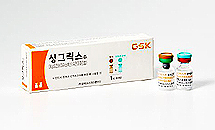
- The new shingles vaccine, Shingrix, has risen to lead the market in its first year of sales. It quickly gained 44% of the market share with its strong shingles prevention effect despite its high price. Since the addition of Shingrix, the market has doubled in size. According to the drug research institution IQVIA, the shingles vaccine market was worth KRW 87 billion last year, expanding 105.8% from the previous year. The domestic shingles vaccine market has been declining every year after reaching KRW 89.9 billion in 2019. In 2022, the market size was KRW 42.3 billion, less than half of what it was 3 years ago. The analysis is that the pandemic has caused the premium vaccine market to shrink. Annual size of shingles vaccine market (Unit: KRW 100 million, Data: IQVIA) However, the introduction of the new Shingrix has revitalized the shingles vaccine market. In last year’s shingles vaccine market, Shingrix posted the most sales, posting KRW 38.5 billion in sales. The vaccine, which has been available since December 2022, began to exert its presence in Q1 last year with sales of KRW 6 billion, occupying a 28.9% share. In Q2 last year, it quickly became the leading shingles vaccine, posting KRW 11.1 billion, and continued to lead in Q3 and Q4, posting KRW 9.9 billion and KRW 11.1 billion, respectively. Shingrix’s share of the shingles vaccine market last year reached 44.2%. In other words, the vaccine took the market by storm, occupying nearly half of the total market in its 1st year of release. In Q4 last year, the company's market share rose to 50.2%, further solidifying its lead. The greatest benefit of Shignrix is its strong shingles-prevention effect. In a Phase III clinical trial (ZOE-50) that was conducted on adults aged over 50 years of age, Shingrix showed a 97.2% efficacy compared to the non-vaccinated group at 3.2 years of follow-up, and in another Phase III clinical trial (ZOE-70) conducted on adults aged 70 years and above, Shingrix showed an 89.8% efficacy at 3.7 years of follow up. This is superior to the 5% protection in adults aged over 50 years of age and 41% in adults aged 70 years and above demonstrated with the use of Zostavax. The prevention rate of SKYZoster is also known to be comparable to Zostavax. Also, Shingrix’s safety profile was confirmed through 5 clinical trials that were conducted on immunocompromised patients aged 18 years and older. Based on such evidence, patients who received autologous hematopoietic stem cell transplantation or those with solid cancer, blood cancer, or solid organ transplant patients who have an increased risk of shingles are also eligible to receive vaccination with Shingrix. At the time of its release, Shingrix's significantly higher price than existing vaccines was pointed to as an obstacle to the vaccine’s early settlement into the market. vaccines. The price of Shingrix, which is administered two times in total, is set at around KRW 500,000 to 600,000. This is more than twice as high as the existing vaccine, which costs KRW 150,000 to 200,000. However, Shingrix rapidly increased its market share in the market supported by its superior efficacy despite the high price. Also, the sales support from 2 domestic pharmaceutical companies contributed to Shingrix’s rapid market penetration. GSK started domestic sales of Shingrix in partnership with two companies, GC Biopharma and Kwangdong Pharmaceutical. Sales of shingles vaccines (Unit: KRW 100 million, Data: IQVIA) Existing shingles vaccine products such as SKYZoster and Zostavax saw sales increase from the previous year, but their market share declined due to Shingrix. SK Bioscience’s SKYZoster’s sales had risen 33.3% YoY to record KRW 26.2 billion last year. SKYZoster is a live attenuated vaccine for the prevention of shingles that was developed by SK Bioscience with its proprietary technology. The vaccine has proven its non-inferiority compared to its competitor (Zostavax) in adults aged 50 or older in 8 domestic clinical institutions. In October 2017, the company obtained approval for SKYZoster from the Ministry of Food and Drug Safety for 'preventing shingles in adults over the age of 50'. Before its approval, MSD's Zostavax was the only vaccine in the market, and the introduction of SKYZoster had sparked market competition. SKYZoster's growth slowed during the pandemic after posting KRW 34.1 billion in sales in 2019. In 2021, sales fell to 18.2 billion won, a 46.7% drop in two years. SKYZoster rebounded in 2022 with 19.7 billion won in sales and grew even more last year. However, its market share fell from 46.5% in 2022 to 30.1% in one year due to the rise of Shingrix. In the case of Zostavax, it posted sales of KRW 22.4 billion last year, up 0.5% YoY. In 2019, Zostavax posted KRW 55.9 billion in sales, occupying 62.1% of the market share. However, its sales have been on a downward trend since then, and its share shrank to 25.7% last year.
- Company
- Samsung Bioepis’s Eylea biosimilar Afilivu approved in KOR
- by Son, Hyung-Min Feb 26, 2024 05:24am
- Samsung Bioepis announced on the 23rd that it has obtained domestic approval for its Eylea biosimilar ‘Afilivu.’ The approval marks the 2nd ophthalmic disease treatment Samsung Bioepis has received approval for after being granted approval for its Lucentis biosimilar Amelivu. Eylea is a macular degeneration treatment developed by the multinational pharmaceutical companies Regeneron and Bayer. Samsung Bioepis plans to comarket both Amelivu and Afilivu with Samil Pharm. The companies released Amelivu last year and signed an agreement for Afilivu in February this year. Samsung Bioepis conducted a Phase III clinical trial for its Eylea biosimilar in 449 patients with wet age-related macular degeneration from June 2020 to March 2022 in 10 countries, including the U.S. and South Korea. In the clinical trial, Afilivu demonstrated bioequivalence in terms of efficacy and safety with Eylea. "With the approval of Afilivu, we have once again demonstrated our biopharmaceutical research and development capabilities. We will continue to strive to contribute to addressing unmet medical needs in the field of ophthalmic diseases in Korea."
- Company
- Eylea continues to lead AMD mkt despite new competition
- by Son, Hyung-Min Feb 26, 2024 05:24am
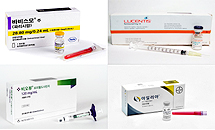
- The entry of new drugs in the macular degeneration treatment market made little impact on Eylea’s sales. Eylea continued to top the macular degeneration treatment market last year, posting sales of KRW 96.7 billion. The Eylea biosimilars Vabysmo and Lucentis, which were released last year, have shown little presence in the market yet. According to the market research institution IQVIA on Thursday, Eylea’s revenue last year was KRW 96.7 billion, up 20.2% from the KRW 80.4 billion it had made in 2022. Eylea is a vascular endothelial growth factor-A (VEGF-A) inhibitor for macular degeneration that was developed by Bayer and Regeneron. The drug was approved in Korea in 2013 and entered the market in earnest the following year after receiving reimbursement approval. Although Eylea’s sales were lower than that of its competitor Lucentis until 2015, the market demographic changed in Q3 2016. Since then, Eylea’s sales have continued to grow, reaching KRW 46.8 billion in 2019, and then KRW 60.3 billion in 2020. In 2022, it surpassed the KRW 80 billion mark and reached the KRW 100 billion mark the last year. However, Eylea now has to fend off an onslaught of biosimilar competitors due to the expiration of its patent last month. Celltrion, Samsung Bioepis, and Sam Chun Dang Pharm have all made a bid with their Eylea biosimilars. The original developers, Bayer and Regeneron, are preparing to develop a higher-dose version of Eylea in preparation for the entry of biosimilars. The companies plan to launch a higher-dose formulation to increase the dosing interval. The two companies plan to seek approval for the higher-dose Eylea for all of their approved indications, including diabetic macular edema (DME), wet age-related macular degeneration (wAMD), and retinal vein occlusion. Novartis’s Lucentis posted sales of KRW19.8 billion last year, down 20.2% from the previous year. Lucentis’s sales have declined steadily since 2020, when it generated KRW 37 billion in sales. In 2022, the company reported sales of KRW 29.4 billion, and even less, to record sales of less than KRW 20 billion last year. Lucentis uses the same mechanism of action to inhibit VEGF-A as Eylea but has a shorter dosing interval. Lucentis must be administered once a month, compared to Eylea, which can be administered once every two months. Eylea’s efficacy had demonstrated superior vision improvement to Lucentis in patients with severe vision loss due to diabetic macular edema. Therefore, Novartis plans to focus on marketing its next macular degeneration drug, Beovu. Like Eylea, Beovu can be dosed once every 2 months. Beovu, which was released in Korea in Q3 2021, generated sales of KRW 8.6 billion in the same year. Since then, its sales have continued to grow, generating sales of KRW 16.5 billion in 2022 and KRW 21.3 billion last year. Total sales of new drugs and biosimilars that entered the market last year amount to KRW 19 billion The Lucentis biosimilars and Roche's Vabysmo, which were newly launched last year, did not make much of an impact in the market the past year. Chong Kun Dang’s LucenBS, which was the first Lucentis biosimilar to enter the market, sold KRW 500 million, and Amelivu, which is comarketed by Samsung Bioepis and Samil Pharm, sold KRW 800 million last year. Chong Kun Dang sought to turn the atmosphere around with a price cut. The company cut the price of Lucentis from KRW 300,000 to KRW 150,000 this month. The original Lucentis costs KRW 580,000 per vial and Samsung Bioepis' Amelivu costs KRW 350,000 per vial. Because its competitor has significantly reduced the price of its drug, attention is rising to what Samsung Bioepis will do in the next as well. Vabysmo, which had gained great attention even before its launch, generated KRW 600 million in sales last year. However, the real competition is expected to start this year, as Vabysmo was granted reimbursement in October last year. Vabysmo is a macular degeneration treatment that was developed by Roche. The drug not only inhibits VEGF but also blocks the angiopoietin-2 (Ang-2) pathway to inhibit neovascularization. Blocking both pathways independently has been shown to be more effective than blocking VEGF alone in reducing inflammation, leakage, and abnormal blood vessel growth. In particular, in clinical trials, Vabysmo improved visual acuity at a level non-inferior to that of Eylea in the TENAYA and LUCERNE trials that compared its safety and efficacy with Eylea. Its duration of response lasted 24 months. In other words, Vabysmo achieved comparable efficacy to other treatments with once every 4 months dosing compared to the once every 1-2 month dosing required for other treatments. In the global market, Vabysmo’s sales are already closing in on that of Eylea. Vabysmo generated approximately USD 3.56 trillion in global sales last year, more than half of Eylea’s $7.8 trillion, in just 2 years after its launch.
