
- LOGIN
- MemberShip
- 2026-05-04 18:09:03
- Company
- Skyrizi approved for palmoplantar pustulosis
- by Son, Hyung-Min Apr 23, 2024 05:36am
- Yoo Sang Baek, Professor of Dermatology at Korea University Guro Hospital Whether Skyrizi will be able to address the patients’ unmet needs for patients with palmoplantar pustulosis with its ease in administration is receiving attention. As a maintenance therapy, Skyrizi can be administered every 12 weeks, making it easier to dose than other treatments. Doctors have analyzed that the use of such new biological agents would be highly useful for patients with palmoplantar pustulosis, as existing treatments had little effect until now. On April 22, AbbVie Korea held a press conference at Andaz Hotel in Apgujeong, Seoul, to celebrate the approval of Skyrizi, a psoriatic disease treatment, for palmoplantar pustulosis. Skyrizi is a biologic agent developed by AbbVie that inhibits interleukin (IL)-23, and the drug was approved for the treatment of palmoplantar pustulosis on the 9th, extending its indication. Skyrizi inhibits IL-23, which is involved in inflammation and has been shown to be effective in several chronic immune-mediated diseases, including psoriasis. Palmoplantar pustulosis is a condition characterized by rashes, blisters, red spots, and sterile pustules on the palms and soles, and is often accompanied by intense itching and pain. People with palmoplantar pustulosis may experience crusting, thickening, erythema, and other changes at the same time. 90% of people with palmoplantar pustulosis also have plaque psoriasis and psoriasis on other parts of the body at some stage of the disease. In particular, these patients are particularly challenged by frequent disease exacerbations, partial remissions, and recurrence. Depending on the severity of the disease, topical pharmacotherapies, phototherapy, and systemic oral medications have been used to treat palmoplantar pustulosis, but have seen little effect. This is why whether the indication extension granted for Skyrizi will address the unmet need for patients with palmoplantar pustulosis is receiving attention. The indication extension to palmoplantar pustulosis was based on the results of the JumPPP study, a Phase 3 clinical trial conducted in Japan to evaluate the efficacy and safety of Skyrizi in 119 adult patients with moderate-to-severe palmoplantar pustulosis. Results showed that Skyrizi achieved a mean reduction in PPPASI (Palmoplantar Pustulosis Area and Severity Index) of -11.96, compared to -8.48 in the placebo arm. The PPPASI achievement rate at Week 16 was 41.4% for Skyrizi and 24.1% for placebo. Symptom improvement with Skyrizi was maintained through Week 68. As maintenance therapy, Skyrizi can be administered every 12, providing convenient dosing. Yoo Sang Baek, Professor of Dermatology at Korea University Guro Hospital, said, “The advantages of Skyrizi are in its significant effect in treating psoriatic disease and convenient dosing of 4 times a year. There are other treatment options, such as guselkumab, but they are not covered through a special health insurance co-payment calculation rate, thereby incurring a much out-of-pocket cost. Some patients revert to their previous treatment due to financial difficulties. This is why it is important to have a number of new treatment options available."
- Company
- Novartis fosters innovative talent through focus on purpose
- by Eo, Yun-Ho Apr 23, 2024 05:36am
- Novartis Korea has gone through a period of transformation over the past few years. As part of the global headquarters' large-scale reorganization, the company's long-established oncology and pharmaceutical businesses were merged. Although the businesses were operating under one name, Novartis, the two departments were operated independently. In fact, Marketing and Sales, as well as supporting departments such as Market Access, Government Affairs, and Licensing, were all organized separately. However, through the integration process, all of the departments were merged into one and led by a single head. As a result, a general manager of the integrated corporation was appointed for the first time since its establishment, and Novartis Korea was reborn. Dailpharm interviewed Hyunhee Lee, head of People & Organization (P&O) at Novartis Korea, a company that has been leading the innovative new drug business, including gene therapy drugs represented by CAR-T drugs, about the company's vision, ideal talent, and welfare benefits. Hyunhee Lee, head of People & Organization (P&O) at Novartis Korea-Could you first briefly introduce us to Novartis Korea? Globally, Novartis has approximately 78,000 employees in 143 countries. We have about 500 people at Novartis Korea. About half of our employees are internal staff, and the overall gender ratio is 52% female and 48% male. The ratio of female managers is 64% and the ratio of female executives is 68%, which is high among global companies. The average age of our workforce is 40, with around 60% of the workforce belonging to the MZ generation. The number of employees reaching retirement age at Novartis is also increasing. While we can't generalize, there have been cases where we extended the retiring employees’ terms of service through contract positions based on company and individual needs. I think it’s now time to think about career programs that fit the aging workforce. - Novartis has a significant number of female executives, which may partially be because the company is a multinational company. I think our culture encourages diversity and inclusion, and Novartis has a strong culture of employee ownership and initiative - a culture where you can be yourself and reach your full potential. There are a number of career development trainings, platforms, and sessions for women, including the Accelerating Women Leadership Program (AWLP). We also plan succession and talent reviews in a way that emphasizes diversity, including gender balance in the process of appointing executives and managers. The company culture is also very horizontal. All executives including the CEO listen to employees and emphasize an employee-driven and ownership culture. -What kind of employee does Novartis look for? Novartis' mission is to "Reimagine Medicine, Together.” The most important aspect of the company's mission is to find people who are motivated by the company's goal of reimagining medicine to improve and extend the lives of patients. Our 4 corporate behavioral values are summed up as ICUI, which stands for Inspired, Curious, Unbossed, and Integrity. In other words, we are looking for people who align with and practice these 4 behavioral values. – What are the qualifications for new hires, and what is the hiring process like? Also, what is the criteria for applying for an experienced position? e We do not have a regularized process for large-scale new recruitments. We hire applicants with the necessary experience and qualifications for each job and function ad hoc. We do not have any specific educational requirements or mandatory qualifications (such as English language certifications or recognized certification scores). However, in general, we conduct three rounds of interviews after the initial screening, including one English interview. -Many university students these days hope to join a multinational pharmaceutical company. Do you have any advice for university students who are interested in joining Novartis (excluding nurses, pharmacists, etc.) We are not actively recruiting new college graduates, but we have had intern programs in the past and it is one of our priorities this year. We are also planning to organize career fairs to help university students get to know Novartis better. My advice to university students who are interested in joining Novartis would be to prepare a story about a project or task that they have worked on on their initiative and derived results. It is important that they have taken ownership and initiative, and that they can tell their own story about a result that they have made from start to finish. We often call this an 'Elevator Speech', or ‘Elevator pitch,’ for example, it would be good to be prepared to explain your story in a short time, like when you take the elevator from the 1st floor to the 49th floor where Novartis Korea is located, in case you have that opportunity to talk to an influential person in the elevator. With so many different stakeholders involved in our industry, communication skills are also very important. It's important to develop a persuasive communication style that brings collaborative synergy. -What programs do you offer for the employees’ self-development once they are hired? As part of Novartis' purpose-driven corporate culture, we are committed to creating a workplace where employees are encouraged to think about why they do what they do and how they can take ownership of their work. First, ‘Make Your Move’ is an initiative that allows employees to explore and experience work across departments. We have an open internal recruitment system, with opportunities to move to other departments at any time, resulting in an internal hiring rate of over 60%. Talent Brokering is held monthly globally and monthly in APMA (Asia Pacific, Middle East, and Africa). Each country is transparent about open roles or availability of short-term – 3-month, 6-month, and 1-year - projects. We've created a practical platform for our employees to use as bridgeheads for their careers beyond the local region, and discussions are always ongoing within the platform. Last year, employees in Korea had the opportunity to participate in more than 6 regional and global projects, and as Novartis Korea rose to become one of the top 10 countries in the world, employees from various regions such as those from the Swiss headquarters have also applied to come to Korea to test their skills. - What reward programs or incentives do you have? Incentives are given based on sales targets. For departments other than sales, there are separate bonuses allocated based on base salary for each job and position, which are weighted by company performance and individual performance. In addition to the sales awards, Novartis has a reward system called ‘GEM (Go the Extra Mile),’ which looks for gems that align with key pillars of our strategy. In addition, we have a variety of other recognition programs, including the Star Awards given at the APMA regional level and the CEO Field Awards, for which employees are invited to the Novartis Basel headquarters to meet with Chairman Vas Narasimhan. We also have a Spark program in place to encourage and reward employees throughout the year. The reward system utilizes points that can be cashed in to encourage organic collaboration between departments. - Is there a limit for annual salary increases? Novartis conducts an annual market wage survey to determine the market value of compensation for each role and job code based on a market-based approach to compensation and recommends a compensation range of 70-130% of the market median, but there is no set limit. -How is the evaluation process done, since half of the positions are internal positions? We have eliminated the traditional rating-based personnel evaluation system and have established a feedback-based evaluation culture. At least once every quarter, managers and employees exchange feedback on the employees’ performance and seek ways for improvement. - We also want to know about the company's welfare benefit system. The company's welfare policies emphasize individual autonomy. We offer flexible and hybrid work arrangements so you can choose where you work. Also, new hires receive a special 5-day paid vacation. This is to give them time off to rest during the closing period around Christmas to the beginning of the year. We offer at least 21 vacation days, which is 15 statutory vacation days plus 6 days, which increases by 1 day every 2 years up to 34 days. Maternity leave is 98 days, 8 days more than the stipulated 90 days, and male employees can also take about 14 weeks of paid paternity leave when their spouse gives birth. In addition to the leave system, there are welfare programs such as kindergarten support for preschoolers and full tuition support for middle, high school, and university, as well as various family-oriented programs and events. In addition, the company has several employee-led programs in place, including establishing ‘N-chive,’ a one-stop archive for company policies, internal processes, and in-house programs.
- Company
- AstraZeneca focuses on improving competitiveness of NMOSD
- by Eo, Yun-Ho Apr 22, 2024 05:45am
- (From upper left) Soliris, Ultomiris. AstraZeneca focuses on improving the competitiveness of neuromyelitis optica spectrum disorder (NMOSD) treatments. The company aims to target the market as its new blockbuster drugs, 'Soliris (eculizumab),' which is used to treat paroxysmal nocturnal hemoglobinuria (PNH), and 'Ultomiris (ravulizumab),' which is a treatment for neuromyelitis optica spectrum disorder (NMOSD), expand indications. In 2021, Soliris received approval for an expanded indication for NMOSD in South Korea. After a prolonged discussion about its listing for insurance reimbursement, Soliris can now be reimbursed for insurance under expanded criteria starting this month (April). The specifics of reimbursement criteria include adult NMOSD patients aged 18 and above who test positive for anti-aquaporin-4 (AQP-4) antibodies, with at least two symptom relapses within the past year or at least three relapses within the past two years (including at least one relapse in the past year). Soliris can be prescribed when 'Mabther (Rituximab)' or ' Enspryng (satralizumab)' treatment cannot be continued due to relapses or side effects following administration. In terms of Ultomiris, after a failed attempt last September, it secured U.S. FDA approval for an additional indication last month. Ultomiris has a higher adherence rate than Soliris. While Soliris requires injections every two weeks, Ultomiris is administered every eight weeks, resulting in longer intervals between doses. The expansion of Ultomiris indications is based on the global Phase 3 CHAMPION-NMOSD study results. During the 73-week treatment period (median value), none of the patients who received Ultomiris relapsed, resulting in a reported 98.6% reduction in relapse risk compared to the control group. On average, NMOSD is a chronic autoimmune disorder that affects the central nervous system. It is estimated to impact approximately 200,000 people worldwide and is more commonly found in women aged 30 to 40. Initially recognized as a variant of multiple sclerosis, a chronic inflammatory demyelinating disease of the central nervous system, NMOSD was distinguished from multiple sclerosis upon the discovery of disease-specific antibodies (aquaporin-4 [AQP4]-IgG) in opticospinal myelitis patients' serum. According to the Korean Society of Neuroimmunology, as of 2017, about 3.56 individuals per 100,000 are estimated to be affected by NMOSD. It is estimated that there are over 1,000 NMOSD patients in South Korea. The average onset age of NMOSD in South Korea is reported to be 43 years old, with a prevalence that is 4.7 times higher in females than in males.
- Company
- Will Padcev be deemed cost-effective and receive DREC review
- by Eo, Yun-Ho Apr 22, 2024 05:45am
- Whether the reimbursement discussions for Padcev, a new antibody-drug conjugate for bladder cancer, will make progress is gaining attention. According to industry sources, Astellas Pharma Korea’s Padcev (enfortumab vedotin), which passed the Health Insurance Review and Assessment Service's Cancer Disease Review Committee in February, has completed pharmacoeconomic evaluations and is being reviewed by the subcommittee. Whether the agenda will pass the subcommittee review and be presented to the Drug Reimbursement Evaluation Committee remains to be seen. The drug is recommended as Category 1 in the National Comprehensive Cancer Network (NCCN) guidelines. It is a new treatment option for urothelial cancer patients whose cancer has progressed or recurred even after receiving treatment with immunotherapy drugs and platinum-based chemotherapy, for whom no standard of care has existed as of yet. The drug was approved in March in Korea for the treatment of adult patients with locally advanced or metastatic urothelial cancer who have received prior treatment with PD-1 or PD-L1 inhibitors and platinum-based chemotherapy. The key to Padcev’s successful reimbursement is in receiving a beneficial ICER threshold from the government in recognition of its innovativeness, like Enhertu (trastuzumab deruxtecan), which was listed in April. Padcev is also known to meet the government's preferential treatment standards for innovative new drugs. The standards are ▲ there is no substitute or therapeutically equivalent product or treatment ▲ demonstrated clinically meaningful improvement, such as a significant extension in survival ▲ the new drug has been approved by the Ministry of Food and Drug Safety under Article 35(4)(2) of the Pharmaceutical Affairs Act (designation of priority review) and were approved through the fast-track (GIFT) or received a breakthrough therapy designation (BTD) by the US FDA or a priority review (PRIME) by the European Union’s EMA. Padcev demonstrated its efficacy through the EV-301 study, an open-label, Phase III trial that was conducted on 608 patients with locally advanced or metastatic urothelial cancer who have previously been treated with platinum-based chemotherapy and PD-1 or PD-L1 inhibitors. Study results showed that Padcev reduced the risk of death by 30% compared to chemotherapy. The median overall survival (OS) of the Padcev group was 12.9 months, demonstrating a significant improvement in survival compared to chemotherapy's 9.0 months. In addition, Padcev significantly improved progression-free survival (PFS) with a 39% reduction in disease progression or death risk, with the median progression-free survival (PFS) for Padcev being 5.6 months and 3.7 months for the control group. Mi-so Kim, Professor of Oncology at Seoul National University Hospital, explained, “Urothelial cancer progresses quickly and requires continuous treatment, but patients were left to use chemotherapy for later line therapies after using immunotherapy in the second-line due to the lack of a standard later line treatment option. Padcev can be used in patients whose cancer had progressed or relapsed after chemotherapy (first-line therapy) and immunotherapy (second-line therapy or first-line maintenance therapy), and will open a new paradigm in the treatment of patients with locally advanced or metastatic urothelial cancer.”

- Company
- Global companies are affected by doctors’ resignation
- by Moon, sung-ho Apr 19, 2024 06:24am
- Two months have passed since the government announced its plan to raise the medical school quota by '2,000' students. Pharmaceutical companies are facing more marketing challenges amin the ongoing dispute between the medical community and the government. In particular, global pharmacies that launched new drugs after overcoming reimbursement hurdles face challenges as new patients decline. In addition to local pharmaceutical companies, global companies are also impacted by doctors’ strikes. According to industry sources on April 6th, the Ministry of Health and Welfare (MOHW) approved the new listing and reimbursement expansion of 18 drugs until April. Due to the new listing and reimbursement expansion, approximately KRW 434.2 billion from the annual health insurance budget will be allocated toward these items this year. Last year, approximately KRW 381.5 was spent in 32 reimbursed drugs (24 newly listed and 8 reimbursement expanded drugs), whereas this year’s expenditure has already surpassed last year’s even before the end of the first half of the year. Breaking down the pricing by drugs, there are items that have gathered attention in the clinical field in South Korea. For example, the list includes Tagrisso (osimertinib) and Leclaza (lazertinib, Yuhan), which competed for reimbursement expansion for the first-line treatment of non-small cell lung cancer (NSCLC). According to estimates from the MOHW, Tagrisso and Leclaza will receive KRW 204.6 billion and KRW 137.7 billion, respectively, in finances this year. Both drugs were approved for reimbursement expansion in January. Out of the total finance, the expected increase due to reimbursement expansion would be KRW 92 billion and KRW 88.1 billion for these two drugs, and 2634 patients are expected to benefit from coverage of the first-line treatment. For these two drugs, an increase in financial spending by KRW 180 billion is expected. Among the drugs newly listed up to April, the antibody-drug conjugate (ADC) 'Enhertu (trastuzumab deruxtecan, Daiichi Sankyo Korea, AstraZeneca)' accounted for the largest part of the financial spending. The MOHW has calculated the expected financial spending for Enhertu, which is reimbursed for breast cancer and gastric cancer, to be KRW 134.7 billion. Among the reimbursement expanded and newly listed drugs, this is the single item with the highest financial spending. In addition to anticancer drugs, drugs for chronic diseases, such as the 'chronic kidney disease' drug Kerendia (finerenone, Bayer), are among the drugs gaining attention. As it can be prescribed in endocrinology and nephrology departments within university hospitals, it is considered a notable new drug from a global pharmaceutical company. This is supported by the government’s estimate that 29,350 patients can benefit from the reimbursement listing. Since the announcement on February 6th of an increase in medical school quotas, there have been mass resignations extending beyond resident physicians to professors at nationwide university hospitals, resulting in continued disruptions in medical services. The pharmaceutical industry, which must actively engage in sales and marketing following successful new drug approvals or reimbursement expansion, is in a challenging environment. As a result, they remain cautiousness about holding medical symposiums after new drug launches. So far, challenges have primarily been experienced by suppliers of surgical materials, pharmaceuticals, medical devices, wholesalers, and domestic pharmaceutical companies. However, this situation could also impact global big pharma with new drugs. AstraZeneca and Yuhan have been proactively preparing through prior processes, such as clearing the Drug Committees (DC) at hospitals for Tagrisso and Leclaza in line with the reimbursement expansion in January. This effort was aimed at gaining an advantage in the non-small cell lung cancer market through medical institution coding work. As a result, by the end of March, AstraZeneca cleared the DC review of Tagrisso in 94 hospitals, and Yuhan cleared the DC review of Leclaza in 103 hospitals. However, university hospitals face difficulties treating new patients with prolonged medical service disruptions. As a result, the expansion of the field for these two treatments, Tagrisso and Leclaza, is unfolding differently than anticipated. Enhertu, which became reimbursed in April, may have faced similar circumstances in a clinical setting specializing in oncology. Daiichi Sankyo and AstraZeneca, in joint sales and marketing, have obtained approval from the DC in 60 hospitals for Enhertu. “Due to structural challenges, our focus is currently on existing patients, but we must see new patients,” a professor of Hematology-Oncology at Hospital A commented. He added, “Despite efforts to prioritize patient care as much as possible, there has been a decline in the number of new patient treatments, which may result in reduced drug usage.” “Because leukemia patients are still being accepted through the emergency room, new patient intake has not stopped. The problem is that it is now becoming a chronic situation,” another professor of Hematology at a different university hospital stated. He added, “Even if the range of treatments expands, it will be challenging for pharmaceutical companies due to the structural constraints in the clinical setting, making it difficult to utilize them effectively.” Global big pharma headquarters are now increasingly concerned about the consequences of the increase in medical school quotas for the clinical field in South Korea. At the same time, there is a sense of urgency to evaluate the extent of revenue decline in the first quarter of this year due to the controversy surrounding the expansion of medical school quotas. "The headquarters closely monitors the long-term treatment disruption issue in the domestic clinical field. This issue is a major topic in every video conference," an anonymous executive from the Korean subsidiary of a global pharmaceutical company stated. He added, "As we are in a situation where the introduction of new drugs or their reimbursement is at stake, we are proactively evaluating and communicating the potential consequences of this situation."
- Company
- Adcetris’s IPS requirement for reimb may be removed
- by Eo, Yun-Ho Apr 19, 2024 06:23am
- A green light has been given for the removal of the IPS score requirement for Adcetris, which had been a long-standing wish of the patients. According to industry sources, Takeda Pharmaceutical Korea’s reimbursement expansion application to remove the International Prognostic Score (IPS) score criteria for prescribing its Adcetris (brentuximab vedotin) in combination with chemotherapy (AVD, adriamycin+bleomycin+dacarbazine) in Hodgkin's lymphoma passed the Health Insurance Review and Assessment Service's Cancer Disease Review Committee review on the 17th. Adcetris )’ was granted reimbursement as a first-line treatment for Hodgkin’s lymphoma in 2021, but a restriction of "IPS score of 4" was applied, meaning that the drug was only reimbursable for patients with severe disease. As a result, patients with an IPS score of 2-3 have been prescribed an existing chemotherapy combination, ABVD (adriamycin+bleomycin+vinblastine+dacarbazine), instead of Adcetris. Even patients with stage IV disease were unable to benefit from Adcetris and its better efficacy if they had a low IPS score. However, when analyzing the results of the 1,344 patients in the ECHELON-1 trial, Adcetris demonstrated efficacy in high-risk patients who were Stage IV, male, younger, and had an IPS score of 4-7. The National Comprehensive Cancer Network (NCCN) guidelines recommend Adcetris+AVD for the treatment of patients with stage III and IV disease, and the European guidelines allow Stage IV patients to be treated with Adcetris regardless of the IPS score. Therefore, the medical community has been pushing for the removal of the IPS score requirement from Adcetris’s reimbursement criteria, and expectations are rising with its passage of the CDDC review this time. However, it remains to be seen if Adcetris can clear the remaining hurdles, including the Drug Reimbursement Evaluation Committee and drug price negotiations, and remove the IPS score requirement from its reimbursement criteria. In the Phase III ECHELON-1 trial, Adcetris demonstrated superior clinical efficacy compared to ABVD in previously untreated patients with stage III or IV classical Hodgkin lymphoma. Its three-year progression-free survival (PFS) analysis showed that the Adcetris combination therapy (PFS rate 83.1%) reduced the risk of disease progression by 30%, compared with ABVD (PFS rate 76%).
- Company
- Drug exports escape ‘COVID-19 endemic slumps’ with botox
- by Kim, Jin-Gu Apr 19, 2024 06:23am
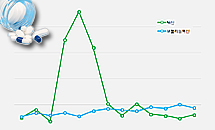
- The export values of drugs developed by Korean pharmaceutical companies increased 16% year-over-year in Q1. Compared to other quarters, it is the highest amount two years after Q1 of 2022. The export performances of domestic drugs had stagnated after the announcement of the endemic. However, the pharmaceutical industry has a positive outlook, as exports have started to recover since Q3 last year. According to the Korea Customs Service, exports of domestic drugs amounted to US$1.72 billion (approximately KRW 2.38 trillion). This is an increase of 16.1% over a year, compared to US$1.4 billion in Q1 of 2023. Around the same period, drug imports amounted to US$2.24 billion (approximately KRW 3.1 trillion), down 6.7%. As exports increased while imports decreased, the trade balance improved from KRW 925.38 million at loss to KRW 527.21 million at loss. Domestic drug exports have skyrocketed during the prolonged COVID-19 pandemic. In Q4 of 2020 and Q1 and Q4 of 2021, export values increased to over US$2 billion. Domestically produced COVID-19 vaccines played a significant role in boosting the export performance at that time. Quarterly drug exports (Unit: US$1 million, Source: Korea Customs Service). After the announcement of the COVID-19 endemic, export values declined due to decreased exports of domestically produced vaccines. Since Q4 of 2022, the export value has been consistently around US$1.5 billion, gradually decreasing. However, it was KRW 1.27 billion in Q3 of last year, the lowest after the endemic, but rebounded. The export value increased to US$1.6 billion in Q4 last year and over US$1.7 billion in Q1 of this year. It is the highest quarterly value since Q1 of 2022. Among major items, Botolinum toxin exports increased while vaccine exports decreased. Botolinum toxin exports in Q1 amounted to US$87.95 million (approximately KRW 120 billion), up 16.3% compared to US$75.64 million in Q1 of last year. In terms of countries, the export of botulinum toxin to the United States increased by 16.4% from US$14.5 million to US$16.88 million. Exports to China doubled from US$7.26 million to US$14.65 million. Exports to Japan increased by 64.1% from US$4.11 million to US$6.74 million. However, exports to Brazil decreased by 31.1% from US$9.73 million to US$6.71 million, and exports to Thailand decreased by 18.2% from US$6.53 million to US$5.34 million. Quarterly export values of vaccines and botolinum toxin (Unit: KRW 100 million, Source: Korea Customs Service). Vaccine exports decreased by 40.5% from US$135.6 million in Q1 of last year to US$61.59 million (approximately KRW 85 billion) in Q1 this year. The last export of domestically produced COVID-19 vaccines was in Q1 last year. However, COVID-19 vaccine exports sharply declined, steadily decreasing until Q4 and rebounding in Q1 this year.

- Company
- Korean pharma companies accelerate global market entry
- by Heo, sung-kyu Apr 18, 2024 05:54am
- Domestic pharmaceutical companies are targeting the Southeast Asian and Latin American markets as a bridgehead to their entry into the global market. As these are still emerging markets, the companies believe that they can secure relative competitiveness in those markets. For this, the companies are exploring the market through various strategies such as seeking local approvals or indirect entry through agreements, among others. According to industry sources on the 15th, pharmaceutical companies in Korea have recently started to accelerate their efforts to enter the Southeast Asian and Latin American markets. The reason the companies are primarily targeting these emerging markets is due to their high growth potential, as they point of entry for the companies’ global expansion. As these markets show high growth potential, domestic pharmaceutical companies have been prioritizing entry into these regions as a starting point for their global expansion. To this end, domestic pharmaceutical companies have already confirmed their entry into various Southeast Asian countries such as Thailand, Vietnam, and Indonesia. The need for companies to enter emerging markets in addition to markets such as the U.S. and Europe have been rising, sparking interest in the so-called ‘pharmerging’ markets. Pharmerging is a new term that combines 'Pharma' and 'Emerging' and refers to emerging pharmaceutical markets such as the Middle East, Latin America, and Southeast Asia. Due to the companies’ continued interest in emerging markets, the entry of pharmaceutical companies – especially mid-sized pharmaceutical companies - into the Southeast Asian market has risen further. In fact, companies that have recently accelerated their entry into the Southeast Asian market include Yuyu Pharma and Jeil Pharmaceutical, which have been receiving marketing authorizations and signing related agreements. First of all, Yuyu Pharma has received approval for its ‘Yuhylys Soft Cap (dutasteride)’ from the Philippines Food and Drug Administration and the Myanmar Food and Drug Administration. Yuhylys is sold under the brand name ‘Armadart’ in the Philippines and the same as Yuhylys in Myanmar. Jeil Pharmaceutical recently signed a memorandum of understanding with Universiti Kebangsaan Malaysia (UKM) University Hospital for the exclusive supply of pharmaceuticals and R&D cooperation, and plans to promote technology transfer and local production with UKM through the agreement. In addition, companies that have already entered the market are also making further inroads. For example, LG Chem held a symposium on its 'Zemiglo Tab' at the Philippine College of Endocrinology, Diabetes & Metabolism conference. LG Chem has been working to penetrate the global market since 2017 and had already entered the Philippines in 2019. LG Chem plans to continue holding symposiums with Korean endocrinology professors in Thailand later this month and then in Latin America, including Mexico, in the second half of the year. As the company has already entered the markets of all these countries, the symposium held will help expand the company's presence in the exporting countries. In addition, Daewoong Pharmaceutical has recently applied for marketing authorization for its ‘Envlo Tab’ in Mexico. Daewoong's Envlo has already entered Southeast Asian markets such as Indonesia, the Philippines, Thailand, and Vietnam, and is expanding its area to Latin America, seeking approval in Brazil and Mexico. In addition, Hugel recently received marketing authorization for its PDO (polydioxanone) suture brand ‘Licellivi’ in Brazil and announced that it will establish a strategy for its rapid market settlement. Korean companies are entering the Southeast Asian and Latin American markets because they are expecting growth in these markets. According to an export support report released by the Korean Health Industry Development Institute, the pharmaceutical market in 6 major emerging countries (Indonesia, Vietnam, the Philippines, Thailand, Malaysia, and Singapore) is worth about USD 20 billion, or KRW 26 trillion. In particular, the per capita cost of drugs in the countries was about USD 36 last year, an increase of 6.6% YoY, and is expected to reach USD 46 by 2026 at an average annual growth rate of 7.4%. In addition, in Latin America, the pharmaceutical market is growing rapidly due to the high demand for products and high prevalence of hypertension and gastrointestinal diseases. The market is expected to grow at an average of 7% per year through 2023 to reach a total value of USD 76 billion. As such, more companies are also expected to take on the challenge of entering these emerging markets.
- Company
- Cinqair continues to land in general hospitals in Korea
- by Eo, Yun-Ho Apr 18, 2024 05:54am
- The biologic therapy for asthma, ‘Cinqair,’ is actively expanding its prescription area in Korea. According to industry sources, Teva-Handok’s monoclonal antibody Cinqair (reslizumab), which targets interleukin (IL)-5, has passed the drug committees (DC) of tertiary hospitals in Korea such as the Gangnam Severance Hospital, Samsung Medical Center, Seoul National University Hospital, and Seoul Asan Medical Center. The drug has been landing in hospitals in Korea after being listed for reimbursement in October last year. Cinqair has been granted reimbursement 8 years after failing its first attempt to enter the reimbursement system when it was approved in Korea in 2017. GSK's Nucala (mepolizumab), an antibody drug that has the same mechanism of action as Cinqair, was reimbursed with Cinqair through the risk-sharing agreement (RSA) system, while reimbursement for AstraZeneca's Fasenra (benralizumab) is being negotiated under the RSA track. These drugs are interleukin (IL)-5 antagonists, which work by reducing levels of blood eosinophils, a type of white blood cell involved in the development of asthma exacerbation. The drugs attracted attention upon their approval as a valid treatment option that hadn’t existed before. With reimbursed treatment options finally available for asthma, how the three drugs compete in the future is also receiving attention. Teva-Handok is currently co-promoting Cinqair with Teva-Handok. Meanwhile, Cinqair’s efficacy had been demonstrated through five placebo-controlled clinical studies that evaluated the safety and efficacy of Cinqair 3mg/kg in 1,028 adult and adolescent asthma patients that were uncontrolled with currently available therapies. In three Phase III clinical trial programs that were conducted on asthma patients with high blood eosinophil counts, Cinqair reduced the frequency of asthma exacerbations by up to 59% and significantly improved lung function, symptoms, and asthma-related quality of life. Also, Cinqair received attention for releasing the post-hoc analysis results of asthma patients who require Step 4 and Step 5 treatment among all patients who participated in the Phase III trial. Cinqair reduced the clinical degree of asthma exacerbations in patients classified as Step 4 or 5 under the Global Initiative for Asthma guidelines by 53% and 72%, respectively, and increased the level FEV1 (forced expiratory volume in 1 second) by 103ml in Step 4 patients and by 237ml in Step 5 patients, demonstrating that the benefit was found to be greater in Step 5 patients.
- Company
- Targrisso+chemo approved as 1st-line Tx for NSCLC in KOR
- by Son, Hyung-Min Apr 17, 2024 06:07am
- AstraZeneca Korea announced today that its Tagrisso in combination with platinum-based chemotherapy has been approved for the first-line treatment of EGFR-mutated non-small cell lung cancer. The approval marks the first time a combination therapy has been approved for the first-line treatment of EGFR-mutated lung cancer. The approval is based on the Phase III FLAURA2 trial in 557 patients with locally advanced or metastatic NSCLC who had received no prior systemic therapy and were positive for EGFR exon 19 deletion or exon 21 mutation. The study evaluated the efficacy and safety of the Tagrisso combination therapy versus Tagrisso monotherapy. Results showed that Tagrisso plus platinum-based chemotherapy reduced the risk of disease progression or death by 38% compared to Tagrisso monotherapy. Median progression-free survival (PFS) by investigator assessment was 25.5 months for patients treated with Tagrisso plus chemotherapy, an 8.8-month improvement versus Tagrisso monotherapy (16.7 months). Also, PFS results from blinded independent central review (BICR) were consistent with the results by investigator assessment, showing 29.4 months median PFS with Tagrisso plus chemotherapy, a 9.5-month improvement over Tagrisso monotherapy (19.9 months). In addition, in patients with the L858R mutation, the median PFS of Tagrisso plus platinum-based chemotherapy was 24.7 months, a 10.8 months extension over Tagrisso monotherapy (13.9 months.) Also, the benefits were consistent in patients with a greater unmet need, such as those with brain metastases or the L858R mutation. Dr. Sang-We Kim, professor of medical oncology at the Seoul Asan Medical Center who served as the principal investigator of the FLAURA2 trial in Korea, said, “The treatment of EGFR-positive lung cancer patients with brain metastases or the L858R mutation is challenging, their prognosis poor. We believe the approval has great significance in that patients will now be able to choose between two first-line treatment options, Tagrisso monotherapy or Tagrisso combination therapy.” Misun Yang, Director of the Oncology Business Unit at AstraZeneca, said, “We are pleased to see the Tagrisso+chemotherapy option approved this year, in addition to the reimbursement of Tagrisso in the first-line. With this reaffirmation of Tagrisso's value as a global standard of care in EGFR-mutated NSCLC, we will continue to work to ensure that more patients can benefit from Tagrisso’s value."
