
- LOGIN
- MemberShip
- 2026-05-04 15:38:45
- Company
- ‘HTL is the best global partner for Korean companies'
- by Lee, Seok-Jun Apr 26, 2024 05:48am
- There is an easy way for domestic pharmaceutical companies wishing to go global: meet a partner that has extensive experience in entering the global market. The companies can speed up their global expansions by receiving the partner's know-how and minimizing trial and error. Time is money. Especially in the rapidly changing pharmaceutical and biotechnology market, the timing of a company’s global entry can make or break the company. Earlier entrants have a better chance of success. This is why ‘partner networking’ is important for Korean companies that are about to go global. HTL Biotechnology is a global leader in providing high-quality pharma-grade biopolymers. For 30 years, the company has been providing customized solutions to global pharmaceutical companies and medical device manufacturers in the fields of ophthalmology, rheumatology, dermatology, and aesthetics. Its numbers speak for themselves. The company works with more than 100 clients in 30 countries. Since 2006, more than 400 million of its hyaluronic acid (HA) injectables have been safely used. It also owns a facility that meets the global manufacturing standards, including cGMP (US). The company also has a competitive edge in the DNA (PDRN/PN) market. Francois Fournier, CEO of HTL Biotechnology “The Korean market recognizes and appreciates value,” said Francois Fournier, CEO of HTL Biotechnology. The CEO expressed confidence that HTL can help Korean aesthetic companies go global. "Customers use HTL products because they recognize the value of HTL. It's the same as how we are willing to pay the price for a Samsung television. HTL is the perfect partner for Korean aesthetic companies seeking to go global. The differentiated competitiveness of HTL's products has been proven globally for decades. We also have global licensing know-how. Based on our strengths, we seek to become a customized partner for Korean aesthetic leaders." Dailypharm met with Francois Fournier, CEO of HTL Biotechnology, to learn more about the company's competitiveness and plans for expanding into the Korean market. As a company, HTL is less known in the Korean market. Tell us about HTL. HTL is a worldwide leader in the manufacturing production of biopolymers, especially pharmaceutical-grade biopolymers for medical use. We pioneered the use of the fermentation method to produce, manufacture, and develop biopolymers. Since its inception 30 years ago, the company has built a reputation for developing and producing high-quality products, such as HA. We are known for customizing the production according to the needs, so we don't do mass market production. We customize according to the client's needs. To reiterate, HTL is a global leader in the manufacture and development of pharmaceutical-grade biopolymers. Naturally, HTL is also a leader in the aesthetic and medical aesthetics markets. We supply raw materials (HA, DNA, etc.) for finished products. In the global medical aesthetics market, there is a 50% chance that an HA-based filler would contain HTL’s product, showing HTL’s leadership. The DNA (PN/PDRN) market is growing rapidly in Korea. What competitivity does HTL have in the DNA market? First, HTL has its own unique manufacturing process. Second, we provide products of very high quality and very high purity based on our unique process. Third, our clients’ feedback is different. The people injecting products containing HA from HTL or DNA from HTL say they feel a difference with HTL products inside. This is because we provide high-quality products customized to our clients’ needs. If one client wants to have HA of a certain molecular weight, we deliver. If another client wants another molecular weight, we deliver. We also have the manufacturing capacity to meet even the largest demands. In addition to providing raw materials, can HTL also support the global expansion of Korean companies? Most Korean aesthetic companies that HTL meets with have plans to export overseas. This is why they need premium products that meet the global standards. HTL is good at satisfying this need. We are also known for the quality of our services. We provide regulatory advice and regulatory support, and we are also known for our innovation and research and development team, so they know that if there is also development to do around the product, we can help them. We provide product-related services as well as manufacturing, development, and development-related support services for finished products. How competitive is your production facility? We have expanded our production capacity. Ten years ago, HTL was producing in kilograms, but now we can produce tons. We own the capacity to meet market demand. In terms of quality, we have been certified by all regulatory authorities. We are regularly inspected by the FDA in the US, the EMA in Europe, and various key regulatory authorities in Asia, and have passed all of them with flying colors. We are very proud of this. For example, the EMA uses HTL experts for some workshops they have around biopolymers, which is one recognition of our expertise in the area. This may be today’s most important question. What plans does HTL have for Korea? During the past decade, we have focused more on commercial activities, very much transactional with distribution, in Korea. Now, our objective is to be more strategic from a commercial standpoint and really understand the client's needs for HA and DNA, based on which we plan to expand the business. For this, we have organized a team led by Kyoung Seok Chun. Also, if there is an opportunity to establish development activities in Korea, we will do it. I cannot disclose the name of the company, but we have discussed the development of an HA delivery system with a Korean company. Korea is ahead of the rest of the world in many aspects of the aesthetic market, so it would be a great opportunity for HTL to develop products together. That’s something that we have been envisioning because Korea is the head of the curve. How attractive is the Korean market? First of all, Korea is a large and rapidly growing market. Also, the Korean market recognizes HTL's high-quality products. That's why we started commercial activities as our first step, focusing on sales in Korea. Now we have moved on to strategic business expansion beyond commercial. If there is an opportunity, we would very much like to work with Korean companies on various development projects. Price competitiveness may be an issue for HTL, considering the high quality of your products There is no low price, there is no high price. Rather, there is a price that reflects the quality of what you offer, and there is a price that reflects the value of the product a company or HTL provides. As I said, “The price reflects the quality of what you offer, The work we do around the world of biopolymers, in terms of production, in terms of services, in terms of customizing, has a value, and this value is reflected into the benefit of the finished product for the patient and the physician. So we have a price which reflects the value we have. For example, you're willing to pay more for a television made by Samsung than you would for a television whose brand and manufacturer you don't know. The same goes for HTL ingredients. I don't think the price is an issue because doctors feel the quality of the product they inject themselves. I think quality is more important to the customers. What advice would you like to give to Korean aesthetic companies planning to go global? HTL has great confidence in the importance and value of the Korean market. Korea is a market that recognizes and appreciates value. With more and more Korean companies expanding their business overseas, not only to Asia but also to the Middle East, Europe, and the U.S., I believe HTL is the perfect partner to help and support those Korean companies’ entry into the global market. Just as HTL is a global leader in raw pharmaceutical ingredients, we can help Korean companies become leaders in finished products. I think the Korean market, Korean companies, and HTL are a perfect fit for each other’s global expansion.
- Company
- LG Chem-EuBiologics will locally manufacture vaccines
- by Kim, Jin-Gu Apr 26, 2024 05:47am
- Heuisul Park, Head of LG Chem’s Specialty Care Business Unit (left) and Yeong-Ok Baik, CEO of EuBiologics (right) are posing for a photo to commemorate the signing of a CMO agreement LG Chem is joining hands with EuBiologics to speed up the development of pediatric combination vaccines that are being fully imported. LG Chem announced today that it has signed an agreement with EuBiologics to outsource the production of 'acellular Pertussis (aP)', the main antigen used for its hexavalent combination vaccine 'LR20062.’ LR20062 is being developed as a vaccine to prevent 6 infectious diseases: diphtheria, tetanus, pertussis, polio, meningitis, and hepatitis B. Compared to the pentavalent (diphtheria-tetanus-pertussis-polio-meningitis) vaccine commonly used in Korea, the hexavalent vaccine can be administered twice less. Under the agreement, LG Chem will provide aP strains to Eubiologics, and transfer the technology for the manufacturing process and testing methods. Eubiologics will supply the pertussis solutions to LG Chem, starting from those for LG Chem’s Phase III clinical trials. LG Chem will further invest in EuBiologics to build a GMP-certified facility to secure long-term supply. After commercialization, LG Chem expects to receive up to 20 million doses per year. Currently, LG Chem has completed a Phase I trial for ‘LR20062’ and expects to enter Phase II trials within the year. The Phase I trial confirmed LR20062’s comparable safety and immunogenicity to the existing hexavalent conjugate vaccine that the company has selected as a comparator. LG Chem explained, “We signed a CDMO agreement with EuBiologics to establish a stable domestic supply chain through timely development of combined vaccines in a situation where differentiated supply strategies overseas manufacturers implement in each country and stock shortage issues have an absolute impact on the supply of vaccines in Korea.” In fact, there is only one multinational pharmaceutical company that supplies hexavalent vaccines in Korea. Due to this, there has been a growing need for additional suppliers to meet the mid- to long-term demand. Based on the collaboration, LG Chem plans to commercialize LR20062 in Korea in 2030. Heuisul Park, Head of LG Chem’s Specialty Care Business Unit, said, “We plan to accelerate clinical development through close cooperation with EuBiologics, a leading domestic vaccine company. Amid rising concerns about vaccine shortage in Korea, we plan to actively contribute to creating an environment where our children can stably receive essential vaccines.”
- Company
- Forxiga prescriptions 'drop' after a 'withdrawal notice'
- by Kim, Jin-Gu Apr 25, 2024 05:50am
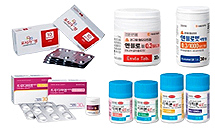
- (Clockwise from top-left) Product photos of Forxiga, Envlo, Dapalon, and Trudapa. The prescription sales of ‘Forxiga (dapagliflozin),’ an SGLT-2 inhibitor class treatment for diabetes, have declined to 22% over a year. After announcing its withdrawal from the Korean market at the end of last year, the company has distributed only the remaining stocks of Forxiga in South Korea, which may have impacted prescription sales significantly. Pharmaceuticals benefiting from Forxiga’s absence include generics, which were launched after Forxiga’s patent expiration last year, and Daewoong Pharmaceutical’s Envlo (ingredient: enavogliflozin), a new diabetes drug that falls into the same class as Forxiga. As of Q1 this year, Forxiga generics hold a 25% share of the SGLT-2 inhibitor market, while Envlo has expanded to 6%. Prescription sales of Foxiga in Q1 dropped by 22%...↑continued decline since the decision to withdraw from the Korean market According to the medical market research firm UBIST, Forxiga’s outpatient prescriptions in Q1 this year amounted to KRW 11.3 billion, a 22% decline over a year compared to KRW 14.5 billion in Q1 last year. The analysis suggests that the decline in the prescription performance of Forxiga can be attributed to the release of generics following Forxiga’s patent expiration and its withdrawal from the Korean market. Forxiga has been a top-selling drug in the market since competition in the SGLT-2 inhibitor market competition has started, expanding its prescription performance. Its sales peaked in Q1 last year, generating prescription sales of KRW 14.5 billion. Forxiga’s quarterly prescription sales (unit: 100 million, source: UBIST). However, its patent expiration in April led to release of generics into the market. Although the government’s 30% price reduction measure in response to generic releases was suspended via administrative litigation, generics containing the same ingredient have been expanding their presence in the market, shaking Forxiga’s position. Indeed, after the launch of generics, Forxiga’s sales began to trend downward. The decline in prescription performance in Q1 this year was further influenced by AstraZeneca Korea‘s decision to withdraw Forxiga from the Korean market. In December last year, AstraZeneca Korea made a decision to withdraw Forxiga from the Korean market. The company plans to withdraw Forxiga, a monotherapy drug, and only leave 'Xigduo,' a combination therapy drug containing metformin. Currently, AstraZeneca Korea only provides the existing stock without additional imports from the global headquarters. In Q1 of this year, supply decreased due to inventory depletion, leading to a significant decline in prescription performance. Monthly prescriptions for Forxiga decreased over time, from KRW 4.3 billion in December last year to 4 billion in January this year and to KRW 3.6 billion each in February and March. Forxiga gap, filled by domestic companies in South Korea… with generics accounting for 25% of the market share and Envlo for 6% As Forxiga, the market’s No.1 product, is set to withdraw from South Korea, other products are competing to fill the gap left by Forxiga. Analysis of the Q1 performance indicates that generics and Daewoong Pharmaceutical’s Envlo are emerging as contenders to fill this gap. In Q1 this year, Forxiga generics recorded a total of KRW 10.2 billion. After April last year, 64 Forxiga generics were launched. These products expanded sales rapidly, generating KRW 3.9 billion in Q2, KRW 6.8 billion in Q3, and KRW 8.3 billion in Q4. In Q1 this year, Forxiga generics expanded its market share to 25% in the entire SGLT-2 inhibitor monotherapy market (KRW 40.6 billion). This represents pulling market share to a quarter of the KRW 150 billion market size within just one year of its launch. Regarding product sales, Boryung’s 'Trudapa' and Hanmi Pharm’s 'Dapalon' have grown significantly. In Q1, Trudapa recorded prescription sales of KRW 1.2 billion, while Dapalon recorded KRW 1 billion. Moreover, Aju Pharm’s 'Daparil,' Chong Kun Dang Pharmaceutical’s 'Exiglu,' and Kyung Dong Pharma’s 'Dapazin' have recorded over KRW 500 million in Q1. However, the other Forxiga generics have very low prescription performance. In Q1, out of 64 generic products, 59 (92%) had less than KRW 500 million prescription sales. Among these, 41 products had less than KRW 100 million in quarterly prescriptions. The average amount prescribed for a generic product is about KRW 159 million. Trends in the prescription market for SGLT2 inhibitor (SGLT2i) class diabetes treatment (unit: KRW 100 million, source: UBIST). Daewoong Pharmaceutical’s Envlo is rapidly expanding its market share. Envlo’s Q1 prescription sales were KRW 2.6 billion (including the prescriptions of HanAll Biopharma’s 'Eaglex'). Envlo is the first SGLT-2 inhibitor developed in Korea, and it was launched in May. Envlo recorded KRW 500 million in Q2 last year, KRW 1.3 billion in Q3, and KRW 1.9 billion in Q4. In Q1 this year, it expanded its market share by 6% in the SGLT-2 inhibitor monotherapy market. Following Forxiga, 'Jardiance,' which ranked second in the market, also benefited. Jardiance’s Q1 prescription sales were KRW 15.3 billion, up 10% compared to KRW 13.9 billion in Q1 last year, becoming the No.1 in the market. However, Jardiance’s market share in the SGLT-2 inhibitor market decreased from 47% to 38%, a 9% drop. While prescription performance increased due to the absence of Forxiga, it is analyzed that it failed to expand market share because of competition from Forxiga generics and Envlo. The pharmaceutical industry expects the market share of Forxiga generics and Envlo to accelerate further after Q2 this year when Forxiga withdrawal begins in full swing. AstraZeneca Korea is anticipating the timing of domestic withdrawal once the remaining stock is depleted. As of Q1, the prescription sales gap, valued at over KRW 10 billion, will be divided between Forxiga generics and Envlo.
- Company
- Godex’s sales slow down due to various regulatory measures
- by Chon, Seung-Hyun Apr 25, 2024 05:50am
- Celltrion’s liver drug 'Godex' is experiencing a slump in the prescription market. At one point, its quarterly prescription sales exceeded KRW 20 billion but have been on a downward trend for the past 2 years. The company has been able to pass the health authorities' reimbursement reevaluations, but the drug price cut that followed left a performance gap. According to the market research institution UBIST on Thursday, outpatient prescriptions for Godex amounted to KRW 17.8 billion in Q1, down 1.3% year-on-year. Compared to the KRW 20.6 billion in Q1 2022, this is a 13.5% decrease in 2 years. Godex's prescription sales in Q1 were the lowest in the last 4 years, after reaching KRW 17.3 billion in Q2 2020. Godex is a reformulated drug developed by Celltrion’s former company, Hanseo Pharm in 2000. It is a combination drug consisting of 7 ingredients: adenine hydrochloride, riboflavin, biphenyl dimethyl dicarboxylate, cyanocobalamin, carnitine orotate, pyridoxine hydrochloride, and antitoxic liver ext. Godex is indicated for a variety of liver diseases with elevated transaminases (ALT), an indirect marker of liver cell damage, including alcoholic fatty liver disease, nonalcoholic steatohepatitis (NASH), inflammatory liver disease, and viral hepatitis. Quarterly Godex outpatient prescriptions (KRW: 100 million, Data: UBIST) Godex has been very popular in the prescription field, growing 48.6% over the past 2 years, from KRW 14.4 billion in prescriptions in Q1 2019 to KRW 21.4 billion in Q4 2021. From Q3 2021 to Q3 2022, the drug has recorded prescription sales of more than KRW 20 billion for 5 consecutive quarters. Godex has barely passed the health authorities' reimbursement reevaluations, but its growth has slowed down due to drug price cuts. In July 2022, the Health Insurance Review and Assessment Service determined that Godex was ineligible for reimbursement. However, after the company appealed, the authorities conducted a reevaluation of the drug’s reimbursement adequacy and concluded that Godex was eligible for reimbursement. However, in November 2022, the Health Insurance Review Committee gave a pending decision on the maintenance of Godex’s reimbursement, and a month later, the Health Insurance Policy Deliberation Committee concluded that Godex’s reimbursement should be maintained. During the reimbursement reevaluation process, Celltrion reached an agreement with the health authorities to reduce the drug’s insurance ceiling price by 12.4% from KRW 356 to KRW 312 from November 2022. Godex’s sales recorded KRW 21.2 billion in Q3 2022 but declined 7.1% to KRW 19.7 billion in Q4 due to the drug price cut, and growth stagnated thereafter. However, if the drug price cut rate is taken into account, its prescription volume is calculated to be at a similar level as before. Therefore, analysis suggests that confidence in the drug itself remains strong in the prescribing area, after being saved from reimbursement review.
- Company
- Lipitor’s sales stay strong for good reason
- by Son, Hyung-Min Apr 25, 2024 05:50am
- Bill Schuster, Country Manager of Viatris Korea The dyslipidemia treatment Lipitor has been able to remain the No. 1 selling drug for 20 years, supported by various clinical evidence. Lipitor has proven its efficacy in patients with dyslipidemia not only globally but also domestically. Based on various clinical evidence, major domestic and international societies still recommend statins as the preferred treatment for dyslipidemia. On April 24, Viatris Korea held a press conference at the Westin Josun Hotel in Seoul to celebrate the 25th anniversary of Lipitor's launch in Korea. Lipitor is the first atorvastatin-based dyslipidemia treatment that had been developed by Warner-Lambert (now Pfizer). Lipitor was approved by the U.S. Food and Drug Administration (FDA) in 1997 and launched in Korea in 1999. Lipitor works by competitively inhibiting the reductive component of HMG-CoA, a precursor for cholesterol synthesis, and hence disrupt the synthesis of cholesterol in the body. Although many dyslipidemia drugs have then entered the market, Lipitor has been the number one selling drug ever since its launch. According to market research firm IQVIA, Lipitor has been on a roll since 2013, surpassing KRW 100 billion in sales. Last year, Lipitor's sales reached KRW 195.7 billion. Among the many dyslipidemia drugs, Lipitor's success has been driven by the company's efforts to secure a wide range of clinical evidence. In addition to the benefits confirmed in global studies, Viatris (then Pfizer) also conducted clinical trials in domestic patients. In the AT-GOAL and AMADEUS trials, Lipitor was found to lower LDL-cholesterol and reduce the risk of cardiovascular disease in Korean patients. In the AT-GOAL trial, 425 Korean patients with dyslipidemia were followed for 8 weeks after being prescribed personalized dosages based on LDL-cholesterol levels and cardiovascular events, and risk group. Results showed that more than 80% of the patients reached their individualized LDL-cholesterol treatment goals within 4 weeks of taking Lipitor. In the AMADEUS trial, 440 patients with type 2 diabetes received tailored doses of Lipitor according to their LDL-C levels, a major cardiovascular risk factor. In the trial, more than 90% of patients reached target LDL-cholesterol levels after eight weeks of Lipitor treatment. In addition, Viatris launched a high-dose version of Lipitor (80 mg) and Lipitor Plus (atorvastatin-ezetimibe) to improve patient convenience. One of the biggest advantages of Lipitor is that it is the only statin that has a secondary cardiovascular prevention indication. Lipitor offers the benefit of reducing patients' risk for secondary prevention of coronary heart disease, including hospitalization for nonfatal myocardial infarction, revascularization, stroke, angina, and congestive heart failure. In addition, Lipitor can be used in adult patients with type 2 diabetes, and without clinically evident coronary heart disease, but with multiple risk factors for coronary heart disease. Based on such clinical evidence, Korean and international societies such as the American Diabetes Association, the European Society of Cardiology, and the Korean coronary artery disease societies recommend statins as first-line agents with strong clinical evidence. Dr. Sripal Bangalore, Professor of Medicine at New York University School of Medicine, said, “Lipitor's cardiovascular safety has been established in several pivotal clinical studies over the past 25 years. There is still a great deal of use for Lipitor, not only for LDL-cholesterol reduction but also for the prevention of several cardiovascular diseases.” Hyun-Jung Lim, Head of Marketing at Viatris Korea, said, “We have improved patient convenience by launching not only Lipitor but also high-dose Lipitor and Lipitor Plus. We are planning various programs for dyslipidemia patients in Korea, and look forward to your continued interest."
- Company
- Possible reimb expansion for 2nd-gen BTK inhibitor Brukinsa
- by Eo, Yun-Ho Apr 25, 2024 05:50am
- BeiGene Korea The pharmaceutical industry is focusing on whether the second-generation BTK inhibitor 'Brukinsa' will overcome the last stage and acquire insurance reimbursement expansion. According to industry experts, BeiGene Korea is in negotiations with the National Health Insurance Service (NHIS) seeking approval for Brukinsa (zanubrutinib) in mantle cell lymphoma (MCL), chronic lymphocytic leukemia (CLL), and small lymphocytic lymphoma (SLL) indications. If there are no expected delays in the negotiations, Brukinsa is set to be expanded for reimbursement in the first half of the year. The following indications for Brukinsa are included for expanding reimbursement: monotherapy treatment of adult patients with MCL who have received one or more prior therapy, monotherapy treatment of adult patients with CLL or SLL who have received one or more prior therapy, and treatment of patients with CLL or SLL who are either 65 years of age, or older or 65 years of age or younger with accompanying diseases and no prior therapy. Last May, Brukinsa was listed as a monotherapy drug for the treatment of adult patients with Waldenstrom macroglobulinemia (WM) who have had one or more prior therapy. Previously, BeiGene attempted to have Brukinsa listed for MCL, CLL, and CLL indications. However, the application was not approved by the Cancer Disease Review Committee (CDRC) of the Health Insurance Review and Assessment Service (HIRA). On their third attempt, the company progressed to the negotiation stage for drug pricing. Accordingly, the Korea Alliance of Patient Organization demanded an expansion of reimbursement for MCL and CLL indications for Brukinsa in a statement issued last year. Meanwhile, Brukinsa is a targeted anticancer agent that inhibits the survival and proliferation of malignant B cells by blocking Bruton's tyrosine kinase (BTK) protein, a signaling molecule that affects the survival and development of B cells. BTK inhibitors approved in South Korea are Janssen Korea’s 'Imbruvica (ibrutinib),' AstraZeneca Korea’s ' Calquence,' and Ono-Pharma Korea’s 'Velexbru (Tirabrutinib Hydrochloride).'
- Company
- 19 K-biosimilar products sold in 11 markets after 12 yrs
- by Chon, Seung-Hyun Apr 25, 2024 05:49am
- Domestic pharmaceutical and biotech companies have succeeded in commercializing biosimilars in 11 areas. In the 12 years since Celltrion's Remsima was introduced, 19 biosimilars have received domestic approval. Among the companies, Samsung Bioepis has entered 9 markets, the most among Korean companies. According to the Ministry of Food and Drug Safety, Samsung Bioepis received approval for Stelara’s biosimilar Epyztek on November 11. This is the first time Samsung Bioepis has received approval for a Stelara biosimilar in Korea. Stelara, which was developed by Janssen, inhibits the activity of interleukin (IL)-12/23, a type of inflammatory cytokine related to autoimmune diseases, and is used to treat plaque psoriasis, psoriatic arthritis, Crohn's disease, and ulcerative colitis. Annual global sales of the drug amount to approximately KRW 14 trillion. Samsung Bioepis has successfully commercialized the first biosimilars in Korea in 3 areas this year. In January, Samsung Bioepis obtained marketing authorization from the MFDS for Episcli, a Soliris biosimilar. Soliris is a treatment for rare diseases such as paroxysmal nocturnal hemoglobinuria and atypical hemolytic uremic syndrome developed by Alexion, with global sales of approximately KRW 5 trillion. Also, the company obtained marketing authorization for Eylea biosimilar Afilivu in February. Eylea, which was developed by U.S.-based Regeneron, has indications for wet (neovascular) age-related macular degeneration. Macular degeneration is an ocular disease caused by aging and inflammation of the retinal macula, the nerve tissue in the center of the retina of the eye. In severe cases, it can cause blindness. With Samsung Bioepis succeeding in commercializing the first biosimilars in three markets in Korea this year, domestic pharmaceutical and biotech companies have now received approval for biosimilars in a total of 11 areas. Domestic companies first tapped into the biosimilar market in 2012 when Celltrion was granted approval for Remsima. Remsima is a biosimilar product of Remicade, an autoimmune disease treatment. Samsung Bioepis received MFDS approval for Remicade biosimilar Remaloce in 2015. Korean pharma and biotech companies have been receiving approval for their biosimilar products in the Enbrel, Humira, Herceptin, Mabthera, Avastin, Lucentis, and Nesp markets. In 2015, Samsung Bioepis received approval for its first biosimilar of Enbrel, Etoloce. In the Enbrel market, LG Chem received approval for the second Enbrel biosimilar, Eucept in 2018. Celltrion commercialized its second biosimilar, Herzuma, in 2014. Herzuma is a Herceptin. Herzuma was the first biosimilar of an anticancer drug that was released by a Korean company. Samsung Bioepis entered the Herzuma market second in 2017 with the approval of its Samfenet. In 2015, Celltrion received domestic approval for Truxima, a biosimilar of the anticancer drug Mabthera. A total of 3 domestically developed biosimilars have been approved in the autoimmune treatment Humira market. In July 2020, Samsung Bioepis received approval for Adalloce, the first Humira biosimilar, and Celltrion received approval for Yuflyma in June 2021. LG Chem received approval for Xelenka in December of last year, which became the third new entrant into the Humira market. Samsung Bioepis successfully commercialized its first biosimilar, Onbevzi, of the cancer drug Avastin in March 2021. Avastin is an anticancer drug indicated for the treatment of metastatic colorectal and metastatic breast cancer, non-small cell lung cancer, advanced or metastatic renal cell carcinoma, glioblastoma, epithelial ovarian cancer, fallopian tube cancer, primary peritoneal cancer, and cervical cancer. In September 2022, Celltrion received domestic approval for the second Avastin biosimilar, Vegzelma. In 2022, 2 Lucentis biosimilars entered the domestic approval stage. Lucentis is used to treat eye diseases such as macular degeneration and diabetic macular edema. In May 2022, Samsung Bioepis received domestic approval for Amelivu, a biosimilar of Lucentis. In October of the same year, Chong Kun Dang obtained a domestic license for Lucentis biosimilar LucenBS. In 2018, Chong Kun Dang’s biosimilar Nesbell, a biosimilar of the anemia drug Nesp, reached the commercialization stage. In total, 19 biosimilars from Korean companies have been approved as of now. By company, Samsung Bioepis had the most biosimilars with 9, and Celltrion entered 6 markets. LG Chem and Chong Kun Dang each released 2 biosimilars.
- Company
- Samsung Bioepis’ Stelara biosimilar is approved in Europe
- by Chon, Seung-Hyun Apr 24, 2024 05:44am
- Samsung Bioepis Samsung Bioepis announced on the 23rd that the European Commission (EC) granted marketing authorization for its Stelara biosimilar Pyzchiva. The final marketing authorization comes 2 months after Pyzchiva received a positive opinion for marketing authorization from the European Medicines Agency (EMA)’s Committee for Medicinal Products for Human Use (CHMP) in February. Pyzchiva’s original drug Stelara, which was developed by Janssen, is an autoimmune disease treatment for plaque psoriasis, psoriatic arthritis, Crohn's disease, and ulcerative colitis. It inhibits the activity of interleukin (IL)-12,23, a class of proinflammatory cytokines involved in the adaptive immune response. It posts annual global sales of approximately KRW 14 trillion. The company explained, “EC’s approval of Pyzchiva further extends our portfolio for autoimmune diseases by including an interleukin inhibitor to our existing 3 tumor necrosis factor-alpha (TNF-α) inhibitors - Benepali, Flixabi, and Imraldi.” Samsung Bioepis has currently 7 biosimilar products commercialized in the European market. The company has 7 biosimilar products in the European market. Samsung Bioepis currently sells biosimilars of Enbrel, Remicade, Humira, Herceptin, Avastin, Lucentis, and Soliris in the European market.” Byoungin Jung, Vice President and Regulatory Affairs Team Leader at Samsung Bioepis, said, "We are pleased to be able to receive European approval for our interleukin inhibitor Pyzchiva. We will continue to secure various autoimmune disease treatments and develop new drugs to provide patients with more treatment options."
- Company
- Prostate cancer drug Pluvicto’s approval imminent in Korea
- by Eo, Yun-Ho Apr 24, 2024 05:44am
- The new metastatic castration-resistant prostate cancer drug ‘Pluvicto’ is set to soon be commercialized in Korea. According to industry sources, the Ministry of Food and Drug Safety is in the final stages of reviewing Novartis Korea's targeted radioligand therapy ‘Pluvicto (lutetium (177Lu) vipivotide tetraxetan)’ for its marketing authorization. Its formal approval is expected in the first half of the year. In June 2023, Pluvicto was recognized by the MFDS for its innovation and designated the drug as the 6th drug in the Global Innovative products on Fast Track (GIFT) program. In addition, Novartis has also applied to participate in the pilot approval-evaluation-negotiation linkage system with Pluvicto, which is expected to accelerate insurance reimbursement discussions after approval. Pluvicto is a radioligand therapy indicated for the treatment of prostate-specific membrane antigen (PSMA)-positive metastatic castration-resistant prostate cancer (mCRPC) who have been treated with androgen receptor pathway inhibition and taxane-based chemotherapy. It is regarded as a next-generation breakthrough therapy that delivers therapeutic radioisotopes to prostate cancer cells through the binding of radioisotopes (177Lu) and PSMA, triggering cancer death. The drug has been recognized for its innovation overseas as well, being designated as a Breakthrough Therapy and granted priority review, and quickly received FDA approval (March 2022). Meanwhile, Pluvicto’s efficacy has been demonstrated in the Phase III VISION study. In the Phase III VISION study, Pluvicto met both primary endpoints of OS and rPFS, reducing the risk of death by 38% and the risk of radiographic progression or death (rPFS) by 60% compared to standard of care monotherapy. In addition, approximately one-third (30%) of patients with evaluable disease at baseline demonstrated an objective response with Pluvicto+best standard of care (BSoC), compared to the 2% in the BSoC monotherapy arm
- Company
- Pharmbio wins over Novartis’ Revolade in patent dispute
- by Kim, Jin-Gu Apr 23, 2024 05:37am
- Pharmbio Korea has won the first trial in a patent dispute over Novartis' 'Revolade.' Pharmbio Korea has won the first trial in a patent dispute against 'Revolade (eltrombopag olamine),' a treatment for primary immune thrombocytopenia (ITP), following SK Plasma. Pharmbio Korea received a generic biological license application (BLA) prior to winning the first trial, but the company may face a high risk in launching the product. It is highly possible that the patent holder, Novartis, will appeal to the verdict. According to industry sources on the 22nd, the Intellectual Property Trial and Appeal Board (IPTAB) decided on the validity of three Revolade formulation patents brought by Pharmbio Korea against Novartis, issuing a favorable ruling on the claim validity on the 19th. There are five patents for Revolade, including two substance patents and three formulation patents. The substance patents expired in August 2021 and May of last year, while the remaining three formulation patents are set to expire in August 2027. In July last year, Pharmbio Korea filed for passive confirmation of scope of rights for three patents. SK Plasma filed a similar suit in the same month, following Pharmbio Korea. While Pharmbio Korea was the first to file the petition, SK Plasma secured a victory decision two months before. On January 31, SK Plasma received the decision to establish their claim. Pharmbio Korea has already obtained a generic BLA for Revolade. In March last year, it received a BLA for two doses of 'Korea Pharmbio Eltrombopag Olamine Tab.' SK Plasma has not yet completed the development of the generic. Pharmbio Korea has secured a BLA for a generic product, but launching it may pose challenges despite winning the first trial. This is because Novartis is anticipated to appeal. Novartis has already filed a lawsuit to cancel the decision after the first trial against SK Plasma in a similar patent dispute. Given Novartis' loss to Pharmbio Korea in the same patent dispute, there are similar expectations that Novartis will appeal to the IPTAB in the pharmaceutical industry. Revolade is a primary immune thrombocytopenic purpura (ITP) treatment developed by Novartis. ITP is an autoimmune disease in which the immune system attacks platelets as if they were foreign substances. Revolade treats this disease by stimulating platelet production. Initially developed by GSK, Revolade's patent and product rights were transferred to Novartis when GSK sold its oncology division to Novartis. In 2010, Revolade was approved in Korea as a treatment for patients with ITP, and in 2018, it was additionally approved for severe aplastic anemia indications. The following year, Revolade's sales saw significant growth after its reimbursement scope expanded to include severe aplastic anemia. According to pharmaceutical market research firm IQVIA, Revolade's sales, which were less than KRW 4 billion until 2018, increased to KRW 4.9 billion in 2019, KRW 7.6 billion in 2020, KRW 8 billion in 2021, and KRW 8.6 billion in 2022. Last year, it recorded sales of KRW 9 billion, a 5% increase from the previous year.
