
- LOGIN
- MemberShip
- 2026-05-04 14:01:11

- Company
- Fate of Retevmo’s reimb in Korea receives attention
- by Eo, Yun-Ho May 03, 2024 06:00am
- No news has been heard of ever since its drug pricing negotiations broke down in August last year. However, RET inhibitors are a hard-to-forego treatment option for a small number of lung cancer patients. There are only 2 RET-targeted therapies – ‘Gavreto (pralsetinib),’ which Roche Korea introduced from Blueprint Medicines, and ‘Retevmo (selpercatinib’ by Lilly Korea – currently approved in Korea. Both drugs have attempted insurance reimbursement in Korea but were denied reimbursement last year. Adding Roche's market withdrawal for Gavreto, it would be hard for Gavreto to be listed for reimbursement in Korea. The case is not much better for Retevmo either. Retevmo, which was approved in Korea in March 2022, failed to pass the Health Insurance Review and Assessment Service Cancer Disease Review Committee (CDDC) review in May of the same year, but then passed the CDDC review in November and finally passed the Drug Reimbursement Evaluation Committee in May last year. After passing the DREC review, the company entered into drug price negotiations with the National Health Insurance Service in June, raising expectations on Retevmo’s reimbursement. However, the two ultimately failed to reach an agreement. In fact, it was the only news of a drug pricing negotiation failure reported in the past year. As a result, it has become unclear whether or not anticancer drugs targeting RET mutations will ever be covered in Korea. However, there has been one glimmer of hope - Phase III results of Retevmo that were released in October last year. Results from Phase III trials on Retevmo - LIBRETTO-431 and LIBRETTO-531 - were presented at the European Society for Medical Oncology Annual Congress (ESMO 2023) last year. The results were published in the internationally recognized New England Journal of Medicine (NEJM) along with the congress presentation. The LIBRETTO-431 trial presented at the meeting compared Retevmo with platinum-based chemotherapy±pembrolizumab as a first-line treatment in patients with advanced or metastatic RET fusion-positive NSCLC. Key findings in the trial showed that in the ITT-pembrolizumab population, the median progression-free survival (PFS) by an independent centralized review committee (BICR) was 24.8 months in the Retevmo arm, and 11.2 months in the control arm, with a hazard ratio of 0.465. The overall response rate (ORR) by BICR was 83.7% in the Retevmo arm, which was statistically significantly higher than the 65.1% in the control arm. Retevmo was granted conditional authorization for conducting a Phase III trial and had trouble during the registration process as the authorities requested the company for data equivalent to a Phase III trial due to its lack of a Phase III trial. This led to criticism about the evaluation criteria for conditionally approved drugs that were granted fast-track review at the time. Retevmo, which applied for fast-track status under the accelerated review system, had been in reimbursement discussions for about a year and a half to no avail. This time, however, the company has secured solid Phase III trial results. Now it remains to be seen whether Lilly will be willing to try again and whether the government will be willing to reimburse the RET inhibitor. In 2020, Retevmo was approved as the first treatment option for cancer patients with RET alternations in the US after the FDA reviewed the drug through the Accelerated Approval and Priority Review pathway and granted the Breakthrough Therapy & Orphan Drug Designation.
- Company
- Roche Korea appoints Ezat Azem as new general manager
- by Son, Hyung-Min May 03, 2024 05:52am
- Ezat Azem, new General Manager, Roche Korea Roche Korea announced that it had appointed Ezat Azem as the new general manager, effective as of May 1. The new GM first joined Roche’s Israel subsidiary in 1997, after which he served nearly 27 years in the group as a marketing division leader in Romania, Slovenia, and other countries around the world, contributing to the launch and growth of the company’s key products. From July 2019 to most recently, Azem has served as General Manager of Roche Greece. Azem was recognized for his excellent people leadership and expertise, particularly for successfully leading the strategic portfolio expansion in the Oncology, Hematology, and Specialty Care business units. In addition, during his service as GM of Roche Greece, 8 drugs were approved for reimbursement, improving patient access to new drugs in the area. Azem placed great emphasis on partnerships between the private, public, and academic sectors, and helped Roche fulfill its role as a trusted partner in building Greece's healthcare system. This has resulted in significant achievements, including bringing patients, the medical community, and companies together to ensure that patients receive healthcare closer to home. Azem graduated from the Hebrew University, where he majored in Medical Sciences. He later obtained an MBA from Tel Aviv University and completed executive education programs at INSEAD (Institut Européen d'Administration des Affaires) Business School in France and London Business School (LBS) in the U.K. The new GM said, “I am delighted to be joining Roche Korea, a country known for its excellent healthcare infrastructure. I look forward to contributing to improving the health of patients in Korea by introducing Roche’s innovative new drugs and personalized treatments, drawing on my various expertise.”
- Company
- 'Leclaza’s 5 counts of clinical results' to be showcased
- by Son, Hyung-Min May 02, 2024 05:53am
- It has been noted whether new anti-cancer candidates from the pharmaceutical and biotech industry in South Korea will be competitive on a global setting. According to industry sources on April 2nd, various Korean pharmaceutical companies, including Yuhan, HLB, and GI Innovation, will attend the 2024 American Society of Clinical Oncology (ASCO 2024) Annual Meeting, which will take place on 31st for five days in Chicago, United States. The AACR is the world’s largest cancer academic conference, at which 400 companies from 120 countries gather annually to present their latest clinical data. Yuhan-Janssen will disclose their major clinical data of Leclaza+Rybrevant Leclaza+Rybrevant combination therapy to be presented at ASCO 2024. Yuhan and its partnering company, Janssen, will present five counts of clinical data results related to Leclaza and Rybrevant combination therapy. Notably, the PALOMA 2,3 trial, which evaluated the effectiveness of the subcutaneous (SC) formulation of Leclaza and Rybrevant, is to be watched. As shifts toward SC formulations gain popularity in anti-cancer immunotherapy, such as Keytruda, Opdivo, and Tecentriq, targeted anti-cancer agents follow suit. Conventional anti-cancer agents are primarily intravenous (IV) therapy, and the administration takes more than one hour. Anti-cancer agents of SC formulation are expected to improve patient convenience since they can significantly reduce the administration duration to within 10 minutes. Phase 3 PALOMA-3 study has evaluated the efficacy and safety of SC formulation Leclaza and Rybrevant therapy compared to IV formulation Leclaza and Rybrevant combination therapy in patients with EGFR positive non-small cell lung cancer (NSCLC) who have failed previous treatments. Furthermore, the Phase 2 PALOMA-2 sutdy evaluated the effectiveness of SC formulation Rybrevant and Leclaza therapy in patients with EGFR-positive NSCLC who have not been treated before. It is to be watched whether the combination therapy of SC formulation can address the concerns regarding infusion-related reactions (IRR) side effects identified in the MARIOSA study. Also, the second analysis results of the Phase 3 MARIPOSA clinical study will be disclosed. These results are from testing the effectiveness of the Rybrevant and Leclaza combination therapy, with interim analysis results for progression-free survival (PFS) and OS previously disclosed in last year’s European Society for Medical Oncology Annual Meeting (ESMO 2023). Results related to high-risk patients with a specific biomarker are anticipated to be presented at this year’s ASCO. This study has evaluated the treatment’s efficacy and safety in comparison to its competitor, Tagrisso by AstraZeneca. Additionally, the clinical results of CHRYSALIS-2 study, evaluating the Leclaza and Rybrevant combination therapy in patients with NSCLC harboring atypical EGFR mutations, will be disclosed. This will be presented by Byoung Chul Cho (Director of the Lung Cancer Center at Yonsei Cancer Hospital), who directed the MARIPOSA research. The clinical results of the Leclaza and Rybrevant combination therapy in patients with EGFR-mutated NSCLC who have CNS diseases will also be disclosed. HLB to disclose additional results of rivoceranib in treating liver cancer…to showcase anti-cancer immunotherapy GI-102 Korean pharma and biotech companies, including GI Innovation, ABL Bio, NeoImmuneTech, and Qurient, to present their results at ASCO 2024. HLB will present the results of survival duration tracking for liver cancer patients at this conference. Rivoceranib is an oral targeted anti-cancer agent that inhibits vascular endothelial growth factor receptor 2 (VEGFR2), which is involved in tumor angiogenesis. Rivoceranib and camrelizumab combination therapy is currently anticipated to receive approval from the U.S. FDA. In a previously disclosed Phase 3 study of CARES-310, the combination therapy recorded an OS of 22.1 months in patients with liver cancer. The final analysis data of OS will be disclosed at ASCO 2024. GI Innovation will present the Phase 1/2 results of its anti-cancer immunotherapy candidate, GI-102, in metastatic solid cancer. This novel candidate product targets CD80 and interleukin (IL-2), targeting tumors and immune cells. According to interim results from the phase 1/2 clinical trial, GI-102 demonstrated response rates in cancer types unresponsive to conventional anti-cancer immune immunotherapy. Notably, an increase in response rates was observed in melanoma patients who were unresponsive to anti-cancer immunotherapy, with confirmation of proliferation in NK cells and T cells. ABL Bio will present its Phase 1 clinical result of ABL503, a bispecific antibody candidate. ABL503 is a cancer immunotherapy that simultaneously targets PD-1 and 4-1BB. According to the Phase 1 clinical trial result, one instance of complete response (CR) and three instances of partial remission (PR) were confirmed in ovarian cancer patients administered with ABL503. Phase 1 trials of ABL503 are being conducted in 6 agencies in the United States and 3 agencies in South Korea, related to dosage escalation and expansion parts. Once the dosage is determined, the company aims to set the optimal target among solid cancers. NeoImmuneTech will present poster presentations of preclinical data for its NT-I7, an anti-IL-7, in combination with the anti-cancer immunotherapy Keytruda for the treatment of solid cancer. This clinical trial evaluated the efficacy and safety of the combination therapy in 48 patients with pancreatic cancer and 50 patients with microsatellite stable (MSS) colorectal cancers. Qurient will showcase the interim result of the Phase 1 study for the CDK7 inhibitor Q901. Q901 has an underlying mechanism of inhibiting CDK7, a key molecule in regulating the cell cycle. This inhibits DNA damage repairs and increases gene instability, ultimately leading to apoptosis of cancer cells. Qurient is currently conducting a Phase 1/2 trial to evaluate the safety and efficacy of Q901 as a potential anti-cancer treatment in patients with progressive solid cancer. This trial is being conducted in the United States and South Korea.
- Company
- Yuhan earns KRW253.2B through licensing-out deals in 5 yrs
- by Chon, Seung-Hyun May 02, 2024 05:52am
- Yuhan Corp has secured a solid source of revenue with technology licensing fees. Billions of won in profit have been steadily flowing in every quarter through technology licensing deals, the investing company’s development progress, and milestone payments. Yuhan Corp’s cumulative technology fee over the past 5 years amounted to KRW 253.2 billion. According to the company's report on the 2nd, the company's technology fee revenue in Q1 was KRW 2.5 billion. This is down 64.4% from KRW 7.2 billion in the same period of the past year, but it has been 5 consecutive quarters the company has been collecting revenue since the Q1 in the past year. Yuhan’s quarterly technology fee revenue (Unit: KRW million, Source: Yuhan Corp) The CDMO technology fee it had received from its subsidiary Add Pharma played a major part in the company’s Q1 revenue in Q this year. Addpharma specializes in the development of Incrementally Modified Drugs (IMD). In 2022, Addpharma developed a rosuvastatin-ezetimibe combination drug and licensed it to Jeil Pharmaceutical and GC Biopharma. Yuhan acquired Addpharma in 2017 for KRW 3 billion and invested an additional KRW 7 billion in 2022. As of the end of last year, the company held a 67.7% stake in Addpharma. The company also received a portion of the technology fee from Boehringer Ingelheim in the first quarter. In July 2019, the company licensed out YH25724, a candidate drug for non-alcoholic steatohepatitis (metabolic dysfunction-associated steatohepatitis, MASH), to Boehringer Ingelheim for up to USD 870 million. Under the terms of the agreement, a non-refundable upfront payment of USD 40 million was made. In November 2021, YH25724 entered Phase 1 clinical trials, and the company earned an additional USD 10 million in milestone payments. Yuhan Corp has been receiving technology fee revenue since 2018 when it began exporting new drug technology in earnest. In July 2018, the company transferred its YH14618 technology for degenerative disc disease to Spine Biopharma in the US. The company received an upfront payment of USD 650,000 and a guarantee of milestone payments of USD 217.5 million based on development, approval, and sales. In November 2018, Yuhan Corp licensed out its anti-cancer drug Leclaza to Janssen Biotech. The total value of the agreement, including a non-refundable upfront payment of USD 50 million, amounted to USD 1.25 billion. In January 2019, the company entered into an agreement with Gilead Sciences to license and co-develop a drug candidate that acts on two targets for the treatment of nonalcoholic steatohepatitis (NASH). The deal includes an upfront payment of USD 15 million and milestone payments of USD 777 million depending on development, approval, and sales. In August 2020, the company entered into a licensing agreement with the US company Processa Pharmaceuticals to license out YH12852. YH12852 is a small molecule drug in development for the treatment of functional gastrointestinal (GI) disorders (FGID). The company received USD 2 million in Processa Pharmaceuticals’ common stock as a non-refundable upfront payment. Since then, the company has been receiving additional payments due to progress in the development stage of its licensed out candidates. In April 2020, the company received a milestone payment of USD 35 million from Janssen. At the time, Janssen paid the additional milestone payment to Yuhan Corp after initiating a clinical trial for amivantamab and Leclaza combination. In November 2020, Janssen paid an additional milestone of USD 65 million to Yuhan Corp after starting subject recruitment for its trial. With the USD 50 million in upfront payment, the company has secured a total of USD 150 million through licensing deal payments with Leclaza. Additional milestone payments are expected once ‘Leclaza receives U.S. approval. Janssen filed a New Drug Application (NDA) with the U.S. Food and Drug Administration (FDA) late last year for the combination of Rybrevant and Lexarza for EGFR-positive non-small cell lung cancer. From Q1 2020 to Q2 2021, the company recognized over USD 10 billion as technology fee revenue for 6 consecutive quarters. In Q4 2020, the company recognized a technology fee revenue of KRW 77.7 billion. In the 5 years from 2020 to Q1 this year, the total technology fee revenue recognized by the company amounted to KRW 253.2 billion.
- Company
- Market withdrawal and indication transfer
- by Kim, Jin-Gu Apr 30, 2024 05:49am
- AZ Korea to transfer the Forxiga indication to HK inno.N AstraZeneca Korea voluntarily withdrew approval for ‘Forxiga (dapagliflozin),’ an SGLT-2 inhibitor class diabetes treatment, and transferred the chronic heart failure·chronic kidney disease indication to its partnering company H.K. inno.N’s 'Dapa N.' Due to this clever co-promotion strategy between AstraZeneca Korea and HK inno.N, the prescription market worth KRW 50 billion annually is expected to significantly shift. In particular, HK inno.N’s Dapa N, assuming the indication that no other generics have, is expected to become a dark horse in the SGLT-2 inhibitor market. HK inno.N ‘Dapa N’ assumes the original indication…anticipated to expand its presence in the diabetes market According to pharmaceutical industry sources on the 30th, AstraZeneca Korea recently voluntarily canceled domestic approval for Forxiga tab. At the same time, the company transferred chronic heart failure and chronic kidney disease indications to HK inno.N’s Dapa N. The company granted the clinical documents to HK inno.N. Dapa N will have the same reimbursement criteria as Forxiga. In terms of indications, Dapa N essentially acquired the original product’s market position. The analysis suggests that this transaction benefits both AstraZeneca Korea and HK inno.N. HK inno.N’s expansion in the market for SGLT-2 inhibitor class diabetes treatment is expected. This market has shifted significantly following the changes made by Forxiga, which ranked as the No.1 product. Since Forxiga’s patent expired in April, generics have been launched. In December, AstraZeneca decided to withdraw Forxiga from the Korean market. Consequently, Forxiga’s prescription performance significantly dropped. According to the medical market research firm UBIST, Forxiga’s prescription sales in Q1 were KRW 11.3 billion, down 22% compared to Q1 of last year. AstraZeneca plans to stop distributing additional products once current stocks are depleted. A significant drop in prescription sales is inevitable after Q2. On the other hand, Forxiga generics have competed fiercely, showing rapid growth over the past year. Forxiga generics, officially launched in Q2 last year, generated a prescription performance of net KRW 10.2 billion in Q1. The market share for diabetes treatments containing dapagliflozin has expanded to 48%. Quarterly prescription sales of Forxiga and Forxiga generics. (unit: KRW 100 million, source: UBIST) However, HK inno.N’s Dapa N did not generate satisfactory performance compared to other generic products. Dapa N’s prescription performance in Q1 was KRW 359 million. Dapa N is ranked 9th among those products that generated less than KRW 1 billion, such as Boryung’s ‘Dapapro’ and Hanmi Pharmaceutical’s ‘Dapalon.’ In these circumstances, the analysis suggests that Dapa N has established an opportunity to expand its prescription performance by assuming the original product indication. At the same time, Dapa N is expected to expand its presence in the market for diabetes treatment, including SGLT-2 inhibitors. Forxiga generics are currently approved for diabetes treatment indications. They cannot be used for treating chronic heart failure·chronic kidney disease, which AstraZeneca gained approval for these indications through additional clinical studies. Separate usage patents protect indications of chronic heart failure and chronic kidney disease. AZ Korea minimizes an annual KRW 50 billion gap…the key would be switching Forxiga→Dapa N in the prescription field The analysis suggests that this transfer is a favorable decision for AstraZeneca Korea. It is expected to minimize the KRW 50 billion annual sales gap, especially after headquarters decided to withdraw Forxiga from the Korean market. At the end of last year, AstraZeneca Korea signed a co-promotion agreement with HK inno.N for Xigduo·Sidapvia, a combination therapy containing dapagliflozin. Accordingly, HK inno.N signed a contract to assume the role of domestic distribution of Forxiga until its withdrawal from South Korea. This previous transaction resulted in both companies deciding to transfer the Forxiga indication to Dapa N. Through this comprehensive collaboration for the diabetes treatment portfolio, AstraZeneca Korea can maintain its market presence. Since this is the first case of a generic product inheriting the original product indication, it is a matter of great interest to the pharmaceutical industry. The analysis indicates that indication transfer via granting clinical documents was the first, as it is unusual for a blockbuster original product to withdraw from the market in South Korea. The key would be the preference for Dapa N in the prescription field. In the endocrine field, general hospitals tend to prefer the original product. Although Dapa N assumed the original product’s indication, it is uncertain whether the prescription field would regard it as the original product. Top 10 highest prescription sales of Forxiga generics (Trudapa, Daparon, Daparil, Exiglu, Dapazin, Dapapro, Dapaone, Fosugbet, Dapa N, and Floga). Dapa N is priced at KRW 393 per tablet, about 53.5% of Forxiga’s KRW 734. It is estimated to generate quarterly prescription performance of KRW 5 billion to 6 billion when it successfully substitutes Forxiga after the second quarter.
- Company
- Clinical data on use of Repatha in Koreans revealed
- by Son, Hyung-Min Apr 30, 2024 05:49am
- Miyoung Song, Cardiology TA Lead and Senior Medical Advisor at Amgen Korea Amgen's dyslipidemia drug Repatha (evolocumab) has demonstrated LDL-cholesterol reduction in an additional trial conducted on Koreans. Based on the verified results, Amgen Korea emphasized the need for early access to Repatha for high-risk patients whose LDL cholesterol is uncontrolled with statins. Amgen Korea held a press conference at Spaceshare Seoul Station Center on the 29th to introduce the benefits of Repatha in atherosclerotic cardiovascular disease (ASCVD). ASCVD is caused by the buildup of fatty deposits and cellular waste in the lining of the arteries, which narrows the blood vessels, resulting in uneven blood flow. It includes conditions such as acute coronary syndrome and peripheral artery disease and can cause a heart attack, stable or unstable angina, stroke, transient ischemic attack (TIA), or aortic aneurysm, and hypercholesterolemia is its primary cause. This condition is known to be associated with a high risk of recurrence and death. One in 3-4 patients who have had a myocardial infarction or stroke are at risk of recurrent cardiovascular events. Patients who have had a stroke are 3-4 times more at risk of myocardial infarction and up to 9 times more at risk of ischemic stroke. However, despite high-intensity statin therapy, 2 out of 3 patients fail to reach their LDL-cholesterol target within a year of event onset. The Seoul Asan Medical Center followed patients with atherosclerotic cardiovascular disease from 2000 to 2016, and only 24.4& achieved LDL-cholesterol levels within a year of onset. Among those who used high-intensity statins, the rate was 34.1%. Repatha shows rapid LDL-cholesterol reduction Amgen Korea explained that a high unmet need remains for LDL-cholesterol management in ASCVD. Repatha is a novel treatment for patients with ASCVD and familial hypercholesterolemia who have difficulty managing their LDL-cholesterol levels. It works by binding to and inhibiting the activity of the PCSK9 protein in the blood, thereby increasing the recycling rate of LDL receptors and reducing LDL cholesterol in the blood. At the Korean Society of Lipid and Atherosclerosis’s Annual Spring Congress which was held earlier this month, a research team presented data demonstrating the efficacy of Repatha in Korean patients. In the clinical setting in Korea, patients with acute coronary syndrome (ACS) who were 19 years of age or older and unable to lower their LDL-cholesterol level to less than 70 mg/dL within 24 weeks of ACS demonstrated a 50.9% reduction from baseline in LDL-cholesterol levels at 8 weeks of treatment with Repatha. LDL-cholesterol goal achievement rate was confirmed to be 55.1% for levels below 55 mg/dL and 78.7% for levels 70 mg/dL. Repatha also demonstrated LDL-cholesterol reduction in patients of all ages with ASCVD at the American College of Cardiology Annual Conference 2024 (ACC 2024) which was held from the 6th to the 8th of this month. The study presented at ACC analyzed long-term efficacy and safety outcomes of Repatha vs placebo in patients less than 75 years of age and over 75 of age. The primary composite endpoint was cardiovascular death, MI, stroke, hospitalization for unstable angina, or coronary revascularization. The secondary endpoints were composite measures of myocardial infarction, stroke, and cardiovascular death. Results showed a 21% reduction in the occurrence of diseases set forth as primary and secondary endpoints in patients aged 75 years and older. In patients younger than 75 years of age, the occurrence of primary and secondary endpoints was also reduced by 14% and 20%, respectively, in the Repatha arm. Miyoung Song, Cardiology TA Lead and Senior Medical Advisor at Amgen Korea said, “Korea’s dyslipidemia treatment guidelines recommend PCSK9 inhibitors for high-risk patients who have not achieved target LDL-cholesterol levels. However, It is important to use Repatha more quickly in high-risk patients, and the study results suggest that Repatha can be a viable treatment option for achieving the LDL-cholesterol goal recommended in our guidelines." Kyung-Sook Na, Director of Marketing at Amgen Korea, said, “While Repatha's reimbursement has been extended to include abdominal aortic aneurysms, a gap still exists between practice guidelines and reimbursement. We are working on closing this gap and improving patient care."
- Company
- Evolving ADC…pharma companies explore new DAC platform
- by Son, Hyung-Min Apr 30, 2024 05:49am
- New forms of technology utilizing the antibody-drug conjugate (ADC) are global trends. One such form is the degrader-antibody conjugate (DAC), a conjugate with the ADC merged with targeted protein degradation (TPD). According to industry sources on the 27th, Biotech companies, including Orum Therapeutics, Nurix Therapeutics, Prelude Therapeutics, and C4 Therapeutics, are developing DAC. Global pharmaceutical companies are investing in major biotech companies due to the potential for commercialization of DAC. ADC is a novel anticancer drug that connects an antibody, which binds to specific antigens on the surface of cancer cells, with a cytotoxic drug linked by a linker. ADCs take advantage of antibodies' selectivity for their targets and the drug's cytotoxic activity to selectively target cancer cells, thereby increasing therapeutic efficacy while minimizing side effects. While Roche's Kadcyla, the first-generation ADC, is only approved for breast cancer, second-generation ADCs are approved for various indications. Enhertu and Trodelvy have been shown to be effective in various solid cancer areas, such as breast cancer, non-small cell lung cancer (NSCLC), and colorectal cancer. Consequently, several companies have tried to link new drugs to ADC forms. Notably, DAC is expected to be safer than ADC since it uses TPD, a low-molecule protein degrader. Despite its high intracellular target specificity and ability to induce decreased protein expression, TPD has low in vivo utilization. Developers are conducting clinical trials to use TPD and ADC for precise target identification. BMS·Merk·Pfizer invest in biotech companies…Orum Therapeutics has started clinical trials Orum Therapeutics, Nurix Therapeutics, Prelude Therapeutics, C4 Therapeutics, and Firefly Bio are developing DAC. The first company to start the clinical trials is Orum Therapeutics. Orum Therapeutics is conducting a phase 1 trial of ORM-6151, a candidate product for the treatment of acute myeloid leukemia and high-risk myelodysplastic syndrome. ORM-6151 is anti-CD33 antibody-enabled GSPT1 protein inhibitor. Last year, it received approval for Phase 1 clinical trials from the U.S. Food and Drug Administration (FDA). CD33 is known to be expressed in up to 90% of leukemia patients. Orum Therapeutics has an in-house technology for linking ADCs to protein degraders. Bristol Myers Squibb (BMS) successfully acquired a license-in agreement on ORM-6151. The contract size was a maximum of KRW 230 billion, but BMS paid a non-refundable upfront fee of KRW 129.8 billion. BMS highly praised the potential of DAC candidate development with the TPD approach. Global pharmaceutical companies are actively seeking to acquire DAC platform technology. Last year, Seagen (currently, Pfizer) signed a partnership agreement with U.S. biotech company Nurix Therapeutics to develop pan-targeting DAC. Seagen paid an upfront fee of $60 million. The contract size is up to US$3.4 billion (about KRW 4.7 trillion). Nurix Therapeutics has a targeted protein degrader and modulation platform. The company’s pipeline includes an E3 ligase inhibitor that selectively modulates protein levels in cells. Nurix Therapeutics plans to develop new drugs utilizing this pipeline in DAC. DAC mechanism of action.(Source=Nurix Therapeutics) Merk will co-develop DAC with C4 Therapeutics of the United States. C4 Therapeutics specializes in TPD development and has a TORPEDO (Target Oriented Protein Degrader Optimizer) platform. This platform, a cell-based modality to assess the degradation of disease-causing proteins, can be used to evaluate individual degraders’ efficiency. Lily also invested in Firefly Bio of the United States, engaging in DAC development. Firefly Bio has a proprietary linker technology that can be used in DAC. In a preclinical study analyzing patients with solid cancer and blood cancer, Firefly Bio’s DAC significantly reduced tumor size with a single administration. Prelude Therapeutics, a biotech company in the United States, and Canada’s AbCellera are developing ADC utilizing TPD. In November last year, Prelude Therapeutics signed a partnership agreement with Canadian biotechnology company AbCellera to develop ADCs related to up to five cancer disorders and DACs utilizing TPD. Two companies plan to develop SMARCA degrader DAC that targets five cancer types, including SMARCA4 mutation.
- Company
- Patients request Leqembi’s reimb even before approval
- by Eo, Yun-Ho Apr 29, 2024 05:50am
- More specifically, the drug is indicated for ‘slowing progression of mild cognitive impairment (MCI) and mild dementia due to Alzheimer's disease.’ Leqembi has been proven to reduce the rate of disease progression and slow cognitive decline by selectively binding to amyloid beta (Aβ) aggregates, which are a known cause of Alzheimer's disease. Due to such a lack of treatments for the disease, the desperation of the patients and their families has been indescribable. In addition to public petitions, the MFDS's Korea Orphan & Essential Drug Center has been inundated with inquiries on the date of Leqembi’s approval and supply in Korea. However, the problem is the price of the drug. In the U.S., Leqembi costs about KRW 35 million per year; in Japan, it costs KRW 27 million. Due to its high price, it will take a while for the drug to be approved in Korea and be listed for reimbursement as it requires a tug-of-war between pharmaceutical companies and the government. In the Clarity AD study, Leqembi achieved statistically significant results in both its primary and secondary endpoints. Specifically, Leqembi delayed clinical decline in brain function by 27% at 18 months compared to placebo. While the market for amyloid-targeted therapies such as Leqembi is gaining recognition for its effect in delaying the onset of dementia, the use of the drug has been hampered by its characteristic side effects. The amyloid-related imaging abnormalities (ARIA) that are often mentioned as an issue, are abnormal signals observed on MRI scans, such as brain edema or microhemorrhage that are detected with the drug’s use. Depending on how the adverse event occurs, ARIA is classified as ARIA-E and ARIA-H. ARIA-E can be observed on MRI as brain edema or sulcal effusions, and ARIA-H as microhemorrhage and superficial siderosis. Leqembi was approved in China in January and was previously approved in the U.S. (July 2023) and Japan (September 2023). In addition, Biogen recently submitted an application to the U.S. FDA for the approval of Leqembi’s once-monthly intravenous formulation.
- Company
- After 9 years, greenlight for 'Ilaris' reimbursement likely
- by Eo, Yun-Ho Apr 29, 2024 05:49am
- Novartis In about nine years since its approval in South Korea, the orphan drug 'Ilaris' is heading toward reimbursement listing. Novartis’ continued effort has shined. In February, Ilaris (canakinumab), a drug used to treat periodic fever syndromes (PFS), received a conditional pass decision from the Drug Reimbursement Evaluation Committee (DREC) of the Health Insurance Review and Assessment Service (HIRA). Subsequently, it was redeliberated to the DREC review on April 4th, but it has received the same result. Contrary to the last review, reducing the scope of the government’s requirement for post-marketing evidence submission was the main discussion. In February, Novartis did not accept the condition proposed by the DREC. However, during this round of review, the DREC has likely made a conditional reimbursement pass again, requiring the same scope of the post-marketing evidence submission. This time, Novartis has agreed to accept the DREC’s conditional pass and deliberation result. They have also responded quickly to the decision. Although the required evidence scope has been reduced, it may not have been an easy for a pharmaceutical company. To deliver Ilrais to patients, Novartis has made significant efforts. It is also encouraging that the government responded promptly to the initial objection application and reduced the scope of the required evidence. However, what remains is the drug pricing negotiations with the National Health Insurance Service (NHIS). During the talks with the NHIS, the specifics of the conditional reimbursement will be discussed. The company will negotiate with NHIS for two months following the negotiations order by the Ministry of Health and Welfare (MOHW). Once the negotiations are completed, the item will be passed along to the Health Insurance Policy Review Committee, and Ilrais can be expected to be reimbursed starting in August. “We expect that the negotiating process with the NHIS will likely be equally challenging, but we will put our best efforts into negotiating for patients who have waited for the approval for a long time,” a Novartis representative stated. In South Korea, Ilrais can be prescribed for the following diseases: ▲Periodic fever syndromes (PFS), cryopyrin-associated periodic syndromes (CAPS), tumor necrosis factor receptor associated periodic syndrome (TRAPS), hyperimmunoglobulin D syndrome (HIDS)/mevalonate kinase deficiency (MKD), and familial mediterranean fever (FMF) ▲Active systemic juvenile idiopathic arthritis (Systemic JIA). For CAPS, it is further categorized into the following symptoms: ▲Familial cold autoinflammatory syndrome (FCAS)/ familial cold urticaria (FCU) ▲Muckle-Wells syndrome (MWS) ▲Neonatal onset multisystem inflammatory disease (NOMID)/chronic infantile neurological, cutaneous and articular syndrome (CINCA). Discussions for reimbursement of Ilaris are challenging due to its limited patient targets and complicated indications. Only a few patients meet the Ilaris’ number of indications. Furthermore, some Ilaris’ indications are missing disease codes and were recently registered.
- Company
- A change in the DPP4 diabetes market worth KRW 600 billion
- by Kim, Jin-Gu Apr 26, 2024 05:48am
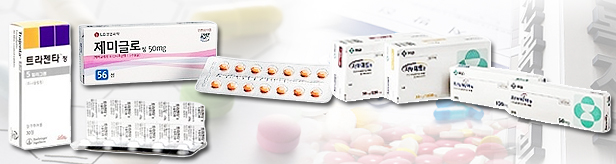
- (Clockwise from the top-left) Photos of Zemiglo, Trajenta, and Janumet·Januvia series. The market for DPRR-4 inhibitor class diabetes treatment, valued at KRW 600 billion annually, is undergoing a significant shift. Following the expiration of substance patents for major original products, generics have been launched, rapidly expanding their prescriptions. At the same time, the growth of original products is experiencing a slowdown. The prescription sales of Tenelia (teneligliptin) generics have increased by 83% year-over-year (YoY), resulting in a widening gap between the generics and the originals. The sales of Galvus (vildagliptin) generics will soon surpass those of the original product. Moreover, Januvia (sitagliptin) generics have rapidly expanded their market impact since September last year, achieving significant growth in less than six months. Tenelia generics have grown significantly…prescription sales of KRW 8.3 billion→KRW 15.2 billion 'up' According to the medical market research firm UBIST on the 24th, the market size for prescriptions of DPP-4 inhibitor class diabetes treatment in Q1 was KRW 150.9 billion. This represents a 4% decrease compared to KRW 156.5 billion in Q1 last year. Recently, this market has transformed as the patents of major original products have expired one after another. The patent of Novartis’ Galvus expired first in March 2022, followed by Handok’s Tenelia patent in October of the same year. In September of last year, the patent of Januvia, which has been a top-selling drug, also expired. After patents expired, the original products’ generics were released into the market one after another, rapidly expanding their prescriptions. On the other hand, most original products have faced decreased prescription sales. Among these, Tenelia generic has shown a significant growth in prescription sales. Since Tenelia’s patent expiration, 37 pharmaceutical companies have launched generic versions of monotherapy Tenelia and combination therapy Tenelia M. The Q1 prescription sales of these generics were KRW 15.2 billion, which is an 83% YoY increase. Prescription performance of teneligliptin-containing originals vs. generics (unit: KRW 100 million, source: UBIST). In Q2 last year, Tenelia generics exceeded KRW 10 billion in net prescription sales, and by Q3, they had surpassed the original product sales. The gap between the sales of generics and original products continues to widen. In Q1 this year, generics expanded their market share to 55% in the diabetes treatment market containing teneligliptin. On the other hand, the original products, Tenelia and Tenelia M, show a slowdown in performance. In Q1 of this year, the combined prescription sales of these two original products amounted to KRW 12.6 billion, a slight increase from KRW 12.4 billion in the same period last year. The prescription performance of Tenelia and Tenelia M expanded until Q3 of 2022, just before the patent expiration, reaching KRW 12.8 billion, and plateaued after that. Generics of Galvus·Januvia are gaining more market share…while the sales of original products slow down Galvus generics are also gradually gaining influence and will soon surpass the original product. In Q1, the combined prescription sales of Galvus·Galvusmet were KRW 6.1 billion, an 8% increase compared to KRW 5.7 billion YoY. During the same period, prescription sales of the original products decreased by 7% from KRW 7.4 billion to KRW 6.9 billion. The quarterly prescription sales of Galvus increased to KRW 12 billion just before patent expiration, but it has steadily declined since the release of generics. As the generic prescriptions increased and that of the original drugs decreased, the gap between them significantly narrowed. The difference between the originals and generics, which stood at KRW 1.7 billion in Q1 last year, narrowed by KRW 700 million over the year. In the market for diabetes treatments containing vildagliptin, the generic market share expanded from 44% to 47%. Galvus generics are expected to outperform the originals by the end of the year. Changes in prescription performance of major DPP4i originals vs. generics. In Q1, the combined prescription performance of Januvia and Janumet generics reached KRW 3.6 billion. Januvia's patent expired in September last year. Over 100 companies obtained approval for related generics before the patent expiration. Since Januvia maintained the leading position in the DPP-4 diabetes market, with prescription sales exceeding KRW 160 billion annually until just before the patent expiration, the product attracted much attention from generic manufacturers. After the patent expiration, more than 50 companies have launched competing products. The prescription sales of original products Januvia·Jaumet·Janumet XR decreased by 33% over the past year, dropping from KRW 37.9 billion to KRW 25.4 billion due to the release of generics and consequent price reductions. In May, before Januvia's patent expired last year, Chong Kun Dang Pharmaceutical acquired all domestic rights to the Januvia series from MSD. The total contract amount was KRW 45.5 billion. Chong Kun Dang Pharmaceutical paid KRW 23 billion upfront to MSD headquarters and an additional USD 17 million (approximately KRW 22.5 billion) based on sales milestones. Zemiglo maintains the leading position in the DPP-4 market…Januvia·Trajenta sales have been steadily decreasing Due to a rapid decline in the Januvia series' prescription sales has intensified competition for market leads. LG Chem’s Zemiglo (gemigliptin)·Zemimet maintained their leading position by recording prescription sales of KRW 35 billion in Q1 last year. Although the Zemiglo series was introduced to the market later than multinational pharmaceutical products, it has experienced rapid growth and surpassed KRW 30 billion in quarterly prescription sales in Q3 of 2020. In Q3 of 2021, Zemiglo surpassed the Trajenta series, which recorded prescription sales of KRW 34.1 billion, by generating prescription sales of KRW 34.5. Then, in Q3 last year, it even surpassed the Januvia series to take the lead in the market. Quarterly prescription performance of major DPP4i diabetes treatment (unit: KRW 100 million, source: UBIST). The Trajenta (linagliptin)·Trajenta-duo series secured the second position. The prescription sales of these two products in Q1 of this year amounted to KRW 29.3 billion. Compared to Q1 of last year, which recorded KRW 31.7 billion, there has been an 8% decrease over the year. Their prescription sales are ranked second in the market but have a noticeable long-term downward trend. The quarterly prescription sales of the Trajenta series have been steadily decreasing since reaching a peak of KRW 34.6 billion in Q4 of 2021. Trajenta’s patent expires in June this year. More than 60 pharmaceutical companies have obtained generic drug approvals and are waiting to enter the market. With the release of generics, Trajenta's drug price will eventually decrease when the generic version containing the same active ingredient is listed for reimbursement. According to analysts, prescription sales may continue to decline. However, Trajenta has more than five unregistered patents. It is uncertain whether domestic pharmaceutical companies will release generics immediately after the compound patent expires in June. Releasing generics without overcoming unregistered patents could raise concerns about patent infringement for domestic pharmaceutical companies.
