
- LOGIN
- MemberShip
- 2026-05-04 14:01:09
- Company
- Chinese Pharmas show presence at BIO Korea 2024
- by Moon, sung-ho May 16, 2024 05:48am
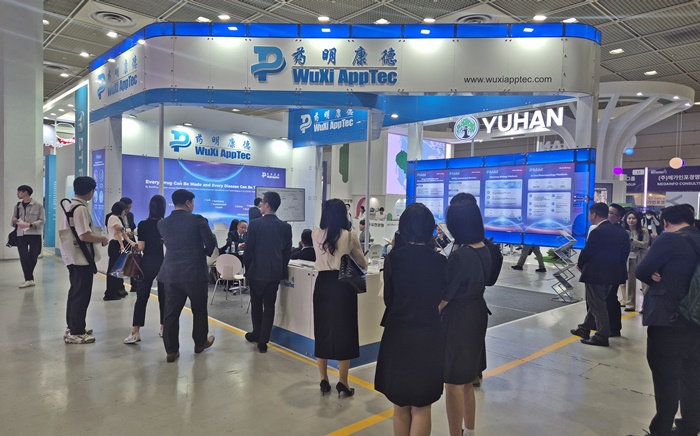
- Chinese pharmaceutical companies are starting to enter the domestic pharmaceutical and biotechnology market in earnest. This was the main observation made by the Korean industry at ‘BIO Korea 2024,’ cohosted by the Ministry of Health and Welfare and the Korea Health Industry Development Institute. The activities of major Chinese pharmaceutical and biotech companies at this year's BIO Korea attracted industry-wide attention. Among the companies, WuXi Biologics, a Chinese company that has grown into a global antibody contract development and manufacturing organization (CDMO), received the most attention. It set up a booth at the front of the venue and actively communicated with visitors and representatives from domestic pharmaceutical and biotech companies. With its CDMO competitors, LONZA and FUJIFILM Diosynth Biotechnology (hereinafter “Fujifilm”), also setting up booths at the event, it was evident that the competition among global CDMOs to expand their territories had begun in earnest. The companies seem to be working to expand their CDMO business through cooperation with domestic pharmaceutical and biotech companies. On the other hand, domestic companies competing in the CDMO market, such as Celltrion and Samsung Biologics, did not open their booths at the event. One Chinese company that stood out was Pharmaron Clinical, a CRO and CDMO company. Although the company’s size is not as large as other CDMOs like Wuxi, but the company actively engaged in talks to collaborate with domestic companies. A representative of a biotech company that participated in the event said, "Chinese companies most actively participated in this year’s BIO Korea event. They seem to be actively working to increase partnerships with domestic pharmaceutical and biotech companies to produce their treatments.” In addition, BeiGene, which has emerged as a strong player in the global anti-cancer drug market, also drew attention for its active cooperation activities at BIO Korea. Rather than setting up a booth, the company participated in the conference and held its own business briefing to strengthen partnerships with domestic Korean biotech companies. At the ‘Bio‧Pharmaceutical Global Open Innovation Cooperation and Activation Strategy’ session of the conference, BeiGene’s key executives in charge of BeiGene Asia introduced the company’s strengths and actively engaged in communication with domestic companies. During the session, BeiGene emphasized its financial resources and clinical strengths as a benefit. In fact, BeiGene’s self-developed anti-cancer drugs, such as Brukinsa (zanubrutinib), Tevimbra (tiselizumab), and Partruvix (pamiparib), are generating sales not only in China but also in the global market. The anticancer drug Brukinsa has been approved in more than 70 countries worldwide and is approved by the US FDA for five indications. In the first quarter of this year, BeiGene’s sales reached USD 752 million (KRW 1.0288 trillion), according to the company's latest financial result that it had released the previous day. Adam Roach, Vice President and Head of Asia Pacific at BeiGene, said, “Our biggest strength is that we don't need a separate CRO because we run our own clinical trials. Rather than using a CRO, we use our own internal clinical team that consists of over 3,000 people. We conduct more than 130 clinical trials in-house in about 48 locations." In the following lecture, Evan Goldberg, Vice President of Business Development at BeiGene, said, “Global big pharma companies used to be interested in only Japan in the Asia-Pacific region, but this is not the case anymore. Asia-Pacific countries, including Korea, have entered the global pharma and bio ecosystem, which is evidenced by the fact that Korean pharma and bio companies have been making frequent global technology transfers in recent years." Goldberg added, "BeiGene is currently working with global big pharma companies like Amgen, BMS, and Novartis, in addition to small and medium-sized biotechs. Some of these companies are seeking to enter the Asian market through the partnership, while Asian companies seek partnerships with the dream of going global." The domestic pharma and biotech companies that participated in BIO Korea have also noted the growth of Chinese companies and agreed on the need to revisit the companies’ treatments. An official from a pharmaceutical and biotech consulting firm who requested anonymity, said, "BeiGene’s clinical strength is definitely attracting attention in the global market. In the past, it only had a large number of trial enrollees in China, but the company is now actively conducting clinical trials in the global market. Considering the recent clinical trials it has been announcing, it’s time for the company to reestablish its position not just in Asia but also in the global market.
- Company
- Xcopri’s cumulative revenue surpasses KRW 1 trillion
- by Chon, Seung-Hyun May 16, 2024 05:48am
- Xcopri, SK Biopharmaceutical's new epilepsy drug, is continuing to show strong growth in the US market. Since its launch, sales have continued to rise every quarter, with cumulative sales exceeding KRW 600 billion. When including the revenue it had collected by licensing-out Xcopri’s technology, the company has secured more than KRW 1 trillion with Xcopri alone. According to SK Biopharmaceuticals on Thursday, Xcopri recorded KRW 90.9 billion in US sales in Q1 this year. This is a 68.6% rise from the KRW 53.9 billion it had posted in Q1 last year and is the largest amount earned since the drug entered the US market. This is also a 17.0% increase in a single quarter, from the KRW 77.7 billion in Q4 last year. Quarterly U.S. sales of Xcopri (Unit: KRW 100 million, Source: SK Biopharmaceuticals) Xcopri, which contains ‘cenobamate,’ is a new drug for epilepsy that SK Biopharmaceuticals. SK Biopharmaceuticals had independently performed the whole course of Xcopri’s development and commercialization from early development to US Food and Drug Administration (FDA) approval. It is prescribed for the treatment of partial-onset (focal) seizures in adult patients. Its mechanism of action relieves seizure symptoms by simultaneously regulating two targets related to excitatory and inhibitory signaling, which are causes of epilepsy. The company received approval for its cenobamate under the brand name ‘Xcopri’ in November 2019, and has been selling the drug through SK Life Science since May 2020. SK Life Science has about 150 medical representatives. Epilepsy is a condition that is treated by a small number of focus specialists in the United States. Due to the small number of target physicians, the company was able to sell the drug directly in the U.S. with such a small sales force. SK Life Science’s marketing center, which consists of sales and marketing personnel, has experts with more than 20 years of experience in successfully launching and selling epilepsy treatments and major central nervous system drugs at Johnson & Johnson, UCB, and other leading companies in the U.S. CNS market. Since its U.S. launch, Xcopri has been setting new sales records every quarter. It generated its first revenue of KRW 2.1 billion in Q2 2020 and surpassed KRW 10 billion in Q1 2020. Its sales surpassed KRW 50 billion in revenue in Q1 last year and have reached nearly KRW 100 billion in quarterly revenue this year. Xcopri’s cumulative revenue in the US totaled KRW 621.7 billion. Since 2019, Xcopri has earned more than KRW 400 billion in technology fees. In February 2019, SK Biopharmaceuticals signed a licensing-out agreement with Switzerland's Arvelle Therapeutics to transfer technology on cenobamate for up to $530 million. At the time, SK Biopharmaceutical received an upfront payment of $100 million with no obligation of return. In October 2020, the company entered into an exclusive licensing agreement with Ono Pharmaceutical for Ono to develop and commercialize Xcopri in Japan. Under the agreement, SK Biopharmaceutical received an upfront payment of ¥5 billion with no obligation of return. In November 2021, SK Biopharmaceuticals licensed out 6 new central nervous system (CNS) drugs including cenobamate to the Chinese company, Ignis Therapeutics. Under the deal, SK Biopharmaceutical received an upfront payment of $20 million. Through the technology export, SK Biopharmaceutical also acquired 150 million shares of Ignis (share amounts to 44.9% including common stock). In December 2021, SK Biopharmaceutical signed a license deal with Endo Group for the commercialization of its epilepsy drug cenobamate across Canada. Under the deal, SK Biopharmaceutical received an upfront payment of CAD 20 million. Paladin Labs Inc, a Canada-based operating subsidiary of Endo, will be responsible for all commercial activities related to cenobamate in the region, including its release. Endo is a global healthcare company headquartered in Ireland. In July last year, SK Biopharmaceuticals signed a licensing out deal with the Brazilian pharmaceutical company Eurofarma Laboratorios SA for cenobamate. Under the agreement, SK Biopharmaceuticals will receive an upfront payment of USD 15 million and up to USD 47 million in milestone payments. Under the licensing out agreement, Eurofarma will be selling cenobamate in 17 Latin American countries including Brazil and Mexico In addition to upfront payments, the company has also received milestone payments upon cenobamate’s approval abroad. SK Biopharmaceuticals received USD 123.22 million from its European partner Angelini Pharma as milestone payments in 2022. Angelini Pharma (formerly Arvelle Therapeutics UK) has paid additional milestone payments after receiving marketing authorization for Xcopri from the European Commission in March 2021. SK Biopharmaceuticals’ cash inflow from upfront payments and further milestones from the technology transfer of cenobamate is USD 301.22 million and ¥5 billion. The company has secured about KRW 450 billion through upfront and milestone payments through technology transfer agreements with cenobamate. Combined with US sales, the single product had brought in over KRW 1 trillion. Xcopri’s sales growth has also improved SK Biopharmaceuticals’ performance. In Q1 this year, SK Biopharmaceuticals posted an operating profit of 10.3 billion won, a YoY turnaround and its sales rose 87.5% YoY to KRW 114 billion. An official from SK Biopharmaceuticals said, "This is the first time since its establishment that SK Biopharmaceuticals has achieved a surplus for 2 consecutive quarters, and it is significant that the profitability in Q1 was achieved entirely due to the growth of cenobamate’s sales in the US.”
- Company
- "Camzyos, reimbursement would benefit gov and patients"
- by Eo, Yun-Ho May 16, 2024 05:48am
- Hyung-Kwan Kim, Professor of the Department of Internal Medicine at Seoul National University Hospital The reason for delayed drug development in a particular disease typically falls into one of two. It’s either low awareness of the disease or challenges to drug development. Despite falling into these two categories, 'Camzyos (mavacamten)' was developed. It is a first-in-class targeted treatment option for obstructive hypertrophic cardiomyopathy (oHCM). oHCM is a rare heart disease characterized by thickened heart muscles that cause narrowing or obstruction of the left ventricular outflow tract (LVOT). Not only does it cause abnormality in heart structure, but it decreases heart function. The symptoms include shortness of breath, chest pain, dizziness, and fainting. It is a fatal disease that could cause cardiovascular complications and sudden cardiac death. Furthermore, there has been a lack of disease-modifying treatment besides short-term management of symptoms. Thus, the development of Camzyos, which works by significantly reducing cardiac myosin actin cross-bridge formation, was exciting news to doctors. However, the concern is whether it could be covered by insurance reimbursement. Although Camzyos was approved in South Korea in May of last year, it has not yet been covered by reimbursement. BMS is pursuing an application for the drug’s listing and is awaiting the review by the Drug Reimbursement Evaluation Committee (DREC) of the Health Insurance Review and Assessment Service (HIRA). Daily Pharm interviewed Hyung-Kwan Kim, Professor of the Department of Internal Medicine at Seoul National University Hospital, about Camzyos’ value and the necessity of reimbursement. -HCM diagnosis has increased following the expansion of reimbursement criteria for cardiac ultrasonography. Has the diagnosis rate increased in the real-world? What is the patient size of HCM in Korea? We don’t have accurate data for Korea yet, but the National Health Insurance Service (NHIS) data shows that the number of patients who are diagnosed with HCM has increased since 2010. Between 2010 and 2016, the number of HCM patients doubled. The increase in diagnosis rate may have been due to the routine health examination in Korea: cardiac ultrasonography can be added to the examination option. This supports the trend since the number of diagnoses has increased, particularly among patients over 50. -It seems that there is a low level of awareness among medical personnel regarding oHCM. In fact, due to the lack of effective treatments for HCM, awareness of the condition has been low, and research has not been very active. Even if someone showed signs of suspected HCM or received a diagnosis, the lack of available therapies meant that coordinated care across tertiary healthcare facilities was almost non-existent. Patients were typically advised to manage their symptoms and avoid strenuous exercise, as no competitive treatment options were available. -The development of Camzyos must be particularly meaningful. Previously, beta-blockers and calcium channel blockers were commonly used to treat oHCM. However, these medications do not target the pathophysiological mechanisms of oHCM, leading to limited effectiveness, and many patients do not experience significant improvement. Disopyramide was previously used but is no longer recommended due to its side effects. Furthermore, since it is not prescribed in South Korea, there are few options for treating oHCM. Medical professionals couldn't help but have high expectations when Camzyos became available. Initially skeptical, I found the clinical data remarkably convincing regarding effectiveness. Even data from patients treated with Camzyos abroad showed significant changes in cardiac ultrasonography findings. Among the seven patients under my care who received Camzyos, almost all showed improvement to the extent that it could be 100%, with effects evident within a month. -The clinical results of Camzyos demonstrated improved exercise capacity in oHCM patients. How significant is this result? Exercise capacity can be categorized into objective measures that can be quantitatively assessed and subjective measures that patients evaluate based on their experience. In clinical studies, Camzyos significantly improved both of these indicators. The subjective indicators of patients currently undergoing Camzyos treatment have also improved across the board. NYHA classification has improved by at least one level, with some cases improving from grade 3 to grade 1. In addition to exercise capacity, cardiac function can be evaluated by checking NT-proBNP levels through blood tests. Among the patients under care, those with elevated NT-proBNP levels at the start of Camgios treatment all experienced decreased NT-proBNP levels. Some patients saw remarkable effects, with NT-proBNP levels dropping from 2,000 to 3,000, within the normal range after just one month of Camzyos treatment. -Last year, the European Society of Cardiology (ESC) updated its guidelines for the management of cardiomyopathy for the first time in about 9 years since 2014, adding recommendations for the treatment of Camzyos. What do you think about this? It's promising. I had hoped it would be recommended as a first-line treatment, but ESC seemed to take a conservative approach. Considering the nature of ESC guidelines, where first-line recommendations are not often made right away, there is ample possibility for Camzyos to be recommended as a first-line therapy in the future. -It sounds like Camzyos could possibly be a first-line treatment. Yes. Considering the pathophysiological mechanism of oHCM, I believe it is important for Camzyos to become the first-line treatment option in the long term. This way, we can reduce the unnecessary time and medical expenses of patients who use ineffective medication for 2-3 months. -The concern is that Camzyos is still a non-reimbursed drug. There must be disappointments in the real-world. oHCM is associated with a higher risk of stroke because atrial fibrillation and aneurysms of the left ventricle are not uncommon even in younger age groups. In the case of a oHCM patient in his late 40s, who had no symptoms at all, an aneurysm was found in a screening test conducted every 2-3 years. Currently, in Korea, NOACs (new oral anticoagulants) cannot be used to prevent stroke with aneurysms alone, and warfarin must be used, which requires continuous monitoring when administering warfarin, which is very difficult. So, I explained to the patient that I thought oHCM caused the aneurysm and suggested surgery or treatment with Camzyos. In the end, the patient opted for Camzyos treatment, and within one month, what appeared to be a pericardial aneurysm improved, and the condition of the heart that had been obstructed improved. If he hadn't been treated for Camzyos, his aneurysm would have become stuck, increasing his risk of stroke, and he would have been forced to stay in the hospital and suffer from shortness of breath while being treated with ineffective medications. If Camzyos is covered by reimbursement, patients with similar difficulties will be able to receive many benefits and help. However, it seems that there are many difficulties in discussing reimbursement adequacy with previous treatment options as a comparison. In the real-world practice of medicine, many patients are unable to take their medications due to high non-reimbursement costs and are just waiting for reimbursement. -Camzyos is awaiting the DREC review. As mentioned before, medical personnel voice that there are no comparable treatments to Camzyos. What should government consider when determining the reimbursement? From a short-sighted point of view, reimbursement listing of a drug may seem like a disadvantage in health insurance finances, but if we expand our view on a macro level, we can see that this is not the case. If left untreated, patients with oHCM are at increased risk of developing heart failure, which inevitably increases the direct and indirect health care costs. In addition, an aneurysm increases the risk of stroke, which adds the cost of hospitalization to the cost of stroke medication. These costs can be considered in the long run as more patients are treated with Camzyos before complications occur. If their condition improves, the additional costs associated with emergency room admissions and treatment for other complications can be reduced. Ultimately, patients, doctors, and health authorities can benefit from each other.
- Company
- New oral psoriasis drug 'Sotyktu' available in hospitals
- by Eo, Yun-Ho May 14, 2024 05:48am
- BMS Korea’s Sotyktu (deucravacitinib). An oral psoriasis drug 'Sotyktu' is becoming available for prescription at general hospitals. According to industry sources, BMS Korea’s Sotyktu (deucravacitinib) has passed the drug committee (DC) of hospitals, including Seoul Asan Hospital, Severance Hospital, Konyang University Hospital, Soonchunghyang University Bucheon Hospital, Seoul National University Bundang Hospital, Soonchunghyang University Hospital Seoul, Ewha Womans University Medical Center, Chosun University Hospital, and Soonchunghyang University Cheonan Hospital. Sotyktu is expanding its prescription areas after being listed for insurance reimbursement in April. Sotyktu is the first TYK2 inhibitor approved for adults with moderate-to-severe plaque psoriasis. It has been 8 years since the approval in August of last year in South Korea for the treatment of adult patients with moderate-to-severe plaque psoriasis who are candidates for phototherapy or systemic therapy. It is now covered by health insurance. It is covered by insurance reimbursement for the treatment of patients over 18 with chronic severe plaque psoriasis who have symptoms lasting over six months. Coverage requirements include ▲Plaque psoriasis with over 10% of the total skin areas ▲Patients who have Psoriasis Area and Severity Index (PASI) score of over 10 ▲Patients who have undergone methotrexate or cyclosporine for over 3 months but cannot continue the treatment due to no response or side effects ▲Patients who have undergone light therapy or UPV photo therapy for over 3 months but cannot continue the treatment due to no response or side effects. Clinical efficacy of Sotyktu was demonstrated in Phase 3 POETYK PSO-1 and POETYK PSO-2 clinical studies, which compared the drug with placebo or Otezla in 1,684 adult patients aged 18 or over with plaque psoriasis. POETYK PSO-1 studies have shown that the Sotyktu treatment group had a PASI 75 response rate of 58.4% at week 16, which was significantly higher than the apremilast group’s 35.1% and the placebo group’s 12.7%. Furthermore, 53.6% of the Sotyktu treatment group achieved sPGA score of 0 or 1, higher than 32.1% in the apremilast group and 7.2% in the placebo group. In POETYK PSO-2 study, the Sotyktu treatment group had a PASI 75 response rate of 53.0% at week 16, which was significantly higher than the apremilast group’s 39.8% and the placebo group’s 9.4%. Furthermore, 49.5% of the Sotyktu treatment group achieved sPGA score of 0 or 1, higher than the apremilast group’s 33.9% and the placebo group’s 8.6%. Sotyktu’s high response was maintained up to 52 weeks. Choe Yong-beom, President of Korean Society for Psoriasis, said, "Previously, patients who did not respond to or have had side effects when treated with conventional treatments, such as systemic therapy or light therapy, had biological agents as their only option. Sotyktu, which offers the convenience of once-daily oral administration, is expected to meet the unmet needs of psoriasis patients.”

- Company
- Ryvrevant to lead market with Exkivity’s market withdrawal
- by Son, Hyung-Min May 14, 2024 05:48am
- Takeda Exkivity, a treatment for non-small-cell lung cancer patients with EGFR exon 20 insertion mutation, is being withdrawn from the market. The highly anticipated oral treatment failed to demonstrate efficacy in a confirmatory clinical trial, leading to its market withdrawal. With no competition, Rybrevant is expected to remain the market leader for the foreseeable future. According to industry sources on April 4, Takeda withdrew the market approval for Exkivity as of the first of this month. Takeda’s Exkivity was approved in Korea in July 2022 to treat patients with locally advanced or metastatic non-small cell lung cancer (NSCLC) with epidermal growth factor receptor (EGFR) exon 20 insertion mutation. However, Exkivity was withdrawn from the Korean market after nearly 2 years due to the failure of the confirmatory trial that was required to maintain the license. While there are many targeted therapies for EGFR-positive lung cancer that target exon 19 and exon 21, such as Tagrisso and Leclaza, targeted therapies for EGFR exon 20 insertion mutations have been difficult to develop. The exon 20 insertion variant is known to have many subtypes, making it difficult to target. Hanmi Pharmaceutical's poziotinib also failed to demonstrate efficacy in a Phase II trial. Takeda received approval for Exkivity based on efficacy results of the Phase I/II AP32788-15-101 trial which enrolled 114 patients with EGFR Exon20 insertion mutation-positive NSCLC. In the trial, patients treated with Exkivity showed an objective response rate (ORR) of 28%. Also, as an oral drug, Exkivity owned the advantage of being easier to administer compared to competing products. However, Exkivity failed to demonstrate efficacy in the Phase III trial. The Phase III EXCLAIM-2 trial compared the efficacy and safety of Exkivity with platinum-based chemotherapy in treatment-naïve patients with EGFR exon 20 insertion mutation-positive locally advanced or metastatic NSCLC. Results showed that Exkivity did not improve progression-free survival (PFS), the primary endpoint, compared to platinum-based chemotherapy. As a result, Takeda has decided to withdraw Exkivity from the global market, including in Korea. Rybrevant becomes the only treatment to target exon 20 insertion mutation Janssen With the voluntary withdrawal of Exkivity from the market, Janssen's Rybrevant will become the only treatment available for EGFR exon20 insertion mutation-positive NSCLC. Ryvrevant was approved in February 2022 for the treatment of patients with locally advanced or metastatic NSCLC whose disease progressed during or after treatment with platinum-based chemotherapy. Although Rybrevant was approved as a second-line treatment, there is a high likelihood that the drug will additionally be approved as a first-line treatment in Korea. The U.S. Food and Drug Administration (FDA) recently approved Rybrevant plus platinum-based chemotherapy as a first-line treatment, and the European Medicines Agency's (EMA) Committee for Medicinal Products for Human Use (CHMP) has recommended the approval of the combination as a first-line treatment in Europe as well. Rybrevant demonstrated its efficacy in the Phase III PAPILLON study. The study enrolled 308 patients with previously untreated EGFR exon20 insertion mutation-positive advanced NSCLC. The study also included patients with a history of brain metastases. Results showed that Rybrevant plus platinum-based chemotherapy (carboplatin+pemetrexed) reduced the risk of disease progression or death by 61% compared to chemotherapy alone. The ORR was 73% in the Rybrevant combination arm and 47% in the chemotherapy arm. Adding on to its list of strengths, Rybrevant also has Leclaza. The target therapy combination of Rybrevant, which targets EGFR exon 20, with Leclaza, which targets exons 19 and 21, has demonstrated efficacy recently. In the MARIPOSA trial, Leclaza plus Rybrevant met the primary endpoint and demonstrated efficacy compared with Tagrisso. In addition to MARIPOSA, which evaluated the efficacy of the combination therapy, the PALOMA study is evaluating the efficacy and safety of the subcutaneous Rybrevant combination and Leclaza. To date, clinical results that have been published have shown that the subcutaneous formulation of Rybrevant is well tolerated compared to the intravenous infusion. The Rybrevant subcutaneous injection can be administered in 7 minutes. This is why attention is rising on whether the combination therapy will address the concerns of infusion-related reactions (IRRs) reported in the MARIOSA study with the use of the Rybrevant SC formulation.
- Company
- AbbVie’s Aquipta becomes the first oral CGRP migraine drug
- by Son, Hyung-Min May 13, 2024 05:52am
- Professor Byung-Kun Kim (Department of Neurology, Nowon Eulji Medical Center) For the first time, an oral CGRP drug has been introduced for the treatment of migraine. AbbVie’s Aquipta has shown positive results as a preventive treatment for chronic migraine as well as episodic migraine in patients who have failed up to 4 prior oral preventive treatments. Experts believe that the benefits of being an oral formulation would allow Aquipta to become a viable new treatment option that can meet the unmet needs of migraine patients in Korea. On the 10th, AbbVie Korea held a press conference to celebrate the launch of Aquipta, its oral calcitonin gene-related peptide (GRRP) receptor agonist, in Korea. Aquipta was approved in Korea last November for migraines in adults. The drug was approved by the U.S. Food and Drug Administration (FDA) in 2021 as a prophylaxis of adult episodic migraine and chronic migraine and in August last year in Europe for the prevention of migraine in adult patients with 4 or more migraine days per month. The domestic approval was based on the Phase III PROGRESS, ADVANCE, and ELEVATE studies. The PROGRESS trial compared the efficacy and safety of Aquipta with placebo in the prevention of chronic migraine. The study enrolled 521 adult patients with a history of chronic migraine (15 or more migraine days per month and at least 8 migraine days per month) for at least 1 year, who were randomized 1:1 to either the Aquipta or placebo arm. The primary endpoint was the change from baseline in the mean migraine days per month during the 12-week treatment period. Results showed a 6.9-day reduction in mean migraine days per month from baseline in the Aquipta arm, compared to 5.1 days in the placebo arm. The ADVANCE trial evaluated the efficacy of Aquipta versus placebo in the prevention of episodic migraine. The study enrolled 458 adult patients with a history of episodic migraine, defined as 4 to 14 migraine days per month. Results showed that the mean number of migraine days per month was reduced by 4.2 days from baseline in the Aquipta arm and 2.5 days in the placebo arm. Also, in the ELEVATE study, which evaluated the prevention of episodic migraine in patients who had failed prior preventive treatments, Aquipta achieved a greater reduction in mean monthly migraine days compared to placebo. Professor Byung-Kun Kim (Department of Neurology, Nowon Eulji Medical Center) said, “The introduction of CGRP receptor antagonists has shown great effect in preventing migraines. However, existing drugs are injectables that require monthly visits to the clinic. So the introduction of an oral option has broadened the pool of treatment options for our patients." “Migraine waxes and wanes over time, so it is very difficult to prove the effectiveness of a new drug over placebo in the area. The fact that Aquipta has demonstrated efficacy in more than 500 patients is meaningful. Clinical trials do not take into account whether migraine patients can conduct their daily lives. With the use of CGRP receptor agonists, we received feedback from patients that they can go about their daily lives. This is an important factor to consider." Migraine severely impacts daily life...' reimbursement standards need to be improved’ Professor Min Kyung Chu (Department of Neurology, Severance Hospital and Chair of the Korean Headache Society) According to the World Health Organization (WHO), migraine is one of the top 10 conditions that reduce quality of life. According to the 2019 Global Burden of Disease Study, migraine was the second leading cause of disability and the first leading cause of death among women under 50 years of age. In fact, the number of migraine patients is on a constant rise. According to the Health Insurance Review and Assessment Service, the number of migraine patients in Korea increased by 10.5% from 545,607 in 2018 to 602,906 in 2022. While some patients with mild headaches can go about their daily lives, others suffer from symptoms such as nausea, photophobia, phonophobia, and osmophobia. Also, their condition is often accompanied by pain in the eye area, and the migraine attacks may last for more than a day. Professor Min Kyung Chu (Department of Neurology, Severance Hospital) said, “If you have over 3-4 migraine attacks a month, or develop 1-2 migraine attacks a month, you need aggressive preventive treatment. Although costly, CGRP-targeted therapies have changed the landscape of migraine treatment, bringing great benefits to the patients.” Professor Chu added, “Due to strict reimbursement standards set for the use of CGRP treatments in migraines in Korea, more than 90% of the existing CGRP drugs are prescribed without reimbursement. If one drug fails, we need to switch to a different drug, but Korea’s current reimbursement standards do not allow switching between CGRP drugs. Many areas are in need of improvement, and we plan to continue to raise this issue at the academic level as well."
- Company
- BeiGene reapplies for Tevimbra’s reimb in esophageal cancer
- by Eo, Yun-Ho May 13, 2024 05:52am
- BeiGene is again attempting reimbursement for its immunotherapy, ‘Tevimbra (tislelizumab)’ in Korea. According to industry sources, BeiGene Korea recently submitted an application for the reimbursement of its Tevimbra (tiselizumab) and is waiting for the Health Insurance Review and Assessment Service's Cancer Disease Review Committee’s deliberation. Tevimbra had previously received the ‘reimbursement standards not set' decision by the CDDC in March. Therefore, the industry’s eyes are on whether the company’s second attempt for Tevimbra's reimbursement will be successful. Tevimbra (tiselizumab), which was approved in Korea last November, is an immuno-oncology drug indicated as a monotherapy for patients with unresectable, relapsed, locally advanced, or metastatic oesophageal squamous cell carcinoma who are unable to continue platinum-based chemotherapy or who have relapsed or progressed after receiving prior platinum-based chemotherapy. In the global Phase III RATIONALE-302 trial, Tevimbra prolonged median overall survival (OS) by 2.3 months compared to chemotherapy (8.6 months vs. 6.3 months), with a statistically significant 30% reduction in the risk of death, and did not show any crossover, unlike existing immuno-oncology monotherapies in the OS graph. In the trial, Tevimbra’s OS improvement was consistent across predefined subgroups, including baseline PD-L1 status, region, and race. Compared to chemotherapy, Tevimbra resulted in more than twice as many patients responding to treatment (20% vs. 10%), and showed an improvement in the median duration of response of approximately 3 months, from 4.0 months to 7.1 months, with sustained responses and a reduction in tumor size, which is directly related to quality of life for esophageal cancer patients. Furthermore, Tevimbra was associated with a 17% lower risk of disease progression or death in progression-free survival (PFS) (HR=0.83, 95% CI 0.67-1.01) and improved health-related quality of life (HRQoL) compared to chemotherapy. In April, the U.S. National Comprehensive Cancer Network (NCCN) revised its guidelines to recommend Tevimbra as a Category 1, preferred option for second-line treatment of esophageal squamous cell carcinoma.
- Company
- MM drug Tecvayli can be prescribed in tertiary hospitals
- by Eo, Yun-Ho May 13, 2024 05:52am
- The new multiple myeloma drug ‘Tecvayli’ can now be prescribed in tertiary hospitals in Korea. According to industry sources, Janssen Korea’s multiple myeloma drug Tecvayli (teclistamab) has passed the drug committee (DC) review of top tertiary hospitals in Korea, including Samsung Medical Center, Seoul National University Hospital, Seoul St. Mary's Hospital, and Seoul Asan Medical Center. After being approved in Korea in July last year, Tecvayli may be prescribed to treat patients with relapsed or refractory multiple myeloma who have received at least three previous lines of treatment, including a proteasome inhibitor, an immunomodulatory agent, and an anti-CD38 antibody, and have demonstrated disease progression on the last therapy. Tecvayli is the first bispecific antibody that induces apoptosis, by binding to 2 receptors commonly found on multiple myeloma cells. Multiple myeloma is a blood cancer caused by the abnormal differentiation and proliferation of B cells (plasma cells), a type of white blood cell responsible for the immune system located in the bone marrow. It is the second most common blood cancer, with most patients experiencing relapses. Tecvayli binds to the B-cell maturation antigen (BCMA) on myeloma cells, and CD3 on T-cells. Tecvayli binds to BCMA and CD3 and induces myeloma cell death via redirection of T cells. Tecvayli was approved based on results from the Phase 1/2 MajesTEC-1 study. In the trial which evaluated the efficacy and safety of the drug in a total of 165 patients, Tecvayli achieved an overall response rate (ORR) of 63% in patients with relapsed or refractory multiple myeloma (RRMM) who have received three or more therapies, including triple-class exposure to a proteasome inhibitor (PI), an immunomodulatory drug and an anti-CD38 monoclonal antibody. Also, 32.7% of the patients achieved a stringent complete response (sCR). Also, 6.7% and 19.4% of patients showed a complete response (CR) and very good partial response (VGPR), respectively. The median time to first response was 1.2 months, and the duration of response (DOR) was analyzed to be 18.4 months (14.9-not estimable). Ki-Hyun Kim, Chairman of the Multiple Myeloma Research Committee at the Korean Society of Hematology (Hematology-Oncology, Samsung Medical Center), said, “Based on the high response rate and the convenience of being an off-the-shelf, patient-administered formulation, we believe that the bispecific antibody Tecvayli may provide significant clinical benefit and hope for patients with multiple myeloma.”
- Company
- Pharma companies showcase their R&D achievements
- by Son, Hyung-Min May 13, 2024 05:52am
- ProGen’s CEO Jong Gyun-Kim Pharmaceutical companies have disclosed the development outcomes of the obesity treatments, which have now become the trending R&D. As obesity treatments of the GLP-1 class, such as those of Novo Nordisk and Lilly, become blockbuster new drugs globally, the development of latecomers is on the rise. Major companies plan to develop the next-generation obesity treatments related to GLP-1/GLP-2 and microneedle. At BIO KOREA 2024, held on May 8th at Coex, Seoul, the session titled ‘Advancements and Strategic Directions in the Diabetes-Obesity Treatment Market‘ was held. During the session, ProGen and Daewoong Therapeutics showcased their next-generation obesity treatments. Global pharmaceutical companies’ obesity treatments, such as Novo Nordisk's Wegovy and Saxenda and Eli Lilly’s Zepbound, have demonstrated game-changing weight loss effects. Because of the advantage of effective weight loss with injection, the use of obesity treatments has significantly increased. Korean pharmaceutical companies are developing distinguished obesity treatments with various mechanisms of action and formulations. ProGen·Daewoong Therapeutics, developing obesity treatments with mechanisms of action of dual agonist·microneedle ProGen is developing GLP-1/GIP-2 dual agonist for the treatment of diabetes and obesity. The company has an in-house NTIG platform, which is a multi-specific fusion protein technology. The NTIG platform has the advantage of improving drug efficacy and administration duration of various proteins. ProGen’s PG-102, a new candidate product for obesity, is under development using this platform. In preclinical trials, PG-102 has shown a greater effect on weight loss than Zepbound’s active ingredient, tirzepatitide. Specifically, PG-102 has improved metabolic health in an obesity mouse model and it demonstrated effective weight loss in fat cells. ProGen’s CEO Jong Gyun-Kim said, “Our goal for indications is monthly administration for diabetes and weekly administration for obesity. We are confident that it is more effective in reducing glycosylated hemoglobin and weight loss than other drugs.” He added, “It is also expected to prevent comorbidities such as cardiovascular diseases." Kim analyzed the cost of obesity treatment and the long-term administration data to play an important role in the future commercialization of treatments. Non-reimbursed obesity treatments are not covered by insurance reimbursement except for about nine countries. If the treatment is not reimbursed, it costs over US$15,000 annually. "The analysis suggests that pricing and insurance reimbursement policies will greatly influence the future development of obesity treatments," Kim said. "The weight loss effect of obesity drugs is approximately 20-40%. In the future, the quality of weight loss will become more important. The developers of obesity drugs should consider the phenomenon of more than two-thirds of patients regaining weight after weight loss as a significant issue," Kim added. Daewoong Therapeutics is developing an obesity treatment with a microneedle formulation. Microneedle is a drug delivery technology that utilizes patch-like devices with needles thinner than hair follicles to help absorb medication into the body. In precise quantities, microneedle can deliver various drugs, such as vaccines, toxins, and antibodies. The core processes are conducted at low temperatures, preventing degradation of biopharmaceuticals. It can reduce injection site pain and allow storage at room temperature, resulting in cost savings for storage and distribution. Although this technology has typically been used in skincare procedures and cosmetics, the pharmaceutical industry is trying to replace injections or oral formulations with new administration routes for treating dementia and diabetes. According to Daewoong Pharmaceutical, the microneedle obesity treatment patch they are developing requires only once-weekly application on areas with thin skin layers, such as the arms and abdomen. Currently marketed injectables require daily or weekly administration. The microneedle patch could serve as an alternative for patients resistant to injections or those with poor medication adherence. Daewoong Therapeutics plans to compare the efficacy of microneedle patch formulation with subcutaneous (SC) injections of semaglutide compounds such as Ozempic, Wegovy, and Rybelsus from Novo Nordisk. The company is conducting clinical trial comparing its microneedle formulation of 1mm with SC injections. Daewoong Pharmaceutical’s DDS department team leader Lee Buyong Daewoong Pharmaceutical’s DDS department team leader Lee Buyong said, “We are developing a microneedle patch formulation that can be administered once a week and stored at room temperature. If successful, we believe we can tap into a niche market. We are progressing with the development, anticipating that the patch containing 1.5-2 mm of semaglutide will have equivalent efficacy to the current 1 mg semaglutide injection." "Currently marketed GLP-1 formulations are all administered via injection, which can be difficult for patients with needle phobia and may result in low adherence rates. Microneedle patch could serve as an alternative," Lee emphasized. "While major obesity treatments require refrigerated storage, microneedle formulations can be stored at room temperature, offering significant manufacturing advantages," Lee added. "The current microneedle formulation does not have a classification of being sterile or non-sterile. We have started building manufacturing facilities for mass production, assuming that it will become a sterile formulation in the future. The facility's completion in 2026 will enable us to proceed with phase 2/3 clinical trials."

- Company
- Hanmi’s 2 new accounts of the pipeline enter clinical trial
- by Son, Hyung-Min May 13, 2024 05:51am
- Hanmi Pharm is accelerating the development of new obesity drugs. Following efpeglenatide, which has entered the Phase 3 trial in South Korea, Hanmi Pharm’s other new drug candidate has entered the full-scale clinical trial. Furthermore, Hanmi Pharm plans to establish various pipelines, including an oral agent, digital therapy related to obesity prevention and management, and eating disorder treatment. According to Hanmi Pharm on May 13, the U.S. Food & Drug Administration (FDA) has granted approval for a Phase 1 study of HM15275. HM15275 is a new drug candidate that simultaneously targets glucagon-like peptide-1 (GLP-1)/ glucose-dependent insulinotropic polypeptide (GIP)/glucagon for the treatment of obesity. Hanmi Pharm plans to maximize drug’s effect by simultaneously targeting GLP-1, GIP, and glucagon. GLP-1 and GIP are the active ingredients of Saxenda and Wegovy. Patients with diabetes and obesity typically have reduced incretin, and the disorders are associated with a reduction in GLP-1 secretion and decreased GIP-mediated stimulation of insulin secretion. GLP-1 and GIP are hormones responsible for 2/3 of the post-meal insulin response. Currently, Zepbound is available in the market as a dual agonist of GLP-1·GIP. However, a triple agonist that also includes glucagon has not been made available in the market. Hanmi Pharm aims to launch a first-in-class drug in this field. Hanmi Pharm’s pipeline efpeglenatide and HM15275 have entered clinical trials. The clinical trials will evaluate the safety, tolerability, pharmacokinetics, and pharmacodynamics profile in healthy adults and patients with obesity. Furthermore, Hanmi will disclose four accounts of preclinical trial results related to HM15275 at the American Diabetes Association 2024 (ADA 2024) meeting. The company anticipates that HM15275 will be as effective as surgical therapy’s weight loss outcome (about 25%). Efpeglenatide proceeded to a Phase 3 trial…other pipeline underway To focus on developing novel obesity drugs, Hanmi Pharm has launched H.O.P. project. The company aims to secure various pipelines, including digital therapy and obesity drugs to improve feeding disorders. Hanmi Pharm Efpeglenatide, which has entered the Phase 3 trial, is the closest among these to be marketed. In October of last year, the Ministry of Food and Drug Safety (MFDS) granted approval for a Phase 3 trial of Hanmi’s obesity drug of GLP-1 class, efpeglenatide. The Phase 3 trial, being conducted in university hospitals in South Korea, will evaluate the efficacy of efpeglenatide. It will be a randomized, double-blind, placebo-controlled, parallel-group comparison study, enrolling 420 adult patients with obesity without diabetes. Efpeglenatide is a new candidate product that initially struck a licensing agreement with Sanofi in 2015 but returned to Hanmi Pharm in 2020. Sanofi was developing efpeglenatide but returned the right after the company changed its business strategy. Hanmi Pharm plans to develop efpeglenatide as an optimized GLP-1 class obesity treatment for Koreans. In a global trial, efpeglenatide was effective in weight loss and adjusting blood sugar. Because global companies have developed GLP-1 obesity treatments based on the standard of westerners with severe obesity, Hanmi Pharm has set a goal to develop a treatment optimized to the Korean obesity standard, which considers a body mass index (BMI) of 25kg/㎡. Efpeglenatide has been developed as a once-weekly dosing of injection. It is expected to have the same competitiveness as Wegovy (ingredient: semaglutide) and Zepbound (ingredient: tirzepatitide). Saxenda (liraglutide) is formulated for once-daily administration. Additionally, Hanmi Pharm plans to develop obesity treatments that minimize muscle loss and inhibit weight regain. In fact, previous research results show that two-thirds of the patients gain weight after they stop taking obesity treatments. Therefore, the quality of weight loss is an important factor for latecomers. Hanmi Pharm plans to develop treatments that overcome this issue. The company is currently seeking candidate products. Hanmi Pharm plans to develop an oral GLP-1 treatment for obesity. Most current GLP-1 treatments for obesity are administered as once-daily or once-weekly injections, but an oral treatment would provide more convenience to patients. Furthermore, Hanmi Pharm plans to develop a new biological drug that can improve eating disorders, such as binging, and a digital therapy that can be used for preventative measures of obesity through making adjustments to daily habits.
