
- LOGIN
- MemberShip
- 2026-05-04 18:38:50

- Company
- Combination cancer immunotherapies show high synergy
- by Son, Hyung-Min Aug 01, 2024 05:47am
- Data demonstrating the effectiveness of the combination of cancer immunotherapies are being disclosed. Recently, Opdivo+Yerboy therapy has been shown to improve the survival duration when used as a first-line treatment of hepatocellular carcinoma (HCC). GI Innovation confirmed partial response (PR) using cancer immunotherapies as combination therapy in clinical trials. TiumBio also observed cancer cell death in various solid tumors, including pancreatic cancer, anal cancer, and lung cancer. AptaBio is assessing the potential of cancer immunotherapy Keytruda as a combination therapy. According to industry sources on July 31st, Bristol Myers Squibb (BMS) has recently applied to the European Medicines Agency (EMA) for approval of Opdivo+Yerboy combination therapy for the first-line treatment of HCC. Optivo is an immunotherapy for cancer treatment jointly developed by BMS and Ono Pharmaceutical, and it targets PD-1/PD-L1. Optivo is currently being studied for potential use in various solid tumors in combination with CTLA-4 targeting immunotherapy Yerboy. Cancer immunotherapies, Optivo and Yervoy.Opdivo+Yerboy combination therapy was previosly approved as a first-line treatment of renal cell carcinoma, and it is being studied for potential use in various fields, including colorectal cancer, esophageal cancer, and HCC. The company has applied for an expanded indication to the EMA for the use of combination therapy as a first-line treatment of renal cell carcinoma. Although various treatments are already available in the market, such as Avastin+Tecentriq and Imfinzi+Imjudo, different combination therapies, including Opdivo+Yerboy and rivoceranib plus camrelizumab, are challenging the market with new data. The basis of approval was the Phase 3 CheckMate-9DW trial. In the clinical trial, 668 patients with liver cancer who have not received prior treatment were randomized to receive either Opdivo+Yerboy combination therapy or Lenvima+Nexavar therapy. The clinical result showed that patients treated with Opdivo+Yerboy combination therapy had a median overall survival (OS) of 23.7 months, demonstrating improvement compared to the control group's 20.6 months. The objective response rate (ORR) for Opdivo+Yerboy combination therapy was 36%, whereas it was 13% for the control group. The median duration of response (DOR) for Opdivo+Yerboy combination therapy was 30.4 months, longer than the 12.9 months of the control group. The clinical results served as a foundation for Opdivo+Yerboy combination therapy to gain a competitive advantage in the market as a first-line treatment of liver cancer. Korean pharma & biotech companies' combination cancer immunotherapies have shown potential in clinical trials Korean pharmaceutical and biotech companies are evaluating the potential commercialization of combination cancer immunotherapies. TiumBio recently disclosed its data on TU2218. TU2218 blocks pathways of transforming growth factor beta (TGF-ß) and vascular endothelial growth factor (VEGF), which are known to hinder cancer immunotherapy activation. TU2218's mechanism maximizes the efficacy of cancer immunotherapy. TiumBio is conducting a Phase1b trial in three clinical institutes in the United States to evaluate the efficacy and safety of TU2218 in combination with Keytruda in patients with advanced solid tumors. During the Phase 1b trial, TiumBio confirmed partial response (PR) from two patients and stable disease (SD) from three patients out of five patients who are evaluable for efficacy. Also, TU2218 showed an ORR of 40% and a disease control rate (DCR) of 100%. Additionally, lung cancer patients had PR in addition to previously shown PR results in patients with pancreatic cancer and anal cancer. In the TU2218 clinical 1b trial, three patients were found to have PR to date. GI Innovation recently disclosed its data on a Phase 1/2 trial of GI-101A plus Keytruda combination therapy. GI-101A's mechanism involves CD80 and interleukin (IL)-2. IL-2 is involved in immune cell proliferation and activation, and CD80 plays a role in blocking CTLA4, a receptor inhibiting immune cells that attack cancer cells. GI-101A is a new drug candidate developed by increasing the sialic acid content of GI-101 during manufacturing, thereby prolonging the safety and half-life. GI Innovation is conducting the Phase 1/2 trial of GI-101A in combination with Keytruda in South Korea and the United States. When GI-101A+Keytruda combination therapy was administered in patients with pancreatic cancer, who have liver metastasis and had failed prior chemetherapy, the pathology was reduced by 73%. GI-101A+Keytruda combination therapy has also been effective in reducing pathology in patients with renal cell cancer. When GI-101A+Keytruda combination therapy was administered to patients who failed 10 oncology treatments, including cancer immunotherapy, the pathology was reduced by 39%. AptaBio is assessing the potential of cancer immunotherapy candidate AB-19 as monotherapy and cancer immunotherapies AB-19+PD-1 as combination therapy. AB-19's mechanism is designed to block cancer-associated fibroblasts (CAF) within the tumor microenvironment of cancer cells. In a preclinical study, AB-19 monotherapy and cancer immunotherapy as combination therapy were shown to have superior effects on reducing tumor sizes than conventional PD-1 inhibitors. In April, AptaBio completed registering AB-19's patent in the United States, following in Russia and Australia. The company is awaiting for patent registration in Japan and China.

- Company
- Commercialization of global RSV vaccines in progress in KOR
- by Son, Hyung-Min Jul 31, 2024 05:52am
- A global respiratory syncytial virus (RSV) vaccine has entered late-stage clinical trials for the first time in Korea, testing its potential for commercialization. Pfizer recently received approval to initiate a Phase III clinical trial in Korea to evaluate the immunogenicity of its RSV vaccine. Moderna is applying for Japanese approval of its RSV vaccine, which was approved in the U.S. in May, and making its way into Asian countries. Among domestic biotech companies, EuBiologics has entered Phase I clinical trials in Korea. RSV is a virus that causes pneumonia and bronchitis. The virus can affect a person of any age, but the infection rate is particularly high in infants and young children. It is the leading cause of hospitalization in infants and young children, and 90% of infants worldwide are infected with RSV before the age of 2. When infected, RSV causes symptoms similar to the common cold, but some infants and children may experience a more severe course, leading to lower respiratory tract illnesses such as pneumonia and bronchiolitis. According to industry sources on the 30th, the Ministry of Food and Drug Safety approved the Phase III IND for the RSV vaccine 'PF-06928316' submitted by Pfizer on the 26th. The trial will be conducted at 16 institutions, including Samsung Medical Center, Severance Hospital, and Seoul St. Mary's Hospital, from October this year to December next year. In the trial, Pfizer will evaluate the safety, tolerability, and immunogenicity of the RSV vaccine in 360 older adults. The primary endpoints will be local reactions (redness, swelling, and pain at the injection site) and systemic events (fever, fatigue, headache, vomiting, nausea, diarrhea, muscle pain, and joint pain), based on which the company will evaluate the adverse events and tolerability of PF-06928316. Participants will be randomized in a 2:1 ratio to PF-06928316 or placebo. PfizerPfizer’s RSV vaccine was approved in the U.S. last year and launched under the brand name Abrysvo. Abrysvo is indicated for adults 60 years of age and older, infants 6 months of age and younger, and pregnant women at less than 37 weeks gestation. Recently, Pfizer confirmed the immunogenicity of Abrysvo in adults aged 18 to 59 years, raising the possibility of its indication expansion. Abrysvo demonstrated non-inferior neutralization responses in 681 adults aged 18 to 59 years with certain chronic diseases and 200 immunocompromised adults compared to that identified in the original clinical trial that evaluated the vaccine in older adults. Participants also achieved at least a four-fold increase in serum neutralizing titers following receipt of Abrysvo compared to pre-vaccination. These results support the potential for Abrysvo’s expanded indication. It also opened the door for Pfizer to enter clinical trials in Korea to evaluate the immunogenicity of the RSV vaccine in all ages. Moderna receives approval in the U.S. and seeks to enter the Asian market…EuBiologics starts clinical trial in Korea The RSV vaccine market is currently in a three-way battle between Abrysvo, GSK’s ‘Arexvy,’ and Moderna’s mRNA-1345, with Moderna conducting a clinical trial to develop a follow-on drug. Among the companies, Moderna has applied for mRNA-1345’s approval in Japan and is seeking to enter the Asian market. Moderna submitted an application for mRNA-1345 to Japan's Ministry of Health, Labour and Welfare in May. mRNA-1345 was approved in the U.S. in May and was developed to prevent RSV in adults aged 60 and older. The application is based on the interim analysis results of the Phase III ConquerRSV that demonstrated immunogenicity and tolerability of mRNA-1345. The trial was conducted in 22 countries, including Japan. The ConquerRSV trial was a randomized, double-blind, placebo-controlled study that enrolled approximately 37,000 adults aged 60 years and older in 22 countries, including the United States. The interim analysis was based on two definitions of RSV lower respiratory tract disease (RSV-LRTD), defined as two or more symptoms or three or more disease symptoms. Results showed that in RSV-LRTD defined as two or more symptoms, mRNA-1345 met all primary endpoints, including demonstrating 83.7% vaccine efficacy. Adverse events with mRNA-1345 were mild to moderate, with the most commonly reported adverse events in the mRNA-1345 arm being injection site pain, fatigue, headache, myalgia, and arthralgia. In addition to the U.S. and Japan, Moderna plans to file for approval of mRNA-1345 in the European Union (EU) and other countries. In Korea, EuBiologics has entered clinical trials. The euRSV vaccine being developed by EuBiologics has recently been administered to 3 RSV patients at Korea University Guro Hospital. Patients were randomized to placebo, low-dose EuRSV, and high-dose EuRSV to evaluate the vaccine’s tolerability and safety. EuRSV is a recombinant protein subunit vaccine that combines the virus’s F-protein antigen with an immune booster. In 2017, Eubiologics in-licensed the immune booster EuIMT from the Korea Institute of Science and Technology. EuBiologics aims to enter global Phase 2/3 trials through its U.S. subsidiary, Eupop Life Sciences, which holds the marketing rights for EuRSV in the North American and European markets. In addition, SK Bioscience is also developing an mRNA-based RSV vaccine candidate like that being developed by Moderna. SK Bioscience began RSV vaccine development in 2018 with the aim to commercialize it by 2029 but is still in the basic research stage.
- Company
- Competition rises in 1st-line urothelial cell carcinoma mkt
- by Eo, Yun-Ho Jul 31, 2024 05:51am
- The battle for the first-line treatment market for urothelial cell carcinoma (bladder cancer) is heating up amongst anticancer drugs. In addition to the PD-L1 immuno-oncology drug Bavencio (avelumab), which is already being reimbursed in Korea, the PD-1 immuno-oncology drug Opdivo (nivolumab) in combination with cisplatin and gemcitabine, and the antibody-drug conjugate (ADC) Padcev (enfortumab vedotin) in combination with the PD-1 immuno-oncology drug Keytruda (pembrolizumab) have entered the market one after another. The Opdivo and the ‘Padcev+Keytruda’ combination have garnered particular attention due to their recent almost simultaneous indication expansions. It remains to be seen whether these drugs will be successful in gaining reimbursement in Korea. The approval of Opdivo was based on the results of the Phase III CheckMate-901 study, which compared patients receiving either nivolumab in combination with cisplatin and gemcitabine (up to 6 cycles) followed by nivolumab alone for up to two years or cisplatin and gemcitabine (up to 6 cycles). Key results showed a statistically significant improvement in the study’s primary efficacy endpoint, overall survival (OS), and progression-free survival (PFS) as assessed by a blinded independent central review committee (BICR) in the Opdivo combination arm. The safety profile of the Opdivo regimen observed in the study was consistent with previously reported studies, with no new safety signals identified. The efficacy of the Padcev+Keytruda combination was demonstrated in the Phase III EV-302/KEYNOTE-A39 study. In the study, the primary endpoint, median progression-free survival (PFS) was 12.5 months in the Padcev+Keytruda arm, significantly higher compared with the 6.3 months in the chemotherapy arm. The secondary endpoint, median overall survival (OS), was 31.5 months, nearly doubling the 16.1 months observed in the control arm. In August 2023, Bavencio became the first immuno-oncology drug to receive reimbursement in Korea as a first-line maintenance treatment in adult patients with locally advanced or metastatic urothelial cell carcinoma whose disease has not progressed with first-line platinum-based chemotherapy.
- Company
- Clinical trials for K-pharma's new lung fibrosis drugs
- by Son, Hyung-Min Jul 31, 2024 05:51am
- Pharmaceutical and biotech companies in South Korea are developing new drugs for Idiopathic pulmonary fibrosis (IPF). BridgeBio's Bersiporocin has progressed to Phase 2 trials, and the company has recently completed registering patients for Phase 2 trials. Nextgen Bioscience received Phase 1 investigational new drug (IND) approval from the Ministry of Food and Drug Safety (MFDS) earlier this month and will begin assessing the potential of commercialization. Daewoong PharmaceuticalAccording to industry sources on July 31st, Daewoong Pharmaceutical received a recommendation from the second independent data monitoring committee (IDMC) meeting to continue clinical trials. At the first IDMC meeting in March and the second meeting, Bersiporocin's safety data presented no issues. IDMC comprises experts who independently monitor the safety of study participants and pharmaceutical efficacy during clinical stages. As an independent committee with objectivity, IDMC recommends sponsors regarding the trial's progress, study participant recruitment delays, clinical design changes, and discontinuance of clinical trials. Bersiporocin is a new drug candidate and a PRS inhibitor that provides anti-fibrotic effects to collagen synthesis. Bersiporocin's mechanism involves inhibiting the excessive synthesis of collagen, known as the cause of fibrosis. IPF is a form of interstitial pneumonia characterized by progressing pulmonary fibrosis. This disease has unmet needs because currently available treatments have limited treatment effects. Bersiporocin was evaluated for its safety and pharmacokinetic properties, including absorption, distribution, and metabolism, in a Phase 1 clinical trial involving 162 healthy adults in South Korea and Australia in 2022. The following year, Daewoong Pharmaceutical received approval for a multinational Phase 2 trial to assess the efficacy and safety of Bersiporocin in patients with idiopathic pulmonary fibrosis aged 40 and older. Currently, this trial involves patients either on approved treatments or have discontinued them. The Phase 2 trial is being conducted in 10 institutes in South Korea, including Asan Medical Center and Severance Hospital, and about 20 institutes in the United States. To date, this trial recruited 61 patients, and the total patient cap is 102. BridgeBio completes registering patients for Phase 2 trial…Nextgen enters clinical trial In addition to Daewoong Pharmaceutical, BridgeBio, Nextgen Bioscience, and iLeadBMS, Ildong Pharmaceutical's subsidiary, are conducting clinical trials for new drugs to treat IPF. BridgeBio has recently completed registering 120 patients for the Phase 2 trial of its new drug candidate, ‘BBT-877,’ for IPF. The Phase 2 trial is evaluating the efficacy, safety, and tolerability of BBT-877 compared to placebo in 120 patients with IPF. It is now being conducted in 50 institutes across South Korea, the United States, Australia, Poland, and Israel. BBT-877 is an innovative new drug candidate, selectively inhibiting the new targeted protein, autotaxin. Autotaxin is a protein known to bind receptors and is involved in pathologies of sclerosis and tumorigenesis. BridgeBio secured an exclusive global license of BBT-877 from LegoChem Biosciences (currently LigaChem Biosciences) in 2017. In May, BridgeBio received a recommendation from IDMC to continue its clinical trial. Based on data evaluating the efficacy and safety of BBT-877 in 75 study participants, no issue has been found regarding the drug's safety and effects. Earlier this month, Nextgen Bioscience received IND approval from the MFDS for its Phase 1 clinical trial of a new drug candidate, ‘NXC680.’ Designed to work by an anti-fibrotic mechanism, NXC680 selectively inhibits autotaxin, which is known to be involved in various fibrotic diseases. In January 2023, NXC680 received an Orphan Drug Designation from the U.S. Food and Drug Administration (FDA). Ildong Pharmaceutical's subsidiary, iLeadBMS, is developing new drugs in addition to Pirespa (pirfenidone), which can delay IPF symptoms. iLeadBMS's IL1512 works by targeting CXCR7, which promotes inflammation and fibrosis. Through this mechanism, IL1512 regulates the mechanism associated with the progression of liver fibrosis, such as fibroblast activation, organ recovery, and angiogenesis. In a preclinical study, IL1512 demonstrated improvements in bleomycin-induced skin fibrosis mouse model. Ildong Pharmaceutical is developing a generic medicine referencing Ofev (Nintedanib), previously released by Boehringer Ingelheim. Ofev is a targeted therapy with proven effects to delay IPF disease progression. Ofev data indicate that it can reduce lung function reduction by 50%. Il Dong Pharmaceutical has recently completed the biological equivalence testing of Ofev generic and is analyzing the data. Ildong Pharmaceutical plans to target the IPF market with Pirespa and its new drug, Ofev generic.
- Company
- Samsung Bioepis launches Stelara biosimilar Pyzchiva in EU
- by Hwang, Byung-woo Jul 30, 2024 05:52am
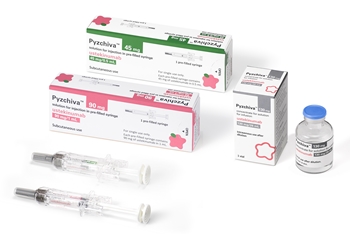
- Samsung Bioepis has launched Pyzchiva, its biosimilar version of Stelara (ustekinumab), in the European market. Pic of PyzchivaPyzchiva was approved in Europe and Korea in April and was launched into the Korean market as Epyztek. The drug was approved in the U.S. in June. The company’s marketing partner, Sandoz, will take charge of its sales in Europe. Samsung Bioepis signed a partnership agreement with Sandoz in September last year to sell Pyzchiva in North America and Europe Stelara is a treatment for autoimmune diseases such as plaque psoriasis, psoriatic arthritis, Crohn's disease, and ulcerative colitis that was developed by Janssen. It posts annual global sales of approximately KRW 14 trillion (USD 10.858 billion). With the launch of Pyzchiva, Samsung Bioepis has now launched 8 biosimilars in Europe. In addition to the 3 tumor necrosis factor-alpha (TNF-α) inhibitors, Samsung Bioepis has expanded its autoimmune disease treatment portfolio in Europe by adding an interleukin inhibitor. "Our goal is to ensure that patients across Europe have access to life-changing medicines, and Pyzchiva marks an important milestone as one of the first ustekinumab biosimilars released in Europe," said Rebecca Guntern, Region President of Sandoz Europe. Meanwhile, Samsung Bioepis has been directly selling Epyztek in Korea. The company’s strategy was to strengthen its marketing capabilities and increase profitability by adding Epyztek to the list of autoimmune disease treatments it has been selling directly since March. According to the 'Drug Reimbursement List and Ceiling Price Table' as of July 1 by the Health Insurance Review and Assessment Service, Epyztek’s drug price was set at KRW 1,298,290 for the 45mg/0.5ml prefilled Inj. This is about 40% lower than the price of the original drug. Stelara’s price is also set to be reduced following the launch of the biosimilar, but Epyztek offers a price benefit even with the original drug’s price discount.
- Company
- First patient dosing with Pluvicto imminent in Korea
- by Moon, sunh-ho Jul 30, 2024 05:52am
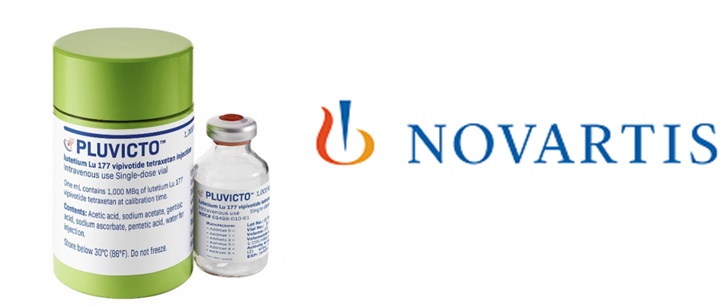
- Novartis Korea's prostate cancer drug Pluvicto, which has been in the spotlight since its approval by the Ministry of Food and Drug Safety, is gaining further attention as the company prepares to administer the first dose to patients in Korea. Pluvicto is a blockbuster drug that generated more than KRW 1 trillion in global sales last year and is considered to have ushered in the era of so-called ‘radiopharmaceutical missiles’ in oncology. # Unlike Bayer's Xofigo, which was licensed as a radioactive therapeutic agent in 2014 but was ignored by the market, Pluvicto opened a new era making noteworthy performance. As a result, global pharmaceutical companies are rushing to develop radiopharmaceuticals after witnessing the success, intensifying competition among domestic pharmaceutical and biotech companies. According to the medical and pharmaceutical industry on the 27th, the first patient is expected to be treated at one of the largest general hospitals in Korea in late August, after the Ministry of Food and Drug Safety’s approval of Novartis Korea's prostate cancer drug Pluvicto (lutetium Lu 177 vipivotide tetraxetan) in late May. Pluvicto is a radioligand therapy that binds the radioactive isotope lutetium (177Lu) to prostate-specific membrane antigen (PSMA), which is overexpressed in prostate cancer, to kill cancer cells. The treatment was acquired by Novartis through its acquisition of US-based Endocyte in 2018. Radioligands are therapeutic agents that combine a therapeutic radioisotope with a ligand (which targets specific cancer cells). When the radioligand binds to the target cell, it releases the therapeutic radioisotope, inhibiting cancer cell proliferation. Its May approval was based on the Phase III VISION trial. The trial evaluated the efficacy and safety of Pluvicto versus standard-of-care monotherapy in 831 patients with PSMA-positive metastatic castration-resistant prostate cancer (mCRPC). Results showed that the the primary endpoint of radiologic progression-free survival (rPFS) was 8.7 months in the Pluvicto arm, which was longer compared to 3.4 months in the control arm. Median overall survival (OS) was 15.3 months in the Pluvicto arm and 11.3 months in the control arm. The risk of radiographic progression or death was reduced by 60% with the use of Pluvicto. Since the drug was approved by the MFDS, Novartis Korea has been working to start treating patients at the largest hospitals in Korea. In order for medical institutions to introduce the radiopharmaceutical Pluvicto, the institutions need to have a PSMA PET-CT dedicated to prostate cancer and have a separate room for dispensing, quality control, and patient administration of radioactive therapeutic agents. Currently, 15 medical institutions nationwide, including the largest hospitals in Korea, are equipped with PSMA PET-CT for testing. Novartis is currently in discussions with 11 of these medical institutions, including Asan Medical Center in Seoul, to provide Pluvicto to prostate cancer patients. With the first patient expected to be treated without reimbursement as early as August, Novartis Korea is considering introducing a patient program to address the high price of the drug. For reference, the recommended dose of Pluvicto is 7.4 GBq (200 mCi), administered intravenously up to 6 times every 6 weeks (±1 week), and it is expected that tens of millions of won will be spent per dose without reimbursement in clinical sites. "From the HCP’s point of view, we believe the introduction of Pluvicto will have a positive impact in that it increases the number of weapons available for prostate cancer, and is a proven treatment with no significant side effects," said Dr. In-Keun Park, Professor of Oncology at Asan Medical Center. "The problem is that it is expensive and there are only a limited number of institutions that can perform PSMA PET-CT, rendering its administration equally limited." "Because it is a radioactive therapeutic agent, it requires a separate space for its administration rather than a general hospital room. Like Kymriah, Pluvicto is also produced through pre-orders," said a representative from Novartis Korea, "So it takes a considerable process to produce the drug in Europe and deliver it to patients in Korea." "We are reviewing the possibility of introducing a patient program. However, due to the nature of radioactive therapeutic agents, it is quite expensive. This is because it utilizes lutetium, a radioactive isotope," the representative added, "We are also discussing the possibility of applying for insurance reimbursement." With the use of Pluvicto nearing on-site, the competition among domestic pharmaceutical and biotech companies to develop radiopharmaceuticals is also heating up. Currently, FutureChem is at the forefront in the area. In mid-May, FutureChem began dosing its first patient in the U.S. for a Phase IIa clinical trial of FC705, a prostate cancer drug for castration-resistant metastatic patients. FC705 is a radiopharmaceutical that targets PSMA, which is overexpressed on the surface of prostate cancer cells. It kills cancer cells by introducing a therapeutic isotope into a peptide that binds to the PSMA protein. In a Phase I clinical trial, an objective response rate (ORR) and disease control rate (DCR) were confirmed in all patients who were administered FC705. In addition to the U.S. clinical trial, FutureChem is also conducting Phase II in Korea, including at Seoul St. Mary's Hospital, and is reportedly discussing technology transfer negotiations with China. In addition, AbTis, a subsidiary of Dong-A ST, is working with CellBion to develop a new radiopharmaceutical. The two companies signed a joint development agreement last month and will utilize AbTis’ linker platform technology AbClick and CellBion's radiopharmaceutical lab linker technology to develop a new Antibody-Radionuclide Conjugate (ARC) drug targeting stomach and pancreatic cancer. Recently, SK Biopharmaceuticalsentered into a license-in technology transfer agreement with Full-Life Technologies to acquire global development and commercialization rights to FL-091, a radiopharmaceutical candidate targeting neurotensin receptor 1 (NTSR1), from Full-Life Technologies. FL-091 small-molecule radioligand vector designed to deliver actinium-225 (225Ac), a next-generation radioisotope capable of killing cancer cells by selectively binding to NTSR1, a receptor protein, which is selectively overexpressed in various types of solid tumors, including colorectal cancer, prostate cancer, and pancreatic cancer. SK Biopharm has been discussing introducing radiopharmaceuticals into its pipeline since last year as the next step after its epilepsy drug cenobamate (U.S. brand name: Xcopri). The company acquired global-level Targeted Protein Degradation (TPD) technology through the acquisition of ProteoVant Sciences last year. The TPD technology seeks to overcome the limitations of existing therapeutics by degrading and removing target proteins and solving the causes of diseases. "This license agreement is the most concrete achievement we have made since the announcement of our entry into the field of radiopharmaceutical therapeutics last year," said Dong-hoon Lee, CEO of SK Biopharmaceuticals. "We plan to unveil a more specific business plan for the entire radiopharmaceutical business this year and accelerate clinical development and commercialization."
- Company
- Pfizer's MM drug Elerexfio seeks reimb in KOR
- by Eo, Yun-Ho Jul 29, 2024 05:48am
- Pfizer is attempting reimbursement listing of its new multiple myeloma drug ‘Elerexfio’ in Korea. According to industry sources, Pfizer Korea recently submitted a reimbursement application for its relapsed-refractory multiple myeloma (RRMM) treatment q (elranatamab). The company promptly started its listing process after receiving approval on May 30. Elerexfio previously received approval as the fourth drug to be designated as a Global Innovative products on Fast Track (GIFT) by the MFDS. GIFT is an accelerated review support system operated by the MFDS to promptly introduce highly innovative medicines, such as treatments for life-threatening or serious diseases, to the market and patients. Elerexfio is a subcutaneously delivered B-cell maturation antigen (BCMA)-CD3-directed bispecific antibody (BsAb) immunotherapy used to treat patients with relapsed or refractory multiple myeloma (RRMM). BCMA is commonly expressed in multiple myeloma patients, selectively expressed in plasma cells, and overexpressed in myeloma cells. Elerexfio binds to BCMA on myeloma cells and CD3 on T-cells to enhance the immune response. The treatment is administered weekly from Week 2 through Week 24 of treatment following a step-up dosing schedule, with patients who achieve a response after at least 24 weeks of treatment switching to a 2-week interval beginning at Week 25. It is available in a single-dose vial for immediate outpatient administration and is administered by subcutaneous injection only. The approval was based on the global Phase II MagnetisMM-3 study, which included 123 patients who had never received a BCMA-targeted therapy. In patients with multiple myeloma who have already received at least 3 treatment regimens (including a proteasome inhibitor, an immunomodulatory agent, and an anti-CD38 monoclonal antibody) and have no prior treatment experience with a BCMA-targeted therapy, Elerexfio achieved a primary endpoint objective response rate (ORR) of 61.0% in patients, with 56.1% of responders achieving a very good partial response (VGPR) or better. In responders, the median time to response (TTR) was 1.2 months, and the median time to complete response (CR) was 6.1 months. In addition, the probability of maintaining ≥CR at 9 months was 89.0%, with a progression-free survival of 50.9% at 15 months. Meanwhile, according to the World Health Organization's ‘Global Cancer Observatory’ report that was published in 2022, approximately 187,000 new cases of multiple myeloma were newly diagnosed worldwide. Multiple myeloma is the second most common type of blood cancer, with a 5-year relative survival rate of 50.1% in Korea in 2021. According to the annual report of the National Cancer Registry, 2018 cases were diagnosed in Korea in 2021.
- Company
- Eylea biosimilar 'Afilivu' will be prescribed
- by Eo, Yun-Ho Jul 29, 2024 05:48am
- Product photo of Samsung Bioepis Samsung Bioepis' Eylea biosimilar 'Afilivu' is becoming available for prescription at general hospitals. Industry sources said that Afilivu (aflibercept), a macular degeneration treatment, has passed the drug committees (DC) of medical centers, including Seoul National University Hospital and Seoul National University Bundang Hospital. Afilivu is a biosimilar referencing Eylea, a blockbuster product generating KRW 12 trillion in global sales. In February, it obtained approval from the Ministry of Food and Drug Safety (MFDS), and in May, it received approval from the FDA under the product name of 'Opuviz.' Afilivu's active ingredient, aflibercept, works by inhibiting vascular endothelial growth factor (VEGF), preventing abnormal blood vessel growth in the eye. By blocking VEGF, Aflibercept is used to treat macular maculation, slowing macular damage and preserving vision. Macular degeneration is an eye disease that occurs due to aging and inflammation of the macula, located in the central region of the retina. Samil Pharmaceutical, which signed an exclusive domestic distribution and sales agreement with Samsung Bioepis, officially launched 'Afilivu' on May 1st. Within the first month of its launch, the drug reached sales of KRW 1 billion, achieving significant success. Meanwhile, Samsung Bioepis conducted phase 3 trials for Eylea. From June 2020 to March 2022, the trial enrolled 449 patients with Neovascular Age-related Macular Degeneration (nAMD) from 10 countries, including the United States and South Korea. The final data from the phase 3 trial were presented at the Association for Research in Vision and Ophthalmology (ARVO) conference in April last year. The trial confirmed the clinical equivalence of the drug to the original medicine, including its efficacy and safety.
- Company
- GC accelerates global entry…targets China and Vietnam
- by Her, sung-kyu Jul 29, 2024 05:48am
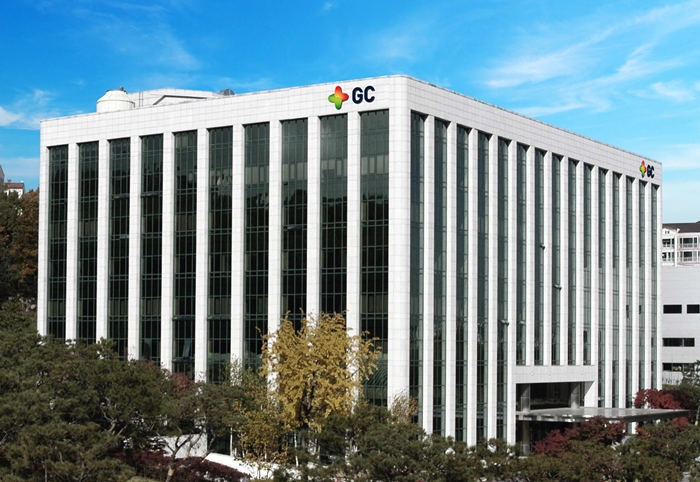
- The GC group accelerating its global market entry after exporting Alyglo to the U.S., seeking to expand its business to China and Vietnam. In particular, it chose to cooperate with China's CR Pharmaceutical Group after selling its Chinese subsidiary, and the company is also seeking to enter Southeast Asia by collaborating with local companies in Vietnam. #On the 19th, GC (Green Cross Holdings) announced that it would enter the Vietnamese healthcare market in cooperation with Phenikaa Group. The plan is for GC Labs to build a diagnostic laboratory using the organization's long-standing know-how, and GC iMED, a comprehensive health checkup agency, to establish a premium health checkup center for the Vietnamese middle-and-upper class. In addition, GC plans to expand into the Southeast Asian market after entering the Vietnamese healthcare market. The entry into the Vietnamese market is particularly noteworthy because it demonstrates the company's plan for rapid global expansion following its entry into the U.S. market. Along with the U.S. market, GC Biopharma is accelerating its expansion into markets such as China and Vietnam in cooperation with local companies. The company obtained U.S. FDA's approval for its blood product Alyglo late last year. Alyglo is a 10% immunoglobulin liquid for intravenous administration used for primary humoral immunodeficiency (PI), also known as congenital immunodeficiency. In 2020, the company conducted a Phase III clinical trial in North America in patients with primary immunodeficiency and met the efficacy and safety endpoints in compliance with FDA guidelines, but due to delays in on-site inspections among others due to COVID-19, the company obtained approval late last year. Since then, GC Biopharma has continued its efforts with its U.S. subsidiary to register the drug on the formulary and made its first shipment to the U.S. on the 8th of this month. Along with this entry into the U.S. blood product market, GC has been expanding its global reach to China and other countries. First of all, the GC Group sold its Chinese subsidiaries, including the Hong Kong subsidiary, and is seeking to enter the Chinese market in cooperation with local companies. In fact, the company signed a stock purchase agreement (SPA) with CR Boya, a subsidiary of China’s state-owned CR Pharmaceutical Group, to sell all shares of its Hong Kong subsidiary. In addition, the company entered into a separate Distribution Agreement with CR to distribute GC Biopharma-GC Wellbeing's main products in China. In the process, GC secured approximately KRW 350 billion through the sale of 6 companies, including GC China, its wholly-owned subsidiary in China. Through the agreements, GC plans to enhance its financial health and utilize the funds to make strategic investments for future businesses. In addition, GC Biopharma is seeking to maximize the efficiency of its blood product production by exporting immunoglobulin, one of the main derivatives produced in the process of manufacturing its blood products, to the U.S., and albumin to China. The company’s strategy is interpreted as an attempt to reorganize its business and focus on its strengths. In other words, in addition to selling different products by country, the company is organizing its underperforming subsidiaries to increase efficiency while addressing concerns about the relationship between the U.S. and China. Currently, the US is in the process of enacting the Biosecure Act, which aims to restrict Chinese biotech companies from operating in the US. In this context, GC will continue to pursue business in the US through its subsidiaries, while targeting the Chinese markets through cooperation with local groups rather than entering the market on its own. In addition, the company’s plan to expand cooperation with local companies in Vietnam is also interpreted as a strategy to reduce its risk of entering the Southeast Asian market.
- Company
- Samsung Bioepis’ 3mth operating profit exceeds last year's
- by Chon, Seung-Hyun Jul 26, 2024 05:47am
- Samsung Bioepis posted the largest Q2 revenue in its history. The company recorded twice as much revenue as in its previous record, and its operating income surpassed what it earned in the entire year last year. This is due to the large influx of milestones, receiving a series of approvals for biosimilars in the U.S. and Europe. According to Samsung BioLogics on the 25th, Samsung Bioepis posted revenue of KRW 529.9 billion in Q2, up 107.1% from the KRW 259.9 billion a year earlier, and an operating profit of KRW 257.1 billion, up more than six times from the KRW 41.9 billion a year earlier. Both revenue and operating profit are the largest ever. Samsung Bioepis' Q2 revenue was 89.2% higher than the company’s previous record of KRW 288.9 billion it had made in Q4 last year. Operating profit more than doubled from the KRW 101.5 billion it had recorded in Q3 2021. In just 3 months, the company posted more operating profit than the KRW 205.4 billion it earned in the entire year last year. As a result, the company’s operating profit margin in Q2 reached 48.5%. Samsung Bioepis Smooth sales of biosimilars overseas, and new biosimilar approvals in the U.S. and Europe brought in large milestones. Samsung Bioepis received approval for a total of 3 biosimilars in Europe and the U.S. in Q2 this year. Last month, Samsung Bioepis received marketing authorization from the European Commission for the Stelara biosimilar Pyzchiva. Stelara is an autoimmune disease treatment developed by Janssen that is prescribed for plaque psoriasis, psoriatic arthritis, Crohn's disease, and ulcerative colitis. It inhibits the activity of interleukin (IL)-12,23, a class of inflammatory cytokines involved in the immune response. The drug has made annual global sales of KRW 14 trillion. Samsung Bioepis received marketing authorization from the U.S. Food and Drug Administration (FDA) to sell Pyzchiva in the U.S. In May, Samsung Bioepis received approval from the U.S. Food and Drug Administration (FDA) for Opuviz, a biosimilar of the macular degeneration treatment Eylea. Eylea, which was developed by Regeneron, has indications for wet (neovascular) age-related macular degeneration. Eylea generated global sales of approximately KRW 13 trillion last year. Sandoz has been marketing the newly approved Stelara biosimilar in the U.S. and Europe. The Eylea biosimilar is marketed by Biogen. The new approvals in Europe and the U.S. have led to an influx of milestone payments from its partners. Considering how Samsung Bioepis' Q2 sales and operating income increased by KRW 249.8 billion and KRW 219 billion from the previous quarter, respectively, the milestone inflow in Q2 is expected to have been around KRW 200 billion. View of the Samsung Bioepis building Sales of Samsung Bioepis' existing biosimilar products also continued to grow steadily. Samsung Bioepis has received approval for 8 biosimilars each in Europe and the U.S. In Europe, Samsung Bioepis has biosimilars of Enbrel, Remicade, Humira, Herceptin, Avastin, Lucentis, Soliris, Stelara. In the U.S., the company has neared commercialization of its Remicade, Herceptin, Enbrel, Humira, Lucentis, Eylea, Stelara, and Soliris biosimilars. Samsung Bioepis' licensed biosimilars are marketed by Biogen, Organon, and Sandoz in the global market. Biogen is in charge of 3 biosimilars of autoimmune disease treatments in Europe, including Enbrel, Remicade, and Humira. Biogen also markets Samsung Bioepis' Lucentis biosimilar in the U.S. market. Organon markets 3 biosimilars of Enbrel, Remicade, and Humira in the global market outside of Europe and South Korea. Organon also markets 3 autoimmune disease treatments in the U.S. and 2 anticancer drugs, Herceptin and Avastin biosimilars, outside of Europe and Korea.
