
- LOGIN
- MemberShip
- 2026-04-29 23:26:19
- Policy
- CPAC ‘Scemblix’s orphan drug designation is valid’
- by Lee, Hye-Kyung Jun 13, 2024 05:48am
- Pic of Scemblix The next-generation chronic myeloid leukemia drug ‘Scemblix (asciminib)’ is expected to be available for adult patients with chronic myeloid leukemia (CML) with the T315I mutation or Philadelphia chromosome-positive acute lymphocytic leukemia (Ph+ ALL) with the T315I mutation. According to the minutes of the Central Pharmaceutical Affairs Council that were disclosed by the Ministry of Food and Drug Safety on the 11th, the CPAC had discussed Scemblix’s orphan drug designation agenda at its last meeting. In Korea, Scemblix is currently only approved as a treatment for adult patients with Philadelphia chromosome-positive chronic myeloid leukemia (Ph+ CML) in the chronic phase previously treated with two or more tyrosine kinase inhibitors (TKIs). Iclusig(ponatinib) is currently the only treatment option available for the "patients with T315I-positive CML," for which the CPAC has been discussing Scemblix’s orphan drug designation. Iclusig was designated as an orphan drug for “patients with T315I-positive CML” and “adult patients with chronic, accelerated, or acute phase chronic myeloid leukemia (CML) or Philadelphia chromosome-positive acute lymphocytic leukemia (Ph+ ALL) that is resistant or intolerant to other tyrosine kinase inhibitors (TKIs). Regarding the designation decision, a CPAC member stated, "Scemblixworks in patients who are not sufficiently responding to treatment with other alternatives and in patients for whom alternative medicines are not available. Therefore, it is the only available alternative that offers improvement for difficult-to-treat patients.” According to data submitted by Novartis, Scemblix is a valid and viable alternative treatment option for CML patients with the T315I mutation, regardless of their Iclusig use. Also, the reported adverse events were manageable with dose adjustment, discontinuation, combination medications or supportive care, and a favorable safety profile compared to alternatives. The CPAC member said, "When considering the number of patients, prevalence, and safety and efficacy assessments, the results justify the drug’s orphan drug designation.” Another CPAC member said, “Given that the indication is limited to chronic myeloid leukemia and the submitted study is a Phase I study, its efficacy cannot be directly compared with Iclusig. However, in the submitted Phase I study, 38.5% of patients who have been previously treated with Iclusig achieved major molecular response (MMR). Given that Iclusig is the only treatment option for patients with T315I-mutant Ph+ CML, we believe that an orphan drug designation can provide patients and their physicians with more options.” Some noted that the definition of “significant” in the orphan drug designation criteria typically implies a statistically significant difference and that it would be unreasonable to conclude that a drug has significantly improved safety or efficacy based on the results of a Phase I trial. One member noted, "Given the limited number of CML patients with the T315I mutation, it will be some time before a direct comparison study is published.” However, the majority of committee members agreed that Scemblix is a viable treatment option for patients with leukemia that has become resistant to other therapies and that its orphan drug designation is valid.

- Policy
- 9th meeting held for external reference pricing reevals
- by Lee, Tak-Sun Jun 13, 2024 05:48am
- The government and the pharmaceutical industry held the 9th meeting on external reference pricing reevaluations but reportedly decided to continue discussions. Initially, the 9th meeting was supposed to be the last in the opinion-gathering process, but further meetings were deemed inevitable. According to industry sources, the government and the pharmaceutical industry held the 9th round of talks on the external reference pricing reevaluations at the Kukje Electronic Center in Seocho-gu on the 12th. This is the 9th round of talks since it began in November last year. As the government’s proposal for the method of comparison came out at the 8th meeting, the 9th meeting was expected to be the time to refine the final draft based on industry opinions. The industry also needed time to review the proposal, which was why the 9th meeting was pushed back to June instead of May after the 8th was held at the end of April. At the 9th meeting, the pharmaceutical industry made various demands. Although there was disagreement on the government’s method of comparing the A8 average price, which excludes the highest and lowest prices, the method is expected to be maintained as is. However, the parties reached a consensus that further discussion is needed on which drugs should be excluded from revaluations, the method of searching for foreign drug prices, and on whether to put a lower limit on the rate of drug price cuts. The 10th meeting is expected to be held after July to discuss the specifics. An industry official who attended the meeting said, "The industry made a lot of suggestions and decided to continue on the discussions. However, there seems to be no room for change in the comparison method proposed by the government."

- Policy
- Price ceiling for 'atosiban' set to rise under agreements
- by Lee, Tak-Sun Jun 12, 2024 05:45am
- Hanlim Pharm’s The insurance drug price ceiling for atosiban injection, used to delay pre-term birth in pregnant adult women, will increase. Currently, three products of atosiban for injection are available. With the drug price ceiling adjustment, better supply is expected following negotiations related to expanding the volume of distribution. According to the industry on June 11, the drug price ceiling of three products containing atosiban acetate will rise. Three items include Ferring Korea’s 'Tractocile Inj,' Hanlim Pharm’s 'Trecsiban Inj,' and Dong Kook’s 'Asiban Inj.' These products are used to delay pre-term birth in pregnant adult women with ▲regular uterine contractions of at least 30 seconds duration at a rate of more than 4 per 30 minutes ▲a cervical dilation of 1 to 3 cm (0-3 for nulliparas) and effacement of greater than 50% ▲18 years and older ▲pregnancy 24-33 weeks, and ▲a normal fetal heart rate. It is an inhibitor of oxytocin and selectively acts on uterine muscle, potentially preventing uterine contractions. The drug is currently reimbursed when used as the second-line treatment following the use of a ritodrine-containing agent. It is not covered with reimbursement from week 3 and results in a burden of over KRW 500,000 per 1 cycle. Therefore, the medical community has been advocating for expanding reimbursement coverage for first-line treatment and making it reimbursable after week 3. Current adjustment negotiations have reached an agreement on an increased drug price ceiling based on the volume of contract manufacturing (imports). It appears that this measure is intended to stabilize the supply. The drug price ceiling for a 6.75 mg product will be increased from KRW 13,000-14,000 to KRW 15,000, and for a 37.5 mg product, it will be increased from KRW 43,000 to 47,000. As the government focuses on policies related to raising birth rates and supporting pregnant women, raising the drug price of pre-term birth treatment likely happened quickly. Starting this month, five products for morning sickness are also reimbursable.

- Policy
- Approval for PH-ILD inhalation drug 'Tyvaso' expected soon
- by Lee, Hye-Kyung Jun 11, 2024 05:48am
- Tyvaso Inhalation Solution. The approval of 'Tyvaso Inhalation Solution 0.6 mg/mL (treprostinil)' in South Korea is expected soon. It is approved in the United States as the treatment for pulmonary arterial hypertension (PAH) and pulmonary hypertension associated with interstitial lung disease (PH-ILD). According to industry sources on the 11th, the safety and effectiveness evaluation of Anterogen for the approval had been completed. The completion of the safety and efficacy evaluation is followed by the NDA. United Therapeutics’s Tyvaso is a treatment for patients with PH-ILD, and Anterogen has a domestic license. In August last year, the Ministry of Food and Drug Safety (MFDS) designated the drug as the 14th Global Innovative products on Fast Track (GIFT). Following the designation, Tyvaso has been under expedited review for approval. For GIFT-designated products, the review duration is shortened by 25% (i.e., 120→90 working days), rolling review is applied, which enables review on prepared and available documents, close communication between the reviewer and the developing company, such as product briefing and explanation of supplementation, is offered, and various regulatory supports, including RA consulting for fast commercialization, are provided. The company has applied for the efficacy and effectiveness of Tyvaso in PH-ILD, which is a fatal disease with no available treatments despite a survival rate of about 30% within three years of diagnosis. Tyvaso first received approval from the U.S. FDA in 2009 and received expanded indications for the first treatment of PH-ILD in 2021. The approval was based on the INCREASE clinical trial data. The trial was the largest, enrolling 326 patients with PH-ILD and the most comprehensive. Tyvaso met the primary endpoint and significantly improved 6-minute walk distance (6MWD) results. The treatment showed benefits in various major subgroups related to etiology, disease severity, age, sex, blood kinetics, and doses. Improvements in the secondary endpoints included the reduction of NT-proBNP levels, a heart biomarker, the time to clinical worsening, the change in the highest 6MWD at week 12, and the change in the lowest 6MWD at week 15.
- Policy
- Handok paces its efforts to reimburse Pivlaz in KOR
- by Lee, Tak-Sun Jun 11, 2024 05:47am
- Handok is taking a break from its pursuit of reimbursement for ‘Pivlaz,’ a new drug used to prevent cerebral vasospasm in patients with subarachnoid hemorrhage that the company is supplying and distributing in Korea. The company immediately applied for Pivlaz’s reimbursement to the Health Insurance Review and Assessment Service after receiving approval in December last year, but was found to have voluntarily withdrawn the application recently. The company is expected to realign its strategy and then pursue reimbursement again. According to industry sources on the 10th, Handok submitted a letter requesting the withdrawal of the application for the drug determination (reimbursement) of Pivlaz Inj (clazosentan). The drug was granted marketing authorization last year on December 7. It is a selective endothelin A receptor antagonist indicated for the prevention of cerebral vasospasm, vasospasm-related cerebral infarction, and cerebral ischemic events in adults who have undergone clipping surgery or coiling treatment for aneurysmal subarachnoid hemorrhage. Pivlaz is the first drug approved in Korea to prevent both cerebral vasospasm and its complications. Cerebral vasospasm, which occurs after aneurysmal subarachnoid hemorrhage, has been shown to double the risk of death in patients. It is also accompanied by serious complications such as localized paralysis, speech impairment, and decreased consciousness. Active prevention and treatment are crucial, but the field has been experiencing difficulties due to the lack of appropriate drugs. This is why Pivlaz is rising as a promising treatment option. Nxera Pharma Korea owns the sales rights for Pivlaz in Korea. The Japanese multinational company, former Sosei Heptares, changed its name to Nxera in April last year after acquiring the Swiss pharmaceutical company Idorsia, which developed Pivlaz. On April 12, Handok announced that it signed an exclusive domestic supply and distribution agreement with Nxera Pharma Korea for Pivlaz. Handok has been collaborating with Nxera Pharma Korea Korea since 2008 to conduct domestic clinical trials and obtain marketing authorization for Pivlaz. Handok and Nxera Pharma Korea are seeking to launch Pivlaz early next year. There is still time to receive reimbursement within the timeline. The industry’s attention is focused on whether the two companies will be able to realign their strategy and speed up the reimbursement process for Pivlaz.
- Policy
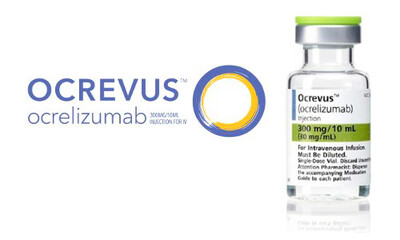
- Roche applies for Ocrevus' reimbursement in KOR
- by Lee, Tak-Sun Jun 10, 2024 05:41am
- Roche Korea applied for reimbursement of 'Ocrevus Inj. (ocrelizumab, Roche Korea),’ its multiple sclerosis treatment that was approved last month, to the Health Insurance Review and Assessment Service. The drug is administered twice a year, which is considered to have dramatically improved the dosing convenience for MS patients. The drug is a megablockbuster drug with global sales of about KRW 9 trillion in 2022. Celltrion is developing a biosimilar version of the drug. According to industry sources, Roche Korea submitted a drug determination application to HIRA for Ocrevus Inj on the 5th. Ocrevus Inj is a recombinant humanized monoclonal antibody (mAb, IgG1) that selectively targets CD20-expressing B cells, reducing the number and function of B cells to inhibit MS. MS is a disease of the central nervous system, which consists of the brain, spinal cord, and optic nerve, and is an autoimmune disease characterized by the patient's immune system attacking healthy cells and tissues. It is estimated that there are about 1,800 MS patients in Korea. The initial symptom is usually unilateral visual neuritis and is often accompanied by other various symptoms depending on the part of the central nervous system affected. Most patients complain of fatigue. Although there is no cure, various medications are being used to alleviate the symptoms. Beta interferon injections are the most commonly used, but the regimen requires receiving an injection from every other day to at least once a week. Ocrevus Inj offers greater dosing convenience with an initial dose of 600 mg administered in 2 intravenous infusions, followed by a single dose of 600 mg injection every 6 months. Ocrevus was approved by the U.S. FDA in March 2017 for the treatment of adult patients with relapsing or primary progressive forms of multiple sclerosis. In Korea, the Ministry of Food and Drug Safety approved the drug as a treatment for ▲ relapsing forms of multiple sclerosis (RMS) in adults, including clinically independent syndrome, relapsing-remitting multiple sclerosis, and active secondary progressive multiple sclerosis, and ▲ primary progressive multiple sclerosis (PPMS) in adults. In the U.S., the annual cost of the drug is USD 71,087, which is equivalent to KRW 97.73 million in Korea. Due to its high cost, how the company and government will share the reimbursement cost is likely to be an issue during reimbursement review. Ocrevus Inj generated global sales of KRW 9 trillion by 2022, leading Roche's growth. It is the No. 1 product in the multiple sclerosis treatment market. Celltrion submitted a Phase III IND for an Ocrevus Inj biosimilar to the European Medicines Agency (EMA) in May last year. Recently, the Korea Pharmaceutical and Bio-Pharma Manufacturers Association named Roche as the pharmaceutical company that will generate top global sales in 2028, citing data from global pharmaceutical market research institution Evaluate. Its products, the immuno-oncology drug Tecentriq, macular degeneration drug Vabysmo, and Ocrevus are expected to contribute to the high sales.

- Policy
- Latuda·Dupixent enter negotiations with the NHIS
- by Lee, Tak-Sun Jun 07, 2024 05:50am
- (from the top) 'Latuda (lurasidone),' a medication used to treat schizophrenia and imported and distributed by Bukwang Pharmaceutical, and 'Dupixent (dupilumab),' which aims to expand reimbursement for young children, have entered negotiations with the National Health Insurance Service (NHIS). When an agreement with the National Health Insurance Service (NHIS) is completed, reimbursement coverage is possible following reporting to the Health Insurance Policy Review Committee According to the NHIS on June 5, Latuda 20, 40, 60, 80, 120mg and Dupixent Prefilled Inj 200 mg and 300 mg entered negotiations this month. These two drugs have cleared the review by the Drug Reimbursement Evaluation Committee (DREC) of the Health Insurance Review and Assessment Service (HIRA) held in May. At the time, Latuda received a decision that it could receive reimbursement if accepted below-evaluated amount. It appears that Bukwang Pharmaceutical accepted the DREC’s suggested below-evaluated amount. When a company agrees with an amount below the standard to be exempted from the drug pricing negotiations, it will only negotiate the expected claim amount. Latuda, developed by Japan's Sumitomo Pharma, is an atypical antipsychotic medication used in the treatment of schizophrenia and type 1 bipolar disorder. It works by binding to dopamine and serotonin receptors in the central nervous system, blocking the action of neurotransmitters in the brain. Bukwang Pharmaceutical acquired the exclusive development·license of Latuda for South Korea in 2017. Latuda is reported to have generated US$1.465 billion (about KRW 1 trillion) in sales in the United States in 2022. Dupixent has applied for expanded reimbursement for treating patients with severe atopic dermatitis in children aged 6 months to younger than 6 years. In May, the DREC decided that the expanded reimbursement criteria were appropriate. When the negotiations for expanded usage are completed, Dupixent will be reimbursed for patients with severe atopic dermatitis from 6 months to adulthood. In the LIBERTY AD PRESCHOOL Phase 3 trial, Dupixent showed significant improvement in skin lesions in young children. At 16 weeks, 28% of patients treated with Dupixent in combination with topical corticosteroids (TCS) showed a score of 0 or 1 point in the Investigator's Global Assessment PN-Stage (IGA PN-S), demonstrating a significant improvement in atopic dermatitis compared to 4% of the placebo group. Consequently, it met the primary efficacy endpoint. Its indication for young children was approved in South Korea in November 2022.

- Policy
- Gov’t will maintain criteria for KIPC recertifications
- by Lee, Jeong-Hwan Jun 05, 2024 05:47am
- The government has decided to maintain the recertification process and criteria for Korea Innovative Pharmaceutical Companies. Therefore, the government decided not to accept the demands of some in the pharmaceutical industry on easing the decertification regulations, ‘2 or more rebate detections and administrative disposition’, and the 'total rebate amount that exceeds KRW 5 million’ regulations. Based on the maintained regulations, pharmaceutical companies that fall under the current disqualification criteria for innovative pharmaceutical companies, such as the rebate detection regulation, are expected to fail recertifications. On the 3rd, an official from the Ministry of Health and Welfare explained, "We will proceed according to the current regulations, and will not accept complaints from the pharmaceutical industry about easing the decertification criteria." This month, the recertification process will be carried out for Korea Innovative Pharmaceutical Companies certified on June 20, 2021, based on the Special Act on Fostering and Supporting the Pharmaceutical Industry. Currently, the 28 companies include ▲GC Biopharma, ▲Daewoong Pharmaceutical, ▲Daewon Pharm, ▲Daehwa Pharm, ▲Medytox, ▲Helixmith, ▲Boryung Pharmaceutical, ▲Bukwang Pharmaceutical, ▲BC World Pharm, ▲Samyang Holdings, ▲Celltrion, ▲Shin Poong Pharmaceutical, ▲ST Pharm, ▲Yuhan Corp, ▲Isu Absix, ▲Chong Kun Dang, ▲Crystal Genomics, ▲Taejoon Pharm, ▲Korea Otsuka Pharmaceutical, ▲Korea United Pharm, ▲Genuone Sciences, ▲Handok, ▲Hanlim Pharm, ▲Hanmi Pharmacuetical, ▲Hyundai Pharm, ▲HK Inno.N, ▲LG Chem, and▲SK Chemical. The companies reportedly submitted the written evaluation materials required for the recertification last month and completed an interview evaluation. Specifically, the written evaluation consists of 25 criteria, including excellence in R&D resource input, innovation in R&D activities, excellence in technological and economic performance, and corporate social responsibility, ethics, and management transparency. The interview evaluation consists of 5 criteria on innovation in R&D activities such as R&D vision, mid- to long-term promotion strategy, and the company’s social responsibility and ethics. Several pharmaceutical companies that submitted documents to extend their certification claimed that it was unfair to revoke the innovative pharmaceutical company status, which is certified based on the percentage of investment in R&D for new drugs, for illegal drug rebates, which is an individual deviant behavior. They also raised the need to ease the rebate criteria for decertifying innovative pharmaceutical companies. They requested that the 2 two administrative dispositions on rebates and the total amount of rebates paid that exceed KRW 5 million thresholds should be eased. However, the MOHW has decided not to accept these complaints from the pharmaceutical industry this time. The reasoning is that there are already companies that have been decertified under the current regulations, so it would be unfair to change the criteria, and there is no consensus within or outside the MOHW on the feasibility of easing the rebate criteria. A MOHW official said, "If any of the 28 pharmaceutical companies whose innovative pharmaceutical company certification period expires apply for recertification, they will be judged according to the current criteria without changing the criteria such as disqualification reasons. We are not considering the pharmaceutical industry's request to ease the criteria for decertification.” As such, the 28 pharmaceutical companies whose certification was extended in 2021 and expires in June this year will be evaluated on whether to be granted recertification as innovative pharmaceutical companies based on the current criteria, including whether or not they are subject to administrative dispositions for illegal rebates. The MOHW plans to confirm and notify the recertification decision within this month after deliberations by the Pharmaceutical Industry Development and Support Committee earlier this month.
- Policy
- Lorviqua fails to receive reimb as first-line therapy
- by Lee, Tak-Sun Jun 04, 2024 05:47am
- The reimbursement extension application for Lorviqua, a treatment for anaplastic lymphoma kinase (ALK)-positive non-small-cell cancer, has failed to go beyond the negotiation stage with the National Health Insurance Service. With the breakdown of the negotiations, the company will have to start over from the application stage for Lorviqua’s reimbursement According to industry sources, Pfizer Korea’s recent negotiations with the National Health Insurance Service for Lorviqua’s reimbursement(NHIS) fell through. Lorviqua is a treatment for ALK (anaplastic lymphoma kinase) positive non-small cell lung cancer, that was listed for reimbursement in September 2022. The drug is currently reimbursed to treat patients with advanced or metastatic ALK-positive advanced non-small cell lung cancer (NSCLC) whose disease has progressed after alectinib (brand name: Alecensa) or ceritinib (Zykadia) or Xalkori (crizotinib) as first-line ALK tyrosine kinase inhibitor (TKI) therapy, However, patients who received crizotinib (Xalkori) as a first-line ALK inhibitor may also have received alectinib, ceritinib, or brigatinib as a second-line ALK inhibitor and can use Lorviqua with reimbursement. In other words, the drug is covered as second-line or later therapy in patients who have not responded to prior first-line or first- or second-line agents. Lorviqua has become a blockbuster drug since its reimbursement, posting sales of KRW 11.7 billion last year, according to IQVIA. Pfizer has been pushing to extend Lorviqua’s reimbursement to first-line based on clinical data. In January, the Drug Reimbursement Review Committee deemed the drug's reimbursement extension adequate if the company is willing to accept a price lower than the assessed value. Since then, Pfizer has been conducting drug pricing negotiations with the National Health Insurance Service, accepting the committee's opinion. However, the negotiations fell through after the company and the government failed to reach an agreement on the terms of the risk-sharing agreement scheme, etc. As a result, the company will have to start all over again from the reimbursement application stage. At the 2024 American Society of Clinical Oncology Annual Meeting (ASCO 2024), which kicked off last month in Chicago, Pfizer unveiled the 5-year follow-up data on Lorviqua showing a progression-free survival rate of 60%, which is significantly higher than the 8% in the Xalkori arm. The data showed Lorviqua’s advantage in the first-line treatment environment. However, due to its failure to receive reimbursement extensions, existing first and second-line therapies will continue to dominate Korea’s ALK-positive targeted therapy market. Pfizer is reportedly planning to reapply for reimbursement as soon as possible.
- Policy
- Takeda’s Zejula Tab receives marketing authorization in KOR
- by Lee, Hye-Kyung Jun 03, 2024 05:49am
- Takeda Pharmaceuticals’ poly ADP-ribose polymerase Inhibitor ‘Zejual (niraparib)’ has been granted marketing authorization in Korea in its tablet form. The Ministry of Food and Drug Safety (MFDS) approved Zejula Tab 100 mg on the 31st. Like its capsule formulation, Zejula Tab is indicated ▲as monotherapy for adult patients with ovarian cancer (including fallopian tube cancer or primary peritoneal cancer) who have shown response (partial or complete response) to first-line platinum-based chemotherapy; ▲ as monotherapy for adult patients with platinum-sensitive recurrent high-grade serous ovarian cancer (including fallopian tube cancer or primary peritoneal cancer) who have responded (partial or complete response) to two or more lines of platinum-based chemotherapy. Its capsule formulation, Zejula Cap had been approved in Korea in 2019 as the first PARP inhibitor for use in patients regardless of BRCA mutations. Patients only need to take two 100 mg tablets once daily, making it the only once-daily treatment available for ovarian cancer. In a pivotal clinical study, Zejula demonstrated a significant improvement in median progression-free survival (mPFS) compared to placebo in patients with and without BRCA mutations. Among patients with ovarian cancer who have BRCA mutations, patients treated with Zejula had a mPFS of 21.0 months, which was 4 times longer than the 5.5 months confirmed in the placebo arm. In patients without BRCA mutations, mPFS with Zejula was 9.3 months, compared with the 3.9 months in the placebo arm, a clinically significant difference. In the U.S., Zejula is an "all-comer" that is reimbursable for all ovarian cancer patients, but in Korea, it is only available as first- and second-line maintenance therapy for patients who showed response to platinum-based chemotherapy. In April, a proposal to extend Zejula’s reimbursement as first-line maintenance therapy cancer to cover HRD-positive patients in addition to the current BRCA mutation-positive patients for unresectable ovarian cancer was submitted to the Health Insurance Review and Assessment Service's Drug Reimbursement Evaluation Committee, but rejected due to its unclear reimbursement adequacy. Meanwhile, Zejula and Lynparza (olaparib) are the only PARP inhibitors in Korea with an indication for maintenance therapy for ovarian cancer.
