
- LOGIN
- MemberShip
- 2026-04-29 05:11:02
- Policy
- "People do not recognize generic equivalence"…
- by Lee, Hye-Kyung Jun 18, 2024 05:48am
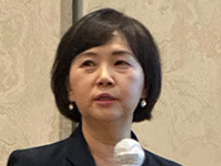
- "80% of the medicines approved in Korea are generics, which account for 53% of medical expenses. However, consumer perception of generics’ equivalence to original medicines remains at 50%. The Ministry of Food and Drug Safety (MFDS) should be concerned and ashamed of this outcome." Lee Eui-Kyung, a professor at the School of Pharmacy at Sungkyunkwan University who served previously as the Minister to the Ministry of Food and Drug Safety (MFDS), pointed out that stifling generic competition limits patient access to medicines. Lee Eui-Kyung, a professor at the School of Pharmacy at Sungkyunkwan University.Lee delivered a speech at the plenary session on the topic of 'Regulatory Science Innovation and Patient Access to Medicines' at the Korean Society of Food, Drug & Cosmetic Regulatory Sciences (KFDC)’s spring academic conference on June 14th. Lee said factors contributing to patient access to medicines could include ▲delays in pharmaceutical entry ▲stifling generic competition ▲a short supply of pharmaceuticals. Lee is particularly disappointed that several experts are voicing the differences in product qualities and people’s perceptions of generic and original medicines. "I wish people would recognize the equivalence of generics that have demonstrated equivalence through bioequivalence tests, and doctors prescribing also recognize them," Lee said. "Half of the people in Korea feel difference of generics in cultural and societal aspects is stifling patient access to medicines," she added. According to a survey presented at the conference (document prepared by researcher Park Hye-Kyung), around 50.9% answered ‘YES’ to the question, 'Do you think the effectiveness of generics is equivalent to original medicines?' "Arguments about the quality difference between originals and generics hinder improvements to the system, such as drug substitution preparation and drug pricing," Lee said. "The U.S. FDA is putting efforts into resolving arguments related to inequivalence by marketing generic equivalence. I tried to solve this problem during my tenure as the MFDS director but could not due to the COVID-19 pandemic,” Lee expressed concerns. Furthermore, Lee suggested that the MFDS should provide regulatory support for medicines with patent expired that do not yet have generics developed. According to the MFDS documents in October 2022, 476 of 1004 products with expired patents do not have generics available. For instance, Celltrion Pharm’s 'Godex Cap,' with annual production sales of approximately KRW 73 billion, is reimbursable, but the 53.55% price reduction has not been applied due to the absence of generics. "For Godex, having made of seven ingredient composition, complex generic development is difficult," Lee said. "The FDA established a 'research center for complex generics' to facilitate complex generics market entry and communications and information sharing among the government, academics, and pharmaceutical companies." Therefore, it is argued that if the Korean government also prepares solutions for developing complex generics, the prices of drugs with expired patents could be reduced, leading to savings in insurance finances. Lee delivered a speech at the plenary session on the topic of Lee expressed disappointment towards the conditional approval system and expedited review system introduced and implemented by the MFDS to address patient accessibility issues caused by delays in drug approval. "Expedited reviews and conditional approvals shorten the review period for new drugs, which is positive for early treatment access for severely ill patients. However, proceeding with conditional approval while clinical trials are not fully completed has increased uncertainty regarding the evidence," Lee said. From 2012 to 2021, the MFDS gave conditional approvals for 35 products. Among these, 15 products did not submit clinical data, siz had their approvals revoked, and eight had their Phase 3 clinical trial report submissions delayed. Only seven products, approximately 20%, submitted regular reports as required. "Out of all products with conditional approval, ten are new drugs developed in South Korea. Among these, eight items had not submitted clinical documents," said Lee. "Two products, 'tertomotide generic' and 'Olita,' have had their approvals withdrawn," she stated. "The MFDS is responsible for making the initial decision on new drugs in Korea, but the basis for the approval should not be influenced by conditional approvals," Lee said. "Efforts should be made to secure the workforce for reviewing regulatory standards and meeting requirements from the start of R&D,” LEE emphasized.
- Policy
- Ceprotin Inj passes reimbursement committee’s review
- by Lee, Tak-Sun Jun 18, 2024 05:48am
- The congenital protein C deficiency treatment ‘Ceprotin Inj’ was recognized as adequate for reimbursement by the Health Insurance Review and Assessment Service’s Drug Reimbursement Evaluation Committee (DREC). As a result, its final reimbursement will be determined through pricing negotiations with the National Health Insurance Service. The committee decided so at its 6th 2024 meeting that was held on the 13th. Takeda Pharmaceutical’s Ceprotin Inj (human protein C) is the first human protein C concentrate drug to treat congenital protein C deficiency. The drug, which was approved in Korea in 2022, treats venous thrombosis and fulminant purpura in patients with congenital protein C deficiency. Congenital protein C deficiency is a rare genetic disorder in which a lack of protein C causes a fatal defect in blood clotting control. It affects about 1 in 4 million newborns. The committee determined the drug’s reimbursement was adequate. As a result, the reimbursement listing process will now move past the DREC stage and enter the negotiation stage with the National Health Insurance Service. On the other hand, the new drug for symptomatic obstructive hypertrophic cardiomyopathy, Camzyos Cap received a redeliberation decision. As a result, the drug’s reimbursement is expected to be discussed again at the DREC meeting. Camzyos is the first treatment for symptomatic obstructive hypertrophic cardiomyopathy, and its mechanism of action dissociates myosin from actin and relaxes the over-contracted heart muscle, thereby improving the enlarged left ventricular structure and improving left ventricular outflow tract obstruction. Meanwhile, the adequacy of Zejula Cap’s reimbursement extension as a monotherapy maintenance treatment for patients with advanced ovarian cancer following first-line treatment with platinum-based chemotherapy was also determined to be adequate at the meeting.

- Policy
- Fasenra·Xpovio reimb from July…Jardiance price cut
- by Lee, Tak-Sun Jun 18, 2024 05:47am
- Pic of Fasenra and Xpovio The severe asthma treatment Fasenra Prefilled Syringe 30 mg (benralizumab, AZ) and multiple myeloma treatment Xpovio Tab 20 mg (selinexor, Antengene) may be reimbursed as early as July. The companies that own the two products have completed drug pricing negotiations with the National Health Insurance Service, and are waiting for them to be reported to the Ministry of Health and Welfare’s Health Insurance Policy Review Committee. According to industry sources on the 17th, the companies reached an agreement in the latest round of drug price negotiations for Fasenra and Xpovio. Fasenra is a treatment for severe eosinophilic asthma and will be reimbursed through the Risk-sharing agreement track (Refund type, Expenditure Cap type). Although it is not an anticancer or orphan drug, it fell into the expanded scope and was applied RSA as a drug that threatens the patients’ quality of life. It is also rare for a latecomer to be reimbursed through the RSA track, as Nucala (mepolizumab, GSK) was the first drug in its class to receive reimbursement through RSA last October. Also, another drug, Cinqair (reslizumab, Teva-Handok), which also has the same mechanism of action, was reimbursed through the general track, making Fasenra’s RSA reimbursement the more rare. As a result, all 3 monoclonal antibody treatments for severe asthma will soon be reimbursed in Korea. Xpovio is a treatment for multiple myeloma developed by the Chinese pharmaceutical company Antengene. The drug is up for reimbursement 3 years after its approval in 2021. The drug was approved for two indications: ▲ for use in combination with dexamethasone for the treatment of adult patients with relapsed and/or refractory multiple myeloma who have received at least 4 prior therapies and whose disease is refractory to at least 2 proteasome inhibitors (PI), at least two immunomodulatory medicinal products (IMiD), and an anti-CD38 monoclonal antibody (mAb); and ▲ as a monotherapy for the treatment of adult patients with relapsed/refractory diffuse large B-cell lymphoma (rrDLBCL) who have received at least two prior lines of treatment. Of these, only the multiple myeloma indication was approved as adequate for reimbursement. Xpovio is also applied the refund type and expenditure cap type RSA. Meanwhile, the insurance price ceiling of the SGLT-2 inhibitor class diabetes treatment ‘Jardiance 10mg, 25mg (empagliflozin, Boehringer Ingelheim) will be cut through the PVA system. Jardiance’s price had also been cut last year due to its increased usage. With SGLT2 inhibitors such as Forxiga and Suglat recently withdrawing from the market, Jardiance is expected to reap reflective interest.
- Policy
- Multiple myeloma drug Elrexfio receives conditional approval
- by Lee, Hye-Kyung Jun 17, 2024 05:46am
- The orphan drug ‘Elrexfio (elranatamab)' that is being imported by Pfizer Korea, has been approved subject to the submission of therapeutic confirmatory clinical trial data. Elrexfio is an orphan drug indicated as monotherapy to treat adult patients with relapsed or refractory multiple myeloma who have received three or more prior lines of therapy, including a proteasome inhibitor, an immunomodulatory agent, and an anti-CD38 monoclonal antibody Being a subcutaneously delivered B-cell maturation antigen (BCMA)-CD3-directed bispecific antibody (BsAb) immunotherapy, it owns the advantage of being able to be administered immediately compared to CAR-T cell therapy. After receiving accelerated approval from the U.S. FDA in August last year as a fifth-line therapy for multiple myeloma, the European EMA granted conditional approval in December of the same year. In Korea, the drug was approved on the 30th of last month, and according to the minutes of the Central Pharmaceutical Affairs Council meeting disclosed by the Ministry of Food and Drug Safety on the 12th, the approval was conditional, and the council requested the company to submit Phase III results after the approval. Results from the Phase II trial showed that 84% of 63 patients who received Elrexfio as a fourth-line treatment, including with the standard B-cell mature antigen therapy, maintained a response for up to 9 months. Of those who achieved a response, 72% maintained it for 15 months. By targeting B-cell maturation antigen (BCMA), which is found on multiple myeloma cancer cells, and CD3, which is found on immune T cells, Elrexfio Inj binds bispecifically to both cells, triggering an immune response that destroys multiple myeloma cancer cells. A CPAC member said, "Based on the safety, efficacy, and regulatory aspects of the submission, and considering its overseas approval status, it is reasonable to grant approval under the condition that the company submits the final results of a therapeutic confirmatory clinical trial.” Another member added, “Elrexfio monotherapy is already approved in the US and EU based on existing studies. The toxicity data reported in the literature is sufficient to support a conditional marketing authorization." Meanwhile, Elrexfio’s competitor is Janssen's ‘Tecvayli(talquetamab).’ In Korea, a Phase III trial comparing Talquetamab Plus Pomalidomide (Tal-P), Talquetamab Plus Teclistamab (Tal-Tec), and Elotuzumab, Pomalidomide, and Dexamethasone (EPd) or Pomalidomide, Bortezomib, and Dexamethasone(PVd) in Participants With Relapsed or Refractory Myeloma Who Have Received 1 to 4 Prior Lines of Therapy Including an Anti-CD38 Antibody and Lenalidomide’ was approved in November last year.

- Policy
- External reference pricing reevaluations are nearly ready
- by Lee, Tak-Sun Jun 17, 2024 05:46am
- The external reference pricing reevaluation system is expected to be soon launched by the Korean government. At the 9th meeting held on the 10th of this month, there were disagreements over the specific details, but no change had been made in the big picture. The health authorities are reportedly planning to finalize the discussions within this month. According to industry sources on the 14th, the health authorities are expected to hold another meeting with the pharmaceutical industry within the month and conclude the opinion-gathering process. At this pace, the reevaluations may begin as early as the second half of the year. An industry insider said, "I can't share specific details due to confidentiality, but the government seems to be firm in its intention to end the discussion within this month. A meeting will be held soon to coordinate the details, after which HIRA will start reviewing its initiation. The external reference pricing reevaluation involves adjusting the domestic insurance ceiling price of patent-expired same-ingredient drugs in comparison with the highest price in the A8 countries - Japan, France, Germany, Italy, Switzerland, the United Kingdom, and Canada. The government plans to conduct the re-evaluations by comparing the weighted average price excluding the highest and lowest prices among the A8 countries to the domestic ceiling price. The pharmaceutical industry is concerned that this method will result in large losses due to the large drug price cut rates. With the revaluations coming near, the industry has reportedly been proposing slightly more favorable options to the government. For example, in the case of combination drugs, the company requested that the total price of each single-agent drug be guaranteed even after the reevaluations. The government will divide drugs into 3 groups and reassess them every 3 years. The industry is predicting that high-costing drugs (those with a high claims amount) such as hypertension and digestive system drugs will be the first to be reevaluated.
- Policy
- CKD speeds up developing Duvie+Jardiance+metformin therapy
- by Lee, Hye-Kyung Jun 14, 2024 05:47am
- Photo of Chong Kun Dang Chong Kun Dang is conducting a clinical trial to develop a triple combination therapy, aiming to strengthen its competitiveness in the diabetes treatment market. On June 12th, the Ministry of Food and Drug Safety (MFDS) approved Chong Kun Dang’s application for a phase 1 trial for the “Evaluation of the Impact of Dietary Intake on Pharmacokinetic Profiles and Safety of CKD-383 in healthy adults.” CKD-383 is a triple combination therapy with CKD’s 'Duvie (lobeglitazone),' Boehringer Ingelheim Korea's 'Jardiance (empagliflozin),' and 'metformin,' which is used for the first-line treatment of type 2 diabetes. Chong Kun Dang has been conducting a phase 1 trial related to CKD-383 from February 2021 to develop a triple combination therapy. CKD-383 is under development with a combination of lobeglitazone 0.5 mg, empagliflozin 25 mg, and metformin 1000 mg. The company has completed a phase 1 trial, evaluating the safety and pharmacokinetic profiles of ▲CKD-501, D745, D150 combination therapy ▲CKD-501, D744, D150 combination therapy ▲CKD-501, D745, D150, D029 combination therapy, and ▲CKD-383 monotherapy and CKD-501, D745 ,D150 combination therapy in healthy adults. The ongoing phase 1 trial evaluates pharmacokinetics related to dietary intake, and its successful completion is anticipated to lead to approval. Chong Kun Dang has a line-up of 'Duvie,' the 20th Korea’s new drug, and 'Duvimet-S XR Tab,' a triple combination therapy containing lobeglitazone, metformin, and sitagliptin for the treatment of diabetes. Furthermore, the company has a completed line-up of various pharmaceuticals, including 'Duvie tab,' a lobeglitazone monotherapy, 'Duvimet XR Tab,' containing metformin plus lobeglitazone, 'Duvie S Tab,' containing sitagliptin plus lobeglitazone, and 'Exiglu M XR Tab,' containing dapagliflozin plus metformin. Since July, CKD acquired the license for 'Januvia' series from MSD Korea for exclusive marketing. According to the 'Korean Diabetes Fact Sheet (DFS 2022)' presented by the Korea Diabetes Association, the number of patients with diabetes who are over 30 years old has increased every year since 2018, recording 5,700,000 patients in 2020. Type 2 diabetes accounts for 90% of all diabetes patients. According to a medical market research firm UBIST, the market size for type 2 diabetes in Korea has seen a steady growth, with a sales of approximately KRW 1.5 trillion .
- Policy
- Yuhan’s NSCLC new drug earns approval for clinical trial
- by Lee, Hye-Kyung Jun 14, 2024 05:47am
- Yuhan Pharmaceutical receives approval to conduct a first-in-human phase ½ trial of YH42946. Yuhan Pharmaceutical has initiated the development of a new drug, 'YH42946,' a HER2 TKI, for the treatment of non-small cell lung cancer (NSCLC) in South Korea. On June 11th, the Ministry of Food and Drug Safety (MFDS) approved “A first-in-human 1/2 clinical trial to assess YH42946 treatment in patients with locally advanced or metastatic solid cancer harboring HER2 mutations and epidermal growth factor receptor (EGFR) exon 20 insertion mutations.” The clinical trial will be conducted in Severance Hospital. Yuhan Pharmaceutical has acquired new drug pipeline technology involving YH42946, which was at the preclinical stage, from J INTS BIO. Before receiving approval for a clinical trial in South Korea, the company received approval to conduct a phase ½ trial of YH42946 from the U.S. Food and Drug Administration (FDA) on May 30. YH42946 is a HER targeting TKI, and during a preclinical trial, it showed anti-tumor effects on exon 20 insertion commonly found in NSCLC and mutations in the HER 2 tyrosine kinase domain (TKD). Additionally, YH42946 has demonstrated anti-tumor effects on mutation subtypes found in major solid cancers, including breast cancer and colorectal cancer. As a result, the company is considering expanding its indication goal. NSCLC, which accounts for 85% of all lung cancer patients, is a cancer type with frequent occurrence of HER2 or EGFR mutation. Especially for NSCLC harboring HER2 exon 20 insertion mutations, there are unmet medical needs due to the lack of approved oral treatments. The upcoming study is a first-in-human phase ½ trial of YH42946. It will assess the safety, drug tolerance, pharmacokinetics, and anti-tumor activation following oral administration of YH42946 in patients with locally advanced or metastatic solid cancers harboring HER2 mutation and EGFR exon 20 insertion mutations.

- Policy
- Drug pricing negotiations complete for Idelvion in KOR
- by Lee, Tak-Sun Jun 13, 2024 05:48am
- The hemophilia B treatment Idelvion is soon expected to be reimbursed in Korea, with CSL Behring completing drug pricing negotiations for the drug with the regulatory authorities. The drug’s advantage is in its convenience in administration, as it can be administered once every 1 to 3 weeks. According to industry sources on the 12th, the National Health Insurance Service recently disclosed that it has completed drug pricing negotiations for Idelvion. The NHIS has been disclosing its drug pricing negotiation results since April. Idelvion Inj had been in drug price negotiations since April after passing the Health Insurance Review and Assessment Service’s Drug Reimbursement Evaluation Committee review in March. CSL Behring received domestic approval for Idelvion in March 2020 and has been pursuing reimbursement since then. In July 2021, DREC gave a conditional pass, deeming that reimbursement is adequate if the company accepts a price below the assessed amount, but the conditional pass did not lead to negotiations with the NHIS at the time. The company then aligned its strategy and applied to receive DREC review the second time, and in March, it was deemed adequate for reimbursement and received unconditional approval. The drug is indicated for the ▲control and prevention of bleeding episodes, ▲ control and prevention of bleeding in the perioperative setting, and ▲ routine prophylaxis to prevent or reduce the frequency of bleeding episodes in patients with hemophilia B (congenital factor IX deficiency). Hemophilia B is a congenital bleeding disorder caused by a single gene defect and is caused by a deficiency in coagulation factor IX (blood coagulation factor 9), a protein that helps blood coagulation and is mainly produced in the liver. Hemophilia B accounts for about 20% of all hemophilia patients. Pfizer’s ‘BeneFIX Inj’ is the top-selling product in Korea’s hemophilia B treatment market. According to IQVIA, BeneFIX sold KRW 7.2 billion’s worth last year. Hemophilia B is treated using intravenous injection to supplement the missing clotting factor. BeneFIX’s advantage was in its convenience in administration, being able to be injected once weekly. Idelvion also has an advantage in its convenience in administration. Its recommended dose is 35 to 50 IU/kg once weekly for routine prophylaxis. Patients aged 12 years or older who are well-controlled on once weekly dosing regimen may switch to 10 to 14-day interval regimen of 75IU/kg. Also, patients aged 18 years or older who are well controlled with the 14-day regimen for at least 6 months may receive 100 IU/kg every 21 days. The extended dosing interval, administered once weekly to up to every three weeks, is expected to improve convenience in dosing and quality of life for patients. If Idelvion is reimbursed, the Australian pharmaceutical company CSL Behring will own treatments for both hemophilia A and B in the country. CSL Behring also owns the rights to ‘Afstyla,’ a single-chain recombinant factor VIII for hemophilia A that was developed and licensed-out by SK Chemicals. Afstyla has been reimbursed in Korea since May 2021.
- Policy
- "Chickenpox vaccine 'Sky Varicella Inj' is safe…"
- by Lee, Jeong-Hwan Jun 13, 2024 05:48am
- SK Chemical’s varicella virus vaccine, Sky Varicella Inj. The Korea Disease Control and Prevention Agency (KDCA) reported on June 12th that experts and related agencies have conducted an investigation and analysis in response to an increased number of adverse reactions reported following vaccination with 'Sky Varicella Inj,' a varicella virus vaccine, and they confirmed that there are no safety concerns related to the vaccine. According to the KDCA, cases of shingles have been recently reported following vaccination with Sky Varicella Inj. From 2018 until May this year, 1,888,631 varicella virus vaccinations were given, and 29 cases of shingles were reported after the vaccination (reported rate: 0.0015%). The reported rate of shingles after vaccination with SK Chemical’s varicella virus vaccine, Sky Varicella Inj, was 0.003%. Consequently, the KDCA formed a public-private working group on April 26th following the decision by the Korea Expert Committee on Immunization Practices (KECIP). The group conducted a comprehensive review, including the safety of the varicella virus vaccine and shingles cases after vaccination, and concluded that there are no safety concerns related to Sky Varicella Inj. The public-private working group consisted of three pediatric infection experts, one virus experts, pharmacoepidemiology expert, and officials from the National Health Insurance Service (NHIS), KDCA, and the Ministry of Food and Drug Safety (MFDS). The MFDS stated it had conducted a comprehensive evaluation of documents related to quality and non-clinical·clinical trials submitted during the approval of the varicella virus vaccine, reports of national lot release at every manufacturing stage, and cases of adverse reactions reported in South Korea and oversees. The findings indicated no safety concerns related to the vaccine itself. After investigating 29 cases of reported shingles following varicella vaccination, it was found that all 29 individuals experienced symptom improvement without any complications. Additionally, analysis of NHIS big data showed no significant differences in severity, including hospitalization duration after shingles occurrence, following vaccination. The KDCA explained, "The varicella vaccine is a live vaccine that uses weakened strains of bacteria or viruses. It is known that the symptoms of shingles after vaccination are generally milder than when shingles occur in individuals who have not been vaccinated against chickenpox." During the investigation, there had been one case of reported death suspected to be related to the varicella vaccine. However, the expert committee, including a blood cancer specialist, concluded that there is no causal relationship between the varicella vaccine and the reported death. Consequently, based on these results, the KECIP decided to continue using Sky Varicella Inj in national immunization. However, considering that the incidence of shingles after vaccination with Sky Varicella Inj is higher than with other vaccines, precautions will be advised for high-risk groups, such as prohibiting the administration of the vaccine to severe immune-compromised patients and pregnant women. The KDCA strongly advocated for vaccination, stating the significant preventive effect of the varicella vaccine, citing that the incidence of chickenpox among the unvaccinated group, based on those born in 2022, is nearly ten times higher than that of the vaccinated group. They also emphasized that Sky Varicella Inj’s preventative effect against smallpox is 78.9%, which is higher than that of other varicella vaccines. The KCDC said, "We urged the medical community to actively report cases of adverse events, such as shingles, after receiving the varicella vaccine." They added, "Enhanced surveillance of the safety of the varicella vaccine will be implemented, including conducting additional diagnostic tests when reporting adverse events." If any adverse reactions, such as high fever, rash, and shingles, occur after the vaccination in young children, report to the NIP internet website (https://nip.kdca.go.kr) or the monitoring system for vaccines (https://is.kdca.go.kr). For other inquiries, including the report process, contact the call center ☎1339 or the nearest public health center.
- Policy
- CPAC ‘Scemblix’s orphan drug designation is valid’
- by Lee, Hye-Kyung Jun 13, 2024 05:48am
- Pic of Scemblix The next-generation chronic myeloid leukemia drug ‘Scemblix (asciminib)’ is expected to be available for adult patients with chronic myeloid leukemia (CML) with the T315I mutation or Philadelphia chromosome-positive acute lymphocytic leukemia (Ph+ ALL) with the T315I mutation. According to the minutes of the Central Pharmaceutical Affairs Council that were disclosed by the Ministry of Food and Drug Safety on the 11th, the CPAC had discussed Scemblix’s orphan drug designation agenda at its last meeting. In Korea, Scemblix is currently only approved as a treatment for adult patients with Philadelphia chromosome-positive chronic myeloid leukemia (Ph+ CML) in the chronic phase previously treated with two or more tyrosine kinase inhibitors (TKIs). Iclusig(ponatinib) is currently the only treatment option available for the "patients with T315I-positive CML," for which the CPAC has been discussing Scemblix’s orphan drug designation. Iclusig was designated as an orphan drug for “patients with T315I-positive CML” and “adult patients with chronic, accelerated, or acute phase chronic myeloid leukemia (CML) or Philadelphia chromosome-positive acute lymphocytic leukemia (Ph+ ALL) that is resistant or intolerant to other tyrosine kinase inhibitors (TKIs). Regarding the designation decision, a CPAC member stated, "Scemblixworks in patients who are not sufficiently responding to treatment with other alternatives and in patients for whom alternative medicines are not available. Therefore, it is the only available alternative that offers improvement for difficult-to-treat patients.” According to data submitted by Novartis, Scemblix is a valid and viable alternative treatment option for CML patients with the T315I mutation, regardless of their Iclusig use. Also, the reported adverse events were manageable with dose adjustment, discontinuation, combination medications or supportive care, and a favorable safety profile compared to alternatives. The CPAC member said, "When considering the number of patients, prevalence, and safety and efficacy assessments, the results justify the drug’s orphan drug designation.” Another CPAC member said, “Given that the indication is limited to chronic myeloid leukemia and the submitted study is a Phase I study, its efficacy cannot be directly compared with Iclusig. However, in the submitted Phase I study, 38.5% of patients who have been previously treated with Iclusig achieved major molecular response (MMR). Given that Iclusig is the only treatment option for patients with T315I-mutant Ph+ CML, we believe that an orphan drug designation can provide patients and their physicians with more options.” Some noted that the definition of “significant” in the orphan drug designation criteria typically implies a statistically significant difference and that it would be unreasonable to conclude that a drug has significantly improved safety or efficacy based on the results of a Phase I trial. One member noted, "Given the limited number of CML patients with the T315I mutation, it will be some time before a direct comparison study is published.” However, the majority of committee members agreed that Scemblix is a viable treatment option for patients with leukemia that has become resistant to other therapies and that its orphan drug designation is valid.
